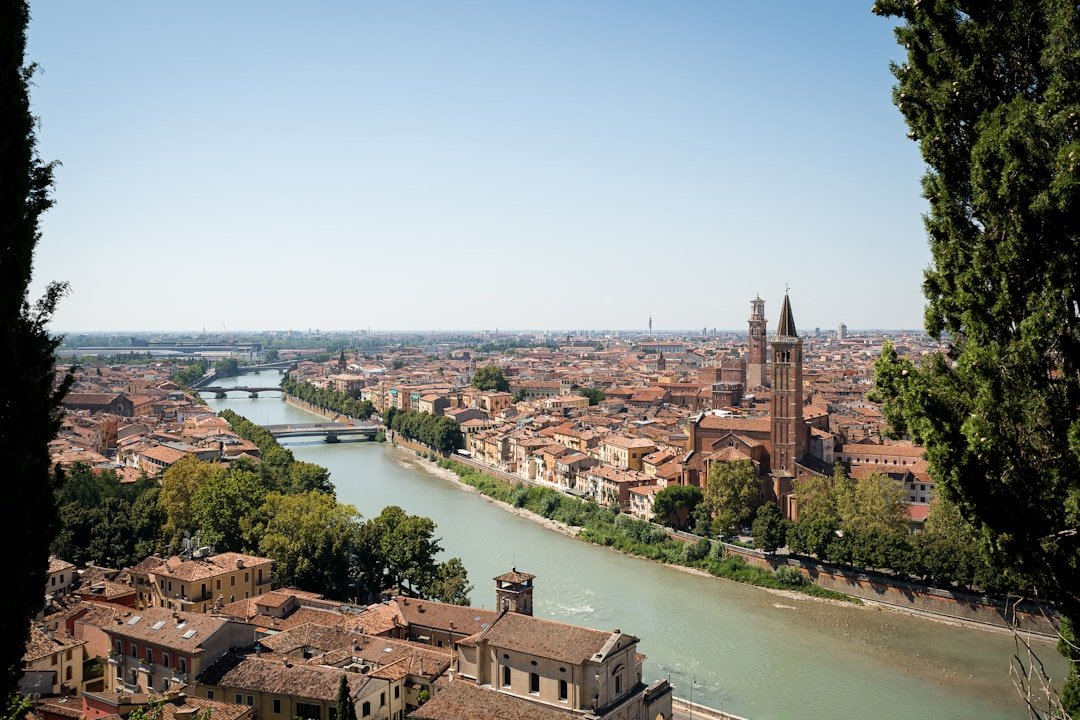
Verona, a city steeped in history and romance, is located in the northern part of Italy, nestled between the Adige River and the foothills of the Alps. Known for its rich cultural heritage, Verona has been designated a UNESCO World Heritage Site, celebrated for its well-preserved medieval architecture and vibrant artistic scene. The city is perhaps most famously recognized as the setting for William Shakespeare’s tragic love story, “Romeo and Juliet,” which has contributed to its reputation as a romantic destination.
With its charming streets, stunning piazzas, and historical landmarks, Verona offers visitors a unique blend of ancient history and modern Italian life. The city’s origins date back to Roman times, and remnants of this era can still be seen throughout Verona. The Arena di Verona, an ancient Roman amphitheater, stands as a testament to the city’s historical significance and architectural prowess.
Beyond its historical allure, Verona is also known for its culinary delights, with traditional dishes that reflect the region’s agricultural bounty. As visitors wander through its cobblestone streets, they are greeted by a tapestry of sights, sounds, and flavors that encapsulate the essence of Italian culture. This article will guide you through a two-day itinerary that captures the heart of Verona, showcasing its historic center, romantic landmarks, and culinary treasures.
Key Takeaways
- Verona’s historic center is a must-visit for its rich history and romantic charm.
- Morning at the Arena di Verona offers a glimpse into ancient Roman architecture and culture.
- Afternoon strolls through Piazza delle Erbe and Piazza dei Signori provide a taste of local life and stunning architecture.
- Enjoy a traditional Veronese trattoria for an authentic dining experience in the evening.
- Discover Verona’s romantic side with a morning tour of Juliet’s House and balcony, and an afternoon visit to Castelvecchio and Ponte Scaligero.
Day 1: Exploring Verona’s Historic Center
The first day in Verona is best spent immersing oneself in the city’s historic center, where every corner reveals a piece of its storied past. The historic center is compact and walkable, making it easy for visitors to explore on foot. As you step into this enchanting area, you are immediately transported back in time, surrounded by medieval buildings adorned with intricate frescoes and charming balconies.
The atmosphere is alive with the sounds of locals engaging in animated conversations and the aroma of freshly baked bread wafting from nearby bakeries. One of the highlights of the historic center is the vibrant Piazza delle Erbe, which has served as a marketplace since Roman times. Here, visitors can browse stalls selling fresh produce, local crafts, and souvenirs while enjoying the lively ambiance.
The piazza is flanked by stunning architecture, including the Torre dei Lamberti, which offers panoramic views of the city from its summit. A leisurely stroll through this bustling square provides an excellent introduction to Verona’s rich history and culture.
Morning: Visit to the Arena di Verona
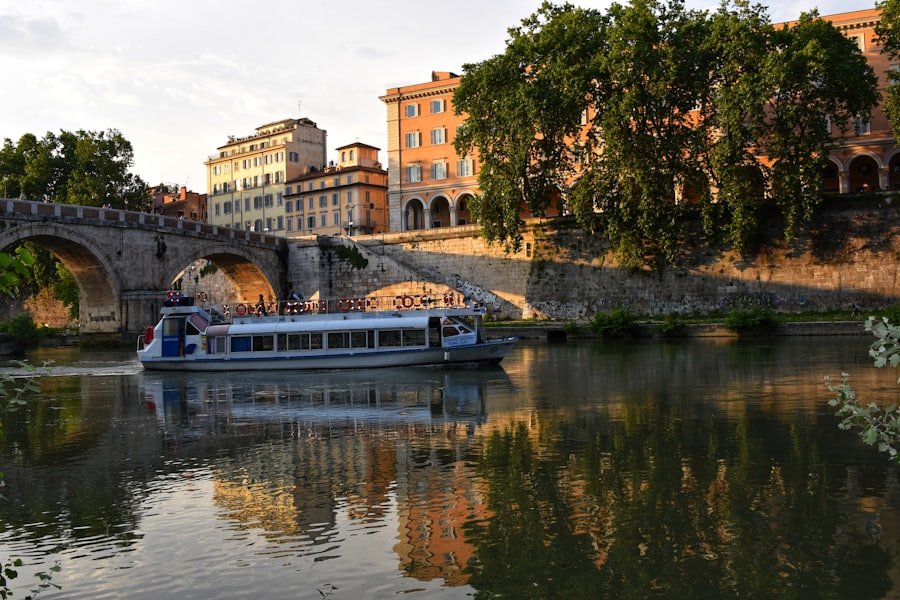
No visit to Verona would be complete without a trip to the iconic Arena di Verona. This remarkable structure dates back to 30 AD and is one of the best-preserved Roman amphitheaters in the world. With a capacity of over 15,000 spectators, it was originally used for gladiatorial contests and other public spectacles.
Today, it serves as a venue for opera performances and concerts during the summer months, drawing music lovers from around the globe. Upon entering the arena, visitors are struck by its grandeur and architectural brilliance. The elliptical shape and tiered seating create an intimate atmosphere that enhances the experience of attending a performance.
Guided tours are available for those interested in learning more about the arena’s history and significance. As you walk through the ancient stone corridors and take in the breathtaking views from the upper tiers, it becomes clear why this site is considered one of Verona’s crown jewels.
Afternoon: Stroll through Piazza delle Erbe and Piazza dei Signori
| Location | Activity | Duration | Highlights |
|---|---|---|---|
| Piazza delle Erbe | Strolling | 1 hour | Market stalls, historical buildings |
| Piazza dei Signori | Exploring | 30 minutes | Statues, cafes, architecture |
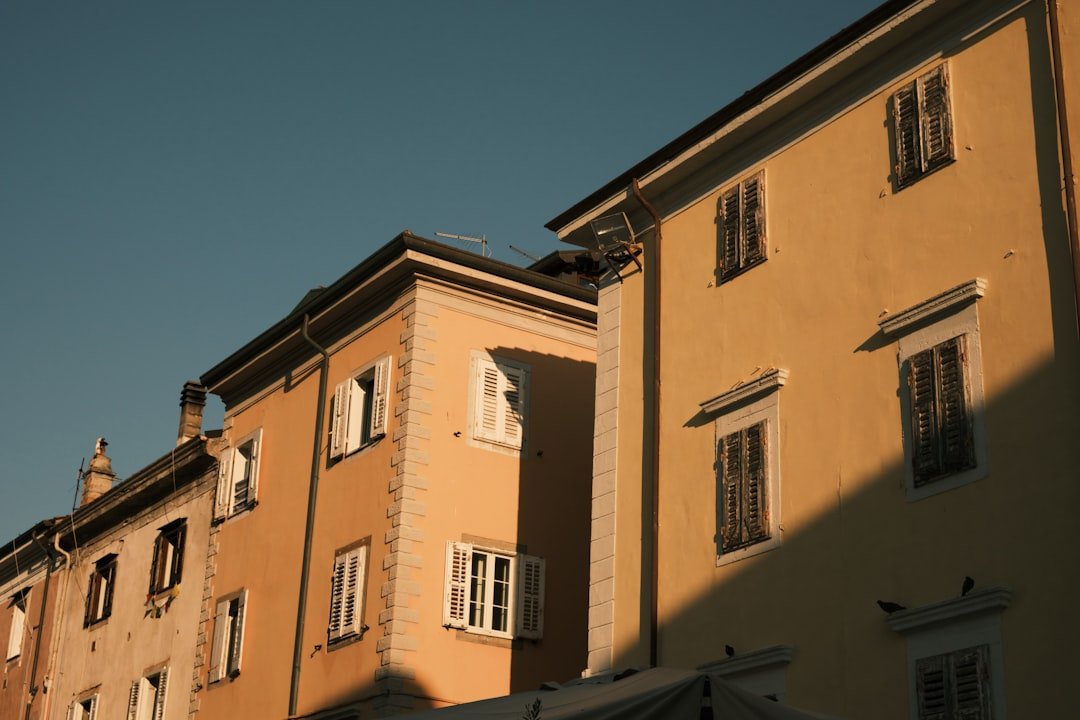
After exploring the Arena di Verona, a leisurely stroll to Piazza delle Erbe is in order. This picturesque square is often regarded as the heart of Verona, where locals gather to socialize and tourists come to soak in the vibrant atmosphere. The square is surrounded by stunning medieval buildings, including the Casa dei Giudici and the Palazzo Maffei, which showcase intricate architectural details that reflect Verona’s rich history.
Adjacent to Piazza delle Erbe is Piazza dei Signori, another beautiful square that exudes charm and elegance. This piazza is home to several important historical landmarks, including the statue of Dante Alighieri, which pays homage to the famous poet who spent time in Verona during his exile. The surrounding buildings feature Renaissance architecture that adds to the square’s allure.
Visitors can take a moment to relax at one of the outdoor cafes while enjoying a refreshing gelato or sipping on an espresso as they watch the world go by.
Evening: Dinner in a traditional Veronese trattoria
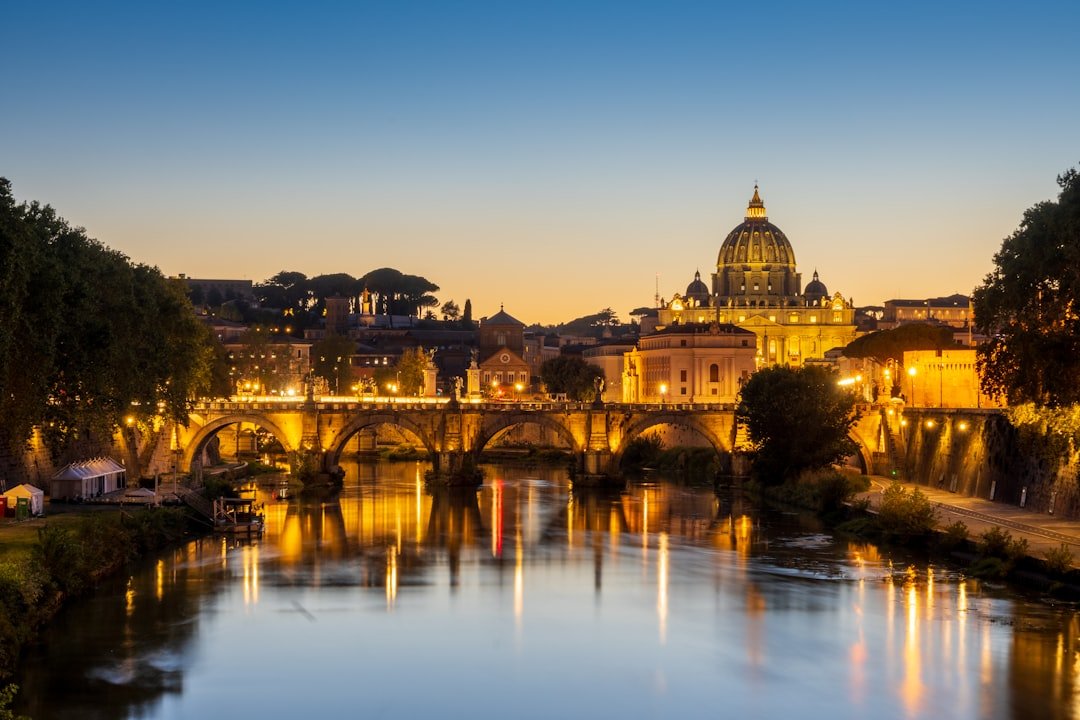
As evening descends upon Verona, it’s time to indulge in the culinary delights that this city has to offer. A traditional Veronese trattoria provides an authentic dining experience where visitors can savor local specialties made from fresh ingredients sourced from nearby markets. One must-try dish is “Risotto all’Amarone,” a creamy risotto prepared with Amarone wine—a rich red wine produced in the Valpolicella region known for its deep flavors.
In addition to risotto, diners can enjoy “Pastissada de Caval,” a slow-cooked horse meat stew that reflects the region’s culinary heritage. Accompanying these dishes are local wines that enhance the flavors of each meal. The warm ambiance of a trattoria, often adorned with rustic decor and filled with laughter and conversation, creates an inviting atmosphere that allows guests to fully immerse themselves in Veronese culture.
As you savor each bite and sip your wine, you’ll find that dining in Verona is not just about food; it’s about experiencing the warmth of Italian hospitality.
Day 2: Discovering Verona’s Romantic Side
Step into the World of Star-Crossed Lovers
The morning begins with a visit to Juliet’s House (Casa di Giulietta), where you can immerse yourself in the world of Shakespeare’s iconic lovers. This medieval building features a famous balcony that has become an iconic symbol of romance. Visitors often take turns posing for photos on the balcony while others leave love notes on the walls below—a tradition that has become synonymous with this site.
Uncover the Story of Juliet
The interior of Juliet’s House showcases artifacts related to her story, including letters written by visitors expressing their love and longing. These heartfelt notes offer a glimpse into the enduring power of love and the impact of Juliet’s story on people’s lives.
A City Steeped in Romance
As you explore Verona, you’ll discover that the city’s romantic atmosphere is not limited to Juliet’s House. The enchanting streets, picturesque settings, and rich history all combine to create a city that is steeped in romance and passion.
Morning: Tour of Juliet’s House and balcony
As you enter Juliet’s House, you are greeted by an atmosphere steeped in romance and nostalgia. The house itself is adorned with beautiful frescoes and features a small museum dedicated to Shakespeare’s play. Here, you can learn about the history behind Juliet’s character and her connection to Verona.
The highlight of your visit will undoubtedly be standing on Juliet’s balcony, where you can imagine her calling out to Romeo beneath the moonlight. The courtyard below is equally enchanting; it is filled with love locks left by couples who have visited in hopes of sealing their love forever. This tradition has transformed Juliet’s House into a shrine for lovers seeking inspiration from her tragic tale.
As you explore this intimate space, you may find yourself reflecting on themes of love and fate that resonate deeply within us all.
Afternoon: Visit to Castelvecchio and Ponte Scaligero
After immersing yourself in Juliet’s world, head towards Castelvecchio—a stunning medieval castle that offers insight into Verona’s military history. Built in the 14th century by the Scaliger family, this fortress features impressive battlements and towers that provide breathtaking views of the surrounding area. Inside Castelvecchio lies a museum housing an extensive collection of art and artifacts from various periods in Verona’s history.
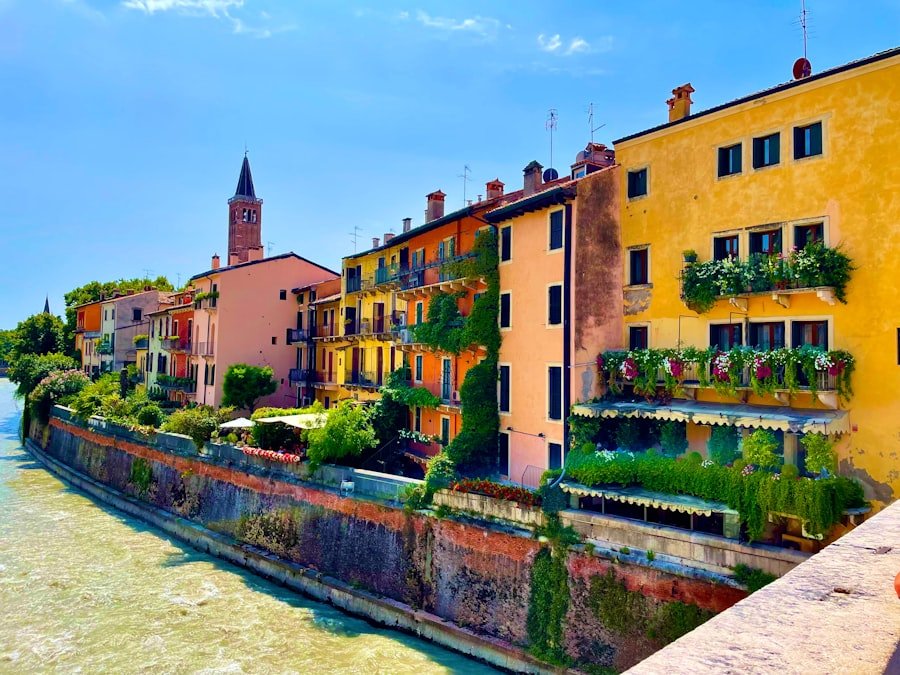
Adjacent to Castelvecchio is Ponte Scaligero, an iconic bridge that connects the castle to the opposite bank of the Adige River. This picturesque bridge is characterized by its red brick arches and offers stunning views of both the river and the castle itself. Walking across Ponte Scaligero feels like stepping back in time; it’s easy to imagine knights crossing this very bridge centuries ago.
The combination of history and scenic beauty makes this location perfect for capturing memorable photographs or simply enjoying a moment of tranquility by the water.
Evening: Wine tasting in the Valpolicella wine region
As your day comes to a close, venture out to the nearby Valpolicella wine region for an unforgettable wine tasting experience. Renowned for its exceptional red wines—particularly Amarone—Valpolicella boasts rolling vineyards that stretch across picturesque hillsides. Many local wineries offer guided tours where visitors can learn about traditional winemaking techniques while sampling some of the finest wines produced in this celebrated region.
During your visit to a winery, you’ll have the opportunity to taste various wines paired with local cheeses and cured meats—an experience that highlights the harmonious relationship between food and wine in Italian culture. Knowledgeable staff will guide you through each tasting, explaining how factors such as soil composition and climate influence flavor profiles. As you sip on rich Amarone or light Valpolicella Classico while overlooking lush vineyards at sunset, you’ll understand why this region is cherished by wine enthusiasts worldwide.
Additional Activities: Optional excursions to Lake Garda or the nearby Soave wine region
For those looking to extend their exploration beyond Verona’s city limits, optional excursions abound in this enchanting region. Just a short drive away lies Lake Garda—Italy’s largest lake—offering stunning landscapes characterized by crystal-clear waters surrounded by mountains and charming lakeside towns such as Sirmione or Bardolino. Visitors can partake in various activities such as boating, hiking along scenic trails, or simply relaxing by the water while enjoying local cuisine at lakeside restaurants.
Alternatively, consider venturing into Soave—a picturesque town known for its white wines produced from Garganega grapes. Soave’s medieval castle overlooks vineyards that produce some of Italy’s finest white wines; many wineries here offer tastings paired with local delicacies such as risotto or seafood dishes. Exploring these nearby regions allows visitors to experience even more of what this beautiful part of Italy has to offer while creating lasting memories amidst breathtaking scenery.
Final thoughts on the charm of Verona
Verona captivates visitors with its unique blend of history, romance, and culinary delights—a combination that makes it an ideal destination for travelers seeking both cultural enrichment and leisurely exploration. From wandering through ancient streets lined with architectural wonders to indulging in exquisite local cuisine paired with fine wines from nearby regions, every moment spent in Verona feels like stepping into a storybook. Whether you’re drawn by Shakespeare’s timeless tale or simply wish to immerse yourself in Italian culture at its finest, Verona promises an unforgettable experience filled with charm and beauty at every turn.
As you leave this enchanting city behind, you’ll carry with you not only memories but also a piece of its magic—one that lingers long after your visit has ended.
If you’re looking for a unique culinary experience during your visit to Verona, be sure to check out this article on delicious homemade cottage cheese. This simple and healthy recipe will give you a taste of the local flavors and ingredients that make Verona’s cuisine so special. Pair it with some fresh bread and a glass of local wine for a truly unforgettable meal.
FAQs
What are the must-see attractions in Verona for a 2-day itinerary?
Some of the must-see attractions in Verona for a 2-day itinerary include the Arena di Verona, Juliet’s House, Piazza delle Erbe, Castelvecchio, and Ponte Pietra.
What are some recommended activities to do in Verona for a 2-day visit?
Recommended activities in Verona for a 2-day visit include attending an opera performance at the Arena di Verona, exploring the historic center on foot, visiting local cafes and restaurants, and taking a day trip to Lake Garda.
What is the best way to get around Verona for a 2-day itinerary?
The best way to get around Verona for a 2-day itinerary is by walking, as many of the city’s attractions are located within a compact area. Alternatively, visitors can use the city’s public transportation system, including buses and taxis.
Are there any day trips that can be taken from Verona during a 2-day visit?
Yes, visitors to Verona can take a day trip to Lake Garda, which is located a short distance from the city. Other nearby attractions for day trips include the town of Sirmione and the Valpolicella wine region.
What are some recommended dining options in Verona for a 2-day visit?
Some recommended dining options in Verona for a 2-day visit include Osteria Sottocosta, Trattoria al Pompiere, Ristorante Greppia, and Antica Bottega del Vino. These establishments offer a variety of traditional Italian and local Veronese cuisine.