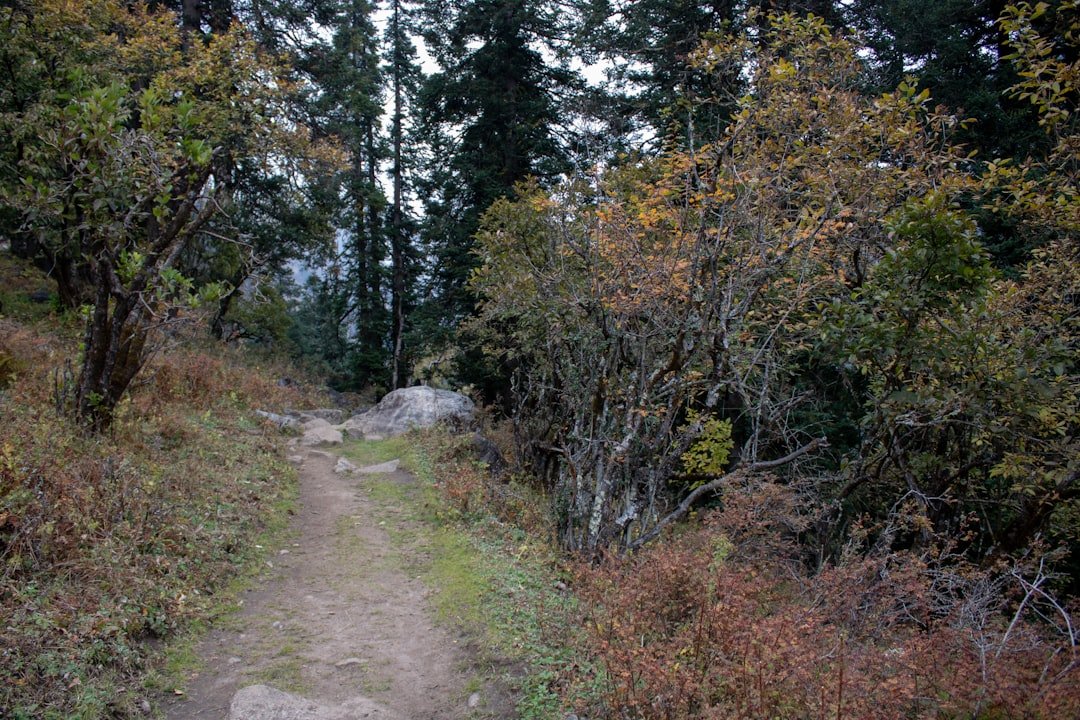
The Chief Ladiga Trail stands as a testament to the growing movement towards outdoor recreation and sustainable transportation in the United States. Spanning approximately 33 miles, this multi-use trail runs through the picturesque landscapes of Alabama, connecting the towns of Anniston and Piedmont. It is not merely a path for cyclists and pedestrians; it embodies a lifestyle choice that promotes health, wellness, and environmental consciousness.
The trail is named after a prominent Native American leader, Chief Ladiga, who played a significant role in the history of the region, adding a layer of cultural significance to this recreational space. As one of Alabama’s premier rail-trails, the Chief Ladiga Trail offers a unique blend of natural beauty and historical context. The trail is paved and well-maintained, making it accessible for individuals of all ages and skill levels.
Whether you are an avid cyclist, a casual walker, or a family looking for a weekend outing, the Chief Ladiga Trail provides an inviting environment to explore the great outdoors. The trail’s design encourages not only physical activity but also fosters community engagement, as it serves as a gathering place for local events and social interactions.
Key Takeaways
- Chief Ladiga Trail is a popular 33-mile long rail trail in Alabama, perfect for biking, walking, and running.
- The trail follows the route of the former Seaboard Air Line Railroad and connects to the Silver Comet Trail in Georgia.
- Bikers can enjoy scenic views of forests, farmlands, and small towns along the trail, with highlights including the Chief Ladiga Bridge and the Chief Ladiga Trailhead.
- Tips for biking the trail include bringing plenty of water, wearing sunscreen, and being mindful of trail etiquette and safety regulations.
- Nearby attractions and amenities include parks, restaurants, and bike shops, making it easy for visitors to enjoy the trail and its surroundings.
History and Background of Chief Ladiga Trail
The origins of the Chief Ladiga Trail can be traced back to the early 1990s when local advocates recognized the potential for transforming abandoned railway corridors into recreational pathways. The trail was developed on what was once part of the Southern Railway system, which ceased operations in the late 20th century. In 1994, the Alabama Department of Transportation acquired the rail corridor, paving the way for its conversion into a multi-use trail.
This initiative was part of a broader trend across the United States, where communities sought to repurpose old rail lines into vibrant public spaces. The trail was officially opened in 2000, marking a significant milestone in Alabama’s outdoor recreation landscape. Over the years, it has undergone various enhancements and expansions, including the addition of amenities such as rest areas, signage, and interpretive displays that educate users about the local flora and fauna.
The trail’s development has not only provided recreational opportunities but has also stimulated economic growth in surrounding communities by attracting tourists and outdoor enthusiasts. The Chief Ladiga Trail is now recognized as a vital component of Alabama’s Greenway system, which aims to connect various trails and parks throughout the state.
Trail Route and Highlights
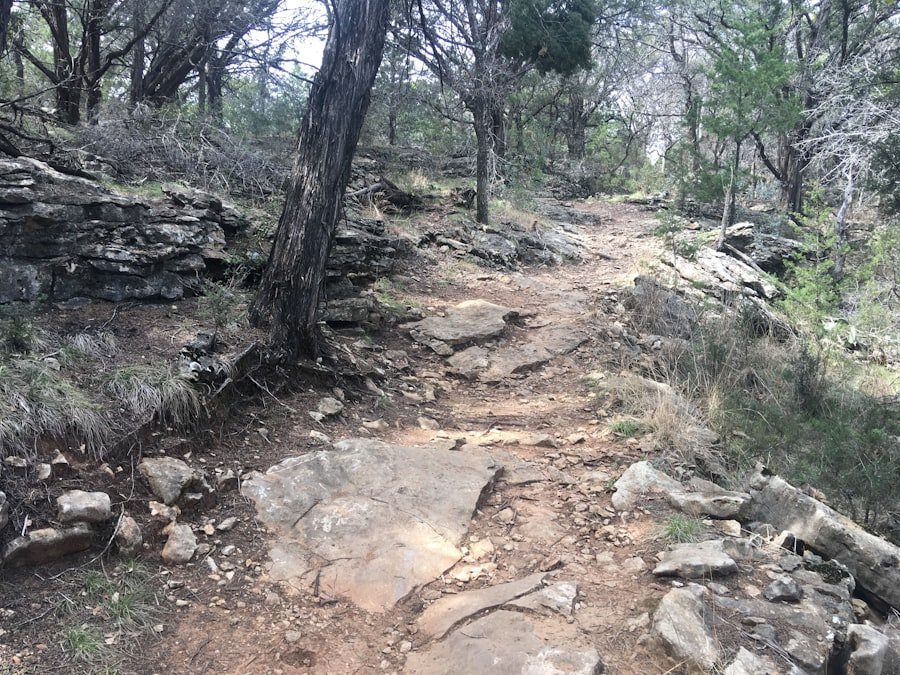
The Chief Ladiga Trail begins in Anniston, a city rich in history and culture. As you embark on your journey from this starting point, you will encounter a diverse array of landscapes that showcase Alabama’s natural beauty. The trail meanders through lush forests, open fields, and serene wetlands, providing ample opportunities for wildlife observation.
Birdwatchers will delight in spotting various species, while nature lovers can appreciate the seasonal changes that paint the landscape in vibrant colors throughout the year. One of the most notable highlights along the trail is the picturesque section that runs parallel to the Coosa River. This stretch offers stunning views and a peaceful ambiance, making it an ideal spot for a leisurely ride or walk.
Additionally, several historical markers dot the route, providing insights into the region’s past and its significance to Native American history. As you continue along the trail towards Piedmont, you will encounter charming small towns that offer local eateries and shops, allowing you to take a break and immerse yourself in the community’s culture.
Tips for Biking the Chief Ladiga Trail
| Trail Length | 33 miles |
|---|---|
| Surface | Paved |
| Difficulty | Easy |
| Scenery | Wooded areas, farmland, and small towns |
| Restrooms | Available at regular intervals |
| Water fountains | Available at regular intervals |
| Food options | Available in nearby towns |
Biking the Chief Ladiga Trail can be an exhilarating experience, but preparation is key to ensuring a safe and enjoyable ride. First and foremost, it is essential to choose the right bike for your journey. While road bikes are suitable for most sections of the trail due to its paved surface, hybrid bikes can offer added comfort for those who may want to venture off onto adjacent unpaved paths or explore nearby trails.
Ensuring your bike is in good working condition before hitting the trail is crucial; check tire pressure, brakes, and gears to avoid any mechanical issues during your ride. Another important aspect to consider is hydration and nutrition. The trail does not have water stations along its length, so it is advisable to carry enough water to stay hydrated throughout your ride.
Snacks such as energy bars or fruits can provide necessary fuel during longer excursions. Additionally, dressing appropriately for the weather conditions can enhance your biking experience; lightweight clothing is ideal for warm days, while layers may be necessary during cooler months. Lastly, consider riding with a friend or group for added safety and companionship.
Nearby Attractions and Amenities
The Chief Ladiga Trail is not only a destination in itself but also serves as a gateway to numerous nearby attractions that enhance the overall experience for visitors. In Anniston, you can explore the Anniston Museum of Natural History, which features exhibits on regional wildlife and geology. The museum provides an educational backdrop that complements your outdoor adventures on the trail.
Additionally, the Berman Museum of World History offers insights into global cultures through its extensive collection of artifacts. As you make your way towards Piedmont, consider stopping at local parks such as Cheaha State Park, which boasts Alabama’s highest peak. The park offers hiking trails with breathtaking views and opportunities for camping and picnicking.
These attractions not only enrich your visit but also support local businesses that thrive on tourism generated by trail users.
Safety Precautions and Regulations
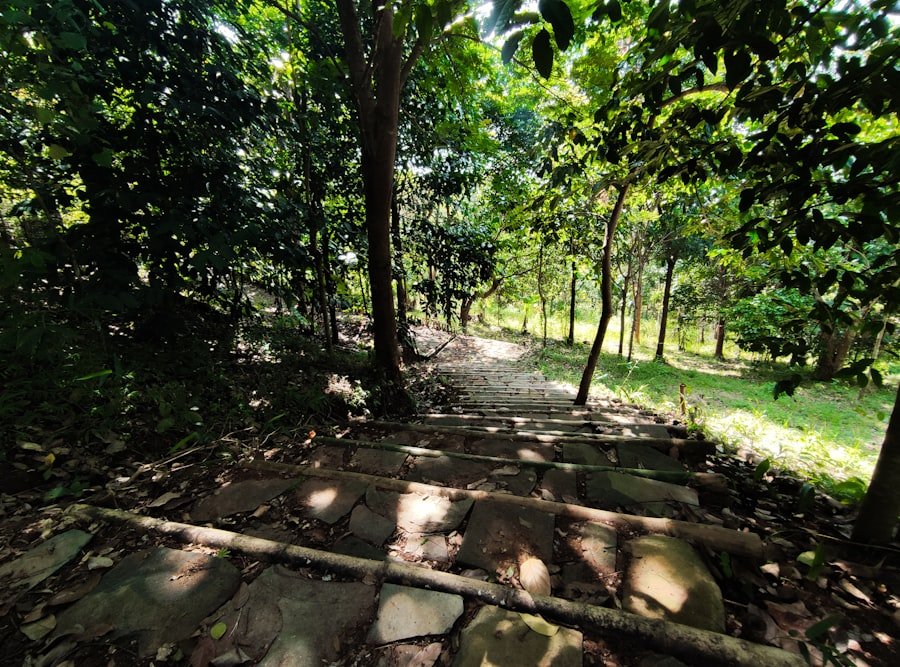
While biking or walking along the Chief Ladiga Trail can be an enjoyable experience, adhering to safety precautions is paramount to ensure a secure outing. First and foremost, wearing a helmet is highly recommended for cyclists of all ages; it significantly reduces the risk of head injuries in case of accidents. Additionally, using lights or reflective gear during early morning or late evening rides enhances visibility for both cyclists and pedestrians.
Trail etiquette plays a crucial role in maintaining a safe environment for all users. Cyclists should always yield to pedestrians and announce their presence when approaching from behind by using a bell or calling out politely.
Furthermore, it is essential to stay on designated paths and respect any posted regulations regarding speed limits or trail usage to promote safety and preserve the natural surroundings.
Events and Activities Along the Trail
Throughout the year, various events and activities take place along the Chief Ladiga Trail that foster community engagement and promote outdoor recreation. One popular event is the annual Chief Ladiga Trail Ride, which attracts cyclists from all over Alabama and beyond. This organized ride typically features different distance options catering to various skill levels, making it an inclusive event for families and serious cyclists alike.
Participants often enjoy refreshments at rest stops along the route while celebrating their shared passion for biking. In addition to organized rides, local communities frequently host festivals and gatherings that incorporate trail activities. For instance, Anniston may hold seasonal events that include guided nature walks or educational programs focused on local wildlife conservation efforts.
These events not only provide entertainment but also serve as opportunities for residents and visitors to connect with one another while enjoying the natural beauty surrounding them.
Conclusion and Final Thoughts
The Chief Ladiga Trail represents more than just a recreational pathway; it embodies a commitment to health, community engagement, and environmental stewardship. With its rich history, diverse landscapes, and numerous amenities nearby, it offers something for everyone—whether you are seeking adventure on two wheels or simply looking to enjoy a leisurely stroll through nature. As more people discover this gem in Alabama’s outdoor landscape, it continues to foster connections among individuals while promoting an active lifestyle.
Exploring the Chief Ladiga Trail allows individuals to immerse themselves in both nature and history while engaging with local communities along the way. Whether you are biking solo or participating in community events, each visit offers new experiences waiting to be discovered. As you plan your next outdoor adventure in Alabama, consider making the Chief Ladiga Trail a part of your journey; it promises not only physical activity but also an enriching experience that celebrates both nature and culture.
If you’re planning a biking adventure on the Chief Ladiga Trail, you might also be interested in exploring the delightful world of Asian melon as a refreshing snack option for your journey. These melons are not only delicious but also hydrating, making them a perfect companion for a day of cycling. For more information on these tasty fruits, check out this related article: Exploring the Delightful World of Asian Melon.
FAQs
What is the Chief Ladiga Trail?
The Chief Ladiga Trail is a 33-mile long paved trail that runs through Alabama and Georgia. It is the state’s first rails-to-trails project and is part of the longer Silver Comet Trail.
What is the terrain like on the Chief Ladiga Trail?
The Chief Ladiga Trail is mostly flat and offers a smooth, paved surface, making it suitable for all levels of cyclists. The trail passes through scenic countryside, forests, and small towns.
Are there any amenities along the Chief Ladiga Trail?
There are several amenities along the Chief Ladiga Trail, including restrooms, water fountains, picnic areas, and parking lots. Additionally, there are nearby towns and communities where cyclists can find food, drinks, and other services.
Is the Chief Ladiga Trail suitable for families and beginners?
Yes, the Chief Ladiga Trail is suitable for families and beginners due to its flat terrain and smooth surface. The trail is also relatively wide, providing plenty of space for cyclists of all levels.
Are there any rules or regulations for using the Chief Ladiga Trail?
Cyclists using the Chief Ladiga Trail are expected to follow standard trail etiquette, such as yielding to pedestrians, keeping to the right, and using proper lighting at night. Additionally, pets must be kept on a leash and waste must be properly disposed of.
What are some nearby attractions or points of interest along the Chief Ladiga Trail?
Nearby attractions along the Chief Ladiga Trail include the Chief Ladiga Campground, the Jacksonville State University campus, and various historical sites and parks. Additionally, the trail connects to the longer Silver Comet Trail, offering even more opportunities for exploration.