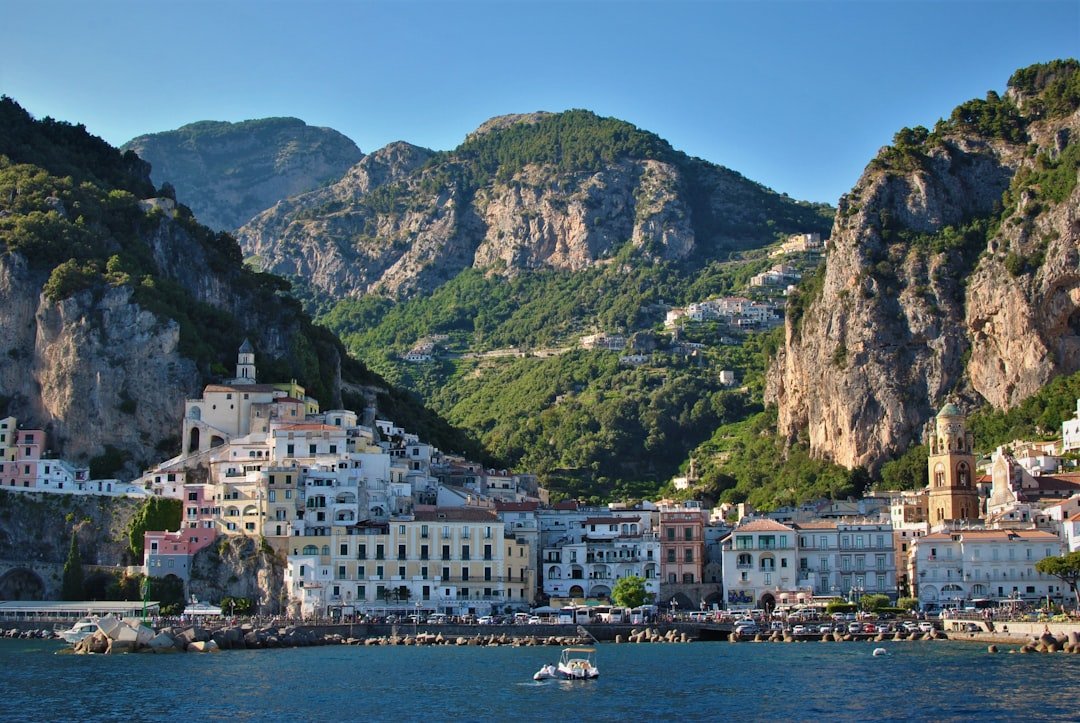
Amalfi is one of the most memorable towns on Italy’s southern coast, with medieval lanes, sea views, historic piazzas, and mountain paths packed into a compact setting. The town sits within the UNESCO-listed Costiera Amalfitana and was a major maritime republic from the 9th to the 11th century. Better still, you can experience much of Amalfi without paying an admission fee—as long as you know which attractions are genuinely free and which require tickets.
Quick Answer
Some of the best free things to do in Amalfi include exploring the historic center, walking the Longfellow promenade, enjoying Piazza Duomo and the cathedral exterior, hiking the Path of the Gods, and climbing to panoramic viewpoints. Museums, protected-reserve entry, Villa Rufolo, and some cathedral areas require admission.
Key Takeaways
- Walking Amalfi’s historic lanes, piazzas, waterfront, and public viewpoints costs nothing.
- The Path of the Gods has no normal trail admission fee, although transport to and from the trailhead costs extra.
- The Paper Museum, Valle delle Ferriere protected reserve, and Villa Rufolo should not be advertised as free attractions.
- Piazza Duomo and the cathedral exterior can be enjoyed without buying a sightseeing ticket, while access to parts of the monumental complex may require admission.
- Comfortable shoes, water, sun protection, and an early start make Amalfi’s steep streets and hiking routes much easier to enjoy.
UNESCO inscribed the Costiera Amalfitana on the World Heritage List in 1997 for its exceptional Mediterranean landscape and the long interaction between people and the dramatic coastal terrain.
Take a Free Walking Tour of Amalfi’s Historic Center
One of the easiest free things to do in Amalfi is simply to explore the historic center on foot. Amalfi became an independent maritime power in the early Middle Ages, and its tightly packed streets still reflect a town shaped by merchants, sailors, steep terrain, and limited building space.
Discover the Hidden Alleys
Leave the busiest part of Piazza Duomo and follow the narrow lanes, vaulted passages, stairways, and small side streets that climb behind the waterfront. Shops sell ceramics, handmade paper, lemon products, and limoncello, but browsing the streets themselves costs nothing.
Rather than rushing from one named attraction to another, look for old doorways, tiny shrines, arches, staircases, and glimpses of lemon terraces between the buildings. Visit Amalfi’s official tourism site describes these alleys as one of the defining features of the city.
Experience Piazza Duomo and Local Life
Piazza Duomo is Amalfi’s main gathering place. You can admire the fountain, watch everyday street life, photograph the cathedral staircase, and enjoy the atmosphere without buying a ticket.
Cafes and shops cost money, of course, but sitting in or walking through the public square does not. Early morning is especially pleasant if you want photographs with fewer people.
See the Cathedral of St. Andrew From the Piazza
No visit to the historic center feels complete without seeing the Cathedral of St. Andrew. The cathedral complex includes the cathedral, the Cloister of Paradise, the Diocesan Museum, and the crypt containing the relics of St. Andrew.
The present façade dates mainly from the late 19th century and combines neo-Moorish character with neo-Gothic influences. The structure behind it reflects many earlier periods, including Romanesque and Baroque changes.
You can admire the monumental staircase, façade, mosaics, and bell tower from Piazza Duomo for free. If you want to tour the museum, cloister, crypt, or other ticketed areas of the monumental complex, check the current admission arrangements before entering.
Official visitor information is available from Visit Amalfi’s Cathedral guide.
Pro Tip: Explore the historic center before about 9 a.m. or later in the afternoon if you want a calmer walk. Piazza Duomo and the main lanes can become crowded during popular day-trip hours.
Hike the Path of the Gods
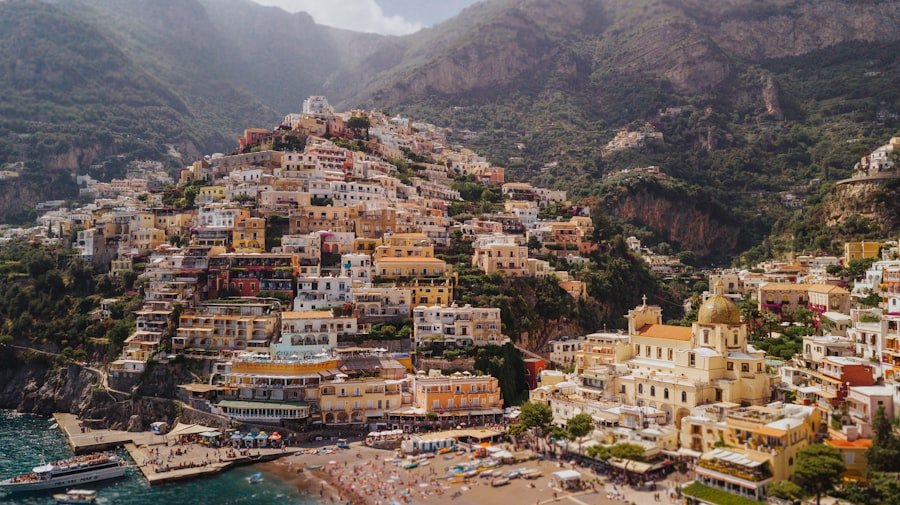
For travelers who want a bigger adventure, the Path of the Gods, or Sentiero degli Dei, is one of the Amalfi Coast’s best-known hikes. The classic route runs from Bomerano in Agerola toward Nocelle above Positano.
Italia.it describes the route as roughly 8 kilometers, with an easy-to-medium hiking difficulty and a walking time of about four and a half hours. Actual times vary depending on your pace, photo stops, and whether you continue beyond Nocelle.
The trail itself does not normally require an admission ticket, making it a strong choice for budget travelers. However, it is not completely cost-free if you need buses, ferries, taxis, food, or a guide to reach the start or return afterward.
The scenery includes high cliffs, terraces, Mediterranean vegetation, distant villages, and wide sea views. Spring and autumn are generally more comfortable than the hottest part of summer.
Warning: The Path of the Gods has uneven ground and exposed sections. Italia.it specifically advises against it for people who are uncomfortable with heights. Wear proper walking shoes, carry enough water, check the weather, and avoid hiking during extreme heat or storms.
Stroll Around Amalfi’s Waterfront and Scenic Walks
| Location | Distance | Suggested Time |
|---|---|---|
| Amalfi historic center, waterfront, and nearby scenic streets | Flexible | 1–2 hours |
A relaxed walk around Amalfi itself is more realistic than treating the entire Amalfi Coast as one simple 10-mile stroll. Walk along the waterfront, watch ferries and small boats enter the harbor, then loop back toward Piazza Duomo and the old streets.
The neighboring towns of Positano and Ravello are worth seeing, but they are separate destinations. Reaching them normally involves a bus, ferry, taxi, or a much more demanding network of hiking paths rather than one easy coastal promenade.
Walk the Longfellow Promenade
The Passeggiata Longfellow is a scenic route overlooking the harbor area and Parco della Pineta. It is named after American poet Henry Wadsworth Longfellow, who visited Italy during the Grand Tour era and wrote about Amalfi.
The promenade is a good addition to a free walking itinerary because it gives you elevated views without requiring admission to a monument. You can read more on the official Visit Amalfi Longfellow Walk page.
Climb to Belvedere San Lorenzo
For another free viewpoint, walk up toward Belvedere San Lorenzo. Visit Amalfi describes a pedestrian route of roughly 400 steps through Amalfi’s upper lanes. The climb is demanding, but the reward is a broad view over the town and sea.
There is also a public elevator system. The uphill elevator is not free, so travelers trying to spend nothing should use the steps if they are physically comfortable doing so. The descent by elevator is currently listed as free.
Note: Amalfi is steep. A walking route that looks short on a map can include many stairs, so allow extra time if you are traveling with children, older adults, or anyone with limited mobility.
Paper Museum: A Paid Add-On, Not a Free Activity
The Paper Museum: A Window Into Amalfi’s Past
The Paper Museum, or Museo della Carta, remains an excellent place to learn about one of Amalfi’s historic industries. It is housed in an old paper mill and preserves equipment connected with traditional handmade paper production.
However, it should not be included on a list of completely free attractions. The museum’s official ticket information currently lists standard admission at €4.50 for adults and €3 for children, while children ages 0–4 enter free. Guided experiences cost more.
Explore the Papermaking Exhibits
Inside, visitors can see old machinery, tools, paper-production equipment, and demonstrations explaining how Amalfi’s handmade paper was produced. Traditional materials included fibers from cotton and other textiles.
Interactive guided visits can also include a handmade-paper experience, making the museum more useful for visitors who are interested in craftsmanship rather than simply looking for a free activity.
A Testament to Local Craftsmanship
The Paper Museum helps explain why handmade paper became such an important part of Amalfi’s identity and economy. If your budget allows one small paid cultural attraction, it may still be worthwhile.
Check current rates directly on the Museo della Carta ticket page before visiting because admission policies can change.
Valle delle Ferriere: The Protected Reserve Has an Entry Fee
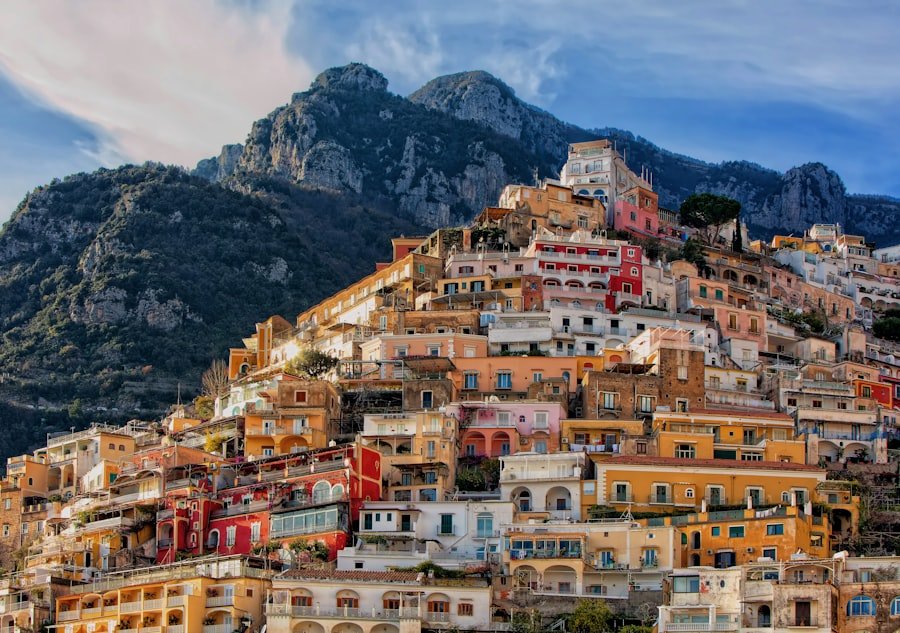
Valle delle Ferriere is one of the most attractive natural areas above Amalfi, with dense vegetation, streams, waterfalls, old industrial remains, and landscapes connected with the town’s historic paper-production industry.
Walking in the broader valley and on surrounding public trails can still be part of a low-cost hiking day, but entry to the protected reserve itself should not be described as free. The Municipality of Scala currently states that reserve access requires a ticket and lists the price as €5.
The municipal page also states that the reserve is normally visitable from April through October. Because protected-area conditions and access arrangements can change, check the latest information before setting out.
Official details are available from the Comune di Scala Valle delle Ferriere page.
Warning: Do not assume that every trail visible on a map has the same access rules as the protected reserve. Check weather, trail conditions, opening periods, and current ticket requirements before hiking.
Villa Rufolo: A Paid Ravello Side Trip
Villa Rufolo is a historic estate in Ravello, not in Amalfi town itself. Its gardens, terraces, architecture, and coastal views make it one of Ravello’s best-known attractions, and the property has connections with the town’s long musical tradition.
Villa Rufolo dates back to the medieval period and combines historic architecture with landscaped gardens overlooking the coast. It is also associated with events connected to the Ravello Festival.
It is beautiful, but it is not a free thing to do. For the 2026 season, Villa Rufolo lists standard admission at €8, with reduced prices for qualifying visitors.
You can verify the latest opening hours and ticket rates on the official Villa Rufolo website.
If your goal is a completely free Amalfi day, save Villa Rufolo for another trip or enjoy free public viewpoints and streets instead. Ravello itself also requires transportation or a substantial uphill journey from the coast, so factor that into your budget.
More Genuinely Free Things to Do in Amalfi
Admire Piazza Duomo After Dark
Return to Piazza Duomo in the evening when many day-trippers have left. Viewing the illuminated square, staircase, and cathedral exterior costs nothing and offers a very different atmosphere from the busy daytime scene.
Explore the Upper Residential Lanes
Amalfi’s hillside neighborhoods reveal another side of town. Climb away from the main shopping streets and explore stairways, arches, small churches from the outside, residential passages, and changing viewpoints over rooftops and the sea.
Watch Harbor Life From the Waterfront
You do not need to book a boat excursion to enjoy Amalfi’s maritime setting. Walk along the public waterfront and watch ferries, fishing boats, excursion boats, and private vessels move through the harbor.
Photograph Amalfi From Different Heights
The city’s steep geography means the view changes quickly as you climb. Free viewpoints along pedestrian streets and stairways can give you excellent photographs without paying for a rooftop terrace or ticketed garden.
Enjoy Local Festivals and Public Events When Available
Amalfi hosts religious celebrations, cultural events, and public festivities throughout the year. Some are free to watch, while others include paid components. Check the municipality or Visit Amalfi event calendar during your travel dates instead of assuming every event is free.
A Free Half-Day Amalfi Itinerary
- Start at Piazza Duomo: See the fountain, cathedral staircase, mosaics, and bell tower from the square.
- Explore the historic lanes: Walk through the alleys, arches, and stairways behind the main piazza.
- Head toward the waterfront: Watch harbor activity and enjoy the sea views.
- Walk the Longfellow promenade: Add an elevated scenic route without paying admission.
- Climb toward Belvedere San Lorenzo: Use the pedestrian stairs for the budget option and enjoy panoramic views.
- Return through Amalfi’s upper lanes: Take a different route down to discover quieter corners of town.
This itinerary keeps attraction admission at €0. Food, drinks, transport, elevators, shopping, and optional museums are separate expenses.
Frequently Asked Questions
What are the best free things to do in Amalfi?
Good free options include exploring the historic center, enjoying Piazza Duomo and the cathedral exterior, walking the waterfront, following the Longfellow promenade, climbing to public viewpoints, and hiking public trails such as the Path of the Gods. Transportation, food, and optional attractions can still add costs.
Are there free cultural activities in Amalfi?
Yes. You can explore Amalfi’s historic streets, Piazza Duomo, fountains, public squares, traditional neighborhoods, cathedral exterior, and some public festivals without an admission ticket. Museums and certain parts of historic complexes may charge admission.
Is the Paper Museum in Amalfi free?
No for most visitors. The Museo della Carta currently lists standard adult admission at €4.50 and children’s admission at €3, with children ages 0–4 free. Guided experiences have different prices.
Is Valle delle Ferriere free to visit?
The protected reserve should not be treated as free. The Municipality of Scala currently lists ticketed access at €5. Trails in the broader valley may have different access conditions, so check the exact route before hiking.
Is Villa Rufolo free?
No. Villa Rufolo in Ravello lists a standard 2026 entrance fee of €8. Reduced tickets are available for some visitors. Ravello is also separate from Amalfi, so transportation may add another cost.
Is the Path of the Gods free?
There is normally no admission charge to walk the public Path of the Gods. However, most travelers need transportation to Bomerano and from Nocelle or Positano, so the complete outing may still involve bus, ferry, taxi, food, or guide costs.
What free activities are suitable for families in Amalfi?
Families can explore Piazza Duomo, the waterfront, central alleys, public viewpoints, and easier portions of Amalfi’s walking routes. The Path of the Gods has exposed sections and uneven ground, so parents should decide whether it is suitable for their children’s ages and hiking experience.
Sources
- UNESCO World Heritage Centre — Costiera Amalfitana — supports the World Heritage designation and historical landscape context.
- Visit Amalfi — Cathedral of Sant’Andrea Monumental Complex — supports cathedral history, architecture, and visitor information.
- Italia.it — Path of the Gods — supports trail distance, difficulty, estimated duration, and hiking cautions.
- Museo della Carta — Official Ticket Information — supports current Paper Museum admission prices.
- Comune di Scala — Valle delle Ferriere — supports protected-reserve admission and seasonal access information.
- Villa Rufolo — Official Hours and Admission — supports current 2026 Villa Rufolo ticket prices and opening information.