Bologna is one of Italy’s most practical bases for rail day trips. From Bologna Centrale, you can reach food-focused cities such as Modena and Parma, Renaissance Ferrara, the mosaics of Ravenna, the Adriatic coast at Rimini, and major destinations such as Florence and Venice without changing hotels. The best choice depends on whether you want food, art, history, beaches, or a slower day in the countryside.
Quick Answer
The easiest day trips from Bologna by train include Modena, Ferrara, Parma, Reggio Emilia, Ravenna, Rimini, Florence, and Venice. Modena and Ferrara work especially well for an easy day, while Ravenna, Parma, Florence, and Venice deserve more time. For mountain hikes, wineries, dairies, or balsamic-vinegar producers outside city centers, expect to add a bus, taxi, tour, or other local transport.
Key Takeaways
- Bologna Centrale has convenient rail connections to many cities in Emilia-Romagna as well as Florence and Venice.
- Modena is a strong choice for Romanesque architecture, traditional balsamic vinegar, and an easy-to-walk historic center.
- Ferrara combines its moated Castello Estense with Renaissance streets, palaces, and extensive cycling routes.
- Parma is ideal for travelers interested in architecture, Parmigiano Reggiano, Prosciutto di Parma, art, and food culture.
- Ravenna’s UNESCO World Heritage property comprises eight Early Christian monuments famous for their mosaics.
- Rimini combines an Adriatic beach day with Roman landmarks such as the Arch of Augustus and Tiberius Bridge.
- Florence and Venice are realistic day trips by high-speed train, but both reward an early start and a focused itinerary.
- The Bolognese Apennines can be reached partly by rail, but hiking areas and mountain attractions often require additional local transport.
- Always check the latest train schedule and attraction opening information before departure because engineering works, holidays, strikes, and seasonal schedules can change a trip.
Day Trips from Bologna by Train at a Glance
| Destination | Typical Journey | Best For | Planning Note |
| Modena | About 20–35 minutes on many services | Food, UNESCO architecture | Easy city-center day trip |
| Ferrara | About 30–50 minutes | Renaissance history, cycling | Allow time to walk from the station |
| Parma | Roughly 50–65 minutes on convenient services | Food, art, architecture | Producer tours often require onward transport |
| Reggio Emilia | Roughly 35–55 minutes on many city-center services | Balsamic vinegar, food, quieter city break | Check that your train uses the central station rather than the high-speed station outside the center |
| Ravenna | About 1 hour to 1 hour 20 minutes on convenient services | Mosaics, Early Christian history | Give it most of a day |
| Rimini | About 55 minutes to 1 hour 30 minutes depending on service | Beach, Roman history | Best beach weather is seasonal |
| Florence | About 37 minutes on a fast Italo journey | Renaissance art | Pre-book major museums |
| Venice | About 1 hour 19 minutes on a fast Italo journey | Canals, architecture, major sights | Choose Venezia Santa Lucia when possible for arrival in historic Venice |
Journey times above are practical planning ranges rather than guarantees. Train type, departure, engineering work, and timetable changes can alter the journey, so confirm your specific train before travel.
Day Trip Options from Bologna
Bologna works well as a base because you can choose very different experiences without repeatedly moving luggage between hotels. Modena and Ferrara are among the simplest nearby options, while Parma, Ravenna, Rimini, Florence, and Venice work better when you devote most of the day to one destination.
Modena is particularly convenient for food and architecture. Ferrara offers a moated castle, Renaissance streets, and a strong cycling culture. Parma combines major monuments with two of Italy’s best-known protected foods. Ravenna is the standout choice for mosaics, while Rimini provides a completely different mix of beach culture and Roman history.
Pro Tip: Do not plan two substantial cities in the same day simply because the rail journeys look short. One destination plus a relaxed meal usually creates a better day than spending your afternoon watching the clock for the next train.
Visiting the Historic City of Modena
Modena is one of the easiest day trips from Bologna and a strong choice for travelers interested in architecture and food. The historic center is compact enough to explore on foot after arriving at Modena station.
Start at Piazza Grande. Together with Modena Cathedral and the Ghirlandina civic tower, it forms a UNESCO World Heritage property. UNESCO describes the 12th-century cathedral as an outstanding example of early Romanesque art. You can read the official listing at UNESCO’s Modena World Heritage page.
Food is equally important to the city. Traditional Balsamic Vinegar of Modena PDO is made from cooked grape must and undergoes a long maturation process. Visits to an acetaia can explain how different woods, barrel sizes, transfers, and aging shape the finished vinegar. However, many producers are outside the pedestrian center, so check their location and transport before assuming the whole experience can be completed on foot.
Modena is also a good place to try regional dishes such as tortellini and gnocco fritto. If your priority is the historic center, architecture, and lunch, you can comfortably build the day around walking. If you also want a producer visit or Motor Valley attraction outside the center, plan the additional transport before leaving Bologna.
Exploring Renaissance Ferrara
| Attraction | Why Visit | Planning Note |
| Castello Estense | Moated Este fortress, historic rooms, and central Ferrara landmark | Regular official hours are currently listed as 10:00–18:00 with Tuesday closure, but holiday and special-event hours can change |
| Cathedral of Ferrara | Major religious landmark in the historic center | Church access can change for services, restoration, and religious events |
| Palazzo dei Diamanti | Distinctive Renaissance palace and important exhibition venue | Opening hours and admission depend partly on the current exhibition program |
Ferrara has an older medieval core, but its international significance is strongly tied to the Renaissance. Under the Este family, it became an important artistic and intellectual center, and UNESCO recognizes Ferrara, City of the Renaissance, and its Po Delta as a World Heritage property.
The historic center is well suited to walking or cycling. Castello Estense dominates the center with its moat, towers, former court rooms, and defensive character. The official tourism listing currently gives regular museum hours of 10:00–18:00 and says it is normally closed Tuesday, although special openings and holidays can change that schedule. Check Ferrara’s official tourism information before your trip.
Ferrara’s urban layout is part of the experience. UNESCO notes that the city’s Renaissance expansion reflected the humanist idea of an “ideal city” and influenced later town planning. Rather than rushing between indoor attractions, leave time for the streets, squares, walls, and the areas around Palazzo dei Diamanti.
The city also maintains a lively cultural calendar, including music and street-performance events. Event dates change each year, so treat festivals as a bonus rather than building a trip around an old schedule.
Discovering the Beauty of Parma
Parma combines food, architecture, art, and an attractive walkable center. Piazza Duomo brings together Parma Cathedral and the Baptistery, two essential stops for a first visit. Inside the cathedral, Correggio’s dome fresco depicting the Assumption of the Virgin is one of the city’s major works of art.
The Baptistery beside the cathedral is associated with Benedetto Antelami and is known for its octagonal form, sculptural decoration, and pink stone exterior. Together, the cathedral area can occupy a substantial part of the morning without requiring transportation outside the center.
Parma is also associated with Parmigiano Reggiano and Prosciutto di Parma. A city-center lunch makes it easy to taste both, but seeing how they are produced is a different type of excursion. Dairies and ham producers are generally outside the central sightseeing area and may require advance booking plus a taxi, private transfer, tour, bicycle, or other local transport.
If you have only one day, decide whether your main goal is the city itself or a food-production visit. Trying to combine several rural producers with every central monument can turn a relaxed trip into a transportation exercise.
Enjoying the Natural Beauty of the Apennine Mountains
The Apennines provide a complete change of pace from Bologna’s historic streets, but they require more planning than a simple city-to-city rail trip. Porretta Terme is one useful rail-accessible gateway to the Bolognese Apennines. From there, buses, taxis, walking routes, or seasonal connections may be needed to reach individual villages, ski areas, or trailheads.
Discover the Great Outdoors
The wider mountain region offers hiking routes for different experience levels, with forests, ridgelines, villages, and valleys. Before choosing a trail, check the route length, elevation change, weather forecast, daylight, and current access conditions rather than relying only on the distance shown on a map.
Explore the Casentino Forests, Monte Falterona, and Campigna National Park
The Casentino Forests, Monte Falterona and Campigna National Park contains extensive forests, wildlife habitat, and a network of walking routes across the Tuscan-Romagnolo Apennines. It is a worthwhile nature destination, but it should not be presented as a straightforward train-only day trip from central Bologna. Reaching a suitable park access point can require additional road transport and more travel time than the nearby cities in this guide.
Adventure Awaits
Depending on the exact mountain area and season, outdoor options can include hiking, mountain biking, horseback riding, skiing, or snowshoeing. Availability varies by location and weather, so arrange equipment, transport, and any guided activity before leaving Bologna.
Note: For a trip focused strictly on easy rail access, choose Modena, Ferrara, Parma, Reggio Emilia, Ravenna, Rimini, Florence, or Venice. Treat the mountains as a train-plus-local-transport excursion unless you have confirmed that your chosen walk begins near a station.
Wine Tasting in the Emilia-Romagna Region
Emilia-Romagna has a broad wine culture, and the hills around Bologna are part of the Colli Bolognesi wine area. Local production includes Pignoletto as well as several white and red varieties. Elsewhere in the region, Lambrusco is closely associated with parts of Emilia.
A winery visit can include vineyard walks, explanations of production methods, and tastings paired with regional foods. The important planning detail is location: vineyards are generally not beside Bologna Centrale or another major city-center station.
If wine tasting is the main purpose of your day, choose the winery first and then work backward from its transport options. Some estates require a reservation, and a taxi, private driver, organized tour, bus connection, or other transport may be necessary for the last leg.
Because alcohol and driving do not mix, rail plus a pre-arranged transfer or an organized excursion can be a practical option when everyone in the group wants to taste wine.
Sampling Traditional Balsamic Vinegar in Reggio Emilia
Reggio Emilia deserves to be treated as a destination rather than merely a stop for balsamic vinegar. Its food culture includes Parmigiano Reggiano, Lambrusco, erbazzone, and Traditional Balsamic Vinegar of Reggio Emilia PDO.
The protected traditional vinegar is made from cooked must of local grapes and matures slowly in sets of wooden barrels. According to Reggio Emilia’s official tourism information, the maturation period is at least twelve years. Different woods, annual transfers, topping up, and time contribute to the finished product.
An acetaia visit can show the barrels and explain how the vinegar develops. Tastings may pair small amounts with Parmigiano Reggiano, fruit, vegetables, or other foods. For official information about the product, see Reggio Emilia Welcome.
As in Modena, do not assume every vinegar cellar is beside the central railway station. Confirm the producer’s address, reservation policy, and local transportation before departure.
Visiting the Charming City of Ravenna
Ravenna is one of the strongest day trips from Bologna for art and history. Its UNESCO-listed Early Christian Monuments of Ravenna form one World Heritage property comprising eight monuments built mainly in the fifth and sixth centuries.
Ravenna’s UNESCO property includes eight Early Christian monuments renowned for mosaics and for their importance to the history of the late Roman, Ostrogothic, and Byzantine periods.
For many first-time visitors, the Basilica of San Vitale and Mausoleum of Galla Placidia are the priorities. Other UNESCO components include the Neonian Baptistery, Basilica of Sant’Apollinare Nuovo, Arian Baptistery, Archiepiscopal Chapel, Mausoleum of Theodoric, and Basilica of Sant’Apollinare in Classe. The last of these lies outside the tight central sightseeing cluster, so account for the extra transport time if you want to include it.
UNESCO explains that Ravenna became the capital of the Western Roman Empire in the fifth century and later played important roles under Ostrogothic and Byzantine rule. That history gives the mosaics more context than treating them simply as decorative attractions. See the UNESCO Ravenna listing for the complete group of monuments.
Between monuments, Ravenna’s center is pleasant to explore on foot. Piadina, the region’s well-known flatbread, makes an easy lunch when you want to devote most of the day to sightseeing.
Exploring the Coastal Town of Rimini
Rimini offers a different day from Bologna, combining its long Adriatic coastline with a historic center that contains important Roman remains. In warm weather, many visitors come primarily for the beach, but the city is worth exploring beyond the seafront.
The Arch of Augustus dates to 27 BC and marked an important entrance to Roman Ariminum. The Tiberius Bridge was begun during the reign of Augustus and completed under Tiberius in AD 21. Both are prominent reminders that Rimini’s history stretches far beyond its modern reputation as a resort.
The old center and Borgo San Giuliano make a good counterpoint to the beach. If swimming is your priority, check seasonal beach services and weather. If history is your priority, the archaeological sights work in any season when they are accessible.
Rimini also hosts festivals, exhibitions, concerts, and other events throughout the year. Check the current program rather than relying on previous-year dates.
Taking a Day Trip from Bologna to Florence
Florence is one of the fastest major-city excursions from Bologna. Italo currently advertises Bologna-to-Florence journeys of about 37 minutes on its fastest direct high-speed service, placing the center of the Renaissance within easy day-trip range.
For a first visit, resist trying to cover every famous museum. Choose one or two priorities such as the Uffizi Gallery, Accademia Gallery, the cathedral complex, Palazzo Vecchio, or a walk across the Arno. Popular ticketed attractions can sell out, so reserving timed admission before the day trip can save a large part of your limited time.
High-speed fares differ from ordinary regional fares and can change according to train, demand, ticket conditions, and when you book. Check both schedule and fare rules before purchasing.
You can confirm Italo’s current route information at Italo’s Bologna–Florence page.
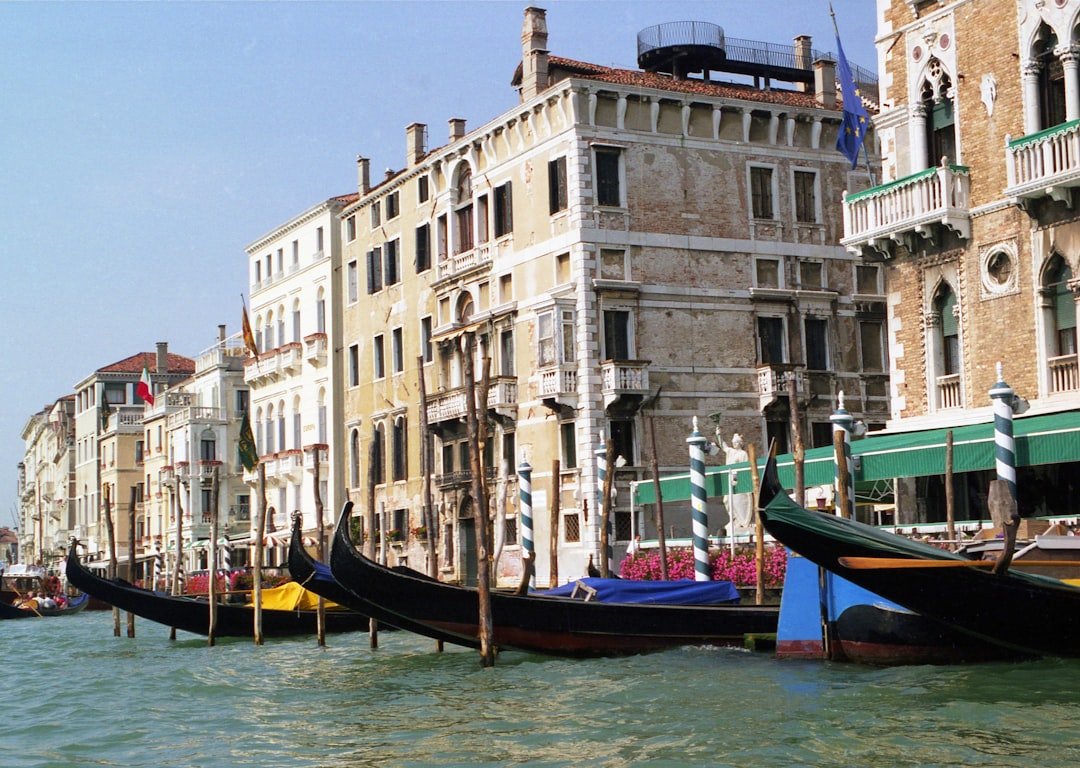
Taking a Day Trip from Bologna to Venice
Venice is a longer day than Florence but remains practical by high-speed train. Italo currently lists a Bologna-to-Venice journey of about 1 hour 19 minutes on its fastest advertised connection, although individual trains take different amounts of time.
For a day trip, Venezia Santa Lucia is usually the most convenient arrival station because it places you directly in historic Venice. Venezia Mestre is on the mainland and requires an additional journey to reach the historic island city.
Choose a focused plan rather than attempting the entire city. St. Mark’s area, the Rialto district, one museum, or one quieter neighborhood can fill a day surprisingly quickly once walking, meals, and crowds are included.
Check the latest train options at Italo’s Bologna–Venice page, and verify any Venice visitor-access requirements that apply on your exact travel date.
Other Train Day Trips to Consider
If you have already visited the major destinations above, several other cities can work from Bologna with the right train. Verona offers Roman and medieval sights, Mantua is known for its Gonzaga heritage and Renaissance palaces, and Faenza is an appealing smaller-city option with an important ceramics tradition.
These alternatives are most useful when you have several days based in Bologna. Compare the actual timetable for your date rather than choosing only by map distance: a destination that is geographically close may take longer if your departure requires a change or a slower service.
How to Use Italian Trains for Bologna Day Trips
Regional Trains Versus High-Speed Trains
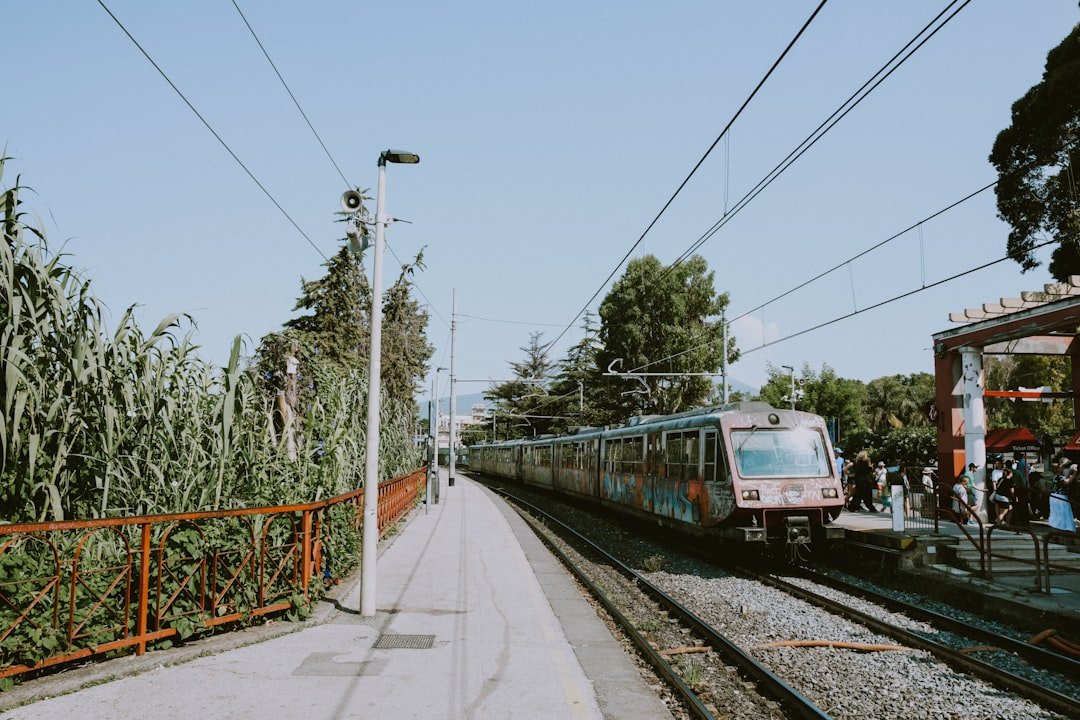
Regional trains are commonly useful for nearby Emilia-Romagna destinations such as Modena, Ferrara, Parma, Reggio Emilia, and Ravenna. High-speed Frecciarossa or Italo services can make longer trips such as Florence or Venice much faster.
Do not assume the cheapest and fastest options have the same ticket conditions. High-speed tickets are generally tied to a particular booked train and fare rules, while Regional tickets follow their own rules.
Regional Digital Tickets in 2026
Trenitalia’s current Digital Regional Ticket is nominative and automatically validates at the scheduled departure time of the train you selected. Trenitalia states that, before departure, eligible date or time changes can be made within the ticket rules. You should keep the ticket available on your device and carry identification when required.
Paper Regional tickets work differently and generally need to be validated before travel. Because ticket systems can change, check Trenitalia’s current Regional train guidance rather than relying on an old blog post or screenshot.
Warning: Train times can change because of strikes, engineering works, weather, or operational disruptions. Check the operator’s live information before leaving your accommodation and again before your return journey.
Do You Need to Buy Tickets Early?
For nearby Regional trips, buying weeks ahead is usually less important than it is for high-speed travel. For Florence, Venice, or another journey using a reserved high-speed train, booking earlier can provide a wider choice of departure times and fares.
If a museum, producer tour, or timed attraction is the main reason for your day trip, coordinate the attraction reservation with a realistic train arrival time and include enough margin to walk or use local transport.
Planning a Multi-Day Itinerary for Bologna and Its Surroundings
If you have several days, begin by giving Bologna itself enough time. Piazza Maggiore, the porticoes, churches, markets, museums, and the city’s food culture deserve more than a rushed evening between trains.
A practical first extension is Modena, where the UNESCO cathedral complex and food traditions fit comfortably into one day. Ferrara is another low-stress choice, especially if you enjoy walking or cycling through historic streets.
Parma can follow for a day focused on the cathedral area and local food. If you want a dairy or ham-producer visit as well, book it in advance and arrange the last-mile transport rather than assuming it is part of the city-center train trip.
Ravenna deserves a largely dedicated day because its mosaics are the main event and several monuments are spread across the city. Rimini works well when you want to alternate art-and-food days with the Adriatic coast.
Florence and Venice can each be added as separate high-speed day trips. Both are technically easy to reach, but the abundance of major attractions makes them more enjoyable when you choose a small number of priorities instead of treating the day as a race.
For nature, a separate day in the Bolognese Apennines can add forests, villages, hiking, cycling, or seasonal mountain activities. Start with the transport plan, however: Porretta Terme can serve as a useful rail gateway, while many trailheads and attractions require onward travel.
Frequently Asked Questions
What are some popular day trips from Bologna by train?
Popular choices include Modena, Ferrara, Parma, Reggio Emilia, Ravenna, Rimini, Florence, and Venice. Modena and Ferrara are especially easy nearby trips, while Ravenna, Parma, Florence, and Venice are better treated as full-day destinations.
How long does it take to reach Florence from Bologna by train?
A fast direct high-speed journey can take about 37 minutes. The exact journey time depends on the operator and departure, so check the timetable for your date before planning museum reservations.
What is the travel time from Bologna to Venice by train?
Fast high-speed services can cover Bologna to Venice in roughly 1 hour 20 minutes, while other trains take longer. For the historic center, check whether your train arrives at Venezia Santa Lucia rather than ending at Venezia Mestre on the mainland.
Can I visit Ravenna from Bologna by train?
Yes. Ravenna is a practical rail day trip from Bologna, with convenient journeys commonly taking around an hour to a little over an hour. Allow most of the day if you want to see several of its UNESCO-listed Early Christian monuments.
Is it possible to take a day trip to Modena from Bologna by train?
Yes. Modena is one of the easiest choices from Bologna, with many journeys taking roughly 20–35 minutes. The historic center, cathedral, Ghirlandina tower area, restaurants, and markets make it suitable for either a half-day or full-day visit.
Do Regional Digital Tickets in Italy need to be validated manually?
Trenitalia’s current Digital Regional Ticket automatically validates at the scheduled departure time of the selected train. Paper Regional tickets follow different rules and generally require validation before travel, so always check the ticket type you purchased.
Can I visit wineries or food producers using only the train?
Sometimes you can reach the nearest city or town by train, but many wineries, dairies, ham producers, and balsamic-vinegar cellars are outside the central station area. Check the exact address and arrange any bus, taxi, bicycle, tour, or transfer needed for the final part of the trip.
Can I visit two cities in one day from Bologna?
It is possible on short routes, but it is usually better to choose one main destination. Travel to and from stations, meals, attraction queues, and local transport consume more time than the rail journey alone suggests.
Sources
- Trenitalia — Travelling on Regional Trains — current Regional ticket formats, automatic Digital Regional Ticket validation, and paper-ticket rules.
- Italo — Bologna to Florence — current high-speed route and journey-time information.
- Italo — Bologna to Venice — current high-speed route and journey-time information.
- UNESCO — Cathedral, Torre Civica and Piazza Grande, Modena — Modena World Heritage status and architectural significance.
- UNESCO — Ferrara, City of the Renaissance, and its Po Delta — Ferrara’s Renaissance history and World Heritage significance.
- UNESCO — Early Christian Monuments of Ravenna — Ravenna’s eight-monument serial World Heritage property and official monument names.