Civil Rights Sites in Birmingham: Key Landmarks, History, and Visitor Tips
Last updated: May 23, 2026
Birmingham, Alabama, holds one of the most important civil rights stories in the United States. If you visit the city today, you can walk through churches, parks, museums, and streets where people challenged segregation and helped change federal law.
This guide explains the major civil rights sites in Birmingham, why each place matters, and how to plan a respectful visit. You will also learn how the Birmingham Campaign, the 16th Street Baptist Church bombing, and local preservation work shaped the city’s legacy.
Quick Answer: What Civil Rights Sites Should You Visit in Birmingham?
Start with 16th Street Baptist Church, Kelly Ingram Park, and the Birmingham Civil Rights Institute. Then add A.G. Gaston Motel, Bethel Baptist Church, St. Paul United Methodist Church, and the 4th Avenue Historic District if you want a fuller view of the 1963 Birmingham Campaign and the city’s Black business and church history.
Key Takeaways
- Birmingham played a major role in the civil rights movement, especially during the 1963 Birmingham Campaign.
- The most visited civil rights landmarks include 16th Street Baptist Church, Kelly Ingram Park, the Birmingham Civil Rights Institute, and A.G. Gaston Motel.
- The 16th Street Baptist Church bombing on September 15, 1963, killed four girls and became a turning point in national civil rights awareness.
- Kelly Ingram Park helps visitors understand the police violence faced by peaceful demonstrators, including children, during the campaign.
- Hours, admission fees, and tour access can change, so check official site pages before your visit.
What’s in This Article
Why Birmingham Matters in Civil Rights History
Birmingham became a focal point in the American civil rights movement because it showed the nation how deeply segregation shaped daily life in the South. The city had strict racial separation in schools, public spaces, jobs, churches, transportation, and commercial life.
During the 1950s and early 1960s, Birmingham also became known by the nickname “Bombingham” because of repeated bombings tied to racial terror and intimidation. That violence created fear, but it also strengthened local resistance.
The roots of this struggle reached back to the post-Civil War era and the rise of Jim Crow laws. Those laws enforced racial segregation and denied Black citizens equal access to public services, political power, and economic opportunity.
By the 1950s, Birmingham had become a center of civil rights activism. The Alabama Christian Movement for Human Rights, led by Reverend Fred Shuttlesworth, worked with the Southern Christian Leadership Conference, including Dr. Martin Luther King Jr., to challenge segregation through organized direct action.
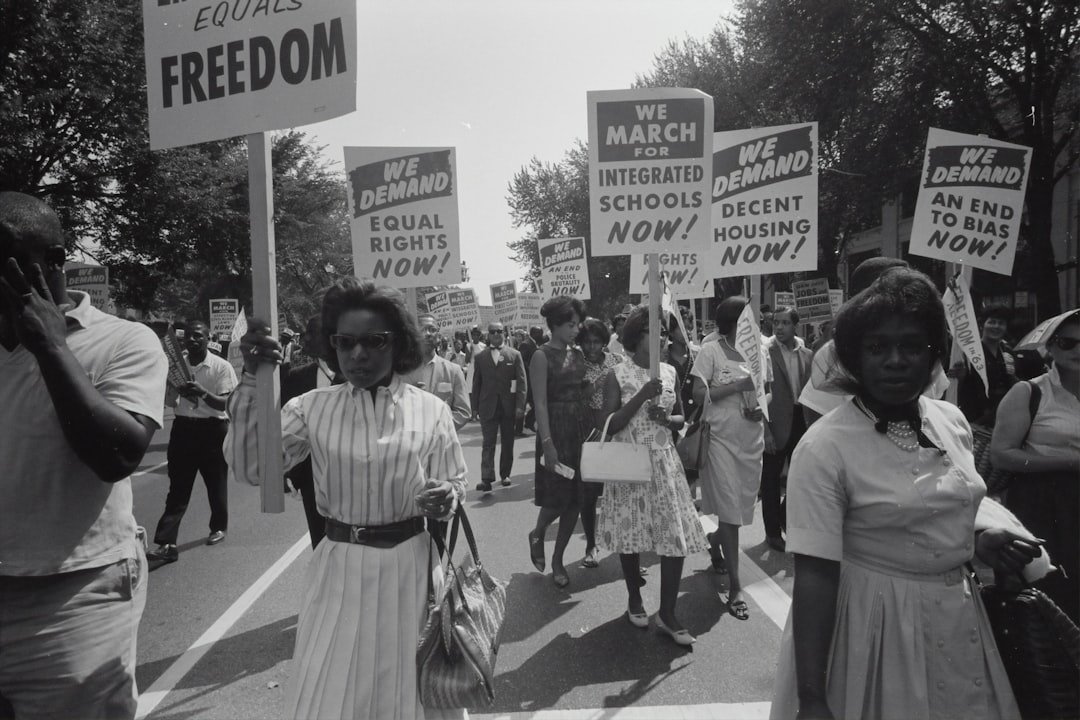
The Birmingham Campaign began in April 1963. Activists used sit-ins, marches, boycotts, mass meetings, and nonviolent protest to pressure local business and political leaders. The city’s violent response, including police dogs, fire hoses, and mass arrests, shocked viewers across the country.
That national attention helped make Birmingham a symbol of both racial injustice and organized courage. The events in the city helped build public pressure for the Civil Rights Act of 1964.
Must-See Civil Rights Landmarks in Birmingham
Birmingham’s civil rights landmarks sit close together in and around the Civil Rights District. You can visit several major sites in one day, but each place deserves time and respect.
| Site | Why It Matters | Best For |
|---|---|---|
| 16th Street Baptist Church | Site of the September 15, 1963 bombing that killed four girls. | History, reflection, guided church visits |
| Kelly Ingram Park | Major protest site during the Birmingham Campaign and Children’s Crusade. | Outdoor memorials, walking routes, photography |
| Birmingham Civil Rights Institute | Museum and research center explaining Birmingham’s civil rights history. | Exhibits, archives, education |
| A.G. Gaston Motel | Headquarters for key 1963 Birmingham Campaign planning. | Civil rights strategy, preservation history |
| Bethel Baptist Church | Historic base of Reverend Fred Shuttlesworth and the ACMHR. | Local leadership history |
16th Street Baptist Church
16th Street Baptist Church is one of the most important civil rights sites in Birmingham. On September 15, 1963, a bomb exploded at the church and killed four Black girls: Addie Mae Collins, Denise McNair, Carole Robertson, and Cynthia Wesley.
The bombing horrified the nation. It also showed the violent resistance civil rights activists faced while working for desegregation and equal rights.
Today, the church remains an active congregation and a place of memory. Visitors should check tour availability before arriving because access can depend on church schedules and special events.
Kelly Ingram Park
Kelly Ingram Park sits across from 16th Street Baptist Church. During the Birmingham Campaign, demonstrators gathered in and around the park before marches and protests.
In May 1963, police under Public Safety Commissioner Eugene “Bull” Connor used dogs, clubs, arrests, and high-pressure fire hoses against nonviolent demonstrators, including young people. Images of that violence traveled through newspapers and television and changed how many Americans viewed segregation.
Today, the park includes sculptures, plaques, and memorial spaces. These features help visitors understand the fear, courage, and public pressure that shaped the Birmingham Campaign.
A.G. Gaston Motel
The A.G. Gaston Motel played a central role in the 1963 Birmingham Campaign. It served as a headquarters where civil rights leaders planned strategy, met with journalists, and discussed negotiations.
The National Park Service identifies the motel as a significant site in the Birmingham Civil Rights National Monument. Room 30, located above the office and lobby, became an important planning space for Project C, the campaign to confront segregation in Birmingham.
Bethel Baptist Church
Bethel Baptist Church connects visitors to the local foundation of Birmingham’s civil rights movement. Reverend Fred Shuttlesworth led the Alabama Christian Movement for Human Rights from this church after Alabama banned the NAACP from operating in the state.
The church faced bombings in 1956, 1958, and 1962. Its history shows how local activists continued their work despite repeated threats and violence.
The Impact of the Civil Rights Movement in Birmingham
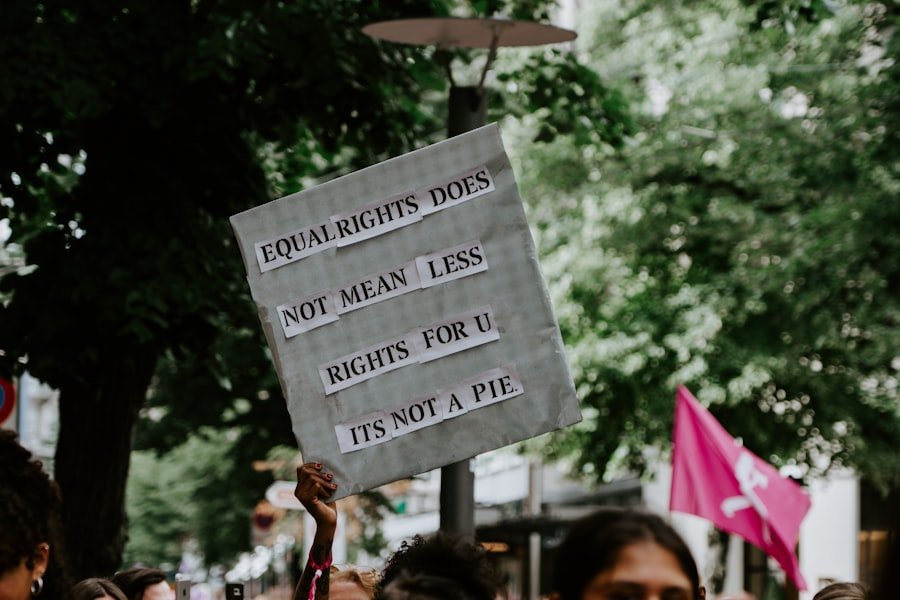
The civil rights movement in Birmingham had effects far beyond Alabama. The events of 1963 helped push racial injustice onto the national agenda.
Televised and photographed scenes of peaceful demonstrators facing police violence shocked many Americans. The public reaction added pressure on federal leaders to act against segregation and discrimination.
Birmingham’s struggle helped build support for the Civil Rights Act of 1964. The law banned discrimination based on race, color, religion, sex, or national origin in many areas of public life.
The city also helped shape later civil rights organizing. Activists across the country studied how Birmingham used nonviolent direct action, media attention, local church networks, economic pressure, and strategic negotiation.
Exploring the Birmingham Civil Rights Institute
| Visitor Detail | What to Know |
|---|---|
| Location | 520 16th Street North, Birmingham, Alabama |
| Typical visit length | Plan about 2 to 3 hours for the main exhibits. |
| Hours | Check the official BCRI ticket page before visiting because hours and last admission can change. |
| Admission | Confirm current prices directly with BCRI before your visit. |
The Birmingham Civil Rights Institute, often called BCRI, preserves and explains the history of the civil rights movement in Birmingham and beyond. It opened in 1992 and sits near 16th Street Baptist Church and Kelly Ingram Park.
The institute uses exhibits, documents, photographs, oral histories, and educational programs to show how segregation shaped daily life and how activists challenged it. Visitors can connect local events to wider national struggles for equal rights.
BCRI works best when you visit it before or after walking through Kelly Ingram Park. The museum gives context, while the park and nearby landmarks show where many events happened.
Walking Tours of Civil Rights Sites in Birmingham
Guided walking tours can help you understand Birmingham’s civil rights history in a more personal way. A good tour connects names, dates, streets, churches, and public spaces into one clear story.
Many tours begin near 16th Street Baptist Church, Kelly Ingram Park, or the Birmingham Civil Rights Institute. Guides often explain how activists organized marches, how young demonstrators joined the movement, and how local leaders responded to violence and arrests.
Walking tours also help you notice details that are easy to miss alone. For example, you can see how close the church, park, institute, and former campaign planning sites are to one another. That closeness helps explain why this part of Birmingham became so important in 1963.
How to Choose a Civil Rights Walking Tour
- Choose a guide who explains both national leaders and local Birmingham activists.
- Look for tours that include 16th Street Baptist Church, Kelly Ingram Park, and the Civil Rights District.
- Ask whether the tour includes interior access or only exterior stops.
- Check the walking distance, weather, and accessibility before booking.
- Bring water, comfortable shoes, and extra time for quiet reflection.
The Role of Birmingham in the Civil Rights Movement
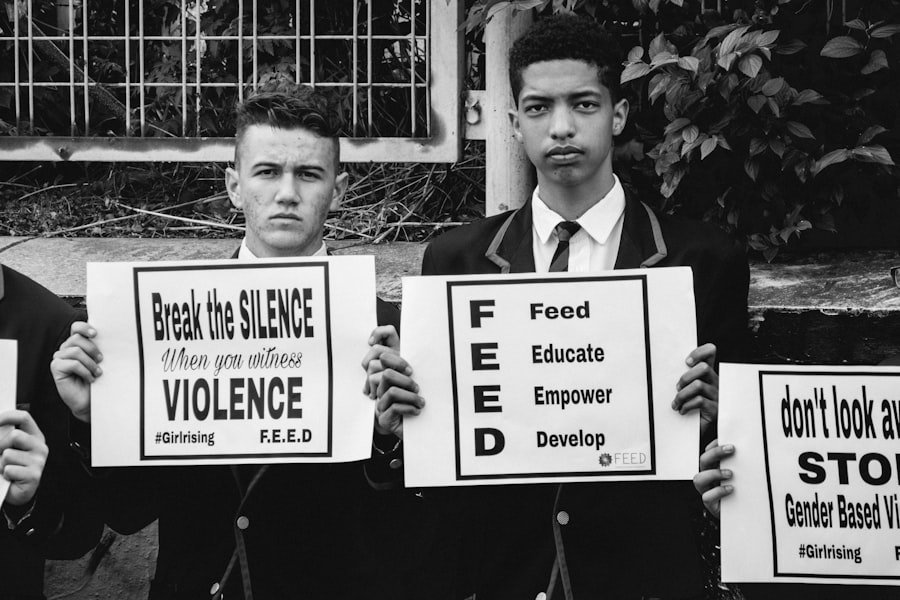
Birmingham’s role in the civil rights movement cannot be overstated. The city served as both a symbol of racial oppression and a place where organized resistance helped force national attention.
The Birmingham Campaign used direct action to challenge segregation in downtown businesses and public life. The campaign included lunch counter sit-ins, boycotts, marches, mass meetings, and arrests.
Dr. King and other SCLC leaders worked with local leaders, especially Reverend Fred Shuttlesworth and the ACMHR. That partnership mattered because Birmingham’s movement did not begin with outside leaders. Local activists had already spent years organizing against segregation and racial violence.
The campaign also showed the power of media. Images of children and peaceful marchers facing police violence changed public opinion and made it harder for national leaders to ignore the crisis.
Preserving Civil Rights History in Birmingham
Preservation work in Birmingham protects buildings, stories, documents, and public memory. Local groups, churches, museums, historians, the City of Birmingham, and the National Park Service all help keep this history visible.
The Birmingham Civil Rights National Monument, established in 2017, recognizes several sites tied to the civil rights movement and the 1963 campaign. These sites include the A.G. Gaston Motel, 16th Street Baptist Church, Kelly Ingram Park, and the surrounding Civil Rights District.
Oral histories are also important. Firsthand accounts from activists, residents, church members, students, and survivors help future generations understand the human side of the movement.
Reflecting on the Legacy of Civil Rights in Birmingham
The legacy of civil rights activism in Birmingham is powerful because it connects the past with current questions about justice, voting rights, policing, education, and equality.
The city’s landmarks remind visitors that progress did not happen by accident. It came from organized people who accepted real risks, built strong local networks, and forced the country to confront injustice.
When you visit Birmingham’s civil rights sites, give yourself time to slow down. Read the markers. Stand in the park. Listen to guides when possible. Then think about what these places ask from visitors today.
A strong visit should leave you with more than facts. It should help you understand how ordinary people, including students, pastors, parents, workers, and business owners, helped change the direction of American history.
Suggested One-Day Birmingham Civil Rights Itinerary
- Start at the Birmingham Civil Rights Institute. Spend 2 to 3 hours learning the background before walking the district.
- Walk to 16th Street Baptist Church. Check tour access in advance and leave time for quiet reflection.
- Cross to Kelly Ingram Park. Read the markers and view the sculptures connected to the 1963 demonstrations.
- View A.G. Gaston Motel. Learn how the motel served as a planning center for Project C.
- Add Bethel Baptist Church or the 4th Avenue Historic District. These sites deepen your understanding of local leadership and Black business history.
Official Sources and Further Reading
- National Park Service: Birmingham Civil Rights National Monument
- National Park Service: A.G. Gaston Motel and the Birmingham Civil Rights National Monument
- The Martin Luther King, Jr. Research and Education Institute: Birmingham Campaign
- FBI History: 16th Street Baptist Church Bombing
- Birmingham Civil Rights Institute
- National Park Service: Birmingham Civil Rights Site Hours and Visitor Information
FAQs
What are civil rights sites in Birmingham?
Civil rights sites in Birmingham are churches, parks, museums, streets, and historic buildings connected to the civil rights movement. Many are tied to the 1963 Birmingham Campaign, the fight against segregation, and the national push for civil rights legislation.
What are some notable civil rights sites in Birmingham?
Notable civil rights sites in Birmingham include the Birmingham Civil Rights Institute, 16th Street Baptist Church, Kelly Ingram Park, A.G. Gaston Motel, Bethel Baptist Church, St. Paul United Methodist Church, and the 4th Avenue Historic District.
Why are these sites important?
These sites are important because they show where people organized, marched, worshiped, faced violence, and demanded equal rights. They help visitors understand both the local struggle in Birmingham and the national civil rights movement.
Can visitors tour these sites?
Yes, visitors can tour many civil rights sites in Birmingham. Some sites offer guided tours, exhibits, and educational programs. Others are outdoor spaces or active churches, so you should check official hours and access rules before visiting.
Are there any special events or programs at these sites?
Yes, many Birmingham civil rights sites host special events, lectures, school programs, commemorations, and exhibitions during the year. The Birmingham Civil Rights Institute and local historic sites often share current programs on their official websites.
How can I learn more about these civil rights sites in Birmingham?
You can learn more by visiting the Birmingham Civil Rights Institute, checking the National Park Service page for the Birmingham Civil Rights National Monument, joining a guided walking tour, or reading official histories from trusted civil rights archives.
How long should I spend in Birmingham’s Civil Rights District?
Plan at least half a day if you want to visit the Birmingham Civil Rights Institute, 16th Street Baptist Church, and Kelly Ingram Park. A full day gives you more time for A.G. Gaston Motel, Bethel Baptist Church, and the 4th Avenue Historic District.
Is Kelly Ingram Park free to visit?
Kelly Ingram Park is an outdoor public space, and visitors can usually walk through it without a museum ticket. Check local updates before visiting because events, maintenance, weather, or city rules can affect access.
What is the best first stop for a Birmingham civil rights visit?
The Birmingham Civil Rights Institute is the best first stop for many visitors because it gives historical context before you walk to nearby landmarks. After the museum, visit 16th Street Baptist Church and Kelly Ingram Park.
Should children visit Birmingham civil rights sites?
Children can learn a great deal from these sites, especially with adult guidance. Parents and teachers should prepare younger visitors for difficult topics such as racism, violence, segregation, and the death of children in the 1963 church bombing.
Final Thoughts
Birmingham’s civil rights sites help you see history where it happened. Visit the museum, walk the park, stand near the church, and look closely at the places where local courage helped move the country toward legal change.
Your next step is simple: check current hours on the official site pages, choose two or three core landmarks, and give yourself enough time to read, listen, and reflect.
More From Tagline Today
Birmingham, Alabama, is rich in civil rights history. If you also enjoy cultural topics beyond historic travel, you may like this related article: Exploring the Delightful World of Asian Melon.