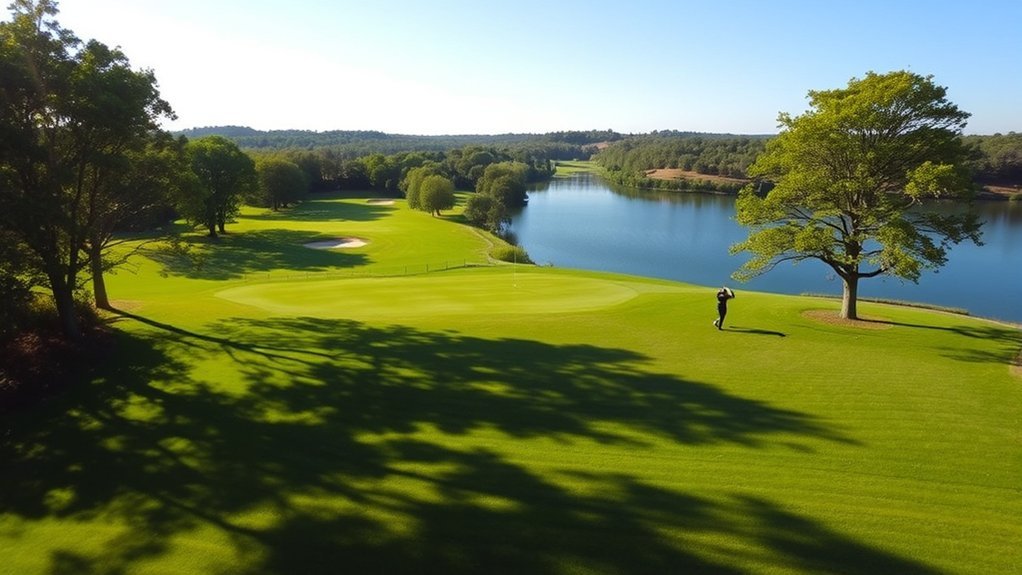
Deep sea fishing around Gulf Shores and nearby Orange Beach gives anglers access to artificial reefs, wrecks, ledges, and blue-water fishing in the Gulf. The best trip depends on how far offshore you want to run, the species you hope to target, the current season, and sea conditions. Regulations can change during the year, so planning should always include a same-day rules and marine-weather check.
Quick Answer
For deep sea fishing near Gulf Shores, start with Alabama’s artificial reef zones off Orange Beach, then consider wrecks such as The LuLu and deeper offshore ledges for pelagic fish. Red snapper, grouper, amberjack, king mackerel, mahi-mahi, tuna, and wahoo are possible targets, but seasons, permits, limits, and weather must be checked before every trip.
Key Takeaways
- Alabama has a vast artificial reef network off the Gulf Coast, with public reef coordinates available from the Alabama Department of Conservation and Natural Resources.
- Orange Beach and Perdido Pass are common gateways to nearshore reefs, wrecks, offshore structure, and deeper trolling water.
- Red snapper rules are especially time-sensitive. Private/state-licensed charter anglers and federally permitted for-hire vessels can have different season dates.
- Snapper Check reporting is mandatory in Alabama for harvested red snapper, greater amberjack, and gray triggerfish landed in the state.
- For federal Gulf reef-fish fishing with natural bait, non-stainless steel circle hooks and a dehooking device are required under current federal regulations.
- Check the National Weather Service marine forecast before departure. Summer can bring good fishing, but thunderstorms, high seas, tropical systems, and other hazards can develop quickly.
Best Deep Sea Fishing Spots in Gulf Shores
There is no single best offshore spot for every trip. Reef fish often relate to hard structure, while mahi-mahi, tuna, wahoo, billfish, and other pelagic species may be found around current edges, weed lines, floating debris, temperature changes, bait concentrations, or deep offshore structure. A local captain will usually choose the fishing area based on the target species, trip length, weather, and recent bite.
Alabama Artificial Reef Zones
The most dependable starting point for reef fishing is Alabama’s managed artificial reef system. The Alabama Department of Conservation and Natural Resources, or ADCNR, reported in July 2026 that the state’s artificial reef zone encompasses about 1,100 square miles and contains more than 12,000 reef structures. The state also publishes public reef waypoint files for anglers. These reefs add hard structure to a seafloor that is otherwise largely sand and mud and support species such as red snapper, gray triggerfish, gray snapper, amberjack, and grouper.
Anglers should use the current Outdoor Alabama artificial reef resources rather than relying on old coordinates copied from blogs or forums.
The LuLu, Liberty Ship Reefs, and Other Wrecks
The LuLu is a large purpose-sunk vessel south of Perdido Pass that now functions as an artificial reef. Alabama’s nearshore and offshore reef zones also include historic Liberty Ship reef sites and many other vessels, barges, bridge rubble sites, and purpose-built reef modules. These structures can hold snapper, amberjack, grouper, triggerfish, and other species depending on season and depth.
In 2026, Alabama added the 408-foot Argosy VI artificial reef roughly 23 miles south of Orange Beach, near The LuLu and New Venture. It is another large-structure option for fishing and diving, but anglers should still use official coordinates and current navigation information before running to any reef.
Perdido Pass and the Run Offshore
Perdido Pass is the main navigation gateway between the Orange Beach back-bay system and the Gulf. Strong current around the pass can concentrate bait, and the pass provides access to nearshore and offshore fishing grounds. However, the pass itself should not be treated as a guaranteed deep-sea fishing hotspot. Boat traffic, current, sea state, and local restrictions matter, and offshore anglers commonly use it as a route to reefs, wrecks, trolling corridors, and deeper water.
The Edge and Deeper Offshore Water
Local anglers sometimes use names such as “The Edge” for portions of the continental-shelf break or deeper offshore ledges. These areas can be productive for trolling or drifting when pelagic fish are present. The exact destination can be many miles offshore, so fuel range, communications, navigation equipment, changing weather, and the experience of the operator become increasingly important.
Pro Tip: Do not choose a reef only because it is famous. Productive offshore fishing changes with water conditions, bait, pressure, and season. Current reports and an experienced local captain are often more useful than a static list of waypoints.
Tips and Tricks for Deep Sea Fishing in Gulf Shores
Preparation is one of the biggest factors in a safe and enjoyable offshore trip. Start by deciding whether your priority is reef fishing, trolling, or a mixed trip. Shorter trips generally spend more time on closer structure, while longer trips give a captain more range to reach deeper reefs or blue-water areas. Ask the charter what species are realistically available during your dates rather than choosing a trip around a fish that may be closed or far outside the practical range of a half-day charter.
Check Regulations Before You Leave
Size limits, bag limits, seasonal closures, reporting rules, and licensing requirements can change. Check Outdoor Alabama’s saltwater season notices and NOAA Fisheries’ Gulf regulations and seasonal closures shortly before the trip.
Match Tackle to the Target
Heavy-duty rods and reels are useful for many offshore species, but there is no one correct line strength or rig for every fish. Bottom fishing for reef species may require enough weight to hold the bait near structure in current, while trolling for king mackerel, mahi-mahi, wahoo, or tuna uses different leaders, lures, and tackle. On a charter, the crew normally supplies the appropriate gear. Private-boat anglers should rig for the species, depth, and applicable gear rules.
Live or fresh bait can be effective. Menhaden, cigar minnows, pinfish, squid, and cut bait are commonly used in Gulf fishing, depending on the target and method. In federal waters, current reef-fish regulations require non-stainless steel circle hooks when fishing with natural bait and require a suitable dehooking device.
Watch Weather, Seas, and Heat
The Gulf can change quickly. Check the National Weather Service Mobile/Pensacola marine forecast for wind, waves, thunderstorms, advisories, and tropical-weather concerns. Early departures are common for fishing and can help with summer heat, but morning does not guarantee calm water or better fishing.
Warning: Do not treat a warm, sunny beach forecast as an offshore marine forecast. Conditions several miles offshore can be very different. If a captain delays or cancels because of weather, treat that as a safety decision, not a lost fishing opportunity.
Prepare for Sun and Motion Sickness
Bring sunscreen, polarized sunglasses, a hat, light protective clothing, water, and any allowed food or drinks. If you are prone to motion sickness, discuss medication with a pharmacist or healthcare professional before the trip because some products can cause drowsiness or may not be appropriate for everyone. Follow the charter’s instructions on coolers, footwear, alcohol, glass containers, and fish storage.
Read the Water
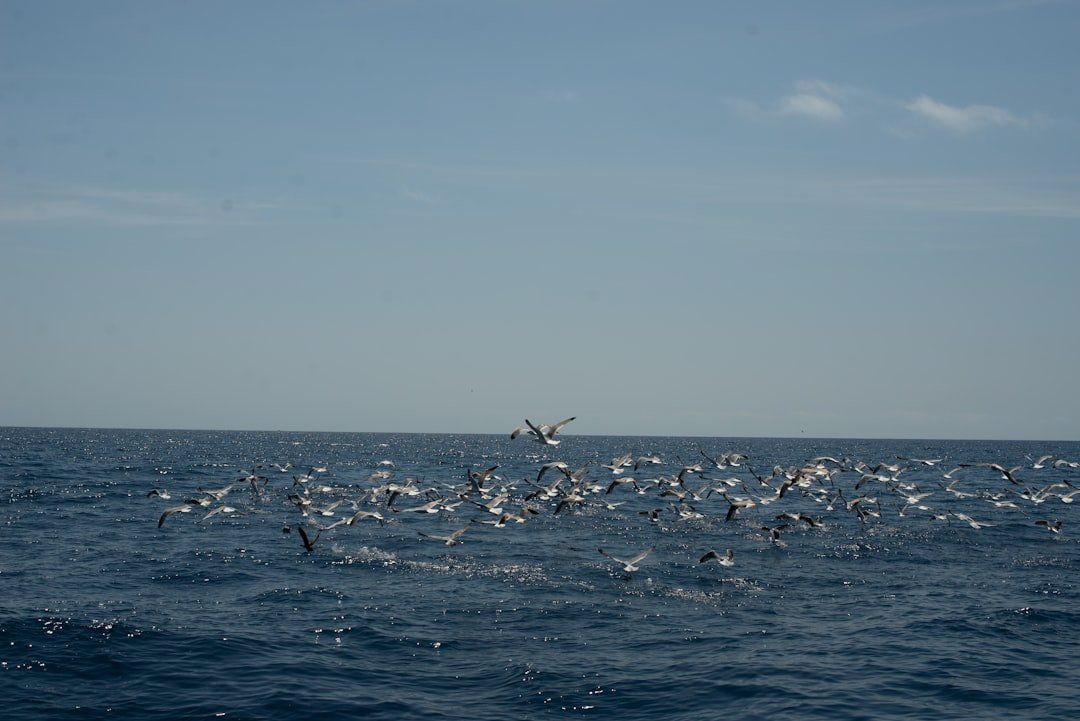
Bird activity, bait at the surface, floating weed lines, debris, color changes, and surface feeding can help reveal pelagic fish. Those signs are useful, but they are not guarantees. A good offshore approach combines observation with sonar, charts, navigation data, current reports, and patience.
The Most Common Deep Sea Fish Species in Gulf Shores
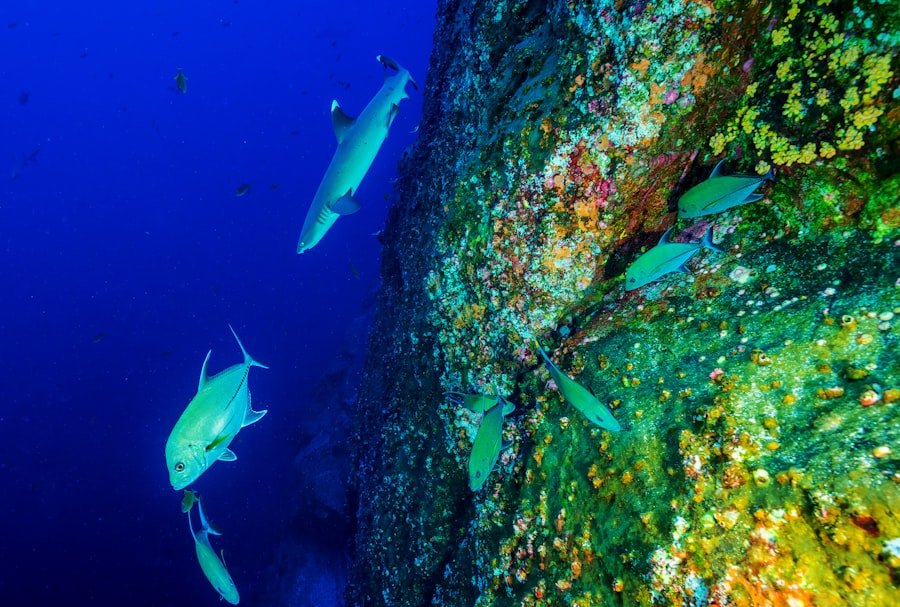
The waters off Gulf Shores and Orange Beach support a wide range of reef and pelagic species. What you can legally keep depends on where you are fishing, the date, the vessel type, and the current state or federal regulation.
| Species | Where Anglers Often Find Them | Typical Method |
|---|---|---|
| Red snapper | Artificial reefs, wrecks, and hard structure | Bottom fishing with natural bait or jigs |
| Grouper | Reefs, ledges, wrecks, and deeper structure | Bottom fishing |
| Greater amberjack | High-relief wrecks and offshore structure | Live bait, jigs, or heavy tackle near structure |
| King mackerel | Nearshore to offshore water around bait | Trolling or live-bait fishing |
| Mahi-mahi | Warm offshore water, weed lines, and floating structure | Trolling, casting, or live bait |
| Yellowfin and blackfin tuna | Deeper offshore water and areas holding bait | Trolling, chunking, live bait, or casting |
| Wahoo | Blue water, current edges, and offshore structure | Trolling |
Red snapper are among the best-known Alabama offshore targets and commonly associate with reefs and wrecks. Grouper also use hard structure, but “grouper” includes several species with different rules and seasonal closures. Greater amberjack are powerful structure-oriented fish, while king mackerel are fast-moving pelagic predators that are often targeted by trolling or live bait.
Tuna, mahi-mahi, and wahoo can be caught from Alabama ports, especially on longer trips that reach suitable offshore water. It is safer to describe these fish as available targets rather than “abundant,” because their location and catch rate can change with water conditions, bait, season, and fishing pressure.
The Best Time of Year for Deep Sea Fishing in Gulf Shores
| Period | Common Offshore Focus | Planning Note |
|---|---|---|
| Winter | Open reef species and deeper-water opportunities | Cold fronts can create rough offshore conditions; verify species closures. |
| Spring | Cobia, mackerel, reef fish, and improving pelagic activity | Season dates vary by species; red snapper may not yet be open. |
| Summer | Red snapper when open, mahi-mahi, tuna, wahoo, king mackerel, and billfish | Popular charter season; heat and thunderstorms require careful planning. |
| Fall | King mackerel, tuna, wahoo, and open reef species | Some reef species have fall openings or closures; check current bulletins. |
Late spring through fall offers broad offshore variety, but there is no single universal “best month.” The right time depends on the target species and the type of trip. Summer is popular because many pelagic species are available and families travel during school breaks, while spring and fall can offer excellent fishing with fewer peak-season crowds.
2026 Red Snapper Timing
Red snapper is the clearest example of why old season summaries can be misleading. For 2026, Alabama’s private recreational anglers and state-licensed charter vessel anglers opened on May 22, seven days a week, and the season is scheduled to continue until December 31 or until Alabama’s quota is projected to be met. Federally permitted for-hire reef-fish vessels have a separate 2026 federal season from June 1 through October 25, closing at 12:01 a.m. on October 26. Check Outdoor Alabama’s current Snapper Check and red snapper information immediately before fishing because an in-season closure can be announced.
Other Reef-Fish Seasons
Other reef species also have species-specific closures. For example, federal gray triggerfish has recurring closed periods, and greater amberjack has a separate fishing-year structure. Gag grouper rules can also change as managers respond to stock status and catch limits. Do not use a general statement such as “summer is best for grouper” as a substitute for checking the exact species rule.
Note: Fishing seasons are management rules, not guarantees of a bite. A species can be legal to harvest but difficult to locate, or plentiful but closed to harvest.
Chartering a Deep Sea Fishing Boat in Gulf Shores
Chartering is the easiest way for many visitors to fish offshore without owning a boat, carrying specialized tackle, or learning unfamiliar reef coordinates. Gulf Shores visitors often depart from marinas in nearby Orange Beach because of its direct access through Perdido Pass. Charters range from shorter nearshore trips to full-day and overnight offshore trips.
Questions to Ask Before Booking
- How long is the actual trip, and how much running time should I expect?
- Which species are realistic during my dates?
- Is the vessel fishing under state rules, a federal for-hire reef-fish permit, or another permit structure?
- Are rods, reels, bait, tackle, ice, fish cleaning, and gratuity included?
- What happens if the captain cancels for unsafe weather?
- What are the rules for children, coolers, food, alcohol, footwear, and motion-sickness preparation?
- Does the boat’s licensing cover passengers, and is any individual license, registration, or endorsement still needed for the planned fishing?
For a red snapper trip, confirm whether the boat is operating as an Alabama state-licensed charter or as a federally permitted for-hire reef-fish vessel because the applicable season can differ. A reputable operator should be able to explain the permit status, current retention rules, and what passengers need to bring.
Do not choose a charter only by the lowest price. Vessel size, trip length, fuel range, captain experience, safety equipment, maintenance, crew support, and the number of anglers all affect the experience. Recent reviews can help, but regulatory knowledge and a clear weather-cancellation policy matter more than promotional claims about guaranteed fish.
Deep Sea Fishing Tournaments and Events Near Gulf Shores
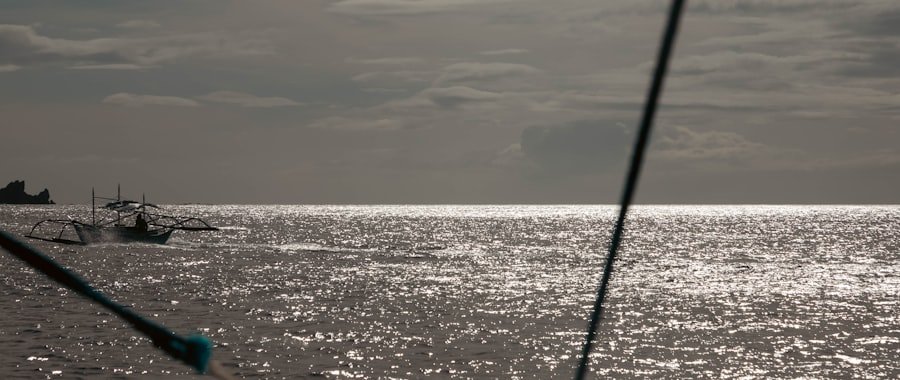
The Alabama Gulf Coast has a strong tournament culture, but the events are not all held in Gulf Shores itself. Orange Beach hosts several major billfish events, while the Alabama Deep Sea Fishing Rodeo is held on Dauphin Island.
Orange Beach Billfish Classic
The Orange Beach Billfish Classic was held May 12-16, 2026, at The Wharf in Orange Beach and served as the opening event in the Gulf Coast Triple Crown series. Its focus is offshore billfish competition, and the schedule includes organized departure through Perdido Pass, weigh-ins, and tournament activities.
Blue Marlin Grand Championship
The Blue Marlin Grand Championship is another major Orange Beach event centered at The Wharf. The 2026 tournament featured blue marlin, white marlin, sailfish, tuna, dolphin, and wahoo categories. It is a competitive offshore tournament rather than a casual fishing outing, but weigh-ins and shore-side activities can be interesting for visitors.
Gulf Coast Triple Crown Championship
The Gulf Coast Triple Crown is a multi-tournament point series, not one standalone Gulf Shores tournament. Teams earn points across participating Gulf Coast billfish tournaments, so it is best described as a championship series.
Alabama Deep Sea Fishing Rodeo
The Alabama Deep Sea Fishing Rodeo is a long-running annual event on Dauphin Island. In 2026, the 93rd rodeo ran July 17-19. It is regionally important, but describing it as a Gulf Shores-hosted event is inaccurate.
Flora-Bama Fishing Rodeo
The Flora-Bama Fishing Rodeo is part of the coastal fishing calendar, but the 2026 event was cancelled because of weather after a postponement. This is a good example of why visitors should check the official event page before planning a trip around an older annual schedule.
For any tournament, read the current rules before fishing. Billfish tournaments, reef-fish events, and general rodeos can have different eligible species, boundaries, tackle rules, weigh-in procedures, and conservation requirements.
Deep Sea Fishing Regulations and Guidelines in Gulf Shores
Fishing regulations are one of the most important parts of planning an offshore trip because Alabama state rules and federal Gulf rules can both apply. The correct rule depends on the species, location, vessel permit, and where the fish will be landed. Regulations are subject to in-season changes, so this section should be used as a planning guide rather than a substitute for a same-day rules check.
Saltwater License and Reef Fish Endorsement
Alabama requires saltwater licensing or registration as applicable. Anglers who take, possess, or attempt to take listed Gulf reef fish also need to account for Alabama’s Reef Fish Endorsement requirements. The endorsement applies to listed reef species including red snapper, triggerfish, amberjack, snappers, tilefish, and groupers. Charter and party-boat licensing can cover passengers differently from private fishing, so confirm the exact requirement with the operator and Outdoor Alabama’s saltwater license page.
Snapper Check Reporting
Alabama requires harvested red snapper, greater amberjack, and gray triggerfish landed in the state to be reported through Snapper Check. One vessel report is required for the trip before the fish are landed. Reporting is not merely a voluntary conservation contribution; it is part of Alabama’s management system.
Federal Reef-Fish Gear Rules
In the federal Gulf reef-fish fishery, current federal regulations require non-stainless steel circle hooks when fishing with natural bait and require at least one dehooking device that is used to remove hooks with minimum damage. See 50 CFR § 622.30 for the controlling federal gear language.
Descending Devices and Barotrauma
Rules on descending devices changed in 2026. The federal DESCEND Act requirement for a venting tool or descending device expired in January 2026, and NOAA announced a proposed framework action in July 2026 to continue similar requirements. Because this is an actively changing rule area, check the current federal regulation before departure. Regardless of the mandate, properly using a descending device can help return barotrauma-affected reef fish to depth.
Highly Migratory Species
If a private vessel plans to target highly migratory species such as tunas or billfish in federal waters, additional federal permitting can apply. NOAA directs anglers targeting Atlantic highly migratory species to its HMS permit system. Charter customers should ask the captain which vessel permits cover the planned fishing.
The safest regulation habit is simple: check the species, date, water jurisdiction, vessel permit, bag limit, size limit, gear rule, and reporting requirement before the first line goes in the water.
The Benefits of Deep Sea Fishing in Gulf Shores
Deep sea fishing combines outdoor time, skill, teamwork, and the uncertainty that makes fishing exciting. A day offshore can include sunrise views, dolphins or seabirds, changing water color, reef-fish action, and the challenge of fighting larger pelagic fish. For families and groups, the shared experience can be as memorable as the catch.
It can also create a stronger connection to marine-resource management. Following seasons, size limits, reporting rules, and proper release practices helps anglers understand why offshore fisheries are actively monitored. Keeping only legal fish and handling released fish carefully supports future fishing opportunities.
If you keep a legal catch, many charters can explain local fish-cleaning options and safe storage. Fresh fish can become the centerpiece of a post-trip meal. If you want a light side dish idea after a day on the water, this existing guide to Asian melon offers a different culinary direction.
Frequently Asked Questions
What is deep sea fishing?
Deep sea fishing generally means fishing offshore in deeper coastal or open-ocean waters rather than from shore, a pier, or protected bays. Around Gulf Shores and Orange Beach, trips can range from relatively close reef fishing to much longer runs for tuna, wahoo, mahi-mahi, or billfish.
What is Gulf Shores known for in terms of deep sea fishing?
The Alabama Gulf Coast is known for an extensive artificial reef program, nearby charter fleets in Orange Beach, and access to both reef-fish grounds and deeper offshore water. Red snapper is a signature target, with grouper, amberjack, mackerel, mahi-mahi, tuna, wahoo, and billfish also available depending on season and trip range.
What types of fish can be caught while deep sea fishing in Gulf Shores?
Possible targets include red snapper, several grouper species, greater amberjack, gray triggerfish, king mackerel, mahi-mahi, blackfin and yellowfin tuna, wahoo, sailfish, and marlin. Not every species is available or legal to retain on every date, so check current regulations before fishing.
What are some popular deep sea fishing spots near Gulf Shores?
Popular areas include Alabama’s public artificial reef zones, purpose-sunk wrecks such as The LuLu, Liberty Ship reef areas, other wrecks and bridge-rubble sites, and deeper offshore ledges or shelf-break water. Perdido Pass is an important gateway from Orange Beach to many of these grounds.
What should I bring for a deep sea fishing trip in Gulf Shores?
Bring sunscreen, polarized sunglasses, a hat, weather-appropriate clothing, water, approved snacks or drinks, and any personal medication you need. Ask the charter about footwear, coolers, fish storage, cameras, motion-sickness preparation, and whether rods, bait, tackle, ice, and fish cleaning are included.
When is red snapper season in Gulf Shores in 2026?
For 2026, Alabama private anglers and state-licensed charter vessel anglers opened May 22, with fishing allowed seven days a week until December 31 or until the state quota is projected to be met. Federally permitted for-hire reef-fish vessels have a separate federal season from June 1 through October 25, closing at 12:01 a.m. October 26. Always check for an in-season update before leaving.
Do I need a fishing license on a Gulf Shores charter?
Licensed charter and party boats can have vessel licenses and endorsements that affect what passengers need individually. Ask the operator before the trip and confirm with Outdoor Alabama if you are unsure, especially when reef fish are part of the plan. Private-boat anglers should verify their own Alabama saltwater license, registration, and reef-fish endorsement requirements.
How long should a beginner book a deep sea fishing charter?
A shorter half-day or six-hour trip can be a practical introduction for families or first-time offshore anglers, but it limits how far the boat can run. If your main goal is deeper reefs, tuna, wahoo, or other blue-water species, a full-day or longer trip may be more realistic. Ask the captain what is achievable during your dates.
Sources
- Outdoor Alabama: Snapper Check Information — 2026 red snapper seasons, mandatory reporting, and Alabama reef-fish compliance information.
- Outdoor Alabama: Artificial Reefs — Alabama reef zones, public reef waypoints, habitat, and reef-program information.
- Outdoor Alabama: Argosy VI Artificial Reef Update — July 2026 reef-zone scale, Argosy VI deployment, and nearby large reef structures.
- NOAA Fisheries: Gulf Fishing Regulations and Seasonal Closures — current federal season and closure framework.
- eCFR: 50 CFR § 622.30 — federal Gulf reef-fish gear requirements.
- National Weather Service Mobile/Pensacola: Marine Weather — coastal and offshore forecasts, observations, and marine hazards.