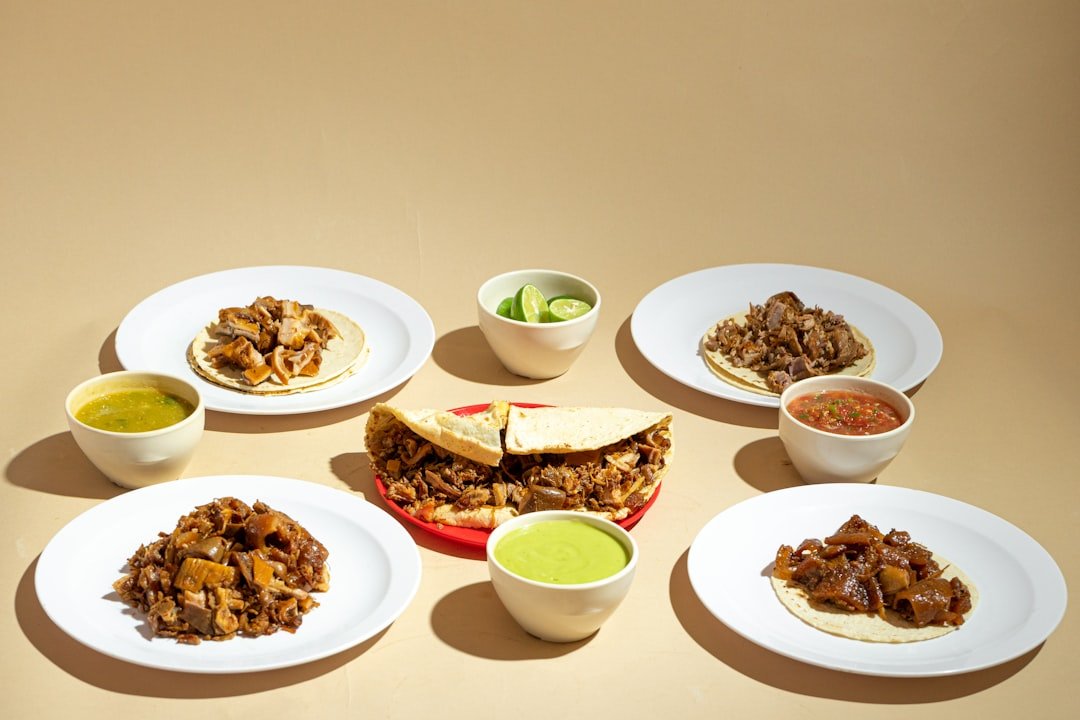
Finding halal food in Switzerland is much easier in larger cities than in small alpine villages, but you still need to check labels and restaurant practices carefully. Halal restaurants, specialist grocers, butchers, and selected packaged products are available, while many traditional Swiss foods can also work with the right ingredients. The main challenge is knowing exactly what a restaurant or product means by “halal.”
Quick Answer
Halal food is available across Switzerland, but it is easiest to find in larger cities. Look for clearly labelled or certified products, ask restaurants how meat is sourced and prepared, and do not assume traditional Swiss dishes are automatically halal because wine, spirits, gelatin, cured pork, or non-halal meat may be used.
Last checked: October 1, 2026. Dates and figures were verified against official sources.
Key Takeaways
- Swiss Federal Statistical Office data for 2024 put Muslim communities at 6.0% of the measured population.
- Switzerland Tourism says halal food is mainly found in larger cities, so options can become thinner in small towns and mountain areas.
- Swiss animal-welfare rules require vertebrates to be stunned before they are killed, while separate import provisions cover certain meat from ritual slaughter.
- Halal certification is provided by private certification bodies, so checking the certifier and its standard can matter.
- Fondue, raclette, rösti, desserts, and other Swiss foods should be checked individually rather than assumed to be halal.
How common is halal food in Switzerland?
Halal food has an established market in Switzerland, supported by Muslim residents, international visitors, restaurants, specialist food shops, and imported products. The Swiss Federal Statistical Office’s 2024 religion data report that Muslim communities account for 6.0%.
This makes the original estimate of about 5% too low for the latest published federal figure checked for this article. Demand is most visible in urban areas, where a larger customer base can support halal butchers, grocery shops, takeaway businesses, and restaurants serving Turkish, Middle Eastern, Balkan, South Asian, and other cuisines.
Why the halal food sector has expanded
Immigration has contributed to demand, but it is not the only factor. Muslim residents born or raised in Switzerland, international students, business travellers, tourists, and families all create demand for clearly identified halal options.
The market has also become more diverse. Halal choices are no longer limited to raw meat. Depending on the retailer, you may encounter certified processed foods, frozen items, snacks, spreads, ingredients, and restaurant meals.
Where halal food is easiest to find
Location makes a major difference. Switzerland Tourism specifically says halal food is mainly found in larger cities.
That means places such as Zurich, Geneva, Basel, Lausanne, and Bern generally give you more possibilities than a remote mountain village. Tourist areas can still have suitable restaurants, but you should not assume that every resort or railway stop will have a clearly identified halal choice.
Where can you find halal food in Swiss supermarkets and restaurants?
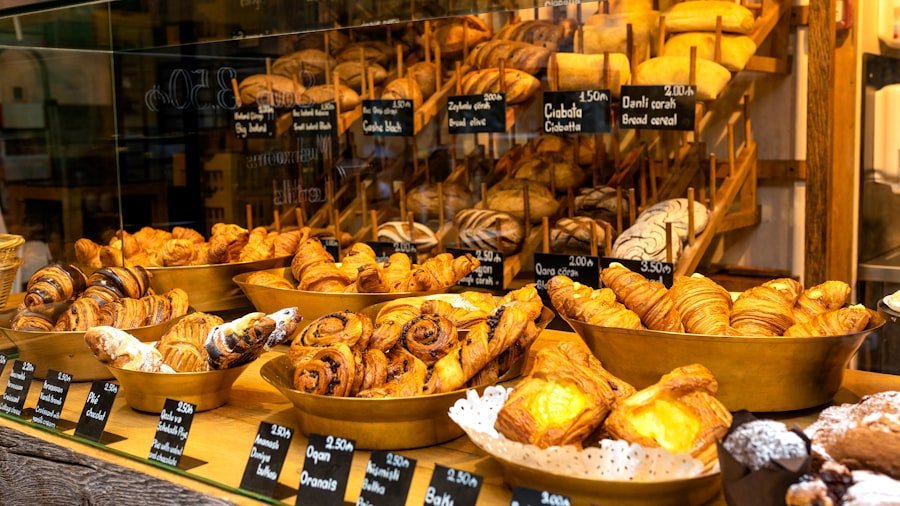
You can find halal food through a mixture of specialist shops, restaurants, butchers, and selected supermarket products. However, supermarket ranges differ by chain, branch, and product category, so a large store should not automatically be treated as having a dedicated halal-meat section.
Halal products in supermarkets
Some mainstream retailers list individual halal-certified products. For example, Coop currently lists an Argeta chicken spread identified as halal-certified in its online shop.
This does not mean every Coop branch carries the same range or that all meat sold by the chain is halal. Check the actual package for a halal mark, certifier, ingredient list, and product information.
For the widest meat selection, a dedicated halal butcher or specialist grocery store may be more useful. These shops can also carry imported spices, frozen foods, sauces, sweets, and pantry staples that are harder to find in a conventional supermarket.
Finding a suitable halal restaurant
Restaurants are another practical option, especially in larger cities. Turkish, Lebanese, Middle Eastern, Pakistani, Indian, Balkan, and North African restaurants are among the types of businesses where halal meat may be offered, but cuisine alone does not prove halal status.
If the restaurant’s wording is unclear, ask specific questions rather than simply asking whether the restaurant is “Muslim-friendly.” Useful questions include:
- Is all meat halal, or only certain dishes?
- Who supplies or certifies the meat?
- Is alcohol used in the sauce, marinade, dessert, or cooking process?
- Are pork and halal meat prepared on separate equipment?
- Does the restaurant display a current halal certificate?
The answer can help you decide whether the restaurant meets the halal standard you personally follow.
How do halal certification and regulations work in Switzerland?
Switzerland has food-safety, labelling, animal-welfare, and meat-import rules, but there is no single government halal certification system covering every product and restaurant. Private halal certifiers set certification requirements, while normal Swiss food law still applies to the product or establishment.
| Aspect | Details |
|---|---|
| Halal Certification Body | Halal certification is provided by private organizations rather than one government halal authority. Halal Certification Services (HCS) is one Switzerland-based certifier. |
| Regulations | Swiss food-safety and labelling law applies to halal products, while animal-welfare rules require vertebrates to be stunned before they are killed in Switzerland. |
| Halal Market | Special Swiss import provisions allow designated halal meat from ritual slaughter to be distributed through recognized halal outlets. |
| Challenges | Halal certification standards can differ, so consumers may need to identify the certifier and confirm what its certification covers. |
Swiss rules on slaughter and imported halal meat
The distinction between domestic slaughter and imported meat is important. Under the Swiss Federal Food Safety and Veterinary Office’s slaughter rules, vertebrates must be stunned before they are killed.
At the same time, the Federal Office for Agriculture has special provisions for halal and kosher meat imports. Members of the relevant religious communities and their organizations can receive shares of specified tariff quotas, with imported meat distributed through recognized halal or kosher outlets under the applicable rules.
This means the statement “ritual slaughter is prohibited in Switzerland” does not mean meat from ritual slaughter cannot be legally available in the country. Imported meat is treated separately under the federal import framework.
What does halal certification tell you?
A halal certificate normally indicates that a certifier has evaluated a product, facility, process, or service against its halal requirements. Halal Certification Services, based in Rheinfelden, lists certification schemes covering food, ingredients, pharmaceuticals, animal feed, services, cosmetics, and other categories.
Because certification standards can differ, look at the actual certifier rather than relying only on the word “halal.” A restaurant may use halal meat without having its entire kitchen certified, while a packaged product may carry certification covering the product and manufacturing process.
How to check a packaged food
Start with the halal mark and ingredient list. Switzerland’s official food-labelling rules require important information such as the food’s name, ingredients, allergens, production country, and other mandatory details for prepacked foods.
For halal purposes, pay particular attention to meat ingredients, gelatin, animal fats, flavourings, alcohol-containing ingredients, and products whose certification status is unclear. A general Swiss food label is not the same thing as halal certification.
Which traditional Swiss dishes can be halal?
Several Swiss dishes can be prepared in a halal-suitable way, but the recipe matters more than the dish name. Meat, alcohol, cheese ingredients, cooking fat, sauces, and side dishes can change whether a particular version meets your requirements.
Rösti
Basic rösti is made mainly from potatoes and can be one of the simplest Swiss dishes to check. However, some versions are served with bacon, sausage, meat, or other toppings.
Ask how it is cooked and what comes with it. A plain vegetarian version may be easier to verify than a rösti served as part of a meat dish.
Raclette
Raclette commonly combines melted cheese with potatoes and other accompaniments. The main issue is often what is served beside it, because cured meats and other meat products are common accompaniments.
If you follow a halal standard that requires the cheese itself to meet specific requirements, check the cheese or certification as well. Choosing vegetables, potatoes, and other verified sides can make the meal easier to manage.
Cheese fondue
Cheese fondue should not automatically be treated as halal simply because it is meat-free. The Swissmilk classic fondue recipe, for example, contains white wine and kirsch.
The same recipe suggests replacing the wine with non-alcoholic cider or apple juice and leaving out the spirit when preparing an alcohol-free version. If alcohol is a concern for you, ask the restaurant whether it can make a separate alcohol-free fondue rather than assuming the cooking process resolves the issue.
Swiss desserts
Meringues, fruit tarts, pastries, chocolate, and other desserts may be suitable, but recipes vary. Check for alcohol, liqueur fillings, gelatin, and other ingredients that may affect halal status.
Chocolate labelled with a familiar Swiss brand is not automatically halal-certified. The same rule applies to biscuits, cakes, ice cream, and confectionery.
What should Muslim tourists know about halal food in Switzerland?
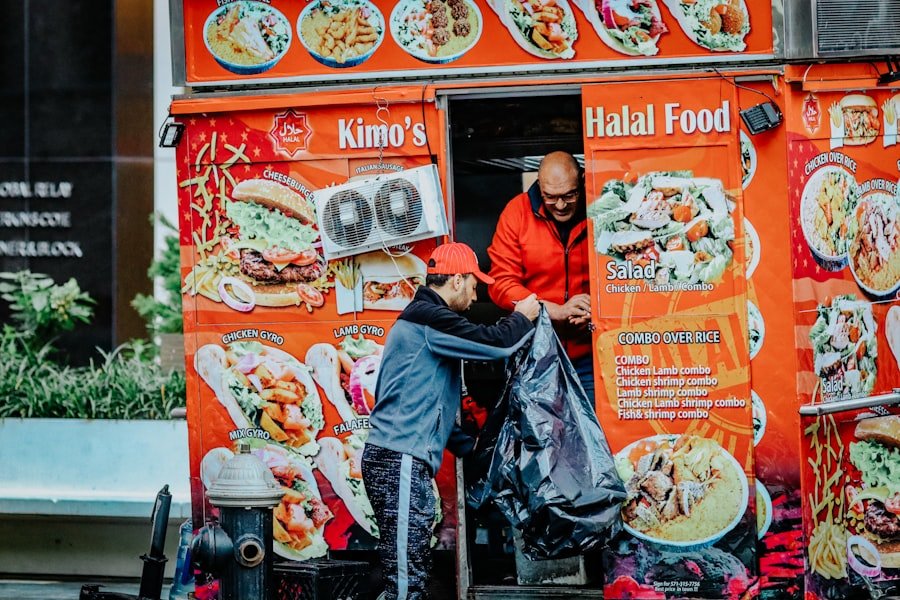
Muslim visitors can eat well in Switzerland, but the amount of planning needed depends strongly on the destination. Larger cities offer the most choice, while rural areas and mountain excursions may require a backup plan.
Plan around your destination
If you are staying in a major city, you may have several halal restaurants and specialist shops within public-transport distance. If you are spending the day in a smaller alpine destination, buy suitable food before leaving the city when practical.
Self-catering accommodation can also make longer stays easier. Supermarkets provide bread, fruit, vegetables, eggs, dairy foods, fish, canned foods, and other ingredients that may be straightforward to evaluate individually.
If you are preparing some of your own meals, this homemade cottage cheese recipe is one existing food resource on the site.
Use a simple verification routine
Restaurant listings and travel apps can help you discover places, but information can change. Treat them as a starting point and verify anything that matters to your dietary standard.
- Check whether the restaurant or shop currently states that its food is halal.
- Look for a named certification body when certification is claimed.
- Ask whether all meat is halal or only selected items.
- Ask about alcohol in sauces, desserts, marinades, fondue, and other recipes.
- Check whether pork or non-halal meat shares preparation equipment if cross-contact matters to you.
This approach is more reliable than assuming that every kebab shop, South Asian restaurant, vegetarian meal, or meat-free Swiss dish automatically meets the same halal standard.
How has Swiss culture influenced halal food?
Halal food in Switzerland increasingly reflects both local Swiss cooking and the food traditions of immigrant communities. The result is not a separate cuisine so much as a broader range of dishes prepared around different dietary requirements.
Swiss ingredients such as potatoes, cheese, bread, vegetables, and local-style sauces can be combined with halal-certified meat or alcohol-free recipes. At the same time, Turkish, Balkan, Arab, North African, Pakistani, Indian, and other food traditions have become familiar parts of the restaurant scene in many urban areas.
This gives Muslim residents and visitors more ways to experience local food without being limited to one cuisine. The important point is still to verify the ingredients and preparation of the specific dish.
How has immigration affected demand for halal food in Switzerland?
Immigration has helped create a lasting customer base for halal food, particularly in urban areas. Families and businesses with roots in Muslim-majority countries brought food traditions, specialist ingredients, butcher shops, bakeries, restaurants, and grocery businesses with them.
Over time, those businesses have also served customers outside their original communities. A Turkish butcher, Middle Eastern grocery, or South Asian restaurant may now serve local residents, tourists, office workers, and families from many backgrounds.
The result is a market that includes both everyday food for Muslim households and restaurant choices for anyone interested in those cuisines.
What can you find in halal markets and specialty stores?
Specialist halal stores can be particularly useful when you want more certainty about meat sourcing or a wider range of imported products. Their stock commonly focuses on foods used by the communities they serve rather than trying to match a conventional Swiss supermarket.
Depending on the shop, you may find halal meat and poultry, frozen foods, rice, flour, spices, sauces, dates, sweets, drinks, canned foods, and other pantry staples. Some stores also operate a butcher counter.
If your requirements depend on a particular slaughter or certification standard, ask the shop which certifier or supplier applies to the meat. This is especially useful because different consumers may accept different halal certification standards.
How are halal and Swiss cuisine being combined?
Swiss dishes can often be adapted without losing their basic character. The clearest examples are dishes where a non-halal ingredient can be replaced while the main cooking method stays the same.
Rösti can be served without bacon. Raclette can be paired with vegetables and verified halal accompaniments. Fondue can be prepared without wine or spirits. A meat-based Swiss dish can use halal-certified meat where the rest of the recipe also meets the diner’s requirements.
These adaptations are more useful than simply adding a “halal” label to a dish. They make it possible to identify which ingredient or preparation step actually needs to change.
What is the future of halal food in Switzerland?
Halal food is likely to remain an established part of Switzerland’s diverse food market. The country’s Muslim communities, international population, tourism sector, specialist businesses, and urban restaurant scene all support continued demand.
The most useful development for consumers is greater transparency. Clear certification, accurate restaurant descriptions, visible ingredient information, and staff who can explain how meat is sourced make it easier for customers to choose according to their own halal standard.
For shoppers and travellers, the practical approach remains simple: use clearly identified halal businesses where possible, read packaged-food labels, verify certification when it matters, and ask precise questions about meat, alcohol, and preparation before ordering.
Frequently Asked Questions
What is halal food?
Halal food is food permitted under Islamic dietary rules. For meat, the animal species, slaughter method, handling, ingredients, and cross-contact can matter. Processed foods may also need checking for alcohol, pork-derived ingredients, gelatin, and other ingredients whose source is unclear.
Is halal food available in Switzerland?
Yes. Halal food is available in Switzerland, especially in larger cities, where restaurants, specialist grocers, butchers, and some supermarkets carry halal-labelled products. Availability is less predictable in small towns and mountain areas, so planning ahead is useful.
How can I find halal food in Switzerland?
Start with restaurants or shops that clearly state their halal status, then verify the certifier or ask how the meat is sourced and prepared. For packaged food, read the halal label and ingredient list rather than assuming a product is suitable.
Are there specific regulations for halal food in Switzerland?
Switzerland applies general food-safety and labelling law, while halal certification is handled by private certification bodies rather than one state halal authority. Swiss animal-welfare rules require stunning before vertebrates are killed, and special import rules apply to certain halal meat from ritual slaughter.
What Swiss dishes may be halal?
Rösti, raclette, and some desserts can be suitable when their ingredients meet your standard, but recipes vary. Cheese fondue needs special attention because classic recipes commonly include white wine and may include kirsch; ask for an alcohol-free version if needed.
Is all vegetarian food halal?
No. Vegetarian food avoids meat, but it can still contain alcohol or ingredients that may not meet a person’s halal standard. Ask about sauces, desserts, cheese, gelatin substitutes, and alcohol used in cooking when those details matter to you.
Sources
- Swiss Federal Statistical Office: 2024 religious-affiliation data, including the share attributed to Muslim communities.
- Switzerland Tourism: Practical food guidance and the availability of halal food mainly in larger cities.
- Federal Food Safety and Veterinary Office: Swiss animal-welfare and stunning requirements for slaughter.
- Federal Office for Agriculture: Special provisions for importing and distributing halal and kosher meat.
- Halal Certification Services: Halal certification schemes and Switzerland office information.
- Federal Food Safety and Veterinary Office food labelling guidance: Required information on Swiss food labels.
- Coop: Current example of a product specifically described as halal-certified.
- Swissmilk: Classic fondue ingredients, including white wine and kirsch, plus an alcohol-free substitution.