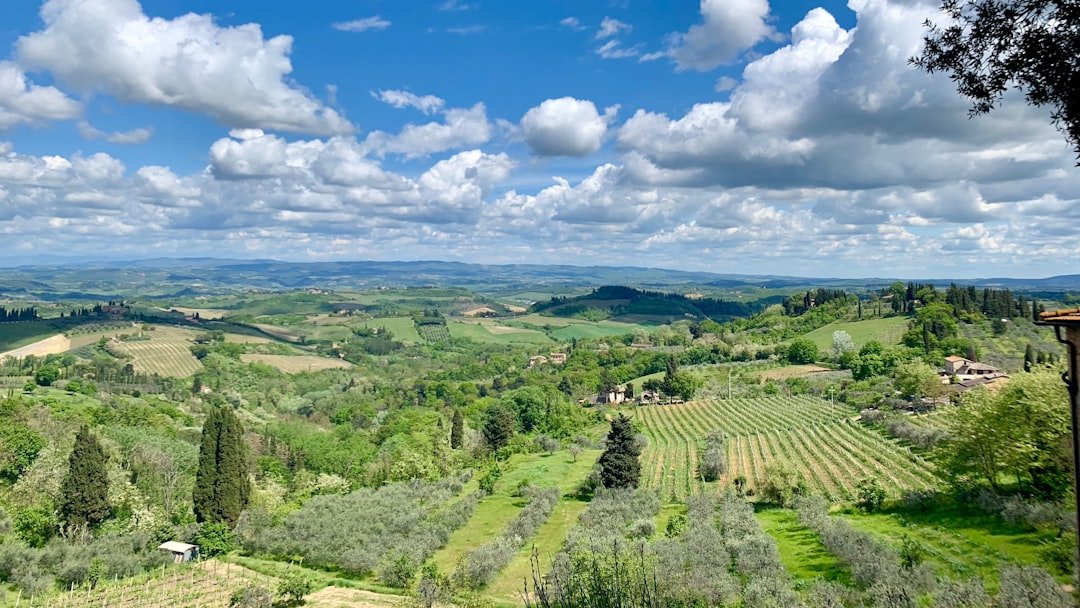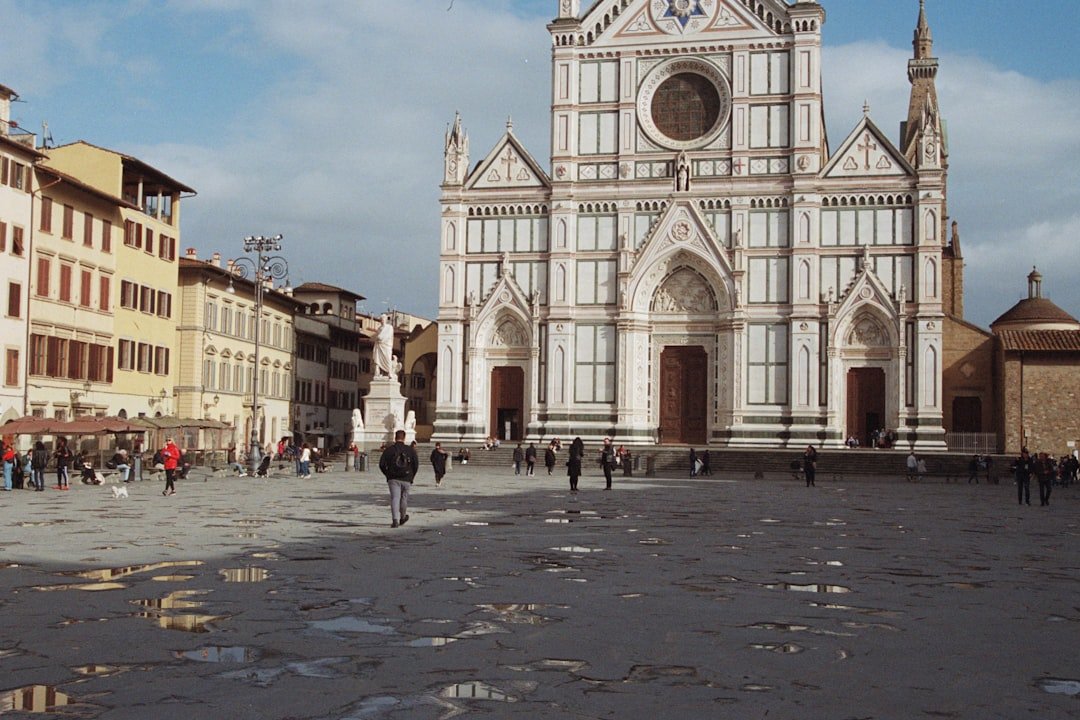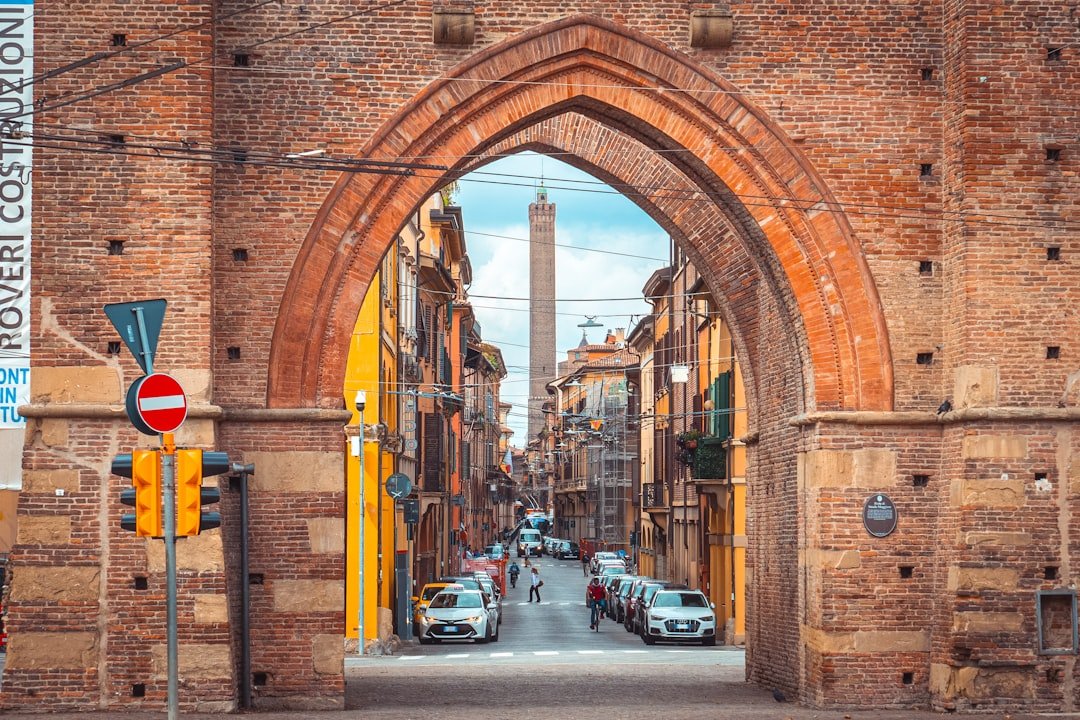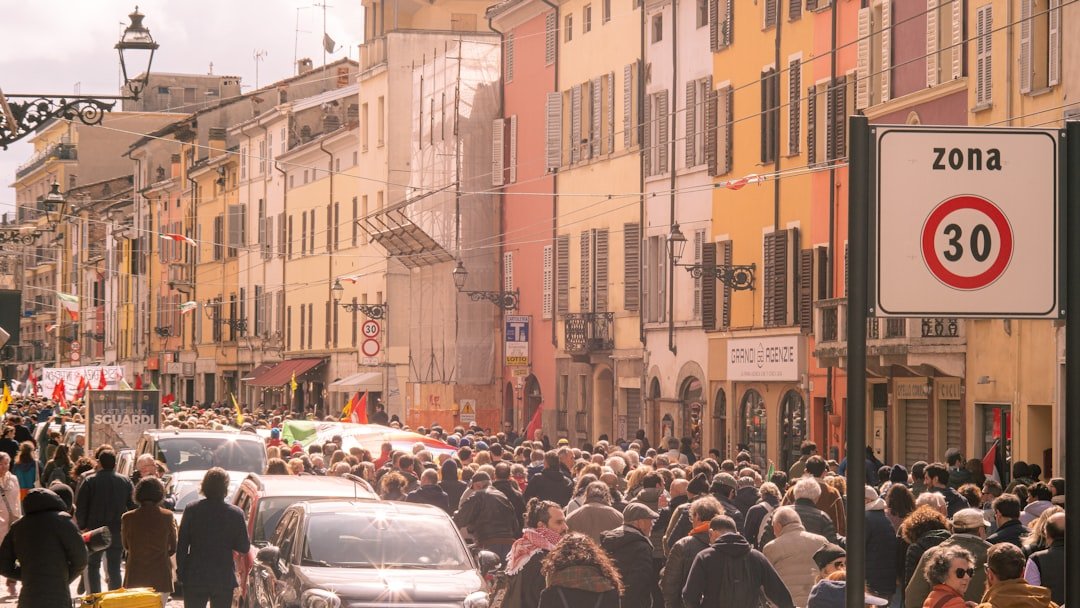
An Italy 7 day itinerary without a car is easy to organize because Rome, Florence, Venice, Cinque Terre, and Lake Como are all served by trains, buses, or ferries. This particular route is possible, but it is very fast: you change base almost every day and cross large parts of northern and central Italy. If you want to keep every stop, pack light and treat the longer transfer days as part of the trip.
Quick Answer
Use high-speed rail for Rome–Florence and Florence–Venice, the direct 131R bus for Siena, regional trains through Cinque Terre, trains to Lake Como, and ferries between lakeside villages. You can complete the trip without driving, but five overnight bases in seven days makes this an energetic itinerary rather than a relaxed first visit.
Last checked: October 1, 2026. Dates and figures were verified against official sources.
Key Takeaways
- Rome to Florence can take about 1 hour 25 minutes by direct high-speed train, so rail is the natural choice between the two city centers.
- For Siena, use the fast 131R bus rather than routing through slower rail connections.
- Cinque Terre is easiest by local train. Hiking trails can close after bad weather, so do not build the whole day around one trail.
- Reserve timed-entry attractions before travel, especially the Colosseum, Uffizi, and Vatican Museums.
Italy 7 Day Itinerary Without a Car: Route at a Glance
This itinerary covers Rome, Florence, Siena, Venice, Cinque Terre, Lake Como, and a final return to Rome. The first half uses efficient city-center transport, while days five through seven involve much more travel.
| Day | Route | Main focus |
|---|---|---|
| 1 | Rome | Colosseum, historic center, Trastevere |
| 2 | Rome → Florence | Duomo, Uffizi, Ponte Vecchio |
| 3 | Florence ↔ Siena | Medieval Siena day trip |
| 4 | Florence → Venice | St. Mark’s Square, canals, quieter districts |
| 5 | Venice → La Spezia → Cinque Terre | Village hopping by train |
| 6 | La Spezia → Lake Como | Varenna and ferry villages |
| 7 | Lake Como → Rome | Vatican City and Trastevere |
Day 1: Arrive in Rome and Explore on Foot
Your first day works best as a compact introduction to Rome rather than an attempt to see the entire city. The Colosseum, Roman Forum, Pantheon, Piazza Navona, and Trastevere can form a logical route, but your arrival time will determine how much is realistic.
Start with the Colosseum and Roman Forum
If you arrive early enough, begin at the Colosseum. The official archaeological park requires a timed reservation for entry to the Colosseum, and ticket sales normally open 30 days before the visit date. The official Colosseum visitor information also publishes seasonal closing times, which become earlier in autumn and winter.
Continue through the Roman Forum and Palatine area rather than treating the Colosseum as an isolated attraction. Together, these sites give you a much clearer picture of imperial Rome.
Walk toward the Pantheon and Piazza Navona
From the ancient center, continue toward Piazza Venezia and the historic streets around the Pantheon. The Pantheon is open daily from 9:00 a.m. to 7:00 p.m., with last admission at 6:30 p.m. Its standard adult admission increased to €7 on July 1, 2026, according to the official Pantheon visitor page.
Piazza Navona is a few minutes away on foot. Its fountains, cafés, and Baroque architecture make it a natural place to slow the pace after several hours of sightseeing.
Spend the Evening in Trastevere
Finish in Trastevere, where narrow streets and small piazzas create a different atmosphere from monumental central Rome. It is a good area to try Roman dishes such as cacio e pepe, amatriciana, or saltimbocca alla Romana before returning to your accommodation.
Day 2: Take the Train to Florence and Explore the Historic Center
)
Travel from Rome to Florence in the morning. Direct Italo high-speed trains can complete the journey in about 1 hour 25 minutes between Rome and Florence, according to the operator’s Rome–Florence route information.
Firenze Santa Maria Novella station is on the edge of the historic center, so you can walk to many of Florence’s major sights after leaving your luggage.
See Florence’s Duomo Complex
Begin around Piazza del Duomo. Florence Cathedral dominates the square with Brunelleschi’s dome, while the Baptistery and Giotto’s Bell Tower sit only steps away.
Entering the cathedral itself and climbing the dome are different activities. The dome climb requires a timed ticket and involves hundreds of stairs with no elevator, so reserve it only if the climb suits your schedule and mobility.
Choose the Uffizi as Your Main Museum
For a one-day Florence stop, it is better to give one major museum enough time rather than rushing through several. The Uffizi is open Tuesday through Sunday from 8:15 a.m. to 6:30 p.m. and is closed on Mondays. In 2026, the standard full-price ticket is €25 when bought on the day or €29 when purchased in advance, according to the Uffizi Galleries.
Inside, the collection includes works by Botticelli, Leonardo da Vinci, Michelangelo, Raphael, and other major Renaissance artists. Advance booking is especially useful when your itinerary leaves little flexibility.
Walk Across Ponte Vecchio
After the gallery, walk toward the Arno and cross Ponte Vecchio. The bridge is lined with jewelry shops and leads toward the Oltrarno side of Florence.
Spend the evening in the historic center rather than adding another major ticketed attraction. A slower dinner and evening walk will also make the next day’s Siena trip easier.
Day 3: Explore the Medieval City of Siena
| Attraction | 2026 Hours or Access | Admission |
|---|---|---|
| Piazza del Campo | Public square; outdoor access throughout the day | Free |
| Siena Cathedral | Seasonal hours; extended periods apply when the marble floor is uncovered | 2026 cathedral admission varies by period |
| Torre del Mangia | 10:00 a.m.–7:00 p.m. from March through October; timed climbs | €10 |
| National Archaeological Museum | Located in the Santa Maria della Scala complex; hours can vary with the complex calendar | Ticketed; first-Sunday state-museum admission may be free |
Siena works well as a day trip from Florence because the bus arrives closer to the historic center than the railway station. Autolinee Toscane identifies route 131R as the fast, direct Florence–Siena service, while route 131 makes intermediate stops. See the operator’s Florence–Siena ticket guidance before travel.
Begin at Piazza del Campo
Walk first to Piazza del Campo, the shell-shaped square at the heart of Siena. The Palazzo Pubblico and Torre del Mangia dominate one side, while the surrounding lanes climb into the medieval center.
The square hosts the famous Palio horse race in summer. On Palio dates, access patterns and museum hours can change, so a normal sightseeing schedule should not be assumed on those days.
Climb Torre del Mangia if Tickets Are Available
The tower gives you one of the best elevated views of Siena. In the regular March-to-October schedule, it operates from 10:00 a.m. to 7:00 p.m., with a €10 single ticket. Climbs run at set intervals with limited capacity, and tickets that include the tower are sold for the same day rather than reserved in advance. The Siena Civic Museum ticket page publishes the current rules.
Visit Siena Cathedral
Continue uphill to the Duomo di Siena. Its striped marble exterior leads to an interior known for sculptural details, frescoes, and an elaborate marble floor.
Opening hours and prices change through the year, particularly during periods when the cathedral’s inlaid floor is uncovered. This is one attraction where your exact travel date matters.
Leave Time for Siena’s Streets and Food
Do not spend the whole visit moving between monuments. Siena’s steep lanes, small squares, bakeries, and neighborhood streets are part of the experience.
For lunch, look for local dishes such as pici pasta, ribollita, panforte, or ricciarelli. Return to Florence in the evening so you can take a direct high-speed train to Venice the next morning.
Day 4: Travel to Venice and Explore the Canals
Travel from Florence to Venezia Santa Lucia by high-speed train. Direct services can take around two hours, making this a much easier transfer than traveling to Venice directly from Siena.
Santa Lucia station opens directly onto the Grand Canal, so Venice feels different from the moment you leave the station. There is no need for a car anywhere in the historic city.
Start Around St. Mark’s Square
Walk or take a vaporetto toward Piazza San Marco. St. Mark’s Basilica, the Doge’s Palace, the Campanile, and the waterfront are concentrated in this area.
St. Mark’s Basilica is an active place of worship, so visitor access may pause for religious services. Dress appropriately for a church and avoid arriving with large luggage.
Walk Beyond the Main Tourist Route
After San Marco, explore smaller streets toward Rialto, Cannaregio, or Dorsoduro. Venice becomes more rewarding when you allow time to get away from the busiest route between the station, Rialto Bridge, and St. Mark’s Square.
The Rialto Market area is worth seeing earlier in the day, while quieter canals in Cannaregio and Dorsoduro are pleasant toward evening.
Gondola, Traghetto, or Vaporetto?
A private gondola is mainly a sightseeing experience. If you simply want to cross or travel along the Grand Canal, public water transport is the practical option.
A traghetto is another short local crossing at selected points. It is not a substitute for a full gondola tour, but it gives you a brief ride in a traditional-style boat at a much lower cost.
Finish with Venetian dishes such as sarde in saor, seafood risotto, cicchetti, or other lagoon specialties. Staying near Santa Lucia or a convenient vaporetto stop can make the early transfer on day five easier.
Day 5: Visit Cinque Terre by Train and Hike Only Open Trails
)
This is one of the hardest travel days in the itinerary. Venice and Cinque Terre are far enough apart that you should leave early and expect rail changes before reaching La Spezia.
Getting to Cinque Terre
Use La Spezia Centrale as your rail gateway to the five villages: Riomaggiore, Manarola, Corniglia, Vernazza, and Monterosso al Mare. Local trains make it possible to visit several villages without driving or carrying a car through narrow coastal roads.
If you plan several local train rides, compare individual tickets with the Cinque Terre Train Card. For the period from March 14 to November 1, 2026, the official card uses low-, medium-, and high-attendance pricing. The Park lists a one-day adult Train Card at €22, €29.50, or €35 depending on the attendance band. Details are published by the Cinque Terre National Park.
Explore the Villages in a Practical Order
With only part of a day available, trying to spend meaningful time in all five villages is unrealistic. Choose two or three based on what interests you most.
- Monterosso al Mare: best suited to travelers who want the largest beach and the most level walking.
- Vernazza: known for its compact harbor and steep surrounding landscape.
- Corniglia: the only one of the five villages that sits above the sea rather than directly at water level.
- Manarola: compact, colorful, and popular around sunset.
- Riomaggiore: a convenient southern stop when traveling to or from La Spezia.
Do Not Assume a Coastal Trail Is Open
The original plan centered on hiking from Monterosso toward Vernazza. That can be a rewarding walk when conditions permit, but Cinque Terre trails sometimes close after storms, landslides, or maintenance.
Pro Tip: Treat the train as your guaranteed transport between villages and hiking as an optional extra. This prevents a trail closure from disrupting the entire day.
Try Ligurian Food
Cinque Terre is part of Liguria, so pesto is one of the regional staples. Trofie with pesto, focaccia, and seafood are easy choices for a quick meal between villages.
Return to La Spezia for the night. An early start the next morning will be important because Lake Como lies on the other side of northern Italy.
Day 6: Travel to Lake Como and Explore Varenna
Day six is another substantial transfer. Varenna is the most convenient base for this particular no-car itinerary because it has a railway station and direct access to the central-lake ferry network.
Travel north from La Spezia toward Milan and continue to Varenna-Esino. Leave enough margin between separate train bookings because a missed connection can remove much of your sightseeing time at the lake.
Explore Varenna First
Varenna is small enough to explore on foot. Walk along the lakeside promenade, pass through the center around Piazza San Giorgio, and enjoy the views across the central basin of Lake Como.
Villa Monastero and its botanical garden are among Varenna’s main ticketed attractions. If time is short, staying in Varenna instead of trying to visit every famous village will make the day much more manageable.
Use Ferries for Bellagio and Tremezzo
Passenger boats and ferries connect the central-lake towns, including Varenna, Bellagio, Menaggio, and the Tremezzo area. This makes Lake Como particularly well suited to travelers without a car.
If you have enough daylight, take the ferry to Bellagio and explore its steep lanes and lakefront. Tremezzo is another option if Villa Carlotta is a priority.
Note: On a seven-day route this busy, choose either a relaxed Varenna-and-Bellagio afternoon or a villa-focused visit. Trying to combine several villages, multiple villas, and long ferry rides can turn the day into another transport marathon.
Day 7: Return to Rome for Vatican City and Trastevere
Your final day begins with another long move. Travel from Varenna toward Milano Centrale and continue south to Rome by high-speed train.
Because Vatican Museums admission is timed and the journey starts hundreds of kilometers away, this day works only if you leave Lake Como very early and your onward departure from Italy is not scheduled for the same afternoon.
Visit the Vatican Museums
The Vatican Museums are open Monday through Saturday from 8:00 a.m. to 8:00 p.m., with final entry at 6:00 p.m. The last Sunday of each month has separate morning hours and free admission. The Vatican Museums’ official visitor information also warns travelers to use its official ticketing portal rather than look-alike websites.
The museum route includes major collections, Raphael’s Rooms, and the Sistine Chapel. Give it enough time instead of treating it as a quick stop.
Continue to St. Peter’s Basilica
St. Peter’s Basilica stands on the opposite side of St. Peter’s Square from the museum entrance. Entry to the basilica itself and entry to the dome are separate experiences, and security screening can create a wait even when the basilica has no general admission charge.
If the dome climb is important to you, allow extra time and remember that the upper section includes many stairs. Otherwise, the basilica interior and square are enough for a meaningful final Vatican visit.
Finish in Trastevere
If you still have time, spend your last evening in Trastevere. Visit Santa Maria in Trastevere, wander the surrounding lanes, and choose a final Roman meal rather than adding another major monument.
This route proves that you can visit very different parts of Italy without renting a car. It also shows the trade-off: Rome, Florence, Siena, Venice, Cinque Terre, and Lake Como fit into seven days only at a fast pace with frequent packing and long transfers.
How to Make This Seven-Day Route Easier
The biggest challenge is not public transportation itself. It is the number of times you change hotels and cross from one region to another.
- Pack light: stairs, cobblestones, station platforms, bridges, and short hotel walks are easier with one manageable bag.
- Use city-center stations: Roma Termini, Firenze Santa Maria Novella, Venezia Santa Lucia, La Spezia Centrale, and Varenna-Esino all support a car-free route.
- Reserve fixed attractions first: book your Colosseum, Uffizi, and Vatican slots before building less important activities around them.
- Keep regional legs flexible: local trains, buses, ferries, and hiking access are more vulnerable to weather, strikes, and seasonal timetable changes.
- Do not overload transfer days: days five, six, and seven already contain substantial travel.
What to Book in Advance
Not every part of the trip needs an advance reservation. The items most likely to affect the entire itinerary are your long-distance trains, timed museum entries, and accommodation near convenient stations.
- Rome–Florence and Florence–Venice high-speed trains
- Colosseum timed entry
- Uffizi Gallery
- Vatican Museums
- Florence dome climb if you want to climb Brunelleschi’s Dome
- Accommodation in Rome, Florence, Venice, La Spezia, and Varenna
Regional trains are generally more flexible than high-speed services, but always validate or activate tickets according to the rules of the ticket type you purchase.
Frequently Asked Questions
What transportation options can I use around Italy without a car?
Italy’s main tourist cities are connected by high-speed and regional trains, while buses cover routes such as Florence to Siena. Ferries are useful on Lake Como and in other coastal or lake areas. Inside historic centers, walking, metro systems, trams, buses, and water transport usually remove any need for a rental car.
What are the must-see destinations on this seven-day itinerary?
This itinerary focuses on Rome, Florence, Siena, Venice, Cinque Terre, and Lake Como. The highlights include ancient Rome, Renaissance Florence, medieval Siena, Venice’s canals, Liguria’s coastal villages, and the central Lake Como towns. Because the route is fast, choose one or two priority attractions in each place rather than trying to see everything.
How can I make the most of seven days in Italy without a car?
Make the most of seven days by booking your longest train journeys and timed attractions first, staying near useful stations, and packing light. Give each day one main sightseeing priority. Avoid adding extra day trips to an itinerary that already includes Rome, Florence, Siena, Venice, Cinque Terre, Lake Como, and several long transfers.
What alternative transportation can I use besides trains?
Useful alternatives include intercity and regional buses, city transit, walking, bicycles where appropriate, and passenger ferries. Siena is particularly convenient by direct bus from Florence, while Lake Como is easier to explore by boat than by road. In Venice, vaporetti provide public transport along the canals and across the lagoon.
What challenges should I expect when traveling in Italy without a car?
The main challenges are carrying luggage through stations and historic streets, making connections, crowded public transport, and occasional delays or strikes. Pickpocketing is another concern in busy transport hubs. Keep valuables secure, leave sensible connection time, and avoid building an entire day around a connection that has no backup.
Is this Italy seven-day itinerary too rushed?
Yes, it is a fast itinerary because it combines five overnight bases, a Siena day trip, and several long transfers in only seven days. It can work for travelers who value variety over depth. If you prefer slower mornings, fewer hotel changes, or more museum time, removing one or two regions will make the trip easier.
Do I need a car for Cinque Terre or Lake Como?
No, a car is not necessary for either destination on this itinerary. Cinque Terre’s five villages are linked by frequent local trains, and Lake Como combines rail access with passenger ferries. Avoiding a car also removes the problems of restricted historic streets, limited parking, and driving on narrow local roads.
If you want a simple food idea before traveling, the original article also points to this homemade cottage cheese recipe.
Sources
- Colosseum Archaeological Park: 2026 opening periods, timed admission, and advance ticket rules.
- Pantheon and National Museums of Rome: current opening hours and the €7 admission introduced July 1, 2026.
- Italo: Rome–Florence high-speed journey time.
- Uffizi Galleries: 2026 admission prices and ticket information.
- Autolinee Toscane: Florence–Siena 131R fast direct bus guidance.
- Museo Civico Siena: Torre del Mangia prices, timed climbs, and seasonal opening details.
- Cinque Terre National Park: 2026 Cinque Terre Train Card prices and validity periods.
- Vatican Museums: current opening hours, last admission, and official booking guidance.