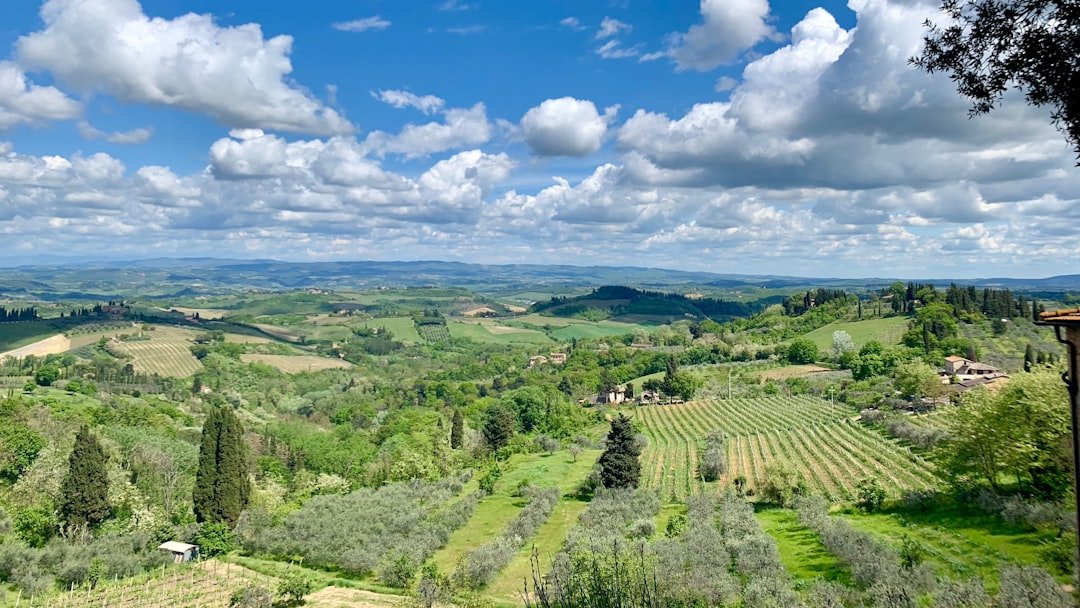
Florence is an excellent base for exploring Tuscany, but the best day trip depends on more than distance. Pisa, Lucca, Arezzo, and Siena work well with rail or other straightforward public transport, while famous hill towns such as San Gimignano, Volterra, and Montepulciano require an extra bus, taxi, or other last-mile connection. Planning that difference before you leave can save hours.
Quick Answer
The easiest Tuscany day trips from Florence by train are Pisa, Lucca, Arezzo, and Siena. San Gimignano has no train station, so take a train toward Poggibonsi and continue by bus. Volterra and Montepulciano also need extra ground transport. Always check current Trenitalia and Autolinee Toscane schedules before departure.
Key Takeaways
- Pisa and Arezzo are among the simplest day trips for travelers who want a straightforward rail journey.
- Siena is reachable by train, but its railway station is outside the historic center; the Florence–Siena bus can also be practical.
- San Gimignano has no train station, so a rail-based trip requires a bus connection.
- Lucca is ideal for travelers who enjoy walking, cycling, churches, towers, and a relaxed historic center.
- Montepulciano and Volterra are rewarding, but they require more transport planning than a simple direct-rail day trip.
Transport information checked September 9, 2026. Train and bus schedules, fares, platform assignments, and service patterns can change, so verify your journey shortly before travel.
Exploring Florence’s Surrounding Towns
Tuscany’s towns offer very different day-trip experiences. Some are easy to reach without a car, while others sit on hills away from railway stations. Instead of choosing only by scenery, consider how much of your day you want to spend transferring between trains, buses, and town centers.
Discovering San Gimignano
San Gimignano is one of Tuscany’s most recognizable medieval towns. Its historic center is a UNESCO World Heritage Site, and UNESCO notes that wealthy medieval families once built around 72 tower-houses. Fourteen survive today, giving the town its distinctive skyline.
Start around Piazza della Cisterna and Piazza del Duomo, then explore the lanes around the Collegiate Church, Palazzo del Popolo, and Torre Grossa. San Gimignano is compact enough to explore comfortably on foot once you arrive.
Warning: San Gimignano does not have a railway station. If you want to travel mainly by train, use Poggibonsi as the rail connection and continue by bus. Check the current bus timetable before committing to your return train.
Uncovering Volterra’s Etruscan Heritage
Volterra is especially rewarding for travelers interested in archaeology. Its history reaches deep into the Etruscan period, and surviving sections of its ancient defensive walls can still be seen around the town. The Roman Theatre of Volterra, discovered during excavations in the 20th century, is another major historic site.
Volterra also has a long tradition of alabaster craftsmanship. Shops and workshops around the historic center continue to sell carved alabaster pieces, while the Guarnacci Etruscan Museum provides more context for the area’s ancient history.
Volterra is not as simple as Pisa or Arezzo for a rail-only day trip. Public-transport itineraries normally involve additional ground transport, so check the full outward and return journey rather than looking only at the nearest railway segment.
Immersing in Local Culture
The appeal of these smaller towns is not limited to monuments. Leave some time for a market, an artisan workshop, a bakery, or a small enoteca instead of trying to rush through every attraction. Tuscan day trips are usually more enjoyable when you choose one main destination and explore it well.
Pro Tip: For a one-day trip from Florence, one major town is usually enough. Combining several hill towns by public transport can turn the day into a series of connections rather than a relaxed visit.
Traveling by Train in Tuscany from Florence
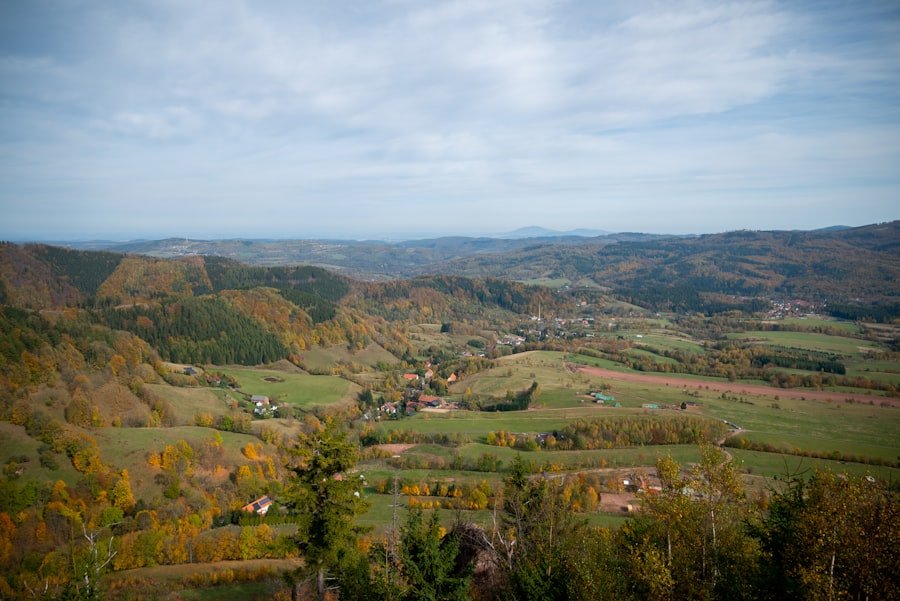
Florence Santa Maria Novella is well connected to many Tuscan cities, making regional trains useful for day trips to places such as Pisa, Arezzo, Lucca, and Siena. The important distinction is that a train may take you to the destination city without necessarily delivering you directly to its historic center.
Siena is a good example. Visit Tuscany notes that its railway station is roughly 3 km from the historic center, so you still need to walk, use local transport, or take a taxi after arriving. Florence and Siena are also linked by Autolinee Toscane bus services, including the faster 131R service, so compare the complete door-to-door journey before choosing.
How Regional Train Tickets Work
For current schedules and fares, use the official Trenitalia journey planner rather than relying on a fixed price quoted in a travel article. Fares depend on the route and service.
Ticket handling also depends on what you buy. Trenitalia’s current Digital Regional Ticket is automatically activated at the scheduled departure time. A paper regional ticket normally needs to be validated before boarding. Keep your ticket available until you have completed the journey.
For buses, check Autolinee Toscane. This is especially important for San Gimignano and other destinations where the final part of the trip is not by train.
Note: Sunday, holiday, evening, and temporary-disruption timetables can differ from weekday service. Check the return journey before leaving Florence, not after you arrive at your destination.
Charming Towns to Visit from Florence
| Town | Approx. Distance From Florence | Public-Transport Pattern | Main Attractions |
| Fiesole | 8 km | Local bus rather than train | Roman theatre, Cathedral of San Romolo, views toward Florence |
| Lucca | 80 km | Rail-friendly; check whether your selected service is direct or requires a change | City walls, Guinigi Tower, Piazza dell’Anfiteatro |
| Siena | 70 km | Train or Florence–Siena bus; station is outside the historic center | Piazza del Campo, Siena Cathedral, Palazzo Pubblico, Facciatone |
| San Gimignano | 55 km | Train toward Poggibonsi plus bus; no railway station in San Gimignano | Medieval towers, Piazza della Cisterna, Collegiate Church |
| Arezzo | About 75 km | Straightforward rail option | Piazza Grande, Piero della Francesca frescoes, churches, antiques fair |
| Cortona | About 115 km | Train to a nearby rail station plus uphill local transport | MAEC, hilltop streets, views across the Valdichiana |
Arezzo for Art, Architecture, and Antiques
Arezzo combines a walkable historic center with strong art and architecture. Piazza Grande is one of its focal points, while the Basilica of San Francesco is known for Piero della Francesca’s fresco cycle.
If antiques interest you, time the trip carefully. The Arezzo Antiques Fair takes place on the first Sunday of each month and the preceding Saturday, filling Piazza Grande and nearby streets with dealers and stalls.
Cortona for Etruscan History and Hilltop Views
Cortona became internationally familiar through Frances Mayes’ memoir Under the Tuscan Sun and the later film inspired by it. Beyond that connection, the town has substantial Etruscan history. The MAEC Etruscan Academy Museum displays archaeological finds and helps explain the area’s Etruscan and Roman past.
Cortona’s historic center sits uphill from the railway corridor, so build the final local-transport leg into your schedule. Once in town, its narrow streets, viewpoints, churches, cafes, and enotecas make it easy to spend several hours without rushing.
Siena: A Day Trip from Florence
Siena is one of Tuscany’s most important medieval cities and a strong choice for travelers interested in architecture, public squares, churches, and local traditions. Piazza del Campo forms the heart of the historic center and is the setting for the Palio di Siena.
The Palio is normally held twice each year, on July 2 and August 16. Those dates bring a very different atmosphere, heavy demand, and significant crowds, so travelers should plan well ahead if visiting during the event.
Siena Cathedral is another highlight, with its striped marble exterior, decorated interior, Piccolomini Library, and artistic treasures. For panoramic views, do not look for a climb to the top of the cathedral’s ordinary façade. The famous viewpoint is the Facciatone, part of the unfinished expansion known as the New Cathedral.
Allow time to wander beyond the major monuments. Siena’s lanes lead to neighborhood churches, artisan shops, small squares, and trattorias. Local foods to look for include pici pasta and panforte.
For transportation, compare the complete train and bus journey. The railway station is outside the historic center, while Autolinee Toscane operates Florence–Siena bus services including route 131R. The best option depends on the timetable and where you want to begin sightseeing.
Lucca: A Hidden Gem in Tuscany
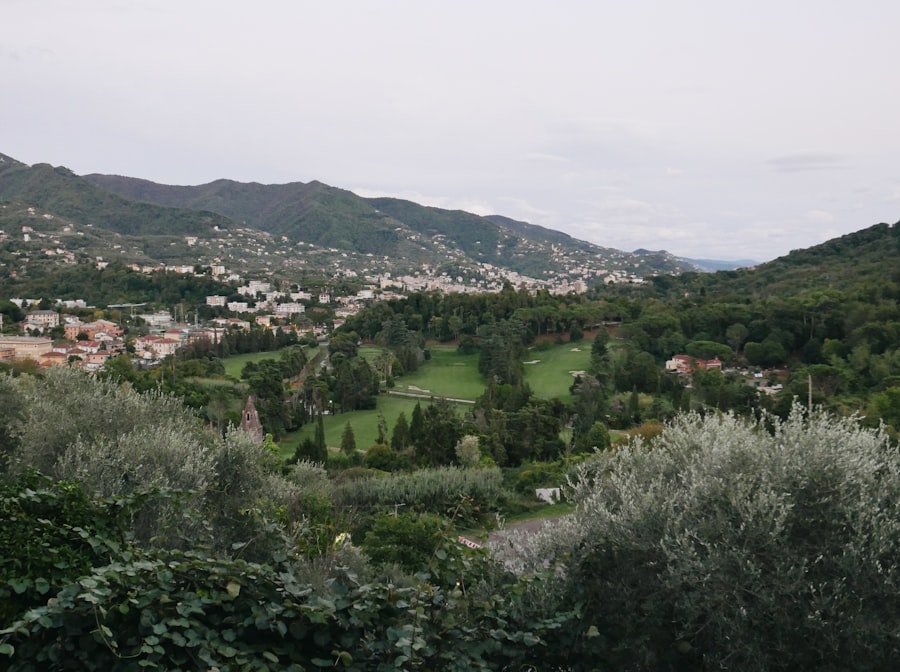
Walk Along the Historic Walls
Lucca is encircled by an unusually well-preserved fortification system that now functions as one of the city’s defining public spaces. According to Lucca’s official tourism site, the walls were built from the mid-16th to the mid-17th century and form a circuit of about 4.2 km.
The broad, tree-lined route along the walls is popular for walking and cycling. It offers an easy way to circle the historic center while seeing churches, gardens, rooftops, towers, and different parts of the city from above street level.
Discover the Historic Center
Inside the walls, Lucca is well suited to slow exploration. Piazza dell’Anfiteatro, the Cathedral of San Martino, Basilica di San Frediano, and the shopping streets around Via Fillungo can comfortably fill much of a day.
Guinigi Tower is one of Lucca’s most recognizable landmarks because of the holm oaks growing in its rooftop garden. The official tourism office notes that reaching the terrace involves 230 steps and no lift, so travelers with mobility limitations should plan accordingly.
Indulge in Local Cuisine and Wine
For a local meal, look for tordelli lucchesi—traditionally spelled with a “d” in Lucca. These fresh pasta parcels are filled with a seasoned mixture that commonly includes meat and are served with meat ragù. Other local specialties include garmugia, buccellato, necci, and torta coi becchi.
Lucca works especially well for travelers who prefer a relaxed day of walking, architecture, food, and cycling rather than moving quickly between major monuments.
Pisa: Beyond the Leaning Tower
Pisa is one of the easiest choices for travelers who want a recognizable Tuscan landmark without a complicated hill-town transfer. The Leaning Tower is only part of the monumental complex in Piazza del Duomo, commonly called Piazza dei Miracoli.
The UNESCO-listed Piazza del Duomo contains four major medieval monuments: the cathedral, baptistery, campanile or Leaning Tower, and Camposanto. Together they represent one of Italy’s most important medieval architectural ensembles.
After visiting the monumental square, continue into the city rather than returning immediately to the station. Pisa’s historic streets, university atmosphere, local cafes, and the Lungarni along the Arno River show a different side of the city from the famous tower complex.
For travelers prioritizing simple logistics, Pisa is often a better choice than a hill town that requires several transport connections.
Montepulciano: A Taste of Tuscany’s Wine Country
Montepulciano is a hilltop wine town known internationally for Vino Nobile di Montepulciano DOCG. According to the wine consortium’s production rules, Vino Nobile must contain at least 70% Sangiovese, locally known as Prugnolo Gentile.
The historic center combines Renaissance architecture, steep streets, wine cellars, enotecas, and viewpoints across the surrounding countryside. Tastings often introduce visitors to different producers and vintages, while local food pairings can include pecorino, cured meats, and other Tuscan specialties.
Montepulciano deserves more transport planning than Pisa, Arezzo, or central Lucca. The municipality distinguishes between Montepulciano itself and Montepulciano Stazione, and local bus or other transport may be needed to reach the hilltop historic center. Check the complete route before leaving Florence rather than assuming the railway station places you in the old town.
If wine is the main purpose of the trip, avoid creating an overly tight return schedule. A relaxed tasting, lunch, and walk through the historic center are better suited to Montepulciano than trying to combine it with several other towns.
Which Tuscany Day Trip Is Best for You?
- For the easiest rail-focused trip: consider Pisa or Arezzo.
- For medieval architecture and a major historic center: choose Siena.
- For walking or cycling: choose Lucca.
- For a classic medieval hill-town skyline: choose San Gimignano, but plan the bus connection.
- For Etruscan archaeology: choose Volterra or Cortona.
- For wine: choose Montepulciano and allow extra time for local transport.
- For a short trip close to Florence: consider Fiesole by local bus rather than train.
How to Plan a Day Trip from Florence
Check the Whole Journey, Not Just the Train
Search from Florence to the actual historic center you want to visit. A railway station with the correct town name does not always mean you can walk directly to the main sights.
Confirm Your Return Before You Leave
Save or note at least two practical return options. This is especially useful for destinations that require a bus connection, because missing the final convenient bus can affect your onward train.
Leave Time for Transfers
Avoid building an itinerary around the minimum published connection time. A small buffer helps with platform changes, unfamiliar bus stops, crowded stations, and delays.
Check Opening Hours for Your Priority Attraction
If the cathedral, museum, tower, winery, or archaeological site is the main reason for the trip, confirm its opening hours before buying transport. Religious buildings may have different access during services, while museums and towers can use timed entry or seasonal schedules.
Carry the Right Ticket
If you use a Trenitalia Digital Regional Ticket, follow the current digital-ticket rules shown in the app or official website. If you buy a paper regional ticket, check whether it needs validation before boarding. For buses, follow the ticket and validation instructions issued by Autolinee Toscane.
Pro Tip: If this is your first Tuscany day trip from Florence and you do not want to manage bus connections, start with Pisa, Arezzo, Lucca, or Siena. Save the more complicated hill towns for a day when you are comfortable coordinating multiple forms of transport.
Frequently Asked Questions
What are the best Tuscany day trips from Florence by train?
Pisa, Arezzo, Lucca, and Siena are among the strongest choices for travelers who want to rely mainly on rail. Siena also has a useful bus connection from Florence. San Gimignano is popular but has no train station, so it requires a bus connection.
How long does it take to travel from Florence to other Tuscan destinations?
Journey time varies widely by destination, train type, connection, and last-mile transport. Some rail-friendly cities can be reached in around an hour, while hill towns requiring a bus or taxi can take considerably longer door to door. Check the current complete itinerary rather than relying on one generic Tuscany travel time.
Are there direct trains from Florence to every popular Tuscan day-trip town?
No. Florence has direct or convenient rail links to many Tuscan cities, but not every famous hill town. San Gimignano has no railway station, and destinations such as Volterra and Montepulciano require additional local transport for a practical visit.
How much are train tickets for Tuscany day trips from Florence?
There is no reliable single price range for all Tuscany day trips because fares depend on the destination and service. Check Trenitalia’s official journey planner for the current fare for your exact route and travel date.
Can you visit San Gimignano from Florence by train?
You cannot travel all the way to San Gimignano by train because the town has no railway station. A common public-transport plan is to travel by train toward Poggibonsi and continue by bus. Check the current bus connection and return schedule before departing.
Is the train or bus better from Florence to Siena?
Both can work. The train is straightforward, but Siena’s railway station is outside the historic center. The Florence–Siena bus can be convenient because it serves the city more directly. Compare the timetable, total journey time, and your planned first attraction.
Are guided Tuscany day trips from Florence available?
Yes. Many commercial Tuscany day tours use coaches or minivans rather than trains, particularly when several hill towns are included. If you prefer rail travel, another option is to book your own train and join a local walking tour after arriving at the destination.
Sources
- Visit Tuscany — Day Trips from Florence — destination and public-transport guidance, including Siena.
- Trenitalia — Digital Regional Ticket — current regional digital-ticket rules.
- Autolinee Toscane — Ticket FAQ — current Tuscany bus-ticket and Florence–Siena information.
- UNESCO — Historic Centre of San Gimignano — World Heritage status and medieval tower history.
- Opera Duomo Siena — Panorama and New Cathedral — the Facciatone and Siena Cathedral complex.
- Lucca Tourism — The Walls of Lucca — construction period, layout, and modern use of the city walls.