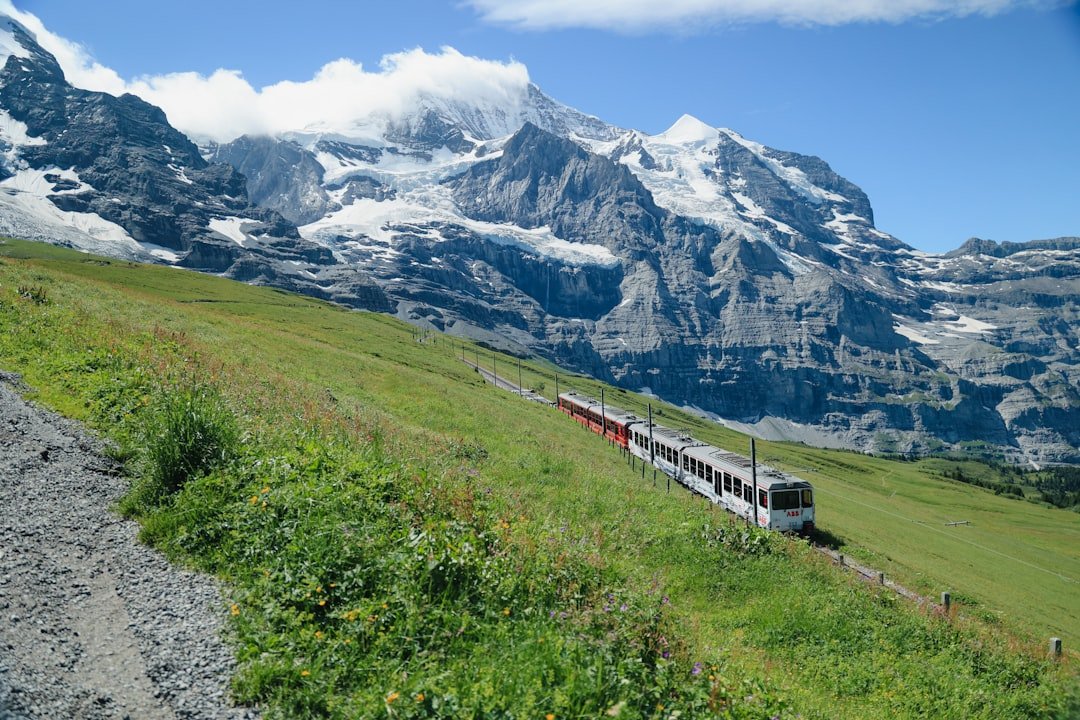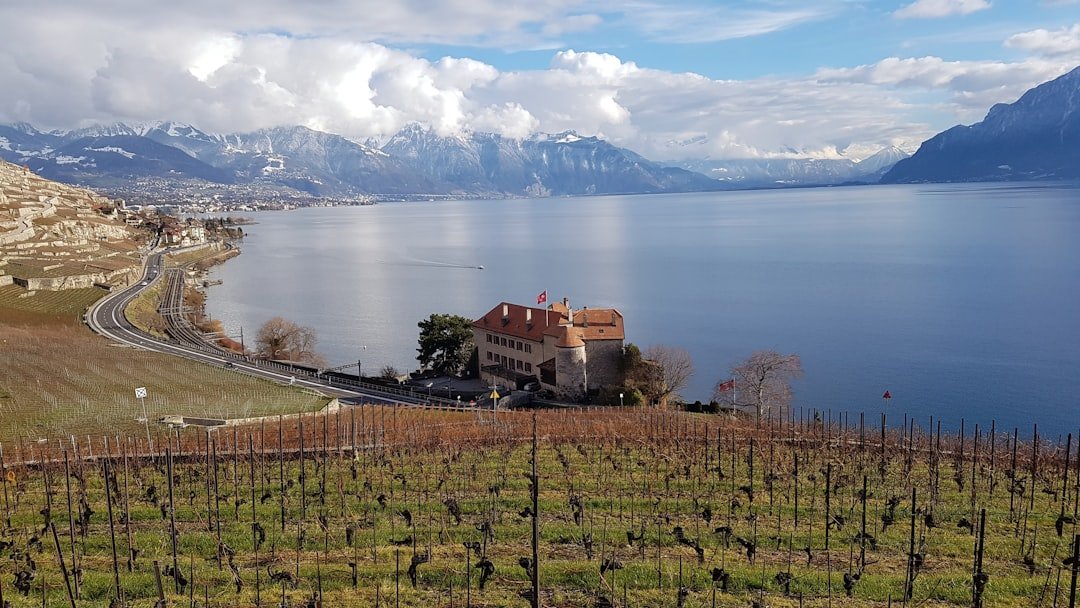
Lavaux is one of the easiest places to trade Lausanne’s city streets for vineyard paths, lakeside villages, and wide views across Lake Geneva. On my visit, the combination of terraced vines, small wine villages, local Chasselas, and frequent public transport made the region feel well suited to a day trip rather than a destination that requires an overnight stay.
Quick Answer
A Lavaux day trip from Lausanne can combine a short train journey, a walk through UNESCO-listed vineyard terraces, villages such as Cully or Saint-Saphorin, and a Chasselas tasting. For a full day, travel by train, walk one section of the vineyards, book a tasting in advance, and return by train or a seasonal CGN boat.
Key Takeaways
- Lavaux’s vineyard terraces have been on the UNESCO World Heritage List since 2007 and extend for about 30 km along Lake Geneva.
- Train travel is usually the simplest way to visit from Lausanne because you can start and finish your walk at different villages.
- Cully, Saint-Saphorin, Rivaz, Epesses, and Lutry all make useful stops, so you do not need to see the entire region in one day.
- Chasselas is the signature white grape to look for, but cellar opening times and tasting availability vary, so reservations are wise.
- Wear comfortable shoes, carry water, respect vineyard property, and use public transport if your day includes wine tasting.
Lavaux is more than a scenic backdrop. UNESCO describes the vineyard terraces as a cultural landscape shaped through centuries of interaction between local communities, winegrowing, villages, paths, and the steep slopes above the lake. The present terraces can be traced back to around the 11th century, although vine cultivation in the wider area is older.
Getting to Lavaux from Lausanne
Reaching Lavaux from Lausanne is straightforward, but it helps to think of Lavaux as a region rather than one single stop. Lutry lies close to Lausanne, while Cully, Rivaz, Saint-Saphorin, and other villages take you progressively farther east through the vineyard landscape.
I chose the train because it allowed me to enjoy the lake views without worrying about parking or returning to the same place at the end of my walk. Cully is a particularly convenient base, with the station close enough to the village and lakefront to begin exploring on foot.
For current departure times, connections, construction changes, and fares, check the official SBB timetable shortly before traveling. The Vaud RER network was reorganized for the 2026 timetable, so old blog posts and saved schedules may no longer match current services.
Note: A boat can make the trip more memorable, but Lake Geneva services vary by date and season. Check the CGN timetable before building your itinerary around a sailing.
Driving is possible, but I found public transport better suited to a one-way vineyard walk. With the train, I could start in one village and finish in another instead of retracing my route to a parked car.
The easiest Lavaux itinerary is often a point-to-point trip: arrive by train in one village, walk through the vineyards, and board the train again farther along the lake.
A Simple One-Day Lavaux Itinerary
If I were planning the trip again, I would keep the day focused instead of trying to cover every village. A practical full-day plan looks like this:
- Morning: Take a train from Lausanne toward Cully, Rivaz, or Saint-Saphorin.
- Late morning: Walk through a manageable section of the vineyard terraces and stop at viewpoints rather than rushing through the landscape.
- Lunch: Eat in one of the villages or near the lake.
- Afternoon: Visit a winery or tasting center for Chasselas and other local wines.
- Late afternoon: Explore another village, continue a shorter vineyard walk, or head toward the lakefront.
- Evening: Return to Lausanne by train or, when the seasonal timetable works, by CGN boat.
Pro Tip: Do not measure a successful Lavaux day by the number of villages you visit. Choosing two or three stops leaves more time for the views, a relaxed meal, and an unhurried tasting.
Exploring the Vineyards of Lavaux
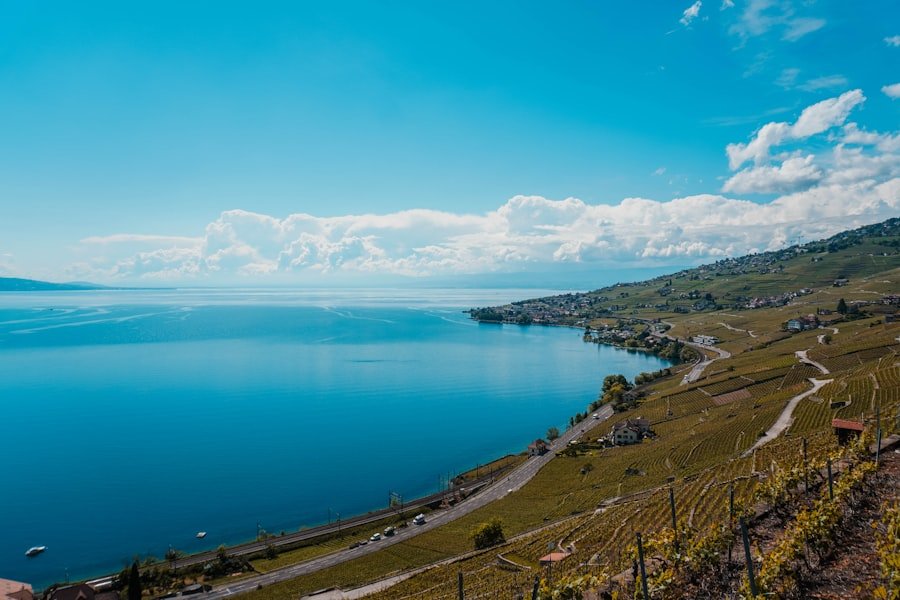
As I began exploring Lavaux, the terraced vineyards immediately became the main attraction. Narrow roads and walking paths thread between rows of vines, stone walls, villages, and viewpoints above the lake. The terraces are visually impressive, but they are also part of a working agricultural landscape rather than an outdoor museum.
UNESCO says the listed landscape stretches for about 30 km along the south-facing northern shore of Lake Geneva, between the eastern outskirts of Lausanne and the Château de Chillon area. That scale explains why trying to walk all of Lavaux during a casual day trip is unrealistic.
The lake and Alps provide the dramatic background, but some of my favorite moments came from the smaller details: stone retaining walls, narrow lanes between vineyard plots, changes in elevation, and glimpses of villages between the vines.
Warning: Stay on public paths, do not pick grapes, and avoid entering vineyard rows or private property unless invited. Lavaux is both a protected cultural landscape and an active workplace for winegrowers.
Wine Tasting in Lavaux
No visit to Lavaux feels complete without learning something about its wine. Chasselas is the white grape I would prioritize. According to Swiss Wine, Chasselas is Switzerland’s most widespread white grape variety and is especially important in Vaud.
Instead of thinking of Chasselas as one fixed flavor, it is more useful to compare wines from different vineyards, appellations, producers, or vintages. During a tasting, I found that this made the relationship between the wine and its place far more interesting than simply working through a list of grape varieties.
| What to taste | Start with local Chasselas and compare wines from different producers or vineyard areas. |
| Where | Producer cellars, wine bars, tasting rooms, and organized wine-tourism experiences operate around Lavaux. |
| Reservation | Recommended. Many Lavaux producers are working wineries rather than all-day tourist attractions, and opening hours vary. |
| Getting home | Train is the simplest choice if you intend to drink alcohol. Never plan to drive after drinking. |
At a good tasting, the value is not only in the glass. Conversations about vineyard sites, harvest conditions, cellar methods, and local traditions can help explain why wines made from the same grape can taste different.
Lausanne Tourism also lists bookable wine experiences in and around Lavaux, which can be useful if you prefer a confirmed tasting rather than hoping to find an open cellar on arrival.
Warning: If you taste wine, use public transport or another sober transportation option. Do not drink and drive.
Hiking and Outdoor Activities in Lavaux
Walking is one of the best ways to understand Lavaux because the scale of the terraces, villages, walls, and lake views changes constantly as you move through them.
A useful benchmark is the official Saint-Saphorin-to-Lutry route published by Switzerland Tourism. The route is listed at approximately 11 km, around 3 hours 15 minutes of walking time, and 440 m of ascent. It is rated technically easy but physically medium, with a listed season of March through November.
The documented Saint-Saphorin–Lutry vineyard route covers about 11 km, takes roughly 3 hours 15 minutes, and includes around 440 m of ascent.
You do not have to walk the entire route. For a relaxed day that also includes lunch and wine tasting, I would choose only part of it. Shorter walks around Cully, Epesses, Grandvaux, Rivaz, and Saint-Saphorin still provide impressive vineyard and lake views.
Comfortable walking shoes matter because Lavaux is steep. I would also carry water, sun protection, and a light layer even when the forecast looks good. Switzerland Tourism advises checking route and weather conditions in advance because trails can be affected by season and local conditions.
Cycling and lake activities provide alternatives to hiking. If your priority is sightseeing rather than exercise, trains and seasonal boats also make it possible to experience several parts of the region with much less walking.
Exploring the Villages of Lavaux
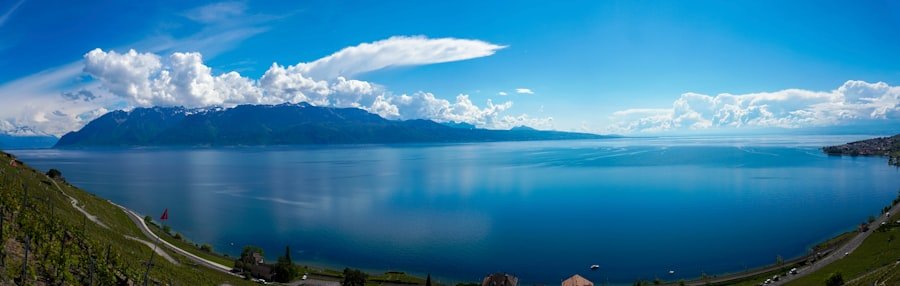
The villages are what keep Lavaux from feeling like one continuous vineyard. Each stop adds streets, houses, cafés, churches, lake access, or wine cellars to the landscape.
Cully
Cully worked well as a first stop for me because it combines rail access, a compact center, lakeside scenery, and nearby vineyard paths. It is a practical choice if you want a straightforward introduction without committing to a long hike.
Saint-Saphorin
Saint-Saphorin is especially appealing if your priority is atmosphere and walking. Switzerland Tourism highlights its narrow lanes, historic winegrowers’ houses, and location at the start of the official vineyard route toward Lutry.
Rivaz
Rivaz sits between the steep vineyard slopes and Lake Geneva and works naturally with a walk through the eastern part of Lavaux. It is also useful for visitors interested in wine-focused stops without spending the whole day moving between villages.
Epesses and Grandvaux
For vineyard views, the area around Epesses and Grandvaux is worth considering. Lausanne Tourism specifically recommends walking in this part of Lavaux and notes routes connecting Grandvaux with Lutry and Cully.
Lutry
Lutry is the western gateway to the vineyard region and sits very close to Lausanne. It can work particularly well as the end of a point-to-point walk because you can return to Lausanne easily rather than continuing farther east.
During my original visit, I enjoyed slowing down in the villages rather than treating them simply as checkpoints. Local shops and cafés gave me a reason to pause between vineyard sections and made the day feel less like a continuous hike.
Dining and Culinary Experiences in Lavaux
Food fits naturally into a Lavaux day because walking and wine tasting are easier to enjoy when the schedule includes a proper break. Restaurants across the region range from simple cafés to more formal dining rooms, and menus change with the establishment and season.
On my visit, I chose a restaurant overlooking Lake Geneva and enjoyed fish with local vegetables and a glass of Chasselas. The pairing made sense: Swiss Wine specifically lists lake fish and white-fleshed fish among the foods that pair well with Chasselas.
If you plan to eat at a particular restaurant, especially on a weekend or during a busy wine event, booking ahead is safer than assuming a table will be available.
A picnic is another option if you want more time outdoors. If you enjoy preparing picnic food yourself, this guide to delicious homemade cottage cheese offers one possible addition, although local bakeries, cheese, fruit, and other ready-to-eat foods may be easier for a day trip.
Tips for a Memorable Day Trip to Lavaux
The biggest lesson from my day in Lavaux was that the region rewards a slower plan. Vineyards, villages, wine tasting, hiking, and lake travel can all fit into one visit, but trying to do every possible activity would make the day feel rushed.
- Check transport before leaving: Use SBB for current rail times and CGN for current boat schedules.
- Choose a route before choosing villages: Decide whether your priority is hiking, tasting, photography, dining, or a mixture of all four.
- Book tastings: Do not assume every cellar operates as a walk-in tasting room throughout the day.
- Wear proper shoes: The terrain includes hills, paved vineyard roads, steps, and elevation changes.
- Carry water: Vineyard slopes can feel hot and exposed in sunny weather.
- Respect the vines: Stay on public routes and remember that this UNESCO landscape is also agricultural land.
- Leave room in the schedule: A long lunch or tasting can easily take more time than expected.
- Use public transport after drinking: Lavaux is particularly well suited to a car-free wine day.
Spring through autumn offers the widest range of walking possibilities, although weather and seasonal services should always be checked close to the travel date. The official Saint-Saphorin–Lutry route is listed for March through November, but conditions can still cause interruptions.
My day trip left me with a stronger appreciation for how closely Lavaux’s scenery and wine culture are connected. The terraces are beautiful from a distance, but walking through them, stopping in the villages, and tasting the region’s wines made the landscape far more meaningful than a quick photo stop would have been.
Frequently Asked Questions
What is Lavaux?
Lavaux is a wine-growing landscape in Switzerland’s canton of Vaud on the northern shore of Lake Geneva. Its terraced vineyards and villages form a UNESCO World Heritage cultural landscape that was inscribed in 2007.
How far is Lavaux from Lausanne?
The western edge of the vineyard region begins close to Lausanne, but Lavaux covers a long stretch of lakeshore. Travel time therefore depends on whether you are going to Lutry, Cully, Rivaz, Saint-Saphorin, or another stop. Check the SBB timetable for the exact journey you plan to make.
What are the transportation options for a day trip from Lausanne to Lavaux?
Train is usually the most flexible option because several Lavaux villages have rail access and you can make a point-to-point walk. Driving is possible, and CGN passenger boats can also serve the area on applicable dates and routes. Always verify current schedules before traveling.
What are the main attractions in Lavaux?
The main attractions are the UNESCO-listed vineyard terraces, views over Lake Geneva and the Alps, wine villages such as Cully and Saint-Saphorin, vineyard walking routes, local wine tastings, and lakeside scenery.
What activities can visitors do in Lavaux?
Popular activities include walking through the vineyards, wine tasting, visiting villages, dining, photography, cycling, and taking scheduled boat trips on Lake Geneva. The best combination depends on how much walking you want to do.
Is it possible to visit Lavaux in a day trip from Lausanne?
Yes. Lavaux is close enough to Lausanne for an easy day trip, especially by train. A focused itinerary with two or three villages, a vineyard walk, lunch, and one tasting is more realistic than trying to see the entire region.
Do I need to reserve a wine tasting in Lavaux?
Reservations are recommended. Many producers operate working wineries with specific tasting hours rather than staying open continuously for walk-in visitors. Booking ahead also makes it easier to build your train and walking schedule around the tasting.
What is the best Lavaux village for a first visit?
Cully is a convenient first choice because it combines rail access, a village center, lakefront scenery, wine connections, and nearby vineyard paths. Saint-Saphorin is especially attractive if walking and historic atmosphere are your priorities.
Do I need a car to explore Lavaux?
No. Rail service makes a car unnecessary for many day trips, and traveling by train is particularly convenient when your itinerary includes wine tasting or a one-way vineyard walk.
Sources
- UNESCO World Heritage Centre: Lavaux, Vineyard Terraces — World Heritage status, landscape extent, history, and cultural significance.
- Switzerland Tourism: Lavaux Vineyard Terraces Route — documented Saint-Saphorin–Lutry walking distance, duration, elevation, season, and access.
- Swiss Wine: Chasselas — grape characteristics, distribution, Vaud importance, and food pairings.
- SBB — current Swiss rail schedules, connections, and travel planning.
- CGN Timetables & Tickets — current passenger-boat schedules on Lake Geneva.
- Lausanne Tourism: Enchanting Lavaux — local walking ideas, vineyard areas, and visitor guidance.