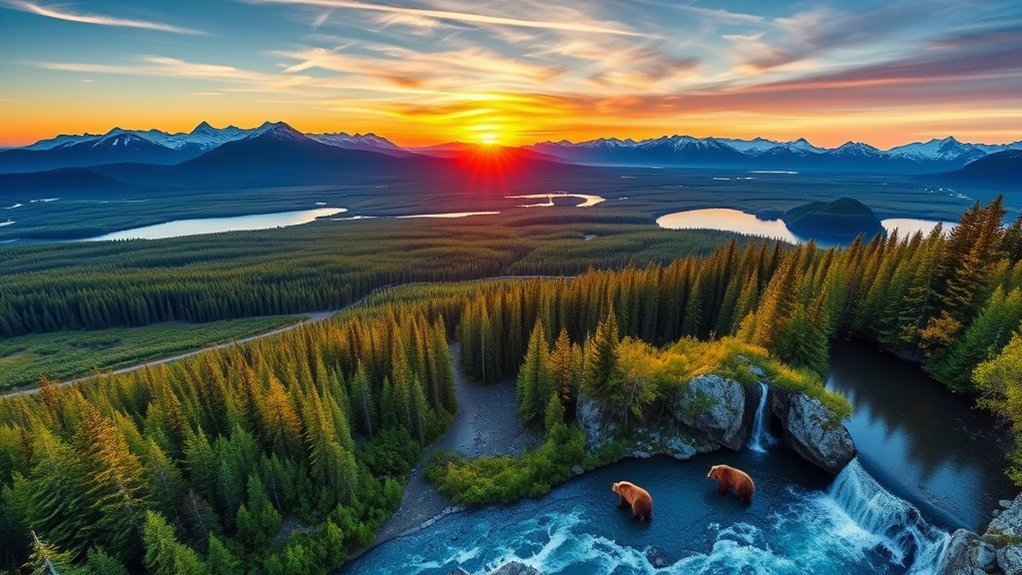
Planning a trip to Katmai National Park and Preserve is different from planning a visit to a road-accessible park. Katmai has no road entrance, few services, fast-changing weather, and some of the most concentrated brown-bear activity in Alaska. A successful visit starts with choosing a destination, arranging transportation, matching your dates to wildlife activity, and learning the park’s bear-safety rules before you arrive.
Quick Answer
To visit Katmai National Park, most travelers fly from Anchorage to King Salmon, then take an air taxi or water taxi to Brooks Camp. July is best for bears fishing at Brooks Falls, while September is stronger near the lower Brooks River. Reserve transportation and lodging early, allow time for weather delays, and complete the required bear orientation on arrival.
Key Takeaways
- Katmai cannot be reached by car. Most visits require a commercial flight, air taxi, floatplane, water taxi, or boat.
- July is the main Brooks Falls bear-viewing month. September is often better for bears near the mouth and lower section of the Brooks River, while August can be quiet at Brooks Camp.
- Katmai currently charges no park entrance fee, but transportation, lodging, tours, and campground reservations can be costly.
- Backcountry travel generally does not require a recreation permit, but Brooks Camp campground reservations and Brooks River Corridor permits have separate rules.
- All Brooks Camp visitors must attend a bear-safety orientation and follow strict wildlife-distance, food-storage, and gear-control rules.
At a Glance
| Best For | Brown-bear viewing, wildlife photography, sport fishing, volcanic scenery, paddling, and wilderness travel |
| Main Gateway | King Salmon, Alaska, for many Brooks Camp trips; direct air taxis also operate from Anchorage, Homer, Kenai, Kodiak, and other communities |
| Best Bear-Viewing Periods | July at Brooks Falls; September into early fall near the lower Brooks River, subject to salmon timing and weather |
| Recommended Trip Length | One day for a weather-dependent guided trip; two to four nights for Brooks Camp; longer for fishing lodges or backcountry travel |
| Planning Difficulty | Moderate to advanced because transportation is limited, weather delays are common, and lodging or tours may sell out |
| Park Entrance Fee | None; separate charges apply to transportation, lodging, camping, tours, and some reservations |
Getting to Katmai National Park
Katmai lies on the northern Alaska Peninsula and is almost exclusively reached by plane or boat. The park has no public road entrance. King Salmon, about 290 air miles southwest of Anchorage, is the main gateway for many Brooks Camp visitors.
Most Common Route: Anchorage to King Salmon to Brooks Camp
- Fly to Anchorage: Most out-of-state travelers begin at Ted Stevens Anchorage International Airport.
- Fly from Anchorage to King Salmon: Commercial airlines serve King Salmon, although schedules can change by season.
- Continue to Brooks Camp: Use an authorized air taxi, floatplane, or water taxi. Arrange this transfer before arriving in King Salmon.
- Confirm baggage rules: Small aircraft and boats may enforce strict weight, size, and hazardous-material limits. Ask your operator about checked bags, fuel, bear spray, coolers, and camera equipment.
The National Park Service directions and transportation page lists authorized providers and routes from Anchorage, King Salmon, Homer, Kenai, Kodiak, and other communities.
Direct Flights and Other Park Destinations
Not every Katmai trip goes through Brooks Camp. Air taxis and guided operators may fly directly from Anchorage, Homer, Kenai, Kodiak, or other departure points to coastal bear-viewing areas, fishing lodges, lakes, beaches, or backcountry destinations. The correct aircraft may need floats, wheels, or suitable beach-landing capability, depending on the destination and tides.
Choose your destination before booking flights. “Katmai” covers more than four million acres, and transportation for Brooks Falls is different from transportation for Hallo Bay, the Katmai coast, the Valley of Ten Thousand Smokes, or a remote fishing lodge.
Note: Do not schedule a tight same-day connection after leaving Katmai. The National Park Service recommends building extra time around your trip because wind, rain, low clouds, tides, and aircraft availability can delay flights or boats.
Best Times to Visit Katmai
Katmai is open year-round, but most visitors come during the summer operating season. At Brooks Camp, National Park Service visitor facilities and regular ranger programs generally operate from June 1 through September 17, with only limited services continuing later in September.
The best date depends on whether your priority is Brooks Falls, lower-river bear viewing, fishing, hiking, photography, or fewer crowds.
| Period | Best For | What to Expect |
|---|---|---|
| June | Early-season travel, fishing, quieter conditions | Services begin opening, but few bears may be visible at Brooks Camp until salmon arrive in late June. Expect cool, wet, and windy weather. |
| July | Brooks Falls bears, classic salmon-jumping photos, full visitor services | The strongest and busiest period for bears fishing at Brooks Falls. Platform waits and crowded flights are common. |
| August | Fishing, hiking, boating, broader park exploration | Bear activity often drops sharply along the Brooks River because salmon are less concentrated and harder to catch. Do not choose August solely for Brooks Falls bears. |
| September to Early Fall | Lower-river bears, autumn color, photography | Bears return to feed on spawned-out salmon, especially near the lower Brooks River and river mouth. Services decrease after September 17, and weather becomes less predictable. |
Wildlife is never guaranteed. Salmon timing, river conditions, weather, and individual bear behavior change from year to year. The National Park Service bear FAQ explains why July and September usually produce the highest bear numbers along the Brooks River.
Pro Tip: For the classic image of a bear catching a jumping salmon at Brooks Falls, prioritize July. For bears feeding on dying salmon near the lower river, prioritize September and accept that visitor services may be reduced.
Entry Fees, Reservations, and Permits
Katmai does not charge a park entrance fee, and no entrance pass is required. However, that does not make a Katmai trip inexpensive. Air travel, boat transfers, lodging, tours, meals, equipment, and camping reservations usually make up most of the budget.
Reservations You May Need
- Transportation: Reserve commercial flights, air taxis, floatplanes, or water taxis before your trip.
- Brooks Lodge or another lodge: Lodging is limited and can fill far ahead of peak dates.
- Brooks Camp Campground: This is the park’s only developed campground, and reservations are required. It has a total capacity of 60 people rather than individually assigned campsites.
- Valley of Ten Thousand Smokes tour: The day-long bus tour from Brooks Camp requires a paid reservation.
- Guided trips: Bear-viewing, fishing, flightseeing, boating, and multi-day wilderness trips should be booked directly with an authorized operator.
For 2026, Brooks Camp Campground reservations were released in date blocks on January 7, February 7, and March 7. The listed fee is $18 per person per night from June 1 through September 17 and $10 per person per night in May and from September 18 through October 31. Check current availability and cancellation openings on the official Brooks Camp Campground page.
Brooks River Corridor Permit
A permit is required for activities inside the Brooks River Corridor from June 15 through October 31. The corridor includes the river and areas within 50 yards of the water between Lake Brooks and the elevated bridge and boardwalk. The permit is valid for seven days, groups are limited to six people, and the permit itself is free, although Recreation.gov charges a booking fee.
Walking on graveled trails, boardwalks, bridges, and wildlife-viewing platforms does not require this permit. The rule mainly affects activities such as fishing or entering the corridor away from those public routes.
Backcountry and Fishing Requirements
Recreational backcountry travel and camping generally do not require a permit or fee, but the park recommends submitting a backcountry trip planner. Seasonal closures, a 14-day camping limit in one location, bear-resistant food-container rules, and private-land restrictions still apply.
Anyone who fishes must carry the correct Alaska sport fishing license and follow current state and federal regulations. Brooks River has additional gear, closure, bear-distance, and catch rules. Regulations and emergency orders can change during the season, so check them immediately before fishing.
Warning: Do not arrive in King Salmon expecting to arrange a same-day ride into Katmai. Limited seats, weather delays, aircraft weight limits, and peak-season demand can leave unprepared travelers without transportation.
Transportation Within the Park
Katmai does not have a general public shuttle network. Transportation depends on the part of the park you visit.
Getting Around Brooks Camp
Visitors move around Brooks Camp mainly on foot using unpaved trails, elevated walkways, bridges, and wildlife-viewing platforms. The route from the visitor center to the Brooks Falls and Riffles platforms is about 1.2 miles one way. Trails are generally easy but can be narrow, muddy, and temporarily blocked by bears.
Bear activity can create a “bear jam,” during which rangers may hold visitors on a platform, bridge, or trail until the animal moves. Build extra time into every walk, especially before a scheduled flight or boat departure.
Valley of Ten Thousand Smokes Bus Tour
A seasonal bus tour travels from Brooks Camp along the park road to the Robert F. Griggs Visitor Center. The trip is a full-day experience and usually includes an optional ranger-led hike toward the Valley floor. The current program description lists a 46-mile round-trip bus ride, a 3.4-mile optional hike, and about seven hours total. Reservations and a separate fee are required.
Boats, Air Taxis, and Paddling
Remote lakes, rivers, coastal areas, and lodges may require an air taxi, chartered boat, lodge transfer, or guided service. Some operators offer water-based transportation or trips, but schedules depend on weather, tides, water levels, and destination.
Canoeing and kayaking are possible in parts of Katmai, including the Brooks Camp area, but cold water, strong winds, remote shorelines, and limited rescue options raise the consequences of a mistake. Confirm equipment availability with your lodge or guide, wear a personal flotation device, and do not treat a remote paddling trip like a casual rental on a developed lake.
Visiting Brooks Camp and Brooks Falls
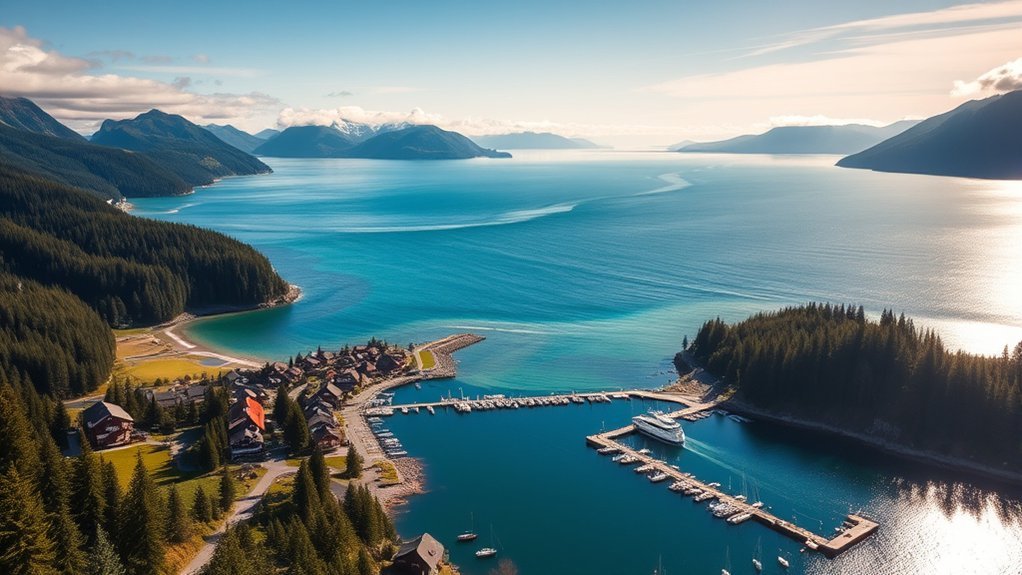
Brooks Camp is Katmai’s most developed visitor area and the starting point for the famous Brooks Falls platforms. It sits at the mouth of the Brooks River on Naknek Lake and has a visitor center, ranger station, campground, lodge, picnic areas, and access to the Valley of Ten Thousand Smokes tour during the main season.
Complete the Bear Orientation
Every visitor must attend a brief bear-safety orientation at the Brooks Camp Visitor Center before exploring the area. The orientation explains right-of-way rules, food restrictions, gear storage, wildlife distance, and what to do during a close encounter.
Follow the 50-Yard Rule
Stay at least 50 yards from bears and other large mammals unless a ranger directs otherwise. Never run from a bear. If a bear approaches, remain calm, speak in a normal voice, and back away when you can do so safely. Bears often use the same trails, beaches, bridges, and riverbanks as visitors, so stay alert even near buildings.
Food and Gear Rules
At Brooks Camp, store all food in designated food caches. Food may be eaten only inside buildings or at designated picnic areas. Away from those places, visitors may carry plain water but cannot possess food, candy, gum, or other drinks. Keep bags, clothing, cameras, and other equipment within arm’s reach or place them in a designated cache.
Platform Access and Waiting
The Falls Platform has a maximum capacity of 40 people. When it is full and others are waiting, rangers may limit viewing time. July visitors should expect possible waits of an hour or more, especially after day-trip aircraft arrive. The Riffles and lower-river platforms can provide excellent viewing when the Falls Platform is busy.
Most Brooks Camp public buildings and viewing platforms are accessible, but muddy unpaved trails, narrow paths, floatplane boarding, and the need to move aside for bears can create challenges for visitors with limited mobility.
Top Attractions and Sights
Brooks Falls
Brooks Falls is Katmai’s best-known wildlife-viewing location. During the July sockeye run, salmon gather below the falls and dominant bears compete for productive fishing positions. The scene is dramatic, but the best experience comes from watching quietly, keeping camera flash off, and following platform instructions.
Valley of Ten Thousand Smokes
The Valley of Ten Thousand Smokes preserves the ash-filled landscape created by the 1912 Novarupta eruption, the largest volcanic eruption of the 20th century. The main day tour combines a long bus ride with overlooks, interpretation, and an optional hike. Backcountry travelers can explore farther, but river crossings, scarce water, ash, weather, and route-finding require advanced preparation.
Naknek Lake and the Brooks River
Naknek Lake is a major travel corridor and the scenic setting for Brooks Camp. The Brooks River connects Naknek Lake with Lake Brooks and supports salmon, trout, bears, birds, and other wildlife. Visitors can enjoy shoreline views, ranger programs, fishing where legal, and changing light across the lake and surrounding mountains.
Katmai Coast and Remote Wilderness
Guided trips to the Katmai coast may visit tidal flats, sedge meadows, beaches, or river mouths where bears feed. These trips are highly dependent on tides, weather, pilot judgment, and bear movement. Backcountry lakes, rivers, volcanoes, and tundra offer even greater solitude but require wilderness skills and a reliable transport plan.
At Katmai, the safest itinerary is a flexible one: weather controls transportation, bears control the pace, and salmon control where the best wildlife viewing happens.
Wildlife Viewing Opportunities
Katmai protects an intact subarctic ecosystem, but wildlife viewing must remain safe and respectful. Common visitor priorities include:
- Brown Bears: Brooks Falls is strongest in July, while the lower Brooks River is often stronger in September. Bears may also appear on trails, beaches, at camp, and along remote coasts.
- Moose: Moose use forests, wetlands, and lakeshores. They can be defensive, especially cows with calves, so give them at least the same space you would give a bear.
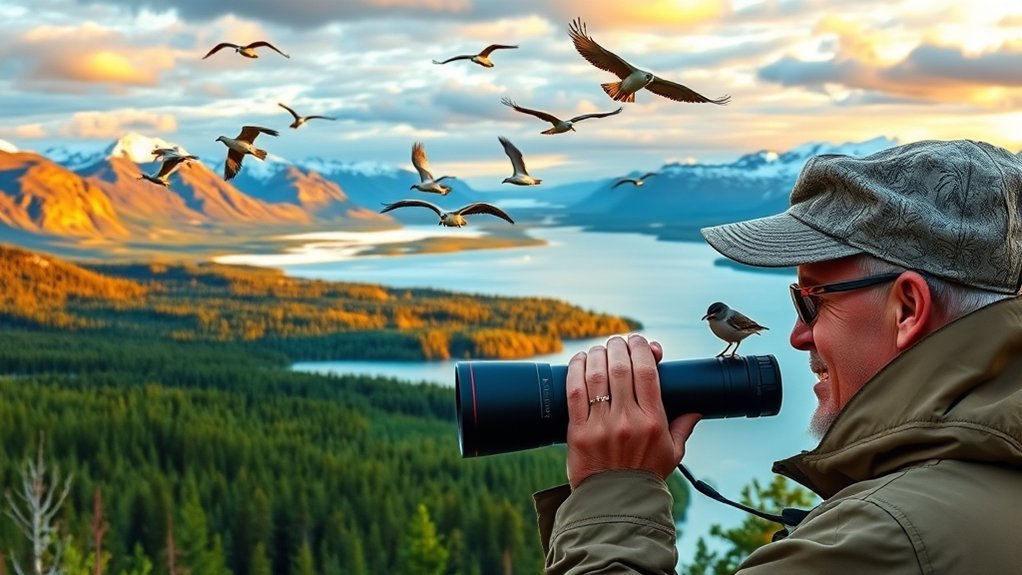
- Birds: Eagles, waterfowl, shorebirds, gulls, ravens, and migratory species can be seen around rivers, lakes, tidal areas, and open tundra.
- Marine and Coastal Wildlife: Depending on the destination, boat or coastal trips may also reveal seals, sea otters, whales, foxes, and other animals. Sightings vary and should never be guaranteed.
Use binoculars or a telephoto lens rather than moving closer. Keep voices low around viewing platforms, avoid blocking trails, and let animals choose their own route.
Warning: Katmai is active bear country, not a controlled wildlife attraction. Never feed wildlife, never leave food or gear unattended, never run from a bear, and never continue fishing when a bear is within 50 yards.
Hiking and Outdoor Activities
Katmai has fewer than five miles of maintained trails, so most hiking outside Brooks Camp is true wilderness travel. Choose activities that match your navigation skills, physical ability, equipment, and comfort around bears.
| Activity | What It Involves | Best For |
|---|---|---|
| Brooks Falls Trail | About 1.2 miles one way from the visitor center to the Falls and Riffles platforms on mostly easy but muddy terrain | First-time visitors and bear viewing |
| Dumpling Mountain | A steeper climb above Brooks Camp with forest, tundra, and views over Naknek Lake | Hikers who want elevation and wide views |
| Valley Tour and Hike | A full-day bus trip with an optional 3.4-mile hike toward the Valley floor | Volcanic history and guided interpretation |
| Backcountry Hiking | Off-trail route-finding, river crossings, bear-safe camping, and self-supported travel | Experienced Alaska wilderness travelers |
| Fishing | Sport fishing under Alaska and park rules, with extra precautions around bears | Licensed anglers who understand current regulations |
| Photography | Long-lens photography from safe distances and designated viewing areas | Photographers prepared for rain, crowds, and platform limits |
Where to Stay Near Katmai National Park
Lodging determines how much time you have in the park and how vulnerable your schedule is to weather delays.
Brooks Lodge
Brooks Lodge is the only lodging option within Brooks Camp. It offers the most convenient access to the bear-viewing platforms, ranger programs, Naknek Lake, and the Valley tour. Availability is limited, and reservations should be handled far in advance.
Brooks Camp Campground
The fenced Brooks Camp Campground is the park’s only developed campground. It has food and gear caches, cooking shelters, vault toilets, and seasonal potable water, but no cell reception or internet connectivity. Reservations are required, and campers must follow strict cooking, food-storage, fuel-storage, and garbage rules.
Remote Lodges
Private lodges inside or near Katmai may bundle lodging, meals, flights, boats, fishing, bear viewing, and guides. These packages can simplify logistics, but services, prices, and minimum stays vary. Confirm exactly what transportation and activities are included.
King Salmon
Staying in King Salmon works for travelers taking a day trip or waiting for a flight into the park. It also provides access to the nearest commercial airport, grocery store, and post office. A King Salmon base does not remove weather risk, so keep a backup plan for canceled day trips.
What to Pack for Katmai
Katmai weather can shift quickly. The National Park Service reports summer temperatures ranging from about 30°F to 80°F, with cool, wet conditions common in spring, summer, and fall. Pack for rain and cold even when the forecast looks mild.
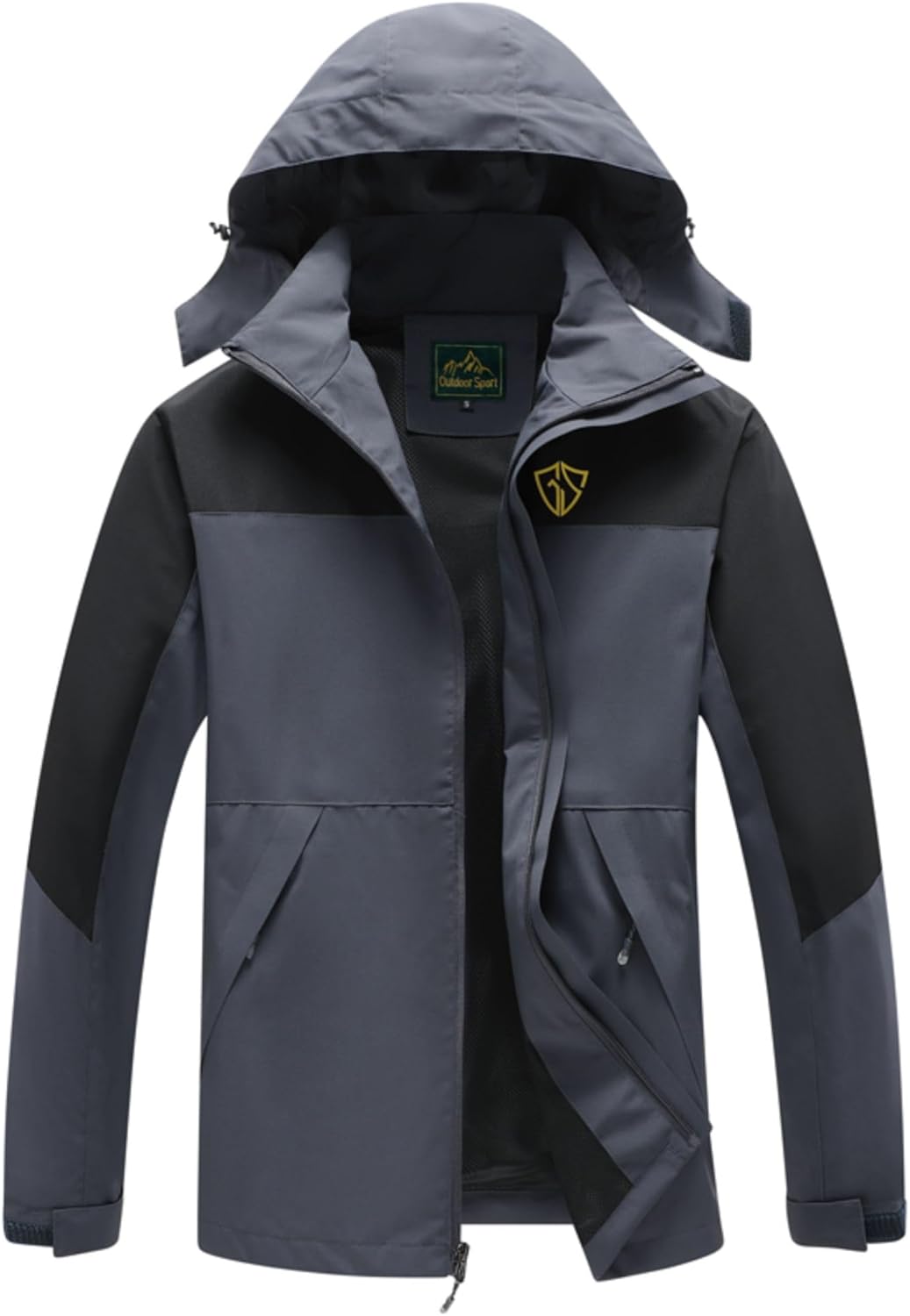
- Waterproof shell: Bring a dependable rain jacket and rain pants, not only a light windbreaker.
- Warm layers: Pack moisture-wicking base layers, fleece or wool insulation, a warm hat, and lightweight gloves.
- Sturdy waterproof footwear: Trails can be muddy, uneven, and wet.
- Dry bags or waterproof liners: Protect clothes, medications, documents, batteries, and electronics during boat and floatplane travel.
- Binoculars and a telephoto lens: View wildlife from a safe distance rather than moving closer.
- Sun and insect protection: Bring sunscreen, sunglasses, a brimmed hat, insect repellent, and a head net when bugs are active.
- Personal medication and extra essentials: Pack more than the minimum in case weather extends your stay.
- Reusable water bottle: Plain water is allowed outside designated Brooks Camp eating areas, but other drinks are restricted.
- Portable power: Bring charged batteries and power banks because outlets and charging options may be limited.
- Navigation and emergency equipment: Backcountry travelers should carry maps, a compass or GPS, first-aid supplies, emergency shelter, and a satellite communication device.
Bear spray may be carried in the park under applicable laws, but it cannot be carried in an aircraft passenger compartment. Ask every airline and air-taxi operator about transport rules before packing it.
Pro Tip: Pack essential rain gear, medication, one warm layer, and travel documents in a small bag that stays with you. Checked baggage can be delayed before reaching King Salmon or transferred separately on small aircraft.
Accessibility, Communication, and Emergencies
Accessible facilities are concentrated at Brooks Camp. Public buildings and wildlife-viewing platforms are generally accessible, but assistance may be needed on muddy trails, narrow paths, ramps, and when boarding a floatplane. Contact the park and your transport provider before travel to discuss mobility equipment, aircraft access, and the help available.
Do not depend on cell service. Brooks Camp Campground lists no cell reception or internet connectivity, and coverage elsewhere in the park is unreliable or absent. Share your itinerary with a trusted person, carry emergency communication for backcountry travel, and know how weather could affect an evacuation.
For a day trip, keep necessary medication, warm layers, rain gear, food arrangements, and contact information with you. For overnight or wilderness travel, consider travel insurance that covers remote delays and medical evacuation, and read the policy exclusions carefully.
Tips for a Successful Visit
- Choose the experience first: Decide whether your priority is Brooks Falls, the lower river, coastal bears, fishing, volcanoes, or backcountry travel before selecting flights.
- Book in the right order: Secure scarce Katmai lodging, camping, tours, and in-park transportation before buying nonrefundable long-distance travel.
- Build in weather days: Avoid critical same-day airline connections after a floatplane or boat transfer.
- Attend Bear School: Complete the Brooks Camp orientation immediately after arrival and follow ranger directions throughout your stay.
- Keep food and gear controlled: Use designated caches, eat only in approved areas, and keep all equipment within arm’s reach.
- Expect bear delays: Leave extra time to reach platforms, meals, tours, and departure points.
- Check current conditions: Review park alerts, weather, operator messages, fishing regulations, and closures immediately before departure.
- Leave no trace: Pack out waste, protect fragile ground, and avoid disturbing wildlife or blocking its path.
Frequently Asked Questions
What is the best month to see bears at Brooks Falls?
July is usually the best month to see bears catching migrating salmon at Brooks Falls. September can also bring many bears to Brooks Camp, but they are more often concentrated near the lower Brooks River and river mouth. August commonly has fewer bears along the Brooks River.
Does Katmai National Park charge an entrance fee?
No. Katmai National Park and Preserve currently requires no entrance pass. You still need to pay for transportation, lodging, camping, tours, fishing licenses, and any reservation or operator fees that apply to your trip.
Are there accommodations near Katmai National Park?
Yes. Options include Brooks Lodge, the Brooks Camp Campground, private wilderness and fishing lodges, and accommodations in King Salmon or nearby communities. Brooks Lodge is the only lodging inside Brooks Camp, and the campground is the park’s only developed campground.
Do I need reservations to visit Brooks Camp?
You do not need a general admission reservation for the viewing platforms, but you must reserve transportation and any overnight accommodation. Brooks Camp Campground requires a reservation, and Brooks Lodge, air taxis, water taxis, and tours can fill far in advance.
What should I pack for my visit to Katmai?
Pack waterproof rain gear, warm layers, sturdy waterproof footwear, insect protection, sun protection, dry bags, binoculars, extra batteries, medication, and a reusable water bottle. Backcountry visitors also need navigation, emergency communication, shelter, and approved food storage.
Is fishing allowed in Katmai National Park?
Yes. Fishing is allowed in many areas, but anglers need the correct Alaska sport fishing license and must follow current state and federal rules. Brooks River has special permits, seasonal closures, tackle restrictions, catch rules, and strict requirements when bears approach.
Are guided tours available in the park?
Yes. Authorized operators offer bear-viewing trips, fishing excursions, air taxis, flightseeing, boat transport, lodge packages, and multi-day wilderness trips. The Valley of Ten Thousand Smokes also has a seasonal day-long bus tour from Brooks Camp.
What are the food-storage rules at Brooks Camp?
Store all food in designated food caches and eat only inside buildings or at designated picnic areas. Outside those locations, visitors may carry plain water but cannot possess food, gum, candy, or other beverages. Keep garbage and scented items secured as directed.
Can you visit Katmai National Park in one day?
Yes. Guided day trips commonly visit Brooks Camp or coastal bear-viewing areas. A one-day trip is highly weather-dependent and leaves little recovery time after delays. Staying two or more nights provides more viewing time and a better buffer.
Do you need a car in Katmai National Park?
No. Katmai has no public road entrance, and most visitors travel by plane, floatplane, water taxi, boat, lodge transfer, bus tour, or on foot. A rental car in Anchorage or King Salmon does not provide driving access into the park.
How many days should I spend in Katmai?
A day trip can work for travelers with limited time, but two to four nights at Brooks Camp gives you more chances to see bears, handle weather delays, hike, and join the Valley tour. Fishing lodges and backcountry trips often need longer stays.
Conclusion
Katmai National Park rewards careful planning. Choose the part of the park you want to experience, match your dates to the wildlife or activity you care about, reserve transportation and lodging early, and leave room for weather delays. At Brooks Camp, attend the bear orientation, keep food and gear controlled, stay at least 50 yards from wildlife, and follow ranger directions.
With those details handled, you can focus on what makes Katmai extraordinary: brown bears fishing for salmon, the wide waters of Naknek Lake, the volcanic scale of the Valley of Ten Thousand Smokes, and a wilderness that still sets the pace for every visitor.
Sources
- National Park Service: Directions and Transportation — official access routes, gateway communities, authorized providers, and weather-delay guidance
- National Park Service: Brooks Camp — operating season, bear orientation, corridor permits, facilities, and visitor logistics
- National Park Service: Bear Safety at Brooks Camp — wildlife distance, platform rules, food restrictions, and gear safety
- National Park Service: Fees and Passes — confirmation that Katmai requires no entrance pass
- National Park Service: Katmai Weather — seasonal conditions, temperature range, wind, and packing guidance
- Alaska Department of Fish and Game: Sport Fishing Licenses — license, stamp, age, and harvest-record requirements