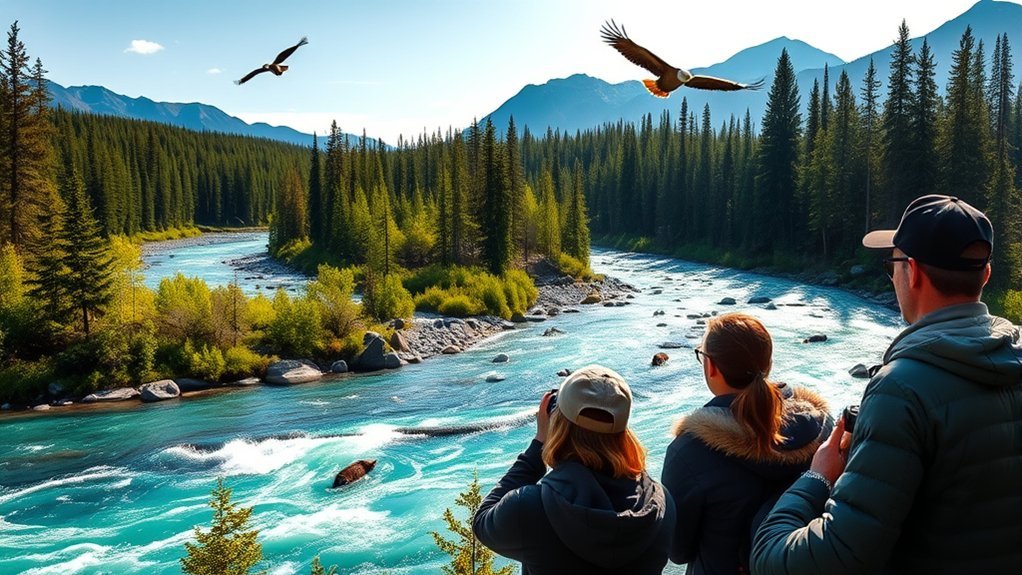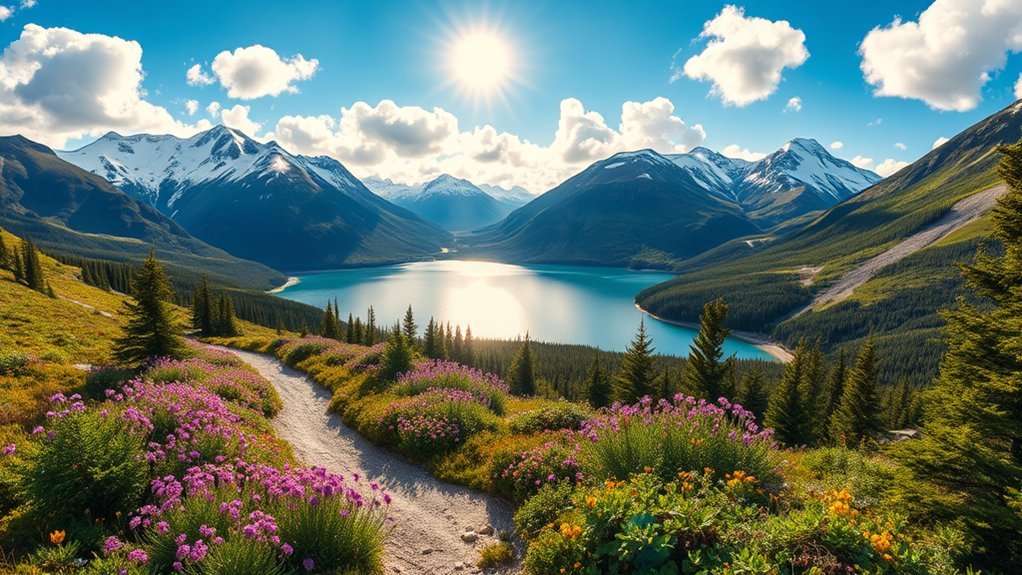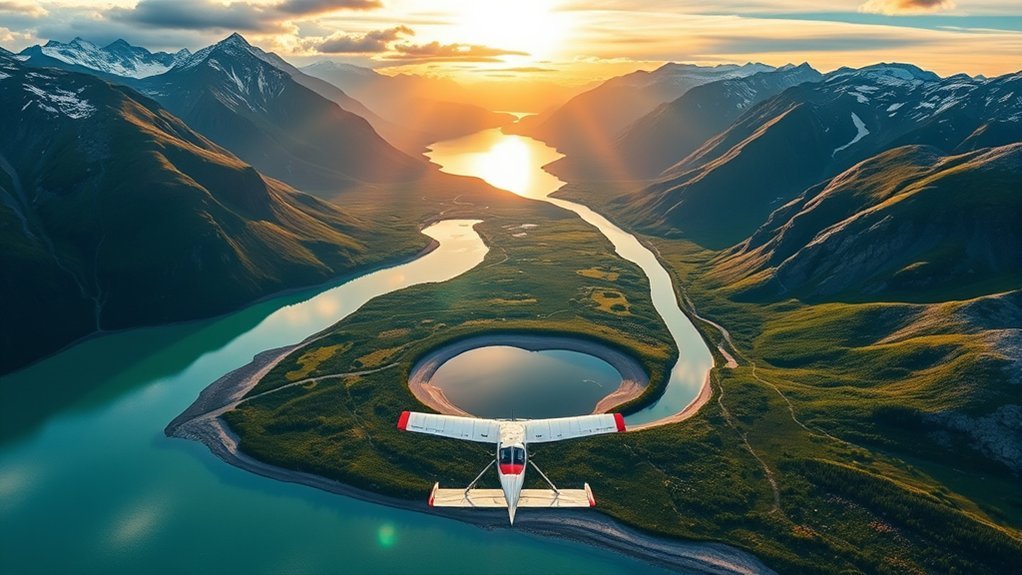
Lake Clark National Park and Preserve offers one of Alaska’s most remote national park experiences, with coastal brown bears, turquoise lakes, salmon streams, volcanic scenery, and mostly trail-free wilderness. Reaching it takes more planning than visiting a road-access park. This guide explains how to choose an access point, season, trip style, lodging option, and safety plan before you book.
Quick Answer
Lake Clark National Park is a remote Alaska wilderness reached mainly by small plane. For a first trip, visit from June through September, choose Port Alsworth or an authorized lodge or guide as your base, reserve air transport early, and leave extra days for weather. Expect no road access, limited services, bear-country rules, and little or no connectivity.
Key Takeaways
- You cannot drive to Lake Clark: Most visitors arrive by small plane. Some Cook Inlet coast destinations may be reached by boat when tides and weather allow.
- June through September is the easiest first-trip window: July and August usually offer the widest mix of flights, lodges, fishing, hiking, and bear-viewing trips.
- Weather controls the schedule: Leave buffer days and prepare for delayed pickup, even after a flight or boat trip has been booked.
- Port Alsworth is the simplest base: It provides access to the visitor center, private lodging, and the Tanalian Trails.
- Remote safety rules matter: Plan for bear-resistant food storage, no dependable cell service, private land, changing closures, and limited emergency response.
Plan at a Glance
Lake Clark Trip Overview
| Primary Access | Small wheel plane or floatplane. Boat access is possible for some Cook Inlet coast locations when conditions allow. |
| Best First-Trip Season | June through September, with July and August offering the broadest activity and service options. |
| Simplest Base | Port Alsworth for the visitor center, private lodging, the Tanalian Trails, and easier local logistics. |
| Suggested Trip Length | One day for a guided coastal trip, three days for Port Alsworth, or five or more days for a lodge or backcountry trip. |
| Entrance Fee | No NPS entrance pass is required. Transportation, lodging, guides, cabins, meals, equipment, and fishing licenses cost extra. |
| Main Planning Risk | Weather may delay flights, boats, and backcountry pickups for hours or several days. |
How Do You Get to Lake Clark National Park?
Lake Clark is not connected to Alaska’s road system. According to the National Park Service directions guide, travel takes place mainly by small fixed-wing aircraft.
Common departure communities include Anchorage, Homer, Kenai, Soldotna, King Salmon, Wasilla, and Port Alsworth. The available route depends on the operator, aircraft, destination, weather, and landing conditions.
Products Worth Considering

MASSIVE CAPACITY & STORAGE: Measuring 32.4"L x 16.9"W x 16.9"H (9,254 cubic inches or 150 Liters), this extra-large duffle bag offers impressive storage space, suitable for accommodating extensive gear, multiple outfits, or bulky items while keeping everything organized.

Size Guide & Usage: Sizes 60L, 80L, 100L, and 150L are ideal for daily outings, road trips, and clothing storage. Sizes 200L and above are better suited for bulky items like tents, folding tables and chairs, inflatable kayaks, bounce houses, and Christmas trees, as well as for moving into college dorms. Please consult the size chart to select the right size before purchasing.
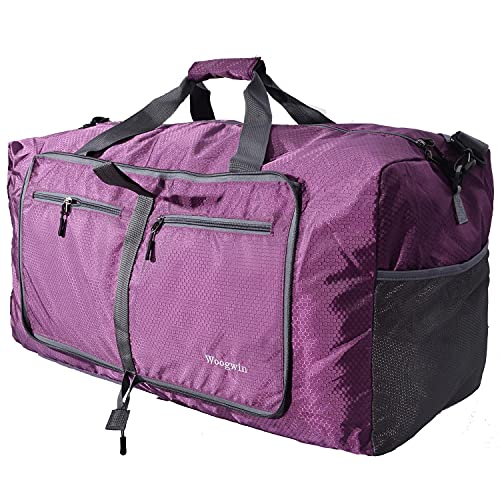
Heavy Duty Material: We adapted honeycomb polyester to made this bag, which is the most suitable material for a duffel bag for it's advantage of sturdy, light weight and breathable. High 2 ways quality zippers with pull string work smoothly, equipped with fine sewing for a long time use
Wheel Plane, Floatplane, or Boat?
- Wheel planes can serve Port Alsworth airstrips, coastal beaches, gravel bars, frozen lakes, and other suitable ground when conditions permit.
- Floatplanes can reach inland lakes such as Lake Clark, Crescent Lake, Twin Lakes, Turquoise Lake, Tazimina Lakes, and Kontrashibuna Lake.
- Ski-equipped planes may reach suitable frozen lakes or snow-covered areas in winter.
- Boats may reach parts of the Cook Inlet coast, but the crossing can be rough and depends on wind, tides, sea conditions, and the operator’s schedule.
Choose your destination before choosing an aircraft. A plane equipped for the Port Alsworth airstrip may not be the right aircraft for a floatplane-only lake, and a coastal beach landing requires different conditions from an inland water landing.
Pro Tip: Search the official NPS commercial service provider directory before booking. Confirm the exact departure point, destination, aircraft type, baggage limit, ground transfers, meals, cancellation policy, and procedure for weather delays.
Build Weather-Buffer Days Into Your Route
Do not schedule your park flight immediately before a cruise departure, international flight, or another nonrefundable connection. Low clouds, wind, rough water, smoke, rain, or changing landing conditions can delay a small aircraft or boat.
For a day trip, keep the following day flexible when possible. For an overnight or backcountry trip, keep buffer time on both sides and carry enough food, medication, and essential supplies for a delayed pickup.
What Is the Best Time to Visit Lake Clark?
The broad visitor season is June through October, when warmer conditions support a wider selection of transportation, lodging, and guiding services. For most first-time visitors, June through September is the most practical window.
The park remains open year-round, but visitor-center hours and private services are seasonal. Check the current NPS operating hours before traveling.
| Season | Best For | Planning Limits |
|---|---|---|
| May to early June | Quieter travel, early fishing, migrating birds, and spring wildlife | Some lakes may retain ice, trails can be wet, and private services may be limited. |
| Late June to August | Bear viewing, fishing, hiking, flightseeing, paddling, and lodge stays | This is the busiest period, so reserve flights, lodging, and guides early. |
| September to October | Fall color, fewer visitors, late fishing, and photography | Colder weather, shorter days, frost, and snow can reduce transportation options. |
| Winter | Solitude and experienced winter wilderness travel | Access depends on snow, ice, daylight, pilot judgment, and severe weather. |
Port Alsworth’s average summer temperatures are roughly 50°F to 65°F, but that range does not show how quickly conditions can change. The NPS weather guide warns that rain, high winds, frost, and snow can occur during the visitor season.
Choose Your Trip Style
Day Trip
A day trip works when your main goal is guided coastal bear viewing, flightseeing, or fishing. Many trips depart from Anchorage, Homer, Kenai, or Soldotna and land at Chinitna Bay, Silver Salmon Creek, Crescent Lake, or another approved location.
A day trip reduces the amount of equipment you need, but it remains highly weather-dependent. Confirm whether the operator offers a refund, rescheduling, or an alternate destination if conditions prevent the planned landing.
Port Alsworth Base
Port Alsworth is often the easiest choice for a first visit. It provides access to the park visitor center, private lodging, local services, and the Tanalian Trails.
You can hike to Tanalian Falls, continue to Kontrashibuna Lake, walk the Beaver Pond Trail, or attempt Tanalian Mountain. Private operators may also arrange flightseeing, water transportation, fishing, or trips to more remote parts of the park.
Lodge-Based Wilderness Stay
A lodge stay suits travelers who want meals, lodging, transfers, and guided activities arranged together. Packages may focus on bear viewing, sport fishing, photography, kayaking, flightseeing, or a mix of activities.
Ask what the quoted package includes. Some rates cover flights from a gateway community, while others begin after you reach Port Alsworth or another local transfer point.
Backcountry Trip
Backcountry travel is best for people who can manage route-finding, bear country, river crossings, changing weather, primitive camps, and delayed transportation. Most of Lake Clark is not a marked-trail environment.
Do not rely only on a park brochure map. Download detailed topographic maps, carry a paper backup, and review the NPS maps and land-status information before choosing a route. Private property exists within the park’s authorized boundary.
Sample Lake Clark Itineraries
One-Day Bear-Viewing Itinerary
- Depart from Anchorage, Homer, Kenai, or Soldotna with an authorized operator.
- Fly to Chinitna Bay, Silver Salmon Creek, Crescent Lake, or another operator-selected destination.
- Complete a safety orientation and spend the main part of the day viewing bears or fishing.
- Return to the gateway community, with the next day kept flexible in case weather causes a delay or cancellation.
Three-Day Port Alsworth Itinerary
- Day 1: Fly to Port Alsworth, visit the visitor center, confirm local conditions, and walk the Beaver Pond Trail or part of the Tanalian Trails.
- Day 2: Hike to Tanalian Falls and Kontrashibuna Lake, or take a prearranged fishing or flightseeing trip.
- Day 3: Use the morning for a short activity, then depart. Keep an additional buffer day outside the park before a major connection.
Five-Day Lodge or Wilderness Itinerary
- Use the first and final days for access and weather flexibility.
- Plan two or three full activity days for bear viewing, fishing, photography, hiking, paddling, or flightseeing.
- Keep at least one day flexible so the lodge or guide can move activities around wind, rain, wildlife activity, or aviation conditions.
Where to Stay and Eat
Lake Clark does not have a central NPS lodge, restaurant district, or developed campground loop. Dining and lodging are provided mainly by private businesses operating on private land within or near the park boundary.
The official NPS eating and sleeping guide lists current private lodging areas and public-use cabins. Contact each business directly for availability, meals, transfers, activity packages, and cancellation terms.
Where to Base Your Trip
| Area | Best For | Important Detail |
|---|---|---|
| Port Alsworth | First visits, day hikes, visitor information, and local connections | There is no full grocery store, so confirm meals or bring the food you need. |
| Chinitna Bay | Coastal bears, tidal flats, sedge meadows, and photography | Tides, private land, food restrictions, and seasonal closures affect movement. |
| Silver Salmon Creek | Bear viewing, sport fishing, birdwatching, and beach scenery | Aircraft commonly land on the beach, so tides and surface conditions matter. |
| Crescent Lake | Fishing, boat-based bear viewing, lodge stays, and volcano scenery | Dense shoreline vegetation makes guided boat viewing a practical choice. |
| Upper Twin Lake | The Proenneke historic site, wilderness camping, and remote scenery | Camping is prohibited within the historic-site boundary, and seasonal stay limits apply. |
Camping and Public-Use Cabins
Lake Clark has no broad network of developed NPS campgrounds. Most camping is primitive, and campers must be ready to manage shelter, water treatment, sanitation, navigation, wildlife, and transportation without normal campground services.
The Hope Creek primitive camping area near Upper Twin Lake is first come, first served and has bear-resistant food lockers. The Proenneke historic site itself is closed to camping, and visitors may not sleep in or occupy the historic cabin, cache, or woodshed.
The Priest Rock and Joe Thompson public-use cabins require advance reservations and fees. They are rustic, have no running water or electricity, and must be reached by floatplane or boat.
Note: Seasonal camping limits apply around Twin Lakes. Between April 15 and September 30, camping within two miles of Upper or Lower Twin Lake is limited to 21 total days, and Hope Creek camping is limited to 14 days. Always verify the current superintendent’s rules before departure.
How Much Does a Lake Clark Trip Cost?
There is no single standard price for a Lake Clark trip. The park has no entrance fee, but transportation and private services make it a high-planning-cost destination.
Your budget may include:
- Commercial flights to Anchorage, Homer, Kenai, Soldotna, or another gateway community
- A small-plane, floatplane, or boat transfer
- Lodging before and after the park trip
- A private lodge, cabin, campground, or guided package
- Meals and food for delays
- Fishing licenses, king salmon stamps where required, and equipment
- Waterproof clothing, dry bags, navigation equipment, and satellite communication
- Changes caused by weather, missed connections, or an extra hotel night
Request an itemized quote instead of comparing only the advertised trip price. Ask whether taxes, NPS monitoring fees, baggage, meals, transfers, guide service, equipment, gratuities, and weather-related rescheduling are included.
Park Entrance Fees, Permits, and Rules
No entrance pass is required for Lake Clark National Park and Preserve. The park also does not require a standard NPS recreational permit for backpacking, camping, river running, bear viewing, or visiting the Proenneke cabin.
Review the current NPS permits and reservations page because other activities have separate requirements:
- Public-use cabins require reservations and fees.
- Sport fishing requires the appropriate Alaska license, stamp, harvest record, or other document.
- Commercial guides, photography workshops, air taxis, and other businesses require NPS authorization.
- Research, collecting, commercial filming, and certain special uses may require permits.
- Sport hunting is allowed in the national preserve under applicable federal and Alaska rules, but not under the same rules in every part of the national park.
Food Storage Requirements
In designated coastal and lakeshore zones, food, drinks, garbage, food containers, harvested fish, and other scented items must be secured using an approved method. Review the current Lake Clark food-storage requirements before flying in.
Approved storage may include:
- An approved bear-resistant container
- A hard-sided building
- A lockable hard-sided compartment in a vehicle, vessel, or aircraft
- A properly suspended cache that meets the park’s height and distance requirements
Ordinary tents, soft coolers, dry bags, plastic storage totes, stuff sacks, and unmodified kayaks are generally not approved bear-resistant containers. NPS bear-resistant containers may be borrowed at no charge from the Port Alsworth Visitor Center when available.
Closures, Private Land, and Drones
Lake Clark contains private and Native corporation lands. Check ownership before hiking, camping, crossing a beach, or approaching a cabin. Do not assume that every place inside the mapped park boundary is open public land.
The Chinitna Bay sedge meadow north of the slough is closed to camping and human entry from May 1 through August 31. Other food, camping, wildlife, and access restrictions may also apply.
Launching, landing, or operating a drone from NPS-managed land or water in Lake Clark is prohibited unless the superintendent has provided written approval. Check the current Lake Clark laws and policies before traveling.
Remote Safety and Emergency Communications
Warning: Lake Clark is remote, and rescue may not be immediate. Do not depend on cell service, a same-day aircraft pickup, or a guide being able to reach you in poor weather. Carry extra food, essential medication, warm shelter, navigation tools, and a satellite communication device suited to your trip.
The NPS Lake Clark safety guidance states that there is no cell phone service in the park and recommends carrying a satellite phone or satellite-based text device.
Plan every remote pickup as though weather could delay it by several days, not just several hours.
Products Worth Considering
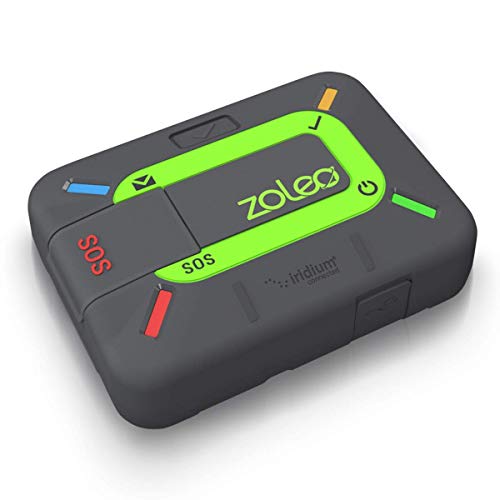
Global satellite messaging: Stay connected beyond cell coverage, use ZOLEO with your smartphone to transmit text messages and e-mails over the Iridium satellite network, cellular or Wi-Fi using the lowest-cost network available (service plan required)

Service plans required - as low as $4.99 per month for SOS satellite assist

Always connected: Travel beyond cell coverage with the safety and preparedness platform that delivers peace of mind, everywhere. Pair ZOLEO with your smartphone and stay connected with your Safety Circle, including adventurers, loved ones, and work teams responsible for duty of care. Send text messages and emails over the Iridium satellite network, cellular, or Wi-Fi using the lowest-cost network available (service plan required).
Leave a Trip Plan
Give a trusted person your route, aircraft or boat operator, destination, party names, equipment description, pickup schedule, and the time they should report you overdue. Backcountry travelers may also leave itinerary information with park staff, but rangers do not actively track trips.
Emergency Contacts
Call 911 when a connection is available. To report an overdue or missing person on Alaska national park lands, NPS lists 833-477-9357 for calls within the United States and 907-683-2276 for Alaska or international callers. Save the numbers offline before leaving your gateway community.
Check Current Conditions
Review the official Lake Clark alerts and conditions page during planning, again several days before the trip, and once more before takeoff or departure. Also confirm conditions directly with your operator.
Best Hikes and Trails in Lake Clark
Lake Clark is primarily trail-free wilderness. The easiest marked hikes begin in Port Alsworth on the Tanalian Trails. The Portage Creek Trail near Joe Thompson Public Use Cabin is the only other maintained trail described by NPS.
| Trail | Distance | Best For |
|---|---|---|
| Tanalian Falls | About 4 miles round trip | A half-day forest hike to a powerful waterfall and Lake Clark viewpoints. |
| Kontrashibuna Lake | About 5.5 miles round trip | A longer extension beyond Tanalian Falls to a mountain lake. |
| Beaver Pond Trail | 3.2 miles round trip | A gentler route through birch forest and wetland habitat. |
| Tanalian Mountain | 8.6 miles round trip | A steep full-day hike with broad mountain and lake views. Allow at least eight hours. |
| Portage Creek Trail | 3.25 miles from the cabin to the maintained trail end | A remote forest-to-tundra route with about 1,850 feet of elevation gain. |
Check the current NPS day-hike information and ask the Port Alsworth Visitor Center about trail conditions. Carry waterproof layers, a paper map, offline navigation, extra food, and enough equipment to spend an unexpected night outside.
Fishing in Lake Clark National Park
Fishing is one of Lake Clark’s signature activities. The park and preserve protect important salmon waters and habitat for lake trout, rainbow trout, arctic grayling, arctic char, Dolly Varden, northern pike, burbot, and five Pacific salmon species.
The primary fishing season is May through October. Salmon activity often peaks in July and August, but the best timing depends on the waterway and species. Lakes may remain partly frozen into June.
Popular destinations include Crescent Lake, Silver Salmon Creek, Lake Clark, and remote rivers and streams. The official NPS fishing page provides a location and species overview.
Fishing Licenses and Regulations
Alaska residents age 18 or older and nonresidents age 16 or older generally need a sport fishing license. A king salmon stamp may also be required when fishing for king salmon. Review the current Alaska Department of Fish and Game licensing requirements, regional regulations, and emergency orders before casting.
Regulations can differ by drainage, species, size, season, and fishing method. An emergency order can supersede the printed regulation booklet.
Fishing in Bear Country
- Keep your equipment and catch close enough to control.
- Give bears the best fishing locations and a clear travel path.
- Back away if a bear approaches the shore.
- Move to another location if a bear claims the fishing area.
- Consider cutting the line if a bear focuses on a hooked fish.
- Store harvested fish and fish waste according to park rules.
Wildlife and Bear-Viewing Tips
Brown bear viewing is one of the main reasons people visit Lake Clark. The most recognized destinations include Chinitna Bay, Silver Salmon Creek, and Crescent Lake, but the timing and viewing style differ.
- Chinitna Bay: Bears feed on sedges and other plants in early summer and use tidal flats for clams. Later in summer, some bears move toward salmon streams.
- Silver Salmon Creek: Bears graze in coastal meadows early in the season and gather near salmon-bearing water later in summer.
- Crescent Lake: Bears visit the shoreline during salmon runs. Viewing commonly takes place from boats because dense vegetation can make shore travel risky.
Read the official NPS bear-viewing guidance before arrival. An authorized guide is a wise choice for visitors who are new to high-density coastal bear habitat.
Bear-Viewing Best Practices
- Stay together in a close group.
- Remain in open areas where bears can see you.
- Do not surround, follow, crowd, or block a bear.
- Keep away from travel corridors, feeding sites, and dense brush.
- Never leave food as a distraction.
- Use binoculars or a long lens instead of approaching wildlife.
- Move back if a bear changes direction, feeding behavior, or body language because of your presence.
Lake Clark also supports moose, black bears, wolves, Dall sheep, foxes, coyotes, birds, and marine wildlife. Keep extra distance from moose, especially cows with calves.
Photography Hotspots
Lake Clark rewards photographers who prepare for rain, distance, tides, wildlife rules, and changing light. The most reliable opportunities come from guided bear-viewing areas, lakeside camps, Port Alsworth hikes, boats, and flightseeing routes.
- Chinitna Bay: Coastal brown bears, tidal flats, sedge meadows, Iliamna Volcano, and broad Cook Inlet scenery.
- Silver Salmon Creek: Bears, fishing scenes, birds, beaches, rivers, and fast-changing coastal weather.
- Tanalian Falls: Moving water, forest, volcanic rock, and an accessible half-day hike from Port Alsworth.
- Upper Twin Lake: The Proenneke historic landscape, cabins, mountains, water reflections, and wilderness context.
- Flightseeing routes: Glaciers, volcanoes, turquoise lakes, braided rivers, and the scale of the Chigmit Mountains.
Bring a waterproof camera cover, dry bag, lens cloths, spare batteries, and enough storage. Use a long lens for wildlife and follow all instructions from rangers and authorized guides. Recreational drone operation from NPS land or water is prohibited without written approval.
Additional Activities and Experiences
Lake Clark offers more than bear viewing. Depending on the season, route, skill level, and available guide support, visitors can kayak, canoe, raft, hike, backpack, fish, birdwatch, flightsee, camp, or visit cultural and historic sites.
Port Alsworth works well for day hikes and simpler logistics. Crescent Lake suits fishing, boat-based bear viewing, and lodge stays. The Cook Inlet coast supports guided bear-viewing and photography trips. Upper Twin Lake offers the Proenneke historic site and remote camping.
Backcountry routes such as Telaquana, Hope Creek, and high-tundra traverses require navigation experience and careful planning. River crossings, brush, loose rock, cold water, private land, and changing pickup conditions can turn a simple map route into a demanding wilderness trip.
For paddling, ask whether your air taxi can carry the boat and equipment. Inflatable or folding craft may fit small aircraft more easily. Each person must have an appropriate personal flotation device available, and wearing it is strongly recommended in Alaska’s cold water.
Accessibility in Lake Clark
Lake Clark is a rugged wilderness park, and small-aircraft access can present additional mobility challenges. Contact the park and transportation provider early to discuss boarding assistance, aircraft space, walking surfaces, lodging access, and bathroom facilities.
The NPS accessibility page states that the Port Alsworth Visitor Center has a wheelchair-accessible ramp. Beach wheelchairs may be reserved for use at Port Alsworth, Chinitna Bay, and Silver Salmon Creek ranger stations.
Chinitna Bay visitors should expect sand, tidal flats, and potentially two or more miles of walking between viewing areas. Some lodges may provide beach transportation, but this must be arranged directly.
What to Pack for Lake Clark
- Waterproof rain gear: A rain jacket, rain pants, pack cover, and dry bags.
- Warm layers: Wool or synthetic base layers, fleece, insulated jacket, hat, and gloves.
- Footwear: Waterproof hiking boots or sturdy footwear suited to mud, wet vegetation, beaches, and uneven ground.
- Navigation: Paper topographic map, compass, offline maps, and backup battery power.
- Communication: A satellite messenger, personal locator beacon, or satellite phone appropriate for the route.
- Bear-country equipment: Approved food storage, odor control, and working knowledge of bear behavior.
- Emergency supplies: First aid, headlamp, repair kit, fire-starting tools where lawful, extra food, and water treatment.
- Delay supplies: Essential medication, extra meals, stove fuel, and clothing for a longer stay than scheduled.
- Fishing documents: License, stamp or harvest record where required, and downloaded current regulations.
- Photography protection: Waterproof covers, dry bags, lens cloths, spare batteries, and memory cards.
Ask the air taxi about weight and baggage limits before finalizing your gear. Small aircraft may restrict hard cases, fuel, bear deterrents, oversized equipment, and total baggage weight. Never assume that an item accepted by a commercial airline will automatically be accepted by a bush-plane operator.
Products Worth Considering

【Breathability & Safety】Swisswell men golf rain gear including rain jacket and rain pants. Separate mesh lining(5000g/m²/24hr rating breathability)maintains airflow and prevents clammy feeling. Unlike heavier rain gear, lightweight design (1.6 lbs) won't overheating during active, outdoor work, yard activities. High visibility reflective stripes on the chest pocket and back ensure safety by keeping you visible in low-light condition when motorcycle, cycling, running, evening dog walks

【5000mm Waterproof Rain Suit】 Built for light to moderate rain, this 2-piece waterproof rain suit combines a 5000mm waterproof rating, DWR water-repellent finish and fully sealed seams to help rain bead up and stay out. The jacket and pants provide full-body coverage for changing outdoor weather.

WATERPROOF – Fully Seam Taped Jacket and Pant Rain Suit designed with FROGG TOGG’S Exclusive Polypropylene nonwoven fabric blend, with a DRIPORE GEN 2 middle layer for Waterproof, Wind-Resistant and breathability all day comfort
Frequently Asked Questions
Can you drive to Lake Clark National Park?
No. Lake Clark is not connected to Alaska’s road system. Most visitors arrive by small wheel plane or floatplane. Some Cook Inlet coast destinations may be reached by boat when tides, wind, and sea conditions allow.
What is the best month to visit Lake Clark?
July is a strong all-around month for first-time visitors because flights, lodges, hiking, fishing, and bear-viewing trips are widely available. August is also excellent, especially for salmon activity in some areas. June may offer early-season bear viewing, while September brings fewer visitors and fall color.
How many days do you need in Lake Clark?
A guided coastal bear-viewing trip can fit into one day, but weather can cause cancellation. Allow at least three days for a Port Alsworth visit and five or more days for a remote lodge or backcountry trip. Keep additional buffer time before a cruise, international flight, or other fixed connection.
Do you need a permit for Lake Clark National Park?
You do not need an entrance pass or a normal NPS recreational permit for backpacking, camping, river running, bear viewing, or visiting the Proenneke cabin. Public-use cabins require reservations and fees. Fishing requires the correct Alaska license and any required stamps or records. Commercial, research, filming, and special uses may require authorization.
Is there cell phone service in Lake Clark?
Do not plan on cell phone service in the park. Backcountry visitors should carry a satellite communication device, leave an itinerary with a trusted person, and download maps and important contact information before departure.
Are pets allowed in Lake Clark National Park?
Leashed pets are permitted, but NPS strongly encourages visitors to leave them at home. Dogs can disturb wildlife or provoke dangerous encounters with bears, moose, wolves, foxes, and coyotes. A pet must remain leashed, and its waste must be buried correctly or packed out.
Is Lake Clark good for bear viewing?
Yes. Chinitna Bay, Silver Salmon Creek, and Crescent Lake are well-known bear-viewing destinations. The best location and timing depend on sedge growth, clamming, salmon runs, tides, weather, and safe landing conditions. First-time visitors should consider an authorized guide.
Where should first-time visitors stay?
Port Alsworth is the simplest base for many first-time visitors because it provides the visitor center, private lodging, local services, and access to the Tanalian Trails. Travelers focused mainly on bear viewing or fishing may prefer an authorized day trip or remote lodge at Chinitna Bay, Silver Salmon Creek, or Crescent Lake.
Can you camp in Lake Clark National Park?
Yes, but most camping is primitive. Lake Clark has no large developed NPS campground system. Hope Creek offers a first-come primitive camping area, Port Alsworth has a private campground, and backcountry camping is allowed in many open areas. Food storage, private property, waste, wildlife, closures, and seasonal stay limits must be followed.
How much does a Lake Clark trip cost?
The park has no entrance fee, but there is no standard trip price. The main expenses are air or boat transportation, lodging, guides, meals, equipment, fishing documents, gateway-city hotels, and weather-related changes. Request itemized quotes because some packages include transfers and meals while others do not.
Sources
- National Park Service: Directions to Lake Clark — road access, aircraft types, departure communities, and coastal boat access.
- National Park Service: Lake Clark Safety — cell-service limits, trip plans, satellite communication, weather delays, and self-sufficiency.
- National Park Service: Eating and Sleeping — lodging, private businesses, camping, cabins, and seasonal closures.
- National Park Service: Day Hikes — Tanalian Trails and Portage Creek distances and difficulty.
- National Park Service: Food Storage Requirements — designated areas and approved bear-resistant storage methods.
- National Park Service: Fishing and Alaska Department of Fish and Game: Sport Fishing Licenses — fishing seasons, species, licenses, stamps, and regulations.
Conclusion
A successful Lake Clark trip begins with the destination and access plan. Decide whether you want a coastal bear-viewing day trip, a Port Alsworth stay, a remote lodge, or a backcountry route. Then choose an authorized operator, confirm the aircraft or boat requirements, reserve lodging or guide services, and review the latest NPS rules.
Leave extra days around transportation, carry supplies for delays, and plan as though cell service and quick rescue will not be available. With those logistics handled, Lake Clark offers an exceptional mix of wild coastlines, turquoise lakes, salmon waters, mountain scenery, and genuine Alaska solitude.