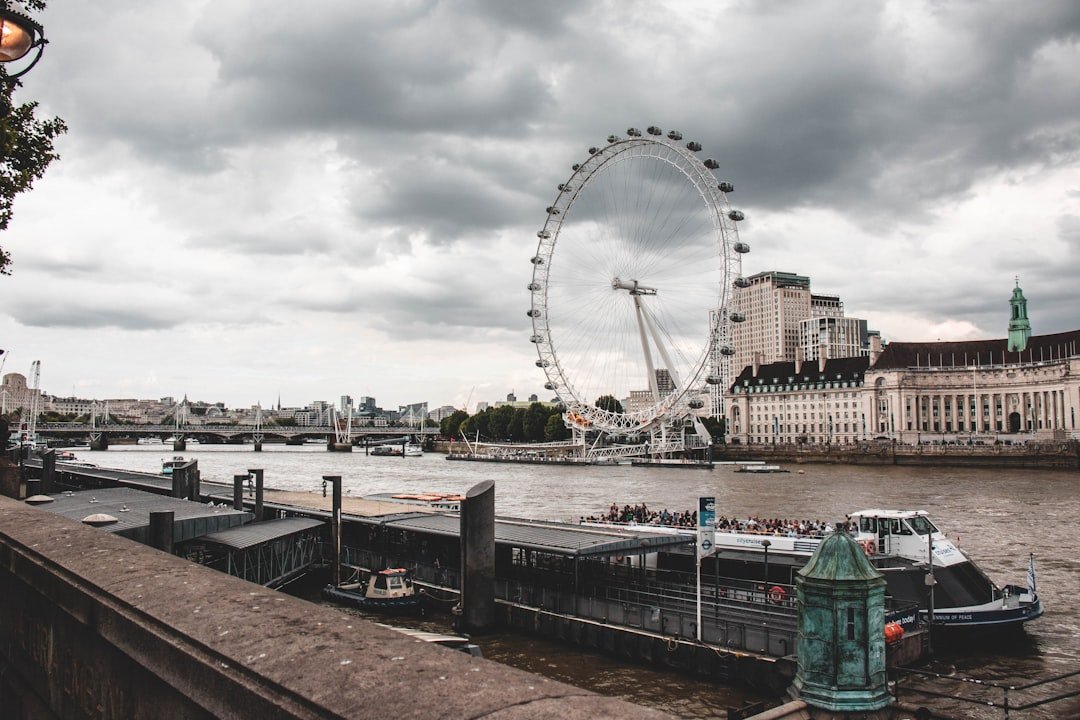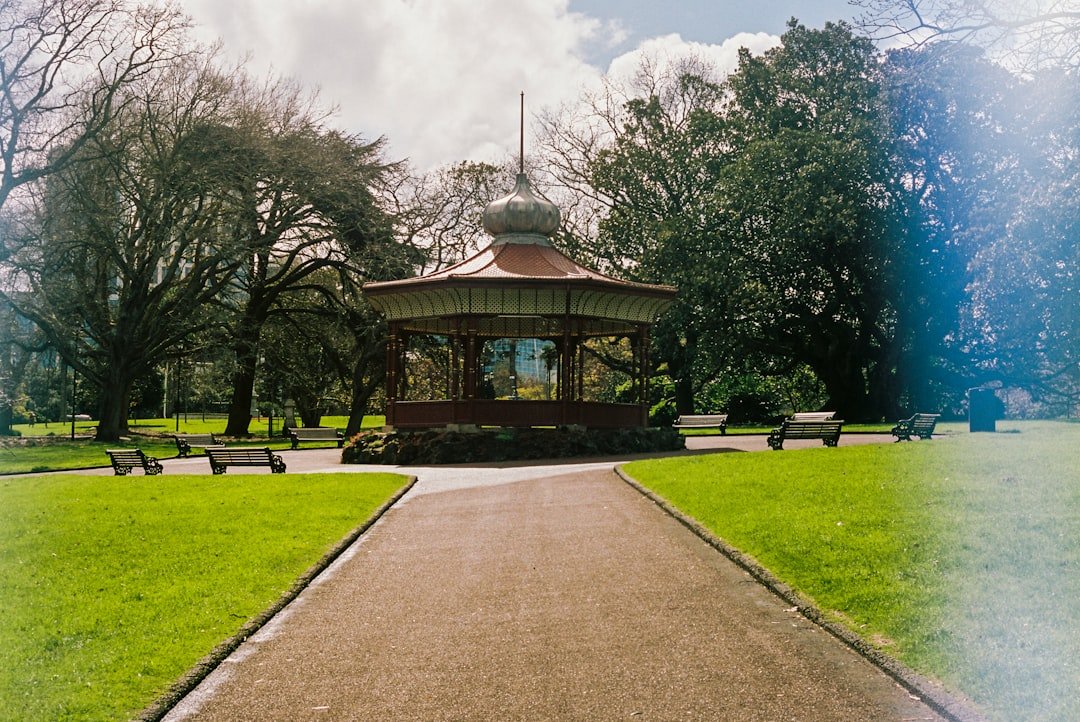
Hyde Park is one of central London’s best-known green spaces, combining open lawns, historic monuments, the Serpentine, gardens, sports facilities, cafés, and a long tradition of public gatherings. Covering about 350 acres, the park is large enough for a quiet walk or picnic yet close to major London sights and transport links. Henry VIII acquired the land in 1536, and Hyde Park later became a public park with an important role in London’s social and political history.
Quick Answer
Hyde Park is free to visit and normally opens from 5am to midnight. Allow about two to four hours for the main sights, including the Serpentine, Speakers’ Corner, the Rose Garden, and the Diana Memorial Fountain area. Use Lancaster Gate, Marble Arch, Hyde Park Corner, or Knightsbridge Tube stations depending on where you want to start.
Key Takeaways
- Hyde Park covers approximately 142 hectares, or 350 acres, in central London and is free to enter.
- Normal pedestrian-gate hours are 5am to midnight, although events, maintenance, or severe weather can cause temporary changes.
- Major Hyde Park highlights include the Serpentine, Speakers’ Corner, the Rose Garden, the Diana Memorial Fountain, Rotten Row, and historic monuments.
- The Serpentine Galleries and Diana, Princess of Wales Memorial Playground are nearby but are actually in Kensington Gardens, not Hyde Park.
- Boating, tennis, padel, horse riding, running, picnicking, and seasonal swimming are among the available activities.
- Check current Royal Parks notices before visiting because individual attractions and activities can temporarily close.
Current visitor update — September 9, 2026: The Royal Parks is currently displaying notices that the Diana Memorial Fountain’s water feature is affected by a water-system fault and that the Serpentine Lido is temporarily closed because of blue-green algae. Conditions can change, so check the official Hyde Park page before planning your visit around either attraction.
Getting to Hyde Park
Hyde Park sits in central London between areas including Mayfair, Knightsbridge, Bayswater, and Kensington. Public transport is usually the easiest way to arrive because the park has numerous entrances and is served by several Underground stations and bus routes.
According to The Royal Parks’ Hyde Park visitor information, the main Underground options are:
- Lancaster Gate — Central line: useful for the north-western side of Hyde Park and the Serpentine area.
- Marble Arch — Central line: convenient for Speakers’ Corner and the north-east corner.
- Hyde Park Corner — Piccadilly line: useful for the south-east corner, Apsley Gate, and nearby Wellington Arch.
- Knightsbridge — Piccadilly line: convenient for the southern side of the park and the area near the Serpentine.
Paddington is the closest major mainline railway station and sits roughly 500 metres north of West Carriage Drive. It is useful for visitors arriving on national rail services, the Elizabeth line, or Heathrow Express.
Many London bus routes also run along the roads surrounding Hyde Park. Because routes and diversions can change, check Transport for London journey information on the day you travel.
Cycling is another option. TfL cycle-hire points are available around the park, and Hyde Park includes permitted cycling routes. Remember that some paths are shared with pedestrians, who have priority.
Driving is possible, and Hyde Park has parking options, but spaces are charged and central London traffic can be slow. Public transport is usually simpler for sightseeing.
Pro Tip: Choose your Tube station based on what you want to see first. Use Marble Arch for Speakers’ Corner, Hyde Park Corner for the south-east entrance, or Lancaster Gate if you want to begin closer to the Serpentine and then walk west toward Kensington Gardens.
Navigating Hyde Park
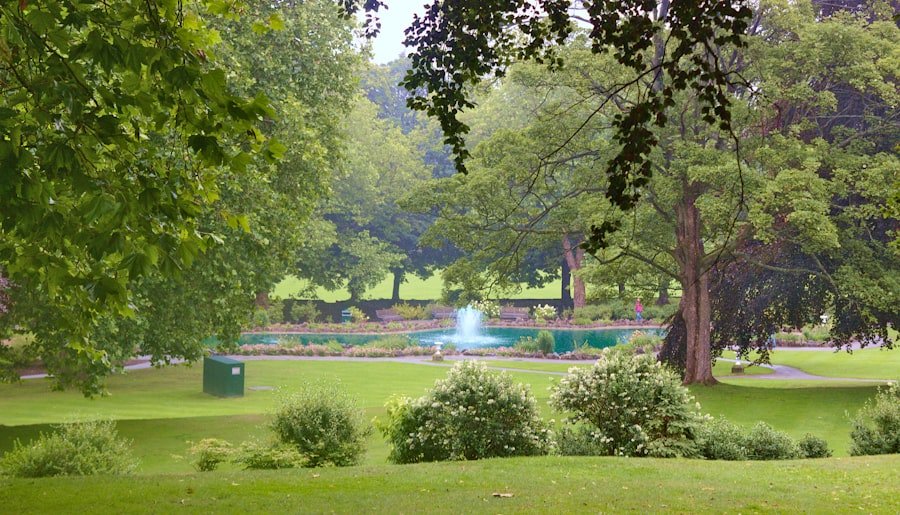
Once inside Hyde Park, the easiest way to explore is on foot. Broad paths cross the park, and several routes connect major sights such as Speakers’ Corner, the Serpentine, the Rose Garden, Rotten Row, the Diana Memorial Fountain area, and West Carriage Drive.
The Broad Walk is one of the park’s important north-south routes. It is used by both walkers and cyclists, so stay aware of other visitors and keep to a comfortable pace.
The Serpentine provides an easy visual reference through the center and western side of Hyde Park. Walking beside the water is one of the most pleasant ways to explore, with cafés, boating facilities, wildlife, and open lawns nearby.
The Rose Garden near the south-east side of Hyde Park is especially attractive in summer. The Royal Parks notes that June and July are particularly good months for its seasonal rose displays.
For exact entrances, toilets, cafés, cycle parking, drinking fountains, playgrounds, and accessible facilities, use the official Hyde Park map.
How long should you spend in Hyde Park?
For a first visit, about two hours is enough for a relaxed walk past several major sights. Three to four hours gives you more time for a café stop, boating, gardens, monuments, or a detour into neighboring Kensington Gardens.
If you plan to combine Hyde Park with the Serpentine Galleries, Kensington Palace area, or the Diana Memorial Playground in Kensington Gardens, a half-day visit is more comfortable.
Hyde Park and Kensington Gardens are separate parks
Hyde Park and Kensington Gardens meet along West Carriage Drive and the Serpentine Bridge, so it is easy to walk from one into the other without realizing you have crossed into a different Royal Park.
This distinction matters because several attractions commonly grouped with Hyde Park are actually in Kensington Gardens. Both Serpentine South and Serpentine North are in Kensington Gardens, as is the Diana, Princess of Wales Memorial Playground.
Must-See Attractions in Hyde Park
The Serpentine
The Serpentine is one of Hyde Park’s defining features. Paths around the water offer views of birds, boats, swimmers when the Lido is operating, and the surrounding lawns. It is a popular area for walking, relaxing, and having a picnic.
Boating is available through much of the year, with opening days and hours changing by season and weather. Visitors can typically choose from row boats and pedal boats, while current options and schedules are listed by The Royal Parks.
Diana, Princess of Wales Memorial Fountain
The Diana Memorial Fountain is one of Hyde Park’s best-known modern memorials. Opened in 2004, it was designed as a flowing granite watercourse with water moving in two directions before meeting in a calmer pool.
Visitors can normally sit along the edge and, when conditions allow, refresh their feet in the water. The surrounding route includes wheelchair-suitable access. Dogs other than registered assistance dogs and alcohol are not permitted within the memorial area.
As of September 9, 2026, the water feature remains affected by a fault. Check the official Diana Memorial Fountain page for the latest status before visiting specifically to see the water running.
Speakers’ Corner
Speakers’ Corner sits near Marble Arch at the north-east edge of Hyde Park and has been associated with public speaking, protest, and debate since the 19th century. The right to hold public meetings in this part of Hyde Park developed through the political struggles of the 1800s.
Anyone may still speak there provided the activity remains lawful. Sunday mornings are traditionally the best time to find speakers and groups gathering for discussions. Learn more from the official Speakers’ Corner history.
The Rose Garden
The Hyde Park Rose Garden provides a more peaceful contrast to the busy paths and event spaces. Roses are mixed with herbaceous planting to create seasonal color and fragrance, with the main display generally strongest during summer.
Historic monuments and memorials
Hyde Park contains numerous monuments and memorials, including the Holocaust Memorial, the Animals in War Memorial near the park’s eastern boundary, and the Reformers’ Tree mosaic. Exploring these sites gives visitors a better sense of the park’s political and social history.
Hyde Park covers approximately 142 hectares, or 350 acres, giving visitors plenty of room to combine major landmarks with quieter gardens, lawns, and lakeside paths.
Activities in Hyde Park
Hyde Park is more than a sightseeing stop. Its size and central location make it one of London’s most useful spaces for outdoor recreation.
Boating
Visitors can hire boats on the Serpentine during operating periods. Boating normally runs daily through much of the warmer part of the year, with a reduced schedule in winter and possible closures during poor weather.
Swimming
Public swimming is normally offered at the designated Serpentine Lido during its seasonal public sessions. The usual public season runs through part of late spring and summer, but opening dates and hours can vary.
Warning: Do not swim elsewhere in Hyde Park’s lakes or water bodies. Public swimming is permitted only at the Serpentine Lido during designated sessions. As of September 9, 2026, the Lido is temporarily closed because of blue-green algae and will reopen only when water testing confirms safe conditions.
Tennis, padel, football, and other sports
The Courts at Hyde Park provide bookable tennis and padel facilities, while other available sports include football, netball, table tennis, and lawn bowls. Some facilities require payment or advance booking.
Check the official Hyde Park sports and leisure page for current availability.
Horse riding
Hyde Park has a long association with horse riding. Rotten Row is one of its most famous riding routes, and the park also has riding arenas and additional equestrian routes. Public rides are normally arranged through licensed local stables rather than simply arriving with a hired horse.
Walking, running, and cycling
The park’s network of broad paths makes walking and running easy. Cycling is permitted on designated and shared routes, but riders should slow down around busy pedestrian areas and remember that pedestrians have priority on shared paths.
Activities for families
Families do not need to leave Hyde Park to find a playground. The Hyde Park playground sits near South Carriage Drive on the southern boundary of the park.
The well-known Diana, Princess of Wales Memorial Playground with its Peter Pan-inspired play areas is different: it is located next to Kensington Palace in neighboring Kensington Gardens. The playground reopened on August 5, 2026 after a major renewal, so it can be a useful addition if you are exploring both parks.
Picnics and relaxing on the lawns
Informal picnics are welcome in Hyde Park, and the open lawns provide plenty of room to sit when conditions are suitable. Bring a reusable blanket or find a bench, and take rubbish home or use the available bins.
Barbecues, open fires, and fire lighting are prohibited in the Royal Parks.
Dining Options in Hyde Park
Hyde Park has several cafés and refreshment kiosks, so visitors do not need to leave the park for a drink, snack, or simple meal.
Serpentine Bar & Kitchen
Serpentine Bar & Kitchen overlooks the lake and serves breakfast, hot dishes, sandwiches, salads, cakes, drinks, and takeaway items. Its lakeside location makes it convenient during a walk around the Serpentine.
Serpentine Lido Café
The Serpentine Lido Café is on the south side of the Serpentine, near the Diana Memorial Fountain. It offers hot and cold food, vegetarian and vegan choices, drinks, and a large outdoor seating area. It is a casual lakeside café rather than a formal upscale restaurant.
The Courts Café and The Lodge Café
The Courts Café is convenient for the sports facilities and surrounding gardens, while The Lodge Café at Hyde Park Corner is useful if you enter or leave through the south-east side of the park.
Smaller kiosks are also positioned around Hyde Park for coffee, ice cream, sandwiches, and snacks. The official food and drink page provides current venue information.
You can also bring your own picnic. This is a better fit for a Hyde Park visit than leaving the park solely for an unrelated snack stop, especially if you want to make the most of the lawns and lakeside scenery.
Shopping Near Hyde Park
Hyde Park itself is primarily a park rather than a shopping destination, but several major London shopping areas are close to its entrances.
Oxford Street begins near Marble Arch, making it convenient after visiting Speakers’ Corner. Knightsbridge is immediately south of the park and offers a mix of department stores, luxury retailers, cafés, and restaurants.
Notting Hill and Portobello Road are farther west and north-west, so they work better as an additional outing rather than a quick stop in the middle of a Hyde Park walk. If shopping is a priority, plan your park route so you finish near the neighborhood you want to explore.
Events and Festivals in Hyde Park
Hyde Park hosts some of London’s largest seasonal events. Major summer concerts are held during BST Hyde Park, while Hyde Park Winter Wonderland typically brings rides, entertainment, food, markets, and seasonal attractions during the festive period.
Event schedules change each year, and large events can affect paths, entrances, traffic, parking, and access to sections of the park. Some events are ticketed even though ordinary entry to Hyde Park itself is free.
If you are visiting specifically for a major event, check the official park notices and event information before traveling. If you want a quieter park experience, checking the event calendar can also help you avoid the busiest dates.
Safety Tips for Visiting Hyde Park
Hyde Park is heavily used by residents and visitors, but normal city precautions still make sense. Keep phones, wallets, bags, and cameras secure, particularly around busy entrances, events, cafés, and transport hubs.
If you visit early in the morning or later in the evening, stay aware of your surroundings and use busier, well-lit routes where practical. Hyde Park’s normal pedestrian gates close at midnight, so do not assume you can remain inside overnight.
Families should agree on a meeting point if traveling with older children and keep younger children close near roads, busy paths, boating areas, and the water.
Cyclists and pedestrians share parts of the park. Walk predictably, look before crossing cycle routes, and avoid blocking busy paths when stopping for photographs.
Swimming should only take place at the Serpentine Lido during authorized public sessions. Never enter other park lakes or water bodies for swimming.
Eco-Friendly Tips for Visiting Hyde Park
Using the Underground, bus services, walking, or cycling is an easy way to reach Hyde Park without adding another car journey in central London.
Bring a reusable water bottle and use drinking fountains where available. Reusable food containers and cutlery also reduce waste if you plan to picnic.
Take rubbish home or use park bins, and avoid feeding wildlife unsuitable food. Litter around the Serpentine and lawns can harm birds and other animals.
Stay on appropriate paths in planted areas and respect temporary closures designed to protect landscapes, wildlife, or visitor safety.
Remember that barbecues and open fires are prohibited. A cold picnic from home or food from one of the park cafés is a safer alternative.
Accessibility and Visitor Facilities
Hyde Park has broad surfaced routes and a range of accessible visitor facilities. The official map identifies accessible toilets, baby-changing facilities, accessible parking, drinking fountains, cycle parking, cafés, and other services.
Accessible toilets are available at several locations, including facilities near the Serpentine and other visitor areas. Some public toilets in the Royal Parks may carry a small charge, so having a contactless payment method is useful.
The Diana Memorial Fountain area includes a wheelchair-suitable path. Hyde Park’s boating operation also offers accessible options and lifting equipment for visitors who need additional assistance.
If accessibility is central to your visit, check the official map and activity provider information before arrival because individual facilities, lifts, routes, or toilets can occasionally be unavailable.
Best Time to Visit Hyde Park
Hyde Park can be visited year-round, but the experience changes considerably with the season.
- Spring: comfortable walking weather, fresh foliage, and longer daylight.
- Summer: good for picnics, roses, outdoor sports, boating, and major events, but also the busiest period.
- Autumn: cooler walking weather and changing tree colors with generally fewer summer crowds.
- Winter: quieter daytime walks outside major festive-event areas, with shorter daylight hours and colder conditions.
For a quieter visit during busy months, arrive in the morning. Late afternoon can also be pleasant, but check sunset time and allow enough time to reach your preferred exit before the park closes.
A simple two-hour Hyde Park route
- Enter near Marble Arch and spend a little time at Speakers’ Corner.
- Walk south through the park toward the Serpentine.
- Follow the lakeside path toward Serpentine Bar & Kitchen.
- Continue along the water toward the Diana Memorial Fountain area.
- Loop through the Rose Garden or follow paths back toward Hyde Park Corner.
This route covers several of the park’s best-known features without requiring a full-day visit.
A half-day route with Kensington Gardens
For a longer visit, continue west across the Serpentine Bridge into Kensington Gardens. You can add the Serpentine Galleries, Kensington Palace area, Italian Gardens, Peter Pan statue, or the Diana Memorial Playground before leaving from the western or northern side of Kensington Gardens.
Note: Hyde Park and Kensington Gardens have separate park identities and can have different opening hours. Check the correct park page if your itinerary crosses between them late in the day.
Conclusion and Final Tips for Visiting Hyde Park
Hyde Park combines history, recreation, gardens, public debate, cafés, sports, and one of central London’s best-known lakeside landscapes. Because it is approximately 350 acres, trying to see everything in a rushed visit is unnecessary. Choose a few priorities and build your route around the nearest entrance.
For a first visit, the Serpentine, Speakers’ Corner, the Rose Garden, and the Diana Memorial Fountain area create a good introduction to the park. Add boating, sports, a picnic, or neighboring Kensington Gardens if you have more time.
Arriving earlier in the day can make walking and photography more relaxed, while checking current Royal Parks notices helps you avoid disappointment from temporary closures, maintenance, water-quality issues, or major events. Comfortable shoes, a reusable water bottle, and a simple route are usually all you need for an enjoyable visit.
Sources
- The Royal Parks — Hyde Park — current park notices, general visitor information, attractions, and opening times.
- The Royal Parks — Hyde Park FAQs — park size, transport, parking, facilities, and visitor information.
- The Royal Parks — Hyde Park Sports & Leisure — boating, swimming, sports, horse riding, and recreation.
- The Royal Parks — Diana Memorial Fountain — memorial information, accessibility, rules, hours, and current status.
- The Royal Parks — Diana Memorial Playground — correct Kensington Gardens location and 2026 reopening information.
- Serpentine Galleries — Plan Your Visit — confirms both Serpentine galleries are located in Kensington Gardens.
Frequently Asked Questions
What is Hyde Park?
Hyde Park is a Royal Park in central London covering approximately 142 hectares, or 350 acres. It contains the Serpentine, gardens, monuments, cafés, playground and sports facilities, Speakers’ Corner, and large open lawns used for recreation and major events.
What are the main attractions in Hyde Park?
Popular Hyde Park attractions include the Serpentine, Diana, Princess of Wales Memorial Fountain, Speakers’ Corner, the Rose Garden, Rotten Row, historic monuments, sports facilities, and lakeside cafés. The Serpentine Galleries are nearby but are located in Kensington Gardens.
How can I get to Hyde Park?
The main nearby Underground stations are Lancaster Gate and Marble Arch on the Central line and Hyde Park Corner and Knightsbridge on the Piccadilly line. Paddington is the closest major mainline railway station, and numerous bus routes serve roads around the park.
Are there any entrance fees to visit Hyde Park?
No. Ordinary entry to Hyde Park is free. However, specific activities, sports facilities, boating, major events, parking, and some other services can have separate charges.
What time does Hyde Park open and close?
Hyde Park’s pedestrian gates normally open at 5am and close at midnight every day. Temporary closures or access changes can occur because of events, maintenance, or severe weather, so check current Royal Parks notices before traveling.
How long should I spend in Hyde Park?
About two hours is enough for several major sights and a lakeside walk. Three to four hours is better if you want a café stop, gardens, boating or sports. Allow roughly half a day if you also plan to explore neighboring Kensington Gardens.
Can you swim or go boating in Hyde Park?
Boating is available on the Serpentine during scheduled operating periods, subject to seasonal hours and weather. Public swimming is allowed only at the Serpentine Lido during designated sessions. As of September 9, 2026, the Lido is temporarily closed because of blue-green algae.
Is the Diana Memorial Playground in Hyde Park?
No. The Diana, Princess of Wales Memorial Playground is in neighboring Kensington Gardens beside Kensington Palace. Hyde Park has its own playground near South Carriage Drive.
What are some useful tips for visiting Hyde Park?
Wear comfortable shoes, choose your entrance based on the attractions you want to see, bring a reusable water bottle, and check official notices for temporary closures. Morning visits are often quieter, and a simple two- to four-hour route is usually enough for a first visit.