

Tower Bridge, an iconic symbol of London, has a rich history that dates back to the late 19th century. The bridge was conceived in response to the increasing need for a crossing over the River Thames, particularly in the East End, where the existing bridges were insufficient to accommodate the growing traffic demands of the city. The design process began in 1876, led by Sir Horace Jones, the City Architect of London.
His vision was to create a bascule bridge that would allow tall ships to pass through while also providing a functional crossing for pedestrians and vehicles. Construction commenced in 1886 and took eight years to complete, officially opening to the public on June 30, 1894. The bridge’s design is a blend of Victorian Gothic architecture and modern engineering techniques of the time.
Its two towers, standing at 65 meters high, are constructed from steel and clad in Cornish granite, giving it a distinctive appearance that complements the historic Tower of London nearby. The bascule mechanism, which allows the bridge to lift, was revolutionary for its time and was powered by steam until it was converted to electricity in the 1970s. Tower Bridge not only serves as a vital transportation link but also stands as a testament to the ingenuity and ambition of Victorian engineering.
Key Takeaways
- Tower Bridge is an iconic symbol of London and has a rich history dating back to the late 19th century.
- When planning your visit to Tower Bridge, be sure to check the opening times and ticket prices in advance.
- There are various transportation options to get to Tower Bridge, including the London Underground, bus, and riverboat services.
- The Tower Bridge Exhibition offers a fascinating insight into the bridge’s history, with interactive displays and stunning views of the city.
- Don’t miss the opportunity to walk on the glass floor and experience the thrill of looking down at the traffic and river below.
Planning Your Visit to Tower Bridge
When planning a visit to Tower Bridge, it is essential to consider the best times to go in order to avoid crowds and fully appreciate this architectural marvel. The bridge is open year-round, with varying hours depending on the season. Typically, it opens at 9:30 AM and closes at 5:30 PM during winter months, while summer hours extend until 9:00 PM.
Weekdays tend to be less crowded than weekends, making them ideal for those who prefer a quieter experience. Additionally, visiting during off-peak seasons, such as late autumn or early spring, can enhance your experience as you navigate through fewer tourists. Tickets for the Tower Bridge Exhibition can be purchased online in advance, which not only saves time but often provides discounts compared to on-site purchases.
The exhibition includes access to both the glass-floored walkway and the high-level walkways, offering unique perspectives of London and the Thames below. It is advisable to check for any special events or temporary exhibitions that may coincide with your visit, as these can enrich your experience and provide deeper insights into the bridge’s history and significance.
Getting to Tower Bridge: Transportation Options
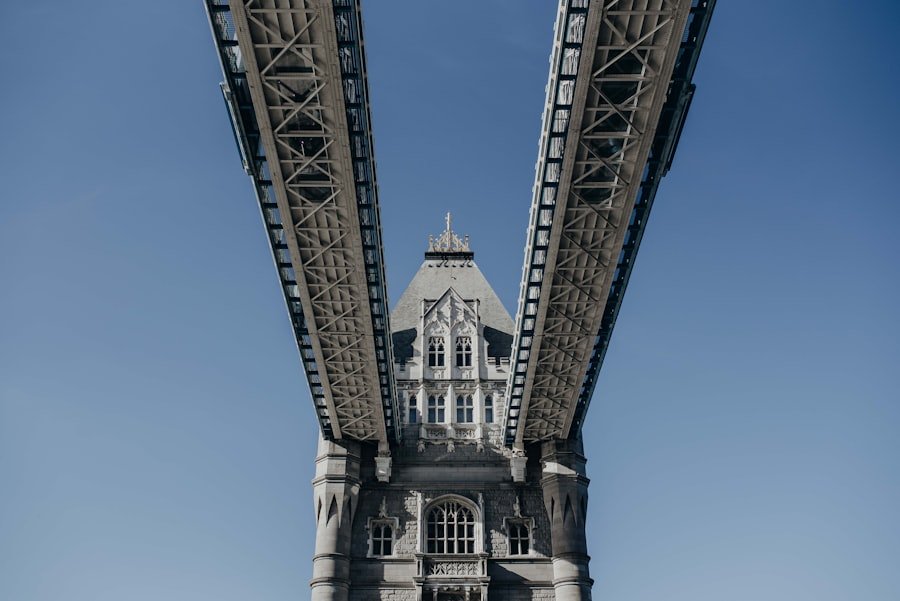
Reaching Tower Bridge is relatively straightforward due to its central location in London. The bridge is well-served by public transportation options, making it accessible from various parts of the city. The nearest Underground station is Tower Hill, which is just a short walk away.
This station is on the District and Circle lines, providing easy connections from major hubs like Westminster and Victoria. Additionally, London Bridge station is within walking distance and serves both National Rail services and the Northern line. For those preferring bus travel, several routes stop near Tower Bridge, including numbers 15, 42, and 78.
These buses connect with other parts of London and can be a scenic way to approach the bridge. Cycling is another popular option; there are dedicated bike lanes leading to Tower Bridge, and bike rental services like Santander Cycles are available throughout the city. For visitors who wish to enjoy a leisurely approach, walking along the Thames Path offers stunning views of the river and surrounding landmarks before arriving at this iconic structure.
Exploring the Tower Bridge Exhibition
The Tower Bridge Exhibition provides an immersive experience that delves into the history and engineering of this remarkable structure. Visitors can explore interactive displays that detail the bridge’s construction and its role in London’s development over the years. The exhibition features historical photographs, artifacts, and even personal stories from those who worked on or lived near the bridge during its construction phase.
This narrative not only highlights the technical challenges faced but also showcases the human element behind such an ambitious project. One of the most captivating aspects of the exhibition is its focus on the bridge’s original steam engines, which powered the bascule mechanism for many years. These engines have been preserved and are on display, allowing visitors to appreciate the sheer scale and complexity of Victorian engineering.
The exhibition also includes access to the engine rooms, where you can see how these machines operated and learn about their significance in maintaining the bridge’s functionality over time.
Taking a Walk on the Glass Floor
One of the most thrilling experiences at Tower Bridge is walking across its glass-floored walkway. Suspended 42 meters above the River Thames, this unique feature offers an exhilarating perspective of both the river below and the bustling traffic above. The glass panels are designed to withstand significant weight while providing an unobstructed view of boats passing beneath and pedestrians crossing above.
This innovative design element allows visitors to feel as though they are walking on air while experiencing a sense of connection with the river that has played such a vital role in London’s history. As you traverse this transparent walkway, you can observe not only the river but also various landmarks along the Thames, including the historic Tower of London and modern skyscrapers like The Shard. The juxtaposition of old and new architecture creates a fascinating visual narrative that reflects London’s evolution over centuries.
For those seeking an adrenaline rush or simply wanting to capture stunning photographs, walking on the glass floor is an unforgettable highlight of any visit to Tower Bridge.
Enjoying the Views from the High-Level Walkways
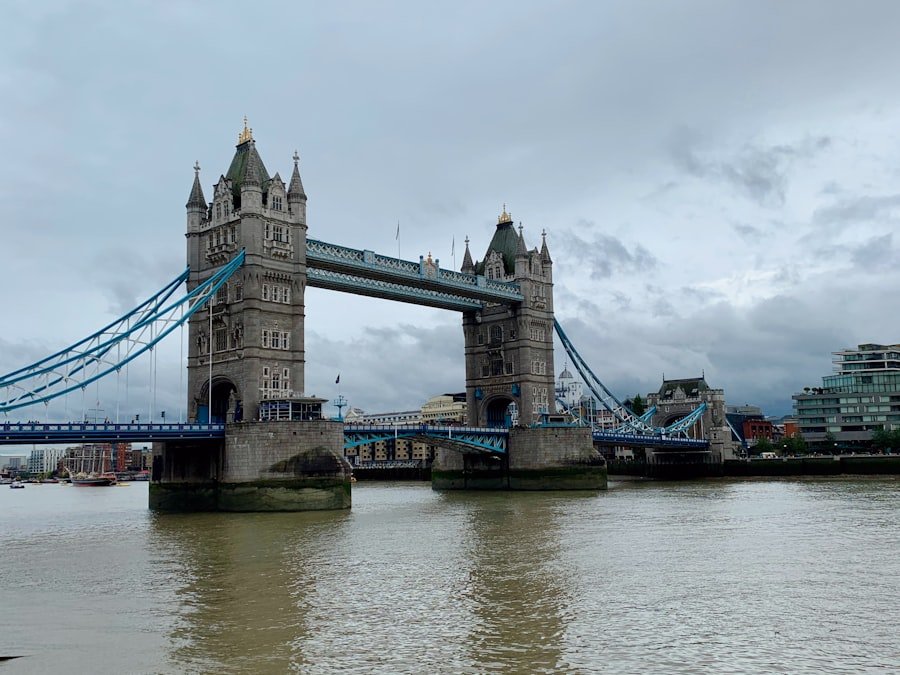
The high-level walkways of Tower Bridge offer breathtaking panoramic views of London that are simply unparalleled. At a height of 43 meters, these walkways provide visitors with an opportunity to see iconic landmarks such as St. Paul’s Cathedral, The Shard, and even as far as Greenwich on clear days.
The vantage point allows for a unique perspective on how London has developed around this historic crossing over time. In addition to stunning views, these walkways are equipped with informative displays that educate visitors about various aspects of London’s history and architecture. You can learn about significant events that have taken place along the Thames and how they have shaped the city’s landscape.
The combination of breathtaking scenery and educational content makes this experience enriching for visitors of all ages.
Attending Special Events at Tower Bridge
Tower Bridge is not just a static monument; it also serves as a vibrant venue for special events throughout the year. From art exhibitions to seasonal celebrations like Christmas markets or summer festivals, there is often something happening at or around this iconic structure. These events provide an opportunity for visitors to engage with local culture while enjoying one of London’s most famous landmarks.
For instance, during certain times of the year, Tower Bridge hosts themed events that celebrate its history or highlight contemporary art installations. These events often include guided tours led by knowledgeable staff who share fascinating stories about the bridge’s past and its significance in modern London life. Attending one of these events can enhance your visit by providing deeper insights into both Tower Bridge itself and its role within the broader context of London’s cultural landscape.
Dining and Shopping at Tower Bridge
While visiting Tower Bridge, you will find several dining options that cater to various tastes and preferences. From casual cafes offering light snacks to more formal dining experiences with stunning views of the Thames, there is something for everyone. One popular spot is The Bridge Lounge Café located within the exhibition area; it provides a comfortable setting where visitors can relax with refreshments after exploring the exhibition.
For those looking to take home a piece of their experience, there are also gift shops located near Tower Bridge that offer a range of souvenirs, from traditional British memorabilia to unique items inspired by the bridge itself. These shops often feature locally made products that reflect London’s rich artistic heritage. Whether you’re looking for a memento or simply want to enjoy a meal with a view, dining and shopping options around Tower Bridge enhance your overall visit.
Understanding Tower Bridge’s Engineering and Architecture
The engineering behind Tower Bridge is as fascinating as its history. The bridge employs a bascule design that allows it to lift vertically to accommodate passing ships—a feat made possible by its intricate system of counterweights and hydraulic mechanisms. Originally powered by steam engines, these systems have evolved over time; today’s hydraulic power is generated using electricity while maintaining efficiency and reliability.
Architecturally, Tower Bridge stands out due to its Gothic Revival style characterized by pointed arches and decorative elements that echo medieval architecture. This design was intentional; it was meant to harmonize with nearby historical structures like the Tower of London while also showcasing modern engineering capabilities of its time. The combination of aesthetic appeal and functional design makes Tower Bridge not only an engineering marvel but also an enduring symbol of London’s architectural heritage.
Tips for Visiting Tower Bridge with Children
Visiting Tower Bridge with children can be an exciting adventure filled with learning opportunities. To make the experience enjoyable for younger visitors, consider planning your visit around interactive elements within the exhibition that cater specifically to children’s interests. Many exhibits include hands-on activities that engage kids in learning about engineering principles or historical facts in a fun way.
Additionally, taking breaks during your visit is essential when exploring with children; there are several green spaces nearby where families can relax or have a picnic while enjoying views of the river. Engaging children in discussions about what they see—such as spotting different types of boats or discussing historical events related to landmarks visible from the bridge—can enhance their understanding and appreciation for what they are experiencing.
Making the Most of Your Visit: Insider Tips and Tricks
To truly maximize your experience at Tower Bridge, consider arriving early in the day when crowds are minimal; this allows for more leisurely exploration without feeling rushed through exhibits or viewpoints. If you’re keen on photography, early morning light provides excellent conditions for capturing stunning images without interference from other visitors. Another insider tip is to take advantage of guided tours offered at various times throughout the day; these tours provide valuable insights from knowledgeable guides who can share lesser-known stories about Tower Bridge’s history and engineering feats.
Lastly, don’t forget to check out any temporary exhibitions or events happening during your visit—these can add unexpected layers of enjoyment and education to your experience at this iconic landmark.
If you’re looking for a delicious and healthy snack to enjoy after your visit to Tower Bridge, check out this article on homemade cottage cheese. It’s a simple and nutritious option that will satisfy your taste buds. Or, if you’re interested in exploring more about Asian cuisine, take a look at this article on Asian melon. And for music fans, there’s sad news about the passing of rock legend Ozzy Osbourne in this article here.
FAQs
What are the opening hours of Tower Bridge?
Tower Bridge is open to visitors from 9:30am to 5:00pm daily, with the last admission at 4:30pm.
What is the best way to get to Tower Bridge?
The best way to get to Tower Bridge is by public transportation. The nearest tube stations are Tower Hill and London Bridge, and there are also several bus routes that stop nearby.
Is there an entrance fee to visit Tower Bridge?
Yes, there is an entrance fee to visit Tower Bridge. The ticket prices vary for adults, children, and seniors, and there are also family and group discounts available.
Are there guided tours available at Tower Bridge?
Yes, there are guided tours available at Tower Bridge. Visitors can join a guided tour to learn about the history and engineering of the bridge, as well as access areas such as the engine rooms and high-level walkways.
Can visitors access the glass floor walkway at Tower Bridge?
Yes, visitors can access the glass floor walkway at Tower Bridge. The walkway provides a unique and thrilling view of the bridge and the River Thames below.