London packs centuries of history, world-class museums, royal landmarks, markets, theater and food into a city of around nine million people where more than 300 languages are spoken. With only 48 hours, you cannot see everything, but you can cover many of the capital’s signature experiences if you group attractions by area, start early and reserve the busiest sights before you arrive.
Quick Answer
A strong 48-hour London itinerary combines Westminster, Buckingham Palace, Covent Garden and the British Museum on day one, then the Tower of London, Tower Bridge, Borough Market and Tate Modern on day two. Finish with the London Eye, South Bank or a West End show, and use contactless public transport between areas.
Key Takeaways
- Group attractions by neighborhood so you spend more of your 48 hours sightseeing and less time crossing London.
- Check the official Changing of the Guard calendar instead of assuming the ceremony takes place every day.
- Book high-demand attractions such as Westminster Abbey, the Tower of London and the London Eye ahead when your dates are fixed.
- The British Museum’s permanent collection is free, although advance free timed booking is recommended.
- Use the same contactless card, phone or Oyster card throughout each journey so Transport for London can calculate the correct fare and applicable cap.
- Keep one or two stops optional. London queues, weather and walking distances can easily change your schedule.
London’s Greater London Authority reports that more than 300 languages are spoken across the capital, one reason the city’s food, neighborhoods and cultural attractions feel so varied.
Before You Start: Plan Your 48 Hours in London
For a short visit, staying in or near Westminster, Covent Garden, Soho, the South Bank or another well-connected central area can reduce daily travel time. You do not need to stay beside every attraction, but quick access to the Tube makes an enormous difference when you have only two days.
Reserve your fixed-time attractions before building the rest of the day around them. Westminster Abbey, the Tower of London, the London Eye and popular West End performances are the stops most likely to shape your schedule. The British Museum is free for its permanent collection, but it recommends reserving a free timed ticket in advance through its official visitor page.
Pro Tip: Treat this itinerary as a priority list, not a race. If one paid attraction runs long, skip an optional interior visit rather than spending the rest of the day rushing between reservations.
Note: Westminster Abbey’s general visitor schedule changes by day, and Sunday is primarily for worship rather than normal sightseeing. Check the official Westminster Abbey visitor information before finalizing a weekend itinerary.
Day 1: Morning in London — Buckingham Palace and Westminster
Begin your first morning in the royal and political heart of London. Buckingham Palace is an easy starting point, particularly if seeing the Changing of the Guard is high on your list.
Do not rely on the old rule that the ceremony happens every day in summer and every other day in winter. The schedule can change because of ceremonial and operational requirements. The Household Division currently publishes specific dates, with Buckingham Palace guard changes generally scheduled on selected weekdays. Check the official Changing of the Guard calendar for your exact travel date.
If a guard change is taking place, arrive early enough to find a reasonable viewing position and allow extra time for crowds. If there is no ceremony that morning, enjoy the palace exterior and Victoria Memorial before walking through St. James’s Park toward Westminster.
St. James’s Park provides a quieter break between major landmarks, with landscaped paths, a lake and views toward the surrounding royal buildings. From there, continue toward Westminster Abbey.
Westminster Abbey has been at the center of British history for more than a thousand years and has served as the coronation church since 1066. Inside, you can see Gothic architecture, royal monuments and the burial or memorial places of major figures including Isaac Newton and Charles Darwin.
If you plan to enter the Abbey, allow roughly 90 minutes to two hours rather than treating it as a quick photo stop. On a tightly scheduled morning, seeing Buckingham Palace from outside and spending your paid sightseeing time inside the Abbey often provides a better balance of history and variety.
Day 1: Afternoon in London — Covent Garden and the British Museum
For lunch, continue toward Covent Garden. The neighborhood combines restaurants, cafes, market buildings, shops and street performers, making it an easy place to eat without committing to a long formal meal.
Traditional fish and chips are an obvious choice, but London’s dining culture extends far beyond classic British food. With only 48 hours, choose whatever fits your route and appetite rather than spending a large part of the afternoon traveling to a restaurant on the opposite side of the city.
After lunch, walk north toward the British Museum. Its collection contains around eight million objects covering roughly two million years of human history. Famous highlights include the Rosetta Stone, Egyptian collections, the Sutton Hoo material and the Parthenon Sculptures.
Permanent-collection admission is free, although temporary exhibitions may require paid tickets. Because the museum is enormous, trying to cover every gallery in a short London visit is unrealistic. Choose two or three areas that interest you most and allow about two hours.
The Great Court is also worth seeing for its dramatic glass roof and central Reading Room. If rain disrupts your outdoor plans, the British Museum is one of the strongest places in this itinerary to extend your visit.
Day 1: Evening in London — London Eye and the South Bank
In the evening, head back toward the Thames and the South Bank. Booking the London Eye close to sunset can give you a mix of daylight and illuminated city views, although the exact effect depends on the season and weather.
The London Eye rises 135 metres above the Thames, and one complete rotation takes approximately 30 minutes. From the wheel you can see major central-London landmarks including the Palace of Westminster and St. Paul’s Cathedral. Check current ticket availability on the official London Eye information page.
After the ride, stay on the South Bank for dinner. Restaurants range from quick casual options to full sit-down meals, so this is an easy part of the itinerary to adjust according to your budget and energy level.
Finish day one with a walk beside the Thames. The riverside is especially atmospheric after dark, and the walk gives you another perspective on the London Eye, Westminster and central London’s illuminated skyline without adding another ticketed attraction.
Day 2: Morning in London — Tower of London and Tower Bridge
Start day two at the Tower of London. This UNESCO World Heritage Site has served as a fortress, royal palace and prison, and today its most famous attraction is the Crown Jewels.
Historic Royal Palaces recommends allowing at least three hours to explore the Tower properly. Admission includes the Crown Jewels, the White Tower and other open areas, while Yeoman Warder tours are included subject to availability. Check current opening information and any temporary closures on the official Tower of London visitor page.
Arriving near opening time is one of the best ways to protect the rest of your schedule. The Tower can become busy, particularly during weekends, school holidays and peak travel months.
Afterward, walk to Tower Bridge. Crossing the bridge itself is free. If you have extra time, the paid Tower Bridge attraction gives access to the high-level walkways, Victorian Engine Rooms and glass floors. The glass-floor walkways provide a striking view down toward the road and river below.
If the Tower of London takes longer than expected, skip the Tower Bridge interior and simply walk across the bridge. That saves enough time to keep Borough Market and Tate Modern comfortably in the afternoon.
Day 2: Afternoon in London — Borough Market and Tate Modern
Cross toward London Bridge and continue to Borough Market for lunch. The market traces its history back roughly a thousand years and remains one of London’s best-known food destinations.
You will find baked goods, cheeses, produce, prepared dishes and international street food. Because it is popular, lunchtime can be crowded. If you dislike queues, arrive slightly before the busiest lunch period or choose a simple meal that can be eaten while continuing your walk.
From Borough Market, follow the river west toward Tate Modern. The museum occupies the former Bankside Power Station and is one of London’s major modern and contemporary art institutions.
General collection displays are normally free, while major temporary exhibitions may require tickets. Even visitors who are not committed art enthusiasts can enjoy the scale of the building and the Turbine Hall. Around 60 to 90 minutes works well for a short first visit; art lovers can easily spend much longer.
This part of day two is deliberately walkable. Borough Market, the Thames path and Tate Modern sit close enough together that sightseeing continues between the formal attractions instead of disappearing into transport time.
Day 2: Evening in London — West End and Soho
For your final evening, head toward London’s West End. Seeing a musical or play is one of the city’s signature nighttime experiences, and booking ahead gives you the best choice of productions and seats.
If you prefer to stay flexible, the Official London Theatre Ticket Booth in Leicester Square sells legitimate on-the-day and advance tickets, and last-minute inventory is also available online. Use the Official London Theatre ticket booth rather than an unfamiliar street reseller.
After the performance, walk into Soho for dinner or a drink. Soho’s compact streets contain restaurants, pubs, bars and late-night venues covering a wide range of cuisines and budgets.
If you do not want a theater performance, spend the evening exploring Covent Garden, Leicester Square and Soho instead. That gives you a lively final night without committing several hours to a show.
Must-See Landmarks in London
Several London landmarks deserve attention even if your 48-hour schedule only allows an exterior view.
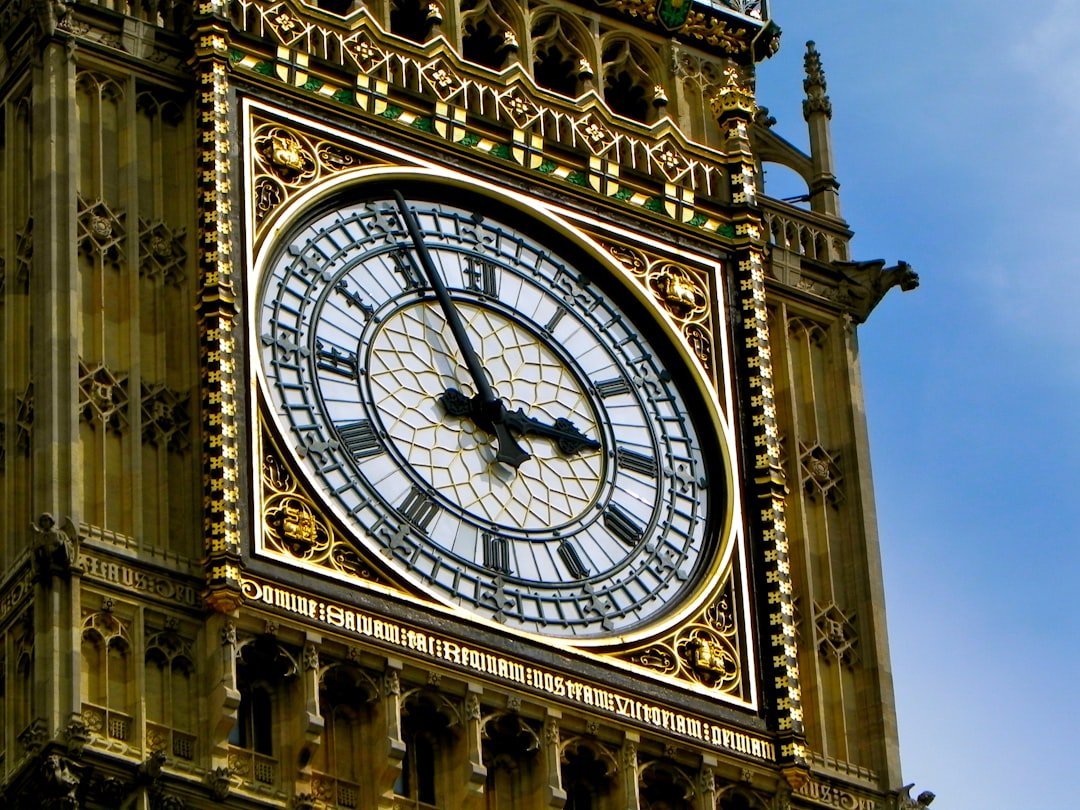
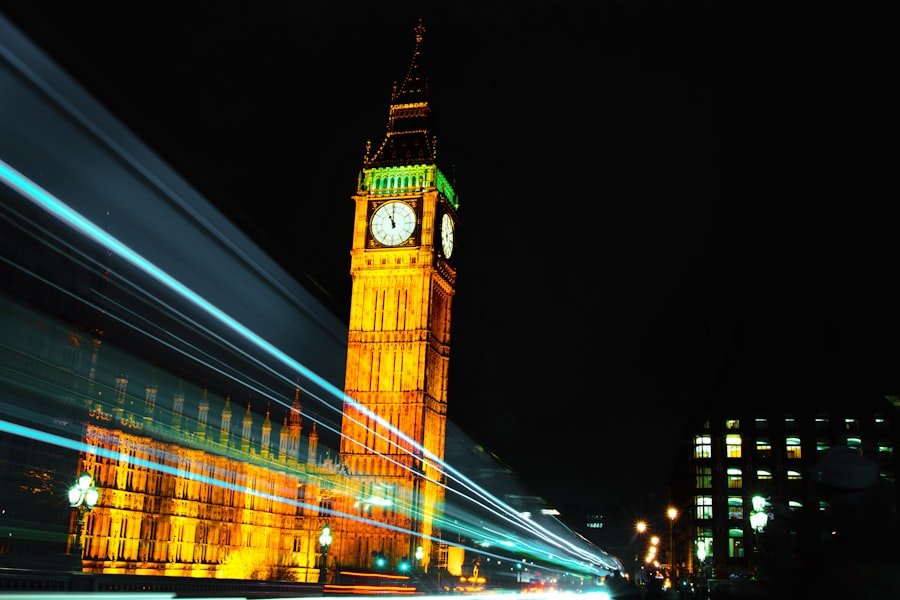
Big Ben is often used as a name for the entire clock tower, but technically Big Ben is the nickname of the Great Bell. The tower itself is Elizabeth Tower, part of the Palace of Westminster.
The article’s previous statement that the tower was “undergoing renovations until 2022” is no longer current. The major conservation project has been completed, and Big Ben’s bells returned to regular service in November 2022.
Nearby, the Palace of Westminster and Westminster Abbey create one of London’s most recognizable architectural clusters. Westminster Bridge and the opposite side of the Thames provide useful viewpoints for photographs.
St. Paul’s Cathedral is another major landmark. Sir Christopher Wren designed the present cathedral after the Great Fire of London. Visitors who climb all the way to the Golden Gallery face 528 steps in total, so the dome climb is better treated as a substantial activity rather than a quick viewpoint.
The Shard offers another elevated view of London. With such a short visit, however, you probably do not need both the Shard and the London Eye unless skyline viewpoints are a major priority. Choose one and use the saved time elsewhere.
Dining in London
London’s food scene reflects the city’s international population, so there is no need to limit a two-day trip to traditional British dishes. Fish and chips, pies, bangers and mash, a full English breakfast and afternoon tea are familiar choices, but London’s Indian, Middle Eastern, East Asian, African, European and Caribbean food scenes are equally important parts of the city.
Brick Lane is particularly associated with curry restaurants, while Borough Market offers a broad mix of local and international food. Covent Garden, Soho and the South Bank all work well for this itinerary because they allow you to combine sightseeing with meals instead of making a special journey across London.
Markets and street-food areas can also be useful for groups because everyone can choose something different. Camden Market is another popular food destination, although adding Camden to this already full 48-hour plan creates extra travel and is best saved for a return visit unless it is a personal priority.
Transportation in London
London’s public-transport network makes this itinerary practical without a car. The Underground, or Tube, has 11 lines covering about 402 kilometres and serving 272 stations. Buses, the Elizabeth line, London Overground, walking and river services provide additional options.
For most adult visitors, contactless pay as you go is the simplest approach if you have an accepted card or mobile wallet. Oyster cards remain another option. Transport for London applies pay-as-you-go caps in eligible zones, which can limit how much you pay after making several journeys.
Always use the same payment method for an entire rail journey. For example, do not touch in with a physical bank card and touch out with the same card through a phone wallet. TfL treats different devices or cards as different payment methods, which can result in an incomplete journey and a higher fare.
Check current fares and payment rules on Transport for London’s official pay-as-you-go page.
Note: Do not automatically take the Tube for every short central-London journey. Westminster, St. James’s Park, Covent Garden, Soho, Leicester Square and several Thames-side attractions are close enough that walking can be faster while also giving you extra sightseeing.
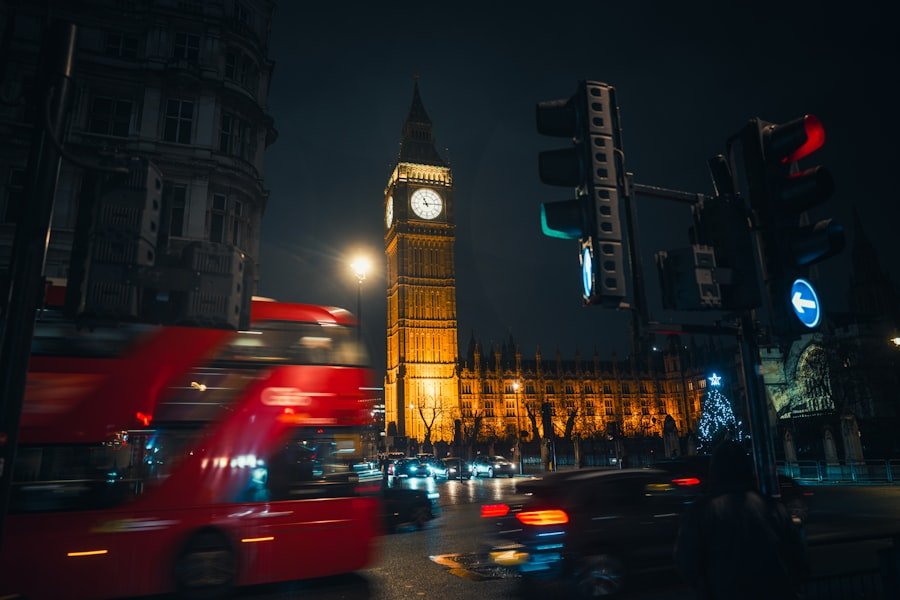
London’s red double-decker buses are useful when you want an above-ground view, but road traffic can make them slower than the Tube. For a tightly timed itinerary, use buses when the route itself adds value rather than simply because they are iconic.
Practical Tips for a Two-Day London Trip
- Start early: Morning hours are valuable at busy attractions such as the Tower of London and Westminster Abbey.
- Book the anchors first: Reserve the attractions or theater performance you care about most, then organize flexible stops around them.
- Check schedules again before leaving: Ceremonies, opening times, temporary closures and transport disruptions can change.
- Wear comfortable shoes: This itinerary includes significant walking even when you use public transport.
- Keep weather alternatives: The British Museum and Tate Modern are useful indoor options when rain makes parks or long river walks less appealing.
- Consider accessibility: Historic buildings can contain stairs, cobbles and restricted routes. Check official accessibility pages if anyone in your group has limited mobility.
- Compare sightseeing passes: A London attraction pass can save money for some visitors, but calculate the cost of the paid attractions you will realistically complete before buying one.
- Do not overschedule meals: Covent Garden, Borough Market, South Bank and Soho already sit naturally along this route.
Conclusion: Making the Most of 48 Hours in London
A 48-hour visit to London works best when you accept that it is an introduction rather than an attempt to see the entire city. Day one gives you Buckingham Palace, Westminster, Covent Garden, the British Museum and the South Bank, while day two concentrates on the Tower of London, Tower Bridge, Borough Market, Tate Modern and the West End.
Start early, keep your most important reservations fixed and let lower-priority stops remain flexible. Public transport saves time between neighborhoods, but walking is often the best way to connect nearby attractions and experience the city between landmarks.
Before traveling, recheck official attraction pages for the dates of your visit. Opening hours, ceremonial schedules, temporary closures, exhibitions and transport conditions can change, and a five-minute check before each day can prevent an expensive or time-consuming detour.
Frequently Asked Questions
What are the essential sights to see in London in 48 hours?
For a first visit, prioritize Westminster and Buckingham Palace, the Tower of London and Tower Bridge, one major museum such as the British Museum or Tate Modern, a Thames or South Bank walk and an evening in the West End or Soho. The London Eye is a useful skyline-view option if it fits your budget.
What are some recommended dining options in London?
Traditional pubs are good places to look for fish and chips, pies and other British dishes. Borough Market offers a broad selection of food stalls, Brick Lane is known for curry restaurants, and Covent Garden, Soho and the South Bank provide convenient dining without taking you far from this itinerary.
What is the best way to get around London in 48 hours?
Use the Tube or other TfL rail services for longer journeys and walk between nearby central attractions. Contactless pay as you go is convenient for many adults, while Oyster remains available. Always use the same card or device throughout each journey so the correct fare can be calculated.
What are some tips for making the most of 48 hours in London?
Group attractions by area, start early, pre-book your highest-priority paid attractions, keep at least one stop each day optional and check current opening times before leaving. Do not buy a sightseeing pass automatically; compare its price with the attractions you will realistically visit.
Does the Changing of the Guard happen every day?
No. The ceremony follows a published schedule and can also change because of operational or ceremonial requirements. Check the Household Division’s official calendar for your exact date rather than relying on a daily or seasonal rule.
Can you visit Westminster Abbey on Sunday?
Westminster Abbey is open on Sunday primarily for worship rather than normal sightseeing. If your 48-hour visit includes a Sunday, check the Abbey’s current service and visitor schedule and move your sightseeing visit to the other day when necessary.
Is the British Museum free?
Entry to the British Museum’s permanent collection is free, although some temporary exhibitions are ticketed. The museum currently recommends booking a free timed entry slot in advance, especially during busy periods.
How long should I allow for the Tower of London?
Historic Royal Palaces recommends allowing at least three hours. If your visit runs long, save time by crossing Tower Bridge without entering its paid exhibition rather than cutting short the Tower’s main attractions.
Sources
- The Household Division — Changing the Guard Calendar — current ceremony dates and schedule guidance.
- Westminster Abbey — Visit Us — visitor hours, Sunday access and historical information.
- British Museum — Plan Your Visit — free permanent-collection admission, booking and opening information.
- Historic Royal Palaces — Tower of London — admission, opening information and visitor planning.
- Transport for London — Pay As You Go — contactless, Oyster, fare caps and payment guidance.
- UK Parliament — Big Ben Returns to Regular Service — completion of the Elizabeth Tower conservation work and return of the bells.