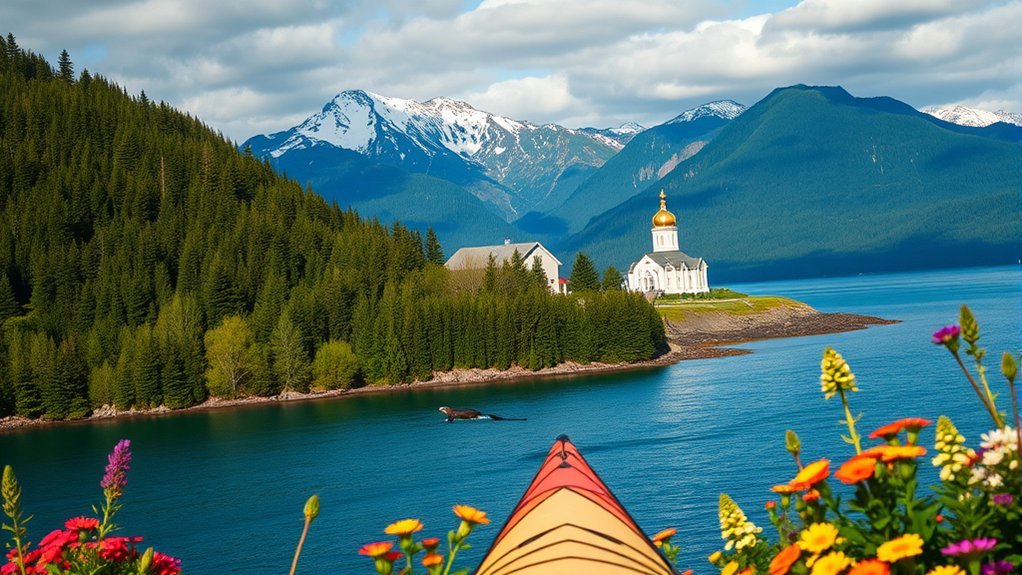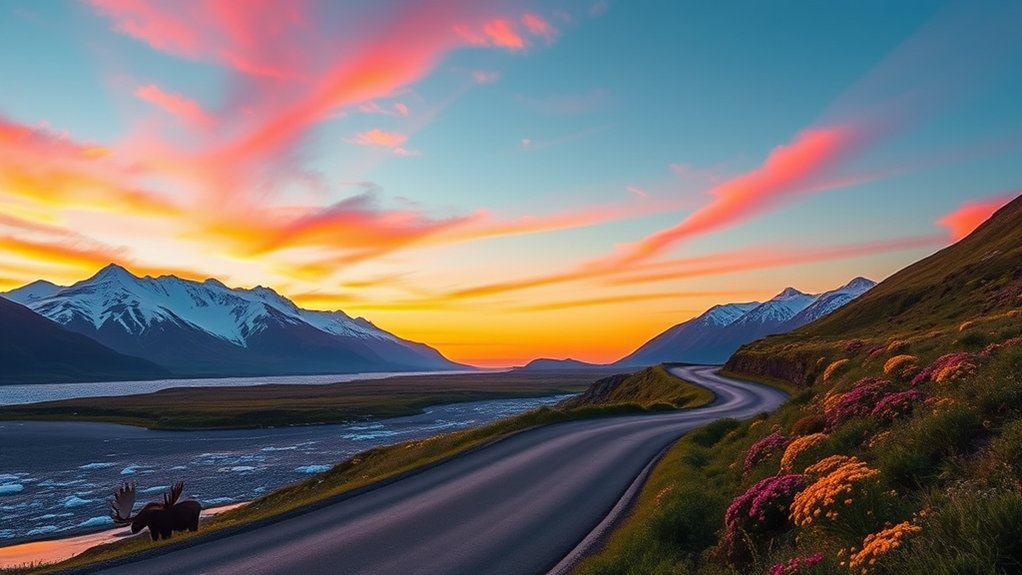
A three-day Kenai Peninsula road trip gives you a fast-moving introduction to some of Southcentral Alaska’s most memorable scenery, from Turnagain Arm and Seward to Homer, Kenai Lake, and the glacial landscapes around Kenai Fjords National Park. The route is beautiful, but distances are significant, so choosing the right activities matters more than trying to squeeze everything into one trip.
Quick Answer
A three-day Kenai Peninsula road trip can cover Anchorage, Seward, Homer, Kenai Lake, and a return toward Anchorage, but it is fast-paced. Use Day 1 for Seward and Exit Glacier, Day 2 for a shorter boat tour plus Homer, and Day 3 for Homer, Kenai Lake, and the return drive.
Key Takeaways
- The Anchorage-to-Seward drive follows the scenic Seward Highway for roughly 125 miles.
- A full Kenai Fjords glacier cruise or the Harding Icefield Trail deserves most of a day, so add a fourth day if either is a priority.
- Seward to Homer is roughly 170 miles and travels through mountain, lake, river, forest, and Cook Inlet landscapes rather than following the coast continuously.
- Check Alaska 511, weather forecasts, park conditions, and fishing regulations shortly before you travel because conditions can change quickly.
At a Glance
| Time Required | 3 days for a fast-paced itinerary; 4 days is better for a full glacier cruise or Harding Icefield hike |
| Difficulty | Moderate overall because of long driving days; hiking difficulty ranges from easy walks to strenuous alpine terrain |
| Tools Needed | Reliable vehicle, offline maps, layered clothing, rain protection, water, snacks, and appropriate outdoor gear |
| Cost | Variable; lodging, rental vehicle, fuel, food, and optional boat tours are the main expenses |
Before You Start: Route, Reservations, and Timing
The main highways on this itinerary are paved. From Anchorage, follow the Seward Highway south to Seward. On Day 2, retrace part of the Seward Highway north through Moose Pass, turn west onto the Sterling Highway near Tern Lake, continue through the Cooper Landing and Soldotna areas, and then follow the Sterling Highway south to Homer.
The Alaska Department of Transportation describes the Seward Highway as a 127-mile scenic route between Anchorage and Seward. The Seward-to-Homer leg is roughly 170 miles, so avoid planning every appealing stop you see on a map.
Summer is the easiest season for this itinerary. The National Park Service identifies June, July, and August as the primary visitor months for Kenai Fjords National Park, with reduced services during May and September. Boat-tour availability also varies by season.
Pro Tip: If a full-day Kenai Fjords glacier cruise or the Harding Icefield Trail is a must-do, turn this into a four-day trip. Either activity can consume most of a day, and rushing afterward adds unnecessary driving pressure.
Day 1: Anchorage to Seward
Leave Anchorage early and follow the Seward Highway south. The first portion skirts Turnagain Arm beneath the Chugach Mountains, providing some of the most dramatic road-access scenery on the trip.
Beluga Point is an easy roadside stop for broad Turnagain Arm views. Wildlife may also appear along the corridor, including eagles, Dall sheep, moose, and occasionally beluga whales, but sightings are never guaranteed.
Use designated pullouts instead of slowing or stopping in the travel lane when you see wildlife or want a photograph.
After Turnagain Arm, the highway turns inland through mountain valleys, lakes, and forest before reaching Moose Pass and eventually Seward. Without sightseeing stops, the drive generally takes a substantial part of the morning. With several stops, it can easily become a half-day journey.
Treat the Anchorage-to-Seward drive as part of the experience, not simply transportation between two destinations.
Exploring Seward and Kenai Fjords National Park
Seward is the road-access gateway to Kenai Fjords National Park. The park’s coastal fjords are primarily reached by boat, while Exit Glacier is the park’s only area accessible by road.
For a realistic three-day itinerary, spend the afternoon around Seward and the Exit Glacier area, then save a shorter marine trip for the next morning. If weather is poor, you can instead explore Seward’s harbor, waterfront, and indoor attractions.
Scenic Boat Tours
Boat trips departing Seward range from shorter outings in the more protected waters of Resurrection Bay to full-day trips that travel farther into Kenai Fjords National Park toward tidewater glaciers.
According to the National Park Service boat-tour guidance, local operators run tours from Seward’s small boat harbor during the summer, and advance reservations are recommended.
On marine trips you may see glaciers, steep coastal mountains, sea otters, seals, Steller sea lions, seabirds, whales, and other wildlife. What you see depends on the route, season, weather, and simple luck.
A full-day tidewater-glacier tour provides a more complete Kenai Fjords experience, but it does not pair comfortably with a same-day drive to Homer in a relaxed three-day itinerary. Choose a shorter outing if Homer must also fit into Day 2.
Note: Marine weather can affect comfort, routes, and departures. Check the forecast and your operator’s current instructions before leaving for the harbor.
Wildlife Viewing Opportunities
Kenai Fjords supports a rich mix of marine and terrestrial wildlife. Depending on location and season, you may encounter sea otters floating offshore, Steller sea lions on rocky haul-outs, harbor seals, humpback whales, orcas, puffins, bald eagles, black bears, and other species.
Bring binoculars if wildlife viewing is important to you. They let you enjoy animals without approaching them closely.
Warning: Never approach, feed, or crowd wildlife for a photograph. Bears also occur around the Exit Glacier and Harding Icefield areas. Follow current National Park Service wildlife guidance and keep food and scented items properly controlled.
Hiking Trails Exploration
The Exit Glacier area has the park’s maintained road-access trail system. The accessible Glacier View Loop is a good choice when time is limited. You can also continue toward the Exit Glacier Overlook on a moderately strenuous trail for a closer view of the glacier and its glacially carved valley.
The maintained trails do not take visitors directly to the glacier’s ice edge. Current trail descriptions and access information are available from the National Park Service Exit Glacier Area page.
For experienced hikers with a full day available, the Harding Icefield Trail is the major challenge. NPS lists it as approximately 7.8 miles round trip and advises allowing about 6 to 8 hours. The route climbs steeply through forest and alpine terrain to expansive views over the Harding Icefield.
That makes Harding Icefield a poor fit for Day 1 after driving from Anchorage unless you substantially shorten the rest of the itinerary. It is better treated as a dedicated activity on a four-day or longer trip.
Day 2: Seward to Homer
If you booked a shorter morning boat tour, depart Seward afterward and begin the roughly 170-mile drive to Homer. You will first travel north on the Seward Highway through Moose Pass before turning west onto the Sterling Highway.
The scenery changes throughout the day. Instead of hugging the ocean continuously, the road passes mountain valleys, lakes, forests, the glacially colored Kenai River corridor, and communities such as Cooper Landing and Soldotna. Farther south, clear weather can reveal sweeping Cook Inlet views and mountains across the water.
Moose Pass can be a convenient early stop for a break, while Cooper Landing is a particularly scenic area where Kenai Lake feeds the upper Kenai River.
Farther south, consider stopping only when time allows. Every scenic pullout adds to an already long driving day, and arriving in Homer before evening gives you more time to enjoy the Spit.
The best Day 2 plan is selective: choose one marine experience in Seward, a few worthwhile road stops, and enough time to enjoy Homer before dark.
Discovering the Charm of Homer
Homer sits on Kachemak Bay at the southern end of the Sterling Highway and combines a working fishing harbor, coastal scenery, galleries, restaurants, and access to wilderness across the bay.
The Homer Spit is the easiest place to start. The narrow strip of land extends about 4.5 miles into Kachemak Bay and is lined with harbor activity, shops, galleries, restaurants, and seasonal visitor services.
Scenic Coastal Views
From Homer and the Spit, you can look across Kachemak Bay toward mountains and glaciers. Bald eagles, sea otters, shorebirds, and other wildlife may be visible around the waterfront.
- Walk sections of the Homer Spit and shoreline.
- Watch fishing and charter boats moving through the harbor.
- Look across Kachemak Bay toward the mountains and glaciers.
- Carry binoculars for distant birds and marine mammals.
If you have additional time beyond this three-day itinerary, Kachemak Bay State Park is a major reason to extend your Homer stay. The park has no road access, so visitors normally travel across the bay by boat, water taxi, or aircraft.
Local Art Scene
Homer has a well-established arts community, with galleries and studios around downtown, Pioneer Avenue, and the Homer Spit. The work often reflects Alaska’s landscapes, wildlife, fishing culture, and local communities.
Depending on the galleries you visit, you may find:
| Type of Art | What You May Find |
|---|---|
| Paintings | Coastal, mountain, wildlife, and Alaska-inspired scenes |
| Sculpture | Works using wood, metal, stone, and other materials |
| Photography | Local landscapes, wildlife, and maritime subjects |
| Crafts | Jewelry, pottery, glasswork, textiles, and locally made gifts |
Browsing locally made work gives you a different view of Homer than the harbor alone and provides a practical way to support artists and craftspeople in the community.
Fresh Seafood Delights
Homer is strongly associated with commercial and sport fishing, particularly halibut. Restaurants around town and the Spit often highlight Alaska seafood.
Depending on season and availability, look for:
- Halibut
- Wild Alaska salmon
- Rockfish
- Lingcod
- Scallops
- Kachemak Bay oysters
The official Travel Alaska Homer guide also highlights the community’s combination of seafood, art, harbor activity, and access to Kachemak Bay.
Day 3: Homer to Kenai Lake
Start early because this is another substantial driving day. Leave Homer on the Sterling Highway and retrace the route north through communities along Cook Inlet, Soldotna, and the upper Kenai Peninsula toward Cooper Landing and Kenai Lake.
Homer to the Cooper Landing area is roughly 120 road miles. The landscape changes from Cook Inlet views to river and mountain scenery as you approach the eastern side of the peninsula.
Kenai Lake’s striking blue-green appearance comes from fine glacial sediment suspended in the water. The lake provides a scenic place to stretch your legs before the final section of the trip.
If this is truly a three-day Anchorage loop, keep your Kenai Lake stop fairly short and continue toward Anchorage. If you want to camp, paddle, or spend several hours exploring the lake, overnight here and make the Anchorage return Day 4.
Cooper Landing is roughly 100 road miles from Anchorage, so the trip is not finished when you reach Kenai Lake. Allow enough daylight and energy for the final drive if Anchorage is your destination that night.
Outdoor Adventures at Kenai Lake
Kenai Lake is surrounded by Chugach National Forest scenery and supports boating, camping, fishing, shoreline recreation, and access to nearby trails.
If you are extending the trip, options include:
- Paddling or boating when weather, water conditions, and your experience level make it appropriate.
- Walking along accessible shoreline areas and enjoying views of the surrounding mountains.
- Camping near the lake at developed recreation sites.
- Fishing only after checking the regulations for the exact water, species, season, and current emergency orders.
Quartz Creek Campground, part of Chugach National Forest, sits between Kenai Lake and Quartz Creek and provides camping and boating access.
If you plan to fish, review the current Alaska Department of Fish and Game regulations before you start. Emergency orders can change seasons, closures, or limits after printed regulation booklets are published.
Tips for Your Kenai Peninsula Road Trip
A little preparation makes this fast-paced Kenai Peninsula itinerary much easier.
- Check road conditions: Review Alaska DOT traveler information and 511 resources before each long driving leg.
- Download offline maps: Do this before leaving reliable service. The National Park Service states that there is no cell service or public Wi-Fi inside Kenai Fjords National Park, including the Exit Glacier area.
- Pack layers and rain protection: Conditions can differ sharply between Anchorage, mountain passes, Seward, Homer, and the coast.
- Reserve high-priority activities: Summer boat tours and popular lodging can fill well ahead of travel dates.
- Do not run the fuel tank low: Fill up when convenient rather than assuming the next stop will have the hours or services you expect.
- Carry food and water: Long scenic stops and unexpected delays are easier to handle when you have basic supplies.
- Give wildlife space: Never approach roadside animals or stop in unsafe locations for photographs.
- Stay flexible: Wind, rain, marine conditions, wildlife activity, construction, and road incidents can affect the day’s plan.
Warning: Never let a fixed itinerary pressure you into driving through conditions that feel unsafe. If heavy rain, snow, ice, poor visibility, road closures, or fatigue become a problem, shorten the day’s plan and stop somewhere safe.
Frequently Asked Questions
What is the best time of year for a Kenai Peninsula road trip?
June through August is the easiest period for this particular itinerary because Kenai Fjords National Park identifies those as its primary visitor months. May and September can also work, but some services are reduced and weather can be less predictable.
Are there recommended places to stay along the route?
For this three-day itinerary, spend Night 1 in Seward and Night 2 in Homer. Both communities have hotels, inns, cabins, vacation rentals, campgrounds, and other lodging. If you extend the trip, Cooper Landing and the Kenai Lake area are convenient choices for another night.
What wildlife might I see during the trip?
Possible sightings include moose, bald eagles, sea otters, harbor seals, Steller sea lions, puffins, whales, and bears. Species and viewing opportunities depend on season and location, and no wildlife sighting is guaranteed.
Is it safe to drive the Kenai Peninsula in winter?
The main highways remain important transportation routes in winter, but snow, ice, wind, darkness, and rapidly changing conditions make winter travel substantially more demanding. Check Alaska 511 before departure, carry appropriate emergency supplies, understand your vehicle and tires, and delay travel when conditions are poor.
How should I prepare for sudden weather changes?
Dress in layers, carry waterproof outerwear, keep food and water in the vehicle, download maps, monitor forecasts, and leave extra time in the schedule. For a boat tour, also check marine conditions and the operator’s instructions before departure.
Can I do a Kenai Fjords boat tour and the Harding Icefield Trail on the same day?
Not comfortably. The Harding Icefield Trail alone is a strenuous 7.8-mile round trip for which the National Park Service recommends allowing roughly 6 to 8 hours. Longer Kenai Fjords cruises can also take most of a day. Choose one major activity or add another day in Seward.
Do I need a four-wheel-drive vehicle for this road trip?
A four-wheel-drive vehicle is not normally required simply to follow the main paved Seward and Sterling Highways in normal summer conditions. Vehicle needs can change with weather, side trips, construction, and rental-company restrictions, so check current conditions before departure.
Is three days enough for Seward, Homer, and Kenai Lake?
Yes, but only for a highlights-focused trip. Three days works best with an Exit Glacier visit, a shorter Seward boat tour, limited stops on the drive to Homer, and a brief Kenai Lake stop before returning toward Anchorage. Add at least one day for a full glacier cruise, Harding Icefield hike, or extended Kenai Lake activities.
Conclusion
A three-day Kenai Peninsula road trip can take you from the mountain-and-water scenery of the Seward Highway to Seward, Kenai Fjords National Park, Homer, and the turquoise waters around Kenai Lake. The key is not trying to do every major activity at once.
Choose the experiences that matter most, leave room for changing weather and road conditions, and give the longer adventures the time they deserve. With realistic pacing, the drive becomes more than a checklist of destinations and gives you time to appreciate the landscapes, wildlife, communities, and waterways that make the Kenai Peninsula distinctive.
Sources
- Alaska DOT & PF: Seward Highway Scenic Byway — route length, highway scenery, and corridor information.
- Alaska DOT & PF Traveler Information — current road-condition and Alaska 511 resources.
- National Park Service: Hiking in Kenai Fjords — maintained trails, park access, trail conditions, and cell-service information.
- National Park Service: Kenai Fjords Boat Tours — Seward departures, tour types, seasonal operations, and reservation guidance.
- Alaska Department of Fish and Game: Fishing Regulations — current sport-fishing rules and regulation resources.
- Travel Alaska: Homer — Homer Spit, seafood, art, Kachemak Bay, recreation, and visitor information.