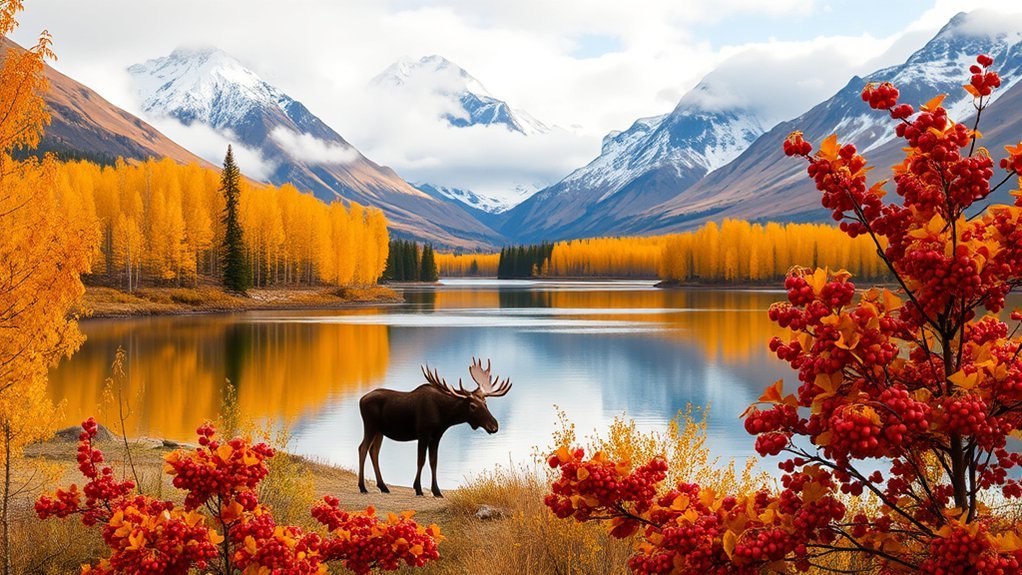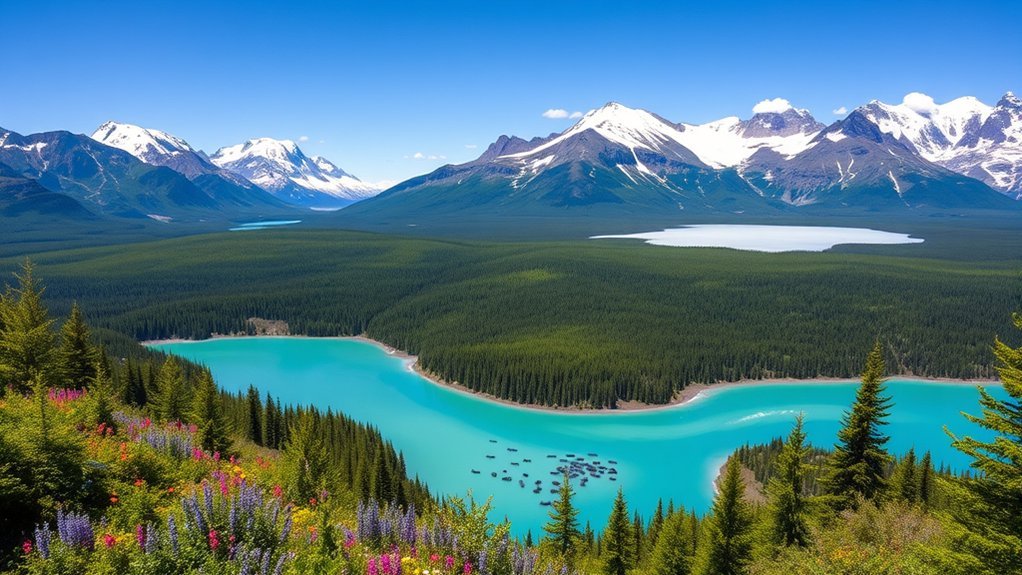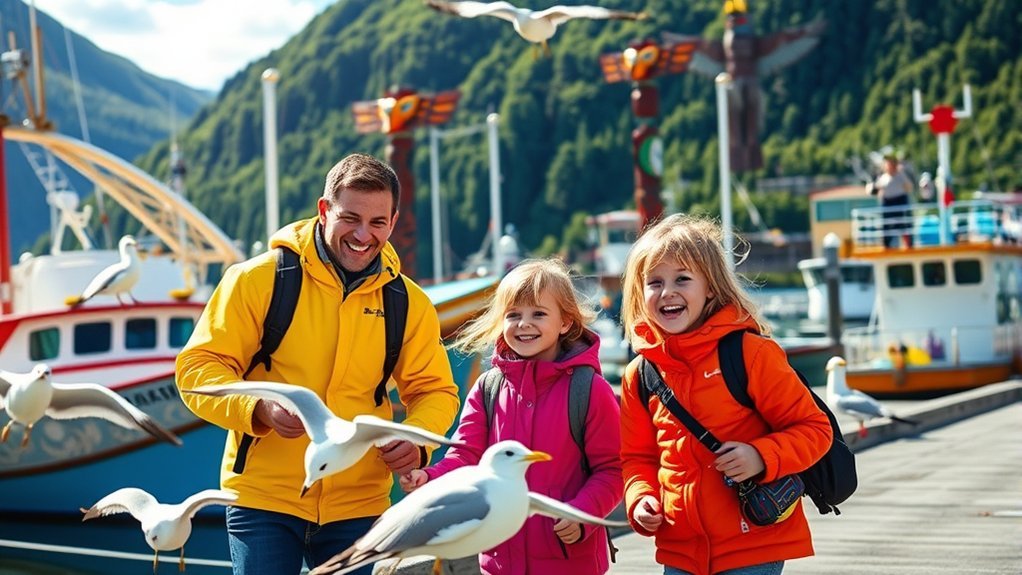
Ketchikan can be a memorable stop for families because it packs rainforest trails, totem poles, salmon streams, wildlife tours, local food, and walkable downtown sights into a compact Southeast Alaska setting. The key is planning around rain, current trail conditions, your kids’ ages, and how much time you have in port or in town.
Quick Answer
The best things to do in Ketchikan with kids include visiting the Totem Heritage Center, exploring Saxman Totem Park, taking a guided rainforest or wildlife tour, watching salmon at Creek Street in season, booking a family-friendly fishing trip, trying local seafood, and choosing easy outdoor walks with current trail conditions checked first.
Key Takeaways
- Plan for rain even in summer; waterproof layers and sturdy shoes make family outings much easier.
- Check trail status before hiking. Rainbird Trail is listed by the borough as indefinitely closed after the August 25, 2024 landslide.
- Choose guided tours for bear viewing, rainforest walks, fishing, and Misty Fjords if you want safer logistics with children.
- Save indoor or low-effort stops, such as the Totem Heritage Center, local galleries, cafés, and museums, for bad-weather breaks.
At a Glance
| Time Required | Half day for one or two highlights; one full port day for downtown, culture, food, and a tour; two to three days for wildlife, fishing, and Misty Fjords. |
| Difficulty | Easy downtown walks to strenuous mountain hikes. Families with young kids should favor guided walks, museums, Creek Street, Saxman, and short outings. |
| Tools Needed | Waterproof jacket, warm layer, walking shoes, snacks, water, small first-aid kit, binoculars, camera, and a child carrier for non-stroller-friendly paths. |
| Cost | Free for downtown walks and some viewpoints; moderate for museums and meals; higher for guided wildlife tours, fishing charters, and flightseeing. |
Plan Around Rain, Time, and Trail Conditions
Ketchikan is beautiful because it is wet, green, and wild. That also means families should plan each day with a backup option. Pack layers, assume sidewalks and trails may be slick, and keep one indoor stop in your plan for tired kids or heavy rain.
Warning: Before hiking, check current trail alerts. The Ketchikan Gateway Borough lists Rainbird Trail as indefinitely closed after the August 25, 2024 landslide. Do not enter closed trails, even if older travel articles or apps still recommend them.
If you are visiting by cruise ship, choose one major paid tour and one flexible downtown activity rather than overpacking the day. If you are staying overnight, spread outdoor activities across the driest-looking parts of the forecast and save museums, cafés, galleries, and shopping for the wetter hours.
Explore the Great Outdoors: Family-Friendly Walks and Hikes
Ketchikan sits beside the Tongass National Forest, so outdoor time is one of the biggest reasons to visit. For families, the best trail is not always the most famous one; it is the one that is open, safe, age-appropriate, and close enough that kids still have energy afterward.
For younger children, look for short walks, waterfront paths, boardwalk-style areas, and guided rainforest experiences rather than steep backcountry trails. The Tongass National Forest hiking information is a good starting point for understanding the range of trail types in the region.
What About Rainbird Trail?
Rainbird Trail has long been popular for rainforest scenery and views over Ketchikan, but families should not plan around it unless the official closure notice changes. As of this update, the borough says the trail is indefinitely closed. Check the borough’s current trail page before adding it to your itinerary.
Is Deer Mountain Trail Good for Kids?
Deer Mountain can be rewarding for experienced hikers, but it is not a casual family stroll. The USDA Forest Service Deer Mountain Trailhead page lists the Deer Mountain National Recreation Trail as 10.7 miles long, steep, and gaining about 2,000 feet in the first two miles. There are no restrooms or potable water at the trailhead.
For families with fit teens, an out-and-back hike to an early viewpoint may be reasonable in good weather with proper gear. For families with toddlers, young kids, or limited port time, choose a shorter walk or a guided rainforest tour instead.
Pro Tip: Bring a child carrier instead of relying on a stroller for trails. Many rainforest paths can be rooty, wet, gravelly, or uneven, even when they are short.
Visit the Alaska Rainforest Sanctuary
The Alaska Rainforest Sanctuary is one of the easiest ways for families to experience Ketchikan’s temperate rainforest with a guide. The Rainforest Wildlife Sanctuary & Totem Park tour describes a 40-acre private preserve bordering the Tongass National Forest, with a guided nature walk, forest habitat, Herring Creek, a historic sawmill, and a totem park.
Kids can enjoy the sense of being deep in the rainforest without parents having to navigate a remote trail alone. Depending on the season and conditions, families may see bald eagles, salmon activity, seals, deer, mink, marten, or black bears. Wildlife is never guaranteed, so treat sightings as a bonus rather than the only reason to go.
Note: Keep children close on boardwalks and viewing areas. Never feed, call to, crowd, or approach wildlife. A guided tour is the safest choice if bear viewing is a priority.
Discover Ketchikan’s Native Heritage
Ketchikan, also known as Kichxháan, is on the ancestral lands of the Tlingit people. A respectful family visit should make time for the stories, carving traditions, and cultural context that shape the area.
Totem Heritage Center
The Totem Heritage Center is one of the strongest indoor stops for families. It displays 19th-century totem poles and offers educational programs connected to Native Alaskan culture. Because it is indoors, it also works well as a rainy-day or post-hike activity.
| Experience | Why Families Like It |
|---|---|
| Totem poles | Large, detailed carvings give kids a visual way to connect with history and storytelling. |
| Cultural exhibits | Artifacts and interpretation help families move beyond quick photos and understand meaning. |
| Rainy-day value | A useful indoor stop when weather interrupts outdoor plans. |
Saxman Totem Park
Saxman Totem Park is another strong cultural stop, located south of downtown Ketchikan. It offers carved totem poles, walking areas, interpretive context, and opportunities to learn about Tlingit cultural traditions. Families can visit independently or as part of a guided cultural tour.
Native Arts and Crafts
Local galleries and cultural stops can introduce children to carving, weaving, beadwork, printmaking, and other forms of Alaska Native and local art. When shopping, look for authentic work and ask respectful questions about the artist, community, and materials. Avoid treating cultural objects as simple souvenirs; many pieces carry stories, clan history, and deep meaning.
Go Wildlife Watching: Bears, Eagles, Salmon, and More
Ketchikan is a strong wildlife-viewing base because rainforest, coastline, creeks, and fjords meet in a small area. The Alaska Department of Fish and Game highlights Ketchikan for salmon viewing at Ketchikan Creek, totem sites, Tongass hikes, Misty Fjords, and bear-viewing access by small plane.
Best Family Viewing Spots
Creek Street is one of the easiest wildlife stops for families when salmon are running because it is close to downtown and does not require a wilderness tour. Watch from safe public areas and keep kids away from slippery edges.
Misty Fjords National Monument is a bigger adventure, usually reached by boat or flightseeing tour. The USDA Forest Service describes Misty Fjords as a vast wilderness area with deep fjords, steep cliffs, forest, and possible sightings of whales, porpoises, mountain goats, and bears.
Seasonal Wildlife Experiences
Spring and summer are active seasons for birds, marine life, and rainforest growth. Salmon activity typically makes late summer especially exciting around creeks, and that is also when bear-viewing interest rises. Fall brings changing colors and migrating birds, while winter is quieter and better suited to flexible, weather-aware travelers.
Families should avoid promising kids a specific animal. Instead, frame the day as a nature search: salmon in the creek, eagles in trees, seals or sea lions near the water, and bears only where conditions and guides make viewing safe.
Guided Tour Options
A guided tour is the best choice if you want wildlife viewing without managing transportation, tides, permits, timing, and safety yourself.
| Tour Type | Typical Fit for Families | Best For |
|---|---|---|
| Rainforest wildlife tour | Good for many ages if kids can walk or be carried. | Forest, eagles, salmon habitat, and possible seasonal wildlife. |
| Bear-viewing tour | Best for older kids who can follow safety rules and wait quietly. | Seasonal black bear viewing near salmon streams. |
| Misty Fjords boat or flightseeing tour | Better for kids comfortable with boats, planes, noise, and longer outings. | Big scenery, fjords, marine wildlife, and a bucket-list Alaska experience. |
Take a Family-Friendly Fishing Trip
Ketchikan’s fishing culture is a major part of its identity, and a family-friendly fishing charter can be a highlight for kids who like boats, hands-on activities, and the thrill of a catch. Local captains usually provide gear and guidance, which makes the experience easier for beginners.
Before booking, ask the charter company about minimum ages, restroom access, motion sickness, life jackets, fish processing, trip length, weather cancellations, and whether the boat is private or shared. A shorter private charter is often easier for families than a long shared trip with very young children.
Note: Boat days can feel colder than downtown walks. Pack a warm layer, rain shell, snacks, water, and any motion-sickness supplies your family already uses.
Experience Ketchikan’s Arts Scene
Ketchikan has a creative side that pairs well with family travel. Galleries, public art, performances, and local shops can give kids a break from structured tours while still connecting them to the town’s culture.
Look for galleries featuring local artists, Alaska Native art, and work inspired by the rainforest, salmon, ravens, eagles, and ocean. During your visit, check the Visit Ketchikan events calendar for festivals, gallery openings, performances, fishing derbies, and community events.
Enjoy Local Cuisine: Family-Friendly Restaurants
After rainforest walks and wildlife tours, Ketchikan’s food scene is part of the fun. Seafood is the obvious choice, but families can also find burgers, soups, sandwiches, coffee, pastries, and casual meals. The Visit Ketchikan restaurant directory is the best place to check current dining options before you go.
For kids, keep meals simple: fish and chips, chowder, salmon, halibut, sandwiches, smoothies, pastries, or a warm drink after a wet walk. During cruise season, popular spots near the docks can get busy, so eat early or keep a snack backup in your day bag.
Getting Around Ketchikan With Kids
Downtown Ketchikan is walkable for many families, especially around the cruise docks, Creek Street, shops, cafés, and some museums. For farther stops, use a guided tour shuttle, taxi, rental vehicle, or public bus depending on your schedule.
Ketchikan Gateway Borough Transit says buses serve much of the borough, including the City of Ketchikan and Saxman, with some lines generally operating about once an hour depending on season. Review the How to Ride page before relying on the bus, and leave extra time if you need to return to a cruise ship.
Pro Tip: If you are in Ketchikan for only one port day, book transportation-heavy activities through a tour operator or your cruise line, then use your remaining time for walkable downtown stops.
Simple Family Itineraries
One Cruise-Port Day
- Start with a guided rainforest, wildlife, cultural, fishing, or Misty Fjords tour.
- Return downtown for lunch, seafood, or pastries.
- Walk Creek Street and look for salmon if they are running.
- Visit the Totem Heritage Center, a local gallery, or nearby shops if time and weather allow.
Two Days in Ketchikan
- Day 1: Focus on culture and downtown: Totem Heritage Center, Creek Street, local food, galleries, and Saxman Totem Park.
- Day 2: Choose one bigger outdoor adventure: fishing charter, rainforest sanctuary, bear-viewing tour, Misty Fjords boat tour, or an age-appropriate hike with current trail conditions checked.
Tips for Traveling to Ketchikan With Kids
Good packing and flexible expectations make Ketchikan much easier with children. Weather can change quickly, tours can shift with conditions, and kids may need more breaks than the itinerary suggests.
- Pack waterproof layers: Bring rain jackets, warm mid-layers, and shoes with grip.
- Carry snacks and water: Do not assume every trailhead, shuttle stop, or tour area has easy food access.
- Use a small day bag: Include wipes, medication, a dry bag, extra socks, and a simple first-aid kit.
- Plan one main activity per half day: Families enjoy Ketchikan more when there is room for weather, meals, and bathroom breaks.
- Respect wildlife and culture: Keep distance from animals, stay on paths, and teach kids that totem poles and cultural sites are not playground equipment.
- Check current hours: Museum hours, tour times, trail access, restaurant hours, and event schedules can change by season.
Frequently Asked Questions
What is the best time of year to visit Ketchikan with kids?
Late spring through early fall is usually the easiest time for families because tours, attractions, wildlife-viewing opportunities, and daylight hours are generally better. Summer is the busiest season, so book popular tours early and keep a rainy-day backup plan.
Are there kid-friendly accommodations in Ketchikan?
Yes. Look for hotels, lodges, vacation rentals, or suites with enough sleeping space, laundry access, breakfast options, parking or shuttle access, and proximity to downtown or your planned tours. If you will not have a rental car, location matters more than room size.
How do we get around Ketchikan with children?
Families can walk much of downtown, use taxis or tour shuttles for farther attractions, rent a vehicle for more flexibility, or use Ketchikan Gateway Borough Transit when the route and schedule fit. If you are on a cruise, leave extra return time and do not cut transportation close.
Are there local events suitable for families?
Often, yes. Ketchikan hosts festivals, gallery openings, fishing events, performances, and community gatherings throughout the year. Check the Visit Ketchikan events calendar close to your travel dates because event timing changes by season.
What should we pack for a family trip to Ketchikan?
Pack waterproof jackets, warm layers, sturdy walking shoes, extra socks, snacks, water bottles, a small first-aid kit, binoculars, and a camera. For young children, bring a carrier for uneven paths and a dry bag for spare clothes.
Can families see bears in Ketchikan?
Families may see bears in the Ketchikan area, especially when salmon activity draws them near streams, but sightings are seasonal and never guaranteed. Choose a reputable guided tour, follow every safety instruction, and never approach or feed wildlife.
Is Ketchikan stroller-friendly?
Downtown sidewalks and some attractions can work with a stroller, but rainforest paths, boardwalks, gravel areas, stairs, and wet trails may be difficult. Bring a child carrier if you plan to leave the main downtown streets.
Conclusion
Ketchikan is a strong family destination when you match activities to your children’s ages, the weather, and current conditions. Build your trip around one or two meaningful highlights: a cultural stop, a rainforest walk, a wildlife tour, a fishing trip, or a relaxed downtown day. With waterproof layers, realistic timing, and respect for local culture and wildlife, your family can enjoy the best of this Southeast Alaska town without feeling rushed.
Sources
- Ketchikan Gateway Borough — Rainbird Trail — current Rainbird Trail closure notice.
- USDA Forest Service — Deer Mountain Trailhead — trail length, steepness, facilities, and hiking cautions.
- Kawanti Adventures — Rainforest Wildlife Sanctuary & Totem Park — sanctuary details, guided walk information, and wildlife caveats.
- City of Ketchikan — Totem Heritage Center — location, hours, and museum information.
- Alaska Department of Fish and Game — Ketchikan Wildlife Viewing — wildlife-viewing context for Ketchikan, Creek Street, Misty Fjords, and nearby sites.
- Ketchikan Gateway Borough Transit — How to Ride — public bus coverage, frequency notes, and child-safety tips.