Two days in London is enough for a memorable first visit if you focus on a few well-connected areas instead of trying to see the entire city. This London 2 day itinerary keeps the major historic sights, royal landmarks, museums, food stops, river views, neighborhoods and nightlife from the original plan, but makes clear which stops belong in the core route and which are better used as optional swaps.
Quick Answer
For two days in London, concentrate Day 1 around the Tower, Tower Bridge, Borough Market and the Thames, then use Day 2 for the British Museum, Trafalgar Square, Covent Garden and a West End evening. Buckingham Palace, extra museums, markets, parks and neighborhoods work best as swaps based on your interests and travel dates.
Key Takeaways
- Keep each half-day geographically focused so you spend more time sightseeing and less time crossing London.
- Book major paid attractions in advance and check the official Changing of the Guard calendar before planning your morning around it.
- Choose one main museum block rather than trying to tour every major museum in two days.
- Borough Market works naturally with the Tower and South Bank; Brick Lane and Portobello depend more heavily on the day of the week.
- Use contactless or Oyster pay as you go for convenient travel on London public transport.
Plan Your Two Days in London Before You Start
London rewards selective planning. The biggest mistake on a short visit is treating every attraction in a guide as mandatory. Museums such as the British Museum, National Gallery, Tate Modern, V&A, Science Museum and Natural History Museum could each occupy several hours on their own. The same applies to neighborhoods such as Shoreditch, Notting Hill and Brixton.
A practical core route is to use Day 1 for the Tower of London, Tower Bridge, Borough Market and the Thames, then use Day 2 for central London culture, shopping and evening entertainment. Buckingham Palace can replace part of either morning if royal London is a priority.
Pro Tip: Do not plan a two-day London trip by counting attractions. Plan it by neighborhood. Walking between nearby sights is often faster and more enjoyable than repeatedly entering the Underground for short cross-city trips.
For public transport, Transport for London recommends pay as you go with contactless or Oyster as an easy option for visitors. Use the same card or device when touching in and out. If step-free travel matters, TfL’s journey-planning tools can also help you check accessible routes and lift status before leaving your hotel.
Day 1: Historic Landmarks at the Tower of London and Tower Bridge
London is steeped in history, and the Tower of London is one of the strongest places to begin. The fortress is a UNESCO World Heritage Site and has served as a royal residence, defensive stronghold, prison, treasury and home of the Crown Jewels during different periods of its long history.
The common claim that the entire Tower was simply “built in 1066” is too simplistic. William the Conqueror established the Norman stronghold after the conquest, while Historic Royal Palaces dates the start of the White Tower to around 1078. That distinction gives visitors a more accurate picture of how the complex developed over centuries.
Inside, the Crown Jewels are one of the headline attractions. Yeoman Warders, commonly known as Beefeaters, also lead tours filled with stories about royal power, imprisonment, executions and life inside the fortress. Allow enough time to explore rather than rushing through only for photographs.
Just a short walk away, Tower Bridge provides a striking contrast. Construction began in 1886 and the bridge officially opened in 1894. Its combination of movable bascules, high-level walkways and stone-clad towers made it an engineering landmark of Victorian London. Visitors who buy admission can walk through the upper sections and look through the glass floors toward the road and River Thames below.
After crossing Tower Bridge, continue toward the south side of the river. This places you naturally on the route toward Borough Market, Shakespeare’s Globe and Tate Modern without unnecessary backtracking.
Day 1: Discovering the Royal Palaces and Gardens
Buckingham Palace remains an essential London sight for travelers interested in royal history. It is the King’s official London residence and the setting for major ceremonial occasions.
The Changing of the Guard is impressive, but it should not be treated as a guaranteed daily event. The Household Division publishes the official Changing of the Guard calendar, so confirm your exact date before rearranging the morning around the ceremony.
Note: For 2026, Buckingham Palace’s State Rooms are open from 9 July through 27 September. September opening days are more limited than the July-August schedule, and ongoing palace reservicing work affects access to some rooms. Future-year dates can change, so check the Royal Collection Trust before booking.
When the State Rooms are open, visitors can see ceremonial spaces, royal interiors and works from the Royal Collection. The palace exterior is worth seeing year-round even when the State Rooms are closed.
From Buckingham Palace, walk through St James’s Park. It is London’s oldest Royal Park and offers lawns, flowerbeds, a lake, birdlife and attractive views back toward the palace area. Its royal history predates 1603: The Royal Parks records that Henry VIII acquired the site in 1532. James I later improved the drainage and landscape and kept exotic animals there.
If Buckingham Palace and the Guard are top priorities, consider starting Day 1 here before traveling east to the Tower. If not, the Tower-and-river route is more geographically efficient and the palace can be moved to Day 2.
Day 1: Indulging in London’s Culinary Scene
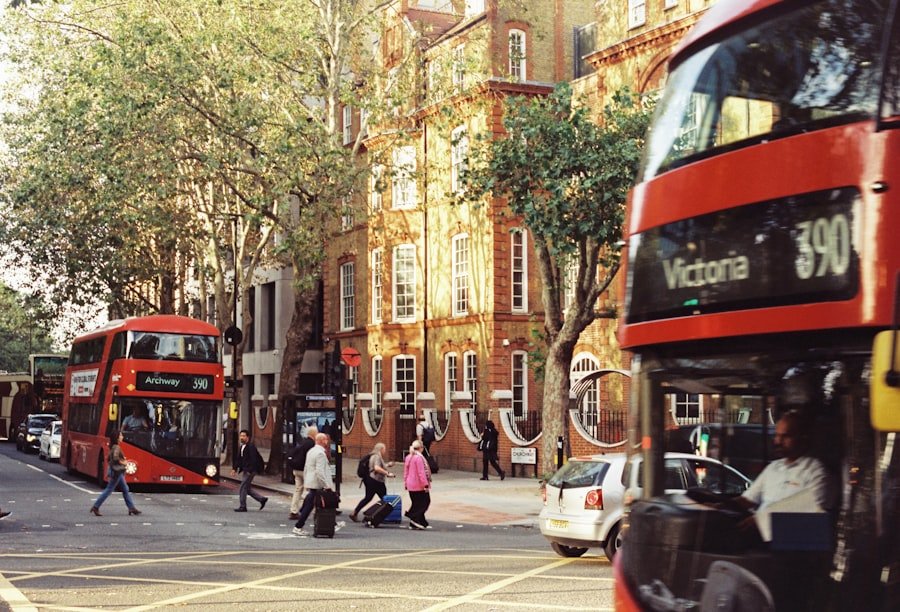
London’s food scene reflects the city’s international character, and Borough Market is one of the easiest food stops to combine with a Tower Bridge and South Bank day.
The market’s history stretches back roughly 1,000 years, while its present location dates from 1756. Borough Market’s official history traces the market’s development through medieval Southwark to the modern food destination visitors see today.
You can browse produce, cheese, baked goods, prepared dishes, international street food and specialist ingredients. Because the market can become very busy around lunch, arriving slightly before or after the main lunch rush can make browsing easier.
For a formal dining experience, The Ledbury in Notting Hill remains one of London’s most acclaimed restaurants. Its current tasting menus focus on carefully sourced produce, and the Michelin Guide lists it among London’s three-Michelin-star restaurants. This is a destination meal rather than a quick itinerary stop, so reserve it only if fine dining is one of the main reasons for your trip.
The Churchill Arms in Kensington is another famous London pub, but visitors should know what they are booking. It is well known for its flower-covered exterior, real ales and long-running Thai kitchen. It is not the best choice if your specific goal is fish and chips or bangers and mash. For those traditional dishes, choose a pub or chippy whose current menu actually lists them.
Day 1: Enjoying the Thames River and Its Attractions
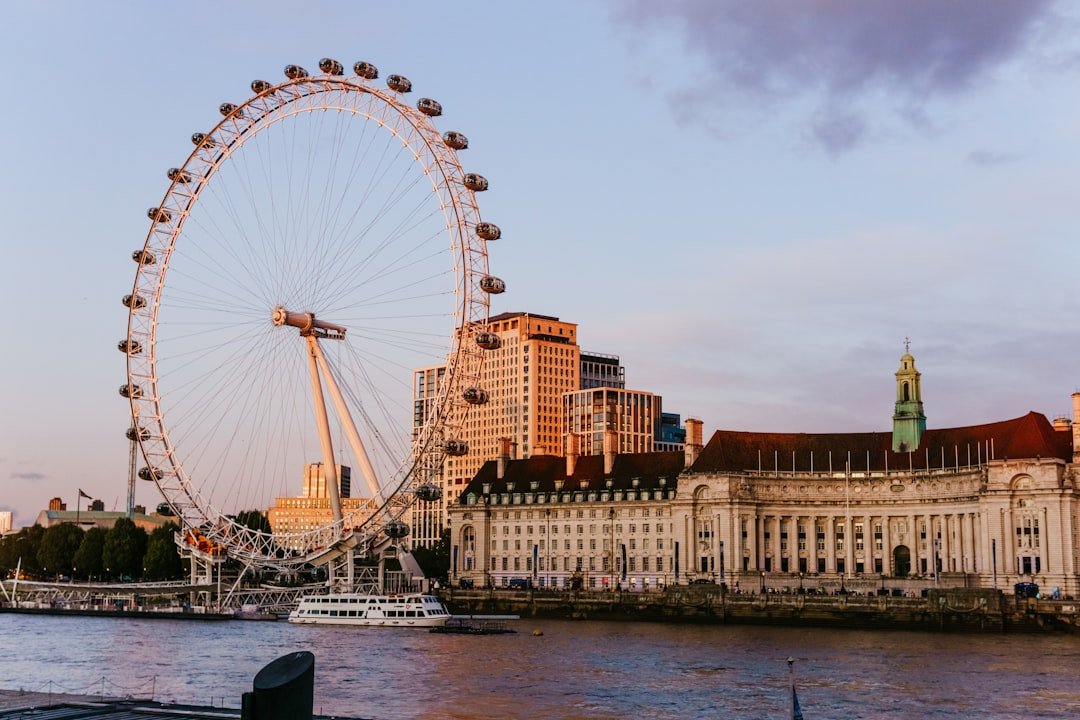
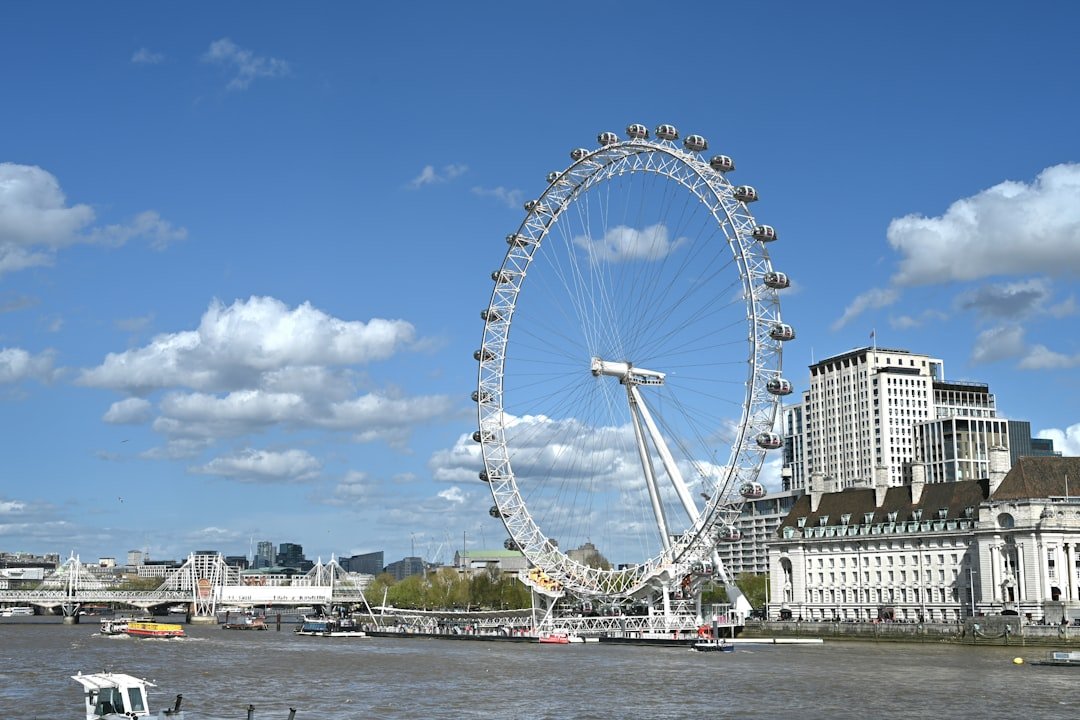
The Thames is one of the best ways to connect London’s landmarks without treating them as isolated stops. After Borough Market, continue along the river toward Shakespeare’s Globe, Tate Modern and the South Bank.
Today’s Globe Theatre is a reconstruction inspired by the historic Globe associated with Shakespeare’s company. The current building opened in 1997 after decades of work led by the Shakespeare’s Globe project. Visitors can book performances, tours or simply enjoy the Bankside setting.
Tate Modern, housed in the former Bankside Power Station, provides a major contrast to the historic attractions earlier in the day. Its collection and exhibitions focus on modern and contemporary art. If you want to visit the galleries properly, give the museum dedicated time rather than treating it as a five-minute photo stop. Upper-level access and viewing arrangements have changed over time, so do not build your itinerary around an old description of an unrestricted panoramic viewing terrace.
As evening approaches, a Thames cruise can provide a different perspective on Tower Bridge, the Houses of Parliament, riverside architecture and the illuminated city. Cruise routes and dining options vary by operator, so check the exact departure pier and end point before booking.
If you prefer to stay on land, continue walking along the South Bank. Bars, restaurants, cultural venues and street performers give the riverfront a lively evening atmosphere, while the proximity of Tate Modern and Shakespeare’s Globe creates opportunities for a gallery visit or performance.
Day 2: Immersing in London’s Art and Culture
Day 2 works best when you choose a small number of cultural attractions rather than trying to complete every museum in London.
A strong first stop is the British Museum. Its collections span cultures and historical periods from around the world, with famous objects including the Rosetta Stone and major Egyptian collections. General admission to the permanent collection is free, although the museum recommends booking a free timed ticket in advance during busy periods.
After the British Museum, head toward Trafalgar Square and the National Gallery if you still want more art. The National Gallery’s collection contains more than 2,400 paintings and other works of art, including works associated with Leonardo, Monet, Van Gogh, Turner and many other major European artists. General admission to the permanent collection is free, although temporary exhibitions may require separate tickets.
Trying to tour the British Museum, National Gallery and Tate Modern in depth on the same day is not realistic for most visitors. Treat Tate Modern as part of the Day 1 South Bank route or replace one of the Day 2 museums with it.
The best two-day museum strategy is simple: choose one museum you want to explore properly, then use a second gallery for a shorter highlights visit.
Day 2: Shopping and Strolling in London’s Trendy Neighborhoods
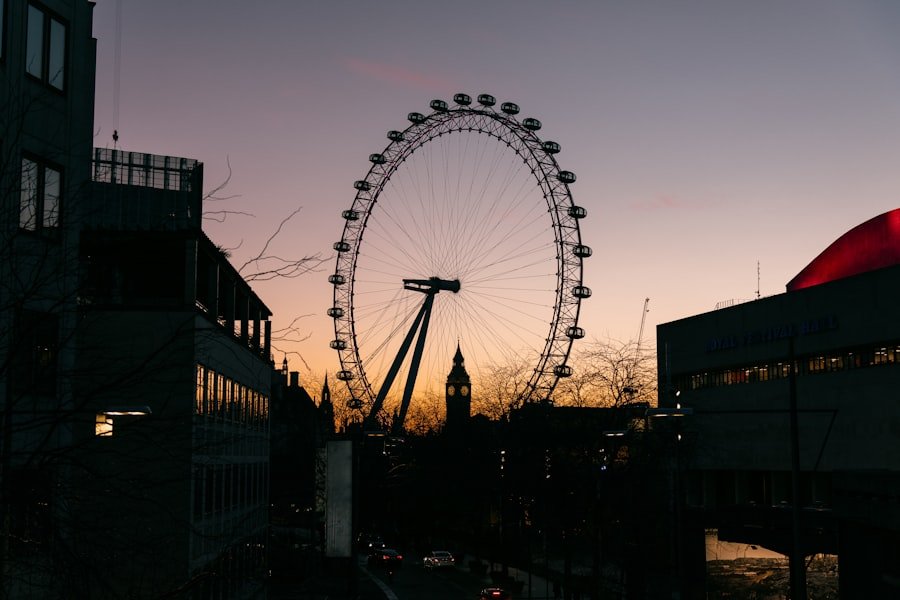
Covent Garden fits naturally after the British Museum or National Gallery. Its streets combine shops, restaurants, market buildings and street entertainment, making it easy to explore without another long cross-city journey.
The Apple Market area is known for independent traders, crafts, antiques and gift ideas, although the exact mix varies by day. Covent Garden also provides a convenient transition into Soho, Chinatown and the West End for the evening.
Shoreditch offers a very different atmosphere, with independent shops, nightlife, restaurants and street art. It is a worthwhile alternative if you prefer east London to the West End, but it should normally replace part of the central Day 2 route rather than being added on top of everything else.
Brick Lane is particularly appealing for street art, food and vintage shopping. The council-run Brick Lane street market operates on Sundays, so visitors arriving on other days should not expect the same street-market experience. Shops, restaurants and indoor market spaces in the wider Brick Lane area may operate on additional days.
Day 2: Visiting the Iconic Museums and Galleries
London’s museums are not only repositories of history; many are major research, conservation and educational institutions. If South Kensington is more appealing than the British Museum and National Gallery, use this section as a replacement itinerary block.
The Victoria and Albert Museum, or V&A, focuses on art, design, fashion, decorative arts and material culture. General admission is free and advance booking is not normally required for the permanent collection, although temporary exhibitions can carry a separate charge.
The Science Museum is a strong choice for visitors interested in engineering, medicine, transport, space, mathematics and technology. Many permanent galleries are free, while some special experiences are ticketed.
The Natural History Museum is another major South Kensington option, with collections covering dinosaurs, minerals, biodiversity, evolution and the natural world. General admission is free, with advance free tickets available and separate charges for some exhibitions and events.
Note: The V&A, Science Museum and Natural History Museum are close together, but that does not mean you should attempt all three in depth. For a two-day London trip, pick the one that best matches your interests and treat the others as future-trip options.
Day 2: Experiencing London’s Vibrant Street Markets
Street markets reveal a different side of London, but the best choice depends heavily on the day of your visit.
Borough Market remains the easiest food market to include in the core itinerary because it sits near London Bridge, Tower Bridge and the South Bank. If you already visited it on Day 1, there is little reason to return during such a short trip.
Camden Market provides an eclectic combination of independent shops, fashion, gifts, street food and restaurants. Unlike Brick Lane’s council street market, Camden Market operates seven days a week, although individual trader hours can vary.
Portobello Road in Notting Hill is especially well known for antiques and collectables. Saturday is the busiest and most important antiques day, with traders lining the road and arcades operating nearby. If antiques are a priority, use Portobello as a Saturday replacement for another Day 2 neighborhood rather than squeezing it into an already full afternoon.
Day 2: Unwinding in London’s Parks and Green Spaces
London’s parks are useful when you want a slower pace after museums and busy streets. Hyde Park offers broad lawns, walking routes and the Serpentine. Rowing boats and pedalos are available on the Serpentine when conditions permit.
Regent’s Park is another attractive option, particularly for gardens and a more relaxed walk. The park is also associated with its seasonal open-air theatre and formal gardens.
For a larger, less formal landscape, Hampstead Heath offers woodland, open ground and elevated views from Parliament Hill. Because Hampstead sits farther north than the central Day 2 route, allow extra travel time and consider making it the main focus of an afternoon rather than a brief detour.
Day 2: Exploring London’s Diverse Neighborhoods
London’s neighborhoods have distinct identities shaped by migration, architecture, food, music and local history. Notting Hill is known for pastel-colored streets, Portobello Road and the annual Notting Hill Carnival, which celebrates Caribbean culture through music, costumes, dance and food.
Brixton offers another view of London’s multicultural character. Brixton Village and the surrounding area combine restaurants, independent businesses, markets, music history and strong Caribbean and African cultural influences.
These neighborhoods can add depth to a London visit, but they are not quick attractions to tick off between museums. Choose Notting Hill, Brixton, Shoreditch or Camden when you want to spend part of your trip experiencing a neighborhood rather than maximizing the number of famous landmarks.
Day 2: Soaking in London’s Nightlife and Entertainment Options
As the second evening begins, the West End is one of the easiest ways to finish a short London trip. Major theatres present long-running musicals, plays and limited productions throughout the year. Historic venues include the Lyceum Theatre and Apollo Victoria Theatre, among many others.
If you want a specific production, book ahead rather than assuming good seats will remain available on the day. Covent Garden, Soho and Chinatown are all convenient areas for dinner before or after a show.
For something more relaxed, London’s pubs range from historic neighborhood locals to modern craft-beer bars and music venues. Quiz nights and live performances vary by venue and day, so check the current programme if a particular activity matters to you.
In conclusion, London can deliver an excellent two-day trip when you resist the temptation to see everything. Historic landmarks, royal sights, food markets, major museums, green spaces, neighborhoods and nightlife can all fit into the experience, but the best itinerary is the one that prioritizes a few memorable stops instead of turning the city into a race.
If you’re looking to explore more of London’s iconic sights beyond a 2-day itinerary, check out Tagline Today for more travel inspiration. From historic landmarks to trendy neighborhoods, London has something for many different travel styles.
Frequently Asked Questions
What are the iconic sights to visit in London in 2 days?
For a first visit, prioritize the Tower of London, Tower Bridge, Buckingham Palace or Westminster, the Thames, one major museum, Trafalgar Square or Covent Garden, and a West End or riverside evening. Trying to add every famous museum, market and neighborhood usually makes the trip too rushed.
Is it possible to see all the iconic sights in London in 2 days?
No. London has far more major attractions than anyone can meaningfully visit in 48 hours. Two days is enough for a strong overview if you group nearby sights together and choose a limited number of paid attractions and museums.
What is the best way to get around London during a two-day visit?
Combine walking with the Tube, buses, Elizabeth line and other TfL services. Contactless or Oyster pay as you go is convenient for most visitors. Always use the same payment card or device when touching in and out so the correct fare and applicable caps can be calculated.
How can I maximize my time while visiting London’s sights?
Book priority attractions before arrival, check opening hours, group sights by neighborhood and avoid scheduling several large museums on the same day. Check the Changing of the Guard calendar separately because the ceremony is not guaranteed every day.
Which attractions should I book before a two-day London trip?
Pre-book any attraction that is essential to your trip, especially the Tower of London, Buckingham Palace State Rooms when open, popular temporary exhibitions and a specific West End show. The British Museum is free, but advance free timed booking is recommended during busy periods.
Which London markets are best for a two-day visit?
Borough Market is the easiest choice for a first-time itinerary because it fits naturally with Tower Bridge and the South Bank. Brick Lane’s street market is a Sunday option, Portobello Road is strongest for antiques on Saturday, and Camden Market operates throughout the week.
What other activities can I add if I have extra time?
Good additions include a Thames cruise, Tate Modern, a West End performance, Hyde Park, Camden, Shoreditch, Notting Hill, Brixton or one of the South Kensington museums. Choose one based on your interests rather than trying to add all of them.
Sources
- Historic Royal Palaces — Tower of London history — supports the chronology of William the Conqueror and the White Tower.
- Tower Bridge — construction timeline — supports the bridge’s construction and 1894 opening.
- Royal Collection Trust — Buckingham Palace — supports the palace’s role and 2026 State Rooms visitor dates.
- The Household Division — Changing the Guard calendar — supports current ceremony scheduling guidance.
- Transport for London — visitor payment guidance — supports contactless and Oyster pay-as-you-go advice.
- British Museum — visitor information — supports free general admission and advance ticket guidance.