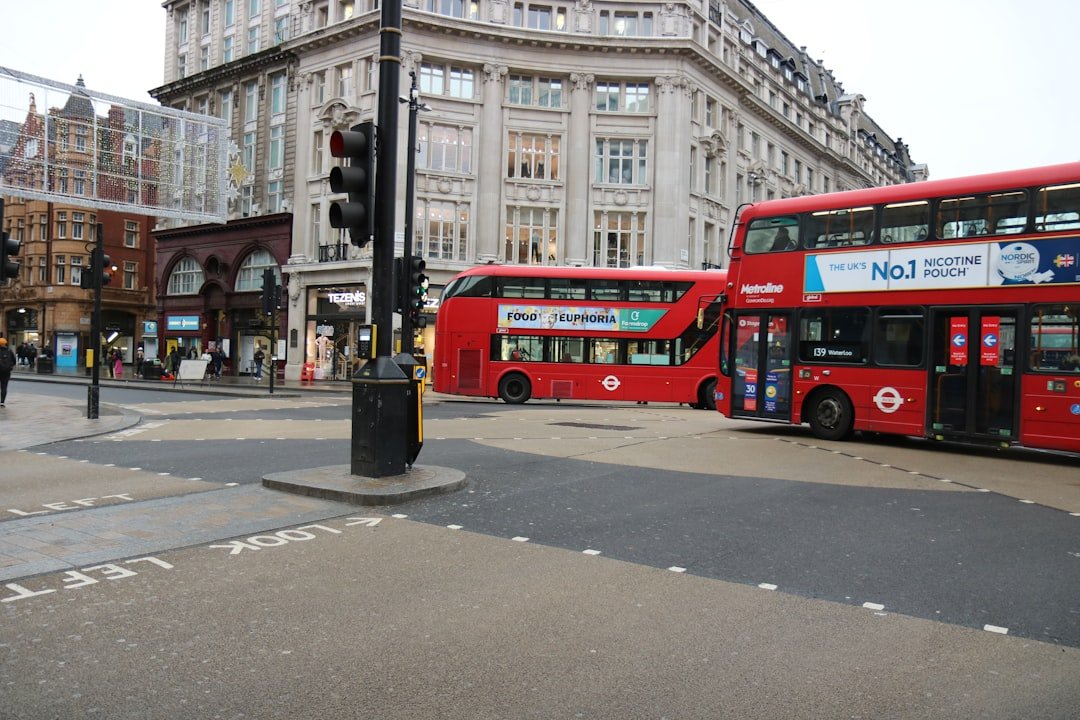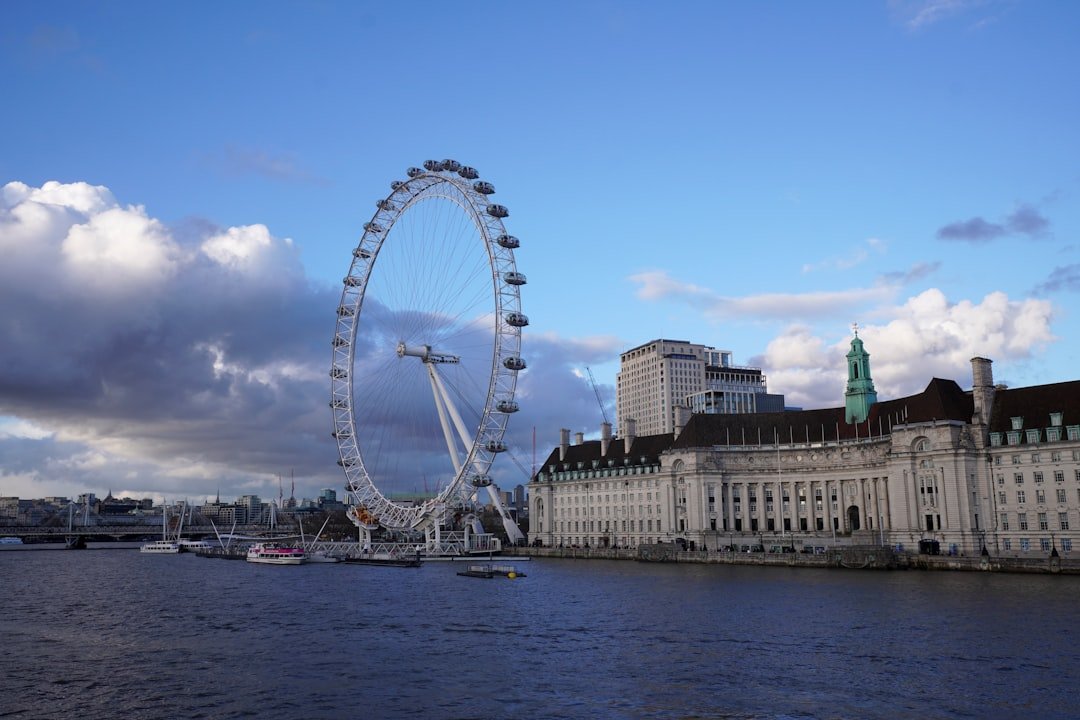
London can easily fill a week, so a successful 48-hour visit is less about seeing everything and more about grouping the city’s biggest sights into sensible areas. This two-day London itinerary combines historic landmarks, food, museums, markets, parks, neighborhoods, and nightlife while giving you clear choices when two attractions are too far apart to fit comfortably into the same day.
Quick Answer
With 48 hours in London, spend Day 1 around the Tower of London, Tower Bridge, Borough Market, central museums, Covent Garden, Soho, and Westminster. On Day 2, combine art, a Thames cruise, one major market, a park, and an evening neighborhood. Treat Windsor Castle or Stonehenge as a replacement for much of Day 2, not an extra stop.
Key Takeaways
- Start Day 1 with the Tower of London and Tower Bridge, then eat at Borough Market.
- Choose your afternoon priorities instead of trying to enter every major attraction.
- The British Museum, National Gallery, and Tate Modern offer free general admission, although some exhibitions may be ticketed.
- Use contactless payment or Oyster for straightforward London transport and daily fare capping.
- Choose Camden Market or Portobello Road Market based on your interests and day of the week rather than rushing through both.
- Use Soho, Covent Garden, or Shoreditch for your evening depending on where your daytime route ends.
- If Windsor Castle or Stonehenge is a priority, give the trip at least half a day and reduce your central London sightseeing.
48 Hours in London at a Glance
| Day 1 Morning | Tower of London and Tower Bridge |
| Day 1 Lunch | Borough Market or a pre-booked restaurant |
| Day 1 Afternoon | British Museum and Covent Garden, with Westminster and Buckingham Palace as an alternative landmark route |
| Day 1 Evening | Soho, Covent Garden, or Shoreditch |
| Day 2 Morning | Tate Modern, South Bank, and a Thames cruise |
| Day 2 Afternoon | National Gallery plus one market or one major park |
| Day 2 Evening | Pub, jazz, West End show, Soho, Shoreditch, or Covent Garden |
Day 1: Explore London’s Iconic Landmarks
Begin at the Tower of London, a UNESCO World Heritage Site built around the White Tower established by William the Conqueror. The fortress has served as a royal residence, defensive stronghold, prison, treasury, and setting for major events in English history.
Inside, one of the main attractions is the Crown Jewels. The working collection includes the Imperial State Crown and other coronation regalia. The Koh-i-Noor is set in the Crown of Queen Elizabeth the Queen Mother, while the Imperial State Crown contains other famous stones including the Cullinan II.
The Tower also has a darker history. Anne Boleyn, Catherine Howard, and Lady Jane Grey were among the queens executed within the Tower complex. If history is one of your main reasons for visiting London, allow enough time to explore rather than treating the Tower as a quick photo stop.
From the Tower, walk to Tower Bridge. The bridge opened in 1894 and remains one of London’s best-known Victorian engineering landmarks. You can cross the road level for free or buy admission to explore its towers, high-level walkways, Victorian Engine Rooms, and glass floors.
The glass floors provide a view down toward the road and River Thames. They are a modern addition to the historic bridge, having been installed in 2014.
For a two-day London trip, geography matters more than the number of attractions on your list. Visiting nearby sights together saves time for the places you actually want to experience.
If Westminster is one of your highest priorities, continue later toward the Palace of Westminster and Elizabeth Tower. The tower is often casually called Big Ben, although Big Ben is the name of its famous Great Bell. The Gothic Revival Palace of Westminster and its clock tower provide one of London’s classic riverside views.
Buckingham Palace can be combined with nearby St James’s Park and Westminster, but trying to tour the Tower of London, Tower Bridge, Westminster, Buckingham Palace, and several museums before lunch will make your first day unnecessarily rushed.
Day 1: Indulge in London’s Culinary Delights
Discover Borough Market
After the Tower Bridge area, Borough Market is a convenient lunch stop near London Bridge. The historic food market brings together produce traders, bakeries, cheese sellers, restaurants, and street-food vendors serving British and international food.
Try a British pie, sausage roll, baked goods, cheese, or whatever looks best on the day rather than planning your entire visit around one vendor. The market’s normal schedule can change around holidays and special dates, so check Borough Market’s official visitor information before your trip. Its regular schedule currently has Monday closed and trading from Tuesday through Sunday.
Note: London markets are not identical every day. Portobello, Borough, and Camden all have day-specific or trader-specific schedules, so confirm opening times before building a tight itinerary around a particular market.
Michelin-Starred Delights
If your London visit includes a special meal, The Ledbury in Notting Hill is a serious fine-dining option. The Michelin Guide currently lists The Ledbury with three Michelin stars. A meal here requires far more time and planning than a quick market lunch, so treat it as a destination dinner and reserve well ahead if it fits your budget.
Casual Yet Delicious Options
For something more casual, Dishoom remains a popular Bombay-inspired option with several London locations. Its current menu includes House Black Daal, a signature dish cooked over 24 hours, along with curries, biryanis, grilled dishes, breads, and chai.
Choose your restaurant based on the neighborhood where you expect to finish sightseeing. Crossing London purely for dinner can consume a surprising amount of a short visit.
Day 1: Immerse Yourself in London’s Culture and History
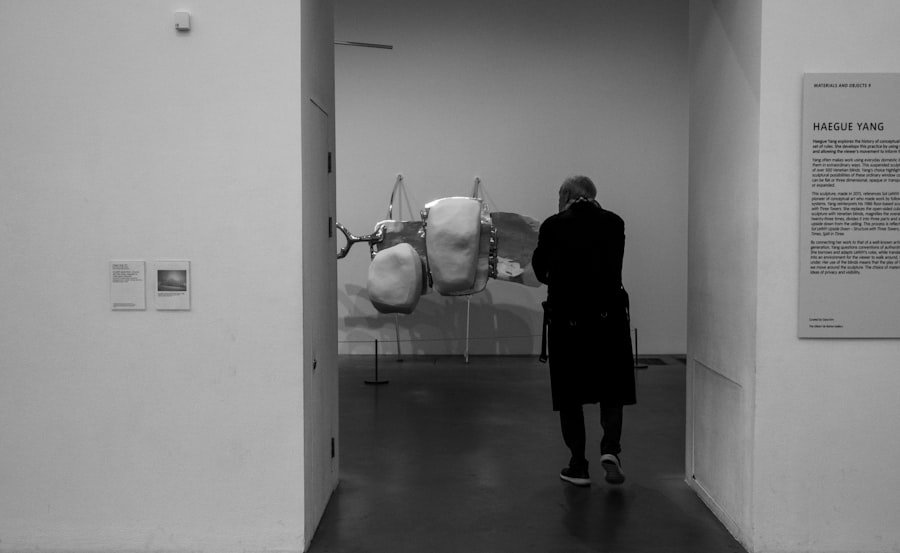
If museums are one of your priorities, spend part of the afternoon at the British Museum. General admission is free, although special exhibitions and events can have separate tickets.
The collection includes the Rosetta Stone and the Parthenon Sculptures, historically also called the Elgin Marbles. The Rosetta Stone played a central role in the decipherment of Egyptian hieroglyphs, while the museum’s Greek galleries cover ancient Athenian art and culture.
The building is also worth noticing. The Great Court, with its sweeping glass-and-steel roof surrounding the historic Reading Room, creates one of the museum’s most recognizable interior spaces.
For a 48-hour itinerary, do not attempt to see the whole museum. Choose a small number of galleries or objects before you arrive and give yourself a firm departure time.
Afterward, walk or take a short ride toward Covent Garden. The neighborhood combines shops, restaurants, street performers, historic market buildings, and theaters. The Royal Opera House remains here as the home venue of The Royal Ballet and The Royal Opera.
If a performance is a priority, book in advance and shape the rest of your afternoon around the curtain time. Otherwise, Covent Garden works well as an atmospheric stop between museum sightseeing and dinner.
Alternative Afternoon: Westminster and Buckingham Palace
If this is your first trip and landmarks matter more than museums, use the afternoon for Westminster instead. See the Houses of Parliament and Elizabeth Tower, then walk through St James’s Park toward Buckingham Palace.
St James’s Park offers classic views toward Buckingham Palace, Horse Guards Parade, Big Ben, and the London Eye from different points around the park. This route keeps several major sights within one central cluster.
Day 1: Experience London’s Vibrant Neighborhoods
As evening approaches, choose one neighborhood rather than racing between several.
Soho
Soho is one of the easiest choices after Covent Garden or the West End. Its compact streets contain restaurants, pubs, cocktail bars, music venues, Chinatown, and theaters. Because London bars change frequently, check that any specific venue is currently operating before traveling across town for it.
The former Blind Pig recommendation associated with Social Eating House in Soho is no longer a reliable current stop, so choose a presently operating Soho bar that fits your preferred atmosphere and budget.
Shoreditch
If street art, independent bars, and East London nightlife appeal more, make Shoreditch your evening destination instead. The area is known for murals, creative businesses, casual restaurants, bars, and clubs.
Shoreditch is not next door to Soho, so there is little reason to visit both on the same short evening unless nightlife itself is the main purpose of your trip.
Pro Tip: For a two-day trip, make dinner and nightlife part of the same neighborhood. You will spend less time on trains and more time enjoying London.
Day 2: Discover London’s Art and Museums
Begin your second day on or near the South Bank. Tate Modern occupies the former Bankside Power Station beside the Thames and focuses on modern and contemporary art.
General access to Tate Modern’s collection is free, while some temporary exhibitions require paid tickets. Displays change, so check the museum’s current program instead of assuming that a particular work or artist will be on view during your visit.
The vast Turbine Hall is one of the building’s defining spaces and has hosted major large-scale installations over the years.
Later, head toward Trafalgar Square and the National Gallery. General admission is free, with charges applying to some exhibitions. Its Western European painting collection includes works by artists such as Leonardo da Vinci, Monet, Turner, and Van Gogh.
If you love art, both museums can comfortably consume much of a day. If art is only one part of your London priorities, choose highlights at each and leave time for the river, markets, and neighborhoods.
Day 2: Cruise Along the Thames River
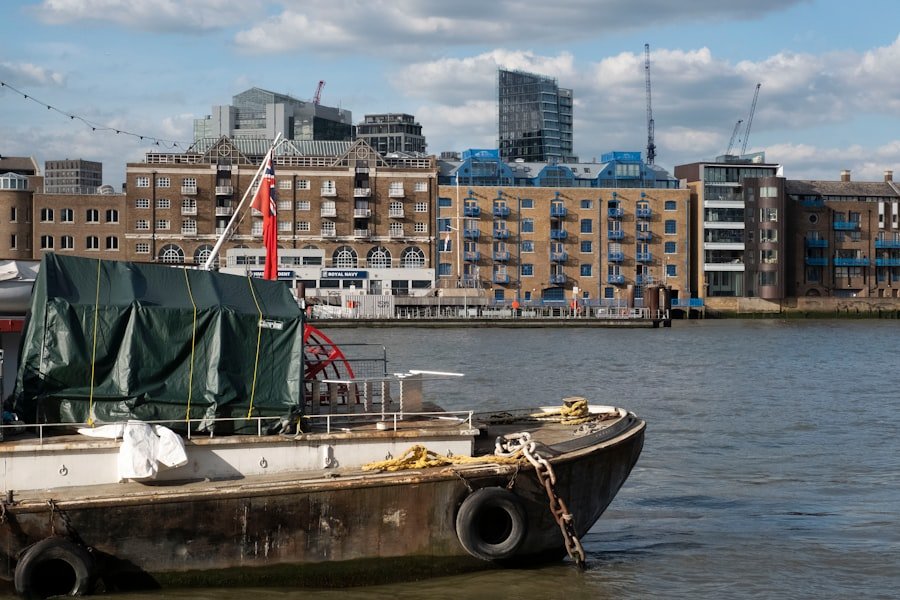
A Thames sightseeing cruise is one of the easiest ways to rest your feet without completely stopping your sightseeing. Depending on the route, you may pass landmarks such as the London Eye, the Palace of Westminster, St Paul’s Cathedral viewpoints, Shakespeare’s Globe, the Tower of London, and Tower Bridge.
Operators offer different services, including sightseeing cruises, hop-on options, commuter-style river services, and cruises with meals. Commentary and food are not included on every boat, so compare the actual ticket inclusions before booking.
A useful Day 2 pattern is to visit Tate Modern first, walk part of the South Bank, and then use a river cruise to connect another part of central London. That turns the cruise into transportation as well as sightseeing instead of adding another isolated activity.
Day 2: Shop and Stroll in London’s Markets
London’s markets are worth seeing, but Camden and Portobello are in different parts of the city. In a 48-hour itinerary, choose the one that best matches your interests.
Choose Camden Market for Food, Fashion, and Alternative Culture
Camden Market combines independent shops, fashion, street food, gifts, and the alternative culture associated with Camden Town. The main market operates seven days a week, although individual trader and restaurant hours can vary.
It pairs naturally with Camden Lock and, if you want more green space afterward, Regent’s Park.
Choose Portobello Road for Antiques and Notting Hill
Portobello Road Market is the better choice if you are especially interested in antiques, vintage goods, colorful Notting Hill streets, and browsing rather than a single attraction.
Friday and Saturday offer the fullest market experience. Saturday is particularly busy, while the mix of stalls and trading areas changes on other days. If antiques are your main reason for going, plan around the appropriate market day rather than assuming every day is the same.
If your itinerary falls on the wrong day for the market experience you want, use the time for another museum, park, neighborhood, or riverside walk instead.
Day 2: Enjoy a Relaxing Afternoon in London’s Parks
After museums and markets, a London park provides a useful break from indoor attractions and busy streets.
Hyde Park
Hyde Park covers approximately 350 acres and includes large lawns, walking routes, memorials, and the Serpentine. Boating and other facilities operate according to their own schedules and conditions, so check The Royal Parks before relying on a specific activity.
The Diana, Princess of Wales Memorial Fountain is also in Hyde Park, although individual facilities can occasionally close for maintenance or operational reasons.
St James’s Park
If you are already around Westminster or Buckingham Palace, St James’s Park is the more efficient option. The park sits beside major ceremonial landmarks and offers memorable views toward Buckingham Palace, Horse Guards Parade, Big Ben, and the London Eye.
You do not need to visit both parks simply to tick them off a list. Pick the one that best fits the rest of your route.
Day 2: Experience London’s Nightlife
London’s evening options range from historic pubs and cocktail bars to jazz clubs, theaters, live music venues, and late-night clubs.
Soho and Covent Garden are convenient if you finish around Trafalgar Square or the West End. Shoreditch works better if you want East London’s bar and club scene.
For live jazz, Ronnie Scott’s in Soho is one of London’s best-known venues. If you prefer a traditional pub experience, The Churchill Arms in Kensington is distinctive for its flower-covered exterior and long-running Thai kitchen alongside its drinks selection.
A West End theater performance is another strong choice for a first London visit. Popular productions can sell out, so book a specific show before your trip if it is a priority rather than assuming good seats will be available that evening.
Day 2: Take a Day Trip from London
A Windsor Castle or Stonehenge excursion can be excellent, but it should replace a significant part of your London sightseeing rather than being added after museums, markets, parks, and a river cruise.
Windsor Castle
Windsor Castle is an official royal residence, a working royal palace, and the oldest and largest occupied castle in the world. Visitors can explore areas such as the State Apartments when open, along with other parts of the castle complex.
Because it is a working palace, parts of Windsor Castle—or occasionally the entire visitor attraction—can close at short notice. The Royal Collection Trust recommends allowing roughly 1.5 to 2 hours for the castle itself, excluding travel from London.
Stonehenge
Stonehenge is one of Britain’s best-known prehistoric monuments and makes a very different day trip from London.
There is no railway station at the monument. According to English Heritage, Salisbury is the nearest train station, about 12 miles or 19 kilometers away. From Salisbury, travelers can continue by tour bus or taxi.
If you choose Stonehenge during a two-day London stay, expect it to consume a substantial portion of the day. It is best for travelers who value the monument more than several central London attractions.
Tips for Making the Most of Your 48 Hours in London
Use Contactless or Oyster for Public Transport
For most visitors, Transport for London recommends pay as you go using contactless or Oyster as an easy, flexible way to travel.
Pay-as-you-go fares are subject to daily capping in the applicable zones. When using contactless, use the same physical card or the same device throughout your journeys so the system can calculate fares and caps correctly.
On Tube, Elizabeth line, DLR, Overground, and applicable rail journeys, touch in and out. On buses and trams, touch only when boarding.
Group Attractions by Area
- Tower cluster: Tower of London, Tower Bridge, Borough Market.
- Westminster cluster: Parliament, Big Ben, Westminster area, St James’s Park, Buckingham Palace.
- West End cluster: British Museum, Covent Garden, Soho, National Gallery, theater.
- South Bank cluster: Tate Modern, Shakespeare’s Globe area, Thames riverfront, London Eye area.
- North London option: Camden Market and Regent’s Park.
- West London option: Notting Hill, Portobello Road, Hyde Park or Kensington.
Book High-Priority Paid Attractions First
If the Tower of London, Tower Bridge interior, a West End production, a special museum exhibition, Windsor Castle, or a specific restaurant is non-negotiable, secure that booking before filling the rest of your schedule.
Free museums give you more flexibility because you can shorten or extend a visit depending on crowds and energy levels.
Do Not Buy a Sightseeing Pass Automatically
London has several sightseeing passes, and they can save money for the right itinerary. However, value depends on exactly which paid attractions you will visit and whether you can realistically fit them into the pass period.
List the paid attractions you genuinely intend to enter, compare their individual prices with the pass, and then decide. A pass is not a reason to overload your itinerary.
Start Early, but Leave Breathing Room
Early mornings help at popular attractions, but a short London trip should not feel like a race. Leave time for security queues, meals, walking, Tube transfers, weather, and unexpected discoveries.
Ask hotel staff, museum staff, market traders, or other local sources for neighborhood suggestions if you have spare time. London changes quickly, and a current local recommendation can be more useful than an old list of supposedly hidden gems.
For more London travel inspiration, use this itinerary as a framework rather than a checklist. Pick the landmarks, museums, food stops, markets, and neighborhoods that matter most to you, then remove anything that would force you to spend more time commuting than exploring.
Frequently Asked Questions
What are the must-see attractions in London for a 2-day visit?
For a first visit, strong priorities include the Tower of London and Tower Bridge, Westminster and Big Ben, Buckingham Palace from outside, one major museum such as the British Museum or National Gallery, a walk along the Thames, and an evening in the West End, Soho, or Covent Garden. Choose additional attractions based on your interests rather than trying to see everything.
What is the best way to get around London for a 2-day visit?
Walking plus the Tube, buses, Elizabeth line, and other TfL services usually works best. Contactless payment or Oyster lets you pay as you go, and eligible journeys are subject to fare capping. Use the same payment card or device consistently.
What are some recommended dining options in London for a 2-day visit?
Borough Market is convenient for a flexible lunch near London Bridge. Dishoom is a popular casual option for Bombay-inspired food, while The Ledbury is a high-end destination restaurant requiring more time, budget, and advance planning. Traditional pubs, afternoon tea, and London’s many international restaurants are also good choices.
What are some tips for making the most of a 2-day visit to London?
Group attractions by neighborhood, book your highest-priority paid attractions in advance, use public transport between distant areas, and avoid trying to enter every landmark. Leave buffer time for meals, queues, security checks, and walking.
Is a London sightseeing pass worth it for 48 hours?
It can be, but only if the attractions included in the pass closely match the paid attractions you already intend to visit. Compare the pass cost with individual admission prices and make sure the itinerary is physically achievable before buying.
Can I visit Windsor Castle or Stonehenge during a 2-day London trip?
Yes, but either trip will use a significant part of one day. Windsor is easier to combine with limited London sightseeing, while Stonehenge requires travel to Salisbury plus an onward bus, taxi, or organized tour. Treat either excursion as a substitute for several London attractions rather than an extra stop.
Sources
- Transport for London — visitor transport, contactless payment, Oyster, and fare capping.
- UNESCO World Heritage Centre: Tower of London — World Heritage status and historical significance.
- Tower Bridge — bridge history, walkways, glass floors, tickets, and visitor information.
- British Museum — admission and collection information including the Rosetta Stone and Parthenon Sculptures.
- National Gallery — visitor information, free general admission, and collection access.
- Royal Collection Trust: Windsor Castle — current visitor information for the working royal palace and official royal residence.