
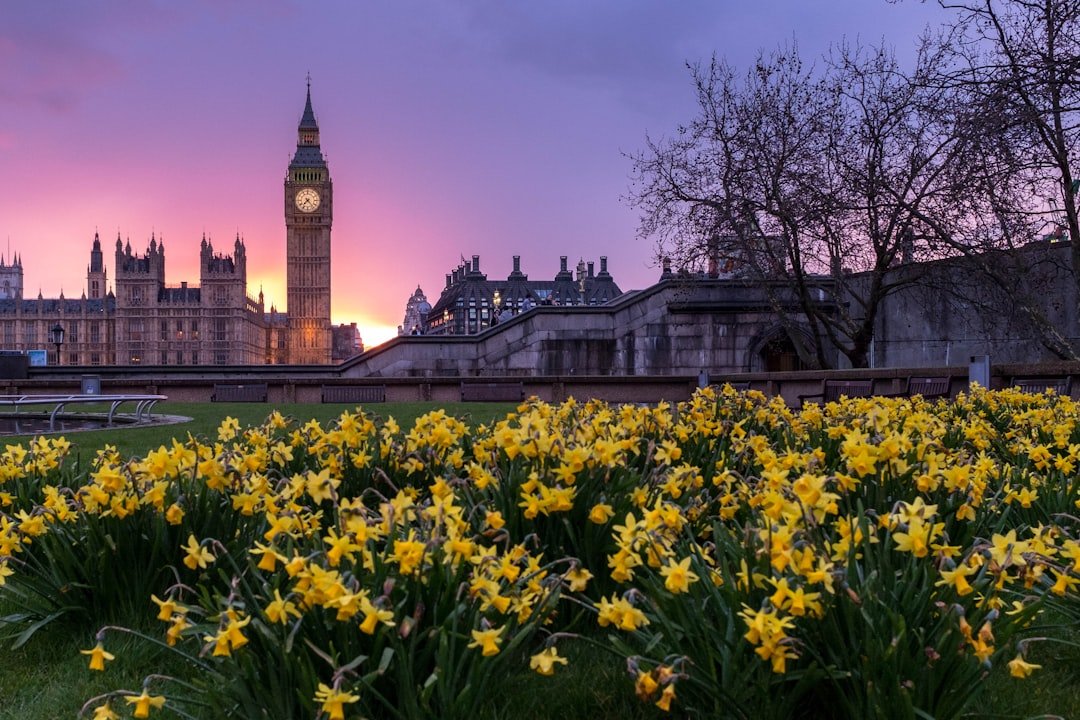
London packs centuries of history, world-class culture, food, theatre, green space, and lively neighborhoods into one city. The best things to do in London range from exploring the Tower of London and Westminster Abbey to visiting free museums, eating at Borough Market, seeing a West End show, and cruising the Thames. A first visit is easiest when you mix major landmarks with one or two local experiences rather than trying to see everything at once.
Quick Answer
For a first London trip, prioritize the Tower of London and Westminster area for history, the British Museum or National Gallery for free culture, and a West End show for an evening experience. Add Borough Market, a Royal Park, or a Thames boat ride to see a different side of the city.
Last checked: October 1, 2026. Dates and figures were verified against official sources.
Key Takeaways
- Several major museums and galleries, including the British Museum and National Gallery, offer free general admission.
- Paid royal attractions can take a large share of a sightseeing budget, so choose the historic sites that matter most to you.
- Borough Market, Camden Market, Shoreditch, and Notting Hill add local food, shopping, and neighborhood character between major sights.
- Hyde Park and Kensington Gardens provide an easy free break from busy central London sightseeing.
- Evening options range from West End theatre and traditional pubs to cocktail bars and illuminated Thames views.
Explore London’s Historic Landmarks
London’s royal and political landmarks give you the clearest introduction to the city’s history. The Tower of London, Buckingham Palace, and Westminster Abbey are especially useful for first-time visitors because each represents a different part of Britain’s royal and national story.
Visit the Tower of London
The Tower of London is a UNESCO World Heritage Site beside the River Thames. William the Conqueror ordered the White Tower after the Norman Conquest, with construction beginning around 1078 rather than the whole fortress being completed in 1066.
Inside, highlights include the Crown Jewels, White Tower, battlements, medieval palace areas, and stories linked to prisoners such as Anne Boleyn and Thomas More. A Yeoman Warder tour is included with normal admission, subject to availability.
As of October 1, 2026, standard adult admission is £38 without a donation. On October 1, the attraction is open from 9:00am to 5:30pm, with last admission at 4:30pm. Allowing two to three hours gives you time for the Crown Jewels, White Tower, and a guided tour without rushing. See the official Tower of London visitor information for the date-specific schedule.
See Buckingham Palace and Westminster Abbey
Buckingham Palace is best known as the King’s official London residence and the setting for royal ceremonies. Even when the interior is closed, the palace façade, Victoria Memorial, The Mall, and nearby St James’s Park make this an easy sightseeing stop.
The standard 2026 summer opening of the State Rooms ran from July 9 to September 27. Standard admission during that period started at £33 for adults when booked in advance and £37 on the day. Outside the summer opening, interior access is limited to selected guided tours, so the Royal Collection Trust’s Buckingham Palace page is the authoritative source for available visits.
Westminster Abbey offers a very different experience. It has been the coronation church since 1066 and contains the graves or memorials of thousands of notable people, including monarchs, scientists, writers, and political figures.
Adult general admission is £31 as of October 2026. Because Westminster Abbey remains a working church, public visiting hours can change around services and national events. The official Westminster Abbey opening and ticket page lists the actual admission window for each date.
Indulge in Traditional Afternoon Tea
Afternoon tea is one of London’s classic food experiences, combining tea with finger sandwiches, warm scones, clotted cream, jam, and pastries. Historic hotels such as The Ritz and Claridge’s turn it into a formal occasion, while many newer venues offer themed or less traditional versions.
At The Ritz London, traditional afternoon tea currently starts at £95 for adults. It is served daily in scheduled sittings, and the hotel applies a formal dress code for afternoon tea.
Claridge’s traditional afternoon tea also starts at £95 per person. Its menu keeps the familiar combination of sandwiches, scones, pastries, and loose-leaf tea while changing some ingredients with the seasons.
Popular hotel teas can fill well in advance, particularly on weekends and during holiday periods. If the formal experience is less important to you, London also has themed teas inspired by books, films, seasons, and contemporary pastry styles.
Visit World-Class Museums and Galleries
)
London’s major museums and galleries are among the best-value things to do in London because several national collections have free general admission. The British Museum, National Gallery, and Tate Modern cover ancient history, European painting, and modern art, so you can choose one that fits your interests rather than spending a whole trip indoors.
British Museum
The British Museum on Great Russell Street covers about two million years of human history and culture. Famous objects include the Rosetta Stone, Egyptian material, the Sutton Hoo collection, and works from ancient Greece, Rome, Asia, Africa, and the Americas.
General admission to the permanent collection is free. The museum is open daily from 10:00am to 5:00pm and until 8:30pm on Fridays, although some special exhibitions require paid tickets. Advance free booking is recommended during busy periods, according to the British Museum visitor information.
National Gallery and Tate Modern
The National Gallery overlooks Trafalgar Square and focuses on Western European painting. General admission is free, and the collection includes major works connected with artists such as Leonardo da Vinci, Rembrandt, Monet, Turner, and Vincent van Gogh.
Tate Modern occupies the former Bankside Power Station on the South Bank. Its collection explores international modern and contemporary art, including works associated with artists such as Picasso, Warhol, and Hockney, while temporary displays and special exhibitions change throughout the year.
Both galleries work well with nearby sightseeing. The National Gallery can be paired with Trafalgar Square, Covent Garden, and the West End, while Tate Modern is close to the Millennium Bridge, St Paul’s Cathedral, Shakespeare’s Globe, and the Thames riverside walk.
Experience London’s Vibrant Theater Scene
A West End performance is one of London’s signature evening experiences. Theatreland covers much of the area around Leicester Square, Covent Garden, Shaftesbury Avenue, and the Strand, with musicals, plays, comedies, family productions, and long-running shows.
The Lyceum Theatre is home to The Lion King, while Les Misérables continues in the West End at the Sondheim Theatre. The Apollo Victoria Theatre is another major musical venue, and dozens of smaller theatres add dramas, comedy, and limited-run productions.
For current listings, access performances, and official tickets, use Official London Theatre, which is run by the Society of London Theatre. Its official ticket booth in Leicester Square also sells on-the-day tickets for selected productions.
London theatre extends beyond the commercial West End. The National Theatre on the South Bank and the Old Vic near Waterloo regularly stage major new plays, revivals, and experimental productions. This makes it possible to choose between a large musical and a more intimate dramatic performance on the same trip.
Enjoy London’s Bustling Street Markets
London’s markets combine food, shopping, and neighborhood atmosphere, making them useful when you want an activity that does not feel like traditional sightseeing. Borough Market is strongest for food, while Camden Market offers a broader mix of street food, fashion, art, accessories, music culture, and independent shops.
Borough Market
Borough Market sits beside London Bridge station and has become one of the city’s best-known food markets. You can find produce, cheese, bread, baked goods, specialty ingredients, restaurants, and street-food traders serving cuisines from around the world.
Entry is free. According to the official Borough Market visitor page, regular hours are Tuesday to Friday from 10:00am to 5:00pm, Saturday from 9:00am to 5:00pm, and Sunday from 10:00am to 4:00pm; the market is normally closed on Monday.
Camden Market
Camden Market is a better fit if you want shopping and street food in the same stop. Its stalls and independent businesses sell vintage clothing, accessories, artwork, records, gifts, and food from many cuisines around the Regent’s Canal area.
Camden Market’s published hours are 10:00am to 7:00pm daily, including bank holidays, although individual traders can keep different hours. Camden Town, Chalk Farm, and Camden Road stations all provide convenient access.
Take a Stroll in the Royal Parks
)
London’s Royal Parks offer a free break from traffic, museums, and indoor attractions. Hyde Park and neighboring Kensington Gardens are especially easy to combine with central London sightseeing because they sit near Knightsbridge, Mayfair, Kensington, and several museums.
Hyde Park includes the Serpentine, Speakers’ Corner, walking paths, lawns, memorials, cafés, boating, and seasonal public swimming at the Serpentine Lido. The public swimming season runs during the warmer months rather than winter, while boating operates for much of the year when conditions allow.
Hyde Park’s pedestrian gates are currently open from 5:00am to midnight. The Royal Parks’ Hyde Park information also posts temporary closures, event notices, and seasonal activity updates.
Kensington Gardens begins immediately west of Hyde Park. Highlights include the Albert Memorial, Italian Gardens, Round Pond, Peter Pan statue, and views toward Kensington Palace. The gardens generally open at 6:00am and close at dusk, with the exact closing time changing through the year.
Discover London’s Quirky Neighborhoods
London becomes more interesting when you spend time away from its headline attractions. Shoreditch and Notting Hill offer two very different neighborhood experiences: one known for street art and creative businesses, the other for colorful streets, independent shops, and Portobello Road Market.
Shoreditch
Shoreditch in East London is known for murals, independent shops, vintage fashion, cafés, nightlife, and creative businesses. Walking around Brick Lane, Redchurch Street, and nearby side streets gives you a changing street-art experience because many works are temporary or replaced over time.
The area also connects easily with Spitalfields and the northern edge of the City of London. That makes Shoreditch a useful stop if you want to combine contemporary London with older streets and markets in the same part of the city.
Notting Hill and Portobello Road
Notting Hill offers pastel-colored houses, garden squares, boutiques, cafés, and one of London’s best-known street markets. Portobello Road Market sells antiques, vintage goods, fashion, produce, food, and collectibles, with the largest concentration of traders toward the end of the week.
Saturday is the main trading day and usually the busiest. Visiting earlier in the day gives you more time to browse before the heaviest crowds arrive.
Cruise Along the River Thames
The Thames gives you a different view of London’s landmarks without adding another long walk. From the river, you can see places such as the Houses of Parliament, London Eye, St Paul’s Cathedral, Tower of London, Tower Bridge, Canary Wharf, and Greenwich from a new angle.
You can choose between sightseeing cruises and scheduled River Bus services. Sightseeing boats focus on commentary and landmark views, while the River Bus works more like public transport and can be useful for moving between central London and riverside areas.
Transport for London lists River Bus services operated by Uber Boat by Thames Clippers and separate sightseeing operators on its official River Thames transport page. Contactless payment and Oyster pay-as-you-go can be used on River Bus services, although river journeys are not part of the normal daily fare cap.
For sightseeing, a route between Westminster, Tower Pier, and Greenwich covers a strong mix of historic and modern London. Evening sailings can also give you views of riverside landmarks after they are illuminated.
Sample London’s Diverse Culinary Scene
London’s food scene reflects the city’s international population, so eating well does not require limiting yourself to traditional British dishes. You can move from a market lunch to South Asian food, Middle Eastern cooking, Chinese dishes, African cuisines, European restaurants, and modern British menus within a single day.
Borough Market works well for sampling several foods in one stop, but London’s neighborhoods provide a deeper experience. Brick Lane is particularly associated with Bangladeshi restaurants and curry houses, while nearby Spitalfields and Shoreditch add bakeries, cafés, pubs, and newer restaurants.
Street-food markets and food halls can also be practical for groups because each person can order from a different trader. For a more traditional meal, look for a pub serving dishes such as pies, Sunday roasts, fish and chips, or seasonal British food.
Shop at Iconic Department Stores and Boutiques
London shopping ranges from luxury department stores to markets and small independent boutiques. Harrods in Knightsbridge and Selfridges on Oxford Street are destinations in their own right, while Covent Garden, Soho, Marylebone, and Notting Hill offer smaller shops in more walkable surroundings.
Harrods combines designer fashion, beauty, jewelry, homeware, gifts, and its well-known food halls under one roof. Selfridges offers a similarly broad department-store experience but is better placed if you are already exploring Oxford Street and the West End.
For independent shopping, Covent Garden combines boutiques, beauty brands, craft stalls, restaurants, and street performers around the historic market buildings. Notting Hill and Shoreditch are stronger choices for vintage pieces, smaller labels, antiques, and one-off finds.
Immerse Yourself in London’s Nightlife
London nightlife is broad enough to suit very different trips. Soho is strong for bars, live entertainment, late dining, and clubs, while Covent Garden and the West End make it easy to combine dinner, theatre, and drinks without traveling far.
Traditional pubs provide a more relaxed option and can be found throughout central London. Many serve food earlier in the evening, while others focus on beer, cider, conversation, sports, or live music.
For a more formal night out, hotel cocktail bars such as The American Bar at The Savoy offer classic drinks in polished surroundings. Other neighborhoods, including Shoreditch and Camden, lean more heavily toward live music, clubs, independent bars, and later-night venues.
The strongest London itinerary mixes a few famous sights with experiences that suit your interests. Historic sites, free museums, neighborhood markets, parks, theatre, and the Thames all reveal a different side of the city, so you do not need to spend every hour moving between paid attractions.
If you’re looking for more travel inspiration, be sure to check out this article on hidden gems in London. It focuses on lesser-known attractions that can complement the major sights in this guide.
Frequently Asked Questions
What are the top things to do in London?
The top things to do in London include visiting the Tower of London and Westminster Abbey, exploring a major museum, seeing a West End show, walking through a Royal Park, visiting a street market, and spending time beside or on the Thames. First-time visitors should choose a mix rather than trying to fit every major attraction into one day.
What are some must-see attractions in London?
Must-see London attractions for many first-time visitors include the Tower of London, Buckingham Palace, Westminster Abbey, Big Ben and the Houses of Parliament, the British Museum, Tower Bridge, and the West End. Which ones deserve your time depends on whether you prefer royal history, art, architecture, theatre, or city views.
What are popular activities for tourists in London?
Popular tourist activities in London include taking a Thames cruise, attending a West End performance, eating at Borough Market, exploring Camden Market, walking through Hyde Park, shopping in Covent Garden, and visiting neighborhoods such as Shoreditch and Notting Hill. These activities work well between the city’s larger historic attractions.
What are some family-friendly things to do in London?
Family-friendly London activities include the Science Museum, Natural History Museum, London Zoo, Hyde Park, Kensington Gardens, a Thames boat trip, and child-friendly theatre productions. Markets can also work well for families because food halls let everyone choose a different meal without committing to a long restaurant sitting.
What are some free things to do in London?
Free things to do in London include visiting the British Museum and National Gallery, walking through Hyde Park and Kensington Gardens, exploring the South Bank, browsing markets without buying anything, seeing street art in Shoreditch, and walking around areas such as Westminster, Covent Garden, and Notting Hill.
Sources
- Historic Royal Palaces — Tower of London: Current admission, opening information, Crown Jewels, Yeoman Warder tours, and Tower history.
- Westminster Abbey: October 2026 admission prices and date-specific visitor opening times.
- Royal Collection Trust — Buckingham Palace: 2026 State Rooms dates, prices, and guided-tour information.
- The Ritz London: Current afternoon tea prices, sittings, and service information.
- Claridge’s: Current traditional afternoon tea price and service details.
- British Museum: Free admission, opening hours, booking guidance, and collection highlights.
- Official London Theatre: West End theatre information and official ticket guidance.
- Borough Market: Current regular market opening times and visitor information.
- The Royal Parks — Hyde Park: Park opening hours, seasonal activities, and visitor notices.
- Transport for London — River services: River Bus routes, operators, fares, payment methods, and sightseeing services.



[…] you’re looking for more travel inspiration, read this existing guide to Top Things to Do in London: Must-See Guide. It covers additional landmarks and experiences you can use to customize this seven-day plan around […]