London’s weather changes often, but the city rarely stays extremely hot, cold, wet, or dry for long. This month-by-month guide uses 1991–2020 climate averages from the Met Office’s Heathrow station, a practical reference for Greater London, and adds seasonal packing advice, daylight information, and major annual events.
Quick Answer
London has a mild, changeable climate. Typical Heathrow highs range from about 8°C in January to 24°C in July. Rain falls in every season, with November the wettest month and March the driest in the 1991–2020 averages. Pack layers and a light waterproof, then check the forecast before each day out.
Key Takeaways
- January is usually the coldest month, while July is normally the warmest.
- Rain is possible in every month. Heathrow averages about 615 mm a year, with November the wettest month and March the driest.
- Daylight ranges from about 7 hours 50 minutes near the December solstice to about 16 hours 38 minutes near the June solstice.
- Late spring and early autumn often offer a useful balance of mild weather, comfortable sightseeing temperatures, and reasonable daylight.
- Carry layers and a light waterproof throughout the year because conditions can shift within the same day.
London Weather by Month at a Glance
The table below shows rounded 1991–2020 averages for Heathrow. “Sunshine” means recorded bright sunshine during the whole month, not total daylight. Central London can feel slightly warmer, especially at night, while conditions can vary across the wider city.
| Month | Typical High | Typical Low | Rainfall | Monthly Sunshine |
|---|---|---|---|---|
| January | 8°C | 3°C | 59 mm | 61 hours |
| February | 9°C | 3°C | 45 mm | 79 hours |
| March | 12°C | 4°C | 39 mm | 124 hours |
| April | 15°C | 6°C | 42 mm | 177 hours |
| May | 18°C | 9°C | 46 mm | 207 hours |
| June | 22°C | 12°C | 47 mm | 208 hours |
| July | 24°C | 14°C | 46 mm | 218 hours |
| August | 23°C | 14°C | 53 mm | 202 hours |
| September | 20°C | 12°C | 50 mm | 157 hours |
| October | 16°C | 9°C | 65 mm | 115 hours |
| November | 11°C | 5°C | 67 mm | 71 hours |
| December | 9°C | 3°C | 57 mm | 55 hours |
Note: Climate averages describe typical conditions over many years. They do not predict a specific trip. London can still experience unusually hot, cold, wet, windy, or snowy spells, so check the short-range forecast before travelling.
Products Worth Considering


January: Cold, Damp, and Short Days
January is usually London’s coldest month. Heathrow averages a high of 8.4°C and a low of 2.7°C, with about 59 mm of rain spread across roughly 12 days. Frost is possible, especially outside central London, and daylight remains limited.
Wear a warm coat, comfortable water-resistant shoes, and layers you can remove indoors. Museums, galleries, theatres, and covered markets are useful options when the weather turns wet.
February: Chilly Weather and Possible Snow
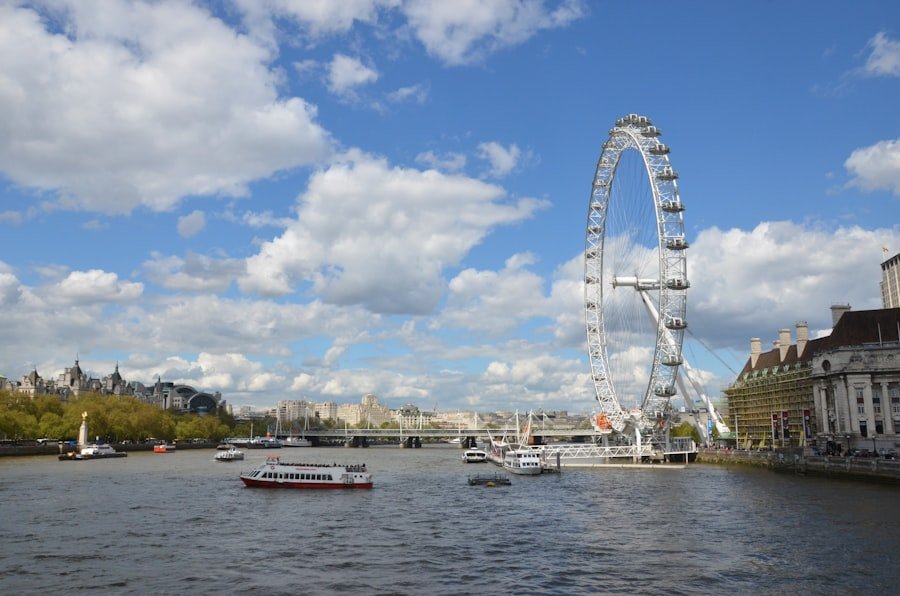
February stays cold, with a typical high near 9°C and low near 3°C. Snow can fall, but it is not dependable and may be brief in central areas. Rainfall is lower than in January on the Heathrow averages, although showers and damp conditions remain common.
Snowdrops and crocuses begin to appear, and London’s Lunar New Year celebrations often take place in January or February, depending on the lunar calendar.
March: Longer Days and Early Spring
March brings a noticeable rise in daylight and temperatures. The typical Heathrow high is 11.7°C, with a low of 4.1°C. It is the driest month in the 1991–2020 Heathrow averages at about 39 mm, but that does not mean it is rain-free.
Weather can still switch quickly between sunshine, showers, gusty winds, and occasional hail. A medium-weight jacket, light waterproof, and layered clothing work well.
April: Mild Days and Fast-Moving Showers
April averages about 15°C by day and 6°C at night. It receives around 42 mm of rain and considerably more sunshine than the winter months. Blossoms and spring planting make parks such as Hyde Park, St James’s Park, Regent’s Park, and Kew Gardens especially attractive.
Carry a compact umbrella or waterproof shell, but also plan for bright spells. Morning and evening temperatures can still feel cool.
May: Warmer Weather and Long Evenings
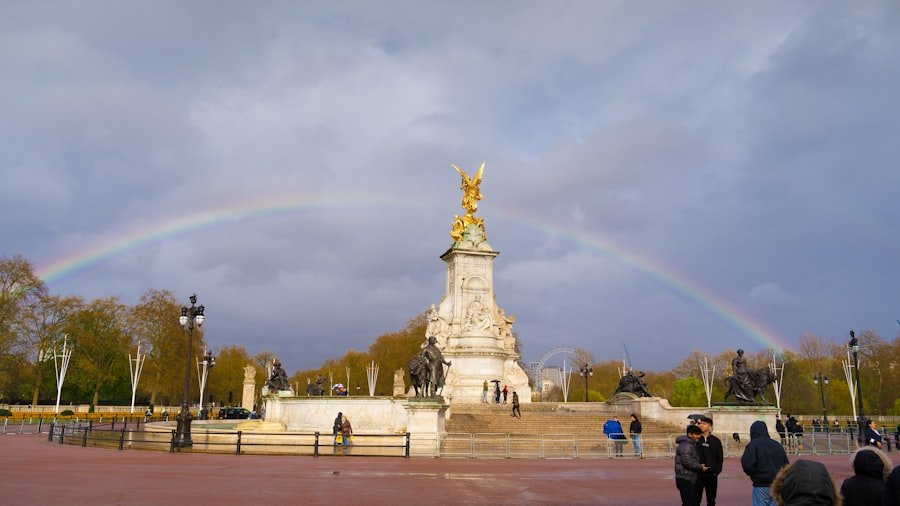
May feels distinctly springlike, with a typical high of 18.4°C, a low of 9.1°C, and about 207 hours of recorded sunshine during the month. Picnics, canal walks, outdoor dining, and park visits become easier to plan.
The RHS Chelsea Flower Show took place from 19 to 23 May in 2026. Dates change by year, so check the official schedule before booking around the event.
June: Mild Summer Weather and the Longest Days
June averages a high of 21.6°C and a low of 12°C. Around the summer solstice, London receives about 16 hours 38 minutes of daylight, giving you long evenings for sightseeing and outdoor events.
The King’s Birthday Parade, or Trooping the Colour, was held on 13 June in 2026. Outdoor theatre, open-air cinema, concerts, and riverside events also become more common.
July: The Warmest Month
July is normally London’s warmest month, with a typical high of 23.9°C and low of 14.2°C. Heathrow records about 218 hours of sunshine, the highest monthly total in the 1991–2020 averages, although showers and thunderstorms can still interrupt hot spells.
The Championships, Wimbledon, ran from 29 June to 12 July in 2026. Warm weather can also bring crowded transport and uncomfortable indoor temperatures.
Warning: Heatwaves can be much hotter than the monthly average. Carry water, seek shade, limit strenuous activity during the hottest part of the day, and follow current London hot-weather advice.
August: Warm Days and Notting Hill Carnival
August stays warm, averaging a high of 23.4°C and low of 14.1°C. Rainfall rises to about 53 mm, and short heavy showers or thunderstorms are possible.
Notting Hill Carnival takes place over the August Bank Holiday weekend. In 2026, the main carnival days are Sunday 30 August and Monday 31 August, with the steel band competition on Saturday 29 August.
September: Mild Early Autumn Weather
Early September can feel like an extension of summer, but cooler evenings and more changeable weather usually become noticeable as the month progresses.
September averages a high of 20.2°C and low of 11.6°C. Rainfall is close to 50 mm, while daylight shortens steadily. A light jacket and waterproof layer are usually more useful than a heavy coat.
The London Design Festival runs from 12 to 20 September in 2026, with installations and events across the city.
October: Cooler, Wetter, and More Autumnal
October’s shorter days and richer autumn colour make daylight planning more important for parks, walking tours, and photography.
October averages a high of 15.8°C and low of 8.8°C. Rainfall increases to about 65 mm, making it one of the wetter months at Heathrow. Leaf colour often strengthens during the month, while Halloween events appear across the city.
Bring a warmer outer layer, water-resistant shoes, and a compact umbrella. Sunset arrives much earlier than in September.
November: The Wettest Month
November is the wettest month in the Heathrow 1991–2020 averages, with about 67 mm of rain. The typical high falls to 11.5°C, the low to 5.3°C, and recorded sunshine drops to about 71 hours for the month.
Cold rain and wind can make conditions feel cooler than the thermometer suggests. A warm waterproof coat and shoes with good grip are useful, especially for evening walks and outdoor markets.
December: Short Days and Festive Weather
December averages a high of 8.8°C and low of 3.1°C. Rainfall is about 57 mm, while recorded sunshine averages only 55 hours for the month. On 21 December 2026, London’s shortest day lasts about 7 hours 50 minutes.
Snow is possible but cannot be relied on for a winter trip. Plan outdoor sightseeing during the middle of the day, then use the darker hours for lights, markets, theatre, museums, and indoor attractions.
What Is the Best Time to Visit London for Weather?
There is no single perfect month, but these periods suit different priorities:
- May and June: Mild temperatures, long days, flowering parks, and many outdoor events.
- July and August: The warmest weather, but also a higher chance of heatwaves, busy attractions, and crowded transport.
- September: Often mild early in the month, with fewer daylight hours than summer but comfortable walking temperatures.
- November to February: Cold, dark, and often damp, but well suited to indoor attractions and seasonal city experiences.
Pro Tip: Choose your travel month by daylight and planned activities, not temperature alone. A dry-looking monthly average does not guarantee dry days, and a cool average does not rule out an unusually warm spell.
Products Worth Considering
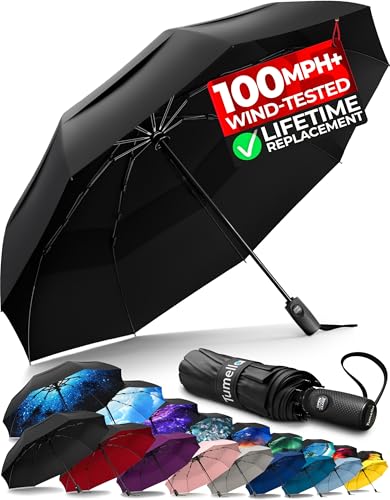
FAVORITE PICK ON NBC TODAY: Tumella’s compact folding umbrella is built to resist winds up to 100MPH. Our windproof frame features 9 full fiberglass ribs, giving it unmatched performance in high winds and sudden gusts. The ribs in other umbrellas are made of a combination of fiberglass and metal, making them structurally weaker so they bend or break easily in stormy conditions. Designed with your daily in-and-out routine in mind — whether you’re commuting, running an errand, or walking your dog.

Durable Design to Windproof: This is Durable umbrella for men and women. The SY Compact umbrella have Black aluminum frame and 8 Fiberglass Ribs ensure resistance to wind gusts. Even when flipped inside out it will flip back without any damage.
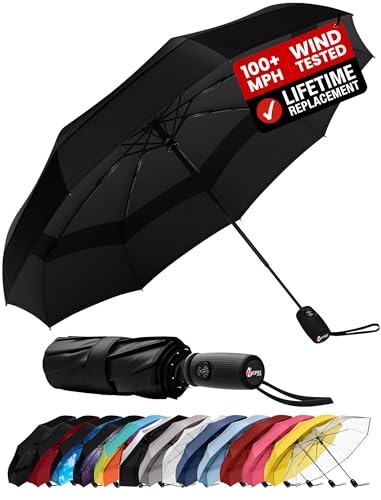
AWARD-WINNING WINDPROOF DESIGN: Engineered to outperform ordinary umbrellas, this compact folding umbrella withstands extreme conditions with reinforced fiberglass ribs, a vented canopy, and strong fabric. Tested to 100MPH, Repel is resistant to flipping and breaking where others fail. Portable and sturdy, it expands wide for large coverage against rain, UV light, and storms, making it the strongest and most dependable travel essential accessory or a classic gift
What to Pack for London in Each Season
Products Worth Considering

【Barefoot Comfort】Women's zero-drop sneakers with a wide toe box for barefoot-like comfort

Eco-friendly suede leather and mesh upper promote airflow, prevent excessive accumulation of foot sweat, help reduce foot odor, and provides all-day comfort.

EFFORTLESS SLIP-ON DESIGN: These slip on shoes for women feature a convenient hands-free entry with Heel Pillow technology that securely holds your foot in place
Winter: December to February
- Warm, water-resistant coat
- Layers for heated indoor spaces
- Comfortable water-resistant shoes
- Gloves, scarf, and compact umbrella
Spring: March to May
- Light or medium jacket
- Waterproof shell or umbrella
- Layered tops for changing temperatures
- Comfortable walking shoes
Summer: June to August
- Light clothing and a thin evening layer
- Sun protection and refillable water bottle
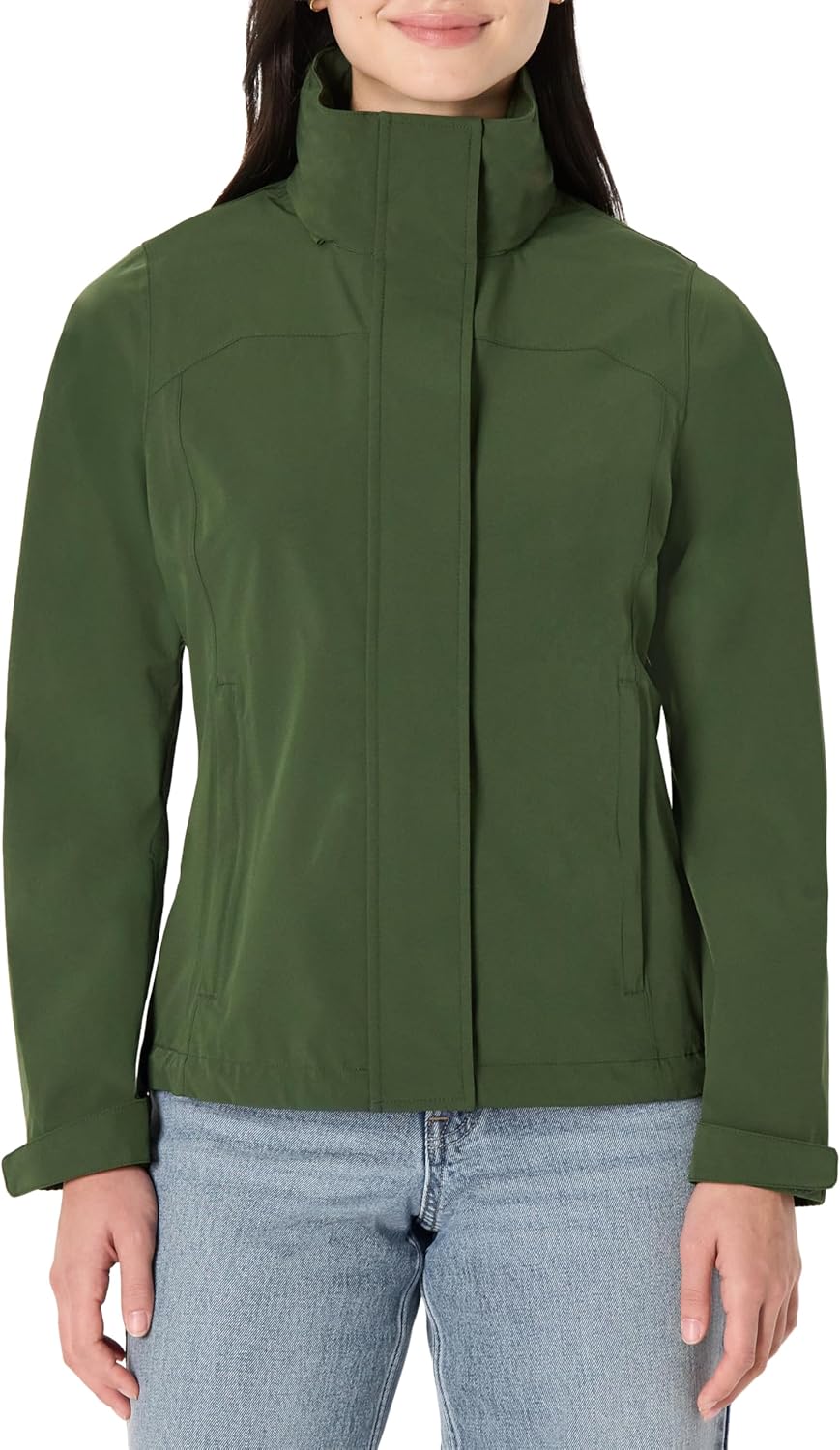
- Compact rain jacket or umbrella
- Comfortable, breathable footwear
Autumn: September to November
- Layers and a warmer jacket later in the season
- Waterproof outer layer
- Water-resistant shoes with good grip
- Compact umbrella
Frequently Asked Questions
What is the average temperature in London by month?
Typical Heathrow highs range from about 8°C in January to 24°C in July. Typical lows range from about 3°C in winter to 14°C in July and August. These are 1991–2020 climate averages, not forecasts for a particular year.
What are London’s wettest and driest months?
At Heathrow, November is the wettest month at about 67 mm, while March is the driest at about 39 mm. Rain can still fall in every month, so a light waterproof is useful year-round.
Does it snow in London?
Yes, snow can fall in London, mainly in winter, but it is irregular and often short-lived in central areas. Do not plan a trip expecting reliable snow cover.
How much daylight does London get?
London gets about 7 hours 50 minutes of daylight near the December solstice and about 16 hours 38 minutes near the June solstice. Daylight changes quickly during spring and autumn.
What is the best month for mild London weather?
May, June, and September often provide mild sightseeing weather. May and June have longer days, while September can be comfortable before colder autumn weather becomes established.
Should I carry an umbrella in London?
A compact umbrella or lightweight waterproof is useful in every season. Wind can make umbrellas awkward, so a hooded rain jacket is often the more dependable option.
Sources
- Met Office: Heathrow 1991–2020 climate averages — monthly high and low temperatures, rainfall, rainy days, frost, wind, and sunshine.
- Timeanddate: London sunrise, sunset, and day length — summer and winter daylight ranges.
- London City Hall: Coping with hot weather — practical heat-safety guidance for residents and visitors.
- Royal Horticultural Society: RHS Chelsea Flower Show — official event dates and visitor information.
- Wimbledon: Dates for future Championships — official tournament dates.
- Notting Hill Carnival — official carnival dates and programme information.