London offers many strong options for wheelchair users, from major museums and riverside attractions to parks, theatres, stadiums, restaurants, and historic sites. However, “accessible” does not always mean every part of a venue is step-free. The best wheelchair accessible attractions in London are those where you can confirm the entrance, route, toilets, lifts, seating, and transport before you arrive.
Quick Answer
London has many wheelchair-accessible attractions, but access varies by venue. The British Museum, Tate Modern, Hyde Park, Kensington Gardens, BFI Southbank, Wembley Stadium, The O2 and the London Eye are among the easier options. Historic sites such as the Tower of London have partial access, so route planning matters.
Last checked: October 1, 2026. Dates and figures were verified against official sources.
Key Takeaways
- Major museums and modern venues usually provide the easiest step-free routes, lifts, and accessible toilets.
- Historic attractions need more planning because cobbles, narrow passages, stairs, and protected buildings can limit access.
- London buses are wheelchair accessible, but the Underground is not fully step-free.
- Some venues require wheelchair spaces, step-free entrances, or companion arrangements to be booked before arrival.
- Accessibility can change because of lift faults, maintenance, events, and temporary closures, so check your route before travelling.
Wheelchair Accessible Attractions in London at a Glance
London has accessible options across almost every type of sightseeing. The table below shows what to expect at several of the best-known choices and where extra planning is useful.
| Attraction | Access | Cost type | Plan ahead? |
|---|---|---|---|
| British Museum | Step-free easy-access route, lifts and accessible toilets | Free general entry; some exhibitions are paid | Recommended for wheelchair loans |
| Tate Modern | Step-free entrances and lifts between floors | Free collection displays; some exhibitions are paid | Usually straightforward |
| Hyde Park and Kensington Gardens | Many wide, paved routes | Free | Check temporary closures |
| Tower of London | Partial; Crown Jewels have level access, but several historic areas do not | Ticketed | Yes |
| Buckingham Palace | Step-free route available for relevant visits | Ticketed | Pre-book step-free access |
| London Eye | Wheelchair-accessible capsules | Ticketed | Advance booking is sensible |
| Wembley Stadium | Accessible entrances, wheelchair seating and lifts | Event ticket required | Yes |
| The O2 | Step-free public areas, lifts and accessible seating | Event ticket required | Yes for accessible event tickets |
Museums and Art Galleries
London’s large museums and galleries are among the easiest attractions to plan for wheelchair access. Modern lifts, accessible toilets, step-free entrances, seating, and mobility-aid loans are common, although temporary exhibitions can have separate booking arrangements.
British Museum
The British Museum has a step-free easy-access route at its Great Russell Street entrance, accessible toilets, and lifts serving most public levels. Its permanent collection is free to visit, although some special exhibitions and events charge admission.
A limited number of manual wheelchairs can be reserved free of charge. The museum asks visitors to allow at least two working days when arranging a wheelchair, and its British Museum accessibility information also explains lift access, entrances, accessible events, and facilities for disabled visitors.
Tate Modern
Tate Modern is another practical choice because its main public areas are served by lifts and step-free routes. The Turbine Hall entrance near the Thames provides step-free access, while the building’s accessible facilities are marked on museum maps.
Wheelchairs and walking aids can be borrowed, subject to availability. The permanent collection can be visited without a general admission charge, while some temporary exhibitions require tickets. Visit London’s accessible attractions guide also highlights Tate Modern, the British Museum, the London Eye, Kew Gardens and other wheelchair-friendly sights.
Parks and Gardens
London’s major parks provide a break from crowded indoor attractions, and many principal routes are paved or surfaced well enough for wheelchair users. The main issue is distance: the parks are large, so it helps to plan toilets, entrances, rest stops, and the nearest step-free transport before setting out.
Hyde Park
Hyde Park has a large network of broad paths, accessible toilets, and several major sights that can be approached without using stairs. The Serpentine, open lawns, cafés, monuments, and the Diana, Princess of Wales Memorial Fountain area can be combined into a relatively flexible visit.
The memorial has a wheelchair-suitable path. However, the Royal Parks currently lists the fountain’s water system as closed because of a major fault; the surrounding grounds reopened to visitors. Check the Diana Memorial Fountain status if seeing the running water is important to your visit.
Kensington Gardens
Kensington Gardens joins Hyde Park and offers wide paths through areas such as the Round Pond, Italian Gardens, Serpentine Gallery area, and routes near Kensington Palace. Royal Parks walking routes deliberately use many of the most accessible paved paths.
The gardens also provide sensory experiences for visitors with disabilities, including tactile sculptures and fragrant flower beds. Because access can vary between individual monuments, paths, and temporary works, choose the exact stops you want before committing to a long route across the gardens.
Theatres and Cinemas
London’s major cultural venues increasingly provide wheelchair spaces, lifts, accessible toilets, audio description, captions, hearing support, and companion arrangements. Your exact experience still depends on the auditorium and seat you book.
National Theatre
The National Theatre on the South Bank provides step-free movement around its public areas and accessible toilets. Wheelchair spaces are available within its theatres, although their position depends on the production and auditorium.
The venue also schedules access performances, including audio-described and captioned shows. Booking an appropriate performance and wheelchair position together is more reliable than buying a standard seat first and trying to change it later.
BFI Southbank
BFI Southbank has wheelchair access to all four of its main screens, using lifts or step-free routes depending on the entrance and auditorium. Wheelchair spaces are positioned differently in NFT1, NFT2, NFT3, and NFT4.
If you reserve a wheelchair space, a companion seat can be arranged next to it. The venue also provides accessible toilets, induction loops, and accessible screenings that may include subtitles or audio description.
Historical Landmarks
Historic buildings are where accessibility varies most. Protected architecture, narrow passages, spiral stairs, cobbles, and changes in floor level can prevent full wheelchair access even when the entrance and several major exhibits are accessible.
Tower of London
The Tower of London is only partly wheelchair accessible. The Jewel House, which contains the Crown Jewels, has level access, but the site’s cobbles, steps, low doorways, and historic passageways create significant restrictions elsewhere.
The official Tower of London accessibility guide states that there is no lift or ramp access to the Battlements, Bloody Tower, or Imprisonment at the Tower exhibitions. A wheelchair is available free on a first-come, first-served basis, and digital access tours provide an alternative view of some inaccessible historic spaces.
Note: At historic attractions, “wheelchair accessible” may describe only part of the visitor route. Check which specific rooms or exhibits you want to see before buying tickets.
Buckingham Palace
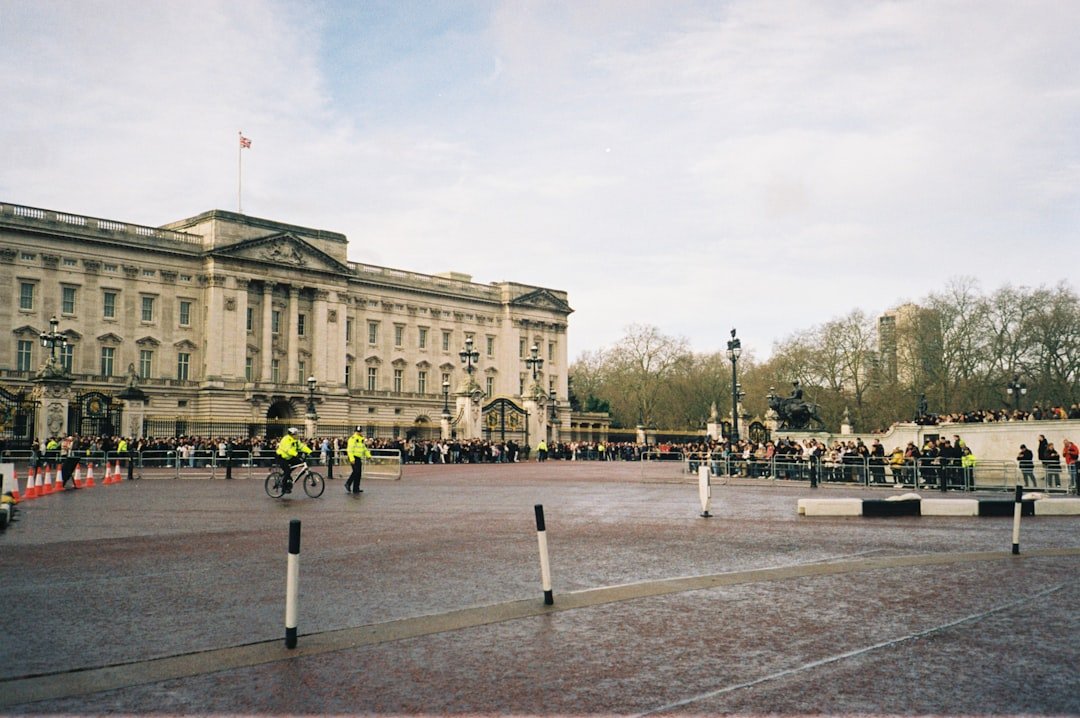
Buckingham Palace offers a step-free route for visitors during suitable public openings, but wheelchair and step-free access should be arranged before the visit. Visitors using the accessible route enter through a different entrance at the front of the Palace before joining the main visitor route.
Manual wheelchairs can be borrowed subject to availability, and a free access companion ticket is offered. The Buckingham Palace mobility access information explains which visit types can accommodate wheelchairs and the size limits for mobility aids using Palace lifts.
London Eye
The London Eye is one of London’s easier major sightseeing attractions for many wheelchair users. Its capsules are wheelchair accessible, but wheelchair capacity is controlled for safety, so advance booking is a better option than arriving without an access reservation.
Each capsule can accommodate up to two wheelchairs, while the attraction limits the total number of wheelchairs riding at the same time. This makes pre-booking particularly useful at weekends, during holidays, and at busy sightseeing times.
Sports Venues
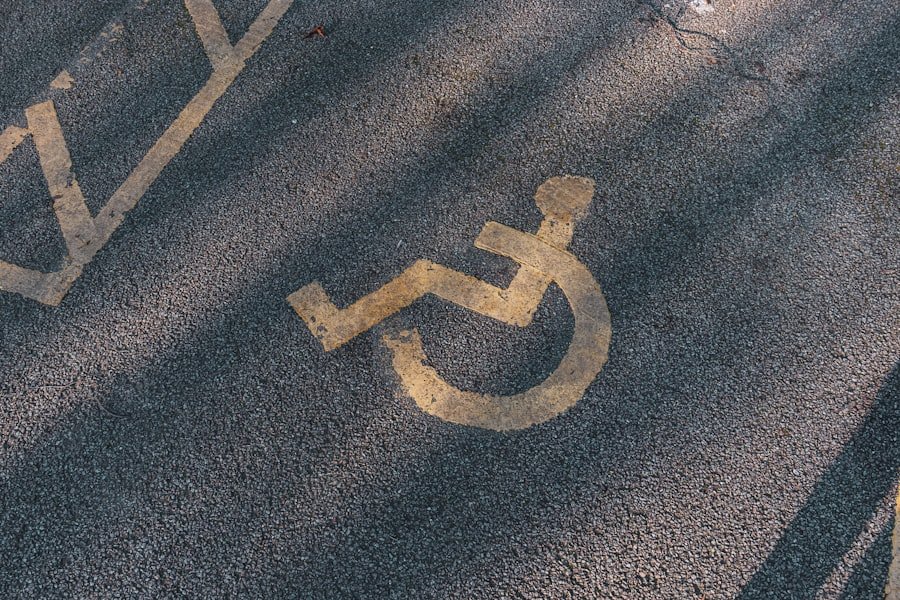
London’s largest sports and entertainment venues have dedicated accessibility systems rather than a single general entrance. Accessible tickets, wheelchair bays, companion seating, toilets, lifts, drop-off arrangements, and station access should be treated as part of the booking.
Wembley Stadium
Wembley Stadium has accessible entrances at its turnstiles, dedicated wheelchair seating, lifts, and staff assistance. Wheelchair users should buy an accessible ticket through the stadium’s designated process rather than purchasing a standard ticket and assuming it can be converted later.
The stadium’s accessible entry and navigation guidance explains the lift routes and accessible entrances. Event layouts can change, especially for concerts or events using the pitch, so the access route can differ from a normal football match.
The O2
The O2 has level or step-free public areas, lifts, wheelchair-accessible toilets, Changing Places facilities, and accessible seating options. Accessible tickets for arena events use a dedicated booking process linked to the visitor’s access requirements.
The venue’s current The O2 accessibility information also covers wheelchair assistance, accessible drop-off, queuing support, assistance dogs, and accessible seating.
Restaurants and Cafes
Accessible dining is widely available in London, but access can differ between branches of the same restaurant. Look for step-free entry, an accessible toilet, enough space beside the table, and whether dining rooms are split across different floors.
Dishoom
Dishoom has several London cafés with wheelchair-accessible entrances, seating, lifts, step-free access, and disabled toilets. Its King’s Cross, Kensington, Covent Garden, and Battersea location pages all list wheelchair accessibility features.
The staff is trained to accommodate guests with mobility challenges, helping make dining more comfortable. However, some private rooms or event spaces associated with the brand may be upstairs or otherwise inaccessible, so the specific location and room matter.
The Ivy Chelsea Garden
The Ivy Chelsea Garden is another useful option for wheelchair users. Its main restaurant, terrace, and bathroom are listed as fully accessible, and wheelchair users can reach its private dining room through the main entrance.
This is a good example of why checking the actual branch is more useful than relying on a restaurant group’s general reputation. Older London buildings can have very different floor layouts even when they operate under the same brand.
Transportation and Accommodation Options
Choosing accessible attractions is only half of the planning. Your transport route and hotel can determine whether a London day feels straightforward or exhausting, especially if a lift failure creates an unexpected barrier.
Accessible Public Transport
London buses are one of the most consistently wheelchair-friendly public transport options. TfL states that all bus routes use low-floor vehicles with an access ramp and a dedicated wheelchair space.
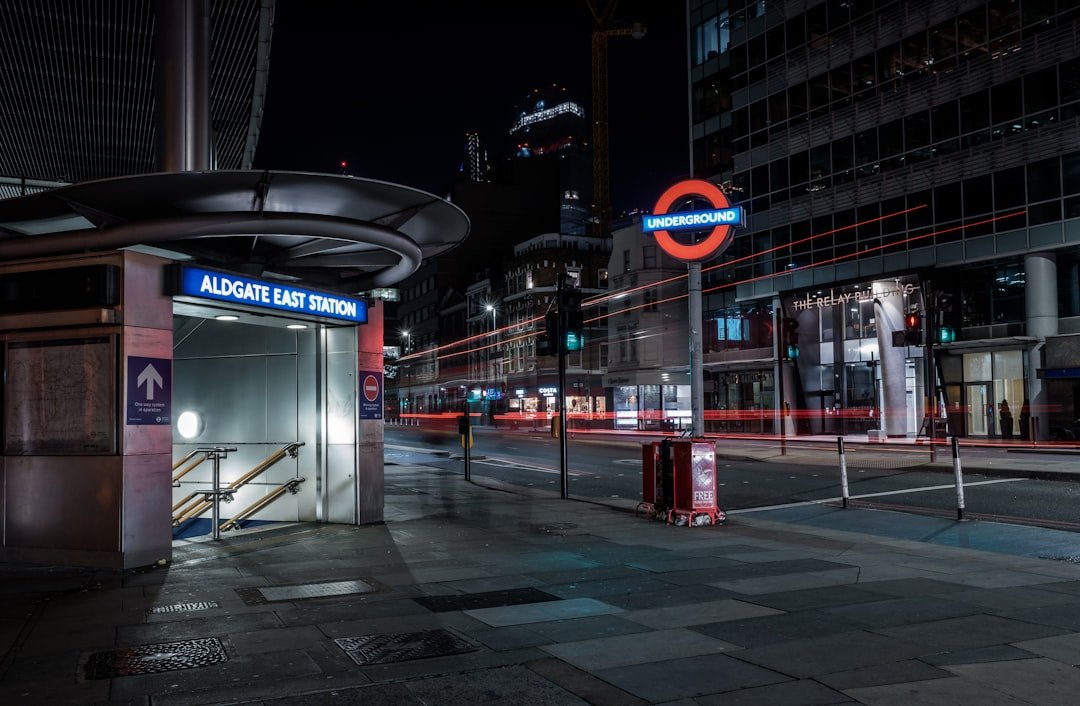
The Underground is different because not every station is step-free. According to Transport for London’s wheelchair access guidance, around one-third of Tube stations and about half of Overground stations have step-free access. All DLR stations and all 41 Elizabeth line stations are step-free from street to platform.
Step-free station symbols also distinguish between street-to-platform and street-to-train access. A station can therefore be marked step-free even when you still need a boarding ramp because of the gap or height difference between the platform and train.
Pro Tip: Plan the entire wheelchair route, not just the nearest station. A slightly more distant station with reliable street-to-train access can be easier than a closer station with stairs or a large platform gap.
London black cabs are wheelchair accessible, and many river and tram services also provide step-free boarding. If a lift fails at a Tube, Elizabeth line, or Overground station, TfL staff can help find an alternative accessible route.
Accessible Hotels
London has many hotels with mobility-accessible rooms, but room labels alone do not tell you whether a room fits your exact needs. Door widths, bed height, shower type, turning space, grab rails, lift access, and space beside the bed may all matter.
The Hilton London Metropole, for example, lists a Queen mobility-accessible room with a roll-in shower. Staff members are trained to assist guests with mobility challenges, ensuring a comfortable stay in one of London’s busy central areas.
Before booking any hotel, confirm the exact room type rather than relying only on the word “accessible.” If you need a roll-in shower, transfer space on a particular side of the toilet or bed, a hoist, or room for a large powered chair, ask about that feature specifically.
How to Plan an Accessible Day in London
The most reliable approach is to connect the attraction, transport route, meal stop, and hotel as one accessible journey. A venue can have excellent wheelchair access and still be difficult to reach if the nearest station has no working lift.
- Choose the attraction first. Identify the specific exhibits, rooms, viewpoints, or seating areas you want to use.
- Check whether access must be pre-booked. This is particularly important for wheelchair spaces, Palace entrances, companion tickets, and some mobility-aid loans.
- Plan a step-free transport route. Check both street-to-platform and platform-to-train access rather than assuming every “step-free” station works the same way.
- Check accessible toilets. Large parks and historic sites can involve long distances between suitable facilities.
- Allow extra time. Accessible entrances and lifts may be on a different side of a building from the main visitor entrance.
- Recheck temporary changes on the day. Lift failures, construction, events, and maintenance can change an otherwise accessible route.
Frequently Asked Questions
What are some wheelchair accessible attractions in London?
Good wheelchair accessible attractions in London include the British Museum, Tate Modern, the London Eye, Hyde Park, Kensington Gardens, BFI Southbank, Wembley Stadium and The O2. The Tower of London can also be visited by wheelchair users, but several historic areas are not step-free.
Are there accessible transportation options in London for wheelchair users?
Yes. London buses use low-floor vehicles with ramps and wheelchair spaces, while black cabs are wheelchair accessible. Many Tube and Overground stations are step-free, and all DLR stations and Elizabeth line stations provide step-free access from street to platform. Always check the exact station route before travelling.
Do London’s major parks and gardens have wheelchair accessible paths?
Yes. Hyde Park, Kensington Gardens, Regent’s Park and Kew Gardens all have routes that wheelchair users can enjoy. Surfaces and gradients still vary, so choose the main paved paths and check the location of accessible toilets and entrances before covering a long distance.
Are there accessible accommodations in London for wheelchair users?
Yes. Many London hotels offer mobility-accessible rooms, but the facilities differ by property and room type. Confirm the shower, toilet transfer space, bed access, doorway width, lift route, and any equipment you need before booking rather than relying on a general accessible-room label.
Are there accessible dining options in London for wheelchair users?
Yes. Many London restaurants provide step-free entrances, accessible toilets and wheelchair-friendly seating. Dishoom has several accessible London cafés, while The Ivy Chelsea Garden lists its main restaurant, terrace and bathroom as accessible. Check the specific branch because older buildings can have different layouts.
Is the London Underground fully wheelchair accessible?
No. The London Underground is not fully wheelchair accessible, although the number of step-free stations continues to grow. Some stations provide step-free access only from street to platform, while others provide a step-free route all the way to the train, so check the wheelchair symbols carefully.
Is the Tower of London fully wheelchair accessible?
No. The Tower of London has significant wheelchair-accessible areas, including level access to the Jewel House, but the historic site contains cobbles, stairs, narrow passages and low doorways. The Battlements, Bloody Tower and Imprisonment at the Tower exhibitions do not have lift or ramp access.
Should wheelchair access be booked in advance at London attractions?
Sometimes. Attractions such as Buckingham Palace require step-free access to be arranged in advance, while event venues may use dedicated accessible-ticket systems. Wheelchair loans and companion arrangements can also have limited availability, so booking ahead is sensible whenever a venue offers an accessibility reservation.
London has made substantial progress on accessibility, especially at museums, modern entertainment venues, parks, buses, and newer rail infrastructure. The biggest differences appear at historic buildings and older Underground stations, so the most useful habit is to plan the complete accessible journey rather than judging an attraction by its entrance alone.
If you are looking for more travel reading, you may also be interested in Exploring the Delightful World of Asian Melon.
Sources
- British Museum: step-free entrance, lifts, accessible facilities and wheelchair loans.
- Visit London accessible attractions: accessibility information for Tate Modern, London Eye and other major attractions.
- The Royal Parks: Diana Memorial Fountain wheelchair access and current closure information.
- Historic Royal Palaces: Tower of London wheelchair routes, restrictions and mobility aids.
- Royal Collection Trust: Buckingham Palace mobility and step-free access arrangements.
- Wembley Stadium: accessible entrances, lifts and stadium navigation.
- The O2: wheelchair access, accessible seating, toilets and visitor assistance.
- Transport for London: wheelchair access, step-free stations, buses, taxis and boarding information.