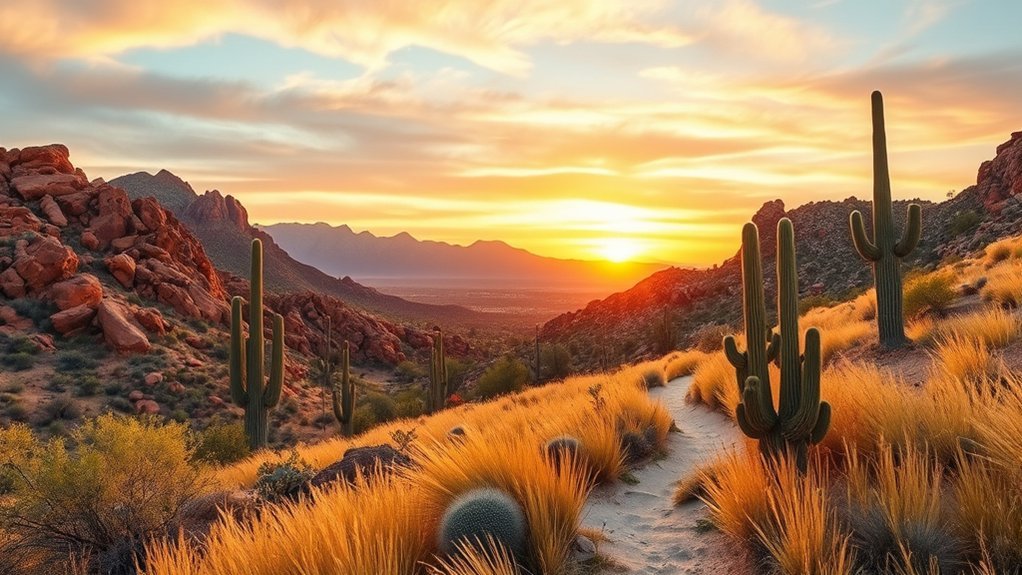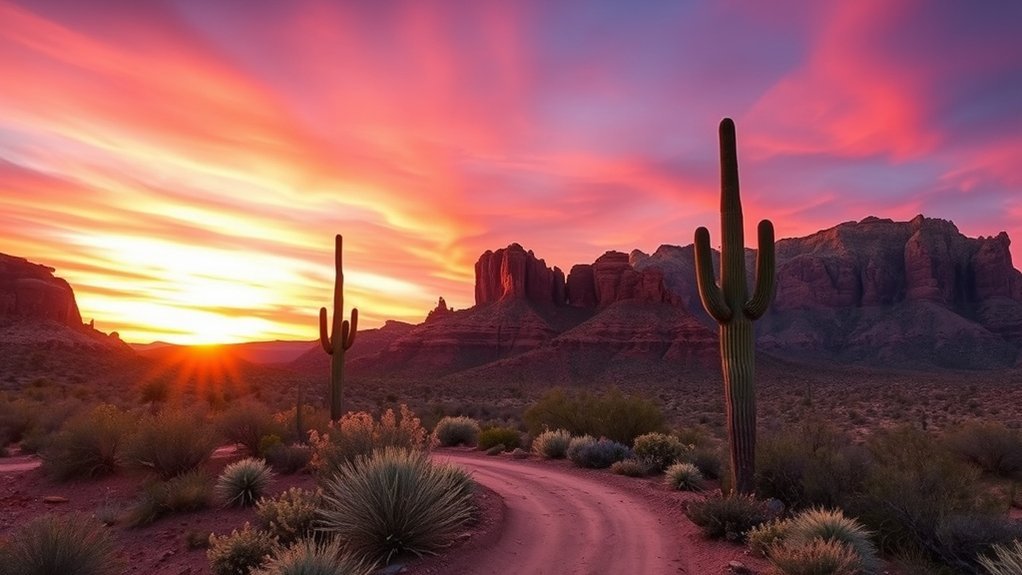
Arizona has far more to explore than its most famous viewpoints. Beyond the Grand Canyon, you can find slot canyons, spring-fed creeks, mountain forests, historic mining towns, Indigenous cultural landscapes, desert wildlife, and scenic backroads. Some places feel wonderfully remote, while others are famous attractions that still reveal a different side of the state. The key is knowing which destinations need permits, guided access, advance reservations, or extra backcountry preparation before you go.
Quick Answer
Arizona’s hidden gems range from Madera Canyon and Fossil Creek to Bisbee, Jerome, Montezuma Castle, and quieter desert drives. Some famous spots, including Antelope Canyon, Havasu Falls, and The Wave, require guided tours or advance permits, so always check the managing agency before building your itinerary.
Key Takeaways
- Arizona’s lesser-known attractions include mountain canyons, historic towns, archaeological sites, desert trails, scenic roads, and spring-fed swimming areas.
- Antelope Canyon requires guided access, while Havasupai and The Wave require advance permits.
- Tribal lands are sovereign lands with their own rules and should never be treated as unrestricted public land.
- Spring and fall are comfortable for many lower-elevation trips, but conditions vary greatly between Arizona’s deserts and mountains.
- Check permits, road conditions, weather, fire restrictions, and water availability shortly before every remote trip.
Hidden Natural Wonders
Arizona’s dramatic geology creates everything from narrow slot canyons to turquoise creeks and sculpted sandstone. Several of the state’s most photogenic places require more planning than their scenic photos suggest, so knowing the access rules is part of planning a responsible trip.
Antelope Canyon
Near Page, Antelope Canyon is known for narrow sandstone walls and shafts of light that transform throughout the day. It lies on Navajo Nation land, and visitors cannot simply enter independently. Navajo Nation Parks & Recreation requires guided access to Antelope Canyon, so reserve with an authorized operator before arriving.
Havasu Falls
Havasu Falls is famous for blue-green water surrounded by red canyon walls, but it is not an unrestricted day-hiking destination. It lies within the Havasupai Reservation, and tourism access requires an official reservation and permit purchased before arrival. Check the Havasupai Tribe’s official tourism site for current booking, check-in, camping, and visitor rules.
The Wave
The Wave is a swirling sandstone formation within Coyote Buttes North in the Paria Canyon-Vermilion Cliffs Wilderness. Its fragile landscape and limited visitor capacity make it very different from a normal walk-up trail. The Bureau of Land Management requires a Coyote Buttes North permit, and the backcountry area has no developed trail system or visitor facilities.
Note: “Hidden gem” does not always mean uncrowded or unrestricted. Antelope Canyon, Havasu Falls, and The Wave are internationally known, tightly managed destinations. Their value in an Arizona itinerary comes from their distinctive landscapes, not from being secret places.
Madera Canyon
For a quieter contrast to Arizona’s red-rock country, head toward Madera Canyon in the Santa Rita Mountains south of Tucson. Its higher elevation, woodland habitat, hiking routes, and well-known birdlife make it feel very different from the surrounding Sonoran Desert. It works especially well for travelers who want hiking and wildlife viewing without committing to an extreme backcountry route.
Quirky Small Towns
Arizona’s small towns can be just as memorable as its landscapes. Historic mining communities, hillside streets, galleries, tasting rooms, old commercial buildings, and locally owned shops give you reasons to slow down between hikes and scenic drives.
Bisbee
Bisbee combines historic mining roots with colorful architecture, galleries, small shops, museums, and steep streets tucked into the Mule Mountains. Instead of treating it as a quick photo stop, allow time to walk through the historic district and learn how mining shaped the town.
Jerome
Jerome is better described as a historic former copper-mining town than as a present-day ghost town. After mining declined, the hillside community reinvented itself as a small arts, history, and tourism destination. Today you can explore historic buildings, galleries, viewpoints, and reminders of the mining industry while looking across the Verde Valley.
Cottonwood
Cottonwood offers a more relaxed base in the Verde Valley. Its historic core has restaurants, tasting rooms, shops, and easy access to nearby communities and outdoor areas. It pairs naturally with Jerome for travelers who want to mix local food and wine with Arizona history.
Pro Tip: Combine Jerome and Cottonwood on the same part of your trip rather than treating every Arizona destination as a separate day trip. Driving distances across the state are larger than they can appear on a map.
Ancient Ruins and Historical Sites
Arizona’s archaeological and cultural sites should be approached as more than abandoned relics. Many places remain culturally important to living Indigenous communities, and some are located on Tribal lands where access rules differ from those on federal or state recreation lands.
Native American Heritage Sites
Montezuma Castle preserves an impressive multistory cliff dwelling in the Verde Valley and offers an accessible way to learn about the people who lived in the region centuries ago. At Canyon de Chelly, the cultural story continues into the present: Diné families still live within the canyon landscape. Follow all posted access rules, respect residential and ceremonial areas, and use authorized guides where required.
Visits to Hopi and Navajo communities deserve the same respect you would give any living community. Tribal nations are sovereign governments, and visitor access, photography, hiking, camping, and guiding rules can differ by location. Do not assume that an open-looking road or landscape is open for recreation.
Historic Mining Towns
Jerome and Bisbee offer two different windows into Arizona’s mining era. Historic buildings, museums, former industrial sites, and preserved commercial districts help explain how copper and other mineral extraction shaped settlement in the state. Rather than viewing these communities only as Old West curiosities, take time to learn about the workers, families, businesses, and cultures that built them.
Ancient Petroglyphs Exploration
Arizona contains remarkable petroglyph sites, including rock art within Saguaro National Park and other protected landscapes. These images are irreplaceable cultural resources rather than surfaces to touch or trace.
Warning: Never touch, rub, chalk, wet, scratch, or trace petroglyphs. The National Park Service advises visitors not to touch rock art because contact can damage these cultural resources. Stay on established routes and leave artifacts exactly where you find them.
Slow down and observe the designs from a respectful distance. Interpretive signs, ranger programs, and guided experiences can help you understand the cultural context without disturbing the site.
Scenic Byways and Driveable Adventures
Arizona’s scenic drives reveal how quickly the landscape can change from desert basins to pine country, river canyons, red-rock formations, and high plateaus. They are especially useful when you want dramatic scenery without making every day a long hike.
Apache Trail
State Route 88, commonly called the Apache Trail, passes rugged mountain scenery, reservoirs, and desert landscapes east of the Phoenix area. Portions of the route are unpaved and have experienced storm and flood damage in the past. Before driving the route, check the Arizona Department of Transportation’s SR 88 information for current access and road conditions.
Historic Route 66
Historic Route 66 offers a completely different Arizona experience, with old roadside businesses, desert towns, vintage signs, and long open-road views. Rather than trying to cover every surviving section, choose a manageable stretch and allow time for small-town stops along the way.
Oak Creek Canyon and Sedona
Oak Creek Canyon provides a scenic transition between the high country around Flagstaff and the red-rock landscape near Sedona. Expect winding roads, busy viewpoints during peak periods, and significant seasonal traffic. Starting early can make roadside stops easier.
Monument Valley
Monument Valley’s towering buttes create one of the Southwest’s most recognizable landscapes. Remember that Monument Valley Navajo Tribal Park is on Navajo Nation land, not generic public land. Entry rules, fees, road conditions, vehicle restrictions, and guided-tour options can change, so review current Tribal Park information before you travel.
Outdoor Activities Off the Beaten Path
Arizona’s quieter outdoor experiences often require more preparation than its developed overlooks. Remote trailheads may have rough roads, weak cell service, limited water, seasonal closures, permit systems, or rapidly changing weather.
Warning: Arizona heat can become dangerous quickly. Carry more water than you expect to need, protect yourself from the sun, avoid strenuous desert hiking during the hottest part of summer days, and turn around before your water supply becomes critically low. During monsoon season, avoid washes, slot canyons, and flood-prone areas when storms threaten.
Hidden Hiking Trails
If you want hiking experiences beyond Arizona’s busiest trails, these three areas provide very different landscapes:
- Madera Canyon: A mountain canyon in the Santa Rita Mountains with forested trails, wildlife habitat, and excellent birdwatching opportunities.
- Saguaro National Park’s Rincon Mountain District: The park’s east side offers desert and mountain trails surrounded by saguaro forests. Choose a route that matches the season, temperature, and your fitness level.
- Fossil Creek: For waterfall access, the Dixon Lewis Trail is a popular option rather than simply a trail called “Fossil Creek.” The route reaches a spring-fed creek and waterfall area, but access is regulated seasonally.
From April 1 through October 1, parking in the Fossil Creek area requires an advance reservation for a specific parking area. Permits are not issued onsite. The Coconino National Forest’s Dixon Lewis Trail page also warns that swimming and cliff diving around the waterfall can be dangerous.
Unique Camping Experiences
Arizona offers memorable camping, but rules vary significantly by destination. A beautiful landscape does not automatically mean you may pitch a tent anywhere you choose.
| Location | What Makes It Special | Planning Note |
|---|---|---|
| Havasu Falls | Blue-green creek, canyon scenery, and waterfalls | Official Havasupai reservation and permit required before arrival |
| Chiricahua Mountains | Rock formations, mountain scenery, and dark skies | Verify campground, fire, road, and backcountry rules for the specific site you choose |
| Coconino National Forest | Forests, high-country scenery, and access to varied recreation areas | Camping rules differ by district and recreation area; check current restrictions before arrival |
Fire restrictions can change quickly during dry periods, and some recreation areas prohibit camping entirely during certain seasons. Check the exact campground, forest district, Tribal authority, park, or land-management agency rather than relying on a statewide camping rule.
Scenic Wildlife Viewing
Arizona’s elevation changes support a wide variety of wildlife, but sightings are never guaranteed. Treat wildlife viewing as an opportunity rather than an attraction with a fixed schedule.
- Desert wildlife: Tortoises, reptiles, small mammals, and other desert species may appear in suitable habitat, especially outside the hottest part of the day.
- Elk and deer: Higher-elevation forests and meadows can provide opportunities to see larger mammals, particularly around quieter periods of the day.
- Birdwatching: Arizona’s deserts, riparian corridors, and mountain “sky islands” attract an impressive variety of resident and migratory birds.
Use binoculars or a zoom lens instead of approaching animals. Never feed wildlife, and give animals enough space to move naturally without changing their behavior because of your presence.
Unique Local Cuisine and Markets
Arizona’s food scene reflects Indigenous, Mexican, Southwestern, ranching, agricultural, and modern influences. Local markets and independent restaurants can add a useful break between outdoor stops.
In southern Arizona, you may encounter Sonoran-style hot dogs piled with beans and toppings. Elsewhere, menus may feature green chile, mesquite-grilled meats, prickly pear products, regional salsas, artisan cheeses, baked goods, and locally roasted coffee. Farmers markets and small food producers are also good places to discover seasonal ingredients rather than relying only on major tourist districts.
If food is an important part of your trip, build meals around the region you are already visiting. Tucson, the Verde Valley, northern Arizona, and smaller mining towns each offer a different experience, and driving several hours solely for one restaurant can quickly consume a day.
How to Plan an Arizona Hidden-Gems Trip
Check Who Manages the Land
Before visiting a remote canyon, trail, archaeological site, or camping area, identify the managing authority. Arizona includes federal lands, State Trust land, Tribal lands, municipal property, and private property. Access rules are not interchangeable.
Confirm Permits Before You Build the Route
Secure limited-entry destinations first. Antelope Canyon, Havasupai, The Wave, and seasonal Fossil Creek access can determine the dates and structure of your itinerary. Do not book a long chain of hotels and drives before confirming the attraction that requires the hardest reservation.
Match the Season to the Elevation
Arizona does not have one statewide hiking season. Lower desert areas can become dangerously hot during summer, while higher mountains can be much cooler and may experience winter snow or icy roads. Spring and fall are comfortable for many trips, but always check the forecast for the exact destination and elevation.
Plan Around Monsoon Weather
Summer thunderstorms can create flash-flood danger in slot canyons, washes, creek corridors, and low-water crossings. A storm does not need to be directly overhead to create dangerous runoff upstream. Avoid entering confined drainage areas when storms threaten.
Prepare for Long Drives and Limited Service
Arizona’s attractions can be separated by several hours of driving. Keep fuel above a comfortable reserve, download maps before leaving reliable service, carry water in the vehicle, and avoid scheduling multiple distant attractions on the same day.
Pro Tip: Build your trip in regional clusters. For example, combine Jerome and Cottonwood, group Page-area attractions together, and keep southern Arizona destinations such as Bisbee and Madera Canyon in another part of the itinerary. You will spend more time exploring and less time crossing the state.
Frequently Asked Questions
What is the best time to visit Arizona’s hidden gems?
Spring and fall work well for many lower- and mid-elevation destinations because temperatures are often more comfortable than in midsummer. High-elevation areas can remain cool or snowy much longer. Instead of choosing one statewide “best month,” check the climate, elevation, road conditions, and forecast for each stop.
Do Arizona’s hidden gems require permits?
Some do. The Wave requires a Coyote Buttes North permit, Havasupai tourism requires an advance reservation and permit, Antelope Canyon requires authorized guided access, and Fossil Creek has a seasonal parking-permit system. Other destinations may require entrance fees, camping permits, backcountry permits, or no permit at all.
Are there guided tours for remote areas in Arizona?
Yes. Guided experiences are available in many areas, and some destinations require them. Antelope Canyon is one important example where Navajo-guided access is mandatory. Guided trips can also be useful when terrain, navigation, cultural interpretation, or Tribal access rules make independent travel impractical.
How do I prepare for hiking in Arizona’s wilderness?
Carry ample water, sun protection, navigation tools, suitable footwear, food, and weather-appropriate clothing. Tell someone where you are going, download maps before losing service, check trail and road conditions, and avoid committing to a route that exceeds your experience. During hot weather, start early and be willing to turn around.
What wildlife can I expect to see in less-traveled regions?
Depending on habitat and elevation, you may encounter deer, elk, coyotes, reptiles, desert wildlife, raptors, hummingbirds, and many other bird species. Sightings are never guaranteed. Keep your distance, never feed animals, and avoid blocking their travel routes.
Are there local festivals celebrating Arizona’s unique culture?
Yes. Arizona hosts recurring art, food, mining-history, gem and mineral, Indigenous cultural, music, and community events throughout the year. Major examples include Tucson’s gem and mineral events and the Arizona State Fair. Dates and admission rules change, so confirm the official event calendar before planning travel around a festival.
Can I touch petroglyphs or other archaeological features?
No. Do not touch, rub, wet, chalk, trace, climb on, or otherwise alter rock art or archaeological features. Oils from skin and repeated contact can cause damage. Leave pottery fragments, stone tools, and other artifacts exactly where you find them.
How many days do I need to explore Arizona beyond the Grand Canyon?
A long weekend is enough for one region, while seven to ten days gives you more flexibility to combine several areas without spending every day on the highway. Because Arizona is large, a regional itinerary usually works better than trying to connect northern, central, and southern destinations in one rushed loop.
Conclusion
Arizona’s hidden gems are not limited to secret trails or empty viewpoints. They include mountain canyons, historic communities, Indigenous cultural landscapes, scenic roads, wildlife habitats, archaeological sites, and places that reveal a different side of the state. Bisbee, Jerome, Madera Canyon, Fossil Creek, Antelope Canyon, Havasu Falls, The Wave, Canyon de Chelly, and the Apache Trail all offer distinct experiences, but they also come with different rules and levels of preparation.
The most important part of exploring beyond Arizona’s headline attractions is knowing where you are. Federal, state, Tribal, and private lands have different access requirements, and a remote-looking landscape is not automatically open for hiking or camping. Confirm permits, weather, road conditions, and local regulations before leaving, respect cultural and archaeological sites, and give yourself enough time to enjoy each region without rushing from one end of the state to another.
Sources
- Navajo Nation Parks & Recreation — guided-access requirements and visitor information for Navajo Tribal Park destinations.
- Havasupai Tribe Official Tourism Permits — current Havasupai visitor permits, booking, and check-in requirements.
- Bureau of Land Management: Coyote Buttes North — permit requirements and backcountry information for The Wave.
- U.S. Forest Service: Dixon Lewis Trail — Fossil Creek trail, seasonal parking-permit, access, and water-safety information.
- National Park Service: Saguaro National Park Petroglyphs — rock-art preservation and responsible visitor etiquette.
- Arizona Department of Transportation: State Route 88 — current Apache Trail access and road information.