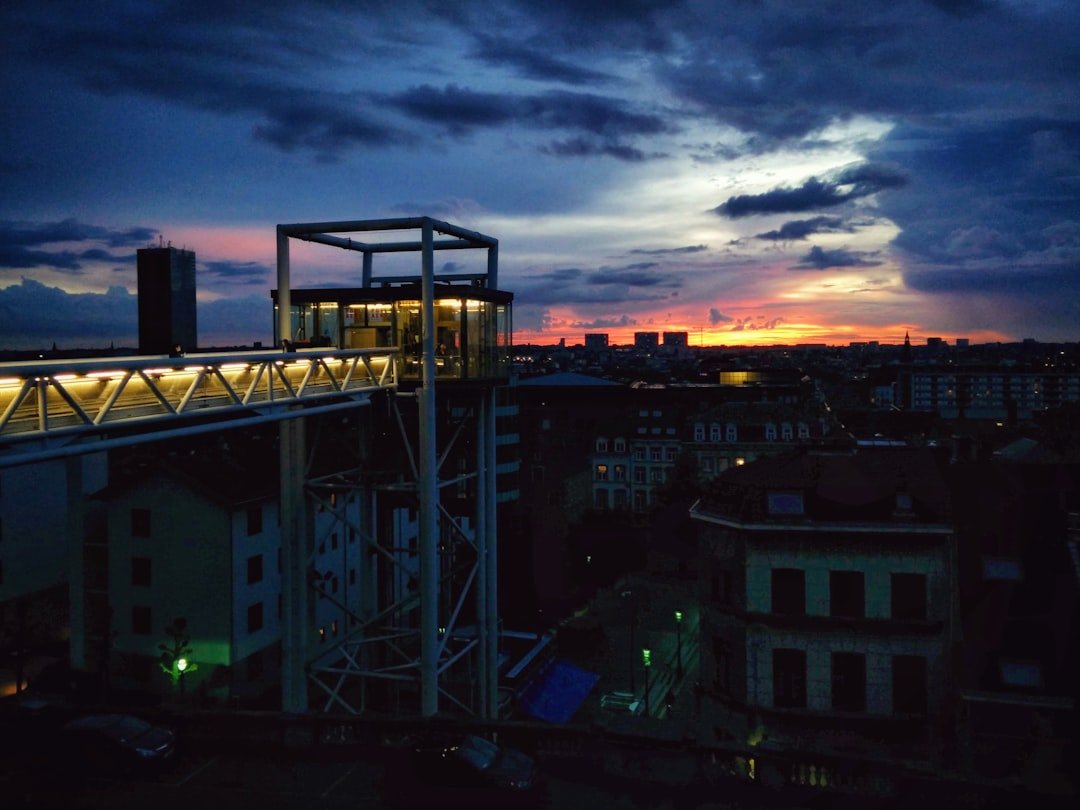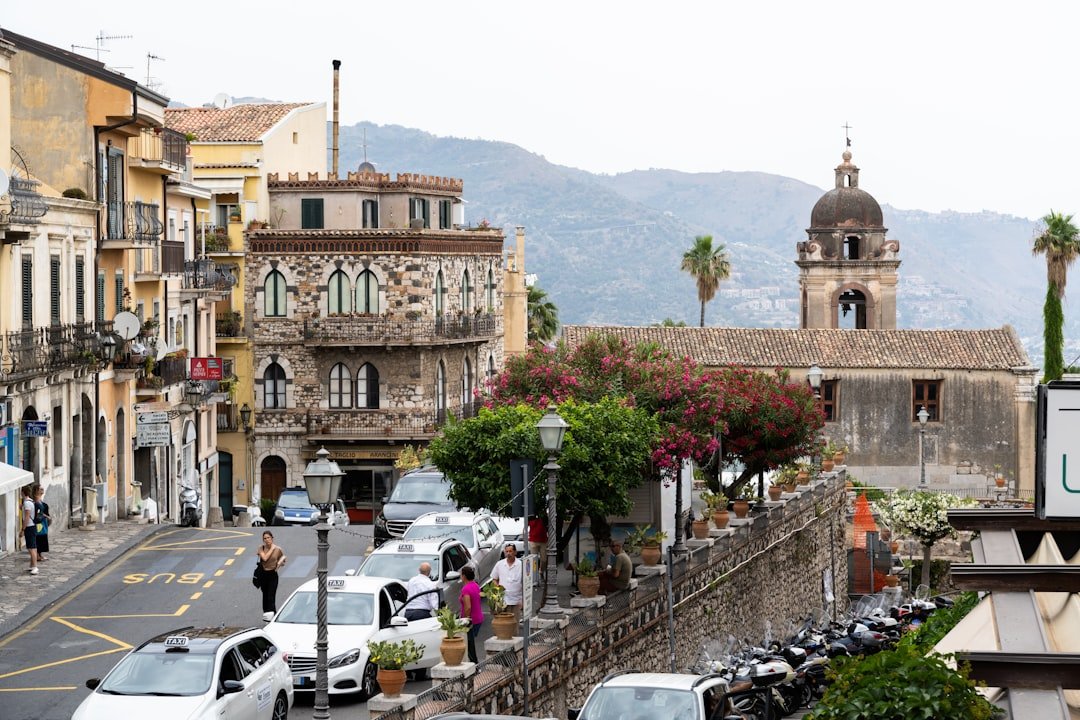
Arriving in Palermo is akin to stepping into a vibrant tapestry woven with threads of history, culture, and the unmistakable aroma of Sicilian cuisine. The moment one disembarks from the plane, the warm Mediterranean air envelops them, carrying with it the scents of citrus and salt. The city, with its eclectic mix of architectural styles, from Baroque to Arab-Norman, greets visitors with a sense of both familiarity and intrigue.
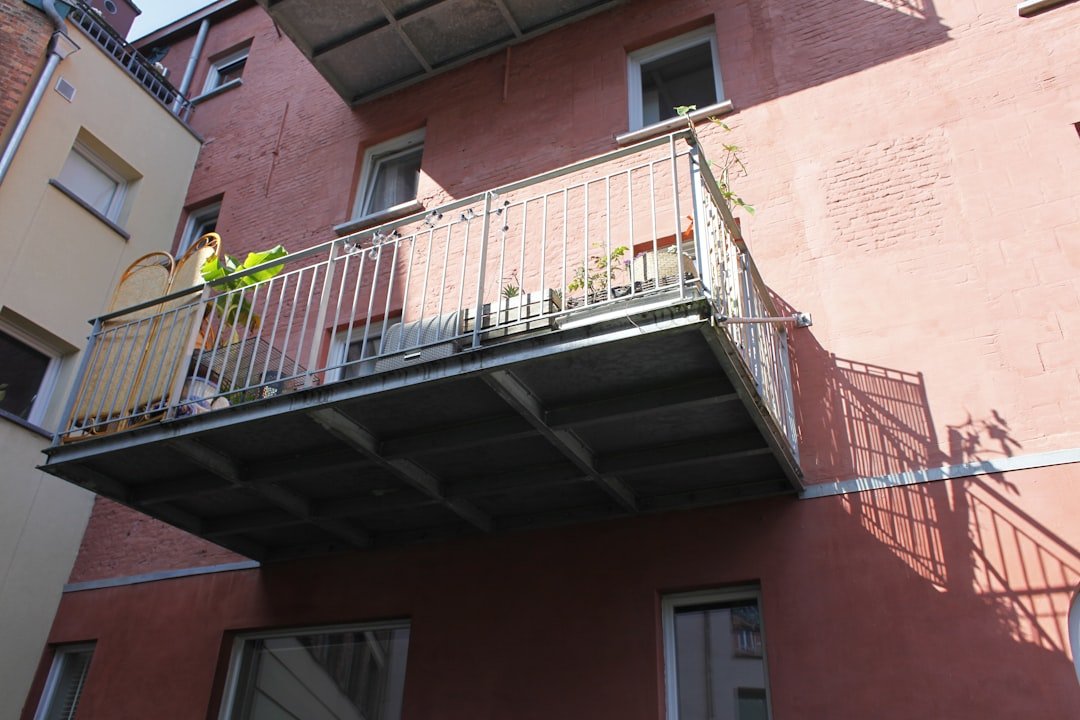
As travelers make their way through the bustling streets, they are immediately struck by the lively atmosphere, where locals engage in animated conversations and street vendors peddle their wares. The journey into the heart of Palermo often begins with a ride through its lively streets, where the chaos of scooters zipping by and the melodic sounds of street musicians create a symphony unique to this Sicilian capital. The vibrant colors of the buildings, adorned with intricate balconies and flowering plants, paint a picture that is both picturesque and dynamic.
As one approaches the historic center, the anticipation builds; this is a city steeped in history, where every corner tells a story waiting to be uncovered.
Key Takeaways
- Arrival in Palermo: Get ready to immerse yourself in the rich history and culture of this vibrant city.
- Morning in the Historic Center: Take a leisurely stroll through the charming streets and soak in the atmosphere of the historic center.
- Visit to the Norman Palace: Explore the stunning architecture and learn about the fascinating history of this iconic landmark.
- Lunch at a Traditional Sicilian Restaurant: Indulge in authentic Sicilian cuisine and savor the flavors of the region.
- Afternoon at the Capuchin Catacombs: Prepare for a unique and somewhat eerie experience as you visit the haunting catacombs.
Morning in the Historic Center
The morning sun casts a golden hue over Palermo’s historic center, illuminating its narrow streets and grand piazzas. Wandering through these ancient pathways feels like traversing a living museum, where each step reveals remnants of the past. The architecture is a testament to the city’s diverse influences, showcasing Norman, Arab, and Spanish elements that have melded over centuries.
The air is filled with the sounds of daily life—children laughing, shopkeepers opening their stores, and the distant clatter of dishes from nearby cafes. As one strolls through the bustling streets, it’s impossible to ignore the allure of local bakeries offering freshly baked pastries. The aroma of cannoli and sfincione wafts through the air, tempting passersby to indulge in these traditional treats.
The historic center is not just a feast for the eyes but also for the palate. Each corner reveals a new culinary delight, inviting visitors to pause and savor the flavors that define Sicilian cuisine. The vibrant street life adds to the charm, as locals gather at outdoor cafes, sipping espresso and engaging in lively discussions about everything from politics to soccer.
Visit to the Norman Palace
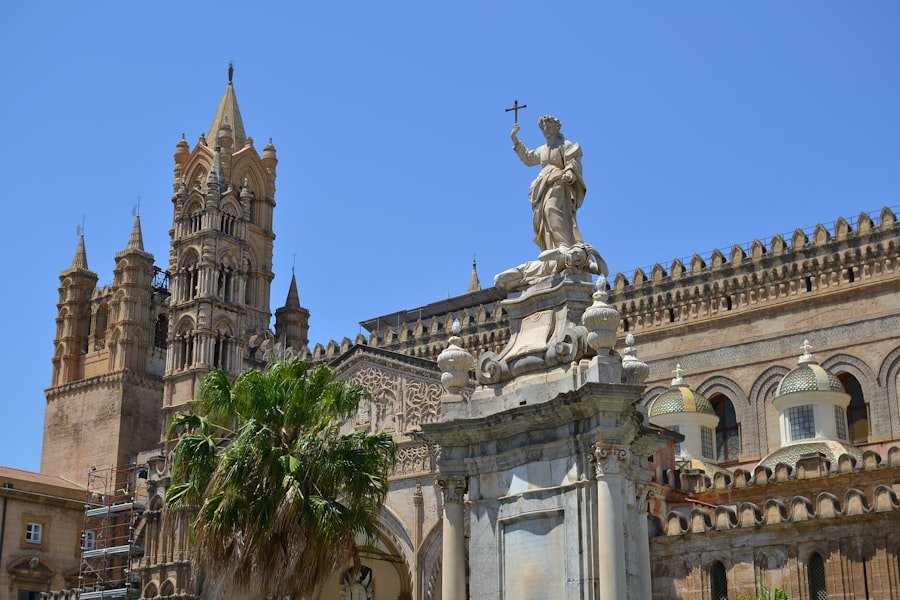
A visit to Palermo would be incomplete without exploring the Norman Palace, or Palazzo dei Normanni, a stunning example of Arab-Norman architecture that stands as a symbol of Sicily’s rich history. This magnificent structure dates back to the 9th century and has served various purposes throughout its existence, from royal residence to government building. Upon entering the palace, visitors are greeted by an impressive courtyard adorned with lush gardens and intricate mosaics that reflect the artistic prowess of its builders.
Inside, the Palatine Chapel captivates with its breathtaking mosaics that depict biblical scenes in vibrant colors. The golden tiles shimmer under the soft light, creating an ethereal atmosphere that transports visitors back in time. The chapel’s blend of Byzantine and Arab influences is a testament to Sicily’s multicultural heritage.
As one wanders through the halls of the palace, it becomes evident that this is not merely a historical site but a living testament to the island’s complex identity—a place where different cultures have coexisted and thrived.
Lunch at a Traditional Sicilian Restaurant
| Aspect | Details |
|---|---|
| Location | Traditional Sicilian Restaurant |
| Menu | Authentic Sicilian dishes |
| Ambiance | Cozy and rustic atmosphere |
| Service | Attentive and friendly staff |
| Specialty | Arancini, Pasta alla Norma, Cannoli |
After immersing oneself in the grandeur of the Norman Palace, it’s time to indulge in a culinary experience that embodies the essence of Sicilian cuisine. A traditional Sicilian restaurant offers an array of dishes that reflect the island’s agricultural bounty and coastal resources. Diners are often greeted with warm bread accompanied by olive oil infused with local herbs—a simple yet delightful start to any meal.
One cannot visit Sicily without trying pasta alla Norma, a dish that celebrates eggplant and tomatoes in a harmonious blend of flavors. The rich sauce clings to perfectly cooked pasta, topped with a generous sprinkle of ricotta salata that adds a creamy texture. For those seeking something heartier, fresh seafood dishes abound; grilled swordfish or spaghetti with clams are popular choices that showcase the freshness of local catches.
As diners savor their meals, they are enveloped in an atmosphere filled with laughter and conversation, where food becomes a shared experience that transcends cultural boundaries.
Afternoon at the Capuchin Catacombs
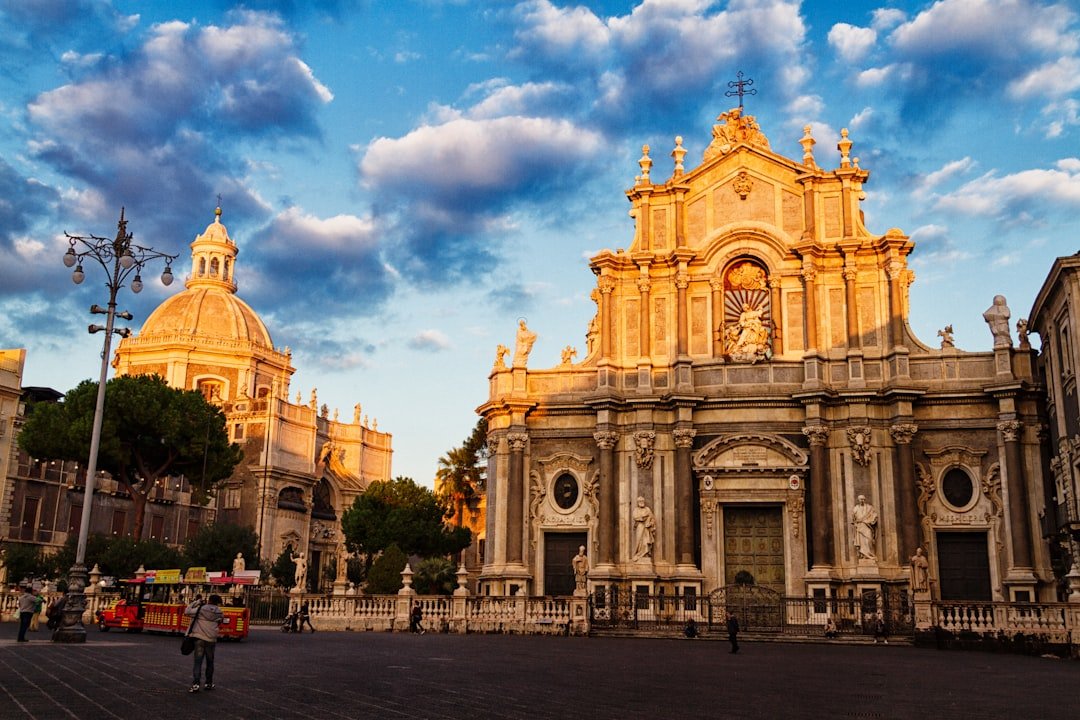
The afternoon takes on a different tone as visitors venture to the Capuchin Catacombs, an eerie yet fascinating site that offers a glimpse into Palermo’s unique relationship with death. Located beneath the Capuchin Monastery, these catacombs house thousands of mummified bodies dating back to the 16th century. As one descends into this subterranean world, an unsettling silence envelops them, broken only by the soft echo of footsteps on stone.
The catacombs are divided into various sections, each showcasing different categories of mummies—clergy, aristocrats, and even children—each dressed in their finest attire from centuries past. The sight is both macabre and mesmerizing; it serves as a stark reminder of mortality while also highlighting the historical significance of burial practices in Sicily. Visitors often find themselves reflecting on life and death as they navigate through this hauntingly beautiful space, where art and history intertwine in unexpected ways.
Evening at the Vucciria Market
A Sensory Delight
The market stalls are a treasure trove of fresh produce, seafood, and local specialties, creating a sensory overload that will leave you wanting more. Vibrant colors burst forth from ripe fruits and vegetables, while enticing aromas waft through the air, teasing your senses and tempting your taste buds.
A Taste of Local Culture
As evening approaches, food vendors set up their stalls, offering a wide range of local delicacies, from crispy arancini to savory panelle. Locals gather around makeshift tables, sharing laughter and stories as they enjoy their meals al fresco. For visitors, this is more than just a meal; it’s an opportunity to connect with the local community and experience the authentic flavors of Sicily.
An Electric Atmosphere
The atmosphere is electric, with street musicians often performing nearby, adding to the festive ambiance. The Vucciria Market is a true reflection of Palermo’s chaotic yet charming spirit, making it a must-visit destination for anyone looking to immerse themselves in local culture.
Breakfast at a Local Cafe
The following morning begins at a local cafe, where breakfast is an essential ritual for many Palermitans. The aroma of freshly brewed coffee fills the air as patrons gather for their morning fix—typically an espresso or cappuccino accompanied by a pastry. One cannot resist trying a cornetto filled with cream or jam; its flaky exterior gives way to sweet fillings that provide a delightful start to the day.
Sitting at an outdoor table allows for people-watching while enjoying breakfast; locals greet each other warmly as they pass by on their way to work or school. The cafe buzzes with conversation as friends catch up over their morning brews. This simple yet profound experience highlights how food plays an integral role in daily life in Palermo—a moment of connection before embarking on another day filled with exploration.
Explore the Quattro Canti
After breakfast, exploring Quattro Canti is a must for anyone visiting Palermo. This iconic intersection serves as a focal point for both locals and tourists alike. Surrounded by Baroque buildings adorned with statues representing the four seasons and four Spanish kings, Quattro Canti is not just an architectural marvel but also a cultural landmark that embodies Palermo’s historical significance.
As one stands at this bustling crossroads, it becomes evident how central this location is to city life. Street performers often entertain passersby while vendors sell everything from handmade crafts to local snacks. The vibrant energy here reflects Palermo’s spirit—a blend of history and modernity where every corner offers something new to discover.
Visitors can take their time soaking in the atmosphere or simply enjoy a leisurely stroll through nearby streets lined with shops and cafes.
Visit to the Palermo Cathedral
A short walk from Quattro Canti leads to the majestic Palermo Cathedral, an architectural masterpiece that showcases various styles due to its long construction period spanning several centuries. Initially built in 1185 as a church dedicated to Santa Maria Assunta, it has undergone numerous renovations and expansions over time. The cathedral’s façade features elements from Gothic to Neoclassical styles, making it a visual feast for architecture enthusiasts.
Inside, visitors are greeted by soaring ceilings adorned with intricate frescoes and stunning chapels dedicated to various saints. The crypt houses royal tombs, including those of several Norman kings—a poignant reminder of Sicily’s regal past. Climbing to the rooftop offers panoramic views of Palermo’s skyline against the backdrop of rolling hills and shimmering sea; it’s an opportunity to appreciate both the city’s beauty and its historical significance from above.
Lunch at a Seafood Restaurant
After exploring the cathedral’s grandeur, lunch at a seafood restaurant provides another opportunity to indulge in Sicily’s culinary delights. With its proximity to the coast, Palermo boasts some of Italy’s freshest seafood offerings. Diners can expect dishes featuring local catches such as sardines or anchovies prepared in traditional styles—grilled or baked with herbs and olive oil.
One popular dish is spaghetti con le sarde—a flavorful combination of pasta tossed with sardines, wild fennel, pine nuts, and raisins that exemplifies Sicilian cuisine’s ability to balance contrasting flavors harmoniously. As patrons enjoy their meals while overlooking picturesque views of the harbor or bustling streets below, it becomes clear that dining here is not just about sustenance; it’s about experiencing Sicily’s rich maritime heritage through its food.
Departure from Palermo
As departure time approaches, there’s a bittersweet feeling lingering in the air—a mix of gratitude for experiences gained and sadness at leaving behind such an enchanting city. Palermo has woven itself into one’s memory through its vibrant streets filled with life, rich history encapsulated within ancient walls, and culinary delights that tantalized taste buds at every turn. The journey back through familiar streets evokes nostalgia; each landmark visited holds stories waiting to be retold long after leaving Sicily behind.
Whether it was savoring breakfast at a local cafe or wandering through bustling markets filled with color and sound—the essence of Palermo remains etched in one’s heart as they bid farewell to this captivating city that effortlessly blends tradition with modernity.
If you’re looking for a break from exploring Palermo, consider checking out the delightful world of Asian melon. This refreshing fruit is a perfect snack to enjoy while taking a break from sightseeing. For more information on Asian melon and other delicious fruits, check out this article.
FAQs
What is the best time to visit Palermo?
The best time to visit Palermo is during the spring (April to June) and fall (September to October) when the weather is mild and the city is less crowded.
What are the must-see attractions in Palermo?
Some of the must-see attractions in Palermo include the Norman Palace, the Cathedral of Palermo, the Quattro Canti, the Capuchin Catacombs, and the Teatro Massimo.
What are some recommended activities for a 2-day itinerary in Palermo?
Recommended activities for a 2-day itinerary in Palermo include visiting the historic sites, exploring the local markets, trying traditional Sicilian cuisine, and taking a day trip to the nearby town of Monreale.
What is the local cuisine in Palermo known for?
Palermo is known for its delicious street food, including arancini (rice balls), panelle (chickpea fritters), and sfincione (Sicilian pizza). The city also offers a variety of seafood dishes and traditional Sicilian desserts.
Is it necessary to rent a car in Palermo?
It is not necessary to rent a car in Palermo, as the city is easily navigable on foot and by public transportation. However, renting a car may be convenient for day trips to nearby attractions.