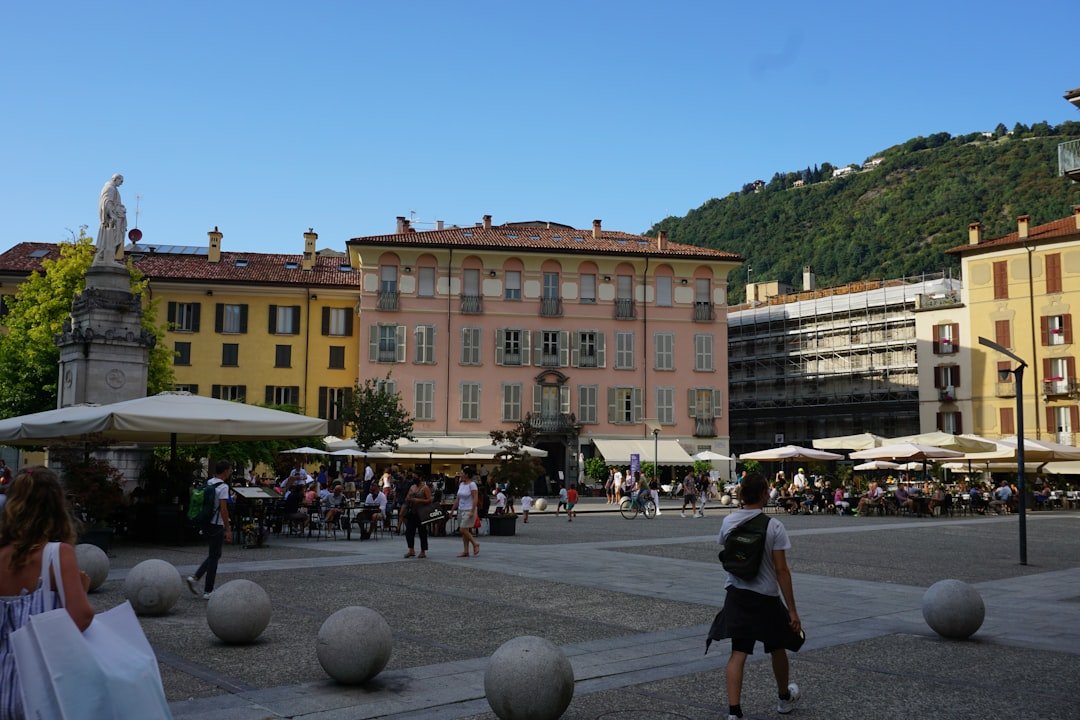
Catania is one of Sicily’s best cities for travelers who want to see a lot without spending much. You can walk through UNESCO-listed Baroque streets, watch daily life in historic markets, relax in public gardens, explore volcanic coastline, see street art, and enjoy several cultural attractions without buying a ticket. The key is knowing which places are genuinely free and which popular attractions charge for entry.
Quick Answer
Some of the best free things to do in Catania include exploring Piazza del Duomo and Via Etnea, browsing La Pescheria and Fera ’o Luni, walking through Villa Bellini, visiting the Botanical Garden, seeing San Berillo street art, relaxing at San Giovanni Li Cuti, and checking current free museum days.
Key Takeaways
- Catania’s historic center, markets, public squares, Via Etnea, street art, and many outdoor sights cost nothing to explore.
- Villa Bellini and the University of Catania Botanical Garden are two particularly good no-cost green spaces.
- Do not assume every museum is free: the Roman Amphitheatre, Castello Ursino, Museo Diocesano, and several other attractions normally charge admission.
- Sicilian regional cultural sites periodically offer free-entry days, including first-Sunday initiatives; always verify the current month’s program.
- Mount Etna has free-access hiking areas, but high-altitude access can be restricted and cable cars, off-road transport, and guided summit excursions cost extra.
Explore Catania’s Historic Center for Free
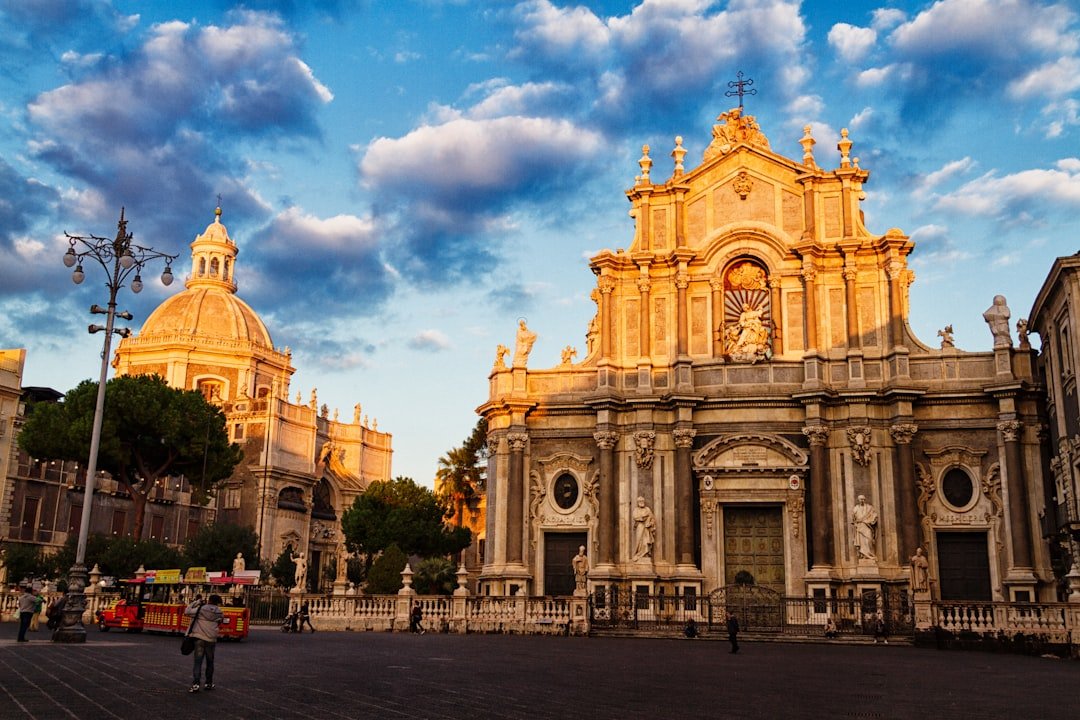
Start at Piazza del Duomo, the monumental heart of Catania. The square itself is free to explore and gives you a close look at the city’s dramatic black-and-white Baroque architecture. In its center stands the Fontana dell’Elefante, whose lava-stone elephant supports an obelisk and has become one of Catania’s best-known symbols.
The surrounding historic center reflects the rebuilding that followed the catastrophic earthquake of 1693. Catania is one of the eight towns included in UNESCO’s Late Baroque Towns of the Val di Noto World Heritage property.
From Piazza del Duomo, walk north along Via Etnea. The street links many of the city’s major squares and landmarks and costs nothing to enjoy. Historic façades, local shops, cafes, views toward Mount Etna when the weather cooperates, and constant street life make this one of the easiest free activities in Catania.
Catania’s UNESCO-listed Baroque character is closely tied to the large-scale reconstruction that followed the 1693 earthquake.
Catania’s Vibrant Street Markets
La Pescheria: A Bustling Fish Market
La Pescheria, just behind Piazza del Duomo, is Catania’s historic fish market and one of the most atmospheric free experiences in the center. Fishmongers display seafood while nearby stalls sell fruit, vegetables, cheeses, cured meats, herbs, and other ingredients used in Sicilian cooking.
You do not need to buy anything to enjoy the market. Walking through the lanes, listening to vendors, and watching the morning trade gives you a lively look at local food culture. The market is best experienced earlier in the day, and opening patterns can change on holidays.
Fera ’o Luni: More Than a Monday Market
The name Fera ’o Luni can be misleading. Although it refers to a “Monday fair,” the historic market in Piazza Carlo Alberto normally operates every day except Sunday rather than only on Mondays. It sells fruit and vegetables alongside clothing, household products, accessories, and other everyday goods.
The market is free to browse, making it another easy stop for travelers who want to experience local life without paying for an attraction.
More Than Just a Market: A Social Hub
Catania’s markets are not simply places to shop. They are working social spaces where residents buy food, exchange news, and carry out everyday routines. That makes them particularly useful for travelers interested in experiencing the city rather than simply ticking off monuments.
Pro Tip: Visit the markets in the morning, then continue on foot through Piazza del Duomo, Via Etnea, Piazza Università, and Piazza Stesicoro. This creates an easy free sightseeing route through central Catania.
Catania’s Stunning Public Gardens

Villa Bellini, also known as Giardino Bellini, is one of Catania’s most useful free places to take a break. The garden has eighteenth-century private origins, but the public park was developed during the nineteenth century and opened to the public in 1883.
Today you can walk along its paths, sit beneath mature trees, see statues and garden features, and enjoy a quieter atmosphere just off busy Via Etnea. Admission to the public garden is free, although opening hours can vary by season.
Another excellent no-cost stop is the Orto Botanico dell’Università di Catania. Founded in 1858, the Botanical Garden contains collections of Mediterranean and exotic plants, including palms and extensive succulent collections.
The university describes the garden as a green space with free public access. Opening hours can change, so check the official Botanical Garden website before making a special trip.
Catania’s Lively Piazzas
| Piazza | What You Can Enjoy for Free | Possible Paid Extra |
| Piazza del Duomo | Elephant Fountain, Baroque façades, street atmosphere | Museums, special routes, or ticketed interiors nearby |
| Piazza Università | Historic architecture, evening atmosphere, Via Etnea walk | Cafe purchases or special events |
| Piazza Stesicoro | View of the Roman Amphitheatre from street level and surrounding city life | Admission inside the Roman Amphitheatre |
Piazza Università is surrounded by historic buildings associated with the University of Catania. Founded in 1434, the university is the oldest in Sicily. The square is a pleasant free stop while walking Via Etnea and often becomes especially atmospheric in the evening.
Piazza Stesicoro combines modern city activity with visible remains of Catania’s Roman past. You can see part of the Roman Amphitheatre from the square without buying a ticket, but entering the archaeological site is normally a paid activity.
Note: The Roman Amphitheatre is not normally a free attraction. Current standard admission is charged, although eligible visitors and special free-admission initiatives may receive free entry.
Catania’s Fascinating Street Art
Catania’s urban art gives the city a contemporary layer that contrasts with its Baroque center. San Berillo is one of the areas commonly associated with murals, painted shutters, installations, and creative community projects.
A street-art walk costs nothing and is easy to combine with the historic center. Because murals change, disappear, and are replaced over time, it is better to treat the neighborhood as an evolving open-air art walk rather than expect a fixed list of works.
Street art also reflects themes such as neighborhood identity, migration, social change, and the reuse of neglected urban spaces. Walking rather than taking a formal tour lets you explore at your own pace.
Catania’s Charming Churches and Cathedrals

The Catania Cathedral and Piazza del Duomo
Catania Cathedral is dedicated to Saint Agatha and dominates Piazza del Duomo. The building incorporates layers of the city’s history and was substantially rebuilt after the 1693 earthquake. Its Baroque façade is associated with Giovanni Battista Vaccarini.
Inside are important religious spaces connected with Saint Agatha as well as the tomb of Catania-born composer Vincenzo Bellini. Church access can depend on services, ceremonies, and special areas, so respectful visitors should check posted hours and restrictions rather than assume every part is continuously open.
San Nicolò l’Arena and the Benedictine Complex
San Nicolò l’Arena and the adjoining Benedictine Monastery form one of Catania’s major monumental complexes. The monastery now houses the University of Catania’s Department of Humanities.
When the university department is open, visitors can enter the academic areas of the monastery that are accessible to the student community without paying. However, the full guided visitor route through spaces such as the historic kitchens, cloisters, archaeological areas, and monumental staircase is a paid experience. The official visitor information currently lists a €10 full-price guided tour.
Uncovering Catania’s Spiritual Heritage
Via dei Crociferi is one of the best places to appreciate Catania’s religious architecture without spending money. Walking the street and viewing its façades is free, while access policies for individual churches, special exhibitions, rooftop routes, or guided visits can vary.
For a no-cost itinerary, focus on the streets, squares, façades, and churches that are openly accessible during normal worship hours. Dress respectfully and avoid sightseeing during services.
Catania’s Spectacular Views from Mount Etna
Mount Etna dominates Catania’s landscape and offers many opportunities for walking and nature exploration. Some lower-altitude trails and viewpoints can be explored without paying an admission fee, making the volcano a possible free outdoor activity if you already have transportation.
However, a trip to Etna is not automatically free. Cable cars, authorized off-road transport, guided excursions, equipment rentals, and many summit-oriented experiences cost money.
Warning: Mount Etna is an active volcano. Access to higher elevations and summit zones can change quickly because of volcanic activity, weather, and municipal safety ordinances. Check the Etna Park access ordinances before hiking, obey closure signs, and use an authorized guide wherever current rules require one.
If your goal is simply to enjoy Etna without paying for a summit excursion, choose an officially open lower trail or public viewpoint and bring suitable footwear, water, sun protection, and layers. Do not treat a visible path as proof that access is permitted.
Catania’s Relaxing Beaches
Catania’s coastline gives you another way to enjoy the city for little or no money. La Playa is the city’s long sandy coastal zone. Parts of the coast are occupied by private lidos that charge for facilities such as loungers, umbrellas, changing rooms, and other services, while public-access stretches allow you to enjoy the shoreline without paying a beach-club fee.
San Giovanni Li Cuti offers a very different setting. The small seaside area is known for dark volcanic sand and lava-rock scenery, along with its fishing harbor. The municipal tourism site specifically identifies the characteristic black sand created by Catania’s volcanic environment.
The rocky coastline commonly described as the scogliera also provides sea views and coastal atmosphere, but access conditions vary by specific location. Never assume a private platform, lido, or managed bathing facility is free simply because the shoreline itself is visible from a public road.
Bring your own towel and water if you want a genuinely low-cost beach stop. Always follow local swimming warnings and sea conditions.
Catania’s Engaging Museums and Galleries
Museums require more careful planning because several of Catania’s best-known institutions are not normally free.
The Museo Civico at Castello Ursino houses archaeological and artistic collections inside the medieval castle. The municipal visitor page currently lists standard admission at €6, with reduced tickets available for eligible visitors. Prices can change when temporary exhibitions are included.
The Museo Diocesano di Catania, next to Piazza del Duomo, is also normally paid. Its current ticket page lists standard museum admission at €7, with other prices for the baths, terraces, and combined tickets.
Where to Find a Genuinely Free Museum
The University of Catania’s Museo di Zoologia currently states that general admission is free. It is a useful option if you want an indoor cultural stop without paying, although hours are limited and the museum is closed on weekends and holidays under its current schedule. Check the official museum information before visiting.
Look for Free Museum Days
Sicilian regional museums and archaeological parks have participated in recurring first-Sunday free-admission initiatives during 2026. In Catania, participating archaeological sites have included places such as the Teatro Antico and other sites managed by the regional archaeological park.
Pro Tip: If your trip includes the first Sunday of a month, check the official regional archaeological-park announcements shortly before your visit. A site that normally charges admission may be free on that specific day.
Catania’s Enchanting Baroque Architecture
Catania’s rebuilt historic center is one of the best reasons to visit the city, and much of its architecture can be appreciated completely free from public streets and squares.
Via dei Crociferi is particularly rewarding. Its churches, convent façades, stone balconies, and dramatic perspective make it one of the most memorable walking routes in the Baroque center.
Palazzo Biscari is another major example of Catanese Baroque architecture. You can admire its exterior while walking nearby without paying, but tours of its decorated interiors are a paid activity rather than a free attraction.
The contrast between pale limestone details and dark volcanic stone is one of the defining visual features of central Catania. Walking through Piazza del Duomo, Via Etnea, Via Crociferi, and nearby streets is one of the simplest ways to experience this architecture on a zero-admission budget.
Catania’s Delicious Food and Wine Tastings
Catania’s food culture is an important part of the city, but eating and wine tasting are not generally free activities. The best no-cost approach is to experience the atmosphere of food markets such as La Pescheria and Fera ’o Luni without assuming that samples will be offered.
If you decide to spend a little, traditional foods to look for include arancini, panelle, and Sicilian-style baked specialties. Market stalls and casual eateries can be more budget-friendly than formal restaurants, but prices vary.
Mount Etna’s volcanic slopes are also an important wine-producing area, with grapes such as Nerello Mascalese strongly associated with Etna wines. Vineyard tours and organized tastings, however, normally cost money and should be treated as optional paid extras rather than free things to do in Catania.
A Simple Free Walking Route Through Central Catania
If you have several hours and want to minimize admission costs, this route keeps most of the day outdoors:
- Start at Piazza del Duomo and see the Elephant Fountain and cathedral exterior.
- Walk through La Pescheria in the morning.
- Return to Via Etnea and continue through Piazza Università.
- Stop at Piazza Stesicoro to see the Roman Amphitheatre from street level.
- Continue to Villa Bellini for a free garden walk.
- If opening hours suit your schedule, continue farther along Via Etnea to the University Botanical Garden.
- Later, explore Via dei Crociferi or the street art around San Berillo.
This route lets you experience markets, Baroque architecture, Roman history, public spaces, gardens, and neighborhood life without requiring a standard attraction ticket.
What Is Not Necessarily Free in Catania?
- Roman Amphitheatre: normally ticketed, although special free days and exemptions exist.
- Castello Ursino museum: normally ticketed.
- Museo Diocesano: normally ticketed.
- Full Benedictine Monastery guided route: ticketed even though some university-accessible spaces can be entered freely when open.
- Palazzo Biscari interiors: guided visits are paid.
- Mount Etna cable cars, off-road transport, and guided summit excursions: paid.
- Private lidos: normally charge for services and facilities.
- Food and wine tastings: normally paid.
- Concerts and festivals: some are free, while others require tickets.
Note: Opening hours, free-entry programs, church access, temporary exhibitions, beach facilities, and volcanic restrictions can change. Verify official information close to the day of your visit rather than relying on an old travel list.
Frequently Asked Questions
What are the best free things to do in Catania?
Good free choices include Piazza del Duomo, the Elephant Fountain, Via Etnea, La Pescheria, Fera ’o Luni, Villa Bellini, the University Botanical Garden, Via dei Crociferi, San Berillo street art, and public-access coastal areas such as San Giovanni Li Cuti.
Is the Roman Amphitheatre in Catania free?
Not normally. The archaeological park currently charges standard admission, although eligible visitor categories and special free-entry initiatives may enter without paying. You can still view part of the amphitheatre from Piazza Stesicoro for free.
Are there any free museums in Catania?
Yes. The University of Catania’s Museo di Zoologia currently lists free admission. Other museums and archaeological sites may become free during special initiatives, including regional first-Sunday programs, so check current official notices.
Is Villa Bellini free to visit?
Yes. Villa Bellini is a public garden with free admission. Opening times can vary by season, so check current local information if you plan to visit early in the morning or late in the evening.
Can I visit Catania’s Botanical Garden for free?
Yes. The University of Catania Botanical Garden offers free public access. Check the official Botanical Garden website before visiting because opening hours vary.
Can I visit the beaches in Catania for free?
Yes, public-access coastal areas can be enjoyed without an entrance ticket. San Giovanni Li Cuti is a popular example. La Playa also includes private lidos, so use a public-access section if you want to avoid beach-club charges.
Are there free festivals or events in Catania?
Yes, some public celebrations can be watched without a ticket. The major Feast of Saint Agatha takes place in early February, and Catania also observes Saint Agatha on August 17. However, individual concerts, exhibitions, and festival events may be paid, so check the specific program.
Can I hike Mount Etna for free?
Some officially open lower-altitude trails can be walked without an admission charge, but transportation, cable cars, off-road vehicles, equipment, and guided high-altitude excursions cost extra. Summit-area access is regulated according to volcanic conditions, so check current Etna Park ordinances before hiking.
Is Fera ’o Luni only open on Mondays?
No. Despite its traditional name, the historic Piazza Carlo Alberto market normally operates every day except Sunday. Holiday schedules can differ, so check locally if your visit falls on a public holiday.
Sources
- UNESCO World Heritage Centre — Late Baroque Towns of the Val di Noto — supports Catania’s UNESCO status and post-1693 Baroque reconstruction.
- University of Catania — History — supports the university’s 1434 foundation and status as Sicily’s oldest university.
- Parco Archeologico di Catania — Roman Amphitheatre Tickets — supports current standard admission and free-entry categories.
- Orto Botanico dell’Università di Catania — official Botanical Garden visitor information.
- Parco dell’Etna — Municipal Access Ordinances — supports current restrictions and safety rules for high-altitude Etna access.
- Turismo Comune di Catania — Feast of Saint Agatha — supports the annual February celebration and procession information.