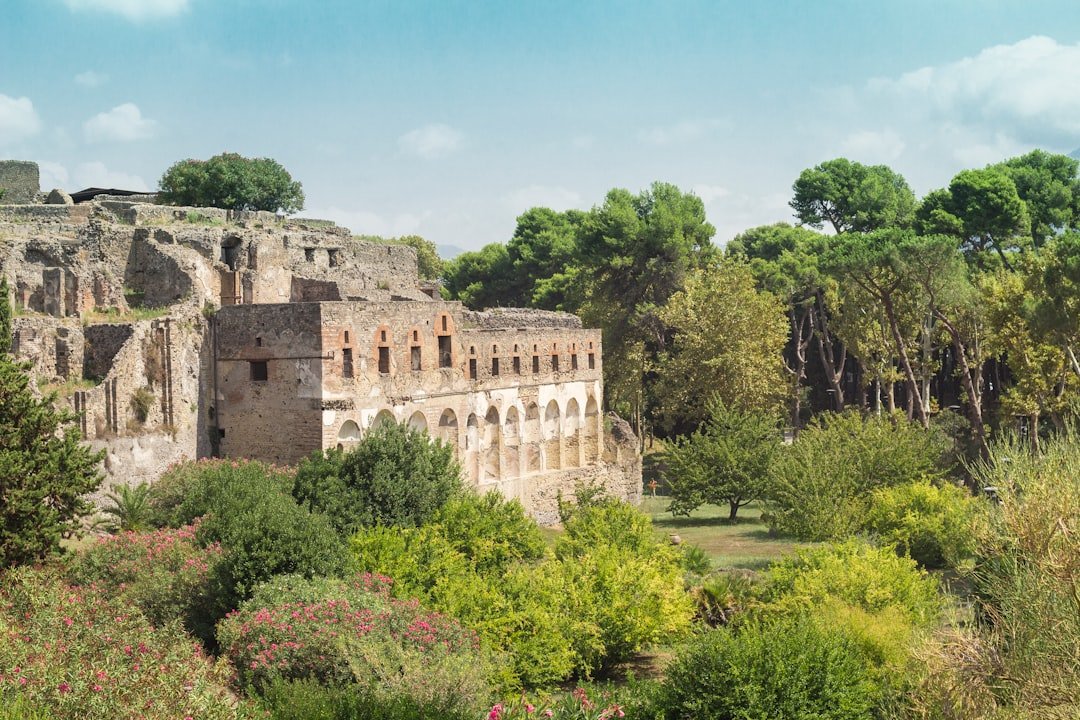
Pompeii and Herculaneum, two ancient Roman cities, are among the most significant archaeological sites in the world, providing invaluable insights into the daily lives, culture, and urban planning of the Roman Empire. Both cities were situated near the base of Mount Vesuvius in the Campania region of Italy and were buried under volcanic ash and pumice during the catastrophic eruption in 79 AD. This eruption not only preserved these cities in remarkable detail but also froze a moment in time, allowing modern scholars and archaeologists to study them as they were nearly two millennia ago.
The discovery of Pompeii and Herculaneum in the 18th century marked a turning point in the understanding of Roman civilization. While Pompeii is often more widely recognized due to its larger size and extensive excavations, Herculaneum offers a different perspective with its well-preserved structures and artifacts. Together, these cities serve as a testament to the sophistication of Roman urban life, showcasing everything from intricate mosaics to advanced engineering techniques.
The juxtaposition of their fates—Pompeii being engulfed by ash and Herculaneum being preserved by pyroclastic flows—provides a unique opportunity to explore the nuances of Roman life before the eruption.
Key Takeaways
- Pompeii and Herculaneum were ancient Roman cities located near the Bay of Naples, both of which were destroyed by the eruption of Mount Vesuvius in 79 AD.
- The historical significance of Pompeii and Herculaneum lies in their preservation, providing a unique insight into the daily life and culture of the ancient Roman world.
- Archaeological discoveries in Pompeii and Herculaneum have unearthed well-preserved buildings, artifacts, and human remains, offering a glimpse into the lives of the inhabitants at the time of the eruption.
- The urban planning and layout of Pompeii and Herculaneum reveal similarities in terms of street design, public spaces, and infrastructure, reflecting the influence of Roman city planning.
- Differences in architecture and building materials between Pompeii and Herculaneum are evident, with Pompeii showcasing more elaborate and grandiose structures, while Herculaneum features more refined and luxurious building materials.
- Art and artifacts found in Pompeii and Herculaneum demonstrate similarities in terms of Roman influence, but also reveal unique regional styles and influences in the art and craftsmanship of the two cities.
- Cultural and social differences between Pompeii and Herculaneum are evident in the layout of their public spaces, the types of buildings and amenities available, and the lifestyles of their inhabitants.
- The impact of the eruption of Mount Vesuvius had a devastating effect on both cities, but it also led to their remarkable preservation, providing invaluable insights into ancient Roman life and culture.
Historical Significance of Pompeii and Herculaneum
The historical significance of Pompeii and Herculaneum extends far beyond their tragic destruction; they are vital to understanding the socio-political landscape of ancient Rome. Pompeii, with its bustling streets, public baths, temples, and amphitheater, was a thriving commercial hub. It was a city where trade flourished, and its strategic location near the Bay of Naples facilitated economic interactions with other regions.
The presence of various inscriptions, graffiti, and commercial establishments reveals much about the daily activities and social hierarchies that existed within its walls. Herculaneum, although smaller than Pompeii, holds its own historical importance. It was a wealthy resort town frequented by the elite of Rome, which is evident from the luxurious villas adorned with exquisite frescoes and intricate mosaics.
The discovery of papyrus scrolls in the Villa of the Papyri has provided scholars with rare insights into philosophical texts and literary works from antiquity. The contrast between the two cities highlights different aspects of Roman life: while Pompeii represents a more diverse population engaged in various trades, Herculaneum reflects the lifestyle of the affluent class, showcasing their tastes and cultural pursuits.
Archaeological Discoveries in Pompeii and Herculaneum
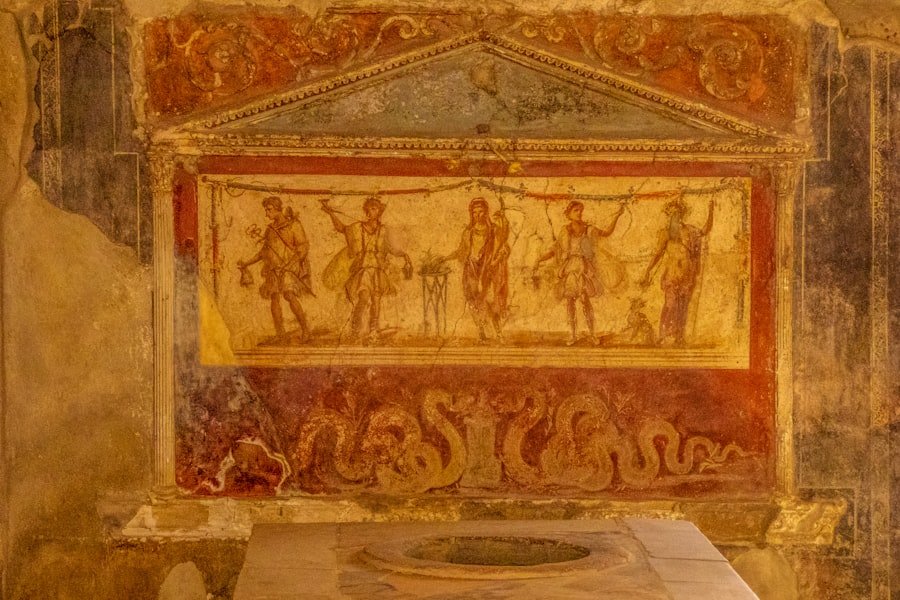
The archaeological discoveries made in both Pompeii and Herculaneum have been nothing short of extraordinary. Excavations began in Pompeii in 1748, revealing a city remarkably preserved under layers of volcanic material. The meticulous excavation process has unearthed homes, shops, public buildings, and even human remains that provide a vivid picture of life before the eruption.
Notable finds include the Villa of the Mysteries, famous for its stunning frescoes depicting Dionysian rituals, and the Forum, which served as the center of civic life. In Herculaneum, excavations commenced later but have yielded equally significant discoveries. The preservation conditions in Herculaneum were more favorable due to the nature of the volcanic material that covered it.
This has allowed for the survival of wooden structures, furniture, and organic materials that have long since decayed in other archaeological sites. The Villa of the Papyri stands out as one of the most important finds; it contained over 1,800 carbonized scrolls that are believed to be works from Epicurean philosophers. These scrolls are crucial for understanding philosophical thought during this period and represent one of the few surviving examples of ancient literature.
Comparison of Urban Planning and Layout
| Aspect | Urban Planning | Urban Layout |
|---|---|---|
| Definition | The process of designing and organizing the development of urban areas | The physical arrangement and design of urban areas |
| Focus | Overall development and functionality of urban areas | Physical arrangement of buildings, roads, and open spaces |
| Goals | Efficient land use, transportation, infrastructure, and public facilities | Optimal use of space, aesthetics, and community functionality |
| Process | Involves zoning, land use regulations, and infrastructure planning | Involves street design, building placement, and public space design |
| Impact | Affects long-term development, economic growth, and quality of life | Affects the visual appeal, walkability, and social interaction in urban areas |
The urban planning and layout of Pompeii and Herculaneum reveal distinct approaches to city design that reflect their respective functions and populations. Pompeii’s layout is characterized by a grid system with streets intersecting at right angles, creating a highly organized urban environment. The city was divided into insulae (blocks), each containing residential buildings, shops, and public spaces.
This design facilitated efficient movement through the city and allowed for easy access to essential services such as baths, markets, and temples. In contrast, Herculaneum’s urban layout is less rigid than that of Pompeii. The streets are narrower and more winding, reflecting a more organic development influenced by the topography of the area.
The city’s layout emphasizes private residences over public spaces, which aligns with its status as a retreat for the wealthy elite. The presence of large villas with expansive gardens indicates a focus on leisure and luxury rather than commerce. This difference in urban planning not only highlights the varying social dynamics between the two cities but also illustrates how geography influenced architectural choices.
Differences in Architecture and Building Materials
The architectural styles and building materials used in Pompeii and Herculaneum further underscore their unique identities within the Roman world. Pompeii showcases a variety of architectural styles influenced by different periods and cultures, including Greek and Etruscan elements. Buildings were primarily constructed using volcanic tuff and brick, with many structures featuring elaborate façades adorned with stucco reliefs and painted decorations.
The use of concrete allowed for innovative designs such as vaulted ceilings and expansive public spaces like the amphitheater. Herculaneum’s architecture reflects its wealthier status through more refined construction techniques and materials. The buildings often utilized high-quality materials such as marble and decorative stonework, which were not as prevalent in Pompeii.
The villas in Herculaneum exhibit intricate designs with elaborate frescoes that depict mythological themes and natural landscapes. Additionally, many structures incorporated advanced engineering techniques such as hydraulic systems for water supply, showcasing a level of sophistication that catered to an affluent lifestyle.
Comparison of Art and Artifacts
Everyday Life and Mythology in Pompeii
In Pompeii, frescoes frequently depict scenes of everyday life, mythological narratives, and theatrical performances. The House of the Vettii is renowned for its vibrant wall paintings, which showcase both domestic life and mythological themes, reflecting a blend of realism and idealism characteristic of Roman art.
Refined Aesthetics in Herculaneum
In contrast, Herculaneum’s artistic output tends towards more refined aesthetics, often featuring intricate details and a greater emphasis on luxury. The frescoes found in Herculaneum’s villas are distinguished by their use of color and depth, frequently portraying idyllic landscapes or elaborate mythological scenes that convey a sense of opulence.
Artifacts and Craftsmanship
Artifacts such as pottery, jewelry, and household items further illustrate the distinction between the two cities. While both cities produced functional items for daily use, Herculaneum’s artifacts often exhibit higher craftsmanship, indicative of its wealthier inhabitants.
Cultural and Social Differences
Cultural practices in Pompeii and Herculaneum reveal significant social differences shaped by their respective populations. Pompeii was home to a diverse mix of residents from various social classes, including merchants, artisans, laborers, and slaves. This diversity is reflected in the city’s public spaces where different social groups interacted—such as forums where political discussions took place or baths that served as communal gathering spots.
Festivals and public games were common events that fostered community spirit among its inhabitants. Conversely, Herculaneum’s population was predominantly composed of wealthy elites who sought refuge from urban life in Rome. This demographic shift influenced cultural practices; for instance, private banquets held in lavish villas were common among the affluent class.
The emphasis on leisure activities such as theater performances or philosophical discussions indicates a lifestyle focused on intellectual pursuits rather than commercial endeavors. This cultural distinction highlights how social stratification influenced daily life in both cities.
Impact of the Eruption and Subsequent Preservation
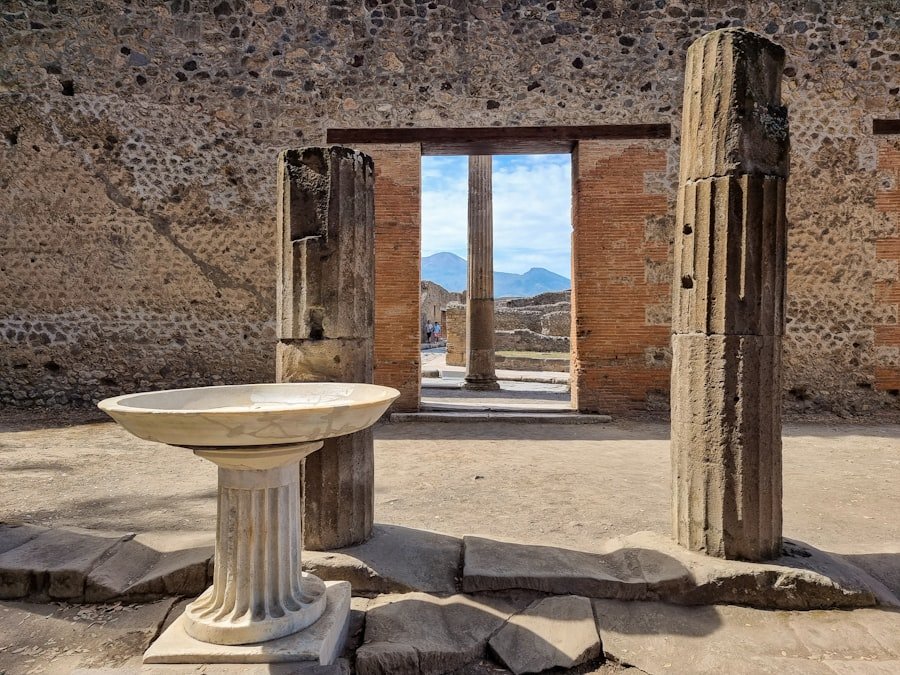
The eruption of Mount Vesuvius in 79 AD had a profound impact on both Pompeii and Herculaneum, leading to their preservation under layers of volcanic material that would ultimately protect them from decay for centuries. In Pompeii, thick layers of ash buried buildings quickly, preserving their structures but also leading to significant loss of organic materials such as wood or textiles. The rapid burial created voids where bodies had decomposed; these voids were later filled with plaster during excavations to create haunting casts that capture the final moments of those who perished.
Herculaneum experienced a different fate due to pyroclastic flows that engulfed it more rapidly than ashfall did in Pompeii. This resulted in better preservation conditions for organic materials like wooden furniture, textiles, and even food remnants—elements that have largely disintegrated at other archaeological sites. The preservation techniques employed by archaeologists have allowed for detailed studies into daily life during this period; however, they also pose challenges regarding conservation efforts as many artifacts are fragile due to their age.
The eruption not only preserved these cities but also sparked interest in classical antiquity during the Renaissance period when excavations began. The findings from both sites have significantly contributed to our understanding of Roman history, art, architecture, and daily life—making them essential locations for scholars worldwide seeking to unravel the complexities of ancient civilization.
If you are interested in ancient history and archaeological sites like Pompeii and Herculaneum, you may also enjoy reading about the delightful world of Asian melon. This article explores the different varieties of Asian melon and their unique flavors, textures, and uses in various cuisines. You can learn about the history and cultivation of these delicious fruits, which have been enjoyed for centuries in Asia. Check out the article here to discover more about these exotic and refreshing fruits.
FAQs
What are Pompeii and Herculaneum?
Pompeii and Herculaneum are ancient Roman cities that were buried by the eruption of Mount Vesuvius in 79 AD. They are located near the modern city of Naples in Italy.
What can visitors see in Pompeii?
Pompeii is a well-preserved archaeological site that offers visitors a glimpse into ancient Roman life. Visitors can see the remains of houses, temples, theaters, and public buildings, as well as frescoes, mosaics, and other artifacts.
What can visitors see in Herculaneum?
Herculaneum is a smaller and less crowded archaeological site compared to Pompeii. Visitors can see well-preserved buildings, mosaics, and even organic materials such as wooden furniture and food remains due to the way the city was buried by volcanic ash.
Which site is better to visit, Pompeii or Herculaneum?
The choice between visiting Pompeii or Herculaneum depends on personal preferences. Pompeii is larger and offers a wider range of structures and artifacts, while Herculaneum provides a more intimate and well-preserved experience. Both sites offer unique insights into ancient Roman life and are worth visiting.