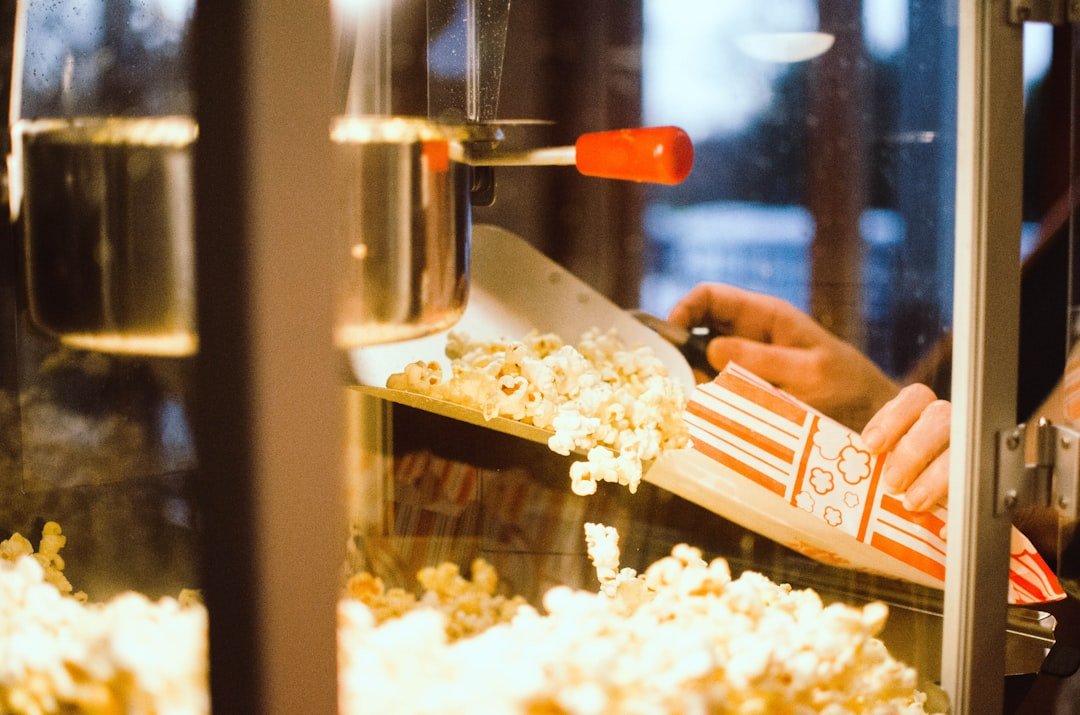
Pink popcorn is sweet, colorful popcorn coated with a pink candy glaze or another pink confectionery coating. It is often associated with carnivals, parties, Valentine’s Day, baby showers, nostalgic candy shops, and homemade treat tables. Although popcorn itself has an ancient history, the exact inventor or first date of pink candy popcorn is not clearly documented, so it is better understood as a modern variation of a much older snack.
Quick Answer
Pink popcorn is usually regular popped corn covered with a sweet glaze tinted pink with a food-use-approved coloring ingredient. Naturally pink or red popcorn kernels do exist, but their fluffy endosperm normally pops mostly white. For homemade pink popcorn, prepare the popcorn first, cook the candy coating separately, toss carefully, and let it dry until crisp.
Key Takeaways
- Popcorn has been eaten in the Americas for thousands of years, but the precise origin of pink candy-coated popcorn is not firmly documented.
- Classic pink popcorn gets its visible color from its coating, not from a naturally pink fluffy interior.
- A typical coating combines sugar, water, light corn syrup, flavoring, salt, and food coloring, with optional butter for richness.
- A candy thermometer makes the coating more predictable, and hot sugar syrup requires careful handling.
- Strawberry, raspberry, cherry, vanilla, and cotton-candy-style variations can all work, while airtight storage helps preserve crunch.
At a Glance
| Time Required | About 30 minutes, plus cooling and drying time |
| Difficulty | Easy to moderate because the candy syrup gets very hot |
| Tools Needed | Popcorn popper or heavy pot, saucepan, candy thermometer, large heat-resistant bowl, spatula, baking sheet, and parchment paper |
| Cost | Generally low; the exact cost depends on the popcorn, flavoring, and coloring you use |
The History of Pink Popcorn
Popcorn’s history reaches far beyond modern movie theaters and carnivals. Archaeological research from the coastal Peruvian sites of Paredones and Huaca Prieta found maize remains dating from roughly 6,700 to 3,000 calibrated years before present. Researchers identified some of the early maize as popcorn types, providing strong evidence that people in the Americas were using popping varieties thousands of years ago. You can read the archaeological study through the U.S. National Library of Medicine’s PubMed Central archive.
Popcorn later developed into a major commercial snack. USDA historical material shows that popcorn became especially visible in the United States during the late 1800s, when mobile vendors commonly sold it near fairs, parks, expositions, and other crowded public places.
The history of specifically pink candy-coated popcorn is less definite. Mid-20th-century pink candy popcorn became a recognizable nostalgic confection, and versions remain on sale today. However, there is not enough authoritative historical evidence to identify one inventor or confidently say that all pink popcorn began in one particular decade. It is more accurate to describe it as a colorful confectionery variation built on the much older popcorn tradition.
The Origin of the Pink Color
The pink appearance usually comes from the coating added after the popcorn is popped. That distinction matters because popcorn kernels themselves can naturally be yellow, white, red, blue, pink, or multicolored. According to Utah State University Extension, the pigment is mainly associated with the kernel’s outer layer. When the kernel pops and its pale endosperm expands, colored varieties still produce predominantly white popcorn.
Classic pink candy popcorn therefore does not require a special pink kernel. Regular white or yellow popcorn works well because the pink glaze supplies the finished color.
Food coloring choices vary by recipe. Some cooks use a small amount of a pink or red food coloring labeled for food use. Beet-derived coloring can also create red-to-pink shades. The U.S. Food and Drug Administration regulates both certified color additives and color additives exempt from certification, so “natural” does not automatically mean unregulated or nutritionally superior.
Note: Food-color regulations can change. If you are making pink popcorn in the United States, use a coloring currently permitted for food use and follow the manufacturer’s directions. If you live elsewhere, follow your local food regulations.
The Ingredients of Pink Popcorn
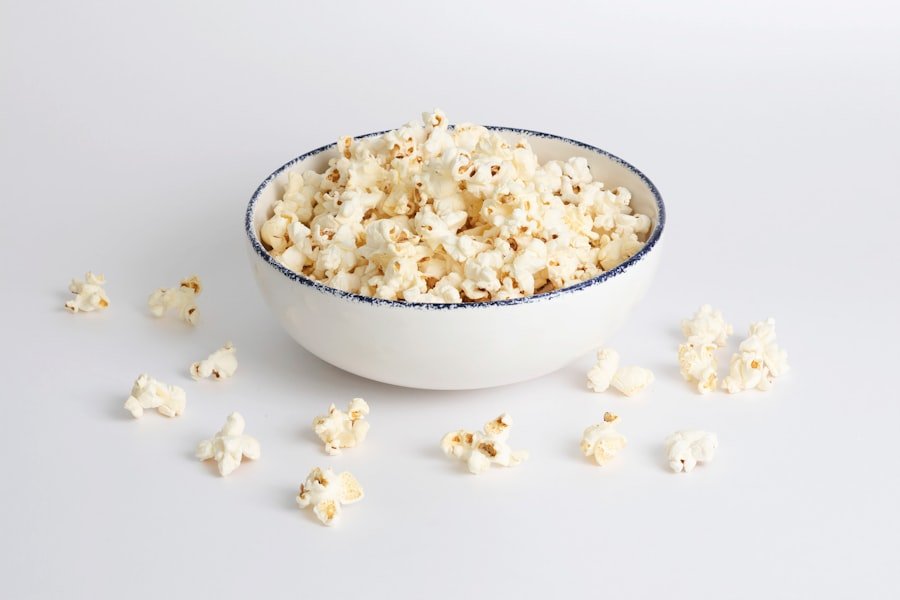
Pink popcorn starts with ordinary popping corn. Both butterfly and mushroom-style popcorn can be used. Butterfly popcorn opens into irregular “wings” and is common for everyday snacking. Mushroom popcorn forms rounder, denser pieces that tend to stand up better to thick candy coatings, which is why confectionery makers often prefer it.
The coating supplies most of the sweetness and color. Sugar forms the candy shell, while a small amount of light corn syrup helps reduce unwanted sugar crystallization. Water dissolves the sugar before cooking. Butter can add richness, while salt balances the sweetness. Vanilla, strawberry, raspberry, cherry, or cotton-candy-style flavorings can change the finished taste.
| Ingredient | Amount |
| Popcorn kernels | 1/2 cup |
| Granulated sugar | 1 cup |
| Water | 1/3 cup |
| Light corn syrup | 1/4 cup |
| Unsalted butter | 1/4 cup |
| Vanilla extract | 1 teaspoon |
| Pink or red food coloring approved for food use | A few drops, or according to the product label |
| Salt | 1/2 teaspoon |
The Process of Making Pink Popcorn
Start by popping the kernels with an air popper, stovetop popper, or another method you normally use. Transfer the popcorn to a large heat-resistant bowl and carefully remove all unpopped kernels. This is an easy step to overlook, but a hard kernel hidden under a candy coating can be unpleasant to bite.
Line a large baking sheet with parchment paper before cooking the syrup. Once the syrup reaches its target temperature, you will need to work quickly.
Combine the sugar, water, light corn syrup, butter, and salt in a heavy-bottomed saucepan. Heat the mixture while stirring until the sugar dissolves. Attach a candy thermometer and bring the syrup to a boil. Once boiling steadily, avoid unnecessary stirring, because agitation can encourage crystallization.
Cook the syrup to approximately 250°F to 255°F (121°C to 124°C), around the hard-ball stage. Iowa State University Extension recommends precise measurements and temperature monitoring when making candy because small changes can affect the finished texture. Remove the pan from the heat, then carefully stir in the vanilla and enough coloring to create the shade you want.
Warning: Boiling candy syrup can cause serious burns because it reaches temperatures far above boiling water and sticks to skin. Keep children away from the saucepan, use a long-handled heat-resistant utensil, and never touch or taste the syrup until it has cooled.
Immediately pour the hot coating over the popcorn in a thin stream while gently folding with a heat-resistant spatula. Work from the bottom of the bowl upward so the syrup spreads over as many pieces as possible without crushing them.
Spread the coated popcorn over the parchment-lined baking sheet. Let it cool completely. For an especially dry coating, you can place the coated popcorn in a 250°F (121°C) oven for about 10 to 15 minutes, stirring once, then cool it fully before breaking apart the clusters.
Pro Tip: Have the popcorn, bowl, spatula, parchment, and baking sheet ready before the syrup reaches temperature. Candy syrup starts setting quickly, so preparation makes even coating much easier.
Troubleshooting Pink Popcorn
Why is my pink popcorn sticky?
The syrup may not have cooked long enough, the finished popcorn may have absorbed humidity, or it may have been packed before it cooled completely. Cook the syrup to the target temperature, allow the popcorn to dry fully, and store it only after it is cool.
Why did my popcorn become soggy?
Too much liquid coating or moisture left in the syrup can soften the popcorn. Use the measured syrup ingredients rather than adding extra water or coloring, coat the popcorn quickly, spread it in a thin layer, and allow moisture to escape as it cools.
Why did the sugar coating turn grainy?
Sugar crystals can form if undissolved sugar remains on the sides of the pan or if the syrup is stirred excessively once it begins boiling. Light corn syrup helps interfere with crystallization, and a clean heavy saucepan gives more predictable results.
Why is the pink color uneven?
Mix the coloring thoroughly into the syrup before pouring it over the popcorn. Add the syrup in a thin stream while continuously folding the popcorn rather than pouring the entire batch onto one spot.
Why is the coating too hard?
The syrup may have cooked beyond the intended candy stage. A candy thermometer is more reliable than judging the syrup by appearance alone.
Different Flavors and Variations of Pink Popcorn
Traditional pink popcorn is usually sweet, but the coating can carry many flavors. Strawberry is a natural match because its flavor and color work together. Strawberry extract, strawberry flavoring, or finely powdered freeze-dried strawberries can add a fruity note, although freeze-dried fruit changes the texture more than a clear extract.
Cherry and raspberry flavorings also work well. Vanilla produces a simpler candy-shop flavor, while cotton-candy-style flavoring creates a more obvious carnival theme.
For a sweet-and-salty version, keep the vanilla coating but add a light sprinkle of fine salt once the popcorn is coated. You can also drizzle fully cooled pink popcorn with melted chocolate or white confectionery coating.
Seasonal decorations can change the look without changing the basic recipe. Valentine’s Day batches can use heart-shaped sprinkles, while birthday or shower versions can include coordinating sprinkles. Add decorations while the coating is still slightly tacky so they adhere.
Some cooks also experiment with savory popcorn, but cheese powder and spice blends are better treated as a separate style rather than mixed into a hard pink sugar glaze. Keeping sweet and savory versions distinct usually produces a cleaner flavor.
Health and Nutrition of Pink Popcorn
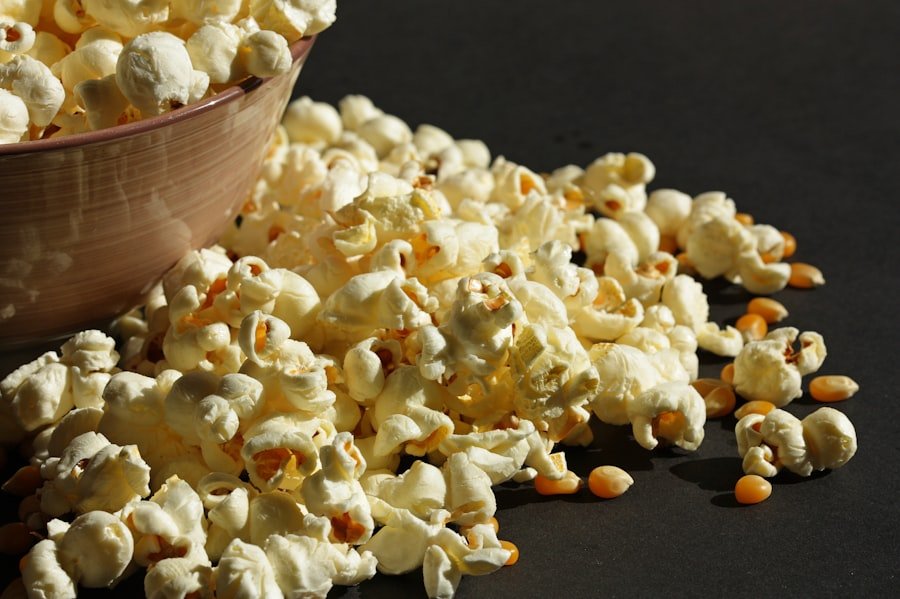
Plain popcorn can be a nutritious whole-grain snack. Iowa State University Extension notes that air-popped popcorn provides whole grain and fiber while remaining relatively low in calories before heavy toppings are added.
Pink candy popcorn is different because the sugar glaze adds substantial sweetness and additional calories. Butter or oil can add more fat as well. That does not mean you have to avoid it; it simply makes more sense to treat pink candy popcorn as a dessert or occasional snack rather than assume it has the same nutrition profile as plain air-popped popcorn.
Using beet-derived coloring instead of a certified synthetic color changes the source of the pigment, but it does not transform candy-coated popcorn into a health food. Both kinds of color additives are regulated when used as color additives in foods in the United States.
The popcorn underneath the coating is a whole grain, but the finished pink candy popcorn should still be treated as a sweet snack because of its added sugar.
Pink Popcorn as a Unique Party Treat
Pink popcorn works especially well on party tables because one batch can provide both food and decoration. Its color fits birthdays, Valentine’s Day events, bridal showers, baby showers, movie nights, carnival themes, and other celebrations where pink is part of the design.
Clear jars, bowls, paper cups, or small food-safe bags show off the color while making portions easy to handle. If the coating has dried completely, the popcorn can also be placed in individual bags before guests arrive.
For a carnival-style table, pink popcorn can sit beside cotton candy, caramel corn, or other nostalgic treats. For a simpler presentation, use one large bowl and let the popcorn’s color provide the visual interest.
A DIY topping station can make the snack more interactive. Guests can add sprinkles, chocolate drizzle, mini candies, or nuts if allergy considerations allow. Keep any topping with a known allergen in its own container with a separate serving utensil.
Pink Popcorn as a Gift Idea
Pink popcorn can also be packed as a homemade edible gift. Decorative jars, food-safe boxes, cellophane-style treat bags, or resealable pouches can all work as long as the popcorn is completely cool and dry before sealing.
For Valentine’s Day, strawberry or vanilla pink popcorn can be paired with chocolates. Birthday versions can use sprinkles that match the recipient’s favorite colors. A movie-night gift basket might combine popcorn with other shelf-stable snacks.
If you are giving homemade popcorn to someone with food allergies, tell the recipient what ingredients were used. Milk from butter, nuts used as toppings, or ingredients in flavorings and decorative candies can be important allergens.
Homemade packaging can make the gift feel personal without requiring an elaborate recipe. A well-sealed simple bag of crisp pink popcorn is often better than an ornate package that lets humidity reach the candy coating.
Pink Popcorn in Popular Culture
Pink popcorn’s cultural identity is tied mainly to nostalgia, concession food, candy shops, and celebrations. Its unusually bright appearance makes it easy to associate with carnivals and retro confectionery even though the precise historical origin of the category is difficult to document.
Commercial examples remain available. Poppa Corn Corporation, for example, currently sells Lucky Elephant novelty pink candy popcorn and describes the product as glazed rather than powdered. This type of packaged pink popcorn illustrates the candy-coated style many people remember from concession stands and specialty candy stores.
Social media has given colorful popcorn another place to thrive because batches can be coordinated with party themes, holidays, and dessert tables. Pink popcorn is particularly adaptable because changing the shade, flavor, drizzle, and decorations creates many different looks from the same basic technique.
Seasonal versions often appear around Valentine’s Day, Easter, birthdays, showers, and other celebrations. The underlying snack stays simple: popped corn plus a colored sweet coating.
Tips for Serving and Storing Pink Popcorn
Serve pink popcorn only after the coating has cooled and hardened. If it still feels tacky, spreading it in a single layer for additional drying will produce a better texture than immediately transferring it to a deep container.
Once dry, keep the popcorn in a clean airtight container or resealable food-storage bag. Store it in a cool, dry place away from direct sunlight, heat, and humidity. Moisture is especially important because it can soften both the popcorn and its candy shell.
If preparing the treat for a party, making it a day or two ahead is usually easier than trying to coat it immediately before guests arrive. Check the texture before serving; if it has absorbed moisture and become noticeably soft, quality will be lower.
Freezing is usually unnecessary for short-term storage. If you choose to freeze a batch, seal it very well against moisture and let the closed container return toward room temperature before opening it. That reduces the chance of condensation forming directly on the popcorn.
Do not rely on a fixed homemade shelf-life number because moisture level, added ingredients, sanitation, packaging, and room conditions vary. Discard the popcorn if it develops an off odor, unusual flavor, visible mold, or other signs of spoilage.
DIY Pink Popcorn Recipe for Home Enjoyment
This version uses the same ingredient amounts listed earlier so you do not have to switch between conflicting recipes.
Step 1: Prepare the popcorn
Pop 1/2 cup of popcorn kernels using an air popper or your preferred method. Transfer the popped corn to a large heat-resistant bowl. Shake or gently lift the popcorn so any unpopped kernels fall toward the bottom, then remove them.
Step 2: Prepare the workspace
Line a large baking sheet with parchment paper. Set a heat-resistant spatula beside the popcorn. If you want a drier finish, preheat the oven to 250°F (121°C).
Step 3: Cook the pink syrup
Place 1 cup granulated sugar, 1/3 cup water, 1/4 cup light corn syrup, 1/4 cup unsalted butter, and 1/2 teaspoon salt in a heavy-bottomed saucepan.
Heat over medium heat while stirring until the sugar has dissolved. Attach a candy thermometer and bring the mixture to a steady boil. Once boiling, avoid unnecessary stirring.
Continue cooking until the syrup reaches approximately 250°F to 255°F (121°C to 124°C). Remove the saucepan from the heat.
Step 4: Add flavor and color
Carefully stir in 1 teaspoon vanilla extract. Add a small amount of pink or red food coloring labeled for food use and mix thoroughly. Start with less coloring than you think you need; you can add another drop if the shade is too pale.
For a flavored variation, use an appropriate food flavoring according to its package directions. Strawberry, raspberry, cherry, and cotton-candy-style flavors are common choices.
Step 5: Coat the popcorn
Working carefully and quickly, drizzle the hot syrup over the popcorn while folding the pieces with a long-handled heat-resistant spatula. Continue until the coating is distributed as evenly as possible.
Avoid handling the coated popcorn with your hands while the syrup is hot.
Step 6: Cool and set
Spread the popcorn in a single layer over the parchment-lined baking sheet. Let it cool completely.
For a drier, firmer finish, bake the freshly coated popcorn at 250°F (121°C) for about 10 to 15 minutes, stirring once during that time. Remove it from the oven and allow it to cool completely before breaking larger clusters apart.
Once fully cool and crisp, serve the popcorn or transfer it to an airtight container.
Frequently Asked Questions
What is pink popcorn?
Pink popcorn is usually ordinary popped corn covered with a sweet pink candy glaze or another pink confectionery coating. The color normally comes from the coating rather than from the white interior of the popped kernel.
How is pink popcorn made?
Pop the corn first, remove any hard unpopped kernels, prepare a sugar-based candy syrup, tint and flavor the syrup, and carefully toss it with the popcorn. Spread the coated popcorn in a thin layer and let it cool and dry until crisp.
Is pink popcorn healthy?
Plain popcorn is a whole grain and provides fiber, but candy-coated pink popcorn contains added sugar and may also contain butter or oil. It is better treated as a sweet snack or dessert rather than as the nutritional equivalent of plain air-popped popcorn.
Where can I buy pink popcorn?
Pink popcorn may be available from specialty candy shops, popcorn retailers, concession suppliers, and online food sellers. Availability varies by region and season. It is also straightforward to make at home with regular popcorn and a colored candy coating.
What flavors are available for pink popcorn?
Popular sweet variations include vanilla, strawberry, raspberry, cherry, and cotton-candy-style pink popcorn. Chocolate drizzle, white confectionery coating, sprinkles, and a small amount of salt can create additional variations.
Do naturally pink popcorn kernels make pink popcorn?
Not in the same way as candy-coated pink popcorn. Naturally red, pink, blue, and other colored popcorn kernels exist, but their expanded endosperm is generally white. The strong pink color of the familiar confection comes from an added coating.
How do you keep pink popcorn from getting sticky?
Cook the syrup to the intended candy stage, avoid adding unnecessary liquid, allow the coated popcorn to cool completely, and keep it away from humidity. Store only fully dry popcorn in an airtight container.
How should homemade pink popcorn be stored?
After it has cooled and dried completely, place it in an airtight food-storage container and keep it in a cool, dry location away from sunlight and humidity. Moisture can quickly soften the candy coating.
Sources
- Proceedings of the National Academy of Sciences / PubMed Central — Preceramic maize from Paredones and Huaca Prieta, Peru — archaeological evidence for ancient popcorn-type maize.
- USDA National Agricultural Library — Popcorn: Ingrained in America’s Agricultural History — popcorn history and commercial development.
- Utah State University Extension — Popcorn in the Garden — popcorn varieties, kernel color, popping behavior, and storage.
- U.S. Food and Drug Administration — Color Additives in Foods — regulation and classification of food color additives.
- Iowa State University Extension — Popcorn: A Great Snack Choice — current whole-grain and nutrition guidance.
- Iowa State University Extension — Success with Caramel — candy-syrup crystallization and preparation principles.