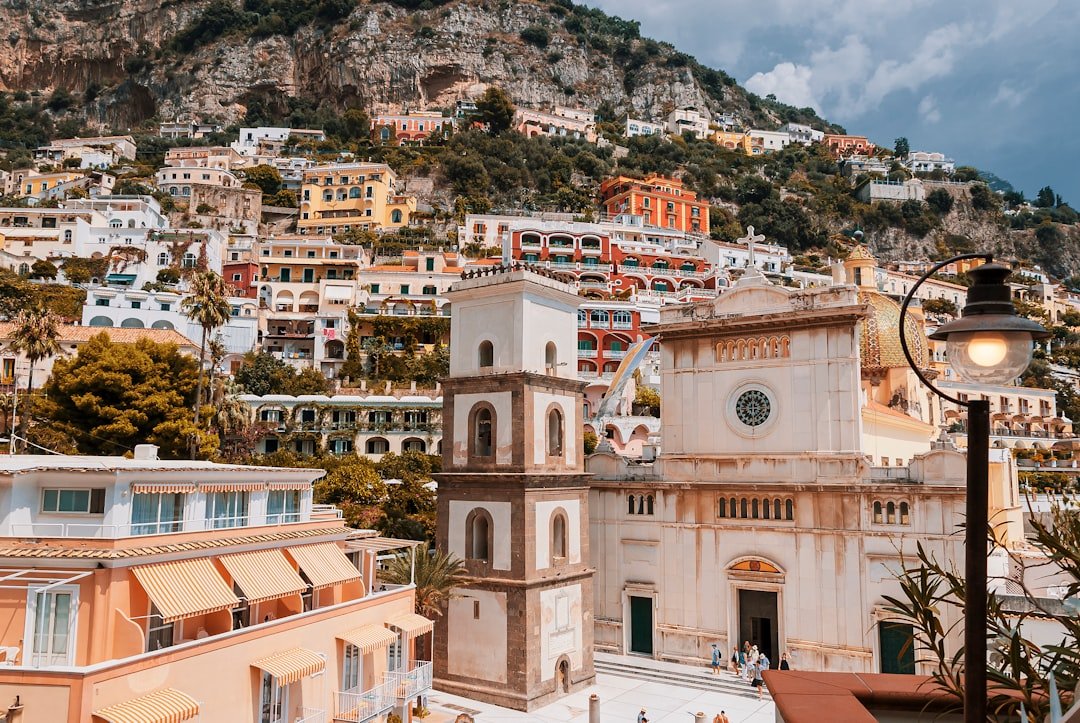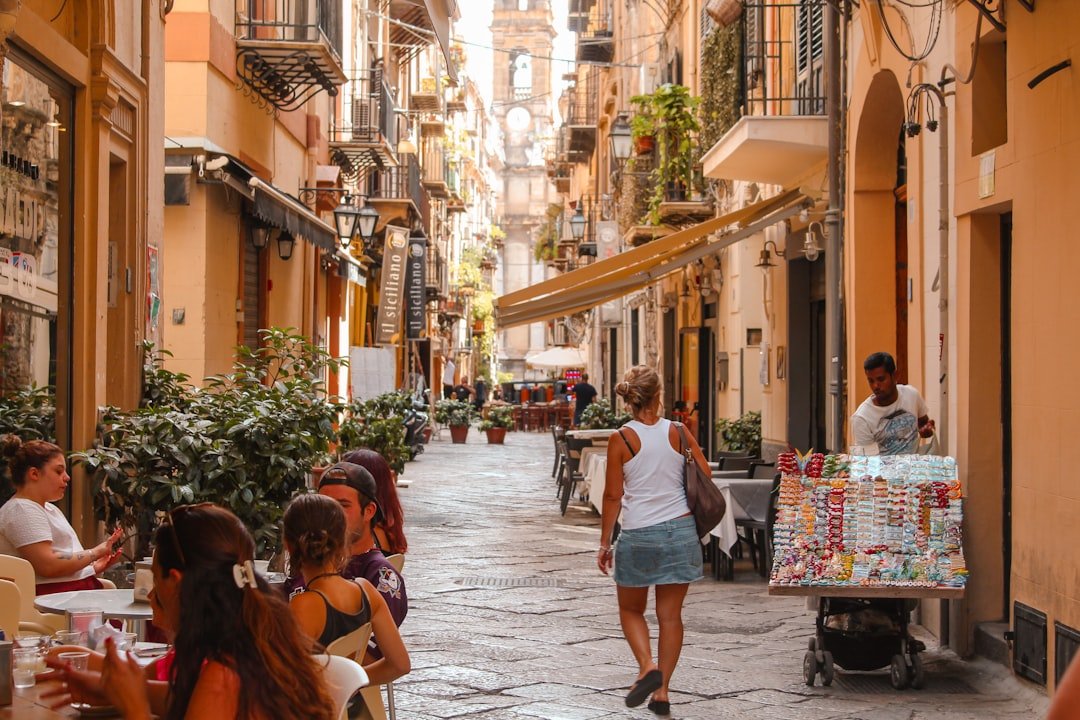
Arriving in Rome is an experience that sets the tone for an unforgettable journey. The moment you step off the plane at Leonardo da Vinci International Airport, the air is infused with a blend of history and modernity. As you make your way through the bustling terminals, the excitement of exploring one of the world’s most iconic cities begins to build.
The airport is well-connected to the city center, with options ranging from the efficient Leonardo Express train to various shuttle services and taxis. Each mode of transport offers a glimpse of the vibrant life that pulses through Rome, with its charming streets and historic architecture coming into view. Once you arrive in the heart of the city, selecting the right accommodation can significantly enhance your experience.
Rome boasts a diverse range of lodging options, from luxurious hotels with stunning views of ancient ruins to quaint bed-and-breakfasts nestled in cobblestone alleyways. For those seeking a taste of local life, consider staying in a neighborhood like Trastevere, known for its lively atmosphere and authentic Roman charm. Alternatively, the area around the Spanish Steps offers a more upscale experience, with high-end boutiques and fine dining just steps away from your door.
Regardless of your choice, finding a place that resonates with your travel style will set the stage for your Roman adventure.
Key Takeaways
- Choose accommodation close to the city center for easy access to attractions
- Start with a visit to the Colosseum and Roman Forum on Day 1
- Spend Day 2 exploring Vatican City and admiring Renaissance art
- Discover hidden gems and local experiences off the beaten path on Day 3
- Indulge in authentic Italian cuisine and local culinary delights throughout the trip
Day 1: Exploring Ancient Rome
Uncovering Ancient Rome’s Hidden Gems
The first day in Rome is best spent immersing yourself in its ancient history, which is palpable at every turn. Begin your journey at the Colosseum, an architectural marvel that once hosted gladiatorial contests and public spectacles. As you stand before this colossal structure, it’s hard not to be awed by its grandeur and the stories it holds within its stone walls.
Delving into the Colosseum’s Secrets
Guided tours often provide fascinating insights into the engineering feats that allowed this amphitheater to accommodate thousands of spectators, as well as the cultural significance it held in ancient Roman society. After exploring the Colosseum, a short walk leads you to the Roman Forum, the heart of ancient Rome’s political and social life.
Exploring the Roman Forum and Palatine Hill
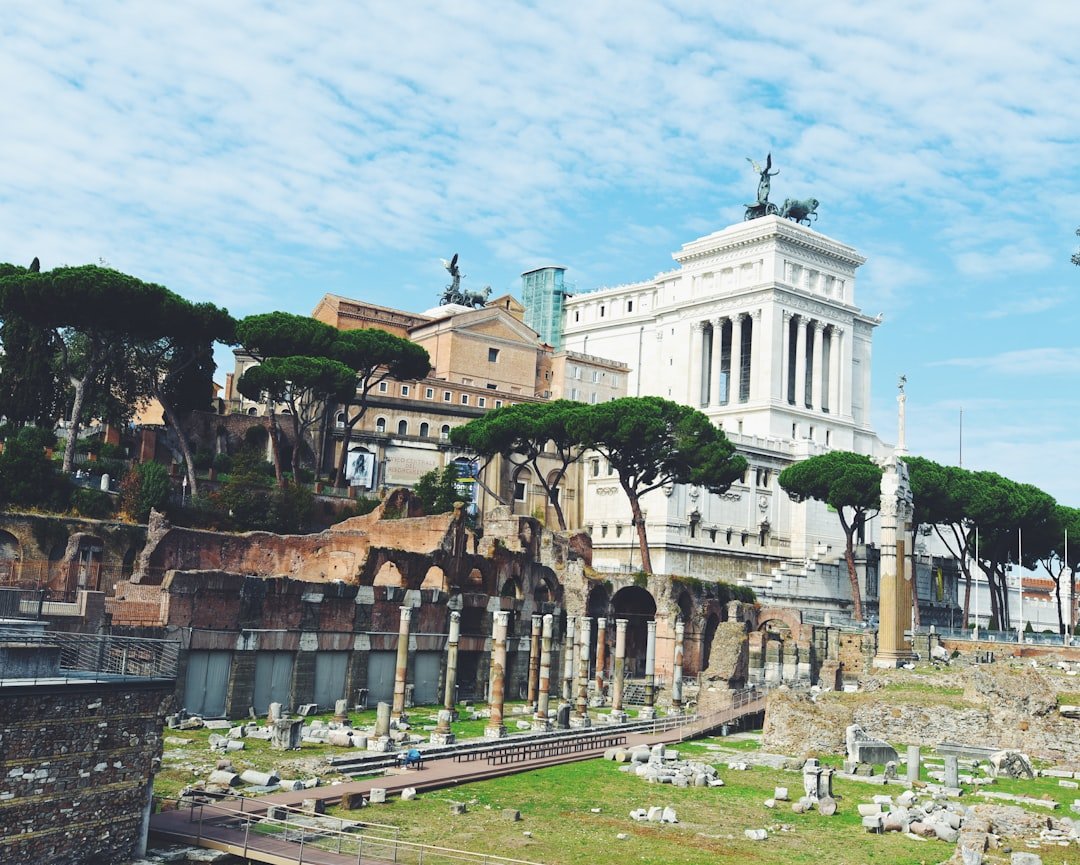
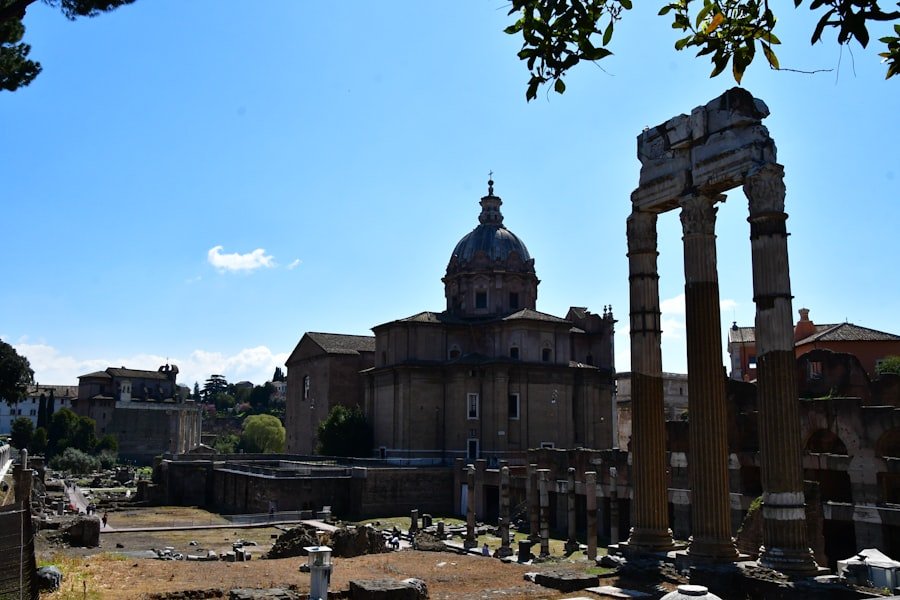
Here, you can wander among the ruins of temples, basilicas, and public spaces that once buzzed with activity. The Forum is not just a collection of stones; it’s a narrative of Rome’s evolution from a small settlement to a sprawling empire. As you stroll through this archaeological wonder, take time to reflect on the lives of those who walked these paths centuries ago. The Palatine Hill, adjacent to the Forum, offers panoramic views of the city and is steeped in mythology as the legendary birthplace of Romulus and Remus.
Day 2: Vatican City and Renaissance Rome
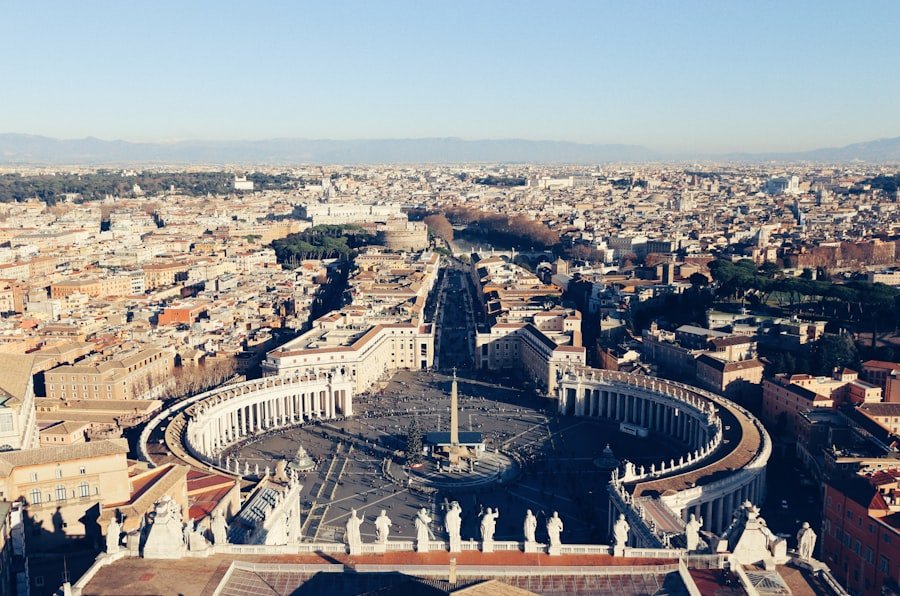
On your second day, prepare to delve into the spiritual and artistic heart of Rome: Vatican City. This independent city-state is home to some of the most revered art and architecture in the world. Start your visit at St. Peter’s Basilica, an awe-inspiring masterpiece designed by renowned architects such as Michelangelo and Bernini. The basilica’s dome dominates the skyline and can be climbed for breathtaking views over Vatican City and beyond. Inside, marvel at Michelangelo’s Pietà and Bernini’s grand altar, both testaments to the Renaissance’s artistic brilliance. After soaking in the grandeur of St. Peter’s Basilica, make your way to the Vatican Museums, where an extensive collection of art spans centuries. The highlight for many visitors is the Sistine Chapel, famous for Michelangelo’s stunning frescoes that adorn its ceiling and altar wall. Standing beneath this iconic artwork is a humbling experience; it’s a moment where time seems to stand still as you take in the intricate details and vibrant colors that have captivated millions. The Vatican Museums also house works by Raphael and Caravaggio, making it a treasure trove for art enthusiasts.
Day 3: Hidden Gems and Local Experiences
| Activity | Location | Cost | Rating |
|---|---|---|---|
| Hiking in the National Park | Local National Park | Free | 4.5/5 |
| Local Food Tasting Tour | Downtown Area | 30 per person | 4/5 |
| Historical Walking Tour | Old Town District | 15 per person | 4.8/5 |
As your Roman adventure continues, take a break from the well-trodden tourist paths to discover some of the city’s hidden gems. Start your day in the Trastevere neighborhood, known for its narrow streets lined with colorful buildings and lively piazzas. Here, you can visit Santa Maria in Trastevere, one of Rome’s oldest churches, adorned with stunning mosaics that date back to the 12th century.
The atmosphere in Trastevere is vibrant yet relaxed, making it an ideal spot for leisurely exploration. Next, venture to the lesser-known Quartiere Coppedè, an eclectic neighborhood that showcases a unique blend of architectural styles including Art Nouveau and Baroque. The whimsical buildings adorned with intricate details provide a stark contrast to Rome’s ancient ruins and are perfect for photography enthusiasts seeking something different.
Afterward, indulge in a local culinary experience by participating in a cooking class where you can learn to make traditional Roman dishes such as pasta alla carbonara or cacio e pepe. This hands-on experience not only teaches you about Italian cuisine but also allows you to connect with locals who share their culinary secrets.
Dining and Culinary Delights
Rome is a gastronomic paradise where every meal can be an adventure in flavor. The city offers an array of dining options that cater to all tastes and budgets. For an authentic Roman experience, seek out traditional trattorias tucked away in local neighborhoods rather than tourist hotspots.
Dishes like saltimbocca alla Romana (veal wrapped in prosciutto) or carciofi alla giudia (Jewish-style artichokes) are must-tries that reflect the region’s culinary heritage. Street food is another delightful aspect of Roman cuisine that should not be overlooked. Sample suppli—fried rice balls filled with mozzarella—as you stroll through bustling markets or enjoy a slice of pizza al taglio from a local pizzeria.
The thin crust and fresh toppings make it a favorite among locals and visitors alike. Pair your meals with regional wines such as Frascati or Cesanese for a complete dining experience that captures the essence of Roman culture.
Navigating Public Transportation
Navigating Rome’s public transportation system can be both efficient and enjoyable if approached with some knowledge. The city boasts an extensive network of buses, trams, and metro lines that connect major attractions and neighborhoods. The metro system is particularly useful for reaching sites like the Vatican or Termini Station quickly.
Purchasing a Roma Pass can provide unlimited access to public transport for a set number of days while also offering discounts on entry fees to various attractions. Buses are another convenient option for getting around; however, they can be crowded during peak hours. It’s advisable to check schedules ahead of time and download apps that provide real-time updates on bus arrivals.
For those who prefer a more scenic route, consider walking or renting a bike to explore Rome at a leisurely pace. Many attractions are within walking distance of each other, allowing you to soak in the city’s ambiance while discovering hidden corners along the way.
Shopping and Souvenirs
Shopping in Rome offers a delightful mix of high fashion and artisanal craftsmanship. The city is home to renowned designer boutiques along Via dei Condotti, where luxury brands like Gucci and Prada beckon fashion enthusiasts. However, for those seeking unique souvenirs that capture the essence of Rome, exploring local markets is essential.
The Campo de’ Fiori market is a vibrant hub where vendors sell fresh produce, flowers, and handmade goods. For artisanal crafts, head to neighborhoods like Monti or Trastevere, where small shops offer everything from handmade leather goods to intricate ceramics. A piece of locally crafted jewelry or a beautifully designed pottery item can serve as a lasting memory of your time in Rome.
Additionally, don’t forget to pick up some Italian delicacies such as olive oil or balsamic vinegar to bring home a taste of Italy.
Nightlife and Entertainment
As night falls over Rome, the city transforms into a vibrant hub of nightlife filled with energy and excitement. From cozy wine bars to lively clubs, there’s something for everyone looking to experience Roman evenings. Trastevere comes alive after dark with its plethora of bars offering local wines and cocktails alongside live music performances that create an inviting atmosphere.
For those interested in cultural experiences, consider attending an opera or classical music concert at venues like Teatro dell’Opera di Roma or Santa Cecilia Hall. These performances showcase Italy’s rich musical heritage against stunning backdrops that enhance the overall experience. Alternatively, enjoy an evening stroll through illuminated piazzas such as Piazza Navona or Campo de’ Fiori, where street performers often entertain passersby while you savor gelato from one of the nearby gelaterias.
Practical Tips for First-Time Visitors
For first-time visitors to Rome, preparation can significantly enhance your experience in this historic city. One essential tip is to familiarize yourself with local customs and etiquette; for instance, greeting shopkeepers with “Buongiorno” (Good morning) or “Buonasera” (Good evening) goes a long way in establishing rapport with locals. Additionally, learning basic Italian phrases can enrich your interactions and show respect for the culture.
When planning your itinerary, consider purchasing tickets for popular attractions online in advance to avoid long queues—especially at sites like the Colosseum or Vatican Museums where wait times can be extensive during peak tourist seasons. Dress comfortably as you’ll likely be doing plenty of walking; comfortable shoes are essential for navigating cobblestone streets and exploring ancient ruins.
Day Trips and Excursions
While Rome itself is brimming with history and culture, taking day trips can provide an enriching perspective on Italy’s diverse landscapes and heritage. One popular excursion is to Tivoli, located just outside Rome, where visitors can explore Villa d’Este—a UNESCO World Heritage site famous for its stunning gardens and fountains—as well as Hadrian’s Villa, an expansive archaeological complex that showcases Roman imperial architecture. Another option is visiting Ostia Antica, an ancient port city that offers well-preserved ruins reminiscent of Pompeii but less crowded with tourists.
Wandering through its streets allows you to imagine life during ancient times while enjoying scenic views along the Tiber River. These excursions not only provide a break from the hustle and bustle of Rome but also deepen your understanding of Italy’s rich historical tapestry.
Departure and Reflection
As your time in Rome comes to an end, take a moment to reflect on all that you have experienced during your stay in this remarkable city. From exploring ancient ruins to savoring culinary delights and immersing yourself in local culture, each moment contributes to a tapestry of memories that will last long after you leave. Whether it was standing in awe beneath Michelangelo’s masterpieces or enjoying a leisurely evening stroll through illuminated piazzas, these experiences create lasting impressions.
Before departing, consider taking one last walk through your favorite neighborhoods or revisiting a beloved café for one final taste of authentic Italian espresso or gelato. As you board your flight homeward bound, carry with you not just souvenirs but also stories—of laughter shared over meals with locals, moments spent marveling at art that transcends time, and connections made with a city that feels alive with history at every corner.
If you’re looking to explore the delightful world of Asian cuisine during your Rome trip, be sure to check out this article on Asian melon. While you’re in Rome, you can also try your hand at making delicious homemade cottage cheese with this simple and healthy recipe found in this article. And if you’re a fan of rock music, you may be interested to know that rock legend Ozzy Osbourne has passed away, as reported in this news article.
FAQs
What is a 3-day itinerary for first-time visitors to Rome?
A 3-day itinerary for first-time visitors to Rome is a suggested plan for exploring the city’s major attractions and experiencing its culture, history, and cuisine over the course of three days.
What are some must-see attractions in Rome for first-time visitors?
Some must-see attractions in Rome for first-time visitors include the Colosseum, Roman Forum, Vatican City (including St. Peter’s Basilica and the Vatican Museums), the Pantheon, Trevi Fountain, and the Spanish Steps.
What are some recommended activities for first-time visitors to Rome?
Recommended activities for first-time visitors to Rome include taking a guided tour of the Colosseum and Roman Forum, visiting the Vatican Museums and Sistine Chapel, exploring the historic center of Rome on foot, and enjoying traditional Italian cuisine at local restaurants.
How should first-time visitors plan their time in Rome?
First-time visitors to Rome should plan their time by prioritizing the attractions they most want to see, booking skip-the-line tickets for popular sites, and allowing for leisurely exploration of the city’s charming neighborhoods and outdoor spaces.
What are some tips for first-time visitors to Rome?
Some tips for first-time visitors to Rome include wearing comfortable walking shoes, staying hydrated, being mindful of pickpockets in crowded areas, and familiarizing themselves with basic Italian phrases and customs. Additionally, it’s important to be respectful when visiting religious sites and to adhere to dress codes.