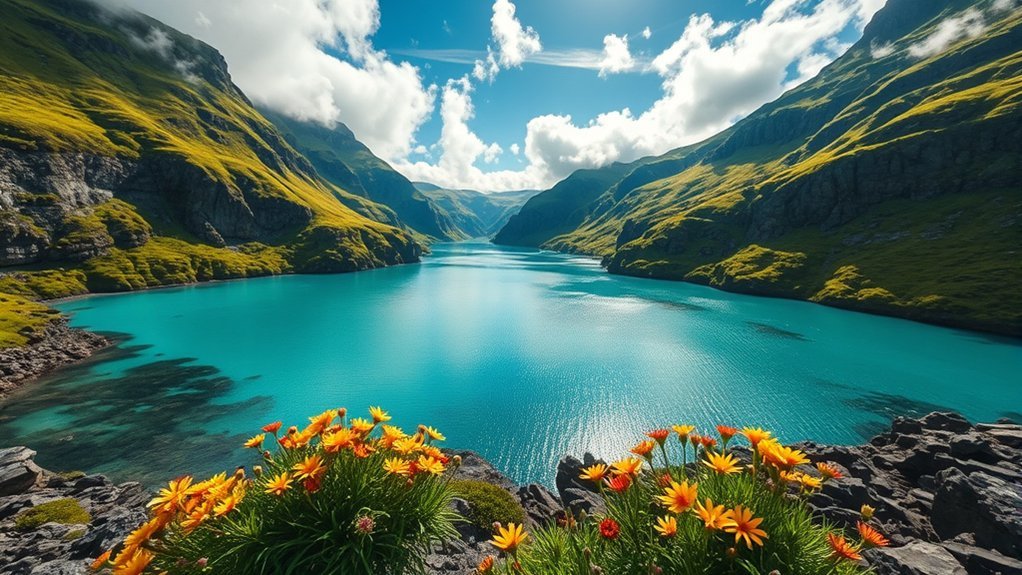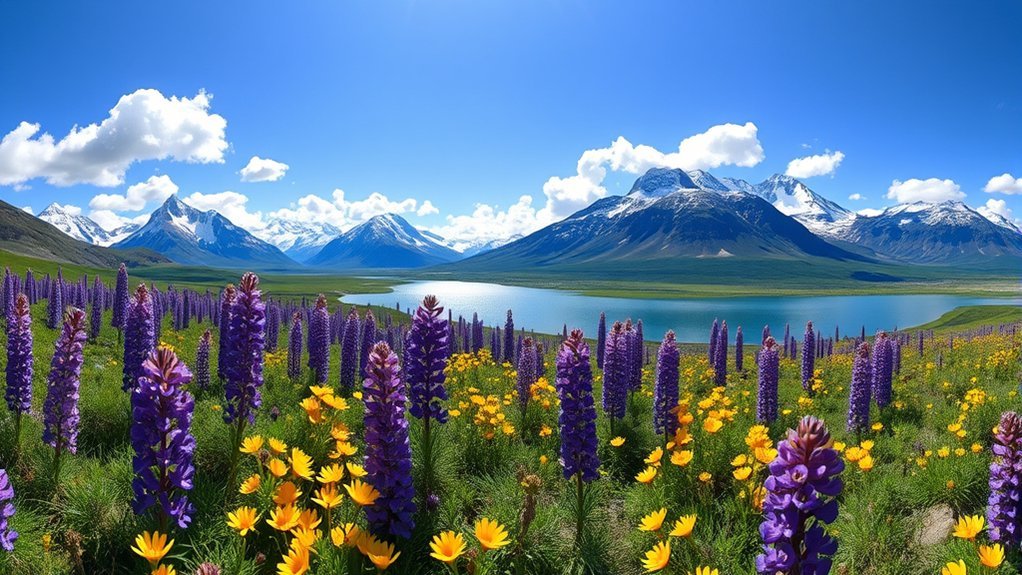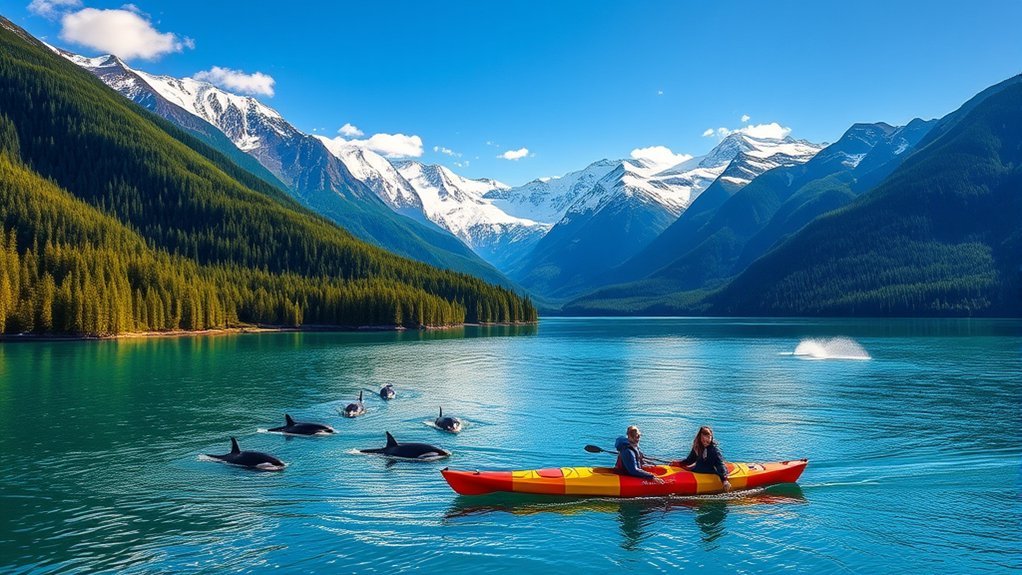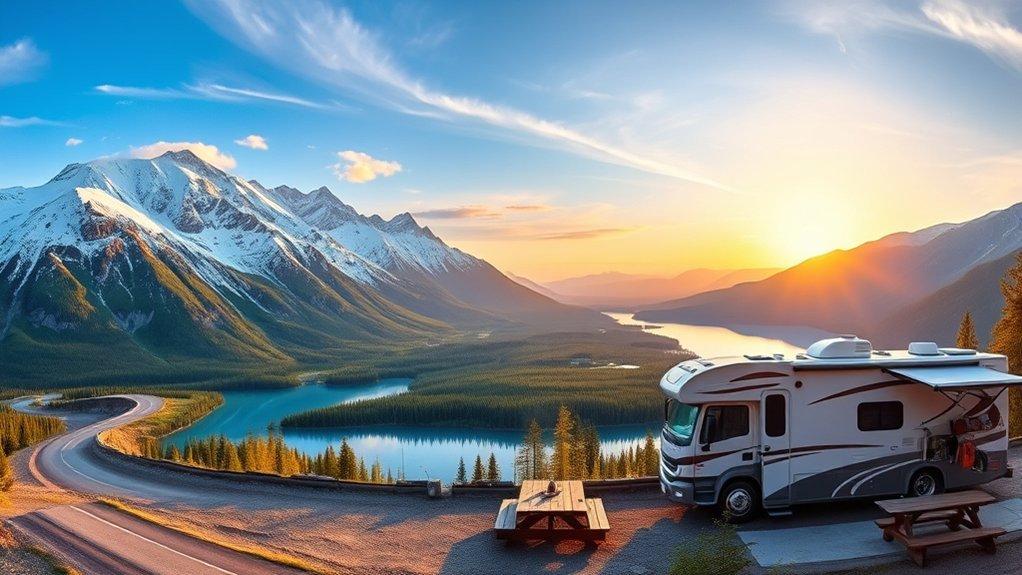
RVing in Alaska gives you the freedom to move between mountain highways, coastal towns, national parks, glaciers, and wildlife country on your own schedule. The trip does require more planning than a typical road vacation, especially for fuel, road conditions, campground access, changing weather, and long distances between services. With a realistic route and the right equipment, an Alaska RV trip can be both comfortable and remarkably flexible.
Quick Answer
The easiest time to RV in Alaska is generally from late May through early September, with June through August offering the fullest range of visitor services. Plan campgrounds ahead, check Alaska 511 before long drives, carry emergency and tire gear, expect many dry campsites, and verify park-specific road, wildlife, fire, and pet rules before arrival.
Key Takeaways
- Late May through early September is the practical core RV season, although weather and services vary widely by region.
- Check Alaska 511 for road conditions, closures, construction, cameras, and alerts before major driving days.
- In summer 2026, private vehicles at Denali generally stop at Savage River at Mile 15, while buses travel only as far as Mile 43 because of the Pretty Rocks closure.
- Many public campgrounds are dry, so do not assume electrical, water, sewer, shower, or dump facilities will be available at your site.
- Carry emergency food and water, offline navigation, tire equipment, rain layers, insect protection, and a dependable way to communicate when cell service disappears.
- If driving to Alaska through Canada, review current border, document, food, pet, and declaration requirements before departure.
Planning Your Alaska RV Adventure
Start by choosing an RV that matches the roads and campgrounds you actually plan to use. A huge motorhome may be comfortable on the main highways, but a smaller Class B, Class C, truck camper, or modest travel trailer can be easier to handle at older campgrounds and on narrow or rough roads. Before renting, read the contract carefully because some companies restrict travel on gravel roads or specific remote routes.
For most first-time visitors, late May through early September is the most practical RV window. June, July, and August generally provide the broadest selection of campground, tour, and visitor services. May and September can be quieter, but freezing nights, snow, reduced services, and seasonal closures become more likely.
Build extra time into your itinerary rather than scheduling a long drive every day. Alaska weather, construction, wildlife on the roadway, and slow traffic can change your plans. Before leaving camp, check Alaska 511 for current road conditions, traffic events, construction, cameras, closures, and weather-related alerts.
2026 Denali Warning: Do not plan to drive your RV the full length of Denali Park Road. During summer 2026, private vehicles generally travel only to Savage River at Mile 15. Transit and tour buses travel only to the East Fork area at Mile 43 because of the Pretty Rocks road closure. Check Denali’s current conditions immediately before your visit.
If You’re Driving Through Canada
Travelers driving an RV from the Lower 48 to Alaska normally cross Canada, so border planning is part of the trip. Bring the required proof of identity and citizenship for everyone traveling and review the Canada Border Services Agency travel requirements shortly before departure.
Declare food, plant, animal, firearm, alcohol, tobacco, and other regulated items as required. Rules can change, so do not rely on an old packing list or another traveler’s previous experience. If you’re traveling with an animal, check the applicable Canadian pet-import requirements and carry the required veterinary documentation.
Pro Tip: Download your route, campground confirmations, park information, and important phone numbers before leaving a town with reliable service. A paper road map is also a useful backup when mobile data disappears.
Best Scenic Routes to Explore
Alaska’s main highways can be attractions themselves, but road conditions and construction change. Check Alaska 511 rather than assuming a route will be exactly as you found it in an older guide.
Seward Highway
The Seward Highway between Anchorage and Seward is one of the classic Alaska RV drives. The route follows Turnagain Arm before continuing through mountain country toward the Kenai Peninsula. Pullouts and recreation areas provide opportunities to stop, but use designated areas rather than slowing or stopping in the travel lane for photos or wildlife.
Glenn Highway
The Glenn Highway runs east from the Anchorage and Palmer area toward Glennallen. Mountain scenery dominates much of the route, and the Matanuska Glacier area is a popular stop. Construction and weather can create delays, so check current road information on the day you travel.
Parks Highway
The George Parks Highway is the primary road connection between the Anchorage area, Denali, and Fairbanks. It makes a practical backbone for a first Alaska RV itinerary because it links communities, campgrounds, state recreation areas, and the entrance to Denali National Park.
Denali Park Road
Denali Park Road is not a normal RV through-drive. During the main summer season, most private vehicles may drive only the paved first 15 miles to Savage River. To travel farther into the park, visitors typically use a transit or tour bus.
There is a special exception for RV travelers booked at Teklanika River Campground. They may drive the gravel road to the campground at approximately Mile 29, but vehicle campers have a minimum three-night stay and must leave the RV or vehicle parked at the campsite until they are ready to depart. Check the current Teklanika rules before booking.
Wrangell-St. Elias Roads
Wrangell-St. Elias offers a much more remote driving experience. The Nabesna and McCarthy roads are gravel, and conditions can change after rain or runoff. The National Park Service warns that large vehicles are not encouraged on portions of the McCarthy Road and notes that some rental companies prohibit their vehicles on gravel roads.
There is no fuel along either park road, making advance fuel planning essential. Review the NPS road guidance for Wrangell-St. Elias before attempting either route.
Top RV Campgrounds and Bases in Alaska
Instead of choosing a campground only for scenery, match it to your RV length, hookup needs, route, and planned activities. Many Alaska public campgrounds are dry, and facilities may be more limited than at commercial RV resorts.
| Campground / Base | Best For | Important RV Notes |
|---|---|---|
| Riley Creek Campground, Denali | Convenient Denali base | RV camping is available, but Denali campgrounds do not provide RV hookups. Some sites accommodate RVs up to 40 feet. |
| Savage River Campground, Denali | Staying farther inside the private-vehicle zone | Located near Mile 14. RVs and tents are allowed. Potable water is normally available, but there are no electrical or water hookups. |
| Teklanika River Campground, Denali | A deeper Denali camping experience | Vehicle campers may drive to approximately Mile 29, but a three-night minimum and strict vehicle-use rules apply. No RV hookups. |
| Seward Municipal Campgrounds | Seward and Kenai Fjords excursions | The city lists dry and partial-hookup RV options. Check current availability and rates before arrival. |
| Homer-area RV campgrounds | Homer, the Spit, and Kachemak Bay trips | Use Homer as your RV base. Kachemak Bay State Park itself has no road access. |
Denali National Park is one of Alaska’s best-known RV destinations, but book carefully. Campground and bus reservations are strongly recommended during summer, and Wonder Lake Campground remains closed in 2026.
Seward works well as a coastal RV base. The City of Seward’s current campground page lists 2026 RV dry sites at $45 plus tax, partial water/electric sites at $60 plus tax, and premium water/electric sites at $70 plus tax. Check the city’s campground page because availability and operating status can change.
For a more remote experience, Kachemak Bay State Park offers kayaking, hiking, camping, mountains, forests, and coastal scenery, but it is not an RV campground. Alaska State Parks lists the park as having no road access; visitors reach it by boat or airplane. Park your RV in the Homer area and arrange a water taxi or other authorized transportation if you want to explore the park.
Wrangell-St. Elias National Park and Preserve also offers primitive camping opportunities, including sites along the Nabesna Road that can accommodate small or medium RVs. Treat this as a remote trip rather than a full-service campground stay and verify current road conditions before committing your RV to the route.
Essential RV Gear for Your Trip
The right equipment matters more when towns and repair shops are far apart. Start with the tools you would want during a basic roadside problem:
- Accurate tire-pressure gauge and portable inflator
- Proper jack and lug wrench rated for your RV or tow vehicle
- Usable spare tire with the correct pressure
- Wheel chocks and leveling blocks for uneven campsites
- Basic tool kit, flashlight, work gloves, and spare fuses
- First aid kit and personal medications
- Portable phone charger or power bank
- Offline maps plus a paper-map backup
- Emergency food and drinking water
- Warm layers and waterproof clothing
- Insect repellent and a head net for mosquito-heavy areas
For campground life, pack a potable-water hose, water filter if you normally use one, electrical adapters or surge protection if your RV needs them, and the correct sewer hose and fittings for dump stations. A durable cooler can add food-storage space, while a compact grill or camp stove makes cooking easier where fires are prohibited.
In remote country, consider carrying a satellite messenger or another communication option that does not depend entirely on cellular service. If you hike in bear country, learn how to carry and use bear spray before the trip and check transportation restrictions if you are flying.
Fuel, Water, Dump Stations, and Connectivity
Do not plan Alaska fuel stops as casually as you might on an interstate trip. Top off before remote stretches, especially when leaving a community for a gravel road or sparsely serviced region. Never assume the next dot on the map has fuel available at the time you arrive.
The need is especially clear at Wrangell-St. Elias: the National Park Service notes that there is no gasoline along the McCarthy Road and no fuel or vehicle repair service along the Nabesna Road.
Potable water and dump stations also require planning. Many state and national park campsites are dry, and a campground that has drinking water does not necessarily have hookups at individual sites. Denali, for example, has no electrical or water hookups at its campgrounds, although Riley Creek provides the park’s RV water-fill and dump facilities.
Cell service can disappear for long stretches. Download navigation and campground information before departure, tell someone your route when heading into remote areas, and avoid relying on a single phone app for emergency communication.
Wildlife Viewing Opportunities
Alaska’s mountains, river corridors, wetlands, forests, and coastlines support wildlife ranging from moose and caribou to bears, Dall sheep, eagles, marine mammals, and many smaller species. Wildlife sightings are never guaranteed, so treat every encounter as a bonus rather than designing a stop around the expectation that a particular animal will appear.
Denali National Park is a well-known wildlife-viewing destination. A park bus can also provide access farther beyond the private-vehicle section of Denali Park Road, although 2026 buses do not travel beyond Mile 43.
Along the Kenai Peninsula and around Seward, you may also see eagles and coastal wildlife, while boat excursions into the Kenai Fjords area can provide opportunities to observe marine environments that are inaccessible by RV.
Wildlife Safety: National Park Service Alaska guidance says to stay at least 300 yards from bears and at least 25 yards from other wildlife, dens, and nests. Never approach, follow, surround, or feed an animal. If an animal changes its behavior because of you, give it more space.
Carry binoculars or use a telephoto lens instead of moving closer for a photograph. Keep food, trash, coolers, pet food, toiletries, and other scented items stored according to the rules of your campground or park.
Navigating Alaska’s Weather
Alaska weather can change quickly, and conditions differ dramatically between the coast, Interior, mountain passes, and northern regions. Layering is the most flexible approach because you can add or remove insulation as temperatures and wind change.
Pack waterproof outer layers even when the forecast looks good, and keep warm clothing accessible in the RV rather than buried in storage. Snow and freezing conditions are possible outside the warmest part of summer and can occur at higher elevations even when nearby valleys are mild.
Here’s a practical packing guide:
| Essential Gear | Likely Condition | Purpose |
|---|---|---|
| Insulated Jacket | Cold or windy weather | Retains body heat |
| Waterproof Jacket and Pants | Rain and wet brush | Keeps insulating layers dry |
| Sturdy Footwear | Wet or uneven trails | Provides traction and support |
| Insect Repellent / Head Net | Mosquito season | Makes outdoor stops more comfortable |
Long summer daylight is another part of Alaska weather-and-season planning. Blackout shades or a sleep mask can help if you have trouble sleeping when the sky remains bright late into the evening.
Note: Do not count on seeing the Northern Lights during a June or July RV trip. At Denali, summer daylight generally prevents aurora viewing until roughly late August. Travelers visiting in late August or September have a better combination of road access and darker skies, although aurora activity and cloud cover are never guaranteed.
Safety Tips for RVing in Remote Areas
Alaska’s long distances and limited services make preparation especially important. The wilderness can be beautiful without being forgiving, so build redundancy into your travel plan.
- Know your route: Check road surfaces, seasonal access, construction, vehicle-size limitations, fuel availability, and alternate routes before leaving.
- Check Alaska 511: Look for current closures, weather issues, traffic events, construction, and road-condition reports.
- Stay connected: Carry a communication option appropriate for areas where cellular service is unreliable.
- Pack emergency supplies: Keep drinking water, food, warm clothing, a first aid kit, lighting, tools, and essential medications available.
- Inspect your RV: Monitor tire pressure, tires, fluids, lights, hitch components, and the spare before long or remote drives.
- Be wildlife aware: Slow down when animals are near the road and never stop where your RV blocks traffic.
- Watch the weather: Recheck forecasts and road reports rather than assuming yesterday’s conditions still apply.
- Avoid risky shortcuts: A GPS route is not proof that a narrow or rough road is appropriate for your RV.
If your rental agreement prohibits a road, respect the restriction even if other travelers say they have driven it successfully. Road damage, towing, glass damage, and recovery costs can become expensive quickly in remote areas.
Must-See Attractions Along the Way
Denali National Park remains one of the major stops on an Alaska RV itinerary. Park the RV at your campground or designated parking area and use the park’s shuttle or bus system when you want to explore beyond the private-vehicle section of Denali Park Road.
The Seward Highway provides dramatic coastal and mountain scenery on the approach to Seward. Once there, the town makes a practical RV base for exploring Resurrection Bay and arranging excursions connected with Kenai Fjords National Park. The national park itself does not provide RV campsites, so camp in Seward or another nearby RV-accessible area.
The Homer area combines waterfront scenery, fishing, restaurants, galleries, and access to Kachemak Bay. Homer is also the correct RV base for visiting Kachemak Bay State Park, which is reached by boat or airplane rather than road.
Wrangell-St. Elias National Park and Preserve rewards travelers prepared for more remote conditions. The Nabesna and McCarthy roads provide access into different parts of the park, but gravel, potholes, stream crossings, limited services, and rental restrictions deserve serious consideration before taking an RV onto them.
Glacier scenery is also available along several Southcentral Alaska routes, including the Matanuska Glacier area along the Glenn Highway. Whenever access crosses private land or requires a commercial tour, confirm current access and fees rather than assuming you can walk directly onto a glacier.
If your trip extends into late August or September, darker nights may also give you a chance to see the Northern Lights. During the brightest weeks around early and midsummer, enjoy the long daylight instead of planning the trip around aurora viewing.
Campfire Cooking and Recipes
After a day on the road, cooking outside can be one of the pleasures of RV travel. A campfire may be available at some campgrounds, while others restrict fires because of campground rules or wildfire danger. Always check posted regulations and current fire restrictions first, and keep a portable stove or grill available as a backup.
Essential Cooking Gear
The right cooking gear makes outdoor meals easier whether you’re using a legal campfire, campground grill, or portable stove. Useful items include:
- Cast Iron Skillet: Useful for searing meats, heating breakfast, or sautéing vegetables.
- Portable Grill or Camp Stove: A dependable alternative when open fires are prohibited.
- Long-handled Tongs: Helps keep your hands away from hot cookware and flames.
- Heat-resistant Gloves: Useful when handling hot pans, grates, or cookware.
- Biodegradable Soap: Helpful for cleanup, but wash dishes and dispose of wastewater according to campground rules rather than directly in lakes, streams, or vegetation.
- Durable Cooler: Provides additional food storage when used and secured correctly.
Warning: Never assume a fire ring means campfires are currently allowed. Fire restrictions can change with wildfire conditions. Follow the campground, park, forest, or local agency’s current rules and extinguish every permitted fire completely.
Easy Campfire Recipes
Simple meals reduce cleanup and let you spend more time outside. These recipes work over an approved campfire or can be adapted to a campground grill or portable stove:
| Recipe | Ingredients |
|---|---|
| Campfire Nachos | Tortilla chips, cheese, jalapeños, salsa |
| Foil Pack Veggies | Mixed vegetables, olive oil, salt, pepper |
| S’mores | Graham crackers, marshmallows, chocolate |
| Grilled Sausages | Sausages, buns, mustard |
Bring toppings and condiments separately so everyone can customize the meal. Clean cooking areas immediately afterward, secure leftovers and scented items, and never leave food outside where wildlife can reach it.
Responsible RVing Practices in Nature
Alaska’s public lands can look limitless, but tundra, wetlands, riverbanks, alpine vegetation, and wildlife habitat can be easily damaged. Responsible RV travel means using established roads and campsites, handling waste correctly, keeping a clean camp, and following the rules of the land-management agency you are visiting.
Leave No Trace Principles
Following Leave No Trace principles helps protect the places you came to see:
- Plan ahead: Learn the area’s campground rules, closures, trail conditions, fire restrictions, and wildlife requirements before arrival.
- Stay on established routes: Keep your RV on legal roads and campsites and use established trails where required.
- Pack it in, pack it out: Remove trash, food scraps, and other waste.
- Respect wildlife: Observe animals from a safe distance and never feed them.
- Leave what you find: Do not remove natural, historic, or cultural objects.
- Dispose of wastewater correctly: Use approved dump facilities for black water and follow local rules for gray-water disposal.
Wildlife Interaction Guidelines
Safe wildlife viewing starts with distance. Never feed wildlife or leave food where an animal can obtain it. Store food, trash, coolers, cooking supplies, pet food, toothpaste, and other scented items according to campground and park requirements.
If you encounter a bear, do not run. Give the animal room and follow current National Park Service or local land-manager guidance for the specific situation. If the bear is unaware of you and you can safely leave, move away without attracting its attention. If it is aware of you, remain calm, avoid sudden movements, and increase your distance.
Moose require just as much respect. Keep at least 25 yards away. If a moose becomes agitated, give it an escape route and place a solid object such as a vehicle or large tree between you and the animal when possible.
Binoculars and telephoto lenses provide better views without forcing you closer. Never crowd an animal to get a photograph.
Campfire Safety Practices
When campfires are permitted, keep the fire controlled and follow campground rules:
- Use a designated fire ring or another location where fires are explicitly allowed.
- Check current fire restrictions before lighting anything.
- Keep the fire small and manageable.
- Keep water and a shovel or appropriate extinguishing equipment nearby.
- Never leave a fire unattended.
- Fully extinguish the fire before sleeping or leaving the site.
- Do not transport firewood where regulations prohibit it.
Frequently Asked Questions
What is the best time to RV in Alaska?
Late May through early September is the most practical RV season for most travelers. June through August generally has the broadest range of campground, tour, road, and visitor services. May and September can be quieter but bring a greater chance of freezing temperatures, snow, and reduced services.
Are there RV rental options available in Alaska?
Yes. RV rentals are available in Alaska, particularly around major visitor gateways such as Anchorage and Fairbanks. Compare mileage allowances, insurance, generator charges, bedding or kitchen-kit fees, roadside assistance, and restrictions on gravel or remote roads before signing the rental agreement.
How much does RV camping in Alaska cost?
Prices vary by land manager, location, hookups, and season, so there is no reliable statewide nightly rate. Some Alaska State Parks campsites are around $20, while Seward’s 2026 municipal rates list RV dry sites at $45 plus tax, partial-hookup sites at $60 plus tax, and premium water/electric sites at $70 plus tax. Private resorts may charge more.
What permits or passes are needed for RVing in Alaska?
Driving Alaska’s public highways normally does not require a special RV permit for an ordinary recreational vehicle, but parks, campgrounds, ferries, backcountry areas, and specific activities can require entrance fees, reservations, passes, or permits. Check the agency managing each destination instead of assuming one pass covers everything.
Can I bring pets while RVing in Alaska?
Often, but pet rules vary by campground, park, trail, shuttle, and public-land agency. Keep pets under control and follow leash rules, and check every destination before arriving. If you drive through Canada, review current Canadian animal-entry requirements and carry the required veterinary documents.
Can I drive my RV down Denali Park Road?
Only partway under normal summer rules. In summer 2026, most private vehicles may drive to Savage River at Mile 15. Teklanika River Campground guests with a vehicle are a special exception and may drive to their campground around Mile 29 under specific minimum-stay and vehicle-use rules. Buses currently travel only as far as Mile 43.
Do Alaska campgrounds usually have full RV hookups?
No. Many public campgrounds are dry, and Alaska State Parks notes that only a small number of its campgrounds provide full hookups. Verify electrical service, potable water, dump stations, showers, and generator rules separately before booking.
Can I see the Northern Lights on a summer RV trip?
Possibly toward the end of the RV season, but not reliably during the brightest weeks of summer. In Denali, the sky generally does not become dark enough for aurora viewing until roughly late August. Late-August and September trips offer better darkness, but cloud cover and aurora activity still determine whether you see them.
Sources
- Alaska 511 — current road conditions, closures, construction, cameras, traffic information, and travel alerts.
- National Park Service: Denali Current Conditions — 2026 Denali Park Road access, Mile 43 closure, campground status, and seasonal operations.
- National Park Service: Alaska Wildlife Safety — wildlife-viewing distances, feeding restrictions, and safe observation practices.
- Alaska State Parks: Kachemak Bay State Park — confirms boat or airplane access and no road access to the park.
- City of Seward Campgrounds — current municipal RV campground types and 2026 rates.
- Canada Border Services Agency — current border-crossing, documentation, customs, and traveler requirements for trips through Canada.