Switzerland is one of Europe’s easiest countries to explore independently because its public transport is extensive and its cities are straightforward to get around. For Switzerland solo travel safety, the main concerns are ordinary theft risks in busy places and the more serious hazards that can arise in the Alps. A little preparation lets you enjoy the country without treating every situation as a threat.
Quick Answer
Switzerland is generally a safe and easy country for solo travel, but you should still protect valuables in busy stations and tourist areas, buy public-transport tickets before departure, and treat Alpine outings as serious outdoor activities. Plan your route, share it with someone, watch weather warnings, and know the emergency numbers before you set out.
Key Takeaways
- Serious crime is relatively uncommon, but pickpocketing and bag theft can occur at busy stations, airports, trains, and tourist attractions.
- Keep luggage closed and attended on public transport, and make sure your ticket or digital check-in is valid before departure.
- For solo hiking, weather, route difficulty, footwear, and communication plans matter more than street-crime concerns.
- Save 112, 117, 118, and 144 before your trip so you do not need to search for emergency numbers under stress.
- Choose accommodation with secure access, useful recent reviews, and a location that makes late arrivals and early departures simple.
Is Switzerland Safe for Solo Travelers?
Yes, Switzerland is generally considered a suitable destination for solo travelers. Current UK travel advice for Switzerland describes serious crime as relatively low, while warning that petty theft does occur, particularly in larger cities, at airports, railway stations, on trains, and in crowded tourist areas.
The practical approach is to stay aware without becoming overly anxious. Most days, your biggest safety tasks will be keeping track of your belongings, planning how you will return to your accommodation, and making sensible choices about outdoor activities.
- Keep your phone, wallet, passport, and payment cards in secure pockets or a closed bag.
- Do not leave luggage unattended in stations, cafés, train compartments, or hotel public areas.
- Be more alert when someone unexpectedly distracts you in a crowded place.
- Share important day plans with someone you trust, especially before hiking or visiting a remote area.
- If an area feels uncomfortable late at night, use a bus, tram, train, or licensed taxi instead of taking an unfamiliar quiet route on foot.
Choosing Safe Accommodation Options
For a solo traveler, the safest accommodation is usually one that combines secure access with an easy location. A central hotel or hostel near reliable public transport can reduce the need for long walks through unfamiliar areas late at night.

Switzerland has everything from hotels and hostels to bed-and-breakfasts and short-term rentals. When comparing properties on services such as TripAdvisor or Booking.com, pay attention to recent comments about the neighborhood, entry security, luggage storage, reception availability, and the walk from the nearest station.
Hostels can work particularly well for solo travel because they provide shared spaces where you can meet other travelers. If you want more privacy, many hostels also offer private rooms.
- Check how you will enter the property if you arrive late.
- Look for a locker, room safe, or another secure place for important belongings.
- Confirm the route between the accommodation and your evening transport before going out.
- Keep your room number and access codes private.
Navigating Public Transportation Safely
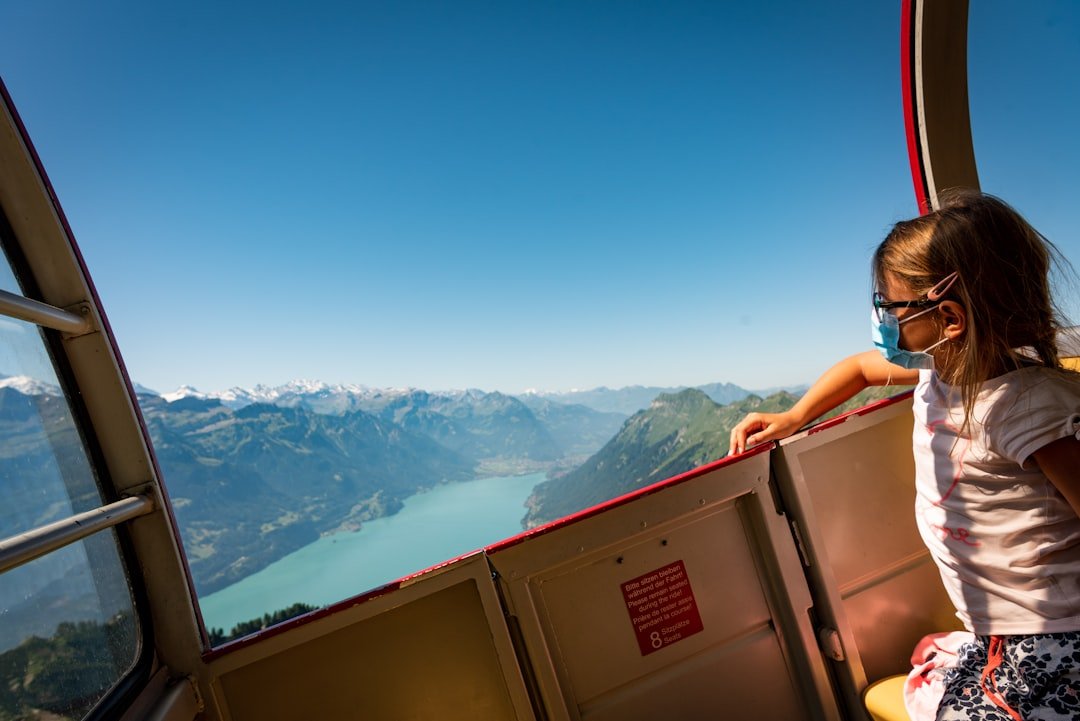
Switzerland’s trains, trams, buses, and boats make independent travel relatively simple. The main safety habit is to keep control of your belongings, especially in major stations and on crowded services.
| Area | Public Transportation | Solo-Travel Precaution |
|---|---|---|
| Zürich | Trains, trams, buses | Keep valuables close and bags closed in the main station and on crowded services. |
| Geneva | Trains, trams, buses | Pay extra attention to belongings at the airport, station, and on busy trains. |
| Bernese Oberland | Trains, buses, mountain transport | Keep bags attended at crowded tourist stops and attractions. |
SBB’s official station and train safety guidance tells passengers to keep personal items in sight, carry valuables close to the body, keep bags closed, and never leave luggage unattended.
Use SBB Mobile to check connections, platforms, delays, and other journey information. If you are buying an ordinary ticket or using digital check-in, make sure the purchase or check-in process is complete before your service departs.
If you expect to make many journeys, compare individual fares with a Swiss Travel Pass before buying. The best option depends on your route rather than safety, so plan around the trips you will actually take.
Understanding Local Customs and Etiquette
Swiss customs are generally easy for visitors to follow. Being punctual, speaking politely, and respecting quiet shared spaces will help you move comfortably through hotels, restaurants, trains, and residential areas.
Switzerland has several language regions. “Grüezi” is a common greeting in German-speaking areas, while “Bonjour” is appropriate in French-speaking areas. You do not need to master a local language before traveling alone, but simple greetings are useful.
At restaurants, wait for the staff to guide you to a table when that is the house practice. Service is generally included, so a gratuity is not compulsory; many diners simply round the amount or add a modest tip for good service.
Public transportation runs to a timetable, so give yourself enough time to find your platform or stop. Running for the final connection of the evening creates avoidable stress, particularly when you are traveling alone.
Managing Money and Valuables
You do not need to carry a large amount of money to travel safely in Switzerland. A better approach is to separate your payment methods so losing one wallet, card, or bag does not leave you without access to funds.

Payment Methods
The Swiss franc, abbreviated CHF, is Switzerland’s national currency. Credit and debit cards are widely accepted, but carrying a modest amount of CHF cash gives you a backup for smaller purchases, machines, or situations where electronic payment is temporarily unavailable.
Before your trip, check whether your bank charges foreign transaction or ATM fees. If a payment terminal offers a currency choice, read the amount carefully before confirming the transaction.
Safeguarding Your Valuables
Keep your passport, cards, and larger amounts of cash somewhere difficult for another person to reach without you noticing. A money belt, hidden pouch, zipped inner pocket, or secure compartment in a day bag can all work.
Avoid putting every payment method in the same wallet. Keep your bag closed in crowds and do not hang a phone, purse, or camera where it can be grabbed easily.
Staying Organized
Keep a separate record of your passport details and the emergency contact numbers for your payment cards. Never store a card’s PIN together with the card.
If you lose something, deal with it immediately. Freeze or cancel missing cards, report stolen property where appropriate, and contact your accommodation if you think an item was left behind.
Emergency Contacts and Resources for Solo Travelers
Save Switzerland’s emergency numbers before you need them. The general European emergency number is 112, while Switzerland also has dedicated numbers for police, fire, and ambulance services.
| Service | Number | Use |
|---|---|---|
| European emergency service | 112 | General emergency assistance |
| Police | 117 | Police emergency |
| Fire service | 118 | Fire emergency |
| Ambulance | 144 | Medical emergency |
| Rega air rescue | 1414 | Urgent helicopter rescue within Switzerland |
The Swiss Federal Office of Communications emergency-number guidance confirms 112, 117, 118, and 144. For emergencies in inaccessible terrain where helicopter assistance is required, Swiss Air-Rescue Rega uses 1414 within Switzerland.
Also consider installing the federal Alertswiss app. It provides official alerts, warnings, and incident information and can send location-based notifications to your phone.
Keep the contact details for your embassy or consulate accessible as well. Consular staff can assist with issues such as lost passports and explain available support after a serious incident.
Exploring Nature Safely
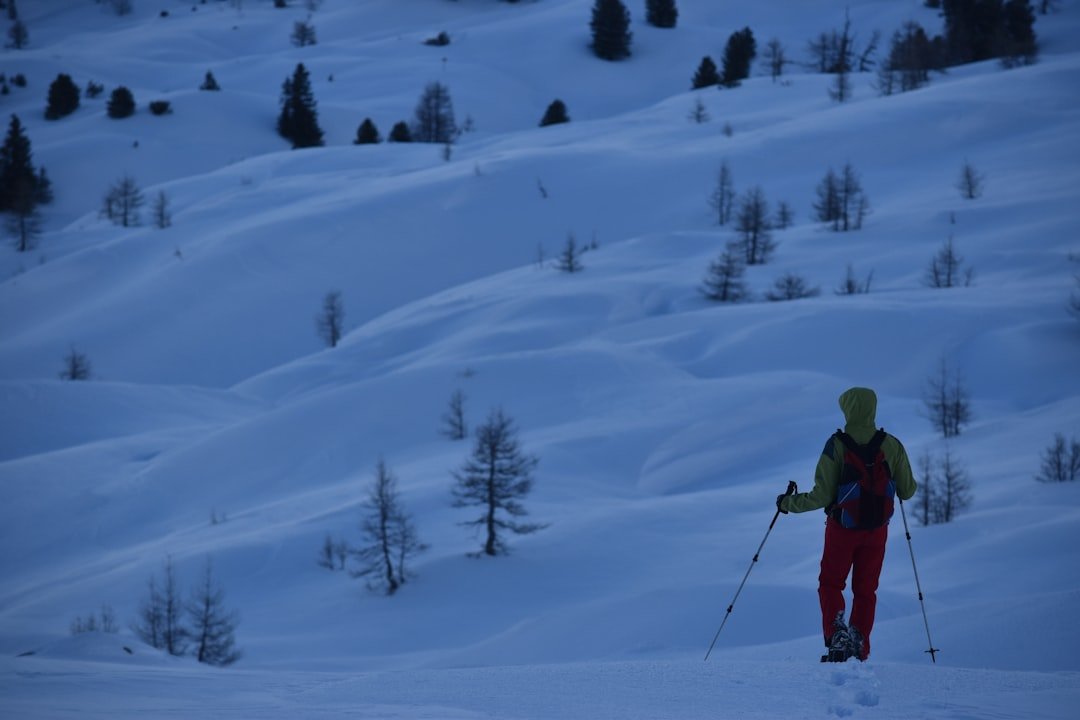
Outdoor safety deserves special attention when you travel Switzerland alone. City sightseeing may require little more than ordinary awareness, but a poor decision in the mountains can leave you far from shelter or rapid ground access.
Warning: Do not assume a marked mountain route is suitable for every traveler. Weather, exposure, snow, wet surfaces, fitness, and route difficulty can turn a straightforward plan into a serious situation.
Switzerland Tourism’s hiking safety guidance recommends planning the route and duration, checking conditions and weather, assessing your ability honestly, carrying suitable equipment, and informing someone about your trip when setting out alone.
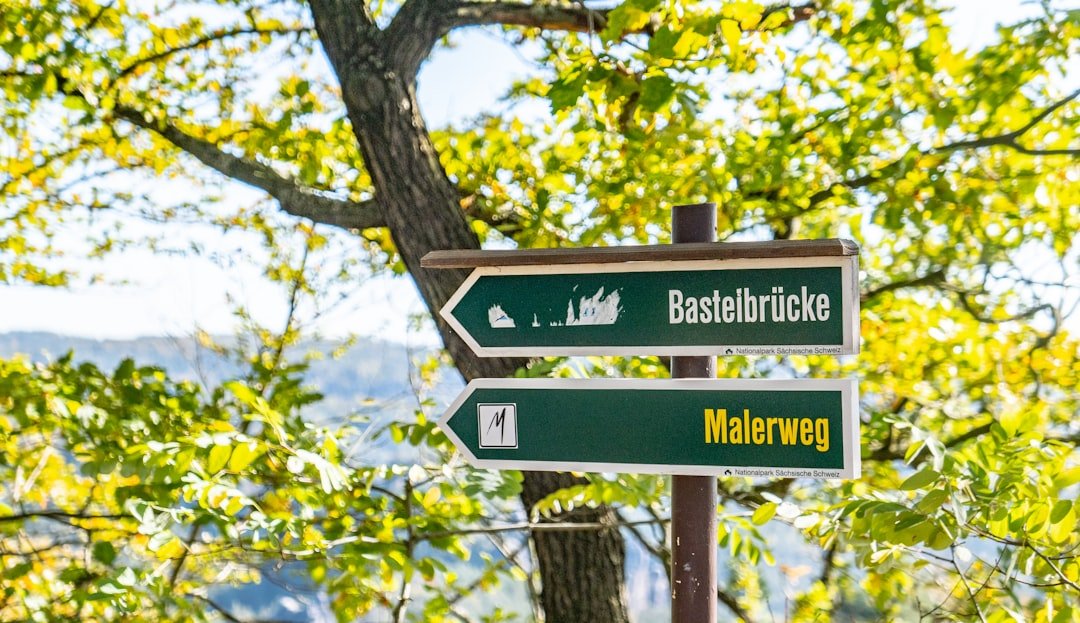
Pay attention to trail markings. White-red-white mountain hiking trails can be steep, narrow, and exposed, so they require surefootedness and appropriate fitness. If the route is beyond your experience, choose an easier trail or go with a qualified guide.
- Choose the route before leaving. Know the distance, expected duration, difficulty, transport connections, and possible turnaround points.
- Check conditions once. Review the weather and any route warnings before departure, then adjust the plan if conditions are unsuitable.
- Tell someone your plan. Share the route and expected return time, particularly if you will be outside mobile coverage.
- Carry appropriate gear. Take water, food, weather protection, sturdy footwear, essential medicine, a charged phone, and navigation suitable for the route.
- Turn around early. Deteriorating weather, unexpected snow, fatigue, route uncertainty, or loss of confidence are good reasons to stop rather than push onward.
Enjoying Nightlife and Entertainment Responsibly
Solo travelers can enjoy Switzerland’s bars, clubs, concerts, theaters, and evening events without treating nightlife as inherently unsafe. The useful precaution is to plan how you will get back before drinking, rather than making transport decisions late at night.
Choose established venues and keep your phone charged. Check the final practical public-transport connection before going out, and use a licensed taxi when that is the safer or simpler option.
If you drink alcohol, keep control of your drink and do not accept an opened drink from someone you do not trust. Alcohol can also reduce your judgment around roads, station platforms, lakes, rivers, and unfamiliar walking routes.
Meeting people can be one of the best parts of traveling alone, but you do not owe a stranger your hotel name, room number, itinerary, or continued company. Leave any interaction that makes you uncomfortable.
Health and Wellness Considerations for Solo Travelers
Health preparation matters more when nobody is traveling beside you to help manage a problem. Arrange suitable medical coverage, carry essential medicines, and know how you would obtain help if you became ill or injured.
The Swiss Federal Office of Public Health guidance for tourists explains that eligible visitors from EU/EFTA countries and the United Kingdom can receive medically necessary treatment under applicable health-insurance arrangements, while visitors from other countries should ensure they have adequate insurance coverage.
Note: If you have a medical condition, take prescription medicine, or plan higher-risk mountain activities, confirm your medical needs and activity coverage with your healthcare professional and insurer before travel.
Eat regularly, stay hydrated, and adjust your schedule if long travel days or altitude leave you unusually tired. If you have food allergies or dietary restrictions, keep the relevant ingredient or allergy terms on your phone so you can show restaurant staff when language is a barrier.
For mountain sports, check that your insurance covers the specific activities you intend to do and any rescue or evacuation costs that matter to your itinerary.
Embracing the Adventure of Solo Travel in Switzerland
Solo travel in Switzerland can give you unusual freedom: you can change trains, stop in a village, spend longer beside a lake, or shorten a hiking day without negotiating with anyone else. The country’s transport system makes that independence easier, while ordinary precautions help keep it enjoyable.
Prepare your emergency numbers, secure your valuables, choose accommodation that simplifies your movements, and take Alpine conditions seriously. Once those basics are covered, you can spend far more attention on the landscapes, cities, food, and experiences you came to enjoy.
More from the site: Exploring the Delightful World of Asian Melon.
Frequently Asked Questions
Is Switzerland safe for solo travelers?
Yes. Switzerland has a low rate of serious crime, but petty theft can occur at airports, major stations, on trains, and in crowded tourist areas. Solo travelers should use normal precautions, keep bags closed and attended, and pay extra attention in busy transport hubs.
Is Switzerland safe for solo female travelers?
Switzerland is generally suitable for solo female travel, and there is no special dress rule for tourists beyond ordinary local laws and venue expectations. Use the same practical precautions you would elsewhere: plan your route home, avoid uncomfortable situations, watch your drink, and trust your judgment.
What are the emergency numbers in Switzerland?
Call 112 for the European general emergency service. In Switzerland, the dedicated numbers are 117 for police, 118 for fire, and 144 for ambulance; Rega uses 1414 for urgent helicopter rescue within Switzerland. Save the numbers before heading into remote areas.
Are there areas in Switzerland solo travelers should avoid?
There is no standard tourist no-go list for Switzerland. Your higher-risk situations are crowded stations, airports, busy attractions, late-night isolated places, and outdoor routes beyond your skill level. Adjust your plans to current local conditions rather than relying on a fixed neighborhood blacklist.
Is Swiss public transportation safe at night?
Swiss public transport is generally practical for solo travelers at night, but stay aware of your belongings and surroundings. Check your last connection in advance, keep your phone charged, and avoid leaving bags unattended while waiting or sleeping on a train.
Can I hike alone in Switzerland?
Yes, but choose a route that matches your ability and avoid difficult mountain trips alone. Share your route and expected return time, check weather and trail conditions, carry proper footwear and layers, and turn back early if conditions or your confidence worsen.
Should solo travelers carry cash in Switzerland?
Carry a small amount of Swiss francs as a backup, but you do not need to rely only on cash. Cards are widely accepted in many places. Keep cash and cards in separate secure locations so one lost wallet does not leave you without a payment option.
Sources
- UK Foreign Travel Advice: Switzerland Safety and Security: Supports the discussion of serious crime, petty theft, transport hubs, and outdoor risks.
- SBB Safe Behaviour: Supports guidance on protecting bags and personal belongings at stations and on trains.
- SBB Mobile: Supports public-transport planning, journey information, and digital travel features.
- Swiss Federal Office of Communications: Supports Switzerland’s official emergency numbers.
- Alertswiss: Supports official hazard alerts, warnings, and emergency information.
- Switzerland Tourism Hiking Safety: Supports solo-hiking preparation, trail assessment, equipment, and weather precautions.
- Swiss Air-Rescue Rega: Supports the 1414 helicopter-rescue number and mountain-rescue guidance.
- Swiss Federal Office of Public Health: Supports health-insurance guidance for visitors to Switzerland.