

Snowshoeing is a winter activity that allows individuals to traverse snowy landscapes with ease, making it accessible to people of all ages and fitness levels. The fundamental principle behind snowshoeing is simple: by distributing weight over a larger surface area, snowshoes prevent the wearer from sinking into deep snow. This ancient method of travel has roots in various cultures, with evidence of its use dating back thousands of years.
Originally developed by indigenous peoples in snowy regions, snowshoes have evolved into modern designs that cater to recreational enthusiasts. The mechanics of snowshoeing are straightforward. When a person walks in snowshoes, the shoes’ wide frames keep them afloat on the surface of the snow, allowing for a more efficient and enjoyable experience.
Whether one is navigating through a serene forest or tackling steep mountain trails, there is a snowshoe model tailored to meet those specific needs. As a result, snowshoeing has gained popularity as a fun and invigorating way to explore winter landscapes while engaging in physical activity.
Key Takeaways
- Snowshoeing is a great way to explore the winter landscape and stay active
- Choosing the right gear is essential for a comfortable and enjoyable snowshoeing experience
- Finding the perfect trail involves considering the terrain, difficulty level, and scenic views
- Safety tips for snowshoeing include staying aware of weather conditions and avalanche risks
- Techniques for snowshoeing include proper posture, stride, and using poles for balance and stability
Choosing the Right Gear
Selecting the appropriate gear is crucial for an enjoyable snowshoeing experience. The primary piece of equipment is, of course, the snowshoes themselves.
For instance, recreational snowshoes are typically wider and more stable, making them ideal for flat or rolling terrain. In contrast, backcountry models are narrower and lighter, designed for more challenging conditions and steep inclines. In addition to snowshoes, poles are an essential accessory that can enhance stability and balance while traversing uneven terrain.
Adjustable trekking poles are often recommended, as they can be tailored to the user’s height and the specific conditions encountered on the trail. Furthermore, wearing appropriate footwear is vital; insulated, waterproof boots provide warmth and protection from the elements while ensuring a secure fit within the snowshoes. Layering clothing is also important, as it allows for temperature regulation during physical exertion.
Finding the Perfect Trail
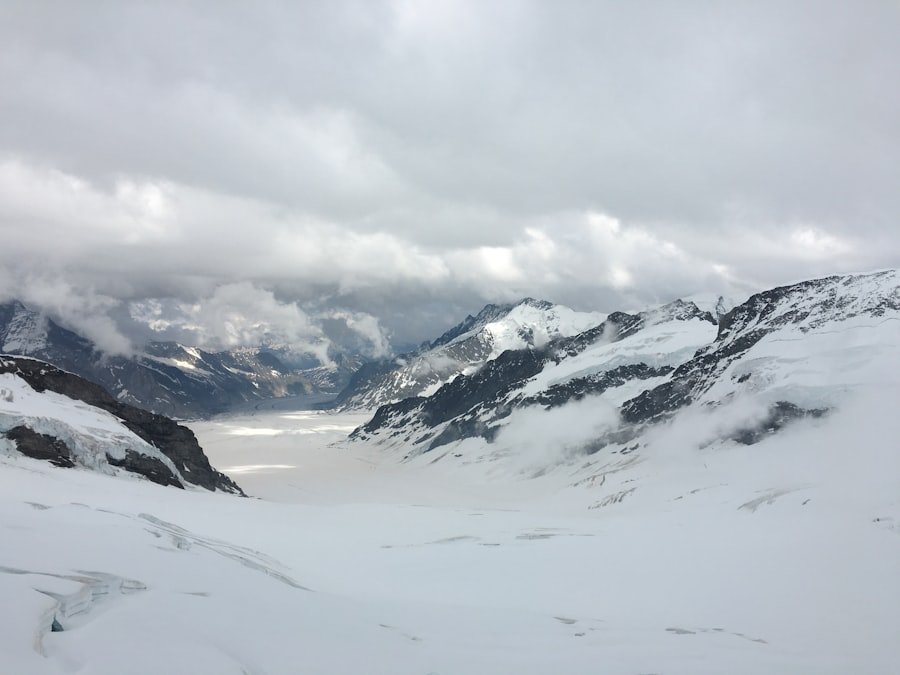
Finding the right trail can significantly enhance the snowshoeing experience. Many regions offer designated snowshoe trails that are groomed specifically for this activity, providing a safe and enjoyable environment for both beginners and experienced snowshoers. Local parks, national forests, and ski resorts often maintain these trails, which can vary in difficulty from easy loops to challenging backcountry routes.
When selecting a trail, it is essential to consider factors such as distance, elevation gain, and trail conditions. Beginners may prefer shorter trails with gentle slopes, while more experienced snowshoers might seek out longer routes that offer breathtaking views or unique natural features. Online resources and local outdoor shops can provide valuable information about trail conditions and recommendations based on current weather patterns.
Additionally, joining a guided snowshoe tour can be an excellent way to discover hidden gems while benefiting from the expertise of local guides.
Safety Tips for Snowshoeing
| Safety Tips for Snowshoeing |
|---|
| 1. Check the weather forecast before heading out. |
| 2. Dress in layers and wear moisture-wicking clothing. |
| 3. Bring plenty of water and high-energy snacks. |
| 4. Carry a map, compass, or GPS device. |
| 5. Tell someone your planned route and expected return time. |
| 6. Be aware of avalanche risks and stay on marked trails. |
| 7. Use trekking poles for stability and to test snow depth. |
| 8. Know how to recognize and treat hypothermia and frostbite. |
| 9. Stay hydrated and take breaks as needed. |
| 10. Respect wildlife and natural habitats. |
Safety should always be a top priority when embarking on a snowshoeing adventure. One of the most critical aspects of safety is being aware of weather conditions and potential hazards on the trail. Before heading out, it is advisable to check local forecasts and avalanche warnings if venturing into mountainous areas.
Snow conditions can change rapidly, so being prepared for varying weather is essential. Another important safety consideration is navigation. While many trails are well-marked, it is wise to carry a map or GPS device to avoid getting lost in unfamiliar territory.
Additionally, informing someone about your planned route and expected return time can be crucial in case of emergencies. It is also advisable to travel with a buddy or group whenever possible; this not only enhances safety but also adds to the enjoyment of the experience.
Techniques for Snowshoeing
Mastering proper techniques can greatly improve efficiency and enjoyment while snowshoeing. The basic walking technique involves lifting the foot high enough to clear the snowshoe from the ground while maintaining a steady rhythm. It is essential to keep the feet parallel and avoid dragging the shoes through the snow, as this can lead to fatigue and discomfort.
When navigating uphill or downhill sections, adjusting one’s technique becomes necessary. For ascents, taking shorter steps and using trekking poles for added support can help maintain balance and conserve energy. Conversely, when descending, leaning slightly back and using poles to stabilize oneself can prevent slips and falls.
Practicing these techniques on varied terrain will build confidence and skill over time.
What to Wear for Snowshoeing
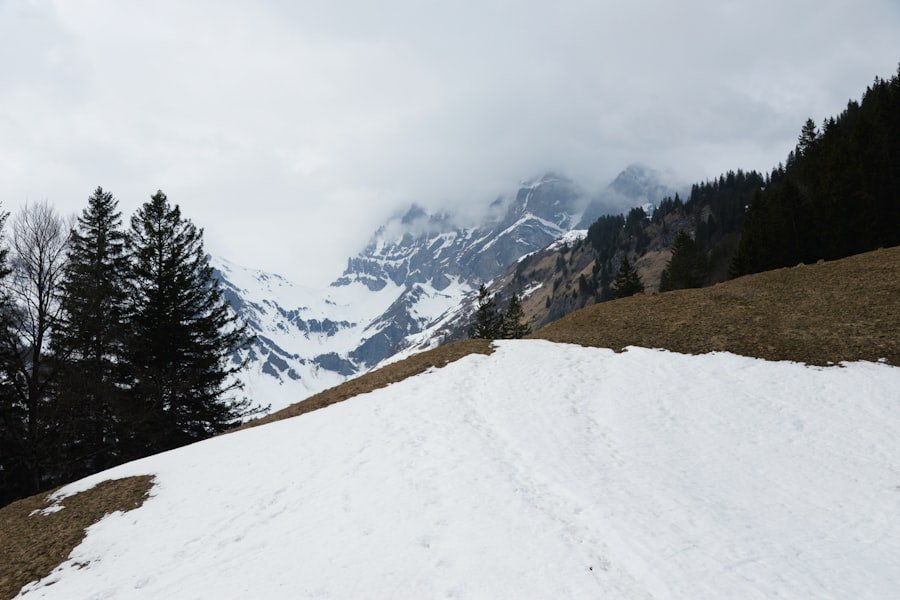
Dressing appropriately for snowshoeing is vital for comfort and performance in cold weather conditions. The key to staying warm lies in layering; this approach allows individuals to adjust their clothing based on activity level and temperature fluctuations throughout the day. A moisture-wicking base layer is essential for keeping sweat away from the skin, while an insulating mid-layer provides warmth without bulk.
Outer layers should be windproof and waterproof to protect against harsh elements such as wind and snow. Insulated jackets or shells made from breathable materials are excellent choices for maintaining comfort during physical exertion. Additionally, wearing gaiters can help keep snow out of boots while providing extra insulation around the ankles.
Accessories such as gloves or mittens, hats, and neck gaiters are also crucial for protecting extremities from cold temperatures.
Exploring Swiss Culture and Cuisine on Snowshoes
Snowshoeing in Switzerland offers not only breathtaking landscapes but also an opportunity to immerse oneself in rich cultural experiences and culinary delights. Many trails wind through picturesque villages where traditional Swiss architecture can be admired. These charming towns often host local markets where visitors can sample regional specialties such as fondue or raclette after a day on the trails.
In addition to food, Swiss culture is deeply intertwined with outdoor activities like snowshoeing. Many communities celebrate winter sports through festivals that showcase local traditions, music, and crafts. Participating in these events can provide insight into Swiss customs while fostering connections with locals who share a passion for winter recreation.
Exploring these cultural aspects adds depth to the snowshoeing experience, making it not just about physical activity but also about engaging with the vibrant heritage of Switzerland.
Planning Your Snowshoeing Adventure in Switzerland
Planning a snowshoeing adventure in Switzerland requires careful consideration of various factors to ensure a memorable experience. First and foremost, selecting the right region is crucial; popular areas such as Zermatt, Engelberg, or the Jungfrau region offer stunning scenery along with well-maintained trails suitable for all skill levels. Researching local accommodations that cater to outdoor enthusiasts can enhance convenience and comfort during your stay.
Additionally, understanding transportation options is vital for accessing trailheads efficiently. Switzerland boasts an extensive public transportation system that includes trains and buses connecting major cities with remote areas. Many ski resorts also provide shuttle services specifically designed for winter sports enthusiasts.
Finally, checking local tourism websites or visitor centers can provide valuable information about guided tours, equipment rentals, and current trail conditions to ensure a safe and enjoyable adventure in this winter wonderland.
If you’re a beginner looking to explore the serene beauty of Switzerland through snowshoeing, you’ll find that the country offers a plethora of trails perfect for novices. Snowshoeing is a fantastic way to immerse yourself in the winter wonderland of the Swiss Alps, providing both a peaceful escape and a gentle workout. For those interested in complementing their snowy adventure with a culinary experience, consider reading about a simple and healthy recipe for homemade cottage cheese. This delightful dish can be a perfect snack after a day of exploring the trails. You can find the recipe in this related article: Delicious Homemade Cottage Cheese: A Simple and Healthy Recipe.
FAQs
What is snowshoeing?
Snowshoeing is a winter sport that involves walking or hiking over snow-covered terrain using snowshoes, which are footwear designed to distribute the weight of the wearer over a larger area, preventing them from sinking into the snow.
Is snowshoeing in Switzerland suitable for beginners?
Yes, snowshoeing in Switzerland is suitable for beginners. There are many beginner-friendly trails and guided tours available, making it a great way for newcomers to experience the beauty of the Swiss Alps in winter.
What are the benefits of snowshoeing for beginners?
Snowshoeing is a low-impact activity that provides a great cardiovascular workout and helps improve balance and coordination. It also allows beginners to explore the winter landscape and enjoy the tranquility of the snow-covered mountains.
What equipment do beginners need for snowshoeing in Switzerland?
Beginners will need snowshoes, adjustable trekking poles, waterproof and insulated boots, warm clothing, including layers, gloves, and a hat, and a small backpack to carry essentials such as water, snacks, and a map.
Are there guided tours available for beginners in Switzerland?
Yes, there are many guided snowshoeing tours available for beginners in Switzerland. These tours are led by experienced guides who can provide instruction on snowshoeing techniques and ensure the safety of participants while exploring the winter landscape.