Solo travel in Alaska can be an unforgettable experience, but it rewards careful planning once you leave towns and major travel corridors. Exploring Anchorage or Seward on your own is very different from entering remote backcountry in Denali or Wrangell-St. Elias. Match your transportation, communication gear, wildlife knowledge, and outdoor skills to the places you plan to visit, and you can enjoy Alaska’s mountains, coastlines, glaciers, wildlife, and communities with much more confidence.
Quick Answer
Solo travel in Alaska is practical for many visitors when the trip stays within their experience level. For a first visit, use road-, rail-, or ferry-connected destinations, join guided trips for technical activities, carry offline navigation, share a detailed itinerary, and add satellite communication if you plan to enter remote backcountry.
Key Takeaways
- A first solo Alaska trip is easier when you base your route around places such as Anchorage, Seward, Denali, Fairbanks, Homer, or other established communities.
- National Park Service guidance for Alaska says to stay at least 300 yards from bears and at least 25 yards from other wildlife.
- Remote areas may have little or no cellular service. A satellite messenger or phone can add an important communication layer, but rescue may still be delayed.
- For summer 2026, Denali Park Road remains closed at Mile 43 because of the Pretty Rocks landslide, so check current conditions before reserving buses or building an itinerary.
- Kayaking near tidewater glaciers requires conservative distances and strong cold-water skills; inexperienced paddlers should use an authorized guide.
At a Glance
| Time Required | About 7–10 days for a first trip focused on two or three regions; add more time for Homer, Southeast Alaska, or remote parks. |
| Difficulty | Moderate for towns, established trails, trains, ferries, and organized tours; advanced for remote backcountry, exposed coastal paddling, or glacier travel. |
| Tools Needed | Offline maps, weatherproof layers, water, food, first-aid supplies, navigation, emergency gear, appropriate wildlife protection, and satellite communication for remote trips. |
| Cost | Varies widely by season, lodging, rental vehicle, rail or ferry fares, and guided activities. Check current prices before locking in the route. |
Essential Safety Tips for Solo Travelers in Alaska
When you’re exploring Alaska solo, safety should be part of the itinerary rather than something you think about after you arrive. Always share your route, expected check-in times, lodging or campground information, and planned return date with a dependable person. If your plans change, update that person so an overdue check-in does not create unnecessary confusion.
Download maps for offline use before leaving reliable service. Carry a physical map where it makes sense, plus enough water, food, weather protection, navigation equipment, and first-aid supplies for the activity. The National Park Service’s Ten Essentials guidance is a useful starting point for day hikes and longer outdoor trips.
Do not assume your phone will work once you leave an established community or highway corridor. In very remote areas, a satellite messenger or satellite phone can provide another communication option. The National Park Service advises Alaska backcountry travelers to plan for the possibility that emergency assistance will not be immediate.
Warning: Remote Alaska backcountry is not a good place to learn wilderness skills for the first time while traveling alone. If you are inexperienced with navigation, river crossings, bear country, cold-water travel, glacier terrain, or self-rescue, choose established day trips, ranger programs, or an authorized guide instead.
Before every outing, check current weather, trail, road, wildfire, flood, and park conditions. Alaska’s conditions can change quickly, and a route that looked simple during trip planning may be very different on the day you arrive.
Frontcountry vs. Backcountry Solo Travel
Not every Alaska solo trip carries the same level of risk. Walking through downtown Anchorage, taking the Alaska Railroad to Seward, staying at an established campground, or joining a wildlife cruise gives you access to transportation and other people. A fly-in backpacking trip, isolated coastal kayak route, or multi-day wilderness trek may place you hours or even days from straightforward assistance.
If you are new to Alaska, build experience gradually. Start with established trails and communities, then consider more remote travel only when your skills, equipment, weather knowledge, and emergency plan match the environment.
Top Destinations to Explore Alone
Alaska offers everything from road-connected national parks to coastal communities that depend on ferries or aircraft. For a solo traveler, the easiest destinations are usually places where lodging, tours, transport, food, and emergency services are reasonably accessible. Remote places can still be rewarding, but they require more preparation and self-reliance.
National Parks Adventure
Denali National Park and Preserve is one of the most practical national parks to include in a first Alaska itinerary because it connects with the Parks Highway and the Alaska Railroad. You can hike established trails near the park entrance and use park buses to travel farther along Denali Park Road.
2026 Denali Note: The National Park Service current-conditions page says Denali Park Road remains closed at Mile 43 during summer 2026 because of the Pretty Rocks landslide. Transit buses are not traveling the full 92-mile road, so check current access before reserving your trip.
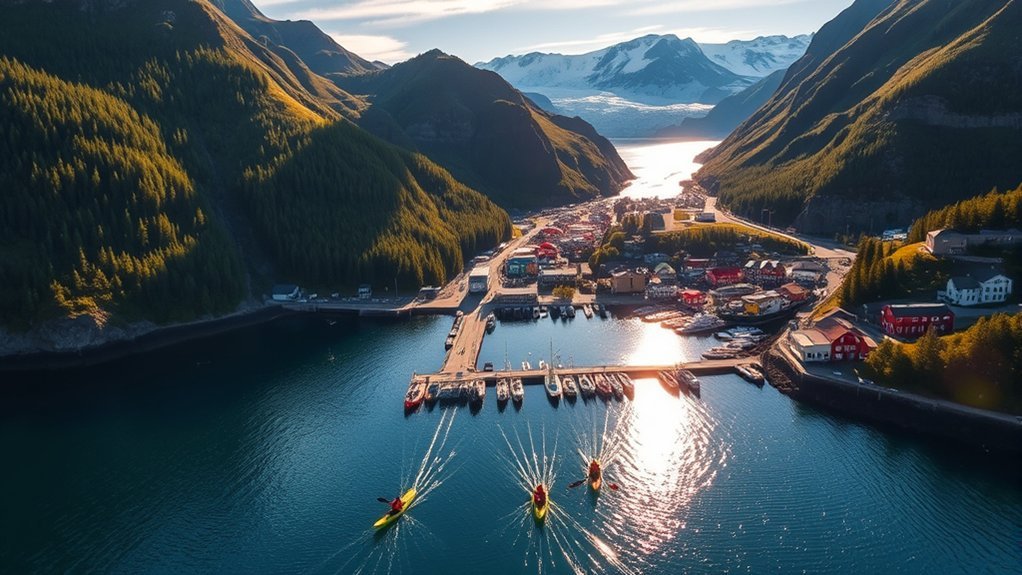
Kenai Fjords National Park, reached from the Seward area, combines coastal scenery, marine wildlife, glaciers, hiking, boat tours, and kayaking. A boat tour is the easiest option for many solo visitors. Kayaking is a more advanced activity because the water is cold, weather changes quickly, and glacier-generated waves can be dangerous.
If you paddle near tidewater glaciers, follow the Kenai Fjords National Park kayak and boat safety guidance. NPS advises staying at least one-half mile from a glacier terminus and recommends guided travel for paddlers unfamiliar with coastal Alaska conditions.
Wrangell-St. Elias National Park and Preserve is the largest national park in the United States at approximately 13.2 million acres. Its scale is part of the appeal, but much of the park is genuinely remote. A solo traveler should not treat it like a casual extension of an Anchorage city break. Research road conditions, communications, fuel, lodging, permits, and backcountry skills carefully before entering more isolated areas.
Coastal Town Charms
After spending time in Alaska’s wilderness, coastal towns offer a useful change of pace. They provide restaurants, lodging, guides, museums, harbors, and opportunities to meet other travelers without committing to an isolated backcountry trip.
| Coastal Town | Highlights | Typical Visitor Season |
|---|---|---|
| Seward | Kenai Fjords cruises, Exit Glacier area, harbor, hiking | Late spring through early fall, with most tourism services in summer |
| Homer | Art galleries, beaches, Homer Spit, Kachemak Bay trips | Late spring through fall, with the widest selection in summer |
| Kodiak | Fishing culture, history, coastal scenery, organized wildlife trips | Summer is the simplest season for many first-time visitors |
| Sitka | Coastal trails, museums, cultural sites, marine scenery | Late spring through early fall for the broadest visitor services |
Strolling along a waterfront can give you a chance to visit cafes, local shops, museums, and galleries while still having access to established services. Coastal towns are also convenient departure points for guided wildlife, fishing, hiking, and boating excursions.
Wildlife Viewing Hotspots
Alaska has exceptional wildlife-viewing opportunities, but sightings are never guaranteed. In Denali National Park, visitors may see animals such as bears, moose, caribou, Dall sheep, or wolves from trails and park buses. In Glacier Bay National Park and Preserve, marine wildlife can include sea otters and humpback whales. Kodiak Island is famous for Kodiak brown bears, while Kenai Fjords National Park offers opportunities to see marine mammals and seabirds.
Use binoculars or a telephoto lens rather than moving closer to an animal. Organized wildlife trips can be particularly useful for solo visitors because guides understand local conditions and viewing practices.
Wildlife Encounters: What to Know
Alaska’s wildlife is one of the reasons people travel there, but animals should never be treated as photo props. According to National Park Service wildlife-safety guidance for Alaska, visitors should stay at least 300 yards from bears and at least 25 yards from other animals, dens, and nests. If an animal changes its behavior because of your presence, increase the distance.
Never feed wildlife. Keep food, garbage, toiletries, and other scented items secured according to local rules. In Denali’s backcountry, bear-resistant food containers are required in many units, so campers should review the park’s current storage requirements before leaving the Backcountry Information Center.
Bear Safety
Carry bear spray where local conditions and guidance make it appropriate, keep it accessible rather than buried inside your backpack, and learn how to deploy it before entering bear country. If you see a bear at a distance, do not approach it. Give it room and change your route when necessary.
If you unexpectedly encounter a bear at closer range, do not run. Follow current park-specific instructions because the recommended response can depend on the animal’s behavior and the circumstances of the encounter. The National Park Service bear-safety guide provides encounter guidance that travelers should review before hiking.
Air Travel Warning: The FAA’s current PackSafe guidance lists bear/animal repellent spray as prohibited in both carry-on and checked baggage. If you fly to Alaska, plan to obtain bear spray after arrival and recheck FAA rules before your flight in case requirements change.
Moose and Other Large Wildlife
Moose may look calm, but they can injure people when threatened. Stay at least 25 yards away and give even more room when a moose has a calf, blocks your path, or shows signs of agitation. Never move between a cow and her calf.
Wildlife can appear at any time of day, so do not rely on a statewide “best hour” for sightings. Let animals move naturally, keep escape routes open, and follow any additional distance rules posted by the park, refuge, tour operator, or land manager you are visiting.
Navigating Alaska’s Terrain: Transportation Options
Getting around Alaska is part of the trip-planning challenge. Some popular destinations are connected by highways and rail, while many coastal and remote communities depend on ferries or aircraft. No single transportation method covers the whole state.
Public Transit Systems
Local public transportation can be useful once you are inside a larger community. Anchorage operates People Mover. The Fairbanks North Star Borough operates MACS Transit. Juneau has Capital Transit.
These systems are useful for local trips, but they should not be mistaken for a statewide bus network. Check the latest route maps, seasonal schedules, service notices, and last departures before relying on transit for an important connection.
Alaska Railroad
The Alaska Railroad can simplify a solo itinerary because you do not need to drive every segment. According to the 2026 Alaska Railroad schedule, the Coastal Classic provides seasonal Anchorage-Girdwood-Seward service, while the Denali Star connects Anchorage, Talkeetna, Denali, and Fairbanks during the main summer season.
Train dates and availability are seasonal, so reserve important segments early and verify the operating schedule for your exact travel date.
Alaska Marine Highway
The Alaska Marine Highway System links coastal communities and can be both transportation and a scenic part of the journey. Sailings do not operate like a city subway schedule, so check port-specific departure dates, vehicle space if relevant, reservations, and service notices before planning connections.
Rental Vehicle Options
A rental vehicle gives you flexibility on road-connected routes, but vehicle type does not determine where a rental company allows you to drive. Read the rental agreement before using gravel, remote, or unmaintained roads, and check Alaska road conditions before departure.
| Vehicle Type | Ideal Use |
|---|---|
| Compact Car | Cities and established paved-road itineraries |
| SUV | Extra cargo room and clearance where the rental agreement permits travel |
| 4×4 Pickup Truck | Gear-heavy trips or approved roads where four-wheel drive is appropriate |
| Minivan | Extra passenger or gear space on established roads |
| RV | Longer road trips that combine transportation and camping |
Regardless of the vehicle, review insurance, roadside assistance, mileage rules, fuel requirements, tire policies, prohibited roads, and return conditions. Fuel stations can be far apart on longer routes, and cellular coverage should not be assumed.
Pro Tip: Build the route before choosing the vehicle. If Anchorage, Seward, Denali, and Fairbanks are your main stops, a combination of rail, shuttles, and organized tours may remove the need to rent a car for the entire trip.
Suggested Itineraries for Solo Adventures
A realistic solo itinerary should allow enough time for transportation, weather changes, rest, and activities rather than trying to cover the state in a few days.
7-Day First-Time Route: Anchorage, Seward, and Denali
- Day 1: Anchorage. Arrive, buy any locally needed outdoor supplies, download offline maps, confirm transportation, and explore the city.
- Day 2: Anchorage to Seward. Travel south by train, shuttle, or rental car. Spend the afternoon around Seward and Resurrection Bay.
- Day 3: Kenai Fjords. Take a wildlife and glacier cruise, hike in the Exit Glacier area when conditions permit, or use an authorized guide for a more technical activity.
- Day 4: Seward to Anchorage. Return to Anchorage and leave enough time for the transportation connection rather than forcing a same-day transfer to Denali.
- Day 5: Anchorage to Denali. Travel north and check the current NPS road, trail, bus, weather, and wildlife notices.
- Day 6: Denali. Use the available park bus system, established trails, ranger programs, and viewpoints that match current conditions. Remember that summer 2026 road access ends at Mile 43.
- Day 7: Return to Anchorage or continue to Fairbanks. Choose the direction that best matches your flight and transportation schedule.
Kenai Peninsula Extension
If you have two or three extra days, continue beyond Seward to Homer. This gives you time to see more of the Kenai Peninsula, visit coastal communities, explore the Homer Spit, and join an organized Kachemak Bay excursion without rushing from one activity to the next.
Matanuska Glacier Extension
If Matanuska Glacier is part of your plan, add a separate day rather than squeezing it into an already long driving day. Glacier surfaces contain crevasses, unstable ice, meltwater, and changing conditions. Verify current access and use a qualified local guide for glacier travel rather than treating an ice hike like a normal trail walk.
Wrangell-St. Elias Extension
Wrangell-St. Elias can provide exceptional solitude and scenery, but add it only when you have enough time for the transportation and safety planning it requires. Remote backpacking there is a different level of travel from sightseeing in Anchorage, Seward, or the Denali entrance area.
Packing Essentials for Your Alaskan Journey
Alaska’s weather can change quickly, so layered clothing is more useful than relying on one heavy item. Pack a moisture-managing base layer, insulating layer, waterproof outer layer, sturdy footwear, and warm socks. A hat and gloves can be useful even during a summer trip, especially near glaciers, on boats, or at higher elevations.
For hiking, build your day pack around the National Park Service Ten Essentials and adapt it to your route.
- Offline navigation plus an appropriate map.
- Water and a way to treat additional water on remote trips.
- Extra food.
- First-aid supplies and personal medication.
- Rain and wind protection.
- Insulating layers.
- Headlamp or flashlight.
- Sun protection.
- Fire-starting equipment where legal and appropriate.
- Emergency shelter for hikes where an unexpected night outside is possible.
- Portable power for your phone and communication devices.
- Satellite messenger or satellite phone for sufficiently remote travel.
- Binoculars for wildlife viewing without approaching animals.
- Bear-resistant food storage when required by the land manager.
If you’re camping, bring a sleeping bag and shelter suitable for the expected conditions rather than choosing gear solely by the calendar. Check campground and backcountry food-storage rules before departure.
Bear spray should be considered separately from normal luggage. Because current FAA guidance prohibits bear/animal repellent spray in carry-on and checked baggage, air travelers should plan to obtain it after arriving in Alaska rather than packing it for the flight.
Connecting With Local Communities and Other Travelers
Solo travel does not mean you need to spend the entire trip alone. Guided day tours, ranger programs, public museums, ferries, trains, hostels, campgrounds, community events, and group excursions can create natural opportunities to meet other travelers and residents.
If you are invited to a community gathering or potluck, follow the host’s lead rather than treating the event as a tourist attraction. When learning about Alaska Native cultures, choose museums, cultural centers, programs, and artists that present their own communities and traditions. Listen to local guidance about photography, private property, sacred places, and appropriate behavior.
Craft fairs and farmers’ markets can also provide opportunities to speak with artists and producers. Ask respectful questions rather than assuming every item represents the same culture or region.
If you meet other solo travelers and decide to hike or join an activity together, keep your original safety practices. Tell someone where you’re going, carry your own essential gear, and avoid depending entirely on a person you have just met for navigation or transportation.
Frequently Asked Questions
What is the best time of year for solo travel in Alaska?
For many first-time visitors, late May through early September is the easiest window because major parks, tours, rail services, accommodations, and visitor facilities generally offer their broadest summer availability. June through August is the peak period. The best month still depends on your destination and whether your priority is hiking, wildlife, northern lights, winter activities, or fewer visitors.
Are there solo travel groups or meet-ups in Alaska?
Availability changes, so do not depend on a specific informal meet-up without checking current details. Organized day tours, ranger programs, hostel activities, community events, wildlife cruises, guided hikes, and other small-group excursions are reliable ways to spend time with other people while keeping control of your own itinerary.
How do I stay connected while traveling alone in remote areas?
Download maps before leaving service, carry backup power, and leave a detailed trip plan with a dependable person. For remote backcountry travel, consider a satellite messenger or satellite phone. Do not assume an SOS device guarantees immediate rescue; weather, terrain, distance, and available responders can delay assistance.
What should I do in case of an emergency while solo traveling?
Assess immediate hazards first, use 911 where cellular service exists, and use your satellite or other emergency communication equipment when normal phone service is unavailable. On remote coastal trips, communication requirements may differ. Carry first-aid supplies, know your equipment, and make conservative decisions because assistance can take significant time to reach remote locations.
Is solo camping safe in Alaska, and what precautions should I take?
Camping alone at an established campground is very different from entering remote wilderness alone. For developed camping, follow campground food-storage, wildlife, fire, and weather rules. Remote backcountry travel requires stronger navigation, emergency, wildlife, and self-rescue skills, and inexperienced visitors should seriously consider traveling with a partner or qualified guide.
Do I need a rental car for a solo Alaska trip?
Not necessarily. Anchorage, Seward, Denali, Fairbanks, and some other destinations can be combined using trains, local transit, shuttles, ferries, tours, or flights. A rental car adds flexibility for road trips, but it also adds fuel, parking, road-condition, insurance, and rental-policy considerations.
Can I bring bear spray on a flight to Alaska?
Current FAA PackSafe guidance lists bear and animal repellent spray as prohibited in both carry-on and checked baggage. Plan to obtain bear spray after arriving in Alaska when you need it, and check the latest FAA and airline rules shortly before traveling.
Is the full Denali Park Road open in 2026?
No. For summer 2026, the National Park Service says Denali Park Road remains closed at Mile 43 because of the Pretty Rocks landslide and associated construction. Check the NPS current-conditions page immediately before your trip because access and operations can change.
Sources
- National Park Service: Wildlife Safety in Alaska — bear and other wildlife viewing distances and wildlife etiquette.
- National Park Service: Denali Current Conditions — current Denali Park Road access and Pretty Rocks closure information.
- National Park Service: Backpacking in Alaska — remote-trip planning, emergency response, trip plans, and satellite communication.
- National Park Service: Kenai Fjords Kayak and Boat Safety — glacier stand-off distances and coastal paddling hazards.
- Alaska Marine Highway System: Ferry Schedules — current ferry sailings and route planning.
- Alaska Railroad: Train Schedules — current seasonal service between Anchorage, Seward, Denali, Fairbanks, and other stops.