St. Moritz is one of Switzerland’s best-known winter-sports destinations, combining high-altitude skiing, major sporting history, and a large choice of terrain across the Upper Engadin. The town sits at 1,856 metres above sea level and hosted the Winter Olympics in both 1928 and 1948. For intermediate skiers, the biggest advantage is not simply the size of the region, but the number of groomed, officially classified Medium pistes available across Corviglia and the surrounding ski areas.
It is important to separate St. Moritz itself from the wider Upper Engadin network. The Upper Engadin mountain-railway system advertises around 350 kilometres of ski slopes in winter, while individual areas such as Corviglia and Corvatsch/Furtschellas make up parts of that larger network. That distinction helps you plan realistic days without assuming every piste is directly connected.
Quick Answer
For most intermediate skiers, Corviglia is the easiest St. Moritz base because the official slope report lists many Medium pistes, including Paradiso, Corviglia Run, Akademiker, Marmotta, Grischa, and Mezzauna. Corvatsch/Furtschellas adds strong Medium options such as Standard, Fuorcla, Surlej, Muntanella, and Grialetsch. Hahnensee is a black run, not an intermediate choice.
Key Takeaways
- Corviglia is the strongest starting point for intermediates because it combines multiple officially classified Medium pistes with easier terrain for warming up.
- Verified Corviglia Medium pistes include Paradiso, Corviglia Run, Akademiker, Marmotta, Grischa, Schlattain, Mezzauna, Alpina, and Champion.
- Corvatsch/Furtschellas offers additional Medium terrain including Standard, Fuorcla, Roseg, Surlej, Giand’Alva, Muntanella, Grialetsch, and Prasüra.
- The famous Hahnensee descent is a 9-kilometre black piste and should not be treated as a normal intermediate run.
- Check the official Engadin slope report on the morning you ski because piste openings, visibility, snow conditions, and lift operations can change.
Factors That Make St. Moritz Ideal for Intermediate Skiers
Intermediate skiers benefit from the variety of groomed terrain around St. Moritz. Corviglia in particular offers a useful progression from easy slopes into a broad selection of Medium pistes, allowing you to increase steepness and run length without immediately committing to difficult terrain.
The official St. Moritz ski information identifies Salastrains as a beginner area, making it useful for a relaxed warm-up or for a skier returning after time away from the sport. Once you are comfortable linking controlled turns there or on other easy pistes, you can progress to Medium runs such as Paradiso, Corviglia Run, Akademiker, Marmotta, Alpina, or Champion.
Lift access is another advantage. Corviglia can normally be reached from St. Moritz Dorf, St. Moritz Bad, and Celerina, although individual lifts and access routes depend on the season and operating status. Instead of assuming a particular lift will be running, check the official Engadin slope and lift report before leaving your accommodation.
The wider Upper Engadin advertises roughly 350 kilometres of winter ski slopes, but that figure covers the regional network rather than one single St. Moritz ski area.
Top Intermediate Runs in St. Moritz
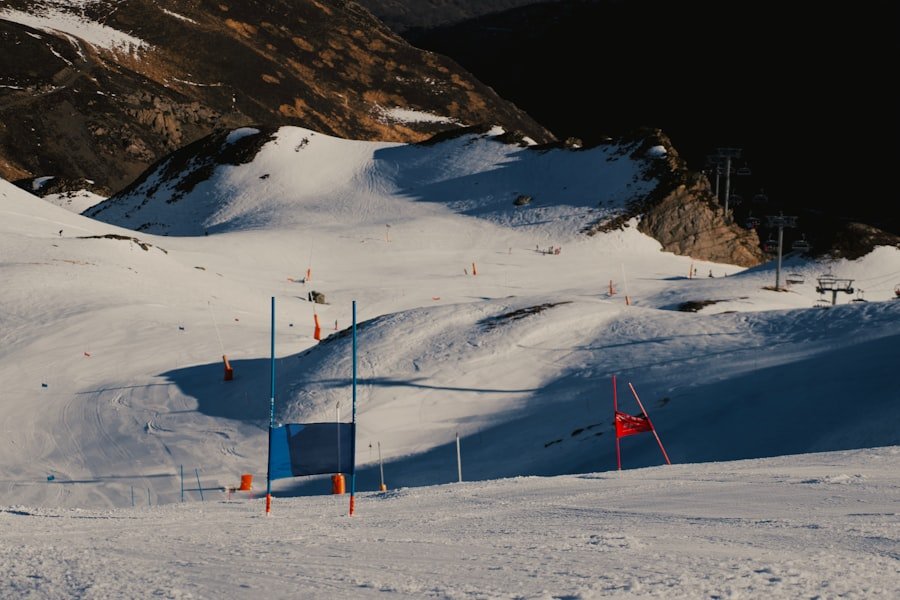
The safest way to identify intermediate terrain is to use the resort’s current difficulty labels rather than relying on informal run names. The official Engadin slope report uses the label Medium for a large group of pistes across Corviglia, Corvatsch/Furtschellas, and Diavolezza/Lagalb.
| Area / Piste | Official Difficulty | Why It Works for Intermediates |
|---|---|---|
| Paradiso 01, Corviglia | Medium | A good early-day choice when you want controlled cruising before moving to more sustained terrain. |
| Corviglia Run 04 | Medium | A central Corviglia option for practicing consistent parallel turns and speed control. |
| Akademiker 08 | Medium | Useful once you are comfortable on the gentler pistes around the main Corviglia sector. |
| Marmotta 14 | Medium | Another verified Medium piste that can add variety to a Corviglia progression day. |
| Grischa 16 | Medium | A better verified choice in the upper Piz Nair sector than referring to a nonexistent generic “Piz Nair run.” |
| Mezzauna 22 | Medium | Adds another Medium option toward the Trais Fluors side of Corviglia. |
| Standard 01, Corvatsch | Medium | A verified Medium piste for intermediates ready to explore beyond Corviglia. |
| Fuorcla 02, Corvatsch | Medium | Provides higher-mountain terrain while remaining within the resort’s Medium classification. |
| Surlej 09 | Medium | A useful Corvatsch-sector piste for building confidence on varied terrain. |
| Muntanella 20, Furtschellas | Medium | One of several correctly named Medium pistes in Furtschellas, alongside Chüderun and Grialetsch. |
Corviglia: Best All-Round Area for Intermediates
Corviglia is the most straightforward place to build an intermediate ski day. Paradiso (01), Corviglia Run (04), Akademiker (08), Marmotta (14), Alpina (07), Champion (15), Grischa (16), Schlattain (17), and Mezzauna (22) are all currently listed as Medium in the official slope database.
The original idea of skiing a “Piz Nair run” is better understood as exploring the Piz Nair sector. If conditions and openings allow, pistes such as Grischa and Schlattain provide verified Medium alternatives in that part of the mountain.
The St. Moritz Dorf valley descent also deserves clarification. The official report lists Talabfahrt St. Moritz Dorf (27) as Easy. That can make it a pleasant lower-pressure finish when open, but it should not be presented as one of the resort’s principal intermediate challenges.
Corvatsch and Furtschellas: More Variety
Corvatsch/Furtschellas gives intermediate skiers a second large playground. Current Medium pistes include Standard (01), Dürrenast (01a), Fuorcla (02), Roseg (03), Giand’Alva (04), Arlas (07), Surlej (09), Chastelets (10a), Chastelets unten (10b), Talabfahrt (10c), Crap Nair (11), Curtinella Run (12), Rabgiusa (13), Ravulaunas (15), Muntanella (20), Chüderun (21), Grialetsch (22), and Prasüra (23).
Furtschellas itself is a ski sector rather than one piste. If you want to improve carving and rhythm there, choose one of the named Medium pistes and repeat it while focusing on turn shape, balance, and speed control.
Warning: Do not treat the Hahnensee descent as an intermediate run. Corvatsch officially classifies Hahnensee (05) as Difficult, and the dedicated resort page describes it as a 9-kilometre black piste with steep open sections. Choose it only when your ability, snow conditions, visibility, and the day’s opening status make it appropriate.
Diavolezza and Lagalb for Confident Intermediates
Diavolezza/Lagalb can add variety later in your trip. The current official report lists Firn (01), Diavolezza (02), the Diavolezza-Lagalb connection (25), Giandas (21), and Bernina (23) as Medium. Other pistes in these sectors are classified Difficult, so check the map carefully rather than following a lift simply because it is open.
Tips for Intermediate Skiers in St. Moritz
| Tip | Description |
|---|---|
| Take a Lesson | A professional instructor can identify technique problems and help you progress from comfortable cruising to steeper or longer Medium pistes. |
| Warm Up on Easier Runs | Start on an Easy piste such as Salastrains or another comfortable run before committing to sustained Medium terrain. |
| Use Proper Equipment | Make sure your boots fit correctly and your skis are appropriate for your size, ability, and intended terrain. |
| Stay Hydrated and Energized | High-altitude skiing is demanding. Drink regularly, eat during the day, and take breaks before fatigue starts affecting your technique. |
| Check Conditions | Review the official piste report and weather before skiing. Wind, fog, fresh snow, ice, crowds, and flat light can make the same piste feel much harder. |
For intermediate skiers visiting St. Moritz, one of the most useful investments is instruction. The Swiss Ski School St. Moritz is a verified local school, and St. Moritz Tourism also provides booking access to snowsports lessons for different ability levels.
Pro Tip: Build difficulty gradually. Ski an Easy warm-up, repeat one comfortable Medium piste until your turns feel consistent, then move to a longer or steeper Medium run. Avoid choosing a Difficult piste simply because friends or other skiers are heading that way.
It is also worth exploring more than one part of the mountain during a multi-day stay. Corviglia works well for progression and repetition, while Corvatsch/Furtschellas can provide a change of scenery and different Medium terrain. Take breaks at mountain restaurants when fatigue begins to affect your balance or reactions.
A Simple Intermediate Progression Plan
Start: Warm up on Salastrains or another open Easy piste. Concentrate on balanced stance, smooth parallel turns, and controlled stopping.
Next: Move to a forgiving Medium option such as Paradiso or another Medium piste that looks comfortable under the day’s snow and visibility conditions.
Build: Add Corviglia Run, Akademiker, Marmotta, Alpina, Champion, or Mezzauna as your confidence improves.
Explore: On another day, try Medium pistes on Corvatsch/Furtschellas, such as Standard, Fuorcla, Surlej, Muntanella, Chüderun, or Grialetsch.
Do not rush the final step: Difficult pistes such as Hahnensee are not required for a successful intermediate ski holiday. Move onto black terrain only when you have the skills to control speed and turn shape on steeper slopes in the day’s actual conditions.
Weather, Snow Conditions, and Lift Openings
A piste classification describes its general difficulty, not exactly how it will feel every day. Hard-packed snow, fresh snow, poor visibility, wind, afternoon bumps, or heavy traffic can make a familiar slope noticeably more demanding.
Before heading up the mountain, check the Engadin winter sports report for open pistes and lifts. Also check the official winter mountain-railway operating times when planning your trip.
Note: Operating dates change by season. As of August 2026, Engadin has published 2026/27 operating periods for Corvatsch and Diavolezza/Lagalb, while the same official page still displays the previous 2025/26 schedule for Corviglia. Recheck the official timetable close to your travel date instead of relying on an older article.
Apres-Ski Activities for Intermediate Skiers in St. Moritz
After a day on the slopes, St. Moritz offers restaurants, cafés, bars, shopping, wellness facilities, and seasonal events. You do not need an elaborate nightlife plan to enjoy après-ski; a warm drink, regional meal, or relaxed terrace can be enough after several hours of skiing.
Hauser Restaurant is a verified central St. Moritz option. Its current information lists regional dishes, pastries from its in-house confectionery, hot chocolate, and other drinks. The associated RooBar provides a more social atmosphere on the terrace.
The Grand Hotel Kronenhof is another elegant option in the wider Engadin, but it is important to place it correctly: the hotel is in Pontresina, around six kilometres from St. Moritz, rather than in St. Moritz itself. It is better treated as a separate evening excursion than as an immediate slopeside St. Moritz stop.
Events, restaurant opening times, and nightlife schedules can change throughout the winter, so check the venue or official St. Moritz directory before making a special trip.
Equipment Rental and Ski Schools for Intermediate Skiers in St. Moritz
St. Moritz has several equipment-rental options close to mountain access points. Ski Service Corvatsch operates verified rental/service locations including the Signalbahn valley station, St. Moritz Dorf, Salastrains, and the Corviglia mountain station. Depending on the location, services can include ski and boot rental, equipment storage, and ski servicing.
For an intermediate skier, boot fit matters at least as much as choosing an expensive ski. Tell the rental staff your ability honestly and explain whether you plan to stay on groomed pistes. A ski that is too demanding can make progression harder rather than faster.
St. Moritz is also home to the Swiss Ski School St. Moritz. Group or private instruction can help intermediates improve carving, edge control, balance, short turns, and confidence on steeper groomed terrain.
Safety Precautions for Intermediate Skiers in St. Moritz
Safety should remain a priority even when you are staying on groomed pistes. Wear appropriate protective equipment, follow signs and closures, control your speed, and choose terrain that matches your ability and the day’s conditions.
Be especially cautious when visibility is poor or when a Medium piste is icy, heavily tracked, or crowded. A run that feels comfortable in fresh morning grooming can become more difficult later in the day.
There is also an important distinction between skiing on marked, open pistes and leaving secured terrain. The Swiss Institute for Snow and Avalanche Research provides avalanche information specifically relevant to winter activities outside secured ski runs.
Warning: Do not treat terrain beside a marked piste as automatically safe. If you plan to ski off-piste, consult the Swiss avalanche bulletin and use appropriate avalanche knowledge, equipment, and professional guidance. Intermediate resort skiing does not by itself prepare you for avalanche terrain.
Checking weather and the official piste report each morning is also important. If a run appears too steep, icy, crowded, or poorly visible, choose another route. There is no benefit in forcing yourself onto terrain where you cannot maintain controlled turns and stops.
Conclusion and Final Thoughts on St. Moritz Skiing for Intermediate Skiers
St. Moritz is an excellent destination for intermediate skiers because you can build a trip around a substantial collection of groomed Medium pistes without needing to ski difficult terrain. Corviglia offers the most convenient progression base, with verified Medium runs such as Paradiso, Corviglia Run, Akademiker, Marmotta, Grischa, Alpina, Champion, and Mezzauna.
Corvatsch/Furtschellas extends the choice with Standard, Fuorcla, Roseg, Surlej, Giand’Alva, Muntanella, Chüderun, Grialetsch, and other Medium pistes. Diavolezza and Lagalb can provide further variety for confident intermediates.
The most important improvement over simply following a list of famous St. Moritz names is to check the official classification and opening status of the actual piste you plan to ski. Salastrains is better viewed as beginner or warm-up terrain, the St. Moritz Dorf valley run is currently classified Easy, and Hahnensee is a black piste rather than a standard intermediate recommendation.
If you’re staying in self-catering accommodation and want to prepare a simple snack after skiing, the site’s existing article on homemade cottage cheese offers one homemade option for your après-ski menu.
Frequently Asked Questions
What are the best ski runs in St. Moritz for intermediate skiers?
Corviglia has a particularly strong selection of officially classified Medium pistes. Current examples include Paradiso (01), Corviglia Run (04), Akademiker (08), Marmotta (14), Alpina (07), Champion (15), Grischa (16), Schlattain (17), and Mezzauna (22). Always confirm the day’s opening status before skiing.
Are there specific runs in St. Moritz for intermediates looking to improve their skills?
Yes. Start with an Easy warm-up such as Salastrains, then progress to a comfortable Medium piste such as Paradiso. When your speed control and parallel turns are consistent, try other Medium runs such as Corviglia Run, Akademiker, Marmotta, Alpina, or Mezzauna.
What is the average difficulty level of the intermediate runs in St. Moritz?
The Engadin slope report labels intermediate-style groomed terrain as Medium. These runs are suitable for skiers who can control speed, link parallel turns, stop reliably, and adapt to changing groomed-slope conditions. Actual difficulty can still increase with ice, poor visibility, fresh snow, bumps, or crowds.
Are there specific tips for intermediate skiers visiting St. Moritz?
Warm up before moving onto sustained Medium terrain, check the official piste report every morning, take a lesson if you want to improve technique, and explore new areas gradually. Snow, wind, visibility, traffic, and fatigue can make the same piste feel different from one day to the next.
Is the Hahnensee run suitable for intermediate skiers?
Not for a typical intermediate. Hahnensee is officially classified Difficult and is described by Corvatsch as a 9-kilometre black piste. Confident skiers considering it should evaluate their ability, snow conditions, visibility, fatigue, and the day’s opening status first.
Which St. Moritz ski area is best for a first-time intermediate visitor?
Corviglia is usually the most practical starting point because it combines easy warm-up terrain with numerous Medium pistes. Once you are comfortable there, Corvatsch/Furtschellas provides additional Medium runs and a different high-Alpine setting.
Sources
- Engadin Winter Sports Report — official piste names, difficulty classifications, lift status, and ski-area information.
- St. Moritz Tourism: Skiing & Snowboarding — beginner areas, Salastrains guidance, ski lessons, and local skiing information.
- Corvatsch: The Hahnensee Run — official classification and description of the 9-kilometre black Hahnensee piste.
- Engadin Mountain Railways Winter Operating Times — seasonal lift and mountain-railway operating periods.
- WSL Institute for Snow and Avalanche Research SLF — official Swiss avalanche information and guidance for terrain outside secured ski runs.
- Olympics.com: St. Moritz 1928 and St. Moritz 1948 — official Olympic history.