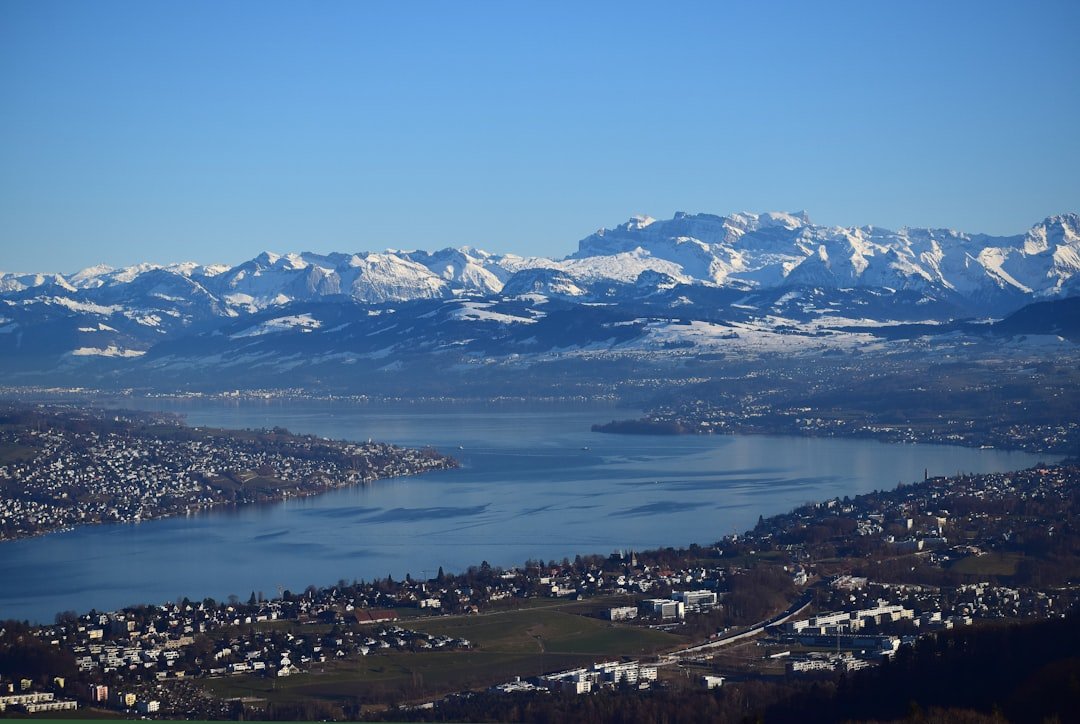
Lausanne, nestled on the terraced northern slopes of Lake Geneva (Lac Léman) against the backdrop of the Swiss and French Alps, is one of Switzerland’s most dynamic year-round destinations. The city experiences a temperate central European climate moderated by the massive thermal body of Lake Geneva, creating mild winters, pleasant summers, and four distinct travel seasons. Summer daily high temperatures average 25°C (77°F), while winter daytime temperatures typically hover between 0°C and 5°C (32°F–41°F). Rainfall is evenly distributed throughout the year, with occasional convective showers in late spring and early summer nurturing the lush parks and steep vineyard slopes that define the Vaudois landscape.
Quick Answer
The best time to visit Lausanne is from June to September for swimming in Lake Geneva, outdoor dining, and open-air cultural festivals. For hiking through the UNESCO-listed Lavaux vineyards and enjoying mild sightseeing weather with fewer crowds, visit during the shoulder months of May, September, and October. Budget travelers and winter sports enthusiasts should target November to March.
Key Takeaways
- Peak Season (June–August): Warmest lake water, vibrant waterfront promenade in Ouchy, and outdoor cultural events, accompanied by peak accommodation rates.
- Shoulder Season (April–May & September–October): Ideal for hiking the Lavaux vineyard terraces, wine tastings, comfortable city walking tours, and moderate hotel pricing.
- Off-Peak Season (November–March): Crisp winter weather, festive Christmas markets (Bô Noël), lower lodging rates, and convenient day-trip access to nearby Alpine ski resorts.
- Free Transit Perk: Every guest staying at an official hotel, hostel, or campsite receives the complimentary Lausanne Transport Card, granting unlimited free rides on city buses and the M1/M2 metro lines.
Peak Tourist Season: Summer (June to August)
The summer months represent Lausanne’s high season, driven by warm, sunny days and an active lakeside lifestyle. During this period, the city’s focus centers on the waterfront district of Ouchy. The waters of Lake Geneva warm up to comfortable swimming temperatures between 20°C and 23°C (68°F–73°F), drawing locals and travelers to lakeside beaches such as Bellerive-Plage, public docks, and rental centers offering paddleboards, pedalos, and sailing boats.
Patios and rooftop terraces across the city buzz with activity, and public parks like Parc de Mon-Repos and the gardens of the Olympic Museum become hubs for afternoon picnics. However, summer travel also brings peak flight and hotel prices, fully booked accommodations along the lake, and heightened visitor traffic at major landmarks. Booking hotel rooms and high-speed rail tickets at least two to three months in advance is strongly recommended.
Pro Tip: Take advantage of the historic Belle Époque paddle steamers operated by the Compagnie Générale de Navigation sur le lac Léman (CGN). A round-trip boat cruise from Lausanne-Ouchy to Château de Chillon or across the French border to Évian-les-Bains provides cool lake breezes and panoramic views of the Alps.
Shoulder Seasons: Spring (April–May) & Autumn (September–October)
The shoulder months provide an exceptional balance of manageable crowds, moderate temperatures, and striking seasonal landscapes. Spring brings blooming botanical displays across the Montbenon Esplanade and awakens the terraced hillsides. Daytime highs range from 14°C to 19°C (57°F–66°F), creating comfortable conditions for tackling Lausanne’s famous hills and staircases, such as the covered Escaliers du Marché.
Autumn, particularly from mid-September through late October, is arguably the most picturesque time to visit the Canton of Vaud. The terraced vineyards of the nearby Lavaux region turn vibrant shades of gold and amber. The seasonal grape harvest brings local wine cellars (caveaux) to life for tastings of crisp Chasselas wine. Autumn temperatures average 13°C to 18°C (55°F–64°F), offering crisp, clear air ideal for hiking and photography without the intense heat of midsummer.
Off-Peak Tourist Season: Winter (November to March)
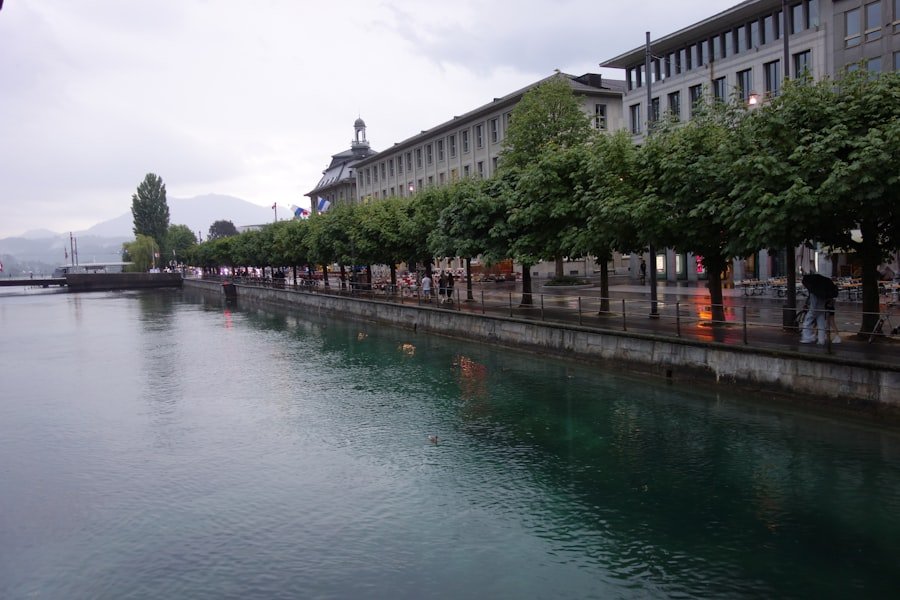
Winter in Lausanne brings cooler temperatures and a peaceful atmosphere. Average daytime temperatures range from 0°C to 5°C (32°F–41°F), with occasional snowfall transforming the cobblestone streets of the medieval Old Town (La Cité) into a storybook winter setting. Because Lausanne sits right on the lake, heavy snow accumulations in the lower city are relatively infrequent, though nearby mountain peaks receive substantial snowpack.
Travelers visiting in winter benefit from significantly reduced hotel rates, quiet museum galleries, and an unhurried local pace. From late November through December, the city comes alive with Bô Noël, one of Switzerland’s most inventive Christmas market festivals, featuring designer artisan chalets, horse-drawn carriage rides, and architectural light displays across the city center. Lausanne also functions as a convenient, lower-altitude base for day-trip skiing and snowboarding at Vaud Alps resorts like Leysin, Les Diablerets, and Villars, all accessible within 60 to 90 minutes via the Swiss national rail network.
Annual Events and Festivals in Lausanne
Lausanne maintains a diverse cultural calendar that highlights music, contemporary arts, athletics, and regional gastronomy throughout every season.
| Event Name | Typical Timing | Location | Highlights |
|---|---|---|---|
| Cully Jazz Festival | April | Cully (10 min from Lausanne) | Intimate waterfront jazz concerts and historic wine cellar jam sessions. |
| Fête de la Musique | June 21 | Citywide | Dozens of free outdoor stages celebrating the summer solstice with all genres. |
| Festival de la Cité | Early July | Old Town (La Cité) | Free performing arts festival blending contemporary theater, dance, and music. |
| Athletissima | August | Stade Olympique de la Pontaise | Premier Wanda Diamond League track and field meet attracting world champions. |
| Lausanne Marathon | Late October | Place de la Navigation to La Tour-de-Peilz | Picturesque running course along the Lake Geneva shore and Lavaux vineyards. |
| Bô Noël & Light Displays | Late Nov – Dec 31 | Place Saint-François & Flon | Gourmet food markets, designer pop-ups, ferris wheel, and illuminated art. |
Outdoor Activities Across the Seasons
Lausanne’s dramatic elevation change—rising from 372 meters at the lakefront to over 800 meters in the northern woods—offers abundant terrain for active travelers.
“The terraced vineyards of Lavaux, shaped by monks in the 11th century and protected as a UNESCO World Heritage site, provide a 30-kilometer walking route directly accessible from Lausanne’s eastern edge.”
Hiking trails along the Lavaux Vineyard Terraces run from Lutry through Saint-Saphorin, offering views of Lake Geneva and the Savoy Alps on the opposite French shore. The trails are paved and well-signposted, with train stations at every village along the base of the slopes for easy returns to central Lausanne.
Water sports reign supreme from June through early September. Visitors can rent stand-up paddleboards and kayaks at Ouchy or Vidy, join local open-water swimmers along the shoreline, or take sailing lessons. For cycling enthusiasts, designated bike paths span the lakefront toward Morges to the west, while steeper, challenging climbs lead north into the Jorat forests.
Cultural Attractions and Sightseeing
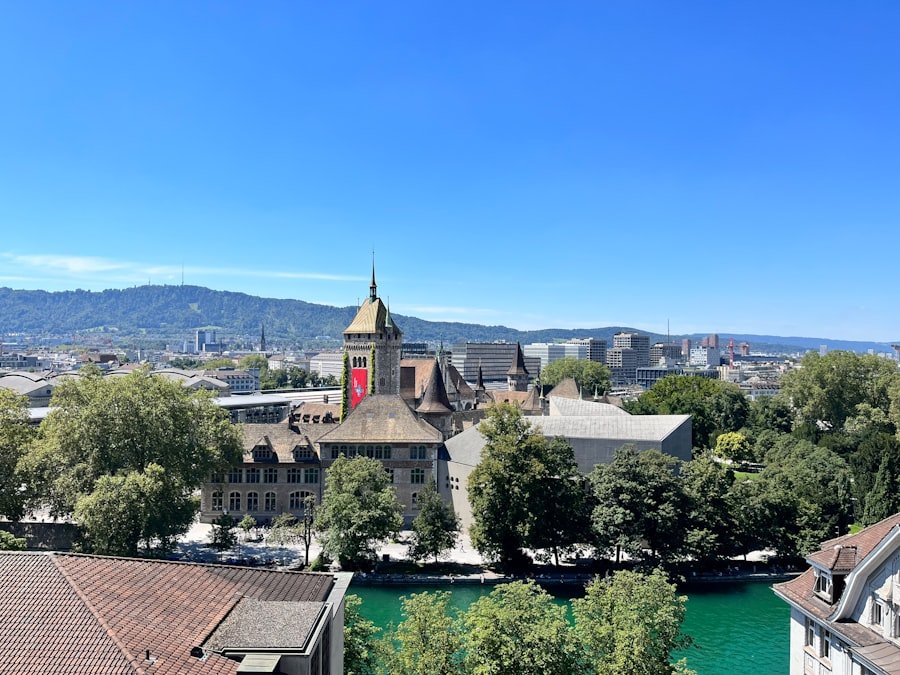
Known as the “Olympic Capital,” Lausanne has housed the headquarters of the International Olympic Committee (IOC) since 1915. A cornerstone attraction is The Olympic Museum (Le Musée Olympique) in Ouchy. The museum features interactive multimedia installations, historical Olympic torches, athletic equipment, and an extensive sculpture garden overlooking the lake.
In the arts sphere, the world-renowned Collection de l’Art Brut occupies an 18th-century château, displaying striking outsider art created by self-taught creators, psychiatric hospital patients, and solitary visionaries. Nearby in the city center, Plateforme 10 unites the Cantonal Museum of Fine Arts (MCBA), the Museum of Contemporary Design and Applied Arts (MUDAC), and Photo Elysée within a modern arts district beside the main train station.
In the historic upper town, the 13th-century Gothic Cathedral of Notre-Dame of Lausanne features a painted portal, a massive 7,000-pipe organ, and a rose window from the early 1200s. Visitors who climb the 224 steps of the cathedral bell tower are rewarded with a 360-degree panorama of the city and Alps. Lausanne is also one of the few European cities to maintain the historical tradition of a night watchman, who calls out the hours from the cathedral belfry between 10:00 PM and 2:00 AM every night.
Local Cuisine and Regional Dining
Lausanne’s gastronomy blends classic French culinary traditions with hearty Vaudois heritage. Fondue is a social staple enjoyed throughout the cooler months, prepared with local Gruyère AOP and Vacherin Fribourgeois AOP cheeses and white wine, served in a shared communal pot (caquelon) with crusty bread cubes. Another regional favorite is papet vaudois, a comforting dish of leeks and potatoes stewed in cream and white wine, crowned with local smoked pork sausage (saucisson vaudois).
Lake Geneva supplies local tables with fresh freshwater fish, notably filets de perche (perch fillets) lightly sautéed in butter and lemon, traditionally accompanied by local white Chasselas wine. For dessert, Lausanne’s artisan confectioners offer rich chocolate pavés, walnut tarts, and delicate meringues served with thick double cream from Gruyères. On Wednesday and Saturday mornings, outdoor farmers’ markets fill Place de la Riponne and Rue de Bourg with artisanal cheeses, cured meats, and fresh pastries.
Accommodation Options & Getting Around
Lausanne offers lodging for every budget, distributed between the waterfront at Ouchy, the historic Cité, and the modern Flon entertainment quarter. Historic five-star palace hotels like the Beau-Rivage Palace offer luxurious lakefront gardens, while boutique properties in the Old Town provide historic charm. Modern business hotels cluster near the railway hub, and budget hostels such as the Lausanne Guesthouse and Jeunotel cater to independent travelers.
Note: Under canton policy, every guest staying at licensed commercial lodging receives the free Lausanne Transport Card at check-in. This card grants personal, unlimited travel on the Mobilis public transport network (zones 11 and 12, covering buses and the M1 and M2 metro systems) for the duration of the stay, including arrival and departure days.
Central Lausanne is linked by the automated M2 metro line—the steepest rubber-tired metro in the world—which connects the lakeside at Ouchy to the upper terminus at Les Croisettes via the central rail station in under 20 minutes. Lausanne is situated 45 minutes by direct train from Geneva Airport (GVA), making arrival straightforward from international destinations.
Frequently Asked Questions
What is the overall best time to visit Lausanne?
The best overall time to visit Lausanne is between June and September for lake swimming, open-air dining, and festivals. For cooler weather, lower hotel rates, and scenic hiking through the golden Lavaux vineyards, the autumn window of September through October is equally appealing.
What is the weather like in Lausanne during the summer?
Summer in Lausanne brings comfortable daytime temperatures averaging between 18°C and 25°C (64°F–77°F), with occasional hotter afternoons reaching 30°C (86°F). Lake Geneva provides moderating breezes, and evenings are pleasant, though occasional summer thunderstorms occur.
Are there specific events and festivals in Lausanne during the summer?
Yes. Major summer events include the Fête de la Musique in late June, the week-long Festival de la Cité in early July featuring free outdoor performing arts in the Old Town, and the prestigious Athletissima track and field Diamond League meet in August.
Is Lausanne crowded during the summer months?
Yes, July and August represent the peak tourist season. Waterfront promenades, hotel properties near Ouchy, and lake cruises experience their highest visitor volumes. Booking accommodations and regional train excursions several weeks in advance is recommended to secure preferred dates and rates.
What outdoor activities are available in Lausanne during the summer?
Summer visitors can swim at lakeside beaches like Bellerive-Plage, rent stand-up paddleboards, pedal boats, or sailboats, cruise Lake Geneva aboard historic Belle Époque steamers, hike the UNESCO Lavaux vineyard trails, or cycle along the designated lakefront paths toward Morges.
Sources
- Lausanne Tourisme — Official destination guidelines, seasonal schedules, and Lausanne Transport Card regulations.
- MeteoSwiss (Federal Office of Meteorology and Climatology) — Climate normals, seasonal precipitation distributions, and temperature data for the Lake Geneva basin.
- UNESCO World Heritage Centre — Documentation and trail network information for the Lavaux Vineyard Terraces.
- The Olympic Museum (Le Musée Olympique) — Exhibition details, architectural archives, and visiting information.
- Compagnie Générale de Navigation sur le lac Léman (CGN) — Seasonal Lake Geneva ferry timetables, cruise itineraries, and Belle Époque fleet preservation.