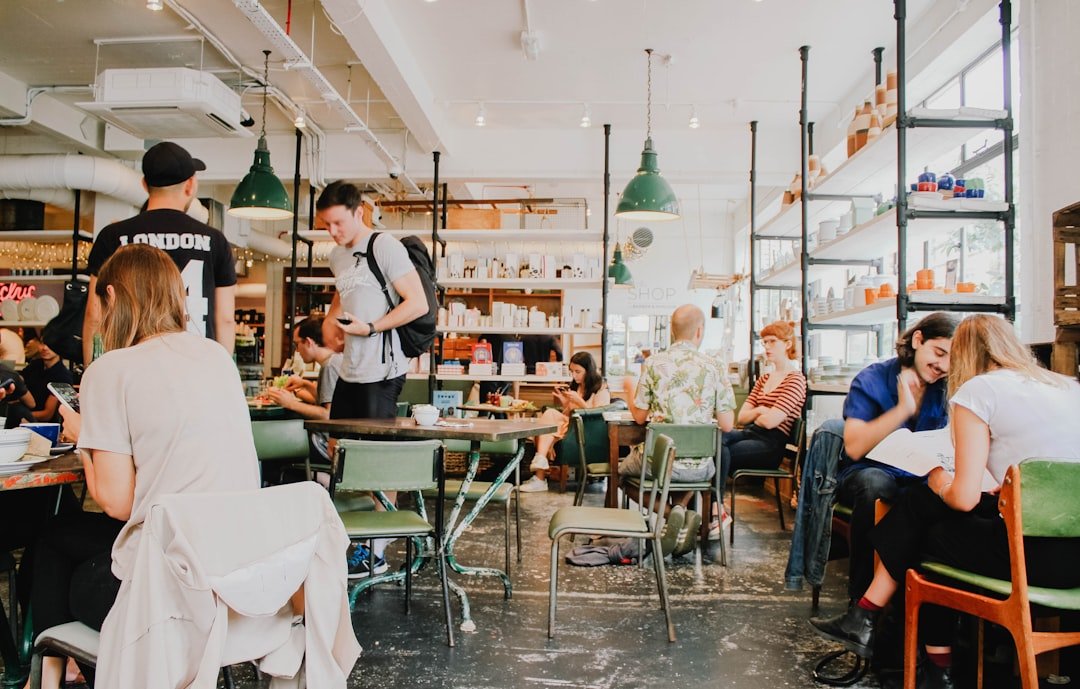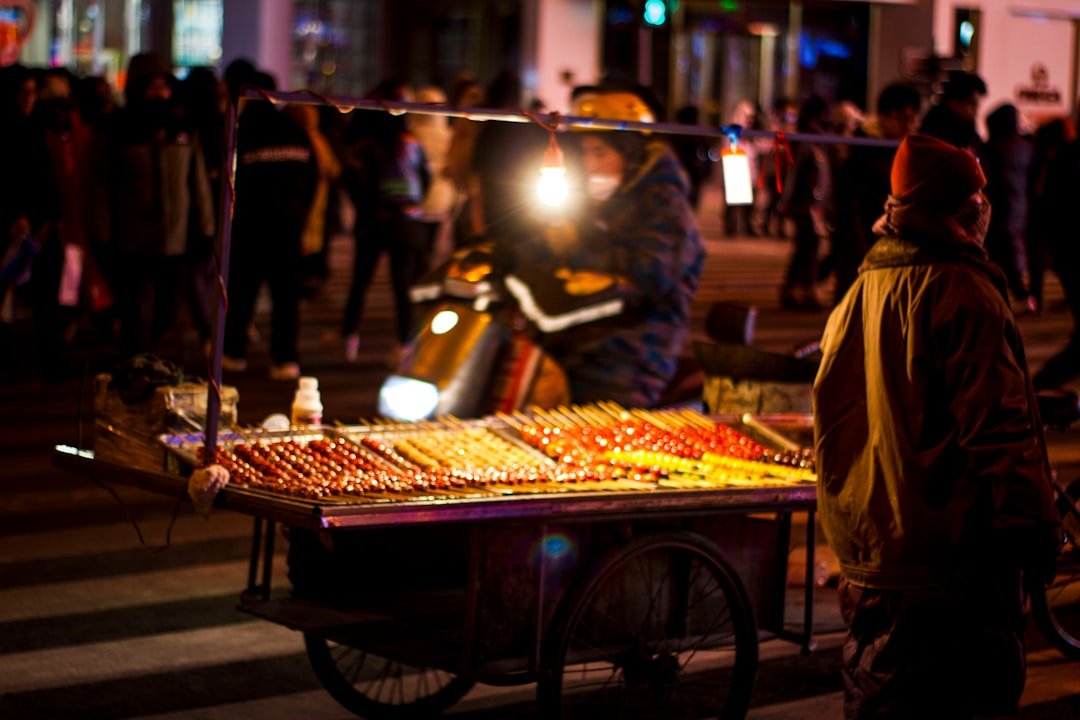
Moda and the surrounding streets of Kadıköy offer one of the most enjoyable places to explore food on Istanbul’s Asian side. You can start with a sesame-covered simit, try stuffed mussels or kokoreç around busy Kadıköy streets, then walk toward Moda for cafés, snacks, tea, and views across the Sea of Marmara. The best experience comes from treating Moda and nearby central Kadıköy as one walkable food outing rather than expecting every specialty from a single row of street stalls.
Quick Answer
For street food in Moda and nearby Kadıköy, start with simit, midye dolma, kokoreç, döner, balık ekmek, gözleme, and seasonal snacks. Central Kadıköy has the densest food-market atmosphere, while Moda adds cafés, neighborhood streets, and a relaxed Sea of Marmara waterfront. Choose busy, clean vendors and freshly prepared food.
Key Takeaways
- Moda is a neighborhood within Kadıköy on Istanbul’s Asian side, along the Sea of Marmara.
- Popular Istanbul street foods to look for include simit, midye dolma, kokoreç, döner, balık ekmek, gözleme, and other quick snacks.
- The central Kadıköy market streets offer a stronger concentration of food shops and casual eating than Moda’s residential waterfront streets.
- Kumpir is popular across Istanbul, although Ortaköy is more famously associated with the loaded baked potato tradition.
- Festival schedules change, so check current Kadıköy Municipality listings instead of assuming a particular food festival runs every year.
- For safer street-food choices, look for clean handling, high turnover, proper separation of raw and cooked ingredients, and food served thoroughly cooked at an appropriate temperature.
Must-Try Street Food in Moda and Kadıköy
Istanbul’s street-food culture includes everything from bread and seafood to grilled meats and filled flatbreads. Not every item is unique to Moda, but you can encounter many of these foods while exploring Moda and the busier streets around central Kadıköy.
Simit: Istanbul’s Sesame-Covered Bread
One of the easiest foods to start with is simit, a ring-shaped bread coated with sesame seeds. It has a crisp, toasted exterior and a chewy interior. Simit is commonly eaten on its own or with cheese and tea, making it especially convenient for breakfast or a quick snack.
Official Istanbul tourism guidance lists simit among the city’s best-known street foods. You will find it in bakeries as well as at mobile or fixed stands throughout the city. GoTürkiye’s Istanbul street-food guide also highlights its place in everyday city food culture.
Midye Dolma: Stuffed Mussels with Lemon
Midye dolma consists of mussels filled with seasoned rice and generally served in their shells with fresh lemon. They are commonly sold individually, so people often eat several in one sitting.
They are widely associated with Istanbul’s coastal districts, including Kadıköy. Because shellfish is perishable, choose a vendor that appears clean, handles the mussels carefully, protects the food from contamination, and has steady customer turnover.
Kokoreç: A Rich, Savory Late-Night Favorite
Kokoreç is made from seasoned sheep intestines that are cooked, chopped, and commonly served in bread. Pepper, oregano, chili, tomato, or green pepper may be added depending on the preparation.
The flavor is rich and strongly savory, so it is a good choice for adventurous eaters who enjoy offal. GoTürkiye includes kokoreç among Istanbul’s characteristic street foods.
Balık Ekmek: Fish in Bread
Balık ekmek literally means “fish bread.” The usual format is cooked fish served in bread with ingredients such as onion, tomato, greens, or salad. It is strongly associated with Istanbul’s waterfront food culture.
GoTürkiye specifically notes that Kadıköy’s fish-market area is one place on the Asian side where visitors can explore fish and other local foods. That makes balık ekmek a logical option when you combine central Kadıköy with a walk toward Moda.
Döner, Dürüm, and Tantuni
Döner is meat cooked on a vertical rotating spit and sliced as needed. It may be served in bread, in a thin wrap, or as part of a plated meal. A dürüm is a wrap format used for different fillings.
Tantuni, originally associated with Mersin, is another popular Turkish wrap made with finely chopped cooked meat and seasonings. Availability varies by shop, so it is better considered part of the wider Kadıköy casual-food scene than a dish unique to Moda.
Gözleme and Meat-Free Choices
Gözleme is a thin Turkish flatbread cooked on a hot griddle and filled with ingredients such as cheese, spinach, potato, or minced meat. Cheese-and-spinach or potato versions can work well for visitors avoiding meat, although recipes vary.
Vegetarians can also look for simit, börek, lentil-based dishes, roasted corn, chestnuts, and vegetable-filled breads. Vegan travelers should ask about butter, cheese, yogurt, eggs, and meat stock because ingredients are not always obvious from appearance alone.
Kumpir: A Customizable Baked Potato
Kumpir is a large baked potato opened and mixed with ingredients such as butter and cheese before toppings are added. Common toppings can include corn, olives, pickles, vegetables, sauces, and salads.
The combination of a fluffy potato base and many toppings makes it easy to customize. Kumpir is available in different parts of Istanbul, but it should not be presented as uniquely representative of Moda. GoTürkiye’s street-food guide particularly associates the classic Istanbul kumpir experience with Ortaköy.
Dondurma and Seasonal Snacks
For something sweet, look for dondurma, Turkish-style ice cream known for its dense, stretchy texture. Depending on the season, you may also encounter roasted chestnuts, corn, pastries, or other snacks sold for eating on the move.
History and Culture of Street Food in Moda
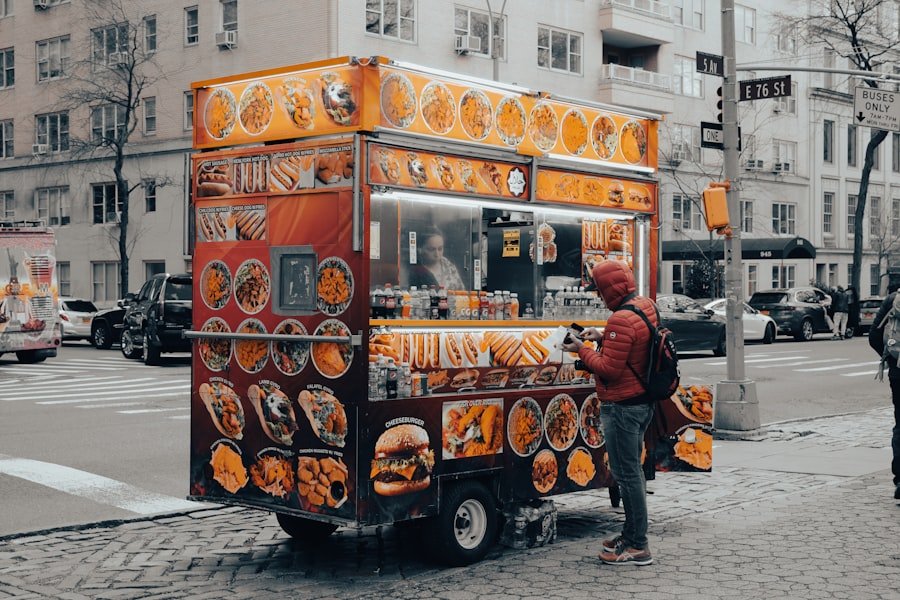
Moda’s food culture is part of the much broader history of eating and trading in Istanbul. Street vending is not a new feature of the city. Historical scholarship on Ottoman urban life documents vendors and food sellers operating in Istanbul centuries ago.
An academic review of Ottoman guilds notes that vendors became increasingly visible in Istanbul’s commercial life during the seventeenth and eighteenth centuries and that some worked as food sellers in large cities. That history supports a connection between modern street eating and Istanbul’s long tradition of small-scale urban food commerce, although it does not prove that every modern Moda dish has an uninterrupted Ottoman-era lineage. Cambridge Core’s study of Ottoman guilds provides useful historical background.
Today, Moda combines older neighborhood businesses with newer cafés, restaurants, bakeries, bars, and specialty shops. Official tourism material describes the wider Kadıköy-Moda area as a contemporary cultural and food destination where established local life mixes with newer businesses.
The nearby sea also matters. Kadıköy has a strong fish-market tradition, and seafood remains highly visible in the area’s food culture. At the same time, Moda’s modern dining scene reaches far beyond seafood, with Turkish classics, international food, coffee shops, bakeries, vegetarian choices, and contemporary interpretations of familiar dishes.
Where to Find the Best Street Food in Moda
The first thing to understand is that Moda and the central Kadıköy market area are connected but not identical. Moda lies south of the busiest ferry and market streets. If your main goal is to sample several foods quickly, it makes sense to begin around central Kadıköy and then continue walking toward Moda.
Kadıköy Market Streets
The area around Kadıköy’s traditional market is one of the best starting points for food exploration. Official tourism guidance describes the marketplace as a center of local gastronomy filled with fish, produce, pickles, nuts, cheeses, pastries, and specialist food businesses.
Street-style foods such as simit and stuffed mussels can also be found around the wider market area. GoTürkiye’s Kadıköy marketplace guide specifically points visitors toward the food-oriented streets beyond the ferry area.
Walking Toward Moda
After exploring central Kadıköy, continue toward Moda through the neighborhood streets. The atmosphere gradually becomes more residential and relaxed, with cafés, bakeries, dessert shops, restaurants, and neighborhood businesses mixed into the route.
Moda Waterfront
Moda’s waterfront faces the Sea of Marmara, not the Bosphorus. The shore is popular for walking, sitting outside, drinking tea or coffee, and watching the sunset. Food availability changes, so do not assume that a specific mobile vendor or stall will always be in the same place.
Note: If you see a guide describing Moda’s waterfront as a Bosphorus viewpoint, that is geographically misleading. Official Türkiye tourism material places Moda on the Sea of Marmara coast.
Pro Tip: For the widest food variety, start near the Kadıköy market and ferry area while you are hungry, sample small portions from several places, and then finish your walk in Moda with tea, coffee, dessert, or a waterfront break.
The Influence of Street Food on Moda’s Culinary Scene
Street food contributes to the wider eating culture of Kadıköy and Moda because it keeps familiar Turkish flavors visible alongside restaurants, bakeries, cafés, and newer food concepts. A visitor can move from a simple simit or mussel snack to a modern coffee shop or full restaurant within the same outing.
That mix of quick traditional foods and newer dining styles is more useful to understand than claiming that street vendors alone define Moda’s culinary identity. The neighborhood has become known for a broad combination of cafés, restaurants, bars, shops, art spaces, and food businesses.
Official tourism guidance describes Kadıköy-Moda as a modern cultural hotspot where classical, modern, and fusion cooking coexist. This helps explain why traditional foods remain visible even as the neighborhood’s restaurant and café scene changes.
Street Food Festivals and Events in Moda
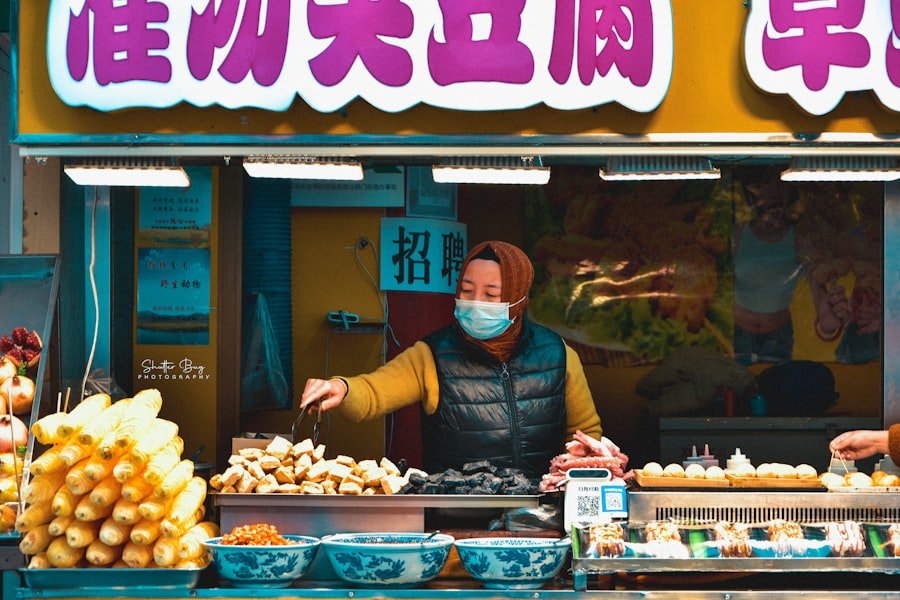
Moda and the wider Kadıköy district host many public events, markets, concerts, workshops, cultural programs, and seasonal festivals. However, travelers should not assume that there is a fixed annual event officially called the “Kadıköy Street Food Festival.” A current recurring event by that exact name could not be verified from official municipal information.
Event programs change from year to year. Kadıköy Municipality regularly publishes current news and announcements about festivals, markets, cultural programs, and neighborhood activities. Some may include food vendors, but the food offering depends on the individual event.
If attending an event is an important part of your trip, check the official Kadıköy Municipality news page close to your travel date rather than planning around an old festival name or schedule.
Tips for Enjoying Street Food Safely in Moda
Street food can be an enjoyable way to experience Istanbul, but food safety depends on handling, storage, cooking, and hygiene rather than whether the food comes from a cart, shop, or restaurant.
Warning: Do not assume food is safe simply because it is cooked in front of you. Be especially careful with shellfish, meat, dairy-based toppings, sauces, and other perishable foods if they appear to have been stored improperly or left exposed for long periods.
Look at the Whole Setup
Choose vendors and food businesses that keep preparation areas reasonably clean, protect ingredients from obvious contamination, and separate raw ingredients from ready-to-eat food. High customer turnover can be a useful sign that food is moving quickly, but it is not a guarantee of safety.
Choose Thoroughly Cooked Hot Food
Meat, seafood, eggs, and other foods that require cooking should be cooked thoroughly. Food that is meant to be served hot should arrive hot rather than lukewarm after sitting for a long time.
Pay Attention to Temperature and Storage
Perishable ingredients need appropriate temperature control. Be cautious if meat, seafood, dairy-based salads, mayonnaise-style sauces, or similar foods appear to have been sitting unrefrigerated for an extended period.
Ask About Ingredients
If you have allergies, intolerances, or dietary restrictions, ask what is inside the food before ordering. Cross-contact is possible in compact kitchens and street-food setups, so people with severe allergies should be especially cautious.
The World Health Organization’s Five Keys to Safer Food emphasize cleanliness, separating raw and cooked foods, thorough cooking, safe temperatures, and safe water and raw materials. Türkiye’s food-hygiene regulations likewise require food businesses to maintain clean premises and hygienic operations.
The Future of Street Food in Moda
Moda continues to change as cafés, restaurants, shops, and other businesses open and close. Traditional Istanbul foods remain part of the wider Kadıköy experience, while newer businesses add different ingredients, international influences, vegetarian choices, and updated presentations.
It is difficult to predict exactly how the street-food scene will develop or to claim that a specific number of young chefs or eco-friendly vendors is increasing without reliable data. What is clear is that Kadıköy and Moda remain active food destinations where older food traditions coexist with contemporary city life.
Sustainability is also becoming a broader concern across the food industry. Reusable or lower-waste packaging, responsible ingredient sourcing, and reduced food waste can improve a vendor’s environmental footprint, but practices differ from one business to another. Travelers who care about these issues can support businesses that clearly explain what they are doing rather than assuming all vendors follow the same standards.
If you’re a fan of street food in Moda, you may also enjoy reading about the delightful world of Asian melon. This article explores different Asian melons and their culinary uses.
Frequently Asked Questions
What is street food in Moda?
Street food in Moda refers to quick foods and snacks eaten while exploring Moda and the surrounding Kadıköy area. The wider experience includes street vendors, small takeaway shops, bakeries, market counters, and casual food businesses. Central Kadıköy generally has a denser concentration of food-market activity than Moda’s waterfront streets.
What are some popular street foods in Moda and Kadıköy?
Popular choices include simit, midye dolma, kokoreç, döner, balık ekmek, gözleme, börek, roasted chestnuts, corn, and Turkish ice cream. Availability varies by street, business, season, and time of day.
Is street food in Moda safe to eat?
It can be, but assess each vendor individually. Look for clean food handling, proper storage, separation of raw and cooked ingredients, and thoroughly cooked food served at the correct temperature. Be especially careful with shellfish and other perishable foods.
What are the best times to enjoy street food in Moda?
There is no single best time. Morning is ideal for simit and bakery items, while lunch and evening provide more choices for hot foods. Some foods become more common later in the day, and individual vendor hours can change.
Are there any specific etiquettes to follow when enjoying street food in Moda?
Be patient when a stall is busy, avoid blocking sidewalks or shop entrances, dispose of your rubbish properly, and follow the vendor’s system for ordering and paying. A few polite Turkish words such as “merhaba” for hello and “teşekkürler” for thank you are also appreciated.
Is Moda good for vegetarian street food?
Yes. Depending on the vendor, vegetarian choices can include simit, cheese or spinach gözleme, börek, roasted corn, chestnuts, potatoes, and vegetable-based snacks. Ask about butter, cheese, eggs, yogurt, or meat stock if you follow a stricter vegetarian or vegan diet.
Is Kadıköy Market the same as Moda?
No. Moda is a neighborhood within Kadıköy, while the busy central market streets are closer to the Kadıköy ferry area. They are close enough to combine in the same walking food trip, which is why travel guides often discuss Kadıköy and Moda together.
Does Moda have an annual street food festival?
Do not assume a fixed annual “Kadıköy Street Food Festival” will take place. Kadıköy hosts many changing festivals, markets, concerts, and public events, but schedules vary. Check current Kadıköy Municipality announcements before planning a visit around a specific event.
Sources
- GoTürkiye — Moda — verifies Moda’s location on Istanbul’s Asian side and the Sea of Marmara coast.
- GoTürkiye — Kadıköy Marketplace — supports the description of Kadıköy’s market and food-shopping area.
- GoTürkiye — Istanbul Street Food — supports information about foods including kumpir, midye dolma, balık ekmek, and other Istanbul street specialties.
- World Health Organization — Five Keys to Safer Food — supports the food-hygiene and safe-handling guidance.
- Republic of Türkiye Ministry of Agriculture and Forestry — Regulation on Food Hygiene — supports hygiene requirements for food businesses.
- Cambridge Core — Ottoman Guilds in the Early Modern Era — provides historical evidence of vendors and street food sellers in Ottoman Istanbul.