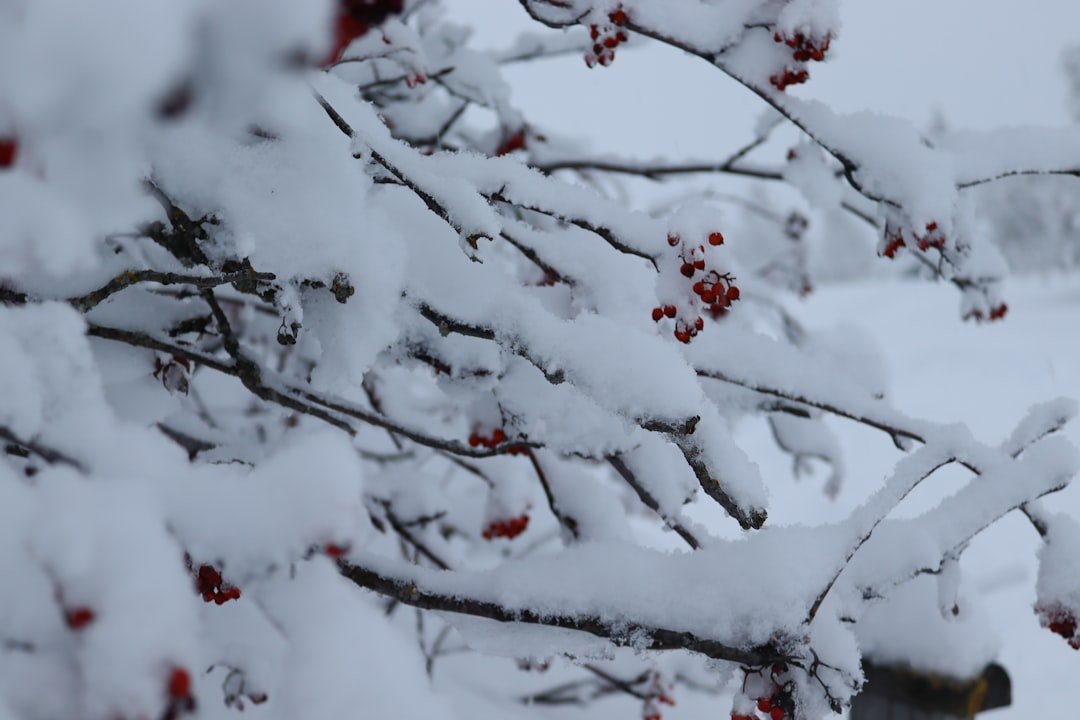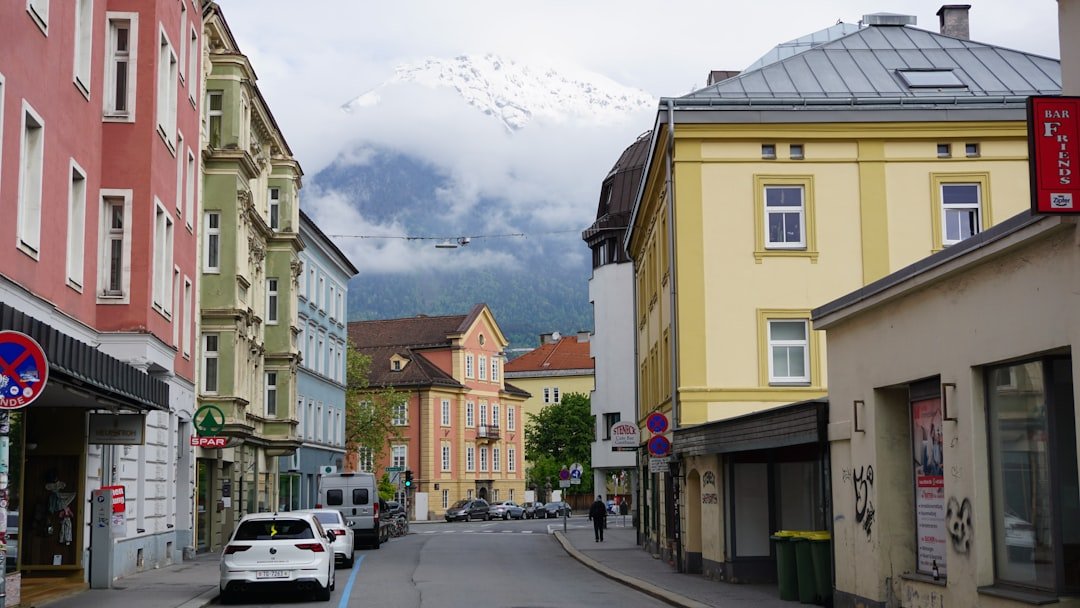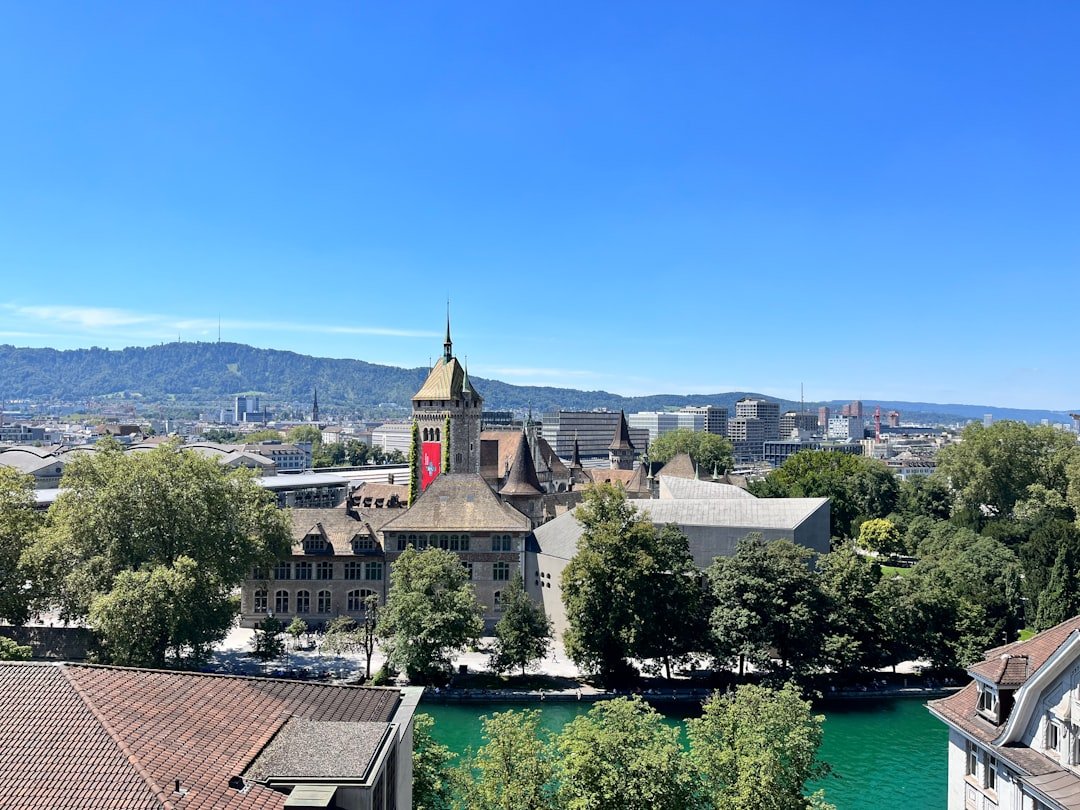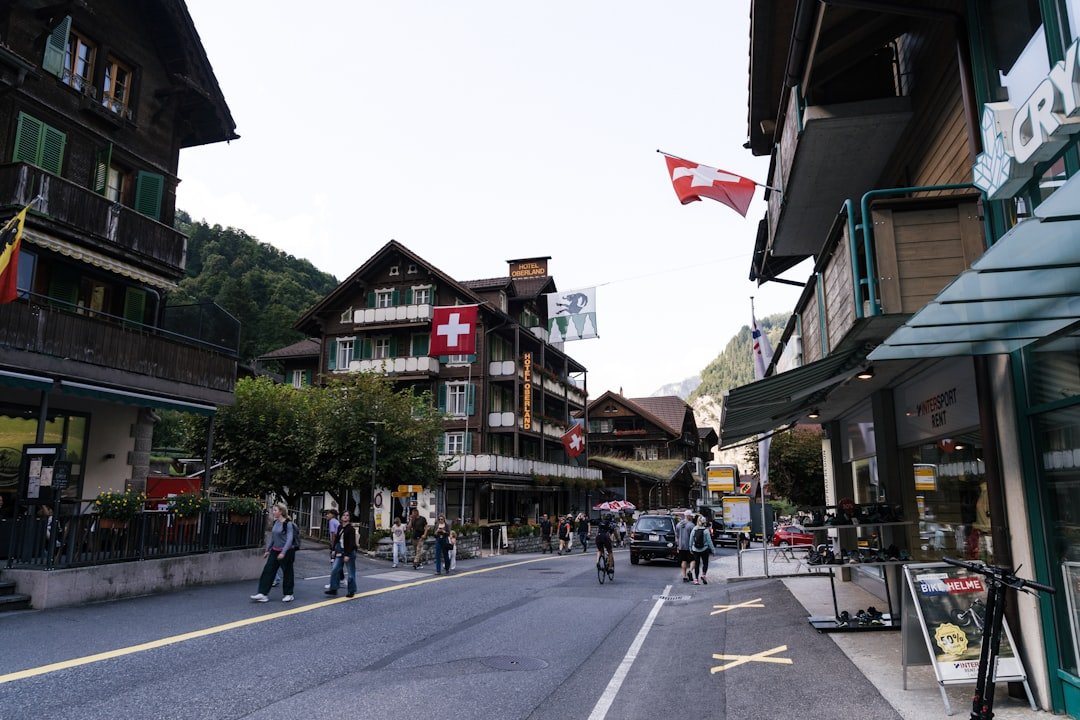
May is one of the most interesting months to explore Switzerland because spring and winter can exist surprisingly close together. Lakeside cities and lower valleys are usually green and blooming, while high Alpine areas may still have deep snow. That contrast makes May beautiful, but it also means I plan activities by elevation rather than assuming summer conditions everywhere.
Quick Answer
Switzerland in May is ideal for spring city breaks, lake trips, scenic train journeys, lower-elevation hiking, and flower displays. Expect changeable weather and lingering snow in the Alps. High mountain trails and some seasonal lifts may still be closed, so check conditions before building an itinerary around hiking.
Key Takeaways
- May brings spring flowers and green landscapes at lower elevations while snow can remain across the high Alps.
- Cities, lakes, scenic rail trips, valley walks, cycling, and lower mountain hikes are generally better bets than high Alpine hiking routes.
- High-altitude skiing can still be available in places such as Zermatt, but operations depend on weather and lift schedules.
- For the next May travel season, the Morges Tulip Festival is scheduled through May 9, 2027.
- Pack layers, waterproof outerwear, sun protection, comfortable walking shoes, and warmer clothing for mountain excursions.
What Switzerland Is Like in May
May sits between the main winter season and the full Alpine summer season. According to Switzerland Tourism, spring runs from March through May, with trees blossoming and meadows turning green. Conditions can still change quickly, especially in mountain regions.
A single nationwide temperature range is not very useful in Switzerland because altitude matters so much. MeteoSwiss climate normals show substantial regional and elevation differences. A mild afternoon beside Lake Geneva can occur while high mountain destinations remain below freezing with snow underfoot.
| Area | Typical May Character | Good May Activities |
|---|---|---|
| Cities and lowlands | Spring greenery, flowers, mild days mixed with rain or cool spells | Sightseeing, parks, cycling, markets, museums |
| Lake regions and valleys | Green landscapes with snow-covered peaks often visible above | Boat trips, lakeside walks, valley hikes, photography |
| Mid-elevation mountains | Highly variable; trails can range from dry to muddy or snow-covered | Condition-dependent hiking and sightseeing |
| High Alps | Winter-like conditions and substantial snow can remain | Mountain railways, glacier viewpoints, limited high-altitude skiing |
Early May vs. Late May
Early May usually feels more transitional. Snow is more likely to affect mountain paths, and some cable cars, mountain restaurants, and summer attractions may be between their winter and summer operating periods.
By late May, lower and middle elevations generally offer more spring hiking choices and longer daylight. Even then, I would never assume a famous high-altitude trail is snow-free just because the weather in Zurich, Lucerne, or Interlaken feels warm.
Pro Tip: Build a May itinerary with flexible elevation. Keep city, lake, and valley activities as reliable options, then add higher mountain hikes only after checking current trail, snow, weather, and lift conditions.
Outdoor Activities and Adventures
May can be a wonderful month for outdoor activities, but choosing the right elevation is more important than choosing a famous trail. I prefer lower valleys, lakeside paths, vineyard walks, and routes that have already been confirmed open.
Hiking
Switzerland has an enormous marked hiking network, and SwitzerlandMobility provides official route information along with closures and detours. In May, this is far more useful than assuming that every summer hiking route has opened.
Lower routes around lakes and valleys can offer green meadows, waterfalls, blossoms, and snow-covered mountain backdrops. Higher routes may still cross snowfields or have winter damage, mud, or closed facilities.
Warning: A warm day in a valley does not mean a high Alpine hiking route is in summer condition. Check the official route status, weather, remaining snow, and lift operation before leaving. If a route requires equipment or snow-travel skills you do not have, choose a lower alternative.
Cycling
Cycling works especially well in lower regions once roads and paths are clear. Lakeside routes, rural areas, and vineyard landscapes can be much more dependable in May than high passes. I still check the forecast because rain and rapid temperature changes are common features of spring travel.
Paragliding and Other Adventure Activities
Paragliding is widely offered in Alpine destinations such as Interlaken and the Jungfrau region, but flights depend on wind and weather. Booking with a professional operator and keeping some flexibility in the schedule is sensible in spring.
Can You Ski in Switzerland in May?
Yes, but May skiing is specialized rather than widespread. Most normal winter ski areas have ended their main season. High-altitude and glacier terrain can continue operating. Zermatt, for example, publishes separate summer ski products through Matterhorn Paradise. Always check live lift and piste status before travelling specifically to ski.
Best Places to Visit in Switzerland in May
Lucerne and Lake Lucerne
Lucerne is one of my favorite May bases because it combines an attractive old town, lake scenery, nearby mountains, and easy public transportation. If cloud or snow makes a mountain excursion unattractive, there is still plenty to do around the city and lake.
Interlaken, Lauterbrunnen, and Grindelwald
The Bernese Oberland is spectacular in May because green valleys can sit beneath snow-covered peaks. Lauterbrunnen is particularly dramatic during the spring snowmelt period, while Interlaken works well as a transport base. Grindelwald provides easy access to mountain railways, but high hiking routes need condition checks.
For a dependable high-mountain snow experience without relying on a summer hiking trail, Jungfraujoch – Top of Europe is normally open 365 days a year.
Zermatt
Zermatt combines Matterhorn views, mountain railways, walking routes at different elevations, and some of Switzerland’s highest skiing terrain. May is a particularly good example of why elevation matters: the village can feel like spring while the highest accessible areas remain firmly wintry.
Lake Geneva, Lausanne, and Morges
The Lake Geneva region works well for spring because cities, vineyards, lake promenades, museums, and gardens give you alternatives in almost any weather. Morges is especially attractive during its spring flower season.
Bern and Zurich
Both cities are useful May destinations when I want museums, historic streets, restaurants, parks, and straightforward rail connections. Spring trees and flowers add color without requiring a high-mountain excursion.
Ticino
Southern Switzerland can feel noticeably different from the higher Alps. Lugano, Locarno, lakeside walks, villages, and lower mountain excursions can be strong May choices, although rain remains possible and conditions still vary from year to year.
Festivals and Events
May does bring genuine spring celebrations, but several events commonly confused with May actually happen in other months.
For the next May travel season, the official Morges Tulip Festival is scheduled from March 23 through May 9, 2027. The event fills Morges with large spring flower displays and is a much better fit for a May itinerary than the winter and early-spring festivals sometimes listed in generic Switzerland guides.
May Holidays to Keep in Mind
May also contains movable Christian holidays that can affect business hours and local schedules. In 2027, Ascension falls on May 6 and Pentecost Monday falls on May 17. Holiday observance and opening hours can vary, so I check the specific attraction, restaurant, or shop before making a special journey.
Note: Geneva’s Fête de la Musique is a June event, Zurich’s Sechseläuten takes place in April, and the International Hot Air Balloon Festival in Château-d’Œx is a winter event. They should not be used as reasons to plan a May trip.
Exploring Swiss Cuisine and Local Delicacies
| Local Delicacy | Description | Typical Ingredients |
|---|---|---|
| Raclette | Melted raclette cheese traditionally served with potatoes, pickled gherkins, and onions. | Raclette cheese, potatoes, gherkins, onions |
| Fondue | A communal pot of melted cheese into which diners dip cubes of bread. | Cheese, bread, white wine, garlic |
| Zürcher Geschnetzeltes | A Zurich specialty of sliced veal in a creamy white-wine and mushroom sauce, commonly served with Rösti. | Veal, mushrooms, cream, butter, white wine |
| Birchermüesli | A Swiss dish based on soaked oats and grated apple, now commonly served for breakfast. | Oats, apple, lemon juice, nuts, yogurt or cream |
Swiss cuisine varies considerably by region, so I would not limit a May trip to fondue and raclette. Zurich has Zürcher Geschnetzeltes, Ticino has strong northern Italian influences, and different Alpine regions have their own cheeses, breads, meats, and potato dishes.
Spring is also a good time to visit local food markets. What is in season varies by region and weather, so I prefer to see what growers and market vendors actually have rather than arriving with a fixed list.
Fondue and raclette are strongly associated with cold weather, but traditional Swiss restaurants may still serve them outside winter. On a cool or rainy May evening, they can be particularly satisfying.
If you enjoy experimenting with cheese dishes after returning home, this homemade cottage cheese recipe is another simple kitchen project, although cottage cheese is different from the cheeses traditionally used for Swiss fondue or raclette.
Visiting Charming Swiss Villages and Towns
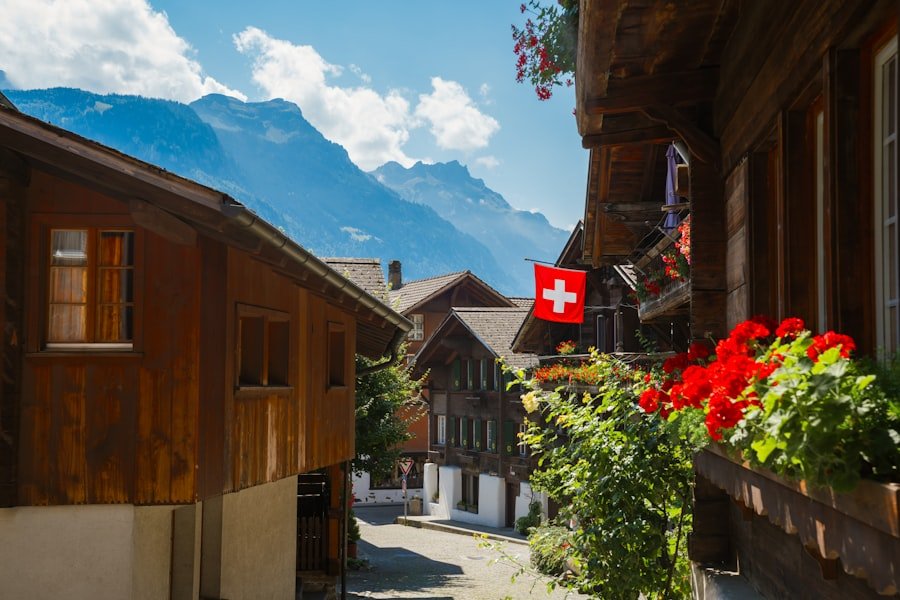
Villages are one of the reasons I enjoy Switzerland in May. Places such as Lauterbrunnen, Grindelwald, Wengen, and Zermatt can show spring at village level while snowy mountains rise directly above them.
The important May distinction is that a village being fully accessible does not mean every mountain trail, gondola, or seasonal restaurant above it is operating. Some mountain transport systems have maintenance periods between their winter and summer seasons.
I therefore plan village days around attractions that are confirmed open and treat high-altitude hikes as optional additions. That approach avoids losing a full day because a favorite trail or lift has not yet entered summer operation.
Smaller historic towns can also be rewarding when mountain weather is poor. Old streets, cafés, local markets, museums, and lakeside promenades provide a slower alternative to peak-focused sightseeing.
Enjoying the Stunning Swiss Alps
The Alps are still a major reason to visit Switzerland in May, but I approach them differently than I would in July or August. Instead of assuming long high-elevation hiking routes are available, I focus first on mountain railways and viewpoints with confirmed operations.
Jungfraujoch is a good example. The railway destination is normally accessible throughout the year, allowing visitors to experience snow and glacier scenery even while nearby summer trails may still be unsuitable for ordinary hiking.
Zermatt offers another useful May combination. Spring conditions can surround the village while very high terrain remains snowy enough for skiing. Because weather, wind, maintenance, and snow conditions can change operations, live lift information is essential.
Note: High-altitude destinations can be much colder, windier, and brighter than the valley below. I bring warm layers, sunglasses, and sunscreen even when the forecast in the nearest city looks mild.
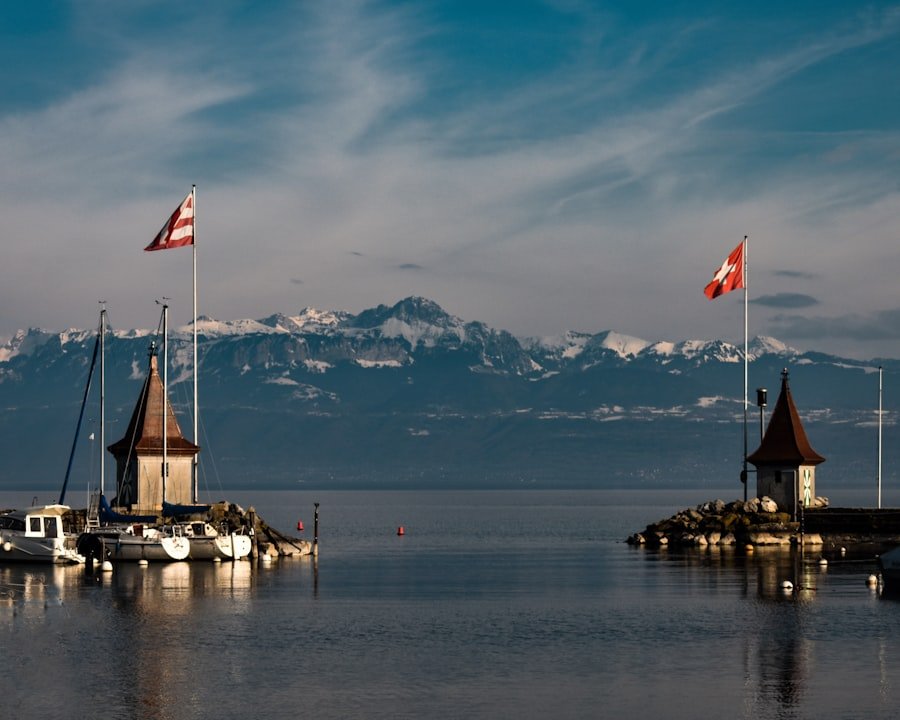
One of the best things about Switzerland in May is the contrast: spring flowers and green valleys below, with snow and ice still visible high in the Alps.
Relaxing by Switzerland’s Picturesque Lakes and Rivers
Switzerland’s lakes are especially attractive in spring. Lake Geneva, Lake Lucerne, and Lake Thun combine waterfront scenery with mountain views, and boat trips can be an easy way to enjoy the landscape without depending on a high-altitude trail.
I still check seasonal timetables before planning a day around a specific cruise because frequency can differ from the peak summer schedule. The same rule applies to mountain boats, funiculars, and cableways connecting with lake excursions.
Lakeside walking is generally a more dependable May activity. Promenades around cities such as Lucerne, Lausanne, Montreux, and parts of the Lake Thun region make it easy to adjust the day if rain arrives.
Warning: Warm spring air does not guarantee warm lake or river water. If you swim, use suitable designated areas, enter cautiously, and follow local safety information rather than judging conditions only by the air temperature.
Getting Around Switzerland in May
Public transportation is one of the easiest ways to build a flexible May itinerary. Trains let me change plans quickly if mountain weather deteriorates, and many routes between major destinations run frequently.
Swiss Travel Pass
The Swiss Travel Pass is available to eligible visitors whose permanent residence is outside Switzerland and Liechtenstein. It provides unlimited travel on covered trains, buses, and boats for 3, 4, 6, 8, or 15 consecutive days. A Flex version uses selected travel days within a month.
It also includes local public transportation in more than 90 towns and cities and provides discounts on many mountain excursions. However, not every mountain railway is fully included, and some panoramic services require a seat reservation or supplement.
I therefore compare the pass against my actual itinerary rather than automatically buying it. Travelers taking only a few journeys may find individual tickets more suitable, while a multi-city rail-heavy itinerary can make the pass much more convenient.
Check Seasonal Mountain Transport
May is a transition month for some cable cars and mountain railways. Before reserving accommodation around one specific excursion, check the operator’s published timetable for your travel date. Maintenance closures of even a few weeks can completely change a mountain itinerary.
Tips for Traveling to Switzerland in May
Pack for Several Seasons
My May packing list is based on layers rather than one expected temperature:
- Light shirts and comfortable everyday clothing
- Warm sweater or fleece
- Water-resistant or waterproof outer layer
- Comfortable walking or hiking shoes appropriate for planned routes
- Long trousers
- Compact umbrella if desired
- Sunglasses
- Sunscreen
- Warm hat and light gloves for high mountain excursions
- Small daypack and reusable water bottle
Check Two Forecasts, Not One
For mountain days, I check both the weather where I am staying and the conditions at the altitude I plan to visit. A forecast for Interlaken, Lucerne, or Zermatt village cannot tell me exactly what conditions will be like thousands of metres higher.
Keep a Bad-Weather Alternative
Museums, historic city centers, scenic rail journeys, food experiences, and lower-elevation excursions make good backup plans. This flexibility is one of the easiest ways to enjoy Switzerland in spring without feeling that rain has ruined the trip.
Confirm Holiday and Attraction Hours
Ascension and Pentecost can fall in May, and opening hours vary by canton and individual business. For May 2027, Ascension is May 6 and Pentecost Monday is May 17. I confirm restaurants, shops, museums, and attractions individually when visiting around those dates.
Do Not Treat May Like July
This is the most important planning rule. May can look beautifully summery beside a lake while remaining wintry at high altitude. If I design the trip around that contrast instead of fighting it, the month offers an excellent mix of flowers, green valleys, snowy mountains, quieter outdoor areas, scenic transportation, food, and city sightseeing.
Sources
- MeteoSwiss – Climate Normals – official climate context and regional variation.
- SwitzerlandMobility – Hiking in Switzerland – official hiking routes, closures, and detours.
- SBB – Swiss Travel Pass – eligibility, validity periods, transport coverage, and discounts.
- Morges Région Tourisme – Fête de la Tulipe – official upcoming Tulip Festival dates.
- Jungfrau Railways – Jungfraujoch – year-round operation and high-mountain visitor information.
- Zermatt Bergbahnen – Ski Passes – official information about high-altitude and summer skiing.
Frequently Asked Questions
What is the weather like in Switzerland in May?
May is spring in the Swiss lowlands, but conditions vary greatly with altitude and region. Cities and lake areas can have mild, green spring weather, while high mountain locations may still be snowy and cold. Rain and rapid weather changes are possible, so layers and waterproof outerwear are useful.
What are the best places to visit in Switzerland in May?
Good May choices include Lucerne and Lake Lucerne, Bern, Zurich, the Lake Geneva region, Interlaken and the lower Lauterbrunnen Valley, Zermatt, and Ticino. Jungfraujoch is useful for visitors who want a reliable high-mountain snow experience without depending on a snow-free summer hiking trail.
Are there special events or festivals in Switzerland in May?
Yes. The Morges Tulip Festival runs into May, with the next edition scheduled through May 9, 2027. May can also include Ascension and Pentecost-related holidays. Zurich’s Sechseläuten is an April event, Geneva’s Fête de la Musique is in June, and the Château-d’Œx balloon festival takes place in winter rather than May.
What should I pack for Switzerland in May?
Pack layers, a warm sweater or fleece, waterproof outerwear, comfortable walking shoes, long trousers, sunglasses, and sunscreen. Add a warm hat and light gloves if you plan to visit high mountain destinations, where conditions can remain wintry even when cities are mild.
Can you hike in the Swiss Alps in May?
Yes, but route selection is important. Lower-elevation and valley hikes can be excellent in May, while high Alpine routes may remain snowy, muddy, unsafe, or closed. Check SwitzerlandMobility, local tourism information, weather reports, and mountain transport schedules before starting.
Can you ski in Switzerland in May?
Some high-altitude skiing can remain available, particularly around Zermatt’s glacier terrain. Most ordinary winter ski areas have ended their main season by May, so check live lift and piste information before travelling specifically for skiing.
Is the Swiss Travel Pass worth buying for a May trip?
It can be convenient for travelers making frequent train, bus, and boat journeys across several regions. It also covers local transport in many towns and provides discounts on numerous mountain excursions. Compare the pass price with your planned journeys because not every mountain railway is fully included and some panoramic services require reservations or supplements.