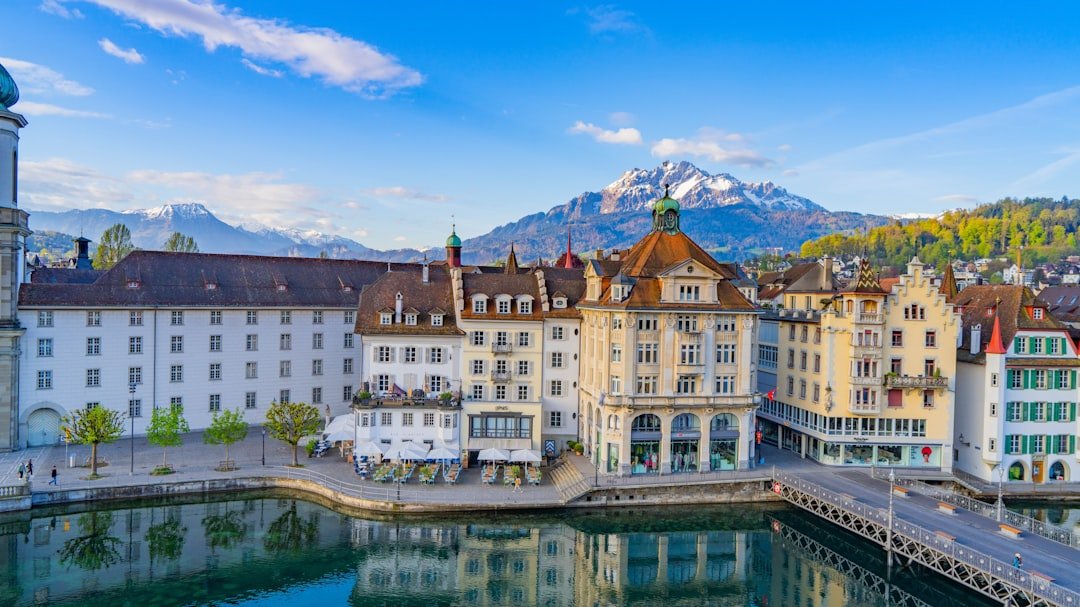
Switzerland has a reputation for high travel costs, but careful planning can make a trip far more affordable. The most useful Switzerland budget travel tips focus on the expenses that usually matter most: accommodation, transportation, food, and mountain excursions. Choose those carefully, then build your itinerary around free scenery, walks, museums, and local benefits.
Quick Answer
To travel Switzerland on a budget, spend less on lodging, transport, and restaurant meals. Stay in hostels or simple guesthouses, compare SBB saver tickets with tourist rail passes, use destination guest cards and free activities, and buy some meals from supermarkets. Pay for mountain transport and major attractions selectively.
Last checked: October 1, 2026. Dates and figures were verified against official sources.
Key Takeaways
- Compare your actual train journeys before buying a nationwide pass; the cheapest option depends on how often and how far you travel.
- Hostels, guesthouses, apartments, campsites, farm stays, and mountain huts can cost less than conventional hotels.
- Many destinations offer overnight guests local transport benefits, so check what your accommodation includes before buying a separate city ticket.
- Hiking, old-town walks, parks, lakefronts, and selected museums can fill entire days with little or no admission cost.
- Supermarket meals, self-catering, lunch specials, and picnics can reduce one of Switzerland’s biggest daily expenses.
Finding Affordable Accommodation Options
Accommodation can consume a large part of a Swiss travel budget, so compare more than standard hotels. Hostels, guesthouses, apartments, campsites, farm stays, and mountain huts all give you ways to trade luxury or location for lower costs.
Hostels: A Budget-Friendly Option
Hostels remain one of the simplest choices for solo travelers and backpackers. Dormitory beds usually cost less than private hotel rooms, and some hostels have shared kitchens where you can prepare breakfast or dinner instead of eating every meal in a restaurant.
Before booking, compare the final price rather than the advertised bed rate. Breakfast, linens, local visitor taxes, lockers, and cancellation terms can affect the total.
Guesthouses, Bed-and-Breakfasts, and Apartments
Guesthouses and bed-and-breakfasts can provide a quieter alternative to large hotels while still keeping you close to towns and transport. Apartments and private rooms can be especially useful for couples, families, or groups who can split the cost and use a kitchen.
Do not assume an apartment is automatically cheaper. Compare the full stay after cleaning charges, local taxes, and transportation from the property to the places you want to visit.
Rural Accommodation and Less Expensive Bases
Staying outside the most famous resort centers can reduce accommodation costs while still giving you easy access by train or bus. Switzerland Tourism specifically lists youth hostels, camping, mountain huts, holiday apartments, and farm stays among its budget accommodation options.
This approach works well when the cheaper town has frequent public transport. A low room rate loses its value if you have to spend heavily on taxis or long transfers every day.
Use Public Transportation Without Paying Full Fare
Switzerland’s rail, bus, tram, and boat network makes a car unnecessary for many itineraries. The key budget decision is not simply whether to use public transport, but which ticket or pass matches the journeys you will actually make.
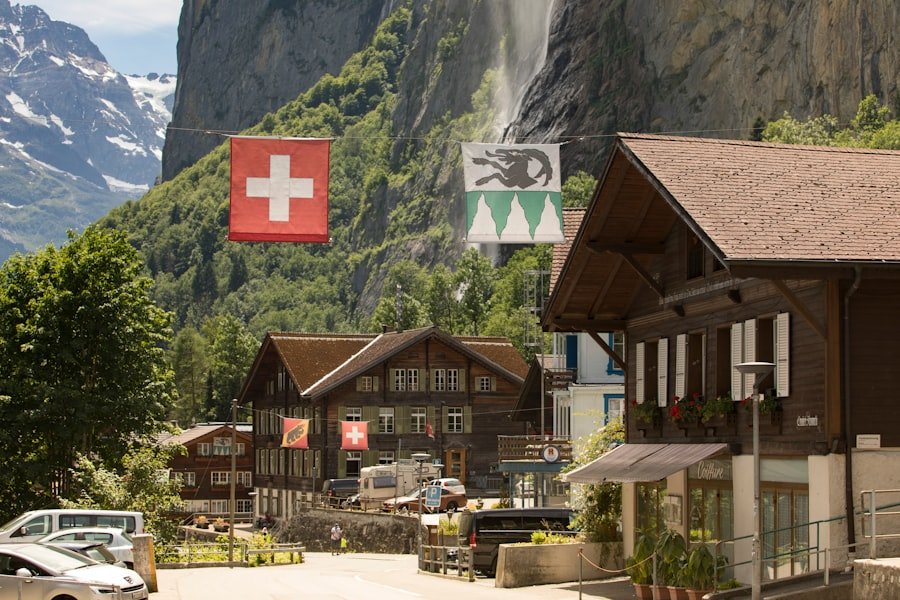
SBB’s offers for visitors from abroad include the Swiss Travel Pass, Swiss Travel Pass Flex, Swiss Half Fare Card, and family options. Do the fare comparison before buying because no single pass is cheapest for every itinerary.
| Option | Verified 2026 details | Best starting point for |
|---|---|---|
| Swiss Travel Pass | From CHF 254 for an adult 3-day, 2nd-class pass; 3, 4, 6, 8, or 15 consecutive days; more than 500 museums included. | Frequent travel on consecutive days, especially with museum visits. |
| Swiss Half Fare Card | CHF 150; valid for one month; gives half-price or reduced-price travel on trains, buses, boats, and many mountain services. | Several paid journeys spread across a longer stay. |
| Saver Day Pass | From CHF 52 without a Half Fare Travelcard or CHF 29 with one in 2nd class; advance purchase and availability limits apply. | One long or travel-heavy day. |
| Supersaver Ticket | Up to 50% off a standard point-to-point fare; limited availability and valid only for the selected connection. | Fixed plans on a specific route and departure. |
The Saver Day Pass is worth checking when you plan a long day with several trains, buses, or boats. For a single fixed journey, an SBB Supersaver Ticket can offer up to 50% off, but you are tied to the selected connection.
Pro Tip: Price your planned journeys individually first. Then compare that total with a Swiss Travel Pass, Half Fare Card plus discounted tickets, and any Saver Day Passes you could use.
Check Whether Your Accommodation Includes Local Transport
Many Swiss destinations give overnight guests a visitor or guest card, sometimes after only one night’s stay. These cards can include local public transport and discounts on mountain railways, museums, boats, or attractions.
That means you should check your accommodation benefits before buying a separate city transit pass. The saving can be especially useful if you are staying several nights in one place.
Remember That Panoramic Trains May Have Extra Costs
The Swiss Travel Pass covers travel on panoramic trains within its validity rules, but that does not always mean every cost is included. Seat reservations and surcharges can still apply, including on famous panoramic services.
Budget for those separately if a premium scenic train is central to your trip. A regular scheduled train over a similar route may provide excellent scenery without the same reservation requirement.
Explore Free and Low-Cost Activities
Switzerland’s landscapes and walkable towns make it possible to spend entire days without paying large attraction fees. Hiking, old-town walks, public parks, lakefronts, viewpoints, and selected museums are among the strongest choices.
| Activity | Location | Cost |
|---|---|---|
| Hiking | Marked local trails | Usually free; transport or lifts may cost extra |
| Old-town walk | Swiss cities and historic towns | Free |
| Geneva museum permanent collections | Participating Musées de Genève | Free |
| Park or lakefront picnic | Cities and lakeside towns | Free apart from food |
Hiking is one of the easiest ways to enjoy the Alps without paying an attraction fee. However, distinguish between the trail and the journey to the trailhead: cable cars, cog railways, and other mountain transport can be expensive even when the walk itself is free.
The Aletsch Glacier region, for example, offers spectacular hiking and viewpoints, but your transport choices determine how much the day costs. Starting lower and walking farther can save money if the route suits your fitness, available daylight, and conditions.
Use Free Museum Days Properly
Free museum rules vary by city and museum. In Geneva, the Musées de Genève state that their permanent collections are free throughout the year, while temporary exhibitions are free on the first Sunday of each month.
This is more useful than simply looking for a generic “free museum day.” Plan your museum visits around the exact collection or exhibition you want to see.
Dining on a Budget: Where to Find Cheap Eats
Eating every meal in a Swiss restaurant can quickly raise your daily spending. A more affordable approach is to mix restaurant meals with supermarket food, take-away counters, bakeries, self-catering, and picnics.
Coop and Migros are useful for sandwiches, salads, dairy products, fruit, bread, snacks, ready meals, and ingredients. If your accommodation has a kitchen, cooking even one meal each day can make a noticeable difference over a week-long trip.
Use Lunch for Your Restaurant Meal
Some restaurants offer lunch specials or set menus that can be better value than ordering a similar meal in the evening. Small taverns and local eateries may also be more affordable than restaurants positioned directly beside major tourist attractions.
Compare the menu before sitting down instead of assuming that a traditional-looking restaurant will be inexpensive. Drinks, desserts, and side dishes can increase the final bill.
Picnic With a View
A supermarket picnic is particularly effective in Switzerland because the scenery is part of the attraction. Bread, cheese, fruit, and other simple foods can become lunch beside a lake, in a city park, or at a public viewpoint.
Carry a refillable bottle and use drinking-water fountains where they are clearly intended for drinking. If a fountain is marked as non-potable, do not use it for drinking water.
Choose Discounted Tourist Passes Only When They Pay Off
City and regional passes can save money, but only if their included transport and attractions match your plans. Do not buy a pass merely because the headline discount looks large.
City-Specific Passes
The Geneva City Pass is available for 24, 48, or 72 hours and covers a range of free or discounted activities; a version with public transport is available. It makes the most sense when several included attractions already appear on your itinerary.
The Zürich Card combines local public transport with museum admissions and other discounts. Again, calculate what you would otherwise spend rather than assuming the card automatically saves money.
Regional Passes
Regional passes such as the Tell-Pass around Lake Lucerne or Jungfrau Travel Pass in the Jungfrau region can be useful when you plan several costly mountain or local transport journeys in the same area. They are less compelling when most of your itinerary is hiking on foot or making only one paid excursion.
Do the Math Before You Buy
List every paid journey and attraction you realistically expect to use. Compare the individual total against the pass price, then consider whether the pass also gives you useful flexibility.
Do not count attractions you would visit only because they are included. A pass saves money only when it replaces spending you were already planning.
Save Money on Outdoor Adventures and Excursions
Outdoor activities range from free hikes to costly lift tickets, ski passes, equipment rentals, and guided excursions. The easiest savings come from deciding which high-cost mountain experiences matter most to you and building free or inexpensive days around them.
For skiing, compare advance-purchase tickets, off-peak dates, family offers, and multi-day products directly with the resort you plan to use. These rules vary by resort and season, so a discount at one mountain should not be assumed to apply elsewhere.
Compare Guided and Independent Costs
A group tour can sometimes bundle transportation, equipment, or admission efficiently, but it is not automatically cheaper than going independently. Compare the complete package with the cost of transport, rental equipment, entrance fees, and any reservations you would need on your own.
For hiking, independent trips are often inexpensive because many marked trails have no admission fee. Your largest cost may be the train, bus, cable car, or mountain railway used to reach the start.
Pro Tip: If a famous summit excursion is expensive, look for a lower-cost viewpoint, valley walk, or nearby trail that gives you views of the same mountains without using every cable car or railway.
Shop for Souvenirs Without Breaking the Bank
Souvenirs become expensive quickly in heavily visited areas, so compare tourist shops with markets, supermarkets, and local producers. Decide what you actually want to take home before you begin shopping.
Zurich’s Bürkliplatz Flea Market and Geneva’s Plainpalais area are examples of places where travelers can browse second-hand goods, vintage items, and local finds rather than limiting themselves to conventional souvenir stores.
Buy Swiss Food Where Locals Shop
Chocolate, cheese, and other packaged Swiss foods can often be bought in ordinary supermarkets. This is particularly useful if you want edible gifts but do not need decorative tourist packaging.
For crafts, buying directly from a local maker can provide a more distinctive souvenir. Compare prices and make sure fragile or food items can be transported safely on your journey home.
Use Free Cultural Events and Festivals
Festivals, public performances, markets, and community events can add culture to your trip without requiring an expensive sightseeing ticket. Some large Swiss festivals combine paid headline events with substantial free programming.
For a current example, the MJF Residency in Montreux runs October 14–17, 2026, with concerts, showcases, workshops, jam sessions, and a DJ set; the organizer states that all activities are free of charge.
Basel’s Fasnacht is another major cultural experience centered on streets, lanterns, music, and processions. Even when the main public spectacle does not require an attraction ticket, budget separately for transportation, food, accommodation, badges, or indoor events you choose to attend.
Visit Switzerland’s Top Attractions for Less
You do not always need the most expensive ticket to enjoy Switzerland’s famous landmarks. The Matterhorn, Lake Geneva, Alpine valleys, historic town centers, and many lakefronts can be appreciated from public spaces, walking routes, and viewpoints.
For mountains, decide whether you are paying for the peak itself or for the convenience of being transported to a particular viewpoint. A lower trail or neighboring viewpoint can sometimes give you the experience you want at a fraction of the cost.
Be Flexible About Timing
Accommodation and some activities can cost more during busy holiday periods, major events, and peak ski or summer dates. If your schedule is flexible, compare rates outside the most heavily booked periods and consider staying in a nearby town rather than directly inside a resort.
Booking early can also increase your choice of lower-cost rooms and SBB saver fares. For fixed train journeys, buying early is particularly useful because saver products have limited availability.
How to Experience Switzerland on a Budget
A budget trip to Switzerland works best when you spend deliberately rather than trying to make every activity cheap. Save on routine expenses such as beds, local transport, breakfast, and lunch, then use part of the savings for one or two mountain journeys, museums, meals, or experiences that matter most to you.
Start by pricing accommodation and transportation because those choices shape the rest of the trip. Then fill your days with hiking, parks, old towns, public viewpoints, lakefront walks, free cultural events, and selected museum offers. That approach lets you experience Switzerland’s strongest attractions without paying premium prices at every stop.
If you are also looking for a simple way to prepare an inexpensive snack at home, this homemade cottage cheese recipe explains how to make it yourself.
Frequently Asked Questions
What are some budget travel tips for Switzerland?
The best budget travel tips for Switzerland are to reduce accommodation, transportation, and food costs first. Stay in hostels or simple guesthouses, compare rail passes with saver tickets, use guest-card benefits, prepare some meals yourself, and fill more of your itinerary with hiking, parks, old towns, and free museum offers.
Is it expensive to travel in Switzerland?
Yes, Switzerland can be expensive, especially for accommodation, restaurant meals, mountain transportation, and full-fare train travel. You can still control the total by booking carefully, using discounted public-transport products, choosing some self-catering meals, and spending more time on free outdoor and city activities.
What are some affordable accommodations in Switzerland?
Affordable accommodation options include hostels, guesthouses, bed-and-breakfasts, campsites, farm stays, mountain huts, holiday apartments, and rooms outside the most popular resort centers. Compare the final price after taxes and fees, and check whether the property includes a visitor card or local public transport.
How can I save money on transportation in Switzerland?
Compare the Swiss Travel Pass, Swiss Half Fare Card, Saver Day Passes, Supersaver Tickets, regional passes, and normal point-to-point fares against your actual itinerary. A nationwide pass can be valuable for frequent travel, while a Saver Day Pass or Supersaver Ticket may cost less for travelers making fewer journeys.
What are some free attractions and activities in Switzerland?
Free activities include many hiking trails, public parks, lakefront walks, historic town centers, public viewpoints, and selected museums or museum days. Remember that a mountain trail may be free while the cable car, railway, parking, or other transportation needed to reach it can still cost money.
Which Swiss rail pass is best for a budget traveler?
There is no single cheapest Swiss rail pass for every traveler. The Swiss Travel Pass can suit frequent consecutive travel, the Swiss Half Fare Card can suit several paid trips over a month, a Saver Day Pass can work for one travel-heavy day, and Supersaver Tickets can suit fixed individual journeys.
Do Swiss hotels include free local public transport?
Some Swiss destinations provide overnight guests with visitor or guest cards that include local public transport, but the benefit is not identical everywhere. Check what your accommodation provides before buying a separate local ticket, because the included zones, transportation types, discounts, and validity periods vary by destination.
Is hiking in Switzerland free?
Many marked hiking trails can be used without an admission fee, making hiking one of Switzerland’s strongest budget activities. However, reaching a trail may require paid trains, buses, cable cars, parking, or mountain railways, so include those transportation costs when comparing one hiking route with another.
Sources
- SBB: Offers for visitors from abroad: Swiss Travel Pass, Swiss Half Fare Card, museum access, mountain discounts, and tourist transport benefits.
- SBB: Saver Day Pass: current starting prices, advance-purchase rules, availability, and area of validity.
- SBB: Supersaver Ticket: discounts, advance availability, connection restrictions, and refund conditions.
- Switzerland Tourism: Money-saving holiday tips: budget accommodation, guest cards, free activities, food, and low-season strategies.
- Musées de Genève: Tickets and pricing: free permanent collections and first-Sunday access to temporary exhibitions.
- Geneva Tourism: Geneva City Pass: pass duration, transport options, and included or discounted activities.
- Zurich Tourism: Zürich Card: public transport, museum admission, and card benefits.
- Montreux Jazz Festival: MJF Residency 2026: October 14–17, 2026 dates and free program details.