Switzerland’s thermal-bath tradition stretches from Roman-era spa towns such as Baden and Yverdon-les-Bains to modern alpine resorts, architectural spas, and city rooftop pools. Today, you can choose everything from quiet thermal bathing in the mountains to family-friendly pool complexes and full-service wellness resorts. The best option depends on the setting, facilities, age rules, and type of experience you want.
Quick Answer
Switzerland has thermal baths for almost every travel style. Leukerbad is strong for alpine scenery and families, 7132 Vals for architecture and quiet, Lavey for naturally hot spring water, Bad Ragaz for upscale wellness, Baden for spa history, and Hürlimannbad Zürich for an easy city-based thermal experience.
Key Takeaways
- Swiss bathing culture has documented roots in Roman-era spa towns, especially Baden and Yverdon-les-Bains.
- Thermal bathing can be relaxing, but mineral composition and potential health effects differ from one spring to another.
- Popular choices include Leukerbad Therme, 7132 Thermal Baths in Vals, Les Bains de Lavey, Tamina Therme, FORTYSEVEN in Baden, and Hürlimannbad Zürich.
- Age limits, reservations, sauna rules, towel policies, and swimwear requirements vary by facility.
- Choose a bath based on atmosphere and facilities rather than assuming every Swiss thermal spa offers the same experience.
A Brief History of Thermal Baths in Switzerland
The organized history of thermal bathing in Switzerland reaches back to Roman times. In Baden, Roman legionaries built large thermal baths in the second decade AD, helping create the settlement known as Aquae Helveticae. The baths served not only health-related purposes but also social and religious functions. The warm spring at Yverdon-les-Bains was also known during the Roman period. You can read more about Baden’s documented spa history from Baden Tourism.
Roman bathing complexes were sophisticated public spaces, often incorporating heated rooms, bathing pools, changing areas, and social spaces. Bathing remained part of European culture after Roman rule ended, although the level of continuity varied by location. During the Middle Ages, religious institutions in parts of Europe sometimes cared for travelers and springs, while Swiss spa towns such as Baden developed their own long-running bathing traditions.
By the 18th and 19th centuries, spa travel had become a fashionable part of European tourism. Swiss destinations such as Baden and Leukerbad attracted visitors who combined bathing with social life, mountain scenery, rest, and health-oriented stays. Modern Swiss thermal resorts continue that tradition, but their facilities now range from simple pools to large wellness complexes, medical centers, luxury hotels, and architect-designed spas.
The Health Benefits of Soaking in Thermal Baths
Thermal bathing is best viewed as a form of relaxation and recreation rather than a guaranteed medical treatment. Warm water can feel soothing to tired muscles and joints, and quiet bathing may help you relax after hiking, skiing, sightseeing, or a long journey.
The mineral content of thermal water is not the same everywhere. Different springs contain different concentrations of minerals. For example, the water at Les Bains de Lavey is classified as sodium-chloride-sulphate water and contains minerals including sulfur, calcium, lithium, potassium, and magnesium. Other Swiss springs have different chemical profiles.
Scientific research into balneotherapy, which is the therapeutic use of mineral or thermal water, suggests that spa-based treatments may help manage symptoms in some musculoskeletal conditions. However, the strength of the evidence varies by condition and treatment method. An umbrella review of medical hydrology research found promising evidence for selected conditions, but thermal bathing should be considered supportive care rather than a replacement for diagnosis or medical treatment.
Claims that a normal spa visit will reliably lower cortisol, improve emotional stability, regulate circadian rhythms, or treat a specific disease go beyond what visitors should expect. Warm bathing may help you feel calmer and more comfortable, but individual responses differ.
Warning: Thermal pools and saunas expose your body to heat. Follow the facility’s time limits and safety rules, leave the water if you feel dizzy or unwell, and seek individual medical advice if you have a health condition, are pregnant, or are unsure whether prolonged heat exposure is appropriate for you.
Popular Thermal Baths in Switzerland
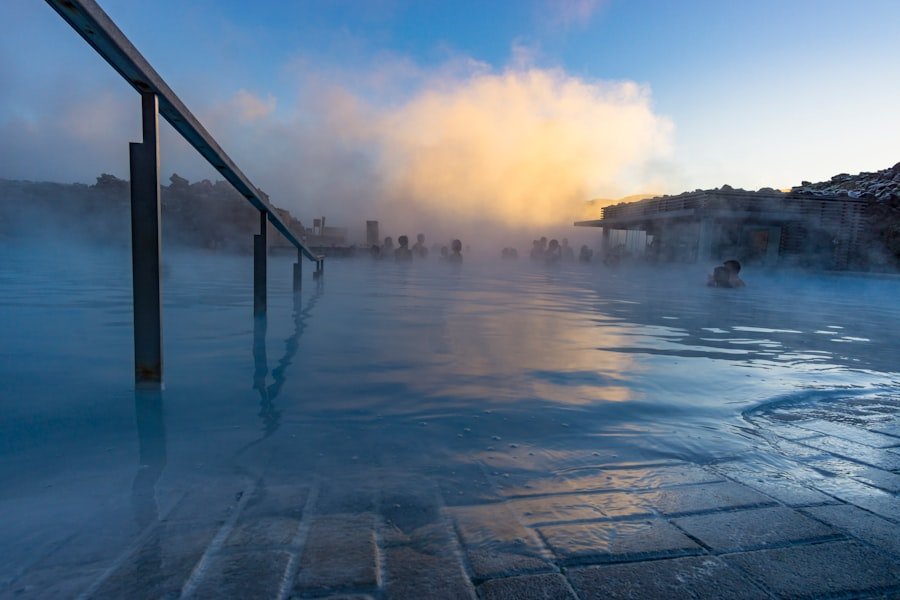
Switzerland has thermal baths that range from peaceful architectural landmarks to lively family-oriented facilities. There is no single “best” bath for everyone, so it helps to compare the atmosphere and facilities before booking.
7132 Thermal Baths, Vals
The 7132 Thermal Baths in Vals, Graubünden, are especially well known for architecture. Peter Zumthor designed the complex using local Vals quartzite, creating a series of stone bathing spaces that feel closely connected to the surrounding mountain landscape. The official 7132 Thermal Baths information emphasizes tranquility, architecture, and controlled access, making Vals a strong choice if you want a quieter spa experience.
Les Bains de Lavey
Les Bains de Lavey, near Saint-Maurice, is known for naturally hot thermal water and a broad wellness offering. According to the official Les Bains de Lavey information, its spring water reaches about 65°C at the source before being managed to comfortable bathing temperatures. The complex includes warm pools, saunas, steam rooms, wellness treatments, and mountain surroundings.
Leukerbad Therme
Leukerbad is one of Switzerland’s best-known alpine thermal destinations. The resort combines indoor and outdoor bathing with dramatic Valais mountain scenery. Leukerbad Therme also has more active facilities than many quiet spa resorts, making it worth considering for families who want thermal bathing alongside recreational pools and slides.
Tamina Therme, Bad Ragaz
Bad Ragaz has a centuries-old spa tradition centered on thermal water from the Tamina area. Tamina Therme offers a modern public wellness complex with thermal pools, sauna facilities, treatments, and an upscale atmosphere. It is also closely associated with the luxury Grand Resort Bad Ragaz.
FORTYSEVEN, Baden
Baden combines one of Switzerland’s strongest documented Roman bathing histories with a modern thermal-wellness experience. FORTYSEVEN sits in the historic spa district and gives visitors an easy way to connect Baden’s ancient thermal tradition with contemporary wellness facilities.
Hürlimannbad Zürich
For an urban option, Hürlimannbad Zürich occupies the historic vaults of the former Hürlimann brewery. It is known for thermal bathing inside the old building and a rooftop infinity pool overlooking Zurich. It is particularly convenient if you want a thermal-bath experience without leaving the city.
The Unique Features of Swiss Thermal Baths
| Thermal Bath | Location | Best For | Standout Feature |
|---|---|---|---|
| Leukerbad Therme | Leukerbad | Families and alpine scenery | Outdoor thermal pools with mountain views |
| 7132 Thermal Baths | Vals | Architecture and quiet bathing | Peter Zumthor design using Vals quartzite |
| Tamina Therme | Bad Ragaz | Upscale wellness | Modern thermal spa linked to a historic resort tradition |
| Grand Hôtel & Centre Thermal | Yverdon-les-Bains | Relaxed hotel-and-spa stays | Historic spa town with Roman-era thermal tradition |
| Les Bains de Lavey | Lavey-les-Bains | Long wellness sessions | Very hot natural spring water and extensive spa facilities |
| FORTYSEVEN | Baden | History plus modern wellness | Modern spa in Switzerland’s historic Baden thermal district |
| Hürlimannbad Zürich | Zurich | City breaks | Historic brewery vaults and rooftop infinity pool |
One of the defining qualities of many Swiss thermal baths is the relationship between bathing and landscape. Leukerbad offers mountain views, Vals uses local stone and restrained architecture, and Lavey places outdoor bathing within an alpine valley setting.
Swiss facilities also vary greatly in design. Some focus on large outdoor pools, others on quiet interior bathing rooms, and others combine pools with sauna areas, steam rooms, massage treatments, or hotel accommodation. This variety means that two thermal-bath visits in Switzerland can feel completely different.
The best Swiss thermal bath is not necessarily the largest one. The strongest choice is the facility whose atmosphere, access rules, location, and wellness features match the experience you actually want.
Sustainability practices also differ between properties. Naturally warm spring water can reduce some heating needs, but you should not assume that every thermal bath uses the same energy system or holds the same environmental certifications. Check individual operators if sustainability is an important part of your travel decision.
How to Plan the Perfect Thermal Bath Experience in Switzerland
Start by deciding what kind of experience you want. Choose Leukerbad if mountain scenery and family-oriented facilities matter most, Vals if you value architecture and quiet, Baden if you enjoy spa history, Hürlimannbad Zürich if you need a convenient urban option, or Bad Ragaz if you want a more luxurious wellness setting.
Next, check the official website shortly before your visit. Admission systems change, and some spas use timed entry or require advance reservations while others allow walk-in access. Age limits can also differ between thermal pools, saunas, spa rituals, and treatment areas.
Weekdays and earlier time slots can be calmer than busy weekends and holiday periods. If you are visiting a destination primarily for its thermal bath, booking before you travel can reduce the chance of arriving when your preferred session is full.
Pro Tip: Do not plan a Swiss thermal-bath visit from an old travel blog alone. Confirm the current opening hours, admission system, child rules, sauna rules, and what is included with your ticket on the spa’s official website before leaving.
Consider transportation as well. Urban baths such as Hürlimannbad Zürich are easy to combine with sightseeing, while alpine destinations such as Vals and Leukerbad require more travel time. If your spa is the main purpose of the day, leave enough time to change, shower, explore the different pools, rest between heat sessions, and eat afterward without rushing.
The Cultural Significance of Thermal Baths in Swiss Society
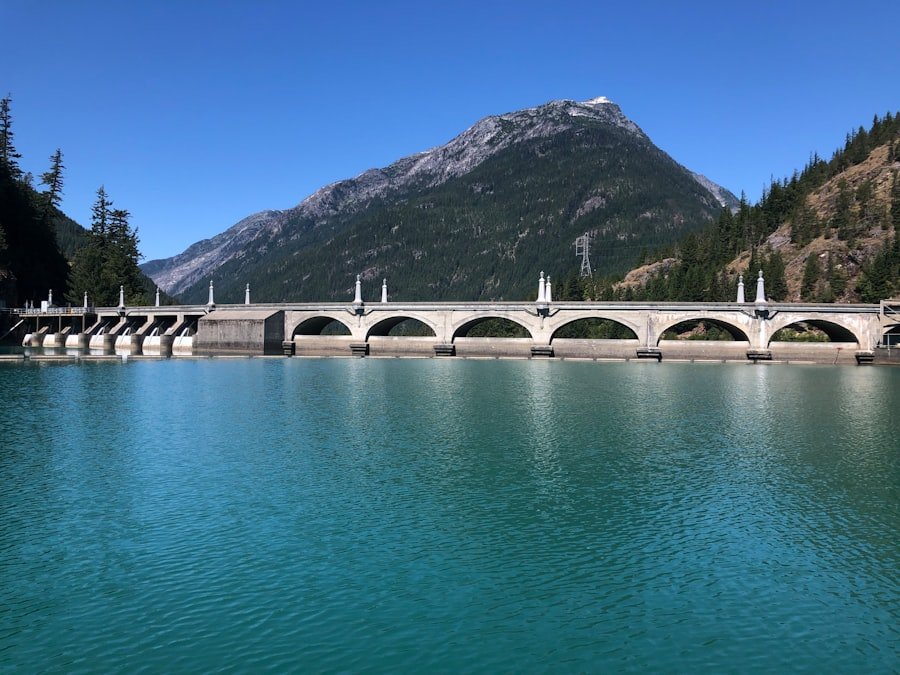
Thermal baths have long served a social role as well as a bathing one. Baden’s Roman baths were meeting places, and the town remained an important bathing destination through later centuries. Historically, spa visitors came not only for water but also for conversation, food, lodging, social connections, and rest.
Modern Swiss spa culture still combines personal wellness with shared public space. Some visitors come after hiking or skiing, while others plan an entire day around bathing, sauna sessions, massage treatments, or a hotel stay. The setting may be very different from an ancient Roman bath, but the idea of taking dedicated time for bathing and rest remains recognizable.
Contemporary facilities also reflect different parts of Swiss identity. Vals is closely associated with architecture and local stone, Leukerbad with high-alpine thermal tourism, Baden with historic spa culture, and Zurich with the conversion of an industrial brewery site into a modern urban bath.
The Best Thermal Bath Resorts in Switzerland
If you want to combine thermal bathing with an overnight stay, several Swiss destinations make that easy. The Grand Hôtel & Centre Thermal Yverdon-les-Bains combines hotel accommodation with access to a long-established spa destination. Yverdon’s thermal tradition reaches back to Roman times, while the current complex provides pools, wellness services, dining, and hotel facilities.
Grand Resort Bad Ragaz offers another resort-style option. The resort is closely connected with Tamina Therme and the thermal-water tradition of Bad Ragaz. This is a good fit if you want luxury accommodation, dining, treatments, and thermal wellness in one destination.
Vals offers a very different experience. Staying at 7132 places the focus on Peter Zumthor’s thermal architecture, mountain surroundings, and a quieter atmosphere. At Lavey, the Grand Hôtel des Bains provides another way to combine an overnight stay with thermal pools and wellness facilities.
When comparing resorts, look beyond the hotel room rate. Check whether thermal-bath admission is included, whether treatments require separate reservations, what facilities children may use, and whether hotel guests receive access at different times from day visitors.
Tips for Making the Most of Your Thermal Bath Visit in Switzerland
Arriving with extra time makes the experience more relaxing. Changing, storing your belongings, showering, and learning the layout can take longer than expected, especially at a large complex.
Swimwear is an obvious essential for normal bathing areas, and flip-flops can be useful where permitted. Towel and bathrobe policies vary. Some spas rent or include them, while certain facilities have specific rules about what guests may bring, so check before packing.
Drink water during a long wellness session and take breaks from hot pools, steam rooms, and saunas. Heat tolerance varies from person to person. More time in hot water is not automatically better, so follow posted guidance and give yourself time to cool down.
Additional treatments such as massages, body treatments, or private spa sessions can complement a bathing day, but they are optional. Booking them in advance is useful at busy resorts because treatment schedules can fill before general bath admission does.
Note: Family access is not standardized across Switzerland. A bath that welcomes children may still restrict them from particular sauna, treatment, quiet, or evening areas. Always check the rules for the specific ages in your group.
How to Choose the Right Swiss Thermal Bath
- For dramatic alpine scenery: Consider Leukerbad or Lavey.
- For architecture: 7132 Thermal Baths in Vals are the standout choice.
- For Roman spa history: Baden and Yverdon-les-Bains have especially strong historical connections.
- For a Zurich city break: Hürlimannbad Zürich is easy to combine with urban sightseeing.
- For upscale resort wellness: Bad Ragaz combines thermal bathing with luxury hospitality.
- For families: Look first at facilities designed for recreational bathing, then confirm current minimum ages and child-access rules.
In summary, Switzerland’s thermal baths combine history, landscape, architecture, and modern wellness in many different ways. They can provide a relaxing break during a trip, but they should not all be treated as interchangeable or as medical treatments. Choosing carefully based on atmosphere, facilities, access rules, and location will usually produce a better experience than simply visiting the most famous name.
If you are also building a broader at-home wellness routine around simple meals, this site has a homemade cottage cheese recipe. It is optional reading and is not part of the Swiss thermal-bath planning advice above.
Sources
- Switzerland Tourism: Thermal Baths – overview of major Swiss thermal-bath destinations and facilities.
- Baden Tourism: History of the Spa Town – Roman and later bathing history in Baden.
- 7132 Thermal Baths – official information on the Vals baths and Peter Zumthor architecture.
- Les Bains de Lavey – official information on Lavey thermal water and bathing facilities.
- PubMed: Clinical Efficacy of Medical Hydrology – umbrella review of evidence relating to balneotherapy and spa therapy.
- World Health Organization: Guidelines for Safe Recreational Water Environments – health and safety guidance covering swimming pools and similar spa environments.
Frequently Asked Questions
What are thermal baths in Switzerland?
Swiss thermal baths are bathing and wellness facilities supplied wholly or partly by naturally warm spring water. Facilities vary widely and may include indoor and outdoor pools, saunas, steam rooms, relaxation areas, treatments, restaurants, or hotels.
What are the benefits of visiting thermal baths in Switzerland?
Most visitors go for warmth, relaxation, muscle comfort, scenery, and time away from everyday activity. Research suggests that balneotherapy may support symptom management for some medical conditions, but results vary and a normal thermal-bath visit should not be treated as a substitute for medical care.
What facilities can be found at thermal baths in Switzerland?
Depending on the property, you may find warm indoor and outdoor pools, massage jets, saunas, steam rooms, quiet areas, spa treatments, restaurants, fitness facilities, children’s pools, or hotel accommodation. Always check the specific bath because facilities differ considerably.
Are thermal baths in Switzerland suitable for all ages?
No single rule applies to every Swiss thermal bath. Some facilities welcome young children, while others set minimum ages or restrict children from saunas, spa rituals, quiet areas, or certain times of day. Check the official age rules before taking children.
What should I bring when visiting thermal baths in Switzerland?
Bring appropriate swimwear and your normal personal items. Flip-flops may be useful where permitted. Check the venue before bringing towels or bathrobes because some spas include them, some rent them, and others have their own rules about outside items.
Do I need to reserve Swiss thermal baths in advance?
It depends on the bath. Some facilities accept walk-ins, while others limit day visitors, use timed entry, or strongly encourage online reservations. Advance booking is especially sensible for weekends, holidays, architecture-focused spas with limited capacity, and separate massage or wellness treatments.
How long should I spend at a thermal bath?
A few hours is enough for many visitors, while large wellness complexes can fill most of a day. Take breaks from hot water and saunas instead of staying continuously in heat. Your ideal visit depends on the number of facilities, your heat tolerance, and whether you have booked treatments.
Can I visit a thermal bath if I have a medical condition?
Many people can enjoy thermal bathing safely, but heat may not be suitable for everyone. If you have a medical condition, are pregnant, take medication that affects heat tolerance, or have previously felt faint in hot environments, seek individualized medical advice and follow the facility’s safety guidance.