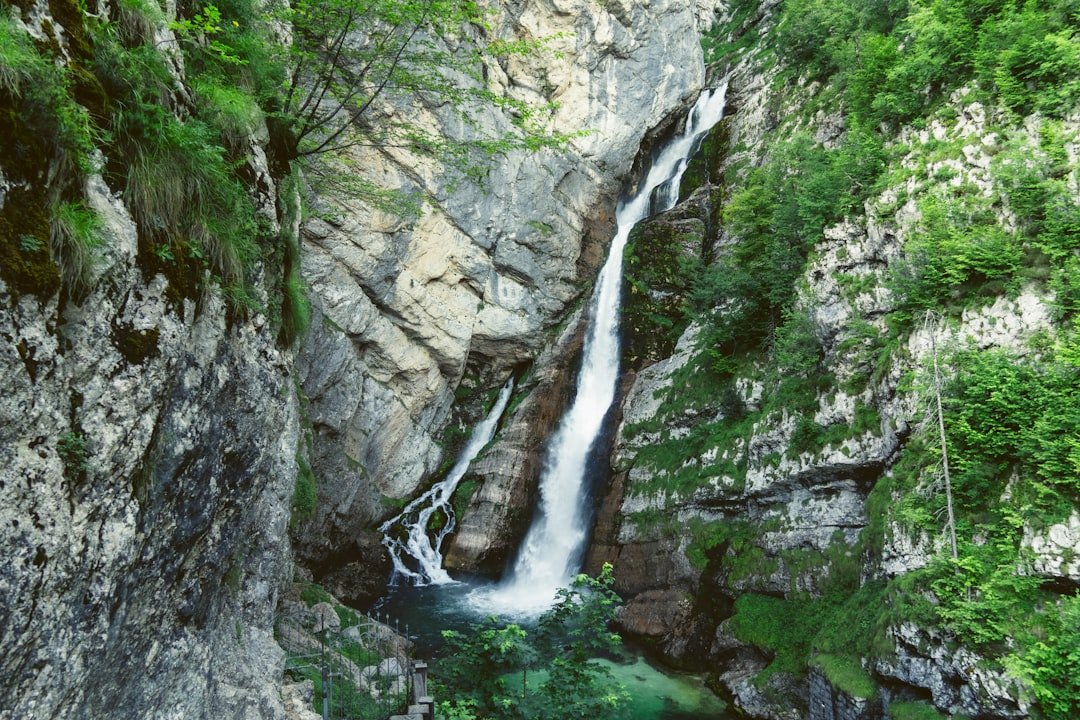
Switzerland packs medieval old towns, clear lakes, major museums, and high-Alpine scenery into a compact, rail-friendly country. For first-time travelers, the best places to visit in Switzerland include Zurich, Lucerne, Zermatt, the Lake Geneva region, Basel, Interlaken, Bern, Geneva, Lausanne, and the Jungfrau Region. Its 26 cantons and four national languages also give different parts of the country noticeably different character.
Quick Answer
Lucerne offers an easy mix of lake scenery, Old Town sights, and mountain excursions; Zermatt is the signature Matterhorn destination; and the Jungfrau Region delivers the strongest high-Alpine scenery. Add Zurich, Bern, Basel, or Geneva for culture, and Montreux or Lausanne for Lake Geneva.
Last checked: October 1, 2026. Dates and figures were verified against official sources.
Key Takeaways
- Zurich works well as an urban gateway, with a walkable Old Town, major museums, and excellent rail connections.
- Lucerne combines a historic center with Lake Lucerne and easy access to Mount Pilatus.
- Zermatt is the place to prioritize if seeing the Matterhorn is one of your main reasons for visiting Switzerland.
- Montreux, Chillon, Lausanne, and Geneva give Lake Geneva trips a mix of scenery, museums, history, and international culture.
- Interlaken is a practical adventure base, while Grindelwald, Lauterbrunnen, and Jungfraujoch put you deeper into the Bernese Alps.
Best Places to Visit in Switzerland at a Glance
The right Swiss destination depends on whether you want cities, lake scenery, mountain activities, museums, or a combination. This overview makes the main differences easier to compare before you build an itinerary.
| Place | Best For | Main Highlight |
|---|---|---|
| Zurich | City culture and easy arrival | Old Town and Kunsthaus Zürich |
| Lucerne | Lake and mountain scenery | Chapel Bridge and Mount Pilatus |
| Zermatt | Matterhorn views and mountain sports | Matterhorn and Gornergrat |
| Montreux and Lake Geneva | Lakeside scenery | Chillon Castle and promenade |
| Basel | Art and architecture | Museums and Old Town |
| Interlaken | Adventure activities | Lakes Thun and Brienz |
| Bern | Medieval city atmosphere | UNESCO-listed Old City |
| Geneva | International history and diplomacy | Old Town and Palais des Nations |
| Lausanne | Museums and Lake Geneva views | Olympic Museum and Ouchy |
| Jungfrau Region | Classic Alpine scenery | Jungfraujoch, Grindelwald, and Lauterbrunnen |
Zurich: Old Town, Art, and an Easy Swiss Gateway
Zurich is one of the best Swiss stops if you want historic streets, museums, restaurants, nightlife, and convenient transport in the same place. Switzerland’s largest city is also much more than its reputation as a banking center.
The historic Zurich Old Town spreads across both banks of the Limmat. You can explore Niederdorf, old guild houses, cobbled lanes, Lindenhof, Fraumünster, and the Romanesque Grossmünster with its recognizable twin towers.
The Old Town itself is easy to explore on foot. The Grossmünster tower climb is ticketed, while many streets, squares, riverfront viewpoints, and historic lanes cost nothing to enjoy.
For art, Kunsthaus Zürich holds works ranging from the Middle Ages to contemporary art. Zurich also has a lively events calendar, and the annual Street Parade brings large electronic-music crowds to the city.
Lucerne: Lake Scenery, Chapel Bridge, and Mount Pilatus

Lucerne is a strong choice when you want classic Swiss scenery without giving up the convenience of a compact city. Lake Lucerne, the historic center, and nearby mountains make it especially useful for travelers trying to combine sightseeing with a mountain excursion.
The Chapel Bridge, or Kapellbrücke, dates to the 14th century and remains one of Europe’s oldest surviving wooden bridges. Its covered walkway and historic paintings make it one of Lucerne’s defining landmarks.
Lake cruises connect Lucerne with communities such as Weggis and Vitznau. They also give you a different view of the surrounding mountains and shoreline.
Mount Pilatus is another major draw. The Pilatus cogwheel railway runs from Alpnachstad to Pilatus Kulm, reaches a maximum gradient of 48%, and takes about 27 minutes uphill. Its stated operating period is May to November, so winter visitors need to use other operating mountain transport where available.
Zermatt and the Matterhorn
Zermatt is the place to choose when the Matterhorn is your priority. The car-free mountain village combines old wooden buildings, restaurants, hiking, skiing, and mountain railways beneath Switzerland’s most recognizable peak.
| Height | First Ascent | Location |
|---|---|---|
| 4,478 meters | 14 July 1865 | Zermatt, Valais |
The Matterhorn rises to 4,478 meters. Its first successful ascent took place on July 14, 1865, when Edward Whymper and six other climbers reached the summit.
Winter brings skiing and snowboarding, while summer is better suited to hiking and mountain sightseeing. Mountain transport is paid, so those costs should be part of your Zermatt budget rather than treated as optional extras if viewpoints are a priority.
The Gornergrat railway is one of the most useful sightseeing trips from the village. From the viewing area, the Gornergrat panorama includes 29 peaks above 4,000 meters, as well as prominent Matterhorn and glacier views.
Lake Geneva, Montreux, and Chillon Castle
The Lake Geneva region is a good counterpoint to Switzerland’s high-Alpine destinations. Montreux offers a relaxed lakeside setting, while nearby Chillon Castle adds one of the country’s best-known historic attractions.
Lake Geneva, or Lac Léman, is shared by Switzerland and France. Montreux’s promenade has mountain and lake views, gardens, restaurants, and easy access to the annual Montreux Jazz Festival, traditionally held in July.
Chillon Castle sits directly beside the lake near Montreux. According to the official Chillon visitor information, adult admission was CHF 15 and admission for children ages 6–15 was CHF 7 when checked on October 1, 2026. In March and October, opening hours are 9:30 a.m. to 6 p.m., with last entry at 5 p.m.
The same official schedule lists April through September as 9 a.m. to 7 p.m. and November through February as 10 a.m. to 5 p.m. Chillon is closed on December 25 and January 1.
Basel: Museums, Architecture, and the Rhine

Basel is one of Switzerland’s strongest destinations for art and architecture. Its museum scene, preserved Old Town, and position on the Rhine give it a different feel from the country’s lake and mountain resorts.
Museums and Galleries
Kunstmuseum Basel is the city’s flagship art museum, with major works spanning centuries. Fondation Beyeler, in nearby Riehen, is another important stop for modern and contemporary art.
The Vitra Design Museum is often associated with a Basel trip, but it is not in Basel itself. It sits across the border in Weil am Rhein, Germany, making it a practical international side trip for travelers focused on architecture and design.
Historic Architecture
Basel’s Old Town combines narrow lanes, fountains, medieval buildings, and later architecture. The red Basel Minster and the brightly colored Town Hall at Marktplatz are among the most recognizable sights.
Entry to the main church area of Basel Minster is free during regular opening periods. The Pfalz terrace behind the cathedral is also a useful viewpoint over the Rhine and Kleinbasel.
Cultural Events and Vibrancy
Art Basel brings galleries, collectors, artists, and exhibitions to the city each year. Even outside major events, Basel’s museums and galleries make it an easy destination to build around art rather than treating culture as a rainy-day backup.
Interlaken: Switzerland’s Adventure Base
Interlaken is most useful as a base for outdoor activities and excursions into the Bernese Oberland. It sits between Lake Thun and Lake Brienz, with the Eiger, Mönch, and Jungfrau forming part of the surrounding mountain panorama.
Paragliding, canyoning, hiking, boating, and mountain excursions are among the area’s popular activities. Conditions can affect outdoor sports, so weather-sensitive adventures are better treated as flexible parts of an itinerary.
For a less intense day, you can use the lake boats, walk through Interlaken and nearby Unterseen, or head toward the Harder Kulm viewpoint. Interlaken is also a convenient rail base for trips toward Lauterbrunnen and Grindelwald.
Bern: Medieval Streets and Switzerland’s Capital
Bern is the best choice on this list if you want a historic capital that still feels compact and walkable. Its UNESCO-listed Old City curves around the Aare River and preserves a distinctive medieval street plan.
The Zytglogge clock tower is one of the city’s signature landmarks. Covered arcades, fountains, sandstone buildings, and the Bern Minster make the historic center easy to explore without building the day around ticketed attractions.
The BearPark continues Bern’s long association with the bear, the city’s heraldic animal. The park can be viewed free of charge, while museums such as Kunstmuseum Bern and the Bern Historical Museum provide indoor options.
Geneva: International History and Lake Geneva
Geneva combines a historic Old Town with one of the world’s best-known concentrations of international organizations. It is especially worthwhile for travelers interested in diplomacy, humanitarian history, and the western end of Lake Geneva.
The Old Town centers on narrow streets, small squares, and St. Peter’s Cathedral. Geneva’s history reaches back to Roman-era Genava, while later centuries made the city an important center of the Reformation and international diplomacy.
The United Nations Office at Geneva occupies the Palais des Nations. The official UN Geneva visitor information says guided tours continue during the building’s renovation, although routes can change. Visitors are advised to allow about 30 minutes for security screening.
The International Committee of the Red Cross also has its headquarters in Geneva. Together, these institutions explain why the city has such a strong international identity beyond its lakefront and historic streets.
Lausanne: Olympic History and a Hillside Old Town
Lausanne works well for travelers who want Lake Geneva views with a stronger museum and city focus than Montreux. The city rises steeply from the lakeside district of Ouchy toward its historic center, so expect hills as part of normal sightseeing.
The Olympic Museum explains the history of the Olympic Games through objects, multimedia displays, and interactive exhibits. Its surrounding park overlooks Lake Geneva and adds an outdoor break to the museum visit.
Lausanne has been home to the International Olympic Committee since 1915. Away from the lake, the Old Town has narrow streets, shops, cafés, historic buildings, and Lausanne Cathedral.
The Jungfrau Region: Grindelwald, Lauterbrunnen, and Jungfraujoch
The Jungfrau Region is one of the best places to visit in Switzerland for dramatic mountain scenery. Grindelwald and Lauterbrunnen give you access to hiking, waterfalls, mountain railways, winter sports, and views of the Eiger, Mönch, and Jungfrau.
Lauterbrunnen is known for its steep-sided valley and numerous waterfalls, while Grindelwald is a major base for hiking and mountain excursions. Both connect into the wider rail and cable-car network of the Bernese Oberland.
Jungfraujoch is the region’s headline high-altitude excursion. The official Jungfrau railway information lists the station at 3,454 meters, making it Europe’s highest railway station. It also provides views toward the Aletsch Glacier and surrounding high peaks.
When checked on October 1, 2026, Jungfraujoch tickets were advertised from CHF 129.60. A CHF 10 seat reservation was mandatory between May 1 and October 31, 2026 for the relevant Jungfrau Railway connection, so this is one excursion where planning ahead can matter.
Jungfraujoch offers snow and glacier experiences throughout the year, but that should not be confused with guaranteed summer downhill skiing. Regular ski operations in the wider region remain seasonal and depend on the operating area and conditions.
Frequently Asked Questions
What are the best places to visit in Switzerland?
The best places to visit in Switzerland include Zurich, Lucerne, Zermatt, Interlaken, Bern, Geneva, Lausanne, Basel, Montreux and Lake Geneva, and the Jungfrau Region. Your best combination depends on whether you prefer cities, lakes, museums, hiking, skiing, or high-mountain scenery.
What are the must-see attractions in Switzerland?
Major Swiss attractions include the Matterhorn, Jungfraujoch, Lucerne’s Chapel Bridge, Chillon Castle, Bern’s Old City, and Zurich’s Old Town. Rhine Falls and Swiss National Park are also important options if you have time to travel beyond the destinations covered in detail here.
What outdoor activities can be enjoyed in Switzerland?
Switzerland offers skiing, snowboarding, hiking, mountain biking, paragliding, boating, and other lake activities. The best choice depends on the season, altitude, weather, and operating status of mountain transport.
What is the best time to visit Switzerland?
Summer, especially June through August, suits hiking, lake trips, and general sightseeing, while winter is better for skiing and snow-based trips. Spring and autumn can work well for cities and lower-altitude travel, although some mountain transport and seasonal attractions may operate on reduced schedules.
What currency is used in Switzerland?
Switzerland uses the Swiss franc, abbreviated CHF. Cards are widely accepted in tourist areas, but having some francs available can still be useful for smaller purchases and places with limited payment options.
Is Switzerland a safe country to visit?
Switzerland is generally regarded as a safe destination for travelers, but normal precautions still apply. In mountain areas, weather, altitude, trail conditions, and transport closures can create more practical risk than ordinary city sightseeing.
What is the official language of Switzerland?
Switzerland has four national languages: German, French, Italian, and Romansh. At the federal level, German, French, and Italian are official languages; Romansh is also official when communicating with Romansh-speaking people, as the Federal Chancellery explains.
If you are looking for more travel inspiration after exploring the best places to visit in Switzerland, check out this article on exploring the delightful world of Asian melon. This article will take you on a culinary journey through the unique and delicious flavors of Asian melons, offering a refreshing and exotic twist to your taste buds.
Sources
- Zurich Tourism: Zurich Old Town, landmarks, and visitor context.
- Pilatus-Bahnen: cogwheel railway gradient, operating period, route, and journey time.
- Zermatt Tourism: Matterhorn elevation and first-ascent history.
- Gornergrat Bahn: Gornergrat panorama and 4,000-meter peaks.
- Chillon Castle: current admission prices, seasonal opening hours, and closures.
- United Nations Office at Geneva: Palais des Nations tours, renovation notice, and security guidance.
- Jungfrau Railways: Jungfraujoch elevation, 2026 pricing, and reservation requirements.
- Swiss Federal Chancellery: status of Romansh and Switzerland’s federal official languages.