Zermatt combines high-altitude skiing, direct Matterhorn views, a car-free village and the option to ski across the Swiss-Italian border. The destination works for beginners, families and experienced skiers, but choosing the right ski pass, mountain area and accommodation location makes a major difference. This guide covers the slopes, beginner zones, advanced terrain, lodging, dining, après-ski and practical planning details you need before a Zermatt ski trip.
Quick Answer
Zermatt is one of Switzerland’s most varied ski destinations, with up to 200 km of pistes on the Zermatt ski pass and up to 360 km when the International ski pass includes Cervinia and Valtournenche in Italy. Beginners can focus on Sunnegga-Blauherd, while experienced skiers have extensive high-altitude terrain and guided freeride options.
Key Takeaways
- The Zermatt ski pass covers up to 200 km of pistes in Switzerland, while an International ski pass can expand the ski area to up to 360 km by adding terrain in Cervinia and Valtournenche, Italy.
- Sunnegga-Blauherd and Wolli’s Beginners Park are the most useful areas for first-time and improving skiers.
- Matterhorn Glacier Paradise is a high-altitude mountain station and ski sector at 3,883 m, not the name of a single ski run.
- Advanced skiers should use the current piste map and treat all off-piste terrain as unsecured terrain requiring avalanche knowledge and appropriate precautions.
- Zermatt is car-free for normal private vehicles. Drivers stop in Täsch and continue by shuttle train or an authorized taxi service.
- For the 2026–27 winter season, official Zermatt ski-pass validity is listed from November 1, 2026 through May 2, 2027, although individual lift and piste openings remain condition-dependent.
Zermatt Ski Area at a Glance
| Village elevation | About 1,620 m |
| Highest mountain station | Matterhorn Glacier Paradise at 3,883 m |
| Zermatt ski pass | Up to 200 km of pistes in the Sunnegga-Rothorn, Gornergrat and Schwarzsee-Matterhorn Glacier Paradise sectors |
| International ski pass | Up to 360 km when Cervinia and Valtournenche in Italy are included |
| Beginner focus | Sunnegga-Blauherd and Wolli’s Beginners Park |
| 2026–27 winter ski-pass period | November 1, 2026 to May 2, 2027; individual piste and lift operation varies |
Zermatt’s altitude is one reason it has such a long snow-sports season. Winter skiing covers several distinct sectors, and glacier skiing can continue during parts of the summer. The official summer skiing information currently lists up to 21 km of runs on the Theodul Glacier, with summer skiing generally concentrated in the morning and always dependent on weather, snow and lift operations.
Note: Do not treat a resort’s advertised piste total as the number of kilometres guaranteed to be open on your ski day. Wind, snowfall, avalanche-control work, maintenance and cross-border conditions can temporarily close lifts or runs. Check the official live lift and piste report each morning.
The Best Ski Runs and Areas in Zermatt
There is no single “best” Zermatt run for every skier. The mountain is divided into areas with different strengths, so your ideal route depends on your ability, snow conditions and where you want to finish the day.
For panoramic skiing, Zermatt Bergbahnen specifically highlights several pistes with attractive Matterhorn views. These include the Rothorn-Sunnegga descent using pistes 11 and 7, Tufternkumme on piste 15, and the Hirli sector on pistes 52 and 54. You can compare these routes on the current official piste map before setting out.
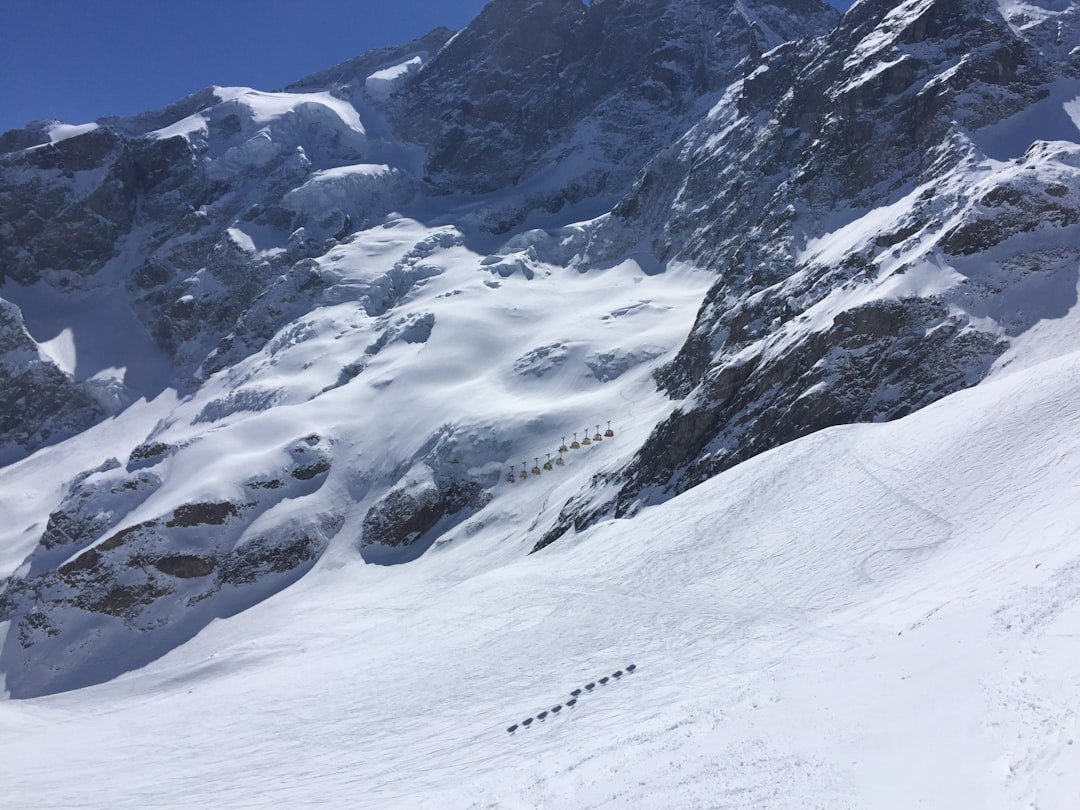
Matterhorn Glacier Paradise is another major part of the Zermatt experience, but it should be understood as a high-altitude mountain destination and gateway to glacier terrain rather than the name of one ski run. The station on Klein Matterhorn sits at 3,883 m and connects skiers with the upper part of the Matterhorn Ski Paradise.
Gornergrat offers another classic Zermatt ski experience. The railway provides access to high terrain and wide Matterhorn panoramas, while Sunnegga and Rothorn combine scenic pistes with convenient access from the village.
Choosing the Right Ski Pass
The standard Zermatt ski pass provides access to up to 200 km of pistes in the Sunnegga-Rothorn, Gornergrat and Schwarzsee-Matterhorn Glacier Paradise areas. If you want to ski across the border into Breuil-Cervinia and Valtournenche, choose an International ski pass, which can increase the total available terrain to up to 360 km.
Cross-border skiing is one of Zermatt’s biggest attractions, but never assume the link to Italy will operate every day. High-altitude connections can be affected by wind and other mountain conditions, so check the live operating status before planning a day that depends on returning across the border.
Pro Tip: If skiing into Italy is a priority, plan it for a stable-weather day rather than automatically leaving it until your final ski day. Mountain connections can close even when lower pistes remain open.
Après-Ski Activities in Zermatt
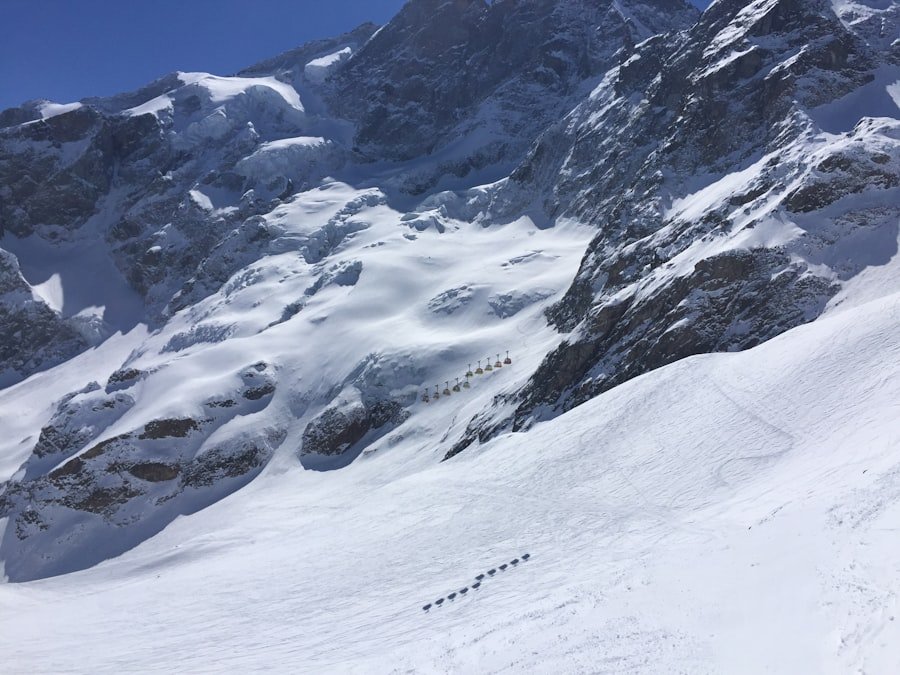
After skiing, Zermatt has everything from lively slope-side après-ski to quiet hotel lounges, spas and late-night bars. Your choice can be as energetic or as relaxed as you want.
For a classic ski-day finish, Hennu Stall sits on the lower section of the Furi-Zermatt descent and is known for music, drinks and a lively après-ski atmosphere during its winter operating season. Zermatt Tourism also maintains a current bars and clubs directory, which is more reliable than depending on old venue lists because nightlife businesses and opening schedules can change.
If you would rather recover than party, Zermatt has hotel spas, saunas, pools and massage options. A quiet wellness session can be especially welcome after several consecutive ski days.
For later nightlife, the village center has cocktail bars, wine bars and clubs within a compact area. Check seasonal opening hours before building an evening around one specific venue.
Where to Stay in Zermatt
| Area | Accommodation Options | Access | Best For |
| Zermatt Village | Hotels, chalets, apartments and hostels | Best access to restaurants, shops and the train station; lift access varies by exact location | First visits, nightlife and convenience |
| Winkelmatten | Chalets, apartments and hotels | Quieter location with useful access toward the Matterhorn-Express valley-station side of the village | A quieter stay and Matterhorn-side access |
| Findeln | Limited mountain chalets and ski-in/ski-out accommodation | High above the village near the Sunnegga side; access is very different from staying in central Zermatt | Mountain atmosphere, skiing and scenic dining |
Zermatt has accommodation ranging from luxury hotels to apartments, traditional chalets and a youth hostel. Instead of choosing only by room price, look at which valley station you expect to use most often. A hotel that is perfect for Sunnegga access may not be equally convenient for the Matterhorn-Express side of the village.
For a verified luxury option, THE OMNIA is in Zermatt and offers spa and fitness facilities, indoor and outdoor swimming and a Matterhorn-view outdoor Jacuzzi. Another useful option for skiers is CERVO Mountain Resort, whose location provides ski-in/ski-out access in winter.
Budget-conscious visitors can consider Zermatt Youth Hostel, which is located in the village and offers Matterhorn views from the property.
Choose accommodation by lift access as well as price. Zermatt is compact, but your morning walk feels much longer when you are carrying ski boots and equipment.
Dining and Cuisine in Zermatt
Zermatt has a broad dining scene ranging from traditional Valais and Swiss mountain food to modern fine dining and international restaurants. Rösti, raclette and cheese fondue are natural choices if you want classic Swiss comfort food after skiing.
Mountain dining is also part of the Zermatt ski experience. Findeln, above the village on the Sunnegga side, is particularly well known for mountain restaurants and Matterhorn views. The official destination directory lists more than 50 mountain restaurants and huts across the Zermatt area, although individual businesses operate seasonally.
For fine dining in the village, The Omnia restaurant is a verified current option. Reservations are wise during busy ski weeks, particularly for popular dinner times and well-known mountain restaurants.
Fondue remains one of the easiest meals to share with friends or family after a cold day outside. Just remember that Zermatt’s restaurant opening days and seasonal schedules can change, so check the current listing rather than relying on an older travel guide.
Skiing for Beginners in Zermatt
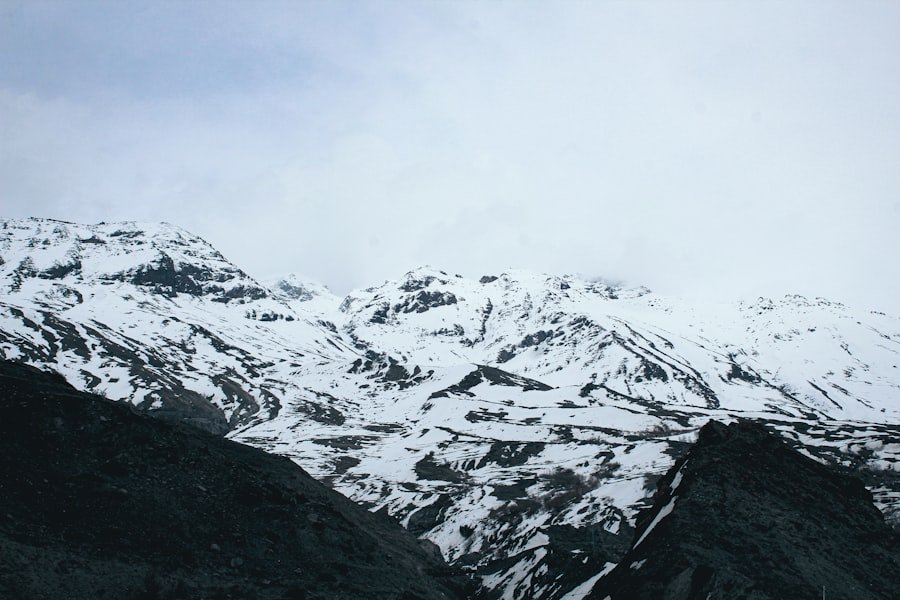
Zermatt can work well for beginners if you start in the right area instead of immediately buying the largest possible pass and exploring the entire mountain.
The official Beginner ski pass focuses on the Sunnegga-Blauherd beginner area and its blue slopes. It includes the Sunnegga funicular, Sunnegga-Blauherd connection, Eisfluh and Findeln chairlifts, Leisee Shuttle and Wolli’s Beginners Park, subject to the operating timetable.
Zermatt also has multiple ski and snowboard schools offering group and private instruction for different ages and ability levels. A lesson on your first day can help you learn stopping, turning, lift use, piste etiquette and basic mountain awareness before you explore farther from the beginner area.
Beginners should not judge a run only by its color. Snow texture, visibility, crowds and fatigue can make the same piste feel very different from one day to the next. If a descent feels beyond your ability, use a lift or railway back down where permitted rather than forcing yourself onto terrain you are not ready to ski.
Pro Tip: New skiers can save both money and stress by using the dedicated beginner pass while learning around Sunnegga-Blauherd, then upgrading to a wider ski pass once they are comfortable on blue pistes.
Skiing for Advanced Skiers in Zermatt
Experienced skiers have a large amount of terrain to explore across Zermatt and, with the appropriate International ski pass and an operating cross-border connection, into Cervinia and Valtournenche. Marked red and black pistes, long descents and high-altitude sectors can easily fill several days.
Do not rely on older references to Triftji as though it were a current lift-served signature run from Klein Matterhorn. The historic Triftji lift and mogul area were in the Gornergrat/Stockhorn side of the domain, and the old Triftji T-bar has not operated for years. Use the current official piste map and live lift report to select difficult marked terrain that is actually open.
Freeride and ski-touring opportunities exist around Zermatt, but leaving marked and secured pistes changes the risk level significantly. Conditions can include avalanche terrain, hidden obstacles, glacier hazards and rapidly changing visibility.
Warning: Off-piste terrain is not the same as a difficult marked piste. Check the current avalanche bulletin, carry appropriate avalanche-rescue equipment and know how to use it. If you lack local terrain knowledge or avalanche training, use a qualified mountain or ski guide. The Swiss Institute for Snow and Avalanche Research notes that most avalanche accidents occur away from secured pistes.
Before heading off-piste, review the Zermatt Bergbahnen freeride safety guidance and the Swiss SLF avalanche information.
Après-Ski, Wellness and Non-Ski Activities
Skiing may be the main reason for a winter visit, but Zermatt has plenty to do when you want time away from the pistes. Winter hiking, snowshoeing, sledging, wellness facilities, shopping and sightseeing can all be mixed into a ski itinerary.
Non-skiers can also ride selected mountain railways and lifts with the appropriate pedestrian ticket, making destinations such as Gornergrat and Matterhorn Glacier Paradise possible shared experiences for groups in which not everyone skis.
A recovery afternoon is particularly useful on longer trips. Instead of skiing from first lift to last lift every day, use a lighter day for a spa, an easy winter walk or a long lunch. It can leave you fresher for the mountain the following morning.
How to Get to Zermatt
Zermatt is car-free for normal private vehicles, but that does not mean train travel is literally the only way to enter the village. If you drive, your normal road journey ends in Täsch. From there, visitors can continue to Zermatt by shuttle train or an authorized taxi or limousine service.
The official Zermatt arrival guide says trains from Täsch run frequently and the shuttle journey itself takes about 12 minutes. Drivers can use the large Matterhorn Terminal parking facility and other parking providers in Täsch.
If you arrive in Switzerland by air, rail connections through the Swiss network are usually the simplest way to complete the journey. Check your exact airport-to-Zermatt route and timetable before travel because connection patterns vary.
Tips for a Successful Ski Trip to Zermatt
Start each ski day by checking the official lift and piste status, weather forecast and snow report. This matters especially when you plan to ski at high altitude or cross into Italy.
For the 2026–27 winter period, Zermatt currently lists winter ski passes from November 1, 2026 through May 2, 2027. Those dates describe the pass period, not a promise that every lift and piste will operate continuously from the first date to the last. Snow, wind, maintenance and operational decisions affect individual facilities.
Booking accommodation early is sensible for high-demand periods such as Christmas/New Year and popular school-holiday weeks. Compare the location against the lift you expect to use most, not just the straight-line distance to the village center.
Renting ski equipment in Zermatt can be convenient if you do not want to travel with skis and boots. Whether you rent or bring your own equipment, make sure boots fit properly and your skis or snowboard suit your ability and intended terrain.
Dress in adjustable layers. Conditions around the village at 1,620 m can feel very different from conditions close to 3,883 m, where wind and exposure can change the experience quickly.
Note: If skiing into Italy, confirm both the International ski-pass validity and the operating status of the cross-border lifts before leaving the Swiss side. Do not base your return plan solely on the published closing time of a single lift.
Zermatt stands out because it combines extensive skiing, high-altitude terrain, Matterhorn scenery, mountain restaurants and a village with plenty to do after the lifts close. Beginners can build confidence around Sunnegga, experienced skiers can explore a much larger network, and mixed-ability groups can combine skiing with sightseeing, dining and wellness.
If you enjoy bringing a simple food idea home after your travels, the site’s existing guide to homemade cottage cheese offers an unrelated but easy kitchen project after your trip.
Frequently Asked Questions
What is Zermatt?
Zermatt is a car-free mountain village and ski destination in the Swiss canton of Valais, close to the Italian border and at the foot of the Matterhorn. The village sits at about 1,620 m above sea level.
How much ski terrain does Zermatt have?
The Zermatt ski pass offers up to 200 km of pistes on the Swiss side. An International ski pass can add up to 160 km in Cervinia and Valtournenche, Italy, for up to 360 km in total when the connected terrain is available.
What is the best time to visit Zermatt for skiing?
For a conventional winter ski holiday, the main winter months provide the widest range of resort services and terrain. For 2026–27, official winter ski-pass validity is listed from November 1, 2026 through May 2, 2027. Always check current lift and snow reports because individual pistes do not necessarily operate throughout that entire period.
Is Zermatt good for beginner skiers?
Yes. The Sunnegga-Blauherd area has blue pistes and Wolli’s Beginners Park, and a dedicated beginner ski pass covers the main lifts used in that learning area. Multiple ski schools also offer group and private lessons.
What are some scenic ski runs in Zermatt?
Zermatt Bergbahnen highlights Rothorn-Sunnegga pistes 11 and 7, Tufternkumme piste 15 and Hirli pistes 52 and 54 for attractive Matterhorn views. Check the current piste map before skiing because opening status can change.
Can you ski from Zermatt into Italy?
Yes, when the international connection is operating and you hold the appropriate International ski pass. The linked Italian terrain includes Breuil-Cervinia and Valtournenche. Check the live lift status before committing to a cross-border ski day.
Is summer skiing available in Zermatt?
Yes. Zermatt’s official summer-ski information lists up to 21 km of glacier runs on the Theodul Glacier. Summer skiing is normally concentrated in the morning and remains dependent on snow, weather and lift operations.
What activities are available besides skiing?
Depending on conditions and the season, visitors can enjoy winter hiking, snowshoeing, sledging, wellness facilities, sightseeing, shopping, mountain restaurants and Zermatt’s après-ski and nightlife scene.
How do I get to Zermatt?
Most visitors arrive by train. If you drive, normal private-car access ends at Täsch, where you can park and continue to Zermatt by shuttle train or an authorized taxi or limousine service. Zermatt itself is car-free for normal private vehicles.
Sources
- Zermatt Tourism — Winter Ski Passes — backs up the Swiss/International piste totals and current winter ski-pass dates.
- Zermatt Bergbahnen — Skiing in Zermatt & Cervinia — backs up ski-area information, scenic piste recommendations and freeride context.
- Zermatt Bergbahnen — Beginner Ski Pass — backs up Sunnegga-Blauherd beginner terrain and included lifts.
- Zermatt Tourism — Summer Skiing — backs up summer glacier skiing and the current 21 km figure.
- Zermatt Tourism — Arrival — backs up Zermatt’s car-free access rules and Täsch transfer options.
- WSL Institute for Snow and Avalanche Research SLF — authoritative avalanche information for off-piste and backcountry planning.