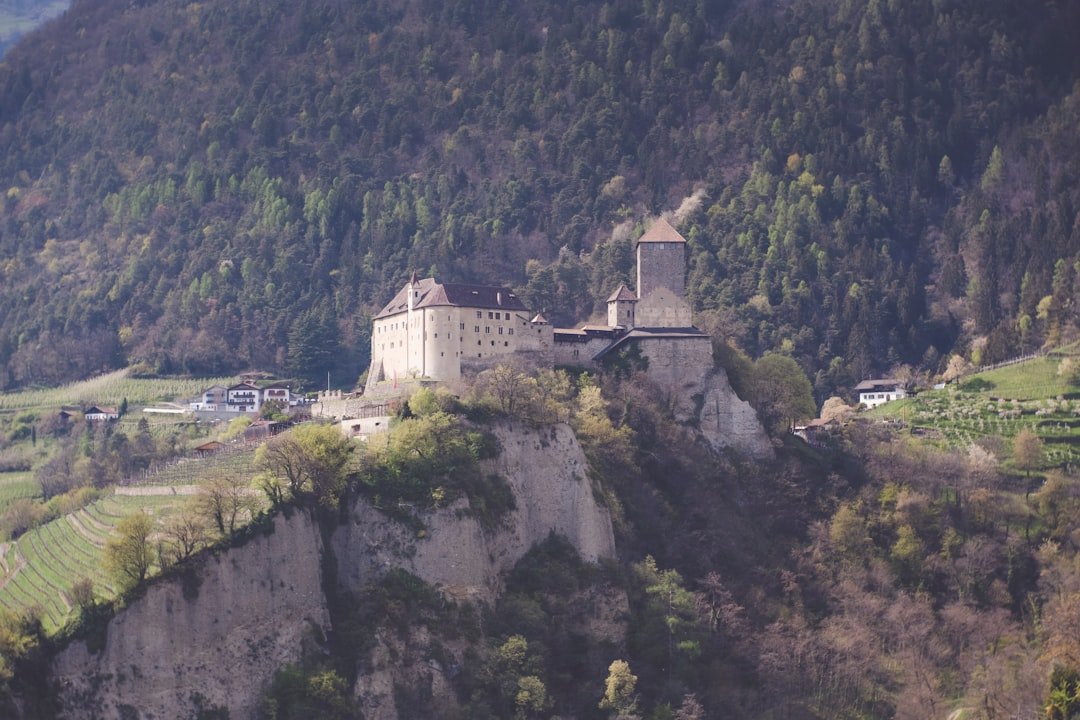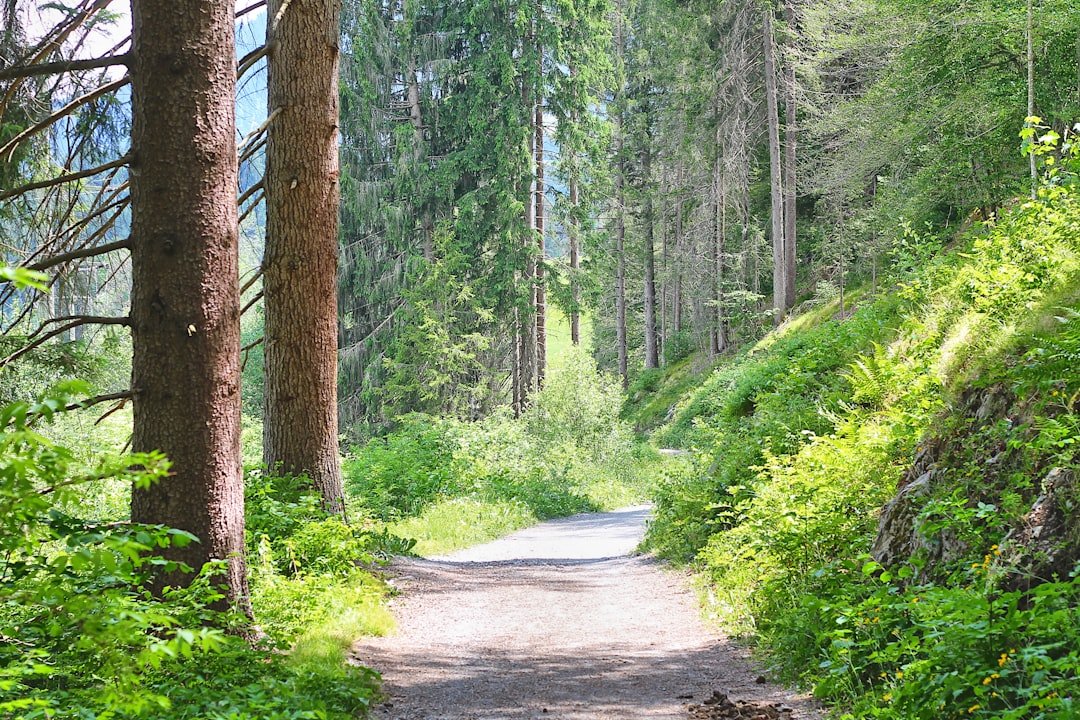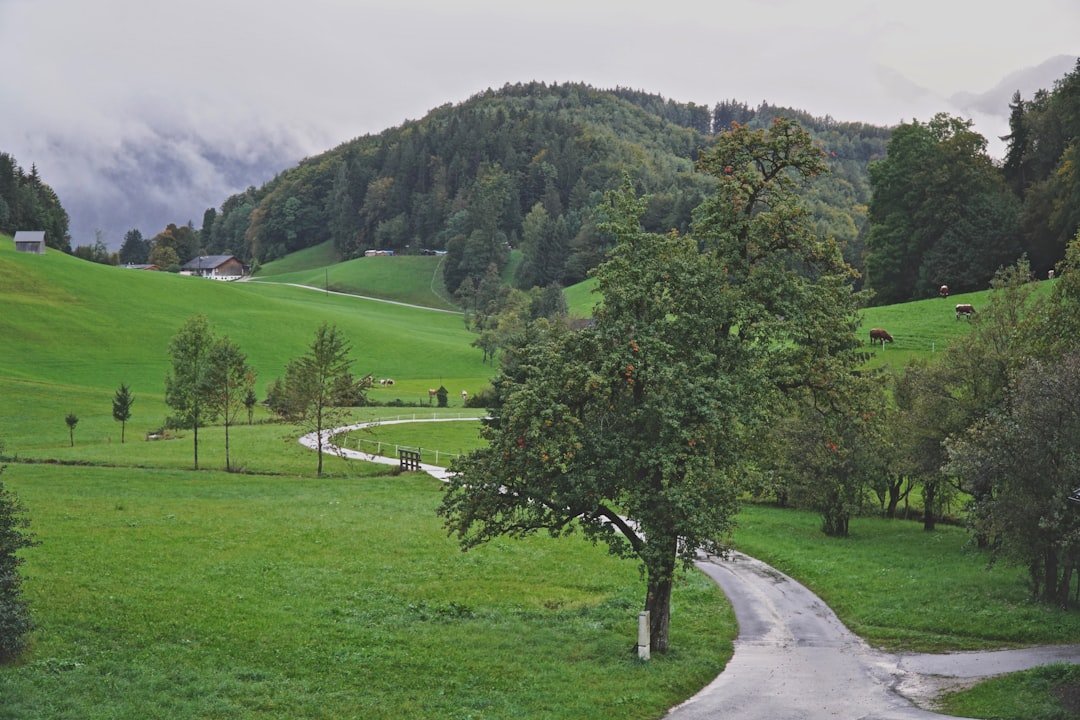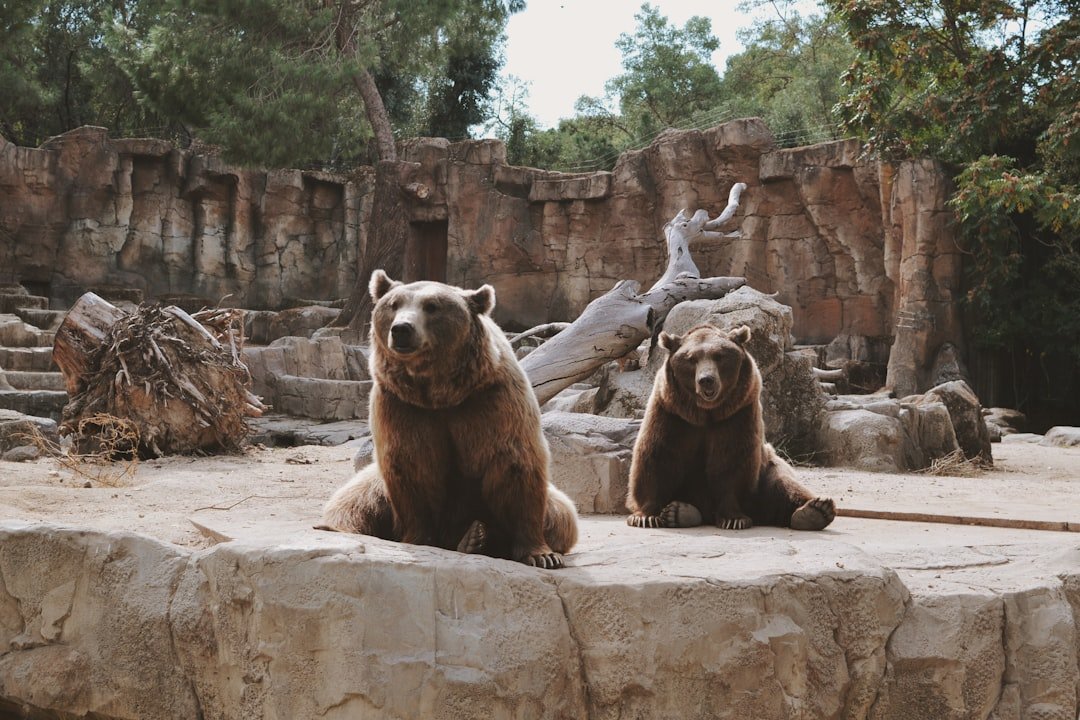
Arosa Bear Sanctuary in the Swiss Alps gives rescued bears that previously lived in unsuitable captive conditions a more natural, species-appropriate home. Located near the middle station of the Arosa-Weisshorn cable car at about 2,000 metres above sea level, the sanctuary also gives visitors a chance to learn about bear welfare, rescue work, and the individual stories of its residents.
Quick Answer
Arosa Bear Sanctuary is a 2.8-hectare animal-welfare project above Arosa, Switzerland. It currently houses four rescued brown bears: Amelia, Meimo, Sam, and Jamila. Visitors can watch the bears from viewing areas, learn their rescue stories, and enjoy family attractions, but opening times and bear visibility vary by season.
Key Takeaways
- Arosa Bear Sanctuary officially opened in August 2018 after years of planning between Arosa organizations and animal-welfare partner FOUR PAWS.
- The four current residents are rescued brown bears Amelia, Meimo, Sam, and Jamila.
- The bears have access to about 28,000 square metres, or 2.8 hectares, of enclosure space with natural features and retreat areas.
- Opening hours are highly seasonal, so visitors should check the current official schedule before traveling to Arosa.
- The visitor platform, adventure trail, educational exhibits, playground, minigolf, and guided tours make the sanctuary especially suitable for families and visitors interested in animal welfare.
History of the Arosa Bear Sanctuary
The documented history of the Arosa Bear Sanctuary is different from many older summaries found online. According to the official sanctuary history, the idea began in Arosa in 2010. FOUR PAWS expressed interest in cooperating on the project in 2012, and several years of site evaluation, approvals, planning, and construction followed.
Residents of Arosa approved the project in 2016, the Arosa Bears Foundation was established, and construction began in 2017. The first bear, Napa, arrived from Serbia on July 4, 2018. After an acclimatization period, he entered the outdoor enclosure.
The public opening was celebrated from August 3 to 5, 2018. Napa therefore became both the sanctuary’s first resident and an important symbol of the project’s goal: giving rescued captive bears a permanent environment where they can regain natural behaviors.
In February 2019, Amelia and Meimo arrived from Albania. Jambolina, a former circus bear from Ukraine, arrived in December 2020. Sam and Jamila later arrived from Skopje Zoo in North Macedonia in May 2022.
Two former residents have died. Napa was euthanized on November 4, 2020 after epilepsy seriously affected his health and quality of life. Jambolina died in August 2021 shortly before a planned medical operation. Their histories remain part of the sanctuary’s story.
The Bears of Arosa: Meet the Residents
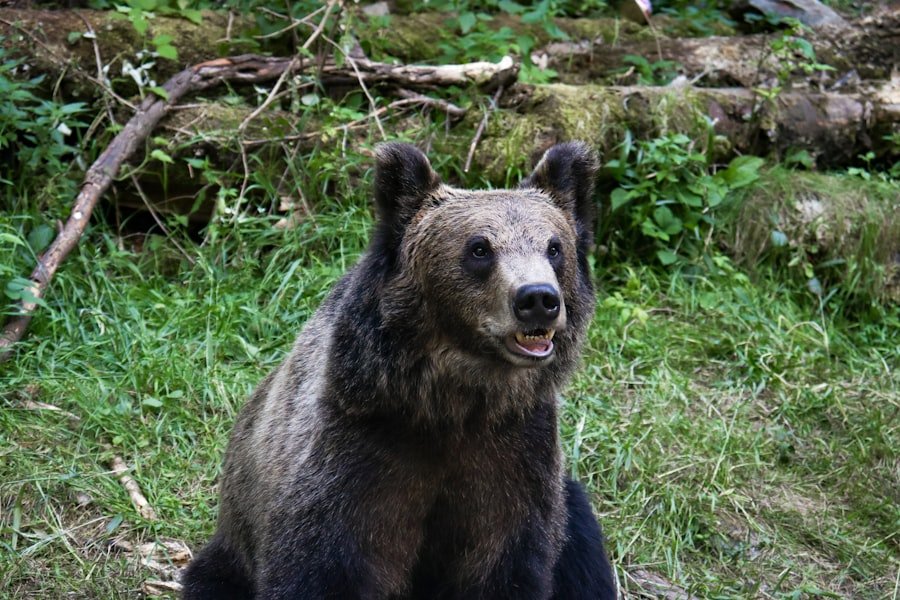
As of 2026, Arosa Bear Sanctuary is home to four rescued brown bears: Amelia, Meimo, Sam, and Jamila. Their backgrounds show why the sanctuary focuses on long-term care for bears that cannot simply be released into the wild.
Amelia and Meimo
Amelia and Meimo were born in Albania in 2006. Before coming to Switzerland, they lived together in a small private zoo connected to a restaurant. The official sanctuary describes an enclosure of only about 60 square metres at their former location.
Amelia is a female brown bear described as alert and curious, while Meimo is a male brown bear described as calmer and more cautious. Their weights change with the seasons, as is normal for bears preparing for and emerging from winter rest.
The pair arrived in Arosa in February 2019 and later shared the enclosure with Napa. Because Amelia and Meimo grew up together, they are unusually accustomed to each other’s company even though brown bears are generally solitary animals.
Sam and Jamila
Sam and Jamila were born in 2004 and were taken to Skopje Zoo as orphaned cubs. They spent approximately 18 years living separately in concrete pits before their transfer to Switzerland.
Sam is a male brown bear and Jamila is his sister. They arrived at Arosa Bear Sanctuary on May 20, 2022. Staff initially gave both animals time to become comfortable with their indoor and outdoor surroundings before carefully introducing them to the other residents.
The sanctuary documented stereotypic behaviors after their arrival, including repetitive movement associated with their previous living conditions. Over time, both bears became increasingly comfortable exploring their new surroundings.
Note: Napa is an important former resident but is not one of the current bears. The current resident list is Amelia, Meimo, Sam, and Jamila.
Conservation and Animal Welfare Work at Arosa Bear Sanctuary
Arosa Bear Sanctuary is primarily an animal-welfare and education project rather than a conventional zoo. It operates through the Arosa Bears Foundation and works in cooperation with Arosa Tourism and FOUR PAWS.
The aim is to give bears rescued from inappropriate captive conditions enough space, environmental complexity, veterinary care, and opportunities to express natural behaviors. Those behaviors can include exploring, foraging, bathing, resting, digging, and entering winter rest.
| Current resident bears | 4: Amelia, Meimo, Sam, and Jamila |
| Current resident species | Brown bears |
| Total enclosure area | About 28,000 m² / 2.8 hectares |
| Maximum capacity | Up to 5 bears |
| Main focus | Rescue, long-term animal welfare, education, and awareness of responsible treatment of captive wild animals |
The enclosure can be divided into separate areas when required, giving staff flexibility when introducing bears, providing veterinary care, or allowing an individual animal more space from others. The sanctuary also provides shelters and indoor facilities.
Education is another central part of the project. Information around the visitor areas explains bear biology, behavior, rescue histories, and animal welfare. This makes a visit more than a chance to photograph bears; it also helps visitors understand why genuine sanctuaries avoid forcing animals to perform or interact unnaturally with people.
The official sanctuary lists 28,000 square metres, or 2.8 hectares, of total space for its bears, with separate areas available when individual animals need additional distance or management.
Visiting Arosa Bear Sanctuary: What to Expect
The experience centers on observing the animals while allowing them to choose where they spend their time. Visitors look into the outdoor habitat from designated viewing areas rather than entering the bears’ space.
The main visitor platform offers views across the outdoor enclosure and includes educational material for adults and children. Animal keepers may also be available to answer questions about the bears and their behavior.
The sanctuary also offers guided tours. For the 2026 summer season, public tours are scheduled on Tuesdays at 10:55 a.m. and Thursdays at 1:55 p.m. from June 30, with a one-hour program led by sanctuary staff. Registration is required, numbers are limited, and the public tour is conducted in German.
The listed 2026 public-tour price is CHF 20 for adults and CHF 10 for children ages 6–15. Sanctuary admission and the cable-car journey are not included in that tour price. Private tours, including a more extensive behind-the-scenes option, are separate products and must be booked independently.
Warning: Do not plan a visit on the assumption that every bear will be visible. The animals can move around the enclosure and use retreat areas, and during the colder months they may enter winter rest or hibernation.
Activities and Attractions at Arosa Bear Sanctuary
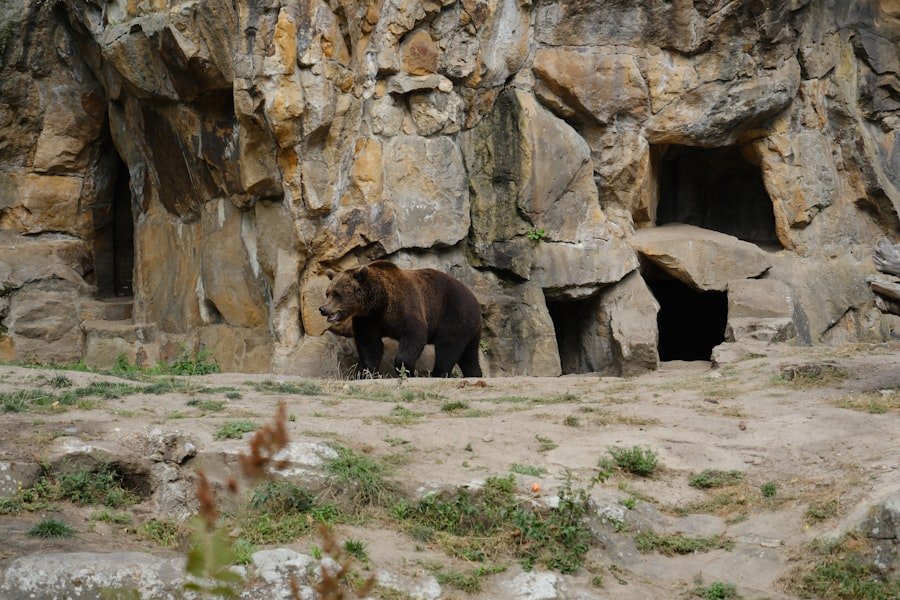
The bears are the main attraction, but several additional activities help families and other visitors spend more time learning about the sanctuary and its alpine setting.
Visitor Platform
The wheelchair-accessible visitor platform overlooks the outdoor enclosure and contains educational elements about brown bears and animal welfare. It is one of the easiest places to spend time watching for bears without walking a longer trail.
Floating Adventure Trail
The floating adventure trail is approximately 80 metres long and uses eight viewing platforms connected by suspension bridges. At its highest point it is about six metres above the ground, giving visitors another perspective over the enclosure.
The adventure trail is included with sanctuary admission but is closed in winter. Children under 14 must be accompanied by an adult.
Bear Sanctuary Theme Trail
A separate themed trail leads away from the sanctuary toward the Tschuggen area. Families can use an activity booklet and learn about different bear species along the route.
Bear Minigolf and Bärenschule Playground
The sanctuary’s family area also includes bear-themed minigolf and the Bärenschule adventure playground. These attractions can make the visit easier to combine with a family day on the mountain, especially when younger children need a break from quietly watching the enclosure.
Note: Dogs on a lead are welcome around the visitor platform, but dogs are not permitted on the floating adventure trail. Assistance dogs are exempt from that adventure-trail restriction.
Practical Information for Visitors
Opening dates, cable-car operations, and ticket combinations change by season. The following information reflects the official 2026 schedule available at the time of this update.
2026 Opening Hours
- June 13 to October 18, 2026: daily, 9:00 a.m. to 5:20 p.m.
- October 19 to October 25, 2026: 10:00 a.m. to 4:00 p.m.
- October 31 to November 22, 2026: Saturdays and Sundays, 10:00 a.m. to 4:00 p.m.
- December 3, 2026 to March 25, 2027: Thursdays, 1:00 p.m. to 4:00 p.m.
Because alpine operations can change, verify the official opening-times page shortly before your trip.
2026 Ticket Prices
During the 2026 summer pricing period, standard sanctuary admission without a cable-car ride is CHF 12 for adults and CHF 6 for children ages 6–15. With an Arosa Card, sanctuary admission is CHF 5 for adults and CHF 3 for children, and the applicable Arosa cable cars are free with the card.
Combined summer tickets are also available:
- Sanctuary + return cable car to the middle station: CHF 23 adult / CHF 12 child.
- Sanctuary + return cable car to the Weisshorn: CHF 33 adult / CHF 17 child.
- Entry only without Arosa Card: CHF 12 adult / CHF 6 child.
- Entry only with Arosa Card: CHF 5 adult / CHF 3 child.
For winter and spring day admission, the listed price is CHF 5 for adults and CHF 3 for children ages 6–15. Combined cable-car tickets are not offered in the same way during that period, and the Arosa Card is not valid for this winter/spring sanctuary admission arrangement.
Pro Tip: Before buying a ticket, compare entry-only pricing with the cable-car combination that fits your plans. Visitors who already have a valid Arosa Card may not need the same combined ticket as someone visiting Arosa for the day.
How to Get to Arosa Bear Sanctuary
The simplest route for many visitors is the Arosa-Weisshorn cable car. The first section travels from Arosa to the middle station and brings passengers directly to the sanctuary’s visitor platform.
If arriving by public transport, the Rhaetian Railway connects Chur with Arosa. Arosa railway station is next to the valley station of the Arosa-Weisshorn cable car, making the train-to-cable-car transfer straightforward.
Drivers can reach Arosa from Chur by mountain road and park in Arosa before continuing to the sanctuary by cable car, on foot, or by bike. The sanctuary lists several walking approaches, including routes from Prätschli and central Arosa.
Accessibility
The sanctuary is wheelchair accessible, and the main visitor platform is designed for wheelchair users. The floating adventure trail also has wheelchair access, although movement is more limited and passing is possible mainly on the platforms.
Guests with a disability who require a companion pay the regular admission rate, while the required companion can receive free admission under the sanctuary’s current ticket policy.
Best Time to See the Bears
There is no guaranteed viewing time because the animals decide when to remain visible and when to use secluded areas. Summer provides the broadest visitor schedule. In winter, the bears may be in winter rest or hibernation, and the sanctuary operates on a much more limited timetable.
If seeing active bears is the main purpose of your trip, check the current opening status and sanctuary updates before traveling rather than relying on a fixed daily routine.
Supporting Arosa Bear Sanctuary: How You Can Help
Visitors who want to support the sanctuary can contribute through the official donation program, sponsor tickets, gift vouchers, and purchases associated with the sanctuary. Funds help support the long-term care and management of rescued bears and the visitor education project.
A sponsor ticket currently provides one year of sanctuary admission, excluding travel or cable-car transport. The listed price is CHF 100 for an adult and CHF 50 for a child.
Another useful form of support is responsible wildlife tourism. Genuine sanctuaries prioritize the animals’ welfare rather than performances, forced contact, or entertainment that requires wildlife to behave unnaturally.
If you are also browsing TaglineToday’s food coverage, the existing site guide Exploring the Delightful World of Asian Melon covers Asian melon varieties, uses, and food-related information.
Frequently Asked Questions
What is the Arosa Bear Sanctuary?
Arosa Bear Sanctuary is an animal-welfare project in Arosa, Switzerland, that provides a long-term, species-appropriate home for rescued bears that previously lived in unsuitable captive conditions. The project works with FOUR PAWS and combines bear welfare with visitor education.
How many bears are at the Arosa Bear Sanctuary?
As of 2026, four rescued brown bears live at the sanctuary: Amelia, Meimo, Sam, and Jamila. Napa and Jambolina are former residents who have died.
What can visitors expect to see at the Arosa Bear Sanctuary?
Visitors can watch for bears from the main viewing platform and, when open, the floating adventure trail. Educational exhibits explain the bears’ backgrounds, natural behavior, and animal-welfare issues. Bear sightings cannot be guaranteed because the animals can use retreat areas.
Are there educational programs at the Arosa Bear Sanctuary?
Yes. The visitor platform and other attractions contain educational information, and the sanctuary offers guided tours. Public guided tours during the 2026 summer season are offered on selected Tuesdays and Thursdays and require registration.
What are the opening hours and admission fees for the Arosa Bear Sanctuary?
For the main 2026 summer season from June 13 to October 18, the sanctuary is open daily from 9:00 a.m. to 5:20 p.m. Summer entry without a cable-car ride is CHF 12 for adults and CHF 6 for children ages 6–15, with lower sanctuary admission for Arosa Card holders. Hours and prices change by season, so check the official website before visiting.
How do I get to the Arosa Bear Sanctuary?
The first section of the Arosa-Weisshorn cable car takes visitors from Arosa to the middle station beside the sanctuary’s visitor platform. Arosa railway station is next to the cable-car valley station. Walking routes from Arosa and Prätschli are also available.
Is Arosa Bear Sanctuary wheelchair accessible?
Yes. The main visitor platform is wheelchair accessible. The adventure trail also provides wheelchair access, although space for passing is limited mainly to its platforms.
Can I bring a dog to Arosa Bear Sanctuary?
Dogs on a lead are welcome around the visitor platform. Dogs are not allowed on the floating adventure trail, although assistance dogs are exempt from that restriction.
Can visitors support the Arosa Bear Sanctuary?
Yes. Visitors can support the sanctuary through donations, sponsor tickets, vouchers, and other official sanctuary purchases. These contributions help support the ongoing care of rescued bears and the sanctuary’s educational work.
Sources
- Arosa Bear Sanctuary: History — official project timeline, opening, and former residents.
- Arosa Bear Sanctuary: Our Bears — current and former bear profiles.
- FOUR PAWS: Arosa Bear Sanctuary — animal-welfare mission and sanctuary partnership.
- Arosa Bear Sanctuary: Opening Times — current seasonal operating schedule.
- Arosa Bear Sanctuary: Tickets and Prices — current admission and cable-car combinations.
- Arosa Bear Sanctuary: Getting Here — cable-car, train, walking, and road access.