A Karakoy walking tour is one of the easiest ways to combine Istanbul’s historic waterfront, Galata’s steep lanes, Ottoman-era commercial architecture, contemporary art, and local food in one outing. Karaköy itself sits below Galata on the European side, so the most useful route treats the two adjoining areas as one walk rather than pretending every famous stop is inside Karaköy proper. You can keep the walk short or turn it into a half-day visit by entering the museums and stopping for lunch.
Quick Answer
A practical Karakoy walking tour starts early at Galata Tower, then descends through the Kamondo Stairs and Bankalar Caddesi to lower Karaköy before continuing along Tophane to Istanbul Modern and the waterfront. Add Neve Shalom or SALT Galata when their hours fit. Plan 1–3 hours for streets alone, plus museum and meal time.
Last checked: October 1, 2026. Dates and figures were verified against official sources.
Key Takeaways
- Galata Tower is in neighboring Galata, uphill from Karaköy, so expect a noticeable climb if you start at the waterfront.
- Bankalar Caddesi, SALT Galata, the Kamondo Stairs, Tophane-i Amire, and Istanbul Modern make the route much more than a tower-and-food walk.
- Several major indoor stops close or reduce access on particular days, so museum hours can determine the best route order.
- Much of the street sightseeing is free, while Galata Tower, the Jewish Museum and Istanbul Modern charge admission.
- The waterfront is comparatively easy to walk, but the streets climbing toward Galata Tower are steep and can be tiring on hot or wet days.
Historical Background of Karaköy
Karaköy developed at the waterfront below historic Galata, a trading district whose position on the northern shore of the Golden Horn connected maritime commerce with the neighborhoods above it. Galata had a strong Genoese presence during the Byzantine period, while trade and finance continued to shape the area after the Ottoman conquest.
The origin of the name “Galata” is not certain. The Visit Istanbul overview of Galata describes several competing stories, including the familiar theory that it came from the Greek word for milk because dairies once operated in the district. That makes the milk explanation a historical tradition rather than an established etymology.
Commercial importance remained central to Karaköy’s identity. The series of bridges linking Galata with the historic peninsula increased movement across the Golden Horn, while Bankalar Caddesi, also known as Voyvoda Street, became associated with banks and financial institutions in the late Ottoman period.
One of the clearest surviving examples is SALT Galata. Its building was designed by Alexandre Vallauri for the Imperial Ottoman Bank and served as the bank’s headquarters from 1892 to 1999. Today, the former banking district mixes historic architecture with galleries, design businesses, cafés, restaurants, and cultural spaces.
Highlights of the Karakoy Walking Tour
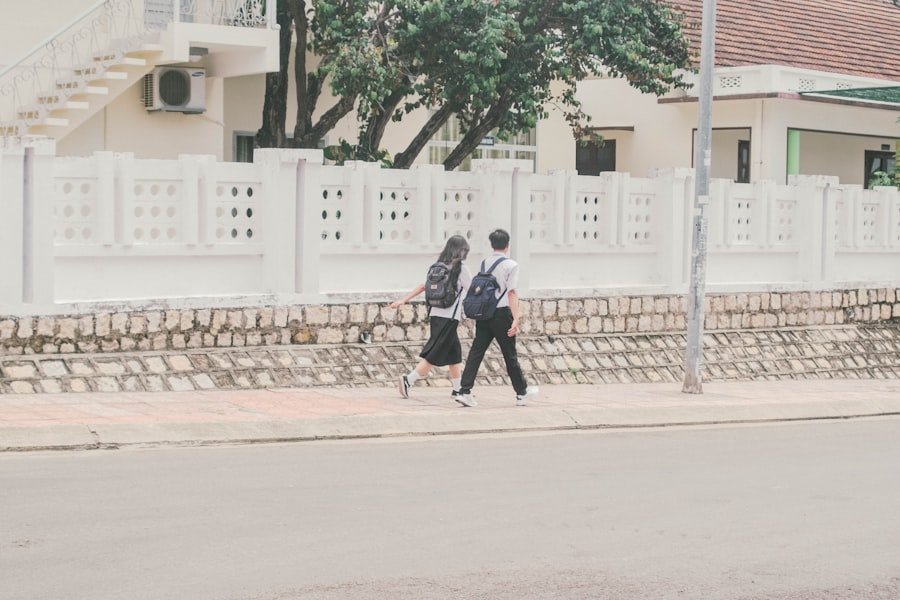
The most efficient walk connects Galata’s elevated historic sights with Karaköy’s lower streets and the Tophane waterfront. Starting high and walking downhill reduces some of the climbing, although you can reverse the route if you arrive at Karaköy by tram or ferry.
- Start at Galata Tower. Visit early if the observation level is a priority, then explore the surrounding Galata streets before descending.
- Walk toward the Kamondo Stairs. These distinctive stone stairs link the upper Galata streets with the old banking district and make a natural transition toward Bankalar Caddesi.
- Explore Bankalar Caddesi and SALT Galata. The street’s surviving commercial buildings help explain why this quarter became one of Istanbul’s major financial districts.
- Add Neve Shalom if it is open. The synagogue and adjacent Jewish Museum provide a different view of Galata’s multicultural history, but entry involves set visiting hours, identification, and a security check.
- Continue into lower Karaköy. This is the best part of the route for cafés, bakeries, seafood, side streets, and a slower look at everyday neighborhood life.
- Walk east toward Tophane. Tophane-i Amire and the surrounding historic buildings add another layer of Ottoman history.
- Finish at Istanbul Modern and the waterfront. The museum makes a strong final indoor stop, while the surrounding waterfront provides an easy place to slow down after the steeper Galata streets.
Galata Tower
Galata Tower is the route’s most recognizable landmark, but it stands in Bereketzade in Galata rather than in Karaköy itself. The official Galata Tower museum page says the Genoese built it in the mid-14th century as part of Galata’s defensive walls.
As of October 1, 2026, daytime museum hours are 8:30 a.m.–6:30 p.m., with the daytime ticket office closing at 6:14 p.m. The official page also lists night-museum hours of 6:30–11:00 p.m., with the ticket office closing at 10:00 p.m. The tower is listed as open daily.
The Culture and Tourism Ministry’s official e-ticket listing currently prices a Galata Tower Museum e-ticket for foreign visitors at €30. Turkish citizens use the Ministry’s MüzeKart system under different rules.
Bankalar Caddesi, SALT Galata, and the Kamondo Stairs
Bankalar Caddesi is one of the best streets for understanding Karaköy’s commercial history. Its monumental façades feel very different from the narrow residential lanes around the tower, and the Kamondo Stairs provide a memorable pedestrian connection between the levels of the neighborhood.
SALT Galata is at Bankalar Caddesi 11. Admission is free. Current hours are 11:00 a.m.–7:00 p.m. Tuesday through Saturday and 11:00 a.m.–6:00 p.m. Sunday. Its spaces include exhibitions, research facilities, the Ottoman Bank Museum Collection, a bookstore, and a café.
Landmarks and Points of Interest
Karaköy and neighboring Galata reward a slower walk because several important sites are only a few streets apart. The most useful stops cover different parts of the area’s history: Genoese fortifications, Ottoman finance, Jewish heritage, industrial architecture, and modern art.
Neve Shalom Synagogue and the Jewish Museum
Neve Shalom remains an active synagogue and an important part of Istanbul’s Jewish heritage. Visitor access is through the Quincentennial Foundation Museum of Turkish Jews, so it should be treated as a scheduled cultural visit rather than a building you simply enter while passing.
According to the Jewish Museum’s current visitor information, hours are 10:00 a.m.–5:00 p.m. Monday through Thursday, 10:00 a.m.–1:00 p.m. Friday, and 10:00 a.m.–5:00 p.m. Sunday. It is closed Saturday and on national and religious holidays. Last entry is 45 minutes before closing.
Admission is currently 500 TL for adults and 250 TL for students. Visitors need an officially issued identity card or passport and enter after a security check. The museum states that entrance to Neve Shalom Synagogue is through the museum.
Tophane-i Amire
Tophane-i Amire reflects the district’s Ottoman industrial and military past and now functions as a culture and arts center connected with Mimar Sinan Fine Arts University. Its large historic halls are used for cultural programming and exhibitions, making it a useful contrast with the commercial architecture around Bankalar Caddesi.
The university’s official Tophane-i Amire page lists visiting hours as 9:00 a.m.–7:00 p.m. every day except Monday. The page does not list a general admission price, so the current exhibition program is more useful than assuming every visit has the same ticket arrangement.
Istanbul Modern
Istanbul Modern is the strongest contemporary-art stop on the route and sits close to the Tophane waterfront. It houses modern and contemporary art, photography, film, and changing exhibitions, so allow substantially more time if you plan to see the galleries rather than only the surrounding waterfront.
The museum’s official visitor page lists hours of 10:00 a.m.–6:00 p.m. Tuesday, Wednesday, Thursday, Saturday, and Sunday; Friday hours are 10:00 a.m.–8:00 p.m. The museum is closed Monday, and entry ends 30 minutes before closing.
Current regular admission is 1,000 TL for visitors who are not Türkiye residents and 600 TL for Türkiye residents. The official page also lists discounted tickets and several free-admission categories. Residents of Türkiye receive free admission Thursday from 10:00 a.m.–2:00 p.m.; residents aged 18–25 receive free admission during the same hours on Tuesday.
Local Culture and Cuisine
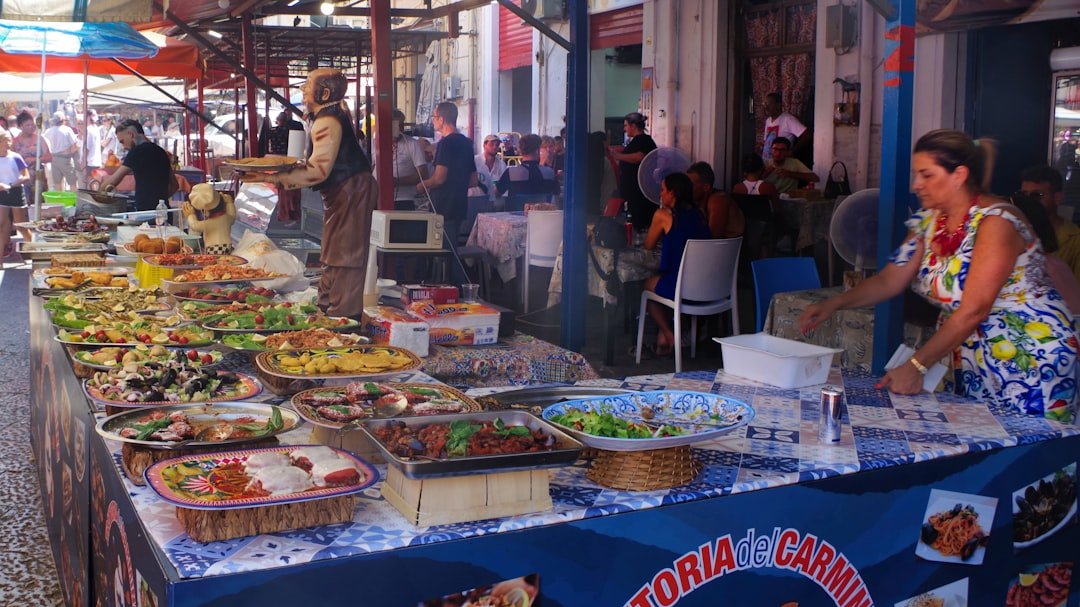
Food is part of the Karaköy experience rather than a separate attraction. The streets between the waterfront, Bankalar Caddesi, and Tophane contain traditional food businesses alongside newer coffee shops, bakeries, and restaurants, reflecting the neighborhood’s mix of working-port history and newer cultural uses.
The Karaköy Fish Market remains a familiar seafood stop in the area. Fishmongers and casual seafood businesses offer a different atmosphere from the polished restaurants nearby, and the market works well as a flexible stop rather than something that needs to dominate the route.
Balık ekmek, grilled fish served in bread with simple accompaniments, is one of the classic quick meals associated with Istanbul’s waterfront districts. You will also see simit, the sesame-coated bread ring sold throughout the city, along with pastries, Turkish tea, and coffee.
If you want a full seafood meal, build it into the middle or end of the walk rather than immediately before climbing toward Galata Tower. The steep streets are more comfortable before a heavy meal, especially in warm weather.
Tips for Exploring Karaköy on Foot
Walking is the best way to notice Karaköy’s architectural details and small side streets, but the terrain changes quickly between the waterfront and Galata. A little planning makes the route more comfortable and prevents museum closures from disrupting the day.
Plan for Steep Streets and Uneven Surfaces
The biggest practical challenge is the climb between Karaköy and Galata Tower. Some streets are steep, and stone or cobbled surfaces can feel slippery after rain. Comfortable walking shoes are more useful here than trying to cover the area quickly.
If hills are difficult for you, concentrate on the flatter waterfront and Tophane section, then treat Galata Tower as a separate stop. Starting around the tower and walking downhill is another way to reduce the amount of uphill walking.
Choose Your Start Time Around the Places You Want to Enter
Early morning works well if Galata Tower is your priority because its official daytime opening is 8:30 a.m. SALT Galata opens later at 11:00 a.m., while the Jewish Museum opens at 10:00 a.m. on its regular visiting days.
Monday needs more planning for an indoor-heavy itinerary. Istanbul Modern and Tophane-i Amire are closed Monday, while SALT Galata’s published opening schedule begins Tuesday. Galata Tower, however, is listed as open daily.
Pro Tip: If you mainly want street photography and views, begin around Galata early, walk downhill through Bankalar Caddesi, and reach Karaköy’s cafés and waterfront later in the morning when more businesses and cultural spaces are open.
Use Public Transport to Reach the Walk
The T1 Kabataş–Bağcılar tram is one of the simplest ways to reach Karaköy from major visitor areas along the historic peninsula. Metro Istanbul’s T1 information lists Karaköy as a station and current operating hours of 6:00 a.m.–midnight.
Karaköy’s ferry pier also makes the neighborhood an easy starting or finishing point when traveling across the Bosphorus. Once you arrive, most of the route is compact enough to explore on foot rather than repeatedly changing transport.
Explore Beyond the Main Route
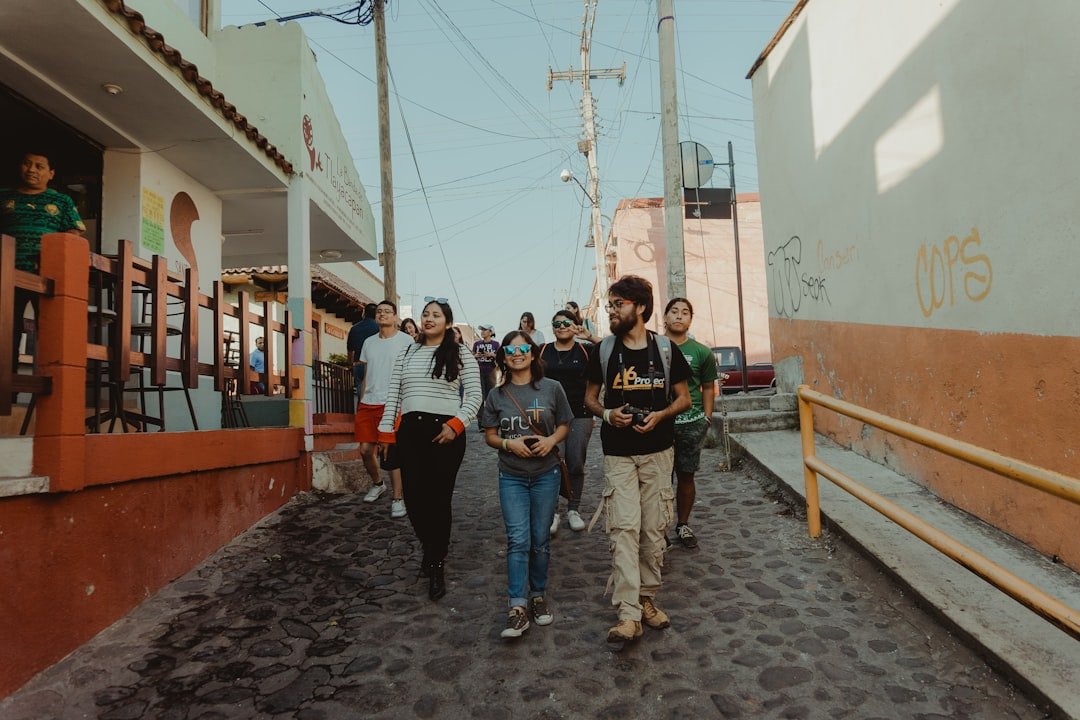
Do not rush straight from one landmark to another. Short detours from the main streets reveal small shops, cafés, façades, passages, and street art that give the district much of its character.
You can follow this route independently, but a guided walking tour can add historical context if architecture, minority communities, or late-Ottoman commerce is your main interest. Either way, leaving some unscheduled time makes the walk feel less like a checklist.
Recommended Karakoy Walking Tour Itinerary
A useful itinerary combines the high-demand sights first with flexible street stops later. The route below works particularly well if you want Galata Tower views, historic architecture, a meal, and one major museum without repeatedly climbing the hill.
| Stop | Current Visitor Details | Why Stop |
|---|---|---|
| Galata Tower | 8:30 a.m.–6:30 p.m. daytime; night museum 6:30–11:00 p.m.; €30 foreign-visitor e-ticket | Panoramic views and Genoese history |
| SALT Galata | Tue–Sat 11:00 a.m.–7:00 p.m.; Sun 11:00 a.m.–6:00 p.m.; free | Ottoman banking history, exhibitions, research spaces, and architecture |
| Jewish Museum / Neve Shalom | Mon–Thu 10:00 a.m.–5:00 p.m.; Fri 10:00 a.m.–1:00 p.m.; Sun 10:00 a.m.–5:00 p.m.; adult 500 TL | Jewish heritage and access to Neve Shalom Synagogue |
| Tophane-i Amire | 9:00 a.m.–7:00 p.m. except Monday; no general admission fee listed on the official venue page | Historic Ottoman complex now used for arts and culture |
| Istanbul Modern | Tue–Thu, Sat–Sun 10:00 a.m.–6:00 p.m.; Fri to 8:00 p.m.; 1,000 TL regular non-resident / 600 TL resident | Modern and contemporary art beside the waterfront |
Morning: Begin at Galata Tower close to opening time if you want to enter. Walk around the tower district, then descend toward the Kamondo Stairs and Bankalar Caddesi. By late morning, SALT Galata will be open on its regular visiting days.
Midday: Continue through lower Karaköy and stop for lunch. Seafood, balık ekmek, pastries, or a lighter café meal all fit the route without requiring a major detour.
Afternoon: Walk toward Tophane-i Amire and finish at Istanbul Modern if you want an indoor cultural stop. If you prefer to remain outside, use the remaining time for the waterfront and Karaköy’s side streets instead.
If Neve Shalom and the Jewish Museum are a priority, fit them into the Galata portion of the walk while they are open. Friday requires an earlier visit because the museum closes at 1:00 p.m., while Saturday is not an option.
Conclusion and Final Thoughts
Karaköy’s appeal comes from the short distance between very different layers of Istanbul. A single walk can move from medieval Galata to late-Ottoman banking streets, places of worship, seafood businesses, contemporary art, and the Bosphorus waterfront.
For the easiest day, choose the two or three indoor attractions you care about most, check their operating day against the itinerary above, and leave the rest of the route flexible. That gives you enough structure to see the important landmarks without losing the pleasure of simply wandering Karaköy’s streets.
Frequently Asked Questions
What is Karaköy?
Karaköy is a waterfront neighborhood on Istanbul’s European side, beside the Golden Horn and below historic Galata. It is known for old commercial buildings, transport connections, cafés, restaurants, cultural venues, and easy access to nearby Galata landmarks.
What can I expect to see on a walking tour of Karaköy?
A Karaköy walking tour can include Bankalar Caddesi, SALT Galata, the Kamondo Stairs, waterfront streets, cafés, seafood stops, Tophane-i Amire, and Istanbul Modern. Many routes also include neighboring Galata Tower because it is a short uphill walk from Karaköy.
How long does a walking tour of Karaköy typically last?
A street-focused Karaköy walk can take about 1–3 hours, depending on your pace and route. Plan substantially longer if you enter Galata Tower, the Jewish Museum, SALT Galata, or Istanbul Modern, or if you add a relaxed meal.
What are the must-see stops on a Karaköy walking tour?
The strongest stops are Bankalar Caddesi, SALT Galata, the Kamondo Stairs, the Karaköy waterfront, Tophane-i Amire, and Istanbul Modern. Galata Tower is also worth adding, but it stands uphill in neighboring Galata rather than within Karaköy proper.
Do I need a guided walking tour of Karaköy?
No, you can explore Karaköy independently because the main sights are close together and public transport reaches the neighborhood directly. A guide can still be useful if you want deeper context about architecture, Jewish heritage, Ottoman finance, or the history of Galata.
What should I wear and bring on a Karaköy walking tour?
Wear comfortable walking shoes because the climb toward Galata is steep and some surfaces are uneven. Bring weather-appropriate clothing and water, and carry an official identity card or passport if you plan to visit the Jewish Museum and Neve Shalom.
Is Galata Tower actually in Karaköy?
No, Galata Tower is in Bereketzade in the neighboring Galata area, uphill from Karaköy. It is commonly included in Karaköy walking routes because the districts meet closely and the tower connects naturally with the Kamondo Stairs and Bankalar Caddesi.
Is Karaköy suitable for travelers with limited mobility?
The waterfront and parts of lower Karaköy are easier than the steep streets leading to Galata Tower. Travelers who find hills difficult can focus on the waterfront, Tophane, and Istanbul Modern and treat the upper Galata section as a separate outing.
Separate from this Istanbul guide, the site also has a homemade cottage cheese recipe.
Sources
- Visit Istanbul: Galata: Galata history, the disputed name origin, the Kamondo Stairs, and Galata Tower context.
- Türkiye Ministry of Culture and Tourism: Galata Tower: location, history, opening hours, and night-museum schedule.
- Türkiye Ministry of Culture and Tourism: Galata Tower e-ticket: current foreign-visitor e-ticket price.
- SALT Galata: building history, opening hours, facilities, and free admission.
- Quincentennial Foundation Museum of Turkish Jews: Neve Shalom access, visiting hours, admission, identification, and security requirements.
- Mimar Sinan Fine Arts University: Tophane-i Amire: venue information and visiting hours.
- Istanbul Modern: museum hours, admission prices, free-admission periods, and transport distances.
- Metro Istanbul: T1 Tram: Karaköy station and current line operating hours.