Knowing what to wear in London in November is mostly about preparing for cool temperatures, rain, and frequent moves between chilly streets and warm indoor spaces. Flexible layers work better than relying on one very heavy outfit. Pack a weather-resistant coat, comfortable walking shoes that can handle wet pavement, and a few warm accessories you can add after sunset.
Quick Answer
For London in November, wear a long-sleeve base layer, sweater or fleece, and a warm weather-resistant coat. Add comfortable waterproof or water-resistant walking shoes, a scarf, and a compact umbrella. Gloves and a hat are useful for colder mornings, evenings, and outdoor events.
Last checked: October 1, 2026. Dates and figures were verified against official and authoritative sources.
Key Takeaways
- Layers make it easier to adjust between cool outdoor conditions and warm shops, museums, restaurants, and public transport.
- Rain is common enough that a weather-resistant outer layer and shoes that tolerate wet pavement are worth packing.
- London gets dark early in November, so evening sightseeing often feels colder than daytime sightseeing.
- A scarf, gloves, and hat take little luggage space and can make outdoor evenings much more comfortable.
- Comfort matters more than dressing heavily because a typical sightseeing day can involve hours of walking.
The Met Office 1991–2020 climate normals for Kew Gardens give a useful picture of a typical November in London. These are long-term averages, not a forecast for your exact travel dates.
| November condition | Typical London figure | What it means for clothing |
|---|---|---|
| Average maximum | 11.6°C / about 53°F | A sweater plus coat suits many daytime outings. |
| Average minimum | 4.3°C / about 40°F | Mornings and evenings can justify gloves, a scarf, or an extra layer. |
| Average rainfall | 66 mm / about 2.6 in | Choose an outer layer and footwear that cope well with rain. |
| Days with at least 1 mm of rain | About 11 days | A compact umbrella or hood is useful to carry. |
| Average sunshine | About 70 hours for the month | Expect plenty of gray or low-light periods as well as brighter spells. |
How to Layer for London in November
The easiest way to dress for London in November is to use three adjustable layers: a comfortable base, an insulating middle layer, and a weather-resistant outer layer. This setup keeps you warmer outside without forcing you to stay bundled up inside heated buildings.
Start with a T-shirt, long-sleeve shirt, or thin thermal top. Moisture-wicking fabric can be useful if you expect to walk for hours, but ordinary comfortable clothing also works well for city sightseeing.
Add a sweater, cardigan, fleece, or similar mid-layer for insulation. Choose something you can remove easily because shops, museums, restaurants, buses, and Tube trains can feel much warmer than the street.
Finish with a coat or jacket that blocks wind and light rain. The goal is not to dress for severe winter weather every day. Instead, build an outfit that you can adjust as the temperature, wind, and rain change.
A fitted turtleneck under a sweater and coat is one practical combination. Jeans or trousers work well below, while thermal leggings can provide extra warmth under a skirt or dress when the forecast is colder.
Embrace London’s November Rain
Rain should influence your November wardrobe, but it does not mean every day will be a washout. The best approach is to carry light rain protection instead of building your entire outfit around heavy waterproof gear.
The official Visit London November guide recommends layers, a coat and scarf, comfortable waterproof shoes, an umbrella, and a rain jacket. That combination works well because it protects you without making a mild afternoon uncomfortable.
A hooded coat is especially convenient during short showers because it keeps both hands free. If your coat is not waterproof, a compact umbrella can provide the extra protection you need while moving between attractions.
Before heading out each morning, check the Met Office London forecast. A dry, mild day may only require lighter layers, while a wet or windy day may justify a warmer sweater and more protective outerwear.
Bring a Warm, Weather-Resistant Coat
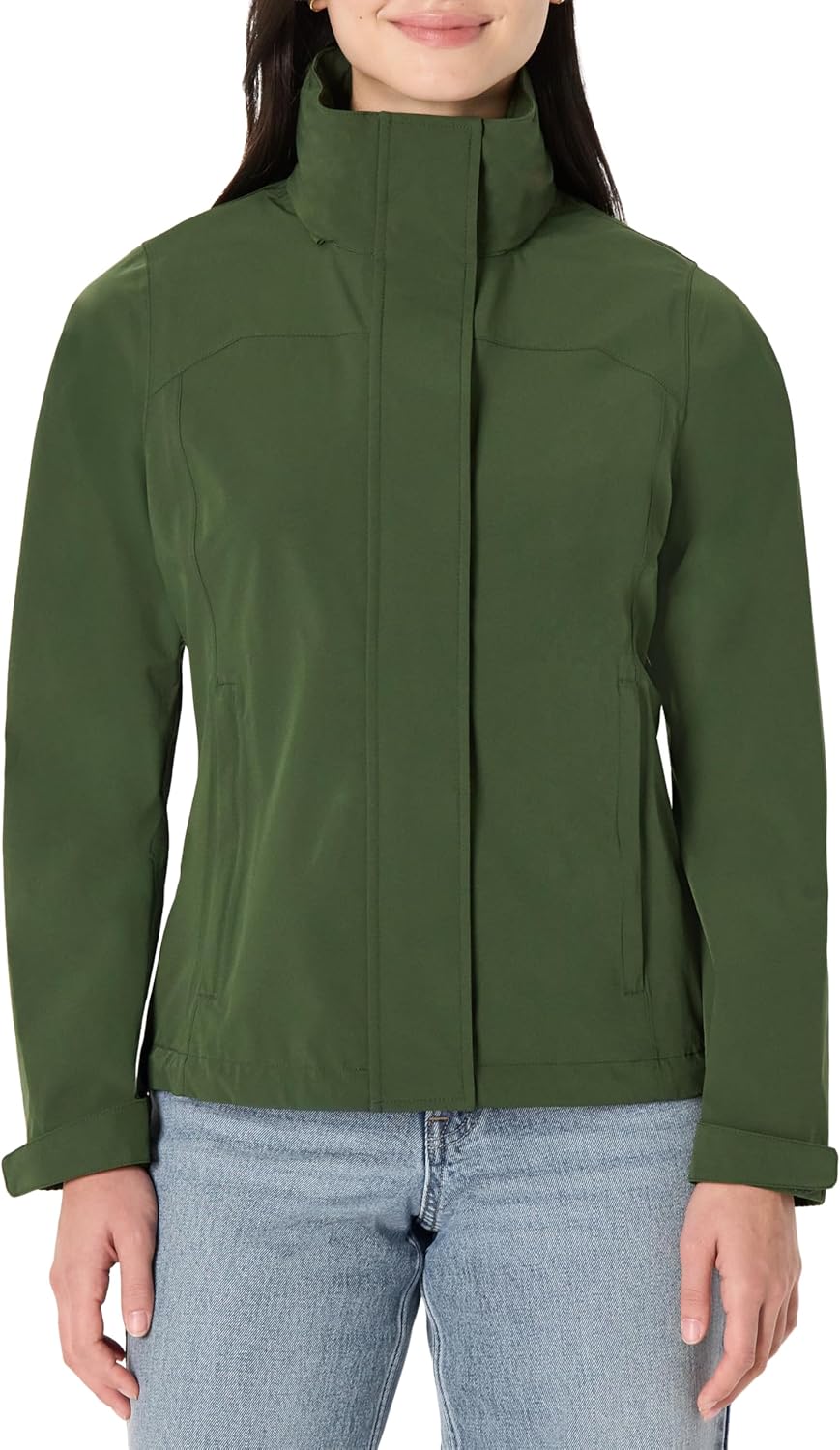
A warm coat is the most useful outer layer for London in November. It should fit comfortably over a sweater without restricting your movement and provide enough protection for cool mornings, breezy streets, and occasional rain.
You do not necessarily need the heaviest winter parka in your wardrobe. A lined raincoat, insulated jacket, wool coat, or trench with enough room for layers can all work, depending on the forecast and how easily you feel cold.
For long sightseeing days, prioritize function as well as appearance. Useful features include secure pockets, an adjustable hood, cuffs that limit cold air, and a zipper or buttons you can quickly open when you enter a warm building.
If you expect to spend an evening outdoors, such as walking through illuminated streets or waiting outside a venue, add a warmer mid-layer beneath the coat. Standing still usually feels colder than walking, even at the same temperature.
Don’t Forget Your Umbrella
A compact umbrella is useful in London because showers can appear during a day that was otherwise dry. Choose one small enough to carry throughout your sightseeing rather than an oversized umbrella that becomes awkward on public transport or crowded sidewalks.
During windy conditions, a hooded rain jacket can be more convenient than an umbrella. If you do use an umbrella in gusty weather, keep it pointed into the wind rather than allowing the wind to catch underneath the canopy.
You also do not need to carry several forms of heavy rain protection. A water-resistant coat with a hood plus a compact umbrella gives you two simple options while keeping your day bag manageable.
Choose Waterproof, Comfortable Footwear
Your shoes matter as much as your coat because London sightseeing usually involves plenty of walking. Comfortable waterproof or water-resistant footwear helps keep your feet dry while also protecting you from slippery or damp pavement.
Water-resistant trainers, walking shoes, or ankle boots can all work. The best choice is a pair you have already worn enough to know it will remain comfortable through a full day on your feet.
Avoid bringing new boots that still need breaking in. Rain plus long walking distances can quickly turn a small pressure point into an uncomfortable blister.
Good traction is also useful on wet paving stones, station steps, and park paths. Pair your shoes with comfortable socks that dry reasonably quickly if they become damp.
Darker Colors Are Practical, Not Required
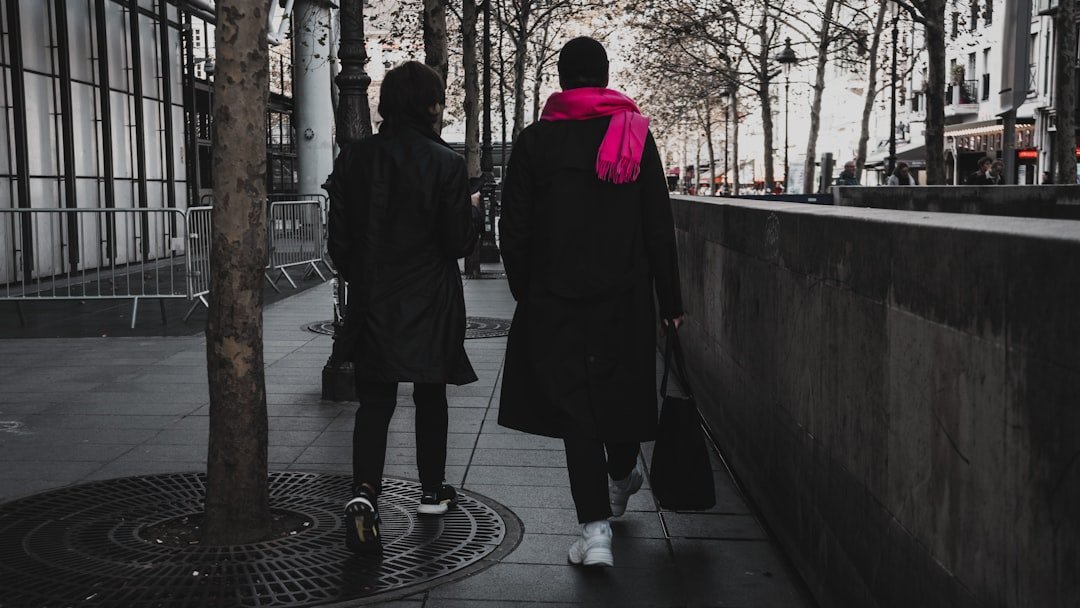
Darker colors such as black, navy, charcoal, and dark brown can be practical during wet November weather because road spray, mud, and water marks may be less noticeable. They are also easy to mix into a small travel wardrobe.
However, there is no need to dress entirely in dark colors to fit in. A neutral coat and trousers can be paired with a brighter sweater, scarf, bag, or other accessory if that better matches your style.
The more useful packing principle is versatility. Choose a small group of colors and fabrics that work together so you can create several outfits without packing a separate coat, shoe, or bottom for every day.
Materials also matter. A fabric that stays comfortable after light rain or dries fairly quickly can be more practical for daytime sightseeing than an outfit chosen only for appearance.
Accessorize with a Scarf
A scarf is one of the easiest ways to add warmth without carrying another bulky layer. It protects your neck on windy streets, but you can remove it immediately when you enter a warm café, restaurant, museum, or train.
Wool, wool blends, fleece, and other insulating fabrics are useful on colder days. A lighter scarf may be enough earlier in the month or when temperatures are mild.
A scarf can also add color or texture to a mostly neutral travel wardrobe. This makes it useful both for comfort and for changing the appearance of outfits built from the same coat and basic layers.
If you are traveling with limited luggage, one versatile scarf usually provides more practical value than packing several bulky sweaters that serve nearly the same purpose.
Pack Gloves and a Hat for Mornings and Evenings
Gloves and a warm hat are small additions that can make a noticeable difference after dark. They are especially useful if you plan to spend long periods outdoors rather than moving quickly between indoor attractions.
London loses daylight quickly during November. According to London sunrise and sunset calculations for November 2026, daylight runs from about 6:53 a.m. to 4:33 p.m. on November 1, but only about 7:42 a.m. to 3:55 p.m. by November 30.
That means many travelers will still be sightseeing, shopping, or walking between attractions well after sunset. A thin pair of gloves and a beanie can be easy to keep in your day bag until temperatures drop.
Touchscreen-compatible gloves are convenient if you frequently use your phone for directions or tickets. A hat that covers your ears can also make windy evenings more comfortable without requiring a much heavier coat.
If you’re browsing other content on the site, you can also read Exploring the Delightful World of Asian Melon.
Frequently Asked Questions
What is the weather like in London in November?
London is typically cool and damp in November. Met Office 1991–2020 normals for Kew Gardens show an average maximum of about 11.6°C (53°F), an average minimum of about 4.3°C (40°F), and roughly 66 mm of rain during the month.
What should I wear in London in November?
Wear adjustable layers, including a long-sleeve base layer, sweater or fleece, and a warm weather-resistant coat. Comfortable waterproof or water-resistant walking shoes, a scarf, and rain protection are useful, while gloves and a hat help on colder mornings and evenings.
Can I wear shorts or dresses in London in November?
You can wear a dress in London in November if you add enough warmth for the conditions. Tights or leggings, closed shoes, a sweater, and a coat make dresses more practical. Shorts are possible but will usually feel less comfortable during cool, wet November weather.
Are there clothing items I should avoid in London in November?
Avoid relying on thin clothing, open-toed footwear, or shoes that become uncomfortable when wet. You also do not need to pack only heavy winter clothing, because adjustable layers are easier to manage when moving between cool streets and heated indoor spaces.
Do I need an umbrella in London in November?
A compact umbrella is worth carrying in London in November because rain is common. A hooded weather-resistant coat is also useful, especially in windy conditions or when you want to keep both hands free while walking.
Sources
- Met Office: Kew Gardens long-term averages: Supports 1991–2020 November temperature, rainfall, rainy-day, and sunshine figures.
- Visit London: London in November: Supports practical November clothing recommendations, including layers, coat, scarf, waterproof shoes, umbrella, and rain jacket.
- Timeanddate: London sunrise and sunset times: Supports November 2026 sunrise, sunset, and daylight times.
- Met Office: London weather forecast: Provides the official London forecast to check before setting out.