London is generally a safe and manageable city for tourists, but the risks are not evenly spread across every street or situation. The main everyday concerns for visitors are opportunistic theft, phone snatching, pickpocketing, scams, and poor transport choices late at night. Current police data also gives a more positive picture than some older warnings about London crime suggest.
Quick Answer
Yes. London is generally a practical and manageable city for tourists, but protect your phone, wallet and bag in crowded visitor areas and on public transport. Current Met data shows several high-volume neighbourhood crimes have fallen, yet opportunistic theft remains the visitor risk most worth planning for. Use licensed transport and know the emergency numbers.
Last checked: October 1, 2026. Dates and figures were verified against official sources.
Key Takeaways
- Phone theft, pickpocketing and other opportunistic theft deserve more attention from most visitors than broad labels about entire London boroughs.
- In the 12 months to June 2026, Met figures showed neighbourhood crime down 14%, theft from the person down 23%, and personal robbery down 11%.
- Black taxis can be hailed in the street, but minicabs must be booked through a licensed operator.
- Call 999 or 112 for an emergency, 101 for non-emergency police matters, and NHS 111 for urgent medical help that is not life-threatening.
- The UK national terrorism threat level is currently SEVERE, so visitors should remain alert and follow official instructions without becoming unnecessarily alarmed.
Is London Safe for Tourists in 2026?
For most visitors, London can be explored safely with normal big-city precautions. Crime does occur, particularly theft in busy areas, but recent official figures show falls in several categories that matter to tourists rather than a simple picture of steadily increasing crime.
Metropolitan Police figures for the 12 months to June 2026 showed neighbourhood offences down 14% compared with the previous year. Theft from the person fell 23%, personal robbery fell 11%, and vehicle offences fell 9%.
The change was also visible in major visitor areas. The Met reported neighbourhood crime down 36% in Westminster and 25% in Camden over the same period. These figures do not mean theft has disappeared. Busy shopping streets, attractions, entertainment districts and transport hubs still create opportunities for offenders.
Crime totals also need context. Central districts can record large numbers of incidents because huge numbers of commuters, shoppers and tourists pass through them every day. A borough-wide crime figure therefore tells you less about your personal risk than the exact street, time of day, crowd level and way you carry valuables.
Note: If you feel threatened, move to a staffed station, hotel, shop or other busy place and speak to police, transport staff or security. Call 999 or 112 if you or someone else is in immediate danger.
Main Safety Risks for Tourists in London
The most useful way to think about London safety is by risk rather than by borough. For tourists, protecting portable valuables and making sensible late-night transport choices will prevent many of the problems that are most likely to disrupt a trip.
Phone Snatching and Mobile Phone Theft
Phones are attractive targets because tourists often hold them openly while checking maps, taking photographs or waiting near a road. Thieves may approach on foot, bicycles, mopeds or e-bikes, so avoid standing at the edge of a pavement with your phone held loosely away from your body.
The Metropolitan Police mobile-phone guidance also warns about “shoulder-surfing,” where someone watches you enter a passcode. Use biometric security where practical, keep the device locked, and put it away as soon as you finish using it.
If a stranger asks to borrow your phone or enter information into it, keep control of the device. The Met specifically advises against handing a phone to people you do not know.
Pickpocketing and Bag Theft
Pickpockets benefit from crowds, distraction and belongings that are easy to reach. Tube platforms, busy trains, shopping streets, queues, markets, cafés and major tourist attractions are sensible places to pay extra attention to bags and pockets.
- Keep zipped bags closed and where you can see or feel them.
- Carry a crossbody bag in front of you when crowds become dense.
- Do not leave a phone, wallet or camera unattended on a café table.
- Avoid hanging a handbag or backpack over the back of a chair.
- Carry only the cash and cards you expect to need that day.
Distraction Theft
A distraction does not have to look suspicious. Someone may start a conversation, create confusion, bump into you or draw your attention elsewhere while another person reaches for a wallet or phone.
Street performances themselves are not automatically scams. The practical point is to keep control of your valuables whenever a crowd forms or your attention is deliberately pulled in another direction.
Safety Tips for Tourists in London
A few simple habits make London considerably easier to explore. You do not need to behave as though danger is around every corner; you simply need to avoid making your valuables or movements unusually easy to target.
- Plan your route before stepping into a crowded street. If you need several minutes with a map, move away from the pavement edge and stop somewhere secure.
- Keep your phone away from the roadside. Do not stand beside moving traffic holding it loosely at arm’s length.
- Separate important items. Avoid keeping your passport, all bank cards, cash and phone in one easy-to-reach bag or pocket.
- Stay aware in crowds. Markets, stations, shopping streets and attraction queues deserve extra attention.
- Use well-lit, busy routes after dark. A slightly longer main road can be preferable to an unfamiliar park, alley or quiet side street.
- Know how you will return to your accommodation. Check your transport before a late dinner, theatre performance or night out.
- Use licensed transport. Never accept an unsolicited minicab ride from a driver who approaches you in the street.
- Keep a backup. Store important booking details, emergency contacts and travel-document information somewhere you can access if your phone disappears.
Emergency Services in London

London has several emergency and non-emergency services, and knowing which one to use can save time when something goes wrong. The most important numbers are 999 or 112 for emergencies, 101 for non-urgent police matters, NHS 111 for urgent medical advice, and 61016 for non-emergency incidents on the rail network.
| Contact | When to use it |
|---|---|
| 999 or 112 | Immediate danger, a crime in progress, serious injury, fire or another emergency. |
| 101 | Non-emergency police reports, information or enquiries. |
| 111 | Urgent medical help when the situation is not life-threatening. |
| 61016 | Text British Transport Police about non-emergency incidents on trains or at railway stations. |
The UK government confirms that 999 and 112 are the national emergency numbers. Both connect callers to emergency services.
For an urgent health problem that is not life-threatening, NHS 111 operates 24 hours a day. For a life-threatening medical emergency, use 999 instead.
On the rail network, British Transport Police accepts non-emergency reports by text on 61016. BTP specifically says to call 999 instead when a crime is happening, someone is injured or threatened, or immediate police help is needed.
Tourist Scams to Watch Out for in London
Most visitors will never encounter a serious scam, but tourist areas naturally attract people looking for distracted or unfamiliar targets. Pressure, urgency and attempts to separate you from your phone, PIN, cash or card are good reasons to stop before responding.
People Pretending to Be Police Officers
A genuine police officer will not ask you to reveal your bank PIN or hand over cash as part of a street check. If someone claiming to be an officer makes a suspicious financial request, do not provide the information.
The Met’s advice for visitors to London specifically warns tourists never to give their PIN to anyone, even someone claiming to be an undercover police officer.
Unofficial Ticket Sellers
A person offering theatre, concert or attraction tickets on the street may not be an authorised seller. The Met advises visitors not to buy theatre or concert tickets from street touts. Buy from the venue or another established ticket provider instead.
Charity Collection Pressure
Not everyone asking for a charity donation is fraudulent, so avoid assuming that a legitimate collector is a scammer. However, you never need to make an immediate payment simply because someone approaches you.
Street fundraising is regulated in London, and GOV.UK explains the licensing rules for charitable street collections. If you are unsure about a collector, note the charity name and verify the organisation independently before donating.
Distraction and Pickpocket Teams
A sudden conversation, crowd, argument or overly friendly approach can distract you from a bag or pocket. Keep hold of your belongings rather than focusing completely on whatever has attracted the crowd’s attention.
Are Some Areas of London Safer for Tourists?
There is no dependable list dividing whole London boroughs into “safe” and “unsafe” places for visitors. Conditions can change from one street to another, and a busy central district may record more theft simply because millions of people pass through it.
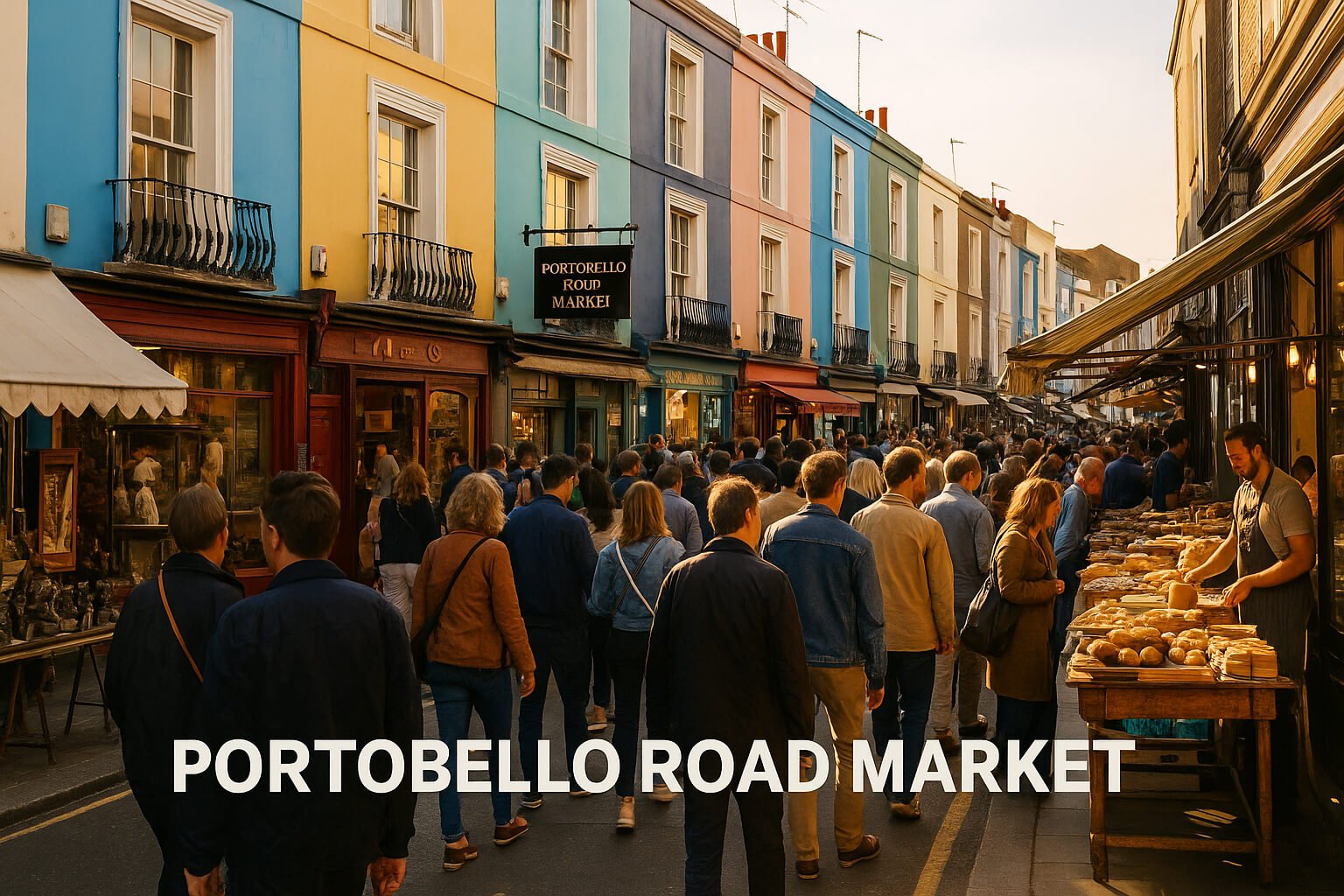
Covent Garden, South Kensington, Notting Hill and the areas around major central attractions are all popular with visitors. Their popularity does not make theft impossible. Crowded shopping streets, nightlife areas and busy stations can require more attention to valuables than a quiet residential street.
Likewise, it is misleading to tell tourists to avoid an entire part of East London or another broad region. London neighborhoods contain busy commercial streets, residential areas, transport hubs and quiet side roads within a short distance of one another.
How to Choose a Safer Hotel Location
Look beyond the neighborhood name when choosing accommodation. The final walking route from the nearest station, lighting after dark, nearby late-night transport and the hotel’s own security arrangements can matter more than a broad borough reputation.
If you expect to return late, check the exact route from the station to the hotel before booking. A hotel beside a busy transport corridor may be easier for you than one requiring a long walk through unfamiliar side streets.
Public Transportation Safety in London

London’s Tube, buses and rail services are practical ways for tourists to move around the city. The main precautions are keeping valuables secure in crowds, avoiding isolated situations late at night, and using the correct rules for taxis and minicabs.
During busy periods, keep your bag closed and in front of you where possible. Do not put a phone or wallet into an exposed pocket immediately beside another passenger in a dense crowd.
At night, Transport for London recommends planning the journey in advance. TfL operates Night Tube and Night London Overground services on Fridays and Saturdays, alongside night-bus services.
Black Taxis and Minicabs
The difference between a London taxi and a minicab matters. A licensed black taxi can be hailed in the street or taken from a taxi rank. A private-hire vehicle, commonly called a minicab, must be booked through a licensed operator before the trip.
For a booked minicab, check that the vehicle and driver match the booking information you received. Do not get into an unsolicited private-hire vehicle simply because the driver says they can take you somewhere.
Pro Tip: Before a late evening out, save your accommodation address and work out your return route while you still have a strong phone battery and reliable internet connection.
Cultural Sensitivities and Personal Safety
London’s population is highly diverse, and visitors are likely to encounter many languages, religions and cultural traditions during a single day. Normal courtesy, respect for personal space and following rules at individual venues are usually all that is required.
Religious buildings such as Westminster Abbey and St Paul’s Cathedral may have dress, photography, worship or access rules. Follow signs and staff instructions rather than assuming that the same behavior is acceptable in every building.
On buses, trains and escalators, avoid blocking doors or passageways while checking directions. Keeping noise at a reasonable level and allowing passengers to leave a train before boarding also makes crowded journeys easier for everyone.
If someone directs threatening, abusive or discriminatory behavior at you, move toward staff or a busy public location and report the incident. Immediate danger should be reported using 999 or 112.
Terrorism and Major-Incident Awareness
Terrorism is a low-frequency but serious risk that should be addressed accurately rather than sensationally. As of October 1, 2026, the official UK national terrorism threat level is SEVERE, which means the authorities assess an attack as highly likely.
The UK government’s current terrorism threat-level page confirms the SEVERE rating. Threat levels can change at any time, so this is one part of London safety where current official information matters.
For visitors, the practical guidance is to remain alert rather than alarmed. Follow instructions from police, transport staff and venue security, and report genuinely suspicious behavior or unattended items instead of investigating them yourself.
Major transport stations, attractions and public events may also introduce temporary security measures. Allow extra time for bag checks, closures or controlled access when these are in place.
Overall Safety Assessment for Tourists in London
London remains a destination where most tourists can travel, sightsee and use public transport without serious problems. The strongest practical precautions are simple: protect portable valuables, pay attention in dense crowds, use licensed transport, and plan how you will return to your accommodation after dark.
Recent police figures are important because they correct the idea that every major crime category is moving in the wrong direction. At the same time, falling citywide crime does not remove the need to protect a phone or bag in a crowded tourist hotspot.
You will generally get more useful safety information by asking, “What is the risk in this situation?” than by asking whether an entire London neighborhood is safe or unsafe. A crowded shopping street at one time of day can require different precautions from the same district on a quiet residential street.
If you are considering visiting London as a tourist, you may also be interested in reading about the delightful world of Asian melon on Tagline Today. This article explores the unique flavors and varieties of Asian melons that you can enjoy during your travels.
Frequently Asked Questions
Is London a safe city for tourists?
Yes, London is generally manageable for tourists who use normal big-city precautions. Recent Met data shows declines in several neighbourhood-crime categories, but visitors should still protect phones, wallets and bags in crowded tourist areas and on public transport.
What are the main safety concerns for tourists in London?
The main everyday concerns are phone snatching, pickpocketing, bag theft, distraction tactics and unsafe transport choices late at night. Visitors should also remain aware of official security guidance because the UK national terrorism threat level is currently SEVERE.
Is London safe at night?
Many busy parts of London remain active at night, but you should choose well-lit routes and plan your journey home before going out. Avoid isolated parks or unfamiliar side streets when a bus, Tube service, licensed taxi or booked minicab offers a more straightforward option.
Are there areas of London tourists should avoid?
There is no reliable blanket list of whole London boroughs that every tourist should avoid. Assess the exact street, route, time of day and transport options instead, and favor busy, well-lit routes over isolated places when travelling after dark.
What emergency numbers should tourists know in London?
Call 999 or 112 for an emergency and 101 for a non-emergency police matter. NHS 111 handles urgent medical problems that are not life-threatening, while British Transport Police accepts non-emergency rail reports by text on 61016.
Is the London Underground safe for tourists?
The Underground is a practical way for tourists to travel, but crowded trains and stations can create opportunities for theft. Keep valuables secure, stay aware of your surroundings and use station staff or help points if you feel unsafe or need assistance.
What should I do if my phone is stolen in London?
Act quickly if your phone is stolen. Use your device’s remote security or blocking features from another device, contact your mobile provider, protect financial accounts if necessary, and report the theft to police; call 999 if the theft has just happened and you remain in danger.
Sources
- Metropolitan Police neighbourhood crime update: 2026 crime trends, including theft, robbery and Westminster figures.
- Metropolitan Police mobile-phone advice: phone theft, passcode protection and public-use precautions.
- Metropolitan Police visitor safety guidance: theft prevention, ticket touts, fake police and visitor precautions.
- Transport for London safer travel at night: night transport and taxi/minicab guidance.
- GOV.UK emergency numbers: official 999 and 112 guidance.
- NHS 111: urgent, non-life-threatening medical assistance.
- British Transport Police 61016 service: non-emergency reporting on the rail network.
- GOV.UK terrorism threat levels: current UK national terrorism threat level.