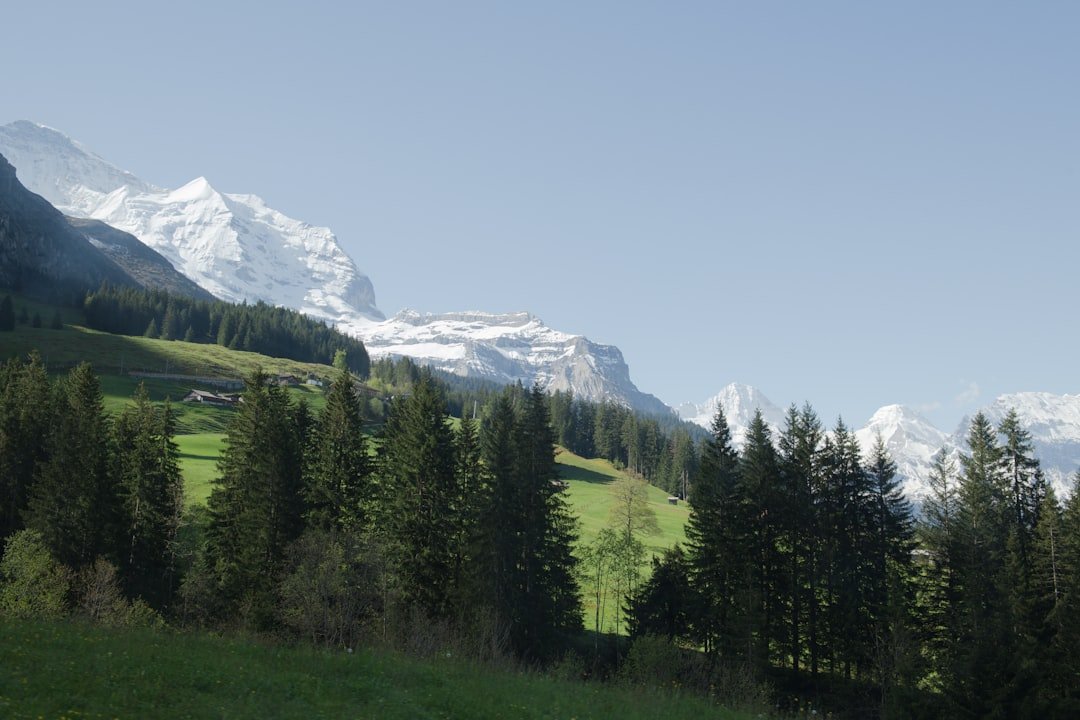
The Jungfrau Railway is one of Switzerland’s best-known mountain railways, carrying passengers through the Eiger and Mönch to Jungfraujoch, home to Europe’s highest railway station at 3,454 meters above sea level. The railway itself begins at Kleine Scheidegg, although most visitors start their overall journey from Interlaken, Grindelwald, Lauterbrunnen, or Wengen and connect to it along the way.
Quick Answer
The Jungfrau Railway is a historic cogwheel railway from Kleine Scheidegg to Jungfraujoch. Today, you can also join it at Eigergletscher after taking the Eiger Express from Grindelwald Terminal. The trip combines mountain scenery, a tunnel through the Eiger and Mönch, an Eismeer viewing stop, and major attractions at Jungfraujoch.
Key Takeaways
- The Jungfrau Railway was completed to Jungfraujoch in 1912 after construction began in 1896.
- The railway itself runs from Kleine Scheidegg via Eigergletscher and through the Eiger and Mönch to Jungfraujoch.
- The fastest modern approach uses the Eiger Express from Grindelwald Terminal to Eigergletscher before transferring to the Jungfrau Railway.
- Main Jungfraujoch attractions include the Sphinx observation deck, Ice Palace, Alpine Sensation, glacier views, Lindt Swiss Chocolate Heaven, and the seasonal Snow Fun Park.
- Jungfraujoch station is at 3,454 meters, so warm clothing, closed shoes, sunglasses, sun protection, and sensible high-altitude precautions are important.
- For travel between May 1 and October 31, 2026, Jungfrau Railways states that a seat reservation is mandatory in addition to a valid ticket.
History of the Jungfrau Railway
Plans to make the Jungfrau area more accessible by railway go back to the 19th century. An early proposal came from Interlaken hotelier and transport promoter Friedrich Seiler in 1869, but it was not the railway that was eventually built.
The decisive plan came from Swiss entrepreneur Adolf Guyer-Zeller. After seeing the newly opened Wengernalp Railway near Kleine Scheidegg in 1893, he developed a plan for an electrically operated cogwheel railway beginning at Kleine Scheidegg and running into the Eiger and Mönch toward the Jungfrau. The Swiss Federal Council granted the concession in 1894.
Construction of the Jungfrau Railway began on July 27, 1896. The first operating section, between Kleine Scheidegg and Eigergletscher, opened in 1898. Work then moved inside the mountain. Eigerwand opened in 1903 and Eismeer followed in 1905. Financial difficulties, Guyer-Zeller’s death, difficult working conditions, and construction challenges slowed the project.
The original plan was more ambitious and envisioned continuing toward the Jungfrau summit. Instead, the project was shortened, and Jungfraujoch became the final destination. The line to Jungfraujoch was completed in 1912.
The Jungfrau Railway has been carrying passengers to Jungfraujoch since 1912, reaching Europe’s highest railway station at 3,454 meters above sea level.
You can read the official construction history from Jungfrau Railways.
Route and Stops Along the Way
The most important thing to understand is that the Jungfrau Railway itself does not begin at Interlaken Ost. Interlaken, Lauterbrunnen, Grindelwald, and Wengen are connected to the Jungfrau Railway by other trains and, on the fastest route, the Eiger Express cableway.
Fast Route via Grindelwald Terminal
From Interlaken Ost, you can travel by train toward Grindelwald Terminal. At Grindelwald Terminal, transfer to the Eiger Express tricable gondola. The Eiger Express reaches Eigergletscher in about 15 minutes.
At Eigergletscher, transfer to the Jungfrau Railway for the journey through the Eiger and Mönch to Jungfraujoch. Jungfrau Railways currently describes this as the shortest approach and lists the journey from Grindelwald Terminal to Jungfraujoch at roughly 45 to 50 minutes depending on the connection and transfer time.
Traditional Route via Kleine Scheidegg
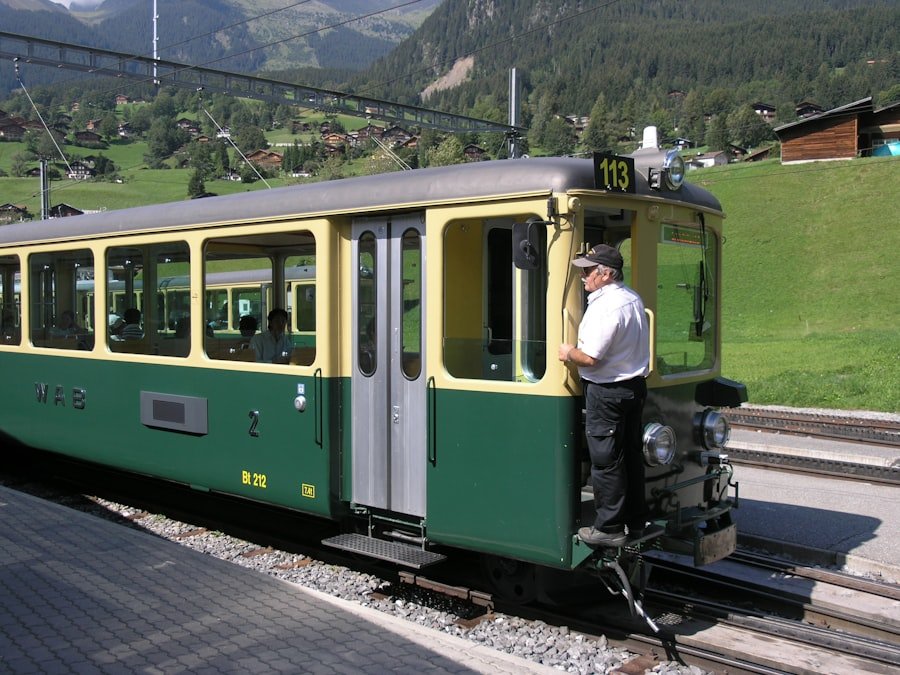
You can also approach Jungfraujoch using the classic mountain-railway route. From Grindelwald, or from Lauterbrunnen via Wengen, the Wengernalp Railway climbs to Kleine Scheidegg.
At Kleine Scheidegg, you change to the Jungfrau Railway. The railway travels through Eigergletscher and then enters the mountain on its way toward Jungfraujoch.
Eismeer Viewing Stop
On the ascent, trains make a short sightseeing stop at Eismeer, about 3,160 meters above sea level. Passengers can look through windows cut into the mountain toward the high-Alpine world of ice and rock. Jungfrau Railways currently schedules about five minutes for this stop.
Note: Eigerwand is an important station in Jungfrau Railway history, but it should not be treated as a normal current sightseeing stop. Eismeer is the current scheduled viewing stop described by Jungfrau Railways.
Kleine Scheidegg remains an important mountain junction and a popular place for hikers, skiers, and visitors who want views of the Eiger, Mönch, and Jungfrau before continuing higher.
Tickets, Seat Reservations, and Travel Time
Ticket prices vary according to your starting point, season, travel pass, discounts, and selected offer. As of August 2026, the official Jungfrau Railways website advertises Jungfraujoch tickets from CHF 129.60, but you should check the current official prices and tickets page before traveling.
For the 2026 peak season, there is another important requirement: Jungfrau Railways states that a seat reservation is mandatory from May 1 through October 31, 2026. The reservation costs CHF 10 per person and is separate from the valid travel ticket.
Pro Tip: During the 2026 mandatory-reservation period, reserve both your outbound and return Jungfrau Railway connections before the trip. Jungfrau Railways asks reserved passengers to reach the relevant turnstiles at least 10 minutes before departure.
The Jungfrau Railway journey from Kleine Scheidegg is about 35 minutes under the current operating pattern. That should not be confused with your total journey from Interlaken, Grindelwald, Lauterbrunnen, or Wengen. For example, the fast route from Grindelwald Terminal takes roughly 50 minutes including transfers, while the traditional route through Kleine Scheidegg takes longer.
Schedules and operating conditions can change, especially in mountain environments, so check the official operating information before departure.
Scenic Views and Landmarks
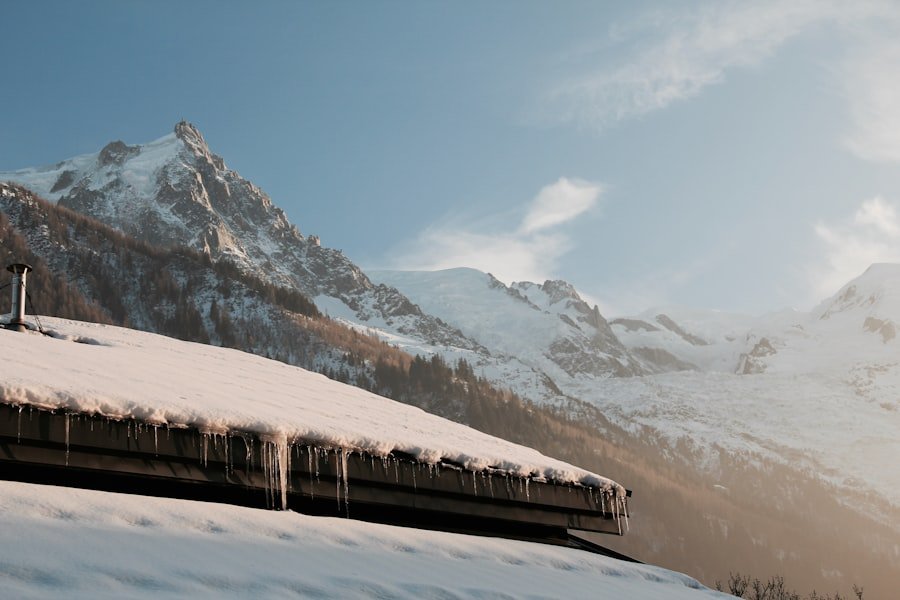
The scenery changes dramatically as you climb from the inhabited valleys toward the high Alps. On the approaches to Kleine Scheidegg and Eigergletscher, the Eiger’s North Face dominates the landscape. Meadows, villages, mountain slopes, and glaciers create very different views depending on the season.
Once the railway enters the mountain, much of the final journey takes place inside tunnels through the Eiger and Mönch. The Eismeer stop provides a brief chance to see the glacier landscape through viewing windows before the train continues toward Jungfraujoch.
At Jungfraujoch, one of the major sights is the Great Aletsch Glacier. Rather than relying on a fixed length figure that changes as the glacier retreats, it is more useful to note that UNESCO identifies the Swiss Alps Jungfrau-Aletsch World Heritage property as containing the largest glacier in the Alps.
The UNESCO Swiss Alps Jungfrau-Aletsch World Heritage site protects a remarkable high-mountain landscape of glaciers, peaks, valleys, and important geological features.
Activities and Attractions at Jungfraujoch
| Activity/Attraction | What to Expect |
|---|---|
| Sphinx Observation Deck | High-Alpine panoramic views over the Aletsch Glacier and surrounding peaks. |
| Ice Palace | A walk through icy passages containing carved ice sculptures. Surfaces can be very slippery. |
| Alpine Sensation | A multimedia experience covering more than a century of Jungfrau Railway history. |
| Lindt Swiss Chocolate Heaven | The high-altitude Lindt shop offers chocolates and gifts. |
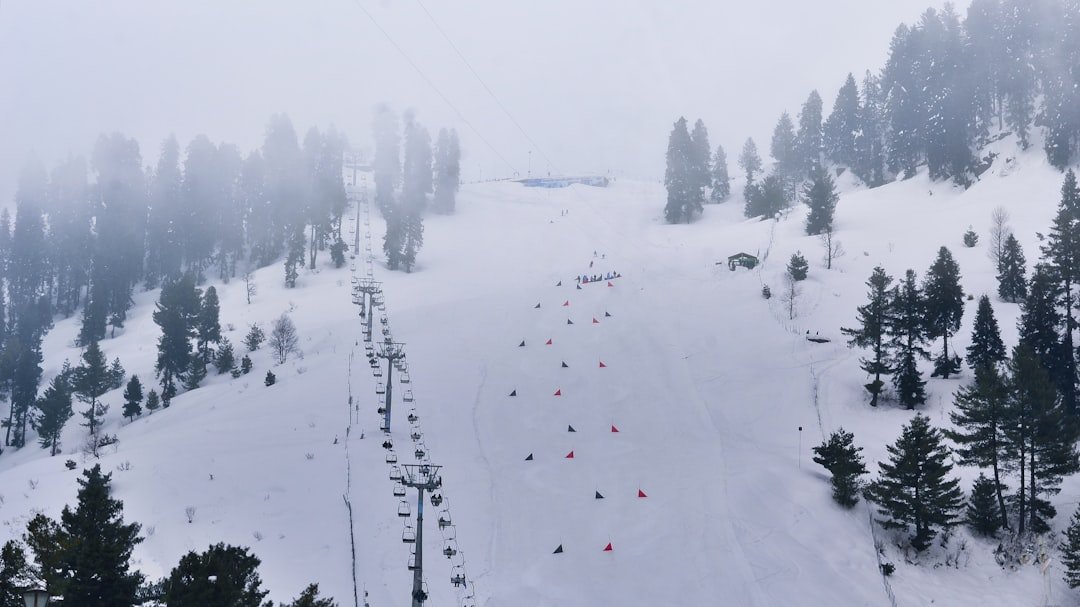
| Snow Fun Park | Seasonal activities can include sledging, tubing, skiing, snowboarding, and a zipline, subject to operating conditions. |
Jungfraujoch is more than a railway station. The Ice Palace provides a walk through frozen passages and sculptures, while the Sphinx observation deck gives visitors a much wider view of the high-Alpine landscape.
The Alpine Sensation exhibition adds historical context by showing how the railway was built and how tourism developed around it. Lindt Swiss Chocolate Heaven provides a shopping stop inside the complex.
For visitors seeking outdoor adventure, the Snow Fun Park offers seasonal snow activities such as skiing, snowboarding, sledging, tubing, and a zipline. These activities should not be confused with a full ski resort with numerous groomed runs. Availability depends on the season and weather.
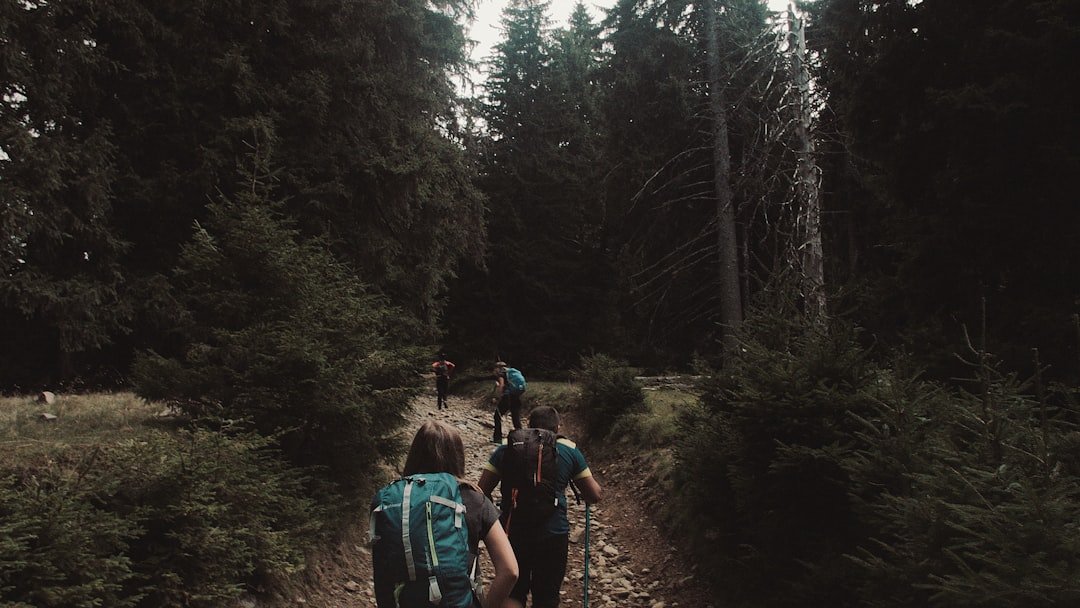
Hiking is also possible in the high-Alpine environment when conditions permit. The route from Jungfraujoch to Mönchsjochhütte follows a marked high-Alpine path across the glacier environment and takes about 45 minutes each way for suitable visitors. Jungfrau Railways describes the outing as being undertaken at your own risk.
Wildlife viewing, ordinary picnicking, and relaxed valley hiking are generally better suited to lower elevations around Grindelwald, Lauterbrunnen, Wengen, and Kleine Scheidegg than to the exposed high-Alpine environment of Jungfraujoch.
Altitude, Weather, and Safety
Jungfraujoch railway station is 3,454 meters above sea level. The combination of lower oxygen levels, cold, wind, snow, ice, and strong sunlight makes preparation important even when the weather in Interlaken or Grindelwald feels warm.
Warning: High altitude can affect people differently. Move at a comfortable pace, avoid unnecessary exertion if you feel unwell, and descend if significant symptoms develop. Jungfrau Railways advises people with certain cardiovascular or breathing risks to seek medical advice before a high-altitude visit.
Jungfrau Railways recommends basic equipment that includes a jacket, closed shoes, a hat, gloves, and sunglasses. Sunscreen is also sensible because snow, ice, and high elevation increase exposure to strong sunlight.
The Ice Palace can be slippery, so shoes with good grip are preferable to smooth-soled footwear. Weather can change rapidly, and temperatures at Jungfraujoch can be dramatically lower than in the valleys.
Tips for a Comfortable and Enjoyable Journey
Check both the mountain weather and live operating information before leaving. Clouds can dramatically reduce visibility from the observation areas even when railway operations are running normally.
Dress in layers so you can adjust between heated trains and buildings and the colder outdoor observation areas. Moisture-wicking clothing, a warm outer layer, sturdy closed shoes, sunglasses, and sun protection are useful throughout much of the year.
Book tickets and required reservations in advance during busy periods. Traveling earlier in the day can provide more time at Jungfraujoch and gives you additional options if a connection changes.
Bring water and a small snack if you prefer flexibility, although food is available at Jungfraujoch and at several stations in the region. Avoid rushing immediately after reaching the high-altitude station. Moving more slowly can make the first part of your visit more comfortable.
Allow enough time for the main attractions rather than planning only for the train ride. The Ice Palace, Sphinx, Alpine Sensation, outdoor viewing areas, shops, meals, and seasonal activities can easily turn the excursion into a substantial part of the day.
Accessibility
Jungfraujoch is accessible to wheelchair users. Jungfrau Railways strongly recommends the route through Grindelwald Terminal and the Eiger Express via Eigergletscher for wheelchair travel.
The company notes that special arrangements may be necessary for groups of three or more wheelchair users and for journeys through Kleine Scheidegg. The Ice Palace entrance has a wheelchair stair lift. Travelers who need assistance should check the current official accessibility and arrival guidance before the trip.
Dining and Shopping Options
Jungfraujoch has several places to eat, allowing visitors to take a break without immediately returning to the valley. Options include the Aletsch self-service restaurant as well as other dining facilities within the Top of Europe complex. Menus and opening arrangements can change, so checking current information is sensible if a particular restaurant matters to your plans.
There are also shopping opportunities at Jungfraujoch. Lindt Swiss Chocolate Heaven is one of the best-known stops and sells a range of Lindt chocolate products. Souvenirs and gifts are also available within the visitor complex.
Outdoor equipment should ideally be arranged before you reach the high mountain. If you intend to hike beyond the main visitor areas, make sure you have suitable clothing and footwear rather than relying on finding specialized equipment after arrival.
For a completely separate food read from this site, you can also see the article on delicious homemade cottage cheese. It is unrelated to Jungfraujoch trip planning but may be useful if you are browsing simple food ideas as well.
Accommodation and Overnight Stays
Most visitors treat Jungfraujoch as a day excursion and stay in one of the surrounding destinations. Interlaken provides the widest transport connections, while Grindelwald offers convenient access to Grindelwald Terminal and the Eiger Express.
Lauterbrunnen and Wengen are good bases for travelers who prefer the traditional approach toward Kleine Scheidegg. Staying closer to the mountains can also make it easier to start early and spend more time at Jungfraujoch before returning.
Kleine Scheidegg also has mountain accommodation in the wider area, giving travelers the chance to experience quieter mornings and evenings with views of the Eiger, Mönch, and Jungfrau.
Experienced and properly equipped hikers may also encounter higher-altitude accommodation such as Mönchsjochhütte when it is open. However, reaching the hut from Jungfraujoch involves a high-Alpine route across the glacier environment. It should not be treated like walking from a railway station to an ordinary hotel.
Staying overnight in the Jungfrau region can make the trip feel less rushed and gives you more flexibility to explore Grindelwald, Lauterbrunnen, Wengen, Kleine Scheidegg, hiking routes, and other nearby attractions on separate days.
Sustainable Travel Options
Rail travel is central to transportation throughout the Jungfrau region, reducing the need for visitors to drive into sensitive mountain areas. Jungfrau Railways states that its railway operations use 100% renewable Swiss electricity.
The company also operates its own hydroelectric power plant at Lütschental and reports energy-efficiency measures such as recovering braking energy. More information is available on the official Jungfrau Railways sustainability page.
Visitors can reduce unnecessary car use by traveling to the region by public transport and using trains and cableways for local connections. Hiking and other low-impact activities can also help visitors experience the region without adding motorized traffic.
Respect marked routes, follow local signs, avoid disturbing wildlife, and carry your waste back to appropriate disposal points. These small actions are especially important in sensitive high-Alpine environments.
If you’re planning a trip on the Jungfrau Railway, you’re in for a memorable journey through the Swiss Alps. The experience combines historic railway engineering, high-mountain scenery, the Eismeer viewing stop, the Great Aletsch Glacier, and attractions at Jungfraujoch. Careful planning matters because the route involves transfers, changing weather, high altitude, and seasonal operating conditions.
Frequently Asked Questions
What is the Jungfrau Railway?
The Jungfrau Railway is an electric cogwheel mountain railway in Switzerland that runs from Kleine Scheidegg through the Eiger and Mönch toward Jungfraujoch. Passengers using the Eiger Express can also transfer onto the Jungfrau Railway at Eigergletscher.
What is the route of the Jungfrau Railway?
The railway runs from Kleine Scheidegg via Eigergletscher and through tunnels inside the Eiger and Mönch to Jungfraujoch. Trains also make a short sightseeing stop at Eismeer on the ascent.
Does the Jungfrau Railway start in Interlaken?
No. Interlaken Ost is a common starting point for the overall excursion, but the Jungfrau Railway itself begins at Kleine Scheidegg. From Interlaken, travelers use connecting trains and either the Eiger Express route through Grindelwald Terminal or the traditional route toward Kleine Scheidegg.
How long is the Jungfrau Railway route?
The historic Jungfrau Railway line from Kleine Scheidegg to Jungfraujoch is approximately 9 kilometers long. Much of the upper section runs through tunnels inside the mountains.
What are the main attractions at Jungfraujoch?
Major attractions include the Sphinx observation deck, Ice Palace, Alpine Sensation, glacier and mountain viewpoints, Lindt Swiss Chocolate Heaven, and the seasonal Snow Fun Park. The Great Aletsch Glacier is one of the most important natural sights.
How long does the Jungfrau Railway journey take?
The Jungfrau Railway trip from Kleine Scheidegg takes about 35 minutes under the current operating pattern. Your total journey is longer if you begin in Interlaken, Grindelwald, Lauterbrunnen, or Wengen because connecting trains or the Eiger Express are required.
What is the highest point reached by the Jungfrau Railway?
The railway reaches Jungfraujoch station at 3,454 meters (11,332 feet) above sea level. It is Europe’s highest railway station.
When was the Jungfrau Railway opened?
Construction began in 1896, and the final section to Jungfraujoch was completed in 1912. The railway therefore took about 16 years to build in stages.
Do I need a seat reservation for Jungfraujoch in 2026?
Yes during the specified peak-season period. Jungfrau Railways states that seat reservations are mandatory from May 1 through October 31, 2026. The reservation is separate from your valid travel ticket.
Is Jungfraujoch wheelchair accessible?
Yes. Jungfrau Railways recommends the Eiger Express route from Grindelwald Terminal via Eigergletscher for wheelchair users. Special arrangements may be required for larger wheelchair groups or for travel via Kleine Scheidegg, so check current accessibility guidance before departure.
What should I wear for Jungfraujoch?
Wear layers and bring a warm jacket, closed shoes with good grip, sunglasses, a hat, and gloves. Sun protection is useful because of the strong high-altitude sunlight and reflection from snow and ice.
Sources
- Jungfrau Railways — Jungfraubahn AG — railway history, route, elevation, Eismeer stop, and journey information.
- Jungfrau Railways — How to Get to Jungfraujoch — current access routes, transfer information, travel times, and accessibility.
- Jungfraujoch — Top of Europe — current visitor attractions, Ice Palace, Sphinx, Alpine Sensation, and Lindt Swiss Chocolate Heaven.
- Jungfrau Railways — Seat Reservations — 2026 reservation period, reservation cost, and boarding requirements.
- UNESCO — Swiss Alps Jungfrau-Aletsch — World Heritage status and the Great Aletsch Glacier.
- Jungfrau Railways — Sustainability — renewable electricity, hydropower, and energy-efficiency information.