The Swiss Alps are stunning, but the same altitude, snow, and open terrain that make them beautiful also make sun exposure stronger than many travelers expect. Whether you are skiing in winter, hiking in summer, riding cable cars, or spending time near glaciers, a smart sun-protection plan helps protect your skin, eyes, and lips from direct and reflected ultraviolet (UV) radiation.
Quick Answer
In the Swiss Alps, use broad-spectrum SPF 30+ sunscreen, wear UV-protective wraparound sunglasses or goggles, cover skin with UPF clothing and a brimmed hat, protect your lips with SPF 30+ balm, check the UV Index, seek shade when possible, and reapply sunscreen every two hours or after sweating.
Key Takeaways
- UV radiation increases with altitude, and snow can reflect a large amount of UV back toward your skin and eyes.
- Choose broad-spectrum, water-resistant SPF 30+ sunscreen and apply it before you go outside.
- Wear close-fitting wraparound sunglasses or ski goggles with strong UV protection, especially around snow and glaciers.
- UPF clothing, a wide-brimmed hat, and SPF lip balm reduce the areas where sunscreen can rub off or be forgotten.
- Reapply sunscreen every two hours, and sooner after heavy sweating, wiping your face, or snow contact.
At a Glance
| Time Required | 5 minutes to pack sun protection; 2 minutes for each sunscreen reapplication |
| Difficulty | Easy, but consistency matters throughout the day |
| Tools Needed | SPF 30+ sunscreen, SPF lip balm, UV sunglasses or goggles, UPF clothing, hat or helmet-compatible visor, and water |
| Cost | Low to moderate; most items can be reused across trips |
Why Sun Exposure Is Stronger in the Swiss Alps
Sun protection matters more at high altitude because there is less atmosphere above you to absorb UV radiation. The MeteoSwiss UV Index guide explains that UV intensity increases by about 10 to 12 percent for every 1,000 metres of altitude. The World Health Organization also notes that UV levels rise with altitude and that snow can reflect as much as 80 percent of UV radiation.
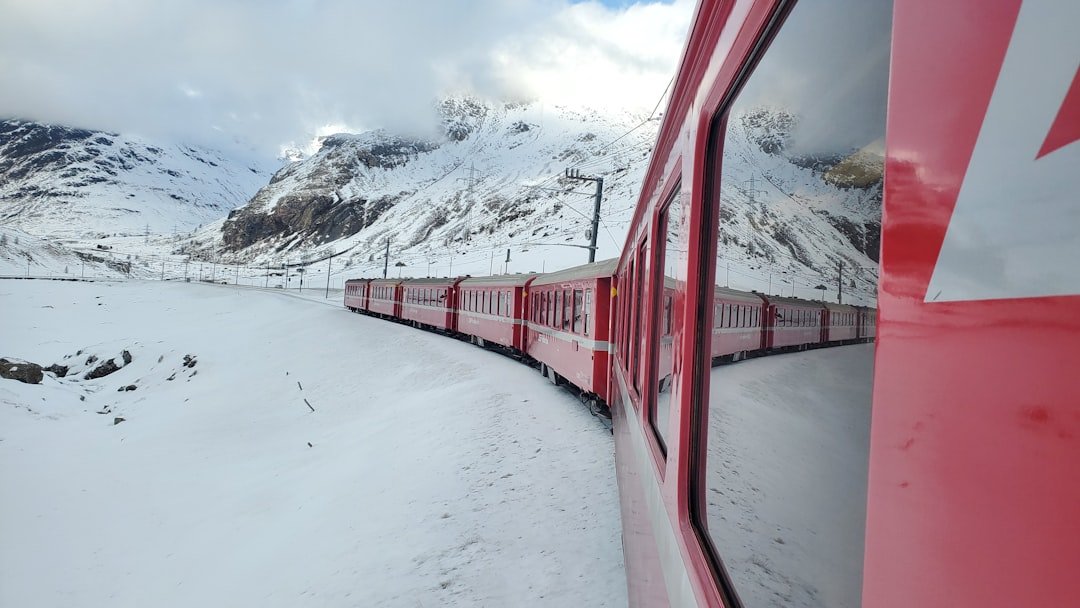
This means alpine travelers can receive UV from two directions: directly from the sun and indirectly from snow, ice, pale rock, and water. Your cheeks, nose, lips, ears, neck, and the underside of your chin can burn even when the air feels cold.
Warning: Cold wind and bright snow can hide the early signs of sunburn. If you notice blistering, severe pain, eye pain, vision changes, dizziness, confusion, or heat-illness symptoms, get out of the sun and seek medical help.
Check the Swiss UV Index Before You Go
Before skiing, hiking, or taking a cable car into higher terrain, check the day’s UV Index forecast. In Switzerland, MeteoSwiss provides UV forecasts for the current and following day. A higher UV Index means you need stronger protection, even if the temperature is cool or the sky is partly cloudy.
Use the forecast to plan your route and breaks. On high-UV days, start earlier, schedule lunch indoors or in shade, and avoid spending the brightest hours on exposed ridges, glaciers, ski lifts, or snowfields.
Note: Clouds do not remove the risk. Thin cloud can still allow significant UV through, and snow reflection can continue to expose your face and eyes.
Choosing the Right Sunscreen for High Altitude
For alpine activities, choose a broad-spectrum sunscreen that protects against both UVA and UVB rays. The American Academy of Dermatology recommends sunscreen with SPF 30 or higher, broad-spectrum coverage, and water resistance.
Apply sunscreen about 15 minutes before going outside. Cover all exposed skin, including your ears, neck, nose, hairline, hands, and the tops of your feet if you are wearing sandals after skiing or hiking. Most adults need about one ounce of sunscreen for exposed body areas, but alpine clothing coverage means the amount you need depends on how much skin is uncovered.
For long days on snow, many people prefer SPF 50 because it gives a useful margin when sunscreen is applied unevenly or rubbed off by helmets, scarves, gloves, goggles, or sweat. Mineral sunscreens with zinc oxide or titanium dioxide can be a good choice for sensitive skin, but the best sunscreen is the one you will apply generously and reapply consistently.
Pro Tip: Keep a small sunscreen stick in an accessible pocket for your nose, cheeks, ears, and hands. It is easier to reapply on a windy chairlift or trail break than a large bottle.
Protecting Your Eyes with Quality Sunglasses
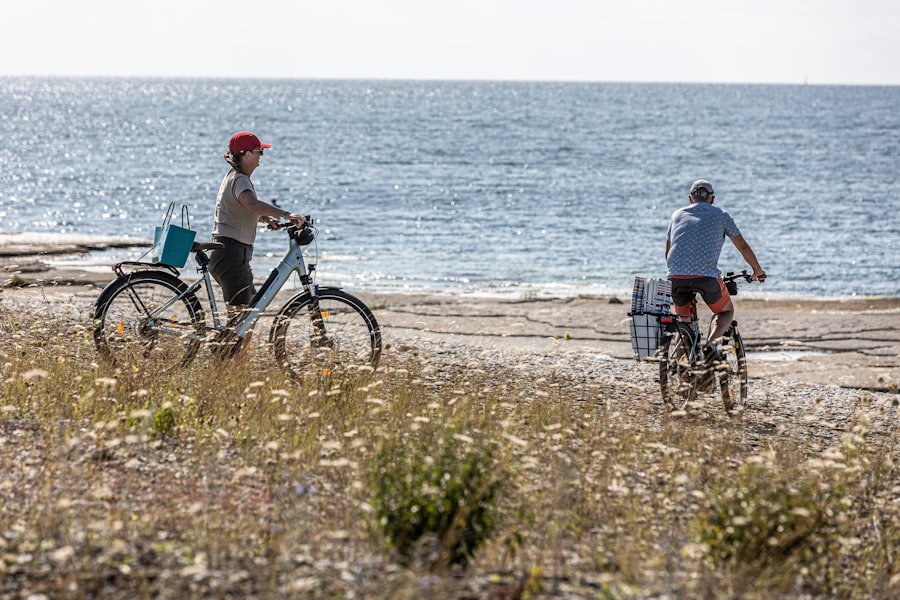
Your eyes are vulnerable in the Alps because snow and ice reflect UV and glare from below and from the sides. Reflected UV can contribute to painful snow blindness, also called photokeratitis, and long-term UV exposure is linked with several eye problems.
Choose close-fitting wraparound sunglasses or ski goggles that block UVA and UVB. For bright snow, look for sunglasses that meet a recognized safety standard and are marked UV400 or equivalent. Lens categories 2, 3, and 4 can be useful depending on conditions, but category 4 lenses are very dark and are not suitable for driving.
Polarized lenses can reduce glare from snow and ice, which helps comfort and visibility. However, polarization is not the same as UV protection. Always check the UV rating first.
Covering Up with UPF Clothing
Sunscreen is important, but clothing gives steadier protection because it does not need to be reapplied. UPF stands for Ultraviolet Protection Factor, and it measures how much UV radiation can pass through fabric. According to the Skin Cancer Foundation, UPF 50 fabric blocks about 98 percent of the sun’s rays.
| UPF Clothing Feature | Why It Helps in the Alps |
|---|---|
| UPF 50+ | Blocks about 98% of UV rays when the garment is used as intended. |
| Long sleeves and high collars | Protects arms, shoulders, chest, and the back of the neck during hiking, skiing, and lift rides. |
| Moisture-wicking fabric | Keeps skin drier during exertion and reduces the temptation to remove layers. |
| Loose, breathable fit | Improves comfort and helps avoid stretching fabric, which can reduce protection. |
For hiking, lightweight long-sleeve UPF shirts, trekking pants, neck gaiters, and sun gloves can make a big difference. For skiing, consider a UPF-rated base layer, a neck tube, and gloves that cover the wrists. If you can see sunlight through thin fabric, it may not give enough protection for a full alpine day.
Using Sun Hats and Visors for Extra Protection
A wide-brimmed hat helps shade the face, ears, scalp, and neck. For hiking, choose a brim of about three inches or more when practical. For windy ridges, use a chin cord or a cap with a neck flap. For skiing or climbing, make sure your hat, visor, or brim works safely with your helmet.
Visors can help shade the eyes and face, but they do not protect the scalp or ears. If you use a visor, pair it with sunscreen on the hairline, ears, and scalp, or wear a lightweight hood or neck flap for more coverage.
Importance of Lip Balm with SPF
Lips burn easily because the skin is thin and often exposed to wind, cold, and reflected UV. Use a broad-spectrum lip balm with SPF 30 or higher, and reapply it often. This is especially important after eating, drinking, wiping your mouth, or using a neck gaiter that rubs against your lips.
Dry alpine air can also cause chapping, which makes lips feel irritated before you notice sun damage. A moisturizing SPF lip balm can help with both UV protection and comfort.
Seeking Shade and Resting During Peak Sun Hours
Even with sunscreen and clothing, it is smart to reduce direct exposure when UV is strongest. The CDC recommends shade, protective clothing, wide-brimmed hats, wraparound sunglasses, and sunscreen as part of a complete sun-safety routine. In the Alps, shade can be limited above the tree line, so plan breaks carefully.
Look for shade from huts, lift stations, trees, rock formations, or covered terraces. If shade is not available, turn your back to the sun during breaks, wear a brimmed hat or hood, and reapply sunscreen before continuing.
Snow and altitude can make UV exposure surprisingly intense even when the air feels cold, the sky is hazy, or you are not sweating.
Reapplying Sun Protection Throughout the Day
Reapplication is one of the most common sun-protection failures in the Swiss Alps. Sunscreen should be reapplied at least every two hours, and more often after sweating, wiping your face, touching snow, or removing goggles and helmets. Water-resistant sunscreen is not waterproof; it still wears off.
Set a phone alarm, use lift rides as reapplication reminders, or reapply at every snack and water stop. Focus on high-risk areas: nose, cheeks, ears, lips, neck, hands, and any part of your scalp or hairline that is exposed.
What to Pack for Alpine Sun Protection
- Broad-spectrum SPF 30+ sunscreen, ideally water-resistant.
- Small sunscreen stick for quick face and hand touch-ups.
- SPF 30+ lip balm.
- Wraparound sunglasses or UV-protective ski goggles.
- Wide-brimmed hat, cap with neck flap, or helmet-compatible visor.
- UPF long-sleeve layer, trekking pants, neck gaiter, and sun gloves.
- Water bottle, because dehydration can make outdoor exposure feel worse.
- Small mirror or phone camera to check missed sunscreen spots.
Common Sun-Protection Mistakes in the Swiss Alps
- Skipping sunscreen on cloudy days: UV can still pass through clouds, and snow reflection can continue.
- Forgetting reflected UV: The underside of the chin, nose, and cheeks can burn from light bouncing off snow.
- Relying only on SPF: Sunscreen works best with clothing, hats, sunglasses, and shade.
- Using dark sunglasses without UV protection: Dark lenses reduce brightness, but the UV rating is what protects your eyes.
- Waiting until skin feels hot: Cold wind can delay the feeling of sunburn.
- Not reapplying after wiping your face: Gloves, scarves, helmets, and goggles can remove sunscreen quickly.
Frequently Asked Questions
What are the risks of sun exposure in the Swiss Alps?
The main risks are sunburn, premature skin aging, eye irritation, snow blindness, and long-term UV damage. The risk is higher because altitude increases UV intensity and snow can reflect UV back toward your face and eyes.
What are the best ways to protect against sun exposure in the Swiss Alps?
Use a layered approach: apply broad-spectrum SPF 30+ sunscreen, wear UPF clothing, protect your eyes with wraparound sunglasses or goggles, use SPF lip balm, wear a hat or helmet-compatible visor, seek shade, and reapply sunscreen every two hours.
Is sunscreen necessary in the Swiss Alps, even on cloudy days?
Yes. Thin or broken cloud can still allow UV through, and snow or ice can reflect UV toward your skin and eyes. Check the UV Index rather than relying only on temperature or cloud cover.
What SPF level is recommended for the Swiss Alps?
Use at least SPF 30, broad-spectrum sunscreen. For long days at altitude, SPF 50 can be a practical choice because sweat, wind, snow, and gear can reduce real-world coverage.
Are there areas where sun protection is especially important?
Yes. Be extra careful on glaciers, ski slopes, snowfields, high ridges, open hiking trails, cable-car platforms, and near reflective surfaces such as snow, ice, pale rock, and water.
Do I need different sunglasses for snow?
For snow, choose close-fitting wraparound sunglasses or goggles with strong UV protection. Category 3 lenses suit many bright conditions, while category 4 lenses are for extreme glare but should not be used for driving.
Sources
- World Health Organization — Ultraviolet radiation Q&A — altitude, clouds, reflection, and snow-related UV exposure.
- MeteoSwiss — UV Index — Swiss UV forecasts and local altitude/snow reflection guidance.
- American Academy of Dermatology — How to apply sunscreen — SPF 30+, broad-spectrum, water-resistant sunscreen, application timing, and reapplication.
- CDC — Reducing risk for skin cancer — shade, clothing, hats, sunglasses, and sunscreen guidance.
- Cancer Council Australia — Eye protection fact sheet — wraparound sunglasses, UV exposure to eyes, and lens categories.
- Skin Cancer Foundation — Sun protective clothing — UPF ratings and UPF 50 protection.