Arizona heat can turn the wrong outfit into a problem within minutes. The best clothes for hot Arizona days are loose, lightweight, breathable, and protective enough for strong sun. Your outfit should also match your exact destination, because Phoenix, Tucson, Flagstaff, Sedona, and the Grand Canyon can feel very different.
Build each outfit around airflow, sun coverage, comfortable footwear, and one packable layer for cold indoor air conditioning or higher elevations. Linen, cotton gauze, lyocell, lightweight merino, and quick-dry technical fabrics can all work, but the best choice depends on whether you are sightseeing, hiking, driving, dining, or spending time by a pool.
Quick Answer
Wear loose, lightweight clothing that allows airflow, plus a UPF-rated layer, wide-brim hat, UV-protective sunglasses, sunscreen, and supportive shoes. Choose quick-dry fabric for active days, carry a thin layer for air conditioning or high elevations, and check the local forecast and HeatRisk before spending hours outside.
Last updated: July 23, 2026
Reviewed by: Editorial Team
Key Takeaways
- Loose cuts usually allow more airflow than tight clothing.
- A tested UPF label is more reliable for sun protection than judging a garment by color or fabric name alone.
- Quick-dry technical fabric suits sweaty, active days; airy natural fabrics often feel comfortable for casual city wear.
- Arizona is not one climate. Low deserts, high country, canyon rims, and inner-canyon trails require different layers.
- Clothing supports heat safety, but timing, shade, water, food, and knowing heat-illness signs matter just as much.
Dress for Your Arizona Destination and Elevation
Do not pack for “Arizona” as if every part of the state has the same weather. The low desert can remain intensely hot after sunset, while higher places such as Flagstaff and the Grand Canyon rims can be much cooler, especially in the morning and at night. Conditions can also change sharply between a canyon rim and the trail below it.
Note: Check the forecast for the exact city, park, trail, and elevation you will visit. The National Weather Service Flagstaff heat guide explains why northern Arizona can be far cooler than the lower deserts, while the Arizona heat portal helps you check current local risk.
| Arizona Setting | What to Wear | Extra Layer or Gear |
|---|---|---|
| Phoenix, Scottsdale, Yuma, and other low-desert areas | Loose shirt, breathable bottoms, sun hat, UV-protective sunglasses, supportive sandals or sneakers | Thin indoor-AC layer; do not assume evenings will be cool |
| Tucson, Sedona, Verde Valley, and foothill areas | Breathable daytime outfit with sun coverage and sturdy walking shoes | Light overshirt or wrap for morning, evening, or indoor stops |
| Flagstaff, Grand Canyon rims, and high country | Light daytime layers, long pants or shorts based on forecast, closed walking shoes | Warmer layer and, when storms are possible, a light rain shell |
| Grand Canyon inner-canyon or exposed desert trail | Sun-protective shirt, durable pants or shorts, broken-in trail shoes, breathable socks | Site-specific water, food, cooling, first-aid, and timing plan |
Breathable Fabrics That Keep You Cool
During extreme heat, the CDC recommends loose, lightweight, light-colored clothing, sunscreen, hydration, and careful scheduling of outdoor activities. Fit matters as much as fiber: a relaxed shirt can allow more airflow than a tight top made from a fabric marketed as “cooling.”
For casual city days, lightweight cotton, linen, cotton gauze, and lyocell can feel soft and airy. For hiking, workouts, or long walks, breathable polyester or nylon blends usually dry faster and keep wet fabric from hanging heavily against your skin. Lightweight merino can work for travel and repeat wear, but choose a thin summer weight because some people find merino warmer than expected.
Cotton is not automatically right or wrong. It dries slowly, which can be uncomfortable during some active trips. However, the Grand Canyon National Park summer hiking guide specifically discusses soaking clothing and notes that cotton can hold water for evaporative cooling. Follow the guidance for your location and activity rather than one universal fabric rule.
| Fabric | Best For | Arizona Heat Notes |
|---|---|---|
| Linen | Casual outfits, patios, resort wear | Airy and light, but wrinkles easily |
| Cotton gauze | Loose shirts, dresses, relaxed pants | Soft and breathable; slower to dry after heavy sweating |
| Lyocell | Smart-casual outfits | Smooth with good drape; check garment weight and fit |
| Breathable polyester or nylon blend | Hiking, workouts, long walks | Quick-drying; avoid dense, non-breathable fashion fabric |
| Lightweight merino | Travel layers and repeat wear | Choose thin summer weights and test comfort before travel |
Underwear, Socks, and Chafing Control
Your base pieces matter when you will sweat for hours. Choose breathable, quick-dry underwear and socks that fit smoothly without bunching. For long walks, avoid rough seams and test the full outfit before travel. Carry a spare pair of socks if your day includes hiking, water activities, or repeated indoor-outdoor changes.
Pro Tip: Wear your planned outfit for a one-hour walk before the trip. Check for rubbing at the waistband, thighs, underarms, sock line, and shoe heel while the fabric is damp with sweat.
Sun-Protective Clothing and UPF Essentials
Breathability helps with comfort, but sun protection depends on coverage, weave, fit, condition, and any tested UPF rating. UPF means Ultraviolet Protection Factor. A garment labeled UPF 50 allows about one-fiftieth of UV radiation through, or roughly 2%, according to the Skin Cancer Foundation.
A UPF 50 garment allows about 2% of UV radiation to reach covered skin, but exposed areas still need sunscreen and shade.
Look for a clear UPF label on shirts, pants, hats, swim cover-ups, and arm or neck coverings. Loose-fitting garments can maintain more consistent coverage than fabric stretched tightly across the skin. Wet, worn, stretched, or very thin fabric may protect differently, so follow the garment maker’s care instructions.
Color creates a trade-off. Light colors can reduce heat absorption in direct sun, while darker or brighter colors and denser weaves can absorb more UV. The University of Arizona Cancer Center’s 2026 sun-safety guidance stresses that color, weave, and fit all affect protection. For reliable UV coverage, choose a tested UPF garment instead of relying on color alone.
Clothing covers only part of your body. The American Academy of Dermatology recommends broad-spectrum, water-resistant sunscreen with SPF 30 or higher on exposed skin. Apply it before going outside and reapply about every two hours, plus after swimming or sweating, as directed on the label.
For your eyes, the FDA recommends sunglasses labeled UV400 or 100% UV protection. Lens darkness does not prove UV protection, and polarization mainly reduces glare, so check the UV label separately.
Products Worth Considering

UV PROTECTION: UPF 50+ fabric for maximum protection against harmful ultraviolet rays, protected your sensitive skin against all the elements in summer.
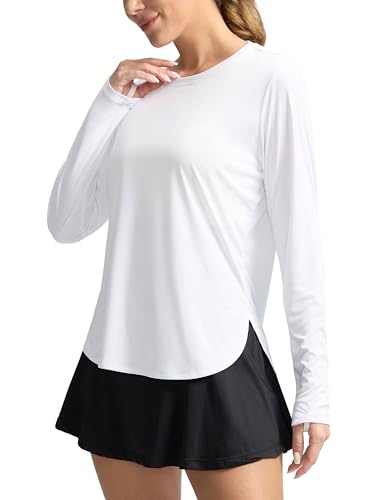
UV Protection: Crafted with UPF 50+ fabric, which has excellent sun protection that keeps you shielded from harmful UV rays, allowing you to enjoy the outdoors worry-free.

[POLYESTER FABRIC] Made of lightweight and breathable polyester, designed for quick drying. The fabric has slight elasticity to allow ease of movement.
Easy UPF Outfit Formula
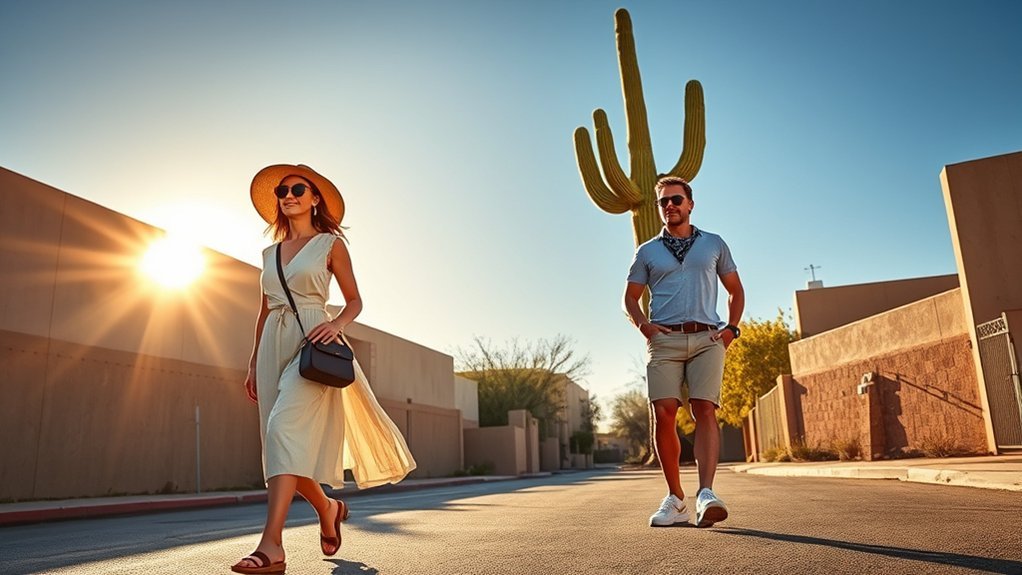
- Top: Loose UPF long-sleeve sun shirt or breathable button-up.
- Bottom: Lightweight hiking pants, linen trousers, or a longer skirt with comfortable coverage.
- Head and eyes: Wide-brim hat and sunglasses labeled for UV protection.
- Skin: Broad-spectrum, water-resistant SPF 30+ sunscreen on exposed areas.
- Backup: Compact sunscreen and a spare neck or arm covering for longer outdoor time.
Plan Around HeatRisk and the Hottest Hours
The right outfit cannot make every hour safe for strenuous activity. Check the Arizona Heat Resource Hub, the local National Weather Service forecast, and any park or trail alerts before you leave. Move hard outdoor activity to cooler hours, shorten the route when risk is high, and build in air-conditioned or shaded stops.
For exposed Grand Canyon hiking, the National Park Service warns visitors to avoid strenuous inner-canyon hiking during the hottest part of the day and to plan around shade, water, food, and their physical limits. Exact timing varies by location and forecast, so treat local guidance as more important than a generic schedule.
Heat Safety Beyond Clothing
- Carry enough water for the location and do not assume trail water will be available.
- Drink regularly, but do not force excessive amounts. For long, strenuous outings, balance fluids with food or electrolytes according to site guidance.
- Take shade or air-conditioning breaks before you feel exhausted.
- Reduce intensity if you are not acclimatized to heat.
- People with medical conditions, older adults, young children, and anyone taking medicines that affect heat tolerance should use extra caution and seek personal medical advice when needed.
Warning: Headache, nausea, dizziness, weakness, thirst, and heavy sweating can signal heat exhaustion. Confusion, altered speech, loss of consciousness, seizures, or very high body temperature can signal heat stroke. Heat stroke is a medical emergency: call 911, move the person to a cooler place, remove excess clothing, and begin rapid cooling while help is coming.
Lightweight Layering for Air-Conditioned Spaces
A thin, breathable cardigan, overshirt, scarf, or wrap can help in cold malls, restaurants, hotels, offices, rideshares, and airplanes. It also gives you flexibility in Flagstaff, at the Grand Canyon rims, or anywhere the forecast shows a large temperature swing.
Do not pack a layer because you assume every desert night will be cool. Low-desert evenings can remain hot. Choose the layer for air conditioning, high elevation, weather changes, or a specific evening forecast.
Thin Breathable Cardigans
Choose a cardigan that folds small and slips over your warm-weather outfit without trapping too much heat when you step outside. Cotton-linen blends and fine-gauge merino can work well. A relaxed cut is easier to remove and carry than a fitted blazer or lined jacket.
| Style | Best Use | Why It Works |
|---|---|---|
| Open-front | Restaurants and travel | Easy to put on and remove |
| Button-up | Office or smart-casual settings | Looks tidy over tees, tanks, and dresses |
| Duster | Cool interiors and evenings | Adds coverage without a tight fit |
| Cropped | Casual outfits | Pairs easily with dresses and wide-leg pants |
| Wrap | Flights, hotels, and compact packing | Works as a scarf, shawl, or light blanket |
Lightweight Scarves or Wraps
A lightweight scarf or wrap takes less space than many cardigans. Linen blends, cotton voile, fine merino, and light silk blends can work, depending on your skin comfort and care needs. Use it as a shoulder cover, shawl, head covering, or neck shield, but do not assume an ordinary scarf has a tested UPF rating.
- Pack a rectangular linen blend for airy coverage and easy folding.
- Carry a light silk blend when you want a polished texture and small pack size.
- Choose a larger cotton wrap when you need more coverage from patio to restaurant.
Stylish Hats and Face-Shielding Accessories
A wide-brim hat protects more of your face, ears, scalp, and neck than a small cap. Look for a brim that goes around the hat, a UPF label when available, a breathable sweatband, and a secure fit. Chin cords or adjustable straps help on windy trails and open overlooks.
Straw, raffia, cotton canvas, and lightweight technical fabric can all work, but loose or open-weave materials may allow more UV through. A hat’s shape, weave, coverage, and tested rating matter more than its fashion label.
If you use a sun visor, face covering, neck flap, or clear shield, check what it is designed to block. A product that protects against splashes or wind does not automatically provide UV protection. Choose an item with a stated UPF or UV rating and continue using sunscreen on exposed skin.
Products Worth Considering

【VACUUM PACKED – CREASE NOTICE】 To keep this extra-wide brim hat affordable, it is folded and vacuum packed. Two crease lines may be visible upon arrival. These can be reduced by reshaping in the opposite direction, light washing and air drying, or low steam. They will soften with use but may not fully disappear. Creases do not affect performance or sun protection, but may slightly impact appearance. If you prefer a perfectly structured brim, you may wish to explore other options.

2-in-1 Women's Sun Visor Hat: This fashionable and functional wide-brim sun hat offers excellent UV protection. Featuring a zipper-detachable top, it converts from a full-coverage sun hat to a breathable open-top visor for cooling airflow. Suitable for walking, hiking, golf, travel, beach trips, gardening, and other outdoor activities

Super-large Brim: front-brim is 6.7"(17cm) and back-brim is 5.5"(14cm), broad brim provides sun protection to shade your face, eyes, neck and shoulder
Best Hat Types for Arizona Heat
- Wide-brim sun hat: Strong all-around coverage for walking, patios, and sightseeing.
- Packable straw hat: Useful for resorts and casual city outfits when the weave is sufficiently dense.
- Technical hiking hat: Designed for sweat, wind, and longer outdoor time.
- Visor: Ventilates the scalp but leaves the top and sides of the head exposed.
- Hat with neck flap: Practical for exposed hikes, outdoor work, or long sun exposure.
Shoes for Hot Pavement, Trails, and Poolside
Your shoes should match the surface, distance, and activity. Hot pavement, rocky desert paths, dusty overlooks, pool decks, and restaurant floors all create different needs. Prioritize support, traction, enough sole thickness, and a fit that remains comfortable when your feet swell slightly during a long hot day.
Supportive sandals with sturdy soles can work for short city walks and pool areas. Breathable sneakers suit longer urban days. Water-ready trail sandals can handle wet surfaces and grit, while closed-toe trail shoes offer more protection from rocks, cactus debris, and uneven terrain.
For serious hiking, choose broken-in footwear with reliable traction and breathable socks. Thin flip-flops are better for short poolside use than long walks because they offer little support or protection.
For Arizona heat, choose footwear for the surface first: support and traction matter more than how open or lightweight the shoe looks.
- Supportive sandals with textured soles for short casual walks.
- Breathable sneakers with cushioned midsoles for city days.
- Slip-resistant water shoes or hybrid hikers for wet, rocky terrain.
- Closed-toe trail shoes for exposed desert trails and cactus country.
Products Worth Considering

Super Soft EVA Cushioned Women Sandals :The lightweight soft breathable upper with EVA midsole makes this closed-toe womens water shoes the right shoe for any summer adventure.

SKID-RESISTANT: The women's sport sandals with cushiony EVA yoga mat insloe are soft and absorb impact, which is textured to provide extra grip. The Rubber outsole gives you safe and secure footing and prevents from abrasion and slip.

Smart Colors and Prints to Manage Heat and UV
Light shades such as white, ivory, beige, pale gray, soft blue, and sandy tan can reduce solar heat absorption compared with darker colors. However, thermal comfort and UV protection are not the same thing. A thin, stretched white shirt may provide less UV protection than a darker, denser, or UPF-rated garment.
For long outdoor exposure, prioritize a tested UPF rating, coverage, airflow, and fit. Then choose the color you find comfortable. A loose UPF 50 shirt in a light shade often gives you a practical balance of heat management and predictable UV protection.
Light, Breathable Neutrals
Neutral colors make travel packing simple because the same hat, sandals, overshirt, and bottoms can work with several tops. Choose pieces by weight and weave, not color alone.
- Lightweight linen trousers or a relaxed cotton shirtdress for casual airflow.
- A loose camisole with a breathable overshirt for coverage you can adjust.
- A sand-colored wide-brim hat and simple sandals for an easy travel capsule.
Minimal, High-Contrast Prints
Minimal prints on light backgrounds can add variety without making a small travel wardrobe hard to match. Thin stripes, small geometric patterns, pale florals, and simple color-block panels all work with neutral bottoms or tops.
| Print Choice | Benefit | Best Use |
|---|---|---|
| Thin stripes | Clean and easy to pair | City walks and cafes |
| Small geometric prints | Adds shape without visual clutter | Smart-casual outfits |
| Pale florals | Soft summer look | Resorts and patios |
| Color-block panels | Creates structure with simple pieces | Travel capsule outfits |
Outfit Ideas for Common Arizona Plans
The right outfit depends on your activity, elevation, and time outdoors. Use these formulas as starting points, then adjust them to the current forecast and venue.
| Plan | Best Outfit Formula | Add This |
|---|---|---|
| Phoenix or Scottsdale city day | Loose cotton or technical shirt, linen or lightweight pants, cushioned sandals | Hat, UV sunglasses, sunscreen, small AC layer |
| Desert hike | UPF shirt, trail pants or shorts, breathable socks, broken-in trail shoes | Neck cover, water, food, first-aid kit, route-specific safety plan |
| Flagstaff or Grand Canyon rim | Breathable daytime layers, walking shoes, sun hat | Warmer layer and light rain shell when forecast calls for it |
| Pool or resort | Swimsuit, airy cover-up, slip-resistant sandals | Packable hat, sunscreen, UV sunglasses |
| Museum or restaurant | Breathable dress or loose trousers with a light blouse or collared shirt | Thin cardigan or wrap for air conditioning |
| Weekend road trip | Moisture-wicking tee, convertible pants, supportive sneakers | Scarf, hat, backup socks, forecast-based layer |
Packing Tips for Day Trips and Weekend Getaways
Pack around your planned activities rather than filling a bag with unrelated warm-weather clothes. Every piece should work with at least two outfits or solve a clear problem such as sun coverage, trail traction, cold air conditioning, or higher-elevation weather.
For a day trip, carry a hat, UV-protective sunglasses, sunscreen, water, a breathable top, comfortable bottoms, and shoes suited to the surface. For a weekend, add one smarter outfit, a thin layer, spare socks, and a rain shell only when the destination or forecast supports it.
- Wide-brim hat, broad-spectrum SPF 30+ sunscreen, UV-protective sunglasses, and SPF lip balm.
- Convertible or lightweight pants, breathable tops, and one cardigan, overshirt, or wrap.
- One trail-ready shoe, one casual sandal, breathable socks, and a small first-aid kit.
- Reusable water bottle, food for outdoor plans, and a small bag for damp clothing.
- Current forecast, HeatRisk, park alerts, and trail water information saved before you leave.
What Not to Wear in Arizona Heat
Some clothes feel acceptable indoors but become uncomfortable or less protective outside. Avoid pieces that trap heat, restrict movement, rub when damp, or create a false sense of sun safety.
- Heavy jeans for long outdoor periods: Denim can feel hot, stiff, and slow to dry.
- Tight black leggings without hot-weather design: Dense fabric and a close fit can limit airflow.
- Thin flip-flops for long walks: They offer little support, traction, or protection.
- Dense, non-breathable fashion synthetics: Some cling to sweat and feel hotter than breathable performance fabric.
- A small cap as your only sun protection: It leaves the ears, cheeks, and neck exposed.
- Thin or see-through white fabric as your only UV plan: A light color does not guarantee strong UV protection.
- Sunglasses without a UV-protection label: Lens darkness or polarization does not replace a UV400 or 100% UV-protection label.
- New shoes on a serious hike: Unbroken footwear can create blisters and pressure points.
- Heavy layered outfits: They may look polished indoors but become difficult to carry and manage outside.
Frequently Asked Questions
What is the best fabric to wear in Arizona heat?
There is no single best fabric for every activity. Linen, cotton gauze, and lyocell work well for casual wear. Breathable technical polyester or nylon usually dries faster for hiking and long walks. Thin merino can suit travel, while cotton can be useful in location-specific wet-cooling strategies such as those described by Grand Canyon National Park.
Should I wear long sleeves in Arizona summer?
Yes. Loose, lightweight long sleeves can reduce direct sun exposure without feeling as restrictive as heavy fabric. A tested UPF shirt gives more predictable UV protection. Choose a relaxed fit and breathable construction, then use sunscreen on skin the garment does not cover.
Are jeans good for Arizona heat?
Jeans can work for short indoor-focused plans, but heavy denim is usually uncomfortable for long outdoor time because it is dense and slow to dry. Lightweight cotton pants, linen trousers, hiking pants, or loose drawstring pants are easier choices for hot daytime wear.
What shoes should I wear in Arizona heat?
For city walking, choose breathable sneakers or supportive sandals with sturdy soles. For rocky trails, use broken-in closed-toe trail shoes or hiking footwear with reliable grip. Water shoes or trail sandals suit wet areas. Reserve thin flip-flops for short poolside use.
Do I need a jacket in Arizona summer?
You may need a light layer for strong indoor air conditioning, airplanes, Flagstaff, the Grand Canyon rims, or a forecasted temperature drop. A thin cardigan, overshirt, wrap, or light rain shell can work. Low-desert evenings may remain hot, so check the exact forecast instead of assuming you need warmth.
What color clothing is best for Arizona heat?
Light colors can absorb less solar heat, while darker or brighter colors may block more UV when other fabric features are equal. Because color does not tell the whole story, use a tested UPF rating, comfortable coverage, breathable construction, and a loose fit as your main decision points.
Is UPF clothing better than sunscreen?
They protect different areas and work best together. UPF clothing gives consistent protection on covered skin, while sunscreen protects exposed areas such as the face, ears, neck, hands, and ankles. Use shade, a hat, UV-protective sunglasses, clothing, and sunscreen as a combined system.
What should I pack for a day trip in Arizona heat?
Pack a breathable top and bottoms, a UPF layer, wide-brim hat, UV-protective sunglasses, sunscreen, water, food for active plans, and shoes matched to the surface. Add a compact indoor-AC layer. For trails, bring broken-in footwear, spare socks, first aid, and route-specific water and safety information.
Are there dress codes for upscale restaurants or resorts in Arizona?
Some venues use smart-casual or resort-elegant dress codes, but the rules vary. Breathable midi dresses, linen trousers, collared shirts, polished sandals, and unlined lightweight jackets can work. Check the specific venue before you go, especially if it restricts swimwear, athletic clothes, hats, or open-toe footwear.
Can Arizona heat trigger skin conditions or rashes?
Heat, sweat, friction, and damp fabric can contribute to heat rash or irritation. Loose clothing, dry skin folds, clean quick-dry base layers, and cooling breaks may help. Seek medical care for severe pain, spreading redness, fever, infection signs, or symptoms that persist.
Is it safe to wear makeup or sunscreen under a face covering or sun shield?
You can wear sunscreen and makeup under a face covering or sun shield, but heat and sweat may affect comfort and wear. Choose lightweight products and reapply sunscreen on exposed skin as directed. Confirm that the covering or shield has a stated UV rating; a clear shield does not automatically block UV.
How do you care for and pack straw or natural-fiber hats?
Follow the maker’s care label. In general, spot-clean gently, let the hat dry fully, and avoid crushing the crown. For packing, fill the crown with soft clothing, place it brim-down, and pack clothes around it. A purpose-made packable hat is safer when luggage space is tight.
Do rental cars or rideshares supply sunshades or cooling features?
Do not assume they will. Vehicle features vary by model, trim, rental fleet, and driver. Bring sunglasses, water, and a small cloth or light cover for hot contact surfaces. Never leave a person or pet in a parked vehicle, even for a short stop.
What should I wear in Flagstaff or at the Grand Canyon in summer?
Use layers. Wear breathable sun-protective clothing during the day, then carry a warmer layer for high-elevation mornings and evenings. At the Grand Canyon, remember that the rim and inner canyon can have very different temperatures. Check the forecast, trail alerts, water status, and park guidance before hiking.
How can I tell when clothing is not enough for the heat?
Stop activity and cool down if you develop headache, nausea, dizziness, weakness, unusual fatigue, or heavy sweating. Confusion, altered speech, collapse, seizure, or very high body temperature can indicate heat stroke. Call 911 and begin rapid cooling for suspected heat stroke.
Conclusion
The best way to dress for Arizona heat is to combine airflow, sun protection, activity-specific footwear, and forecast-based layering. Start with a loose shirt and breathable bottoms. Add UPF-rated coverage, a wide-brim hat, UV-protective sunglasses, and sunscreen on exposed skin.
Then adjust for the real trip. Low-desert city days, Flagstaff mornings, Grand Canyon rims, inner-canyon trails, restaurants, pools, and road trips do not need the same outfit. Check HeatRisk and local alerts, schedule demanding activity for safer hours, and know the signs of heat illness.
Next step: Lay out one complete outfit for each planned activity. Wear each walking or hiking outfit before the trip, remove anything tight or heavy, and confirm that your shoes, sun coverage, and layers match the exact destination.
Sources
- CDC: Protect Yourself From the Dangers of Extreme Heat — loose clothing, hydration, sunscreen, and activity planning.
- CDC/NIOSH: Heat-Related Illnesses — heat exhaustion and heat stroke symptoms and first aid.
- American Academy of Dermatology: How to Apply Sunscreen — SPF, broad-spectrum protection, and reapplication.
- Skin Cancer Foundation: Sun Protection — UPF meaning, hats, clothing, and sunglasses.
- Arizona Heat Resource Hub — current HeatRisk and statewide heat-safety resources.
- Grand Canyon National Park: Summer Hiking and Hike Smart — site-specific clothing, timing, water, food, and trail safety.