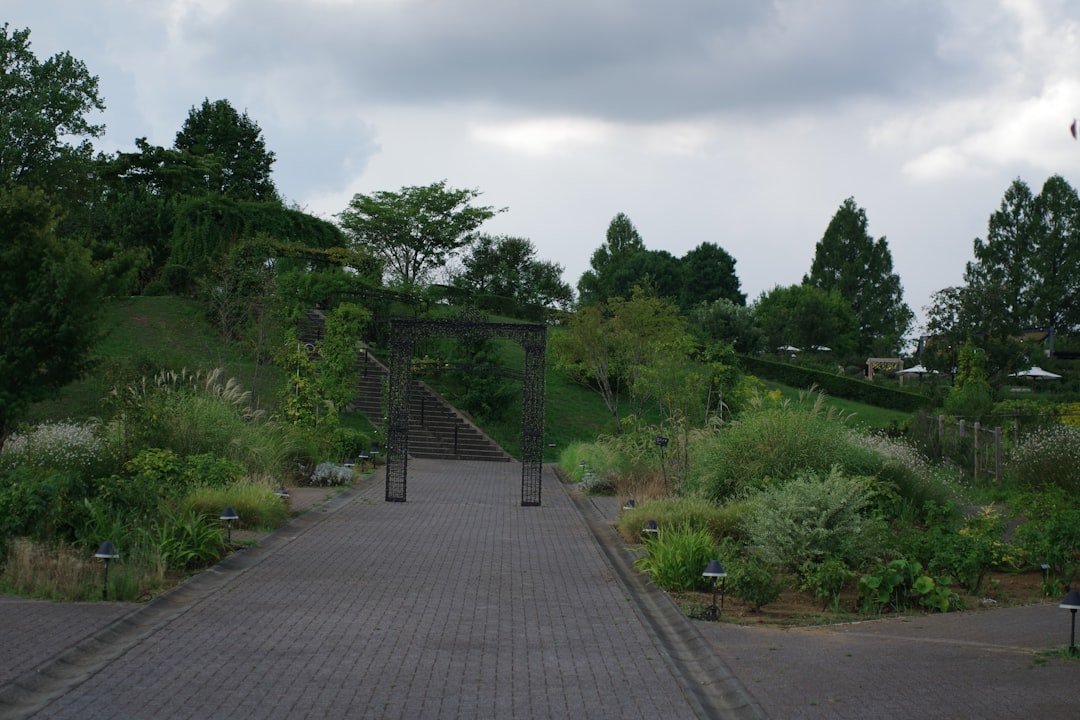
Kew Gardens, officially the Royal Botanic Gardens, Kew, is a 320-acre botanical garden and UNESCO World Heritage Site in southwest London. Founded in 1759, Kew combines historic landscapes and glasshouses with one of the world’s major plant-science and conservation institutions. More than 50,000 living plants can be found across the site, alongside galleries, historic buildings, family attractions, restaurants and walking routes.
Quick Answer
Kew Gardens is easy to reach from central London and is best planned as at least a half-day visit. In September 2026, standard peak adult admission starts at £25 online, the Gardens are generally open 10am–7pm, and major highlights include the Palm House, Temperate House, Princess of Wales Conservatory and Treetop Walkway.
Key Takeaways
- Kew Gardens is a 320-acre UNESCO World Heritage Site with more than 50,000 living plants.
- Kew Gardens station is about 500 metres from Victoria Gate and is served by the District line and Mildmay line.
- Ticket prices and opening hours change by season, so checking Kew’s official website before travelling is essential.
- Top attractions include the Palm House, Temperate House, Princess of Wales Conservatory and the 18-metre-high Treetop Walkway.
- The Waterlily House is closed for renovation until spring 2027, so do not plan a 2026 visit around that attraction.
- Kew offers accessible routes, manual wheelchairs to borrow, accessible toilets, mobility-scooter options and dedicated accessibility maps.
Kew’s 320-acre landscape contains more than 50,000 living plants, combining a major visitor attraction with internationally important botanical research and conservation.
Getting to Kew Gardens
Kew Gardens is roughly 30 minutes from central London by public transport, and choosing the right station can save a surprising amount of walking. The most convenient entrance for many visitors is Victoria Gate.
By Tube and Mildmay Line
Kew Gardens station is about 500 metres from Victoria Gate. The station is in Zone 3 and is served by the District line’s Richmond branch and the Mildmay line.
Visitors who require step-free access should plan carefully. Kew notes that there is no level access from the westbound platform at Kew Gardens station. Richmond station has lift and level access and can be a better alternative for some visitors.
By Train
Kew Bridge station is about 800 metres from Elizabeth Gate and is served by South Western Railway services from London Waterloo via stations including Vauxhall and Clapham Junction. Kew advises that Kew Bridge station does not have level access.
By Bus
- Route 65: stops close to Elizabeth Gate, Victoria Gate and Lion Gate and connects with Ealing Broadway and Richmond stations.
- Route 110: stops near Kew Gardens station and Elizabeth Gate and also serves Richmond station.
- Routes 237 and 267: stop at Kew Bridge station.
By Bicycle
Bicycle racks are available at all four Kew gates. Bicycles, tricycles, scooters, skateboards and roller skates are not permitted inside the Gardens, so bikes must be left at the designated racks.
By Car
Kew’s main car park is at Brentford Gate, TW9 3AF. Parking is limited and operates on a first-come, first-served basis. As of September 2026, parking costs £10 per day. Blue Badge holders can park free in designated accessible spaces or other available spaces if the accessible bays are full.
Kew Gardens is outside London’s Congestion Charge zone but is inside the Ultra Low Emission Zone, so drivers should check whether their vehicle meets current ULEZ requirements before travelling.
By Boat
Thames River Boats operates a seasonal service from Westminster Pier to Kew Pier. Elizabeth Gate is the closest Kew entrance from the pier, around 0.2 miles away across Kew Green. Sailing schedules depend on tides and weather.
Pro Tip: For most visitors using public transport, Kew Gardens station and Victoria Gate are the simplest combination. If accessibility is your priority, check Kew’s current access guidance before choosing a station because step-free access varies by platform.
Admission and Opening Hours
Kew Gardens uses seasonal ticket pricing, so old flat-rate prices can be misleading. Booking online usually gives the best standard price.
Kew Gardens Ticket Prices in September and October 2026
| Ticket | Online | At Gate |
| Adult | £25 | £28 |
| Young person age 16–29 / eligible student | £10 | £12 |
| Concession | £23 | £26 |
| Child age 4–15 | £2 | £4 |
| Child under 4 | Free | Free |
These are the standard peak prices for September 2 through October 31, 2026, before any optional donation. Kew states that children aged 16 and under must be accompanied by an adult.
Kew is also running £10 Tuesdays from September 8 through December 29, 2026. In addition, an after-4pm ticket is available during September, although many attractions close before the Gardens themselves.
Visitors receiving qualifying benefits may be eligible for £1 admission, while registered blind and partially sighted visitors and essential companions accompanying disabled visitors can qualify for free daytime entry. Always review the official Kew ticket page for current eligibility rules and prices.
Kew Gardens Opening Hours in 2026
- September 1–30: daily 10am–7pm, last entry 6pm.
- October 1–24: daily 10am–6pm, last entry 5pm.
- October 25–November 11: daily 10am–4pm, last entry 3pm.
- November 12, 2026–January 3, 2027: daily 10am–3:15pm, last entry 2:30pm.
Individual glasshouses, galleries, restaurants and attractions can close earlier than the main Gardens. Kew may also change access because of maintenance, weather or events, so check the official opening-times page shortly before travelling.
Note: Prices and hours above are current for September 2026 planning. Kew changes both seasonally, so future visitors should verify the official ticket and opening-hours pages before buying tickets.
Must-See Attractions at Kew Gardens
Kew is large enough that trying to see everything in a short visit can become tiring. First-time visitors should prioritize a few major attractions and leave time to enjoy the landscape between them.
Palm House
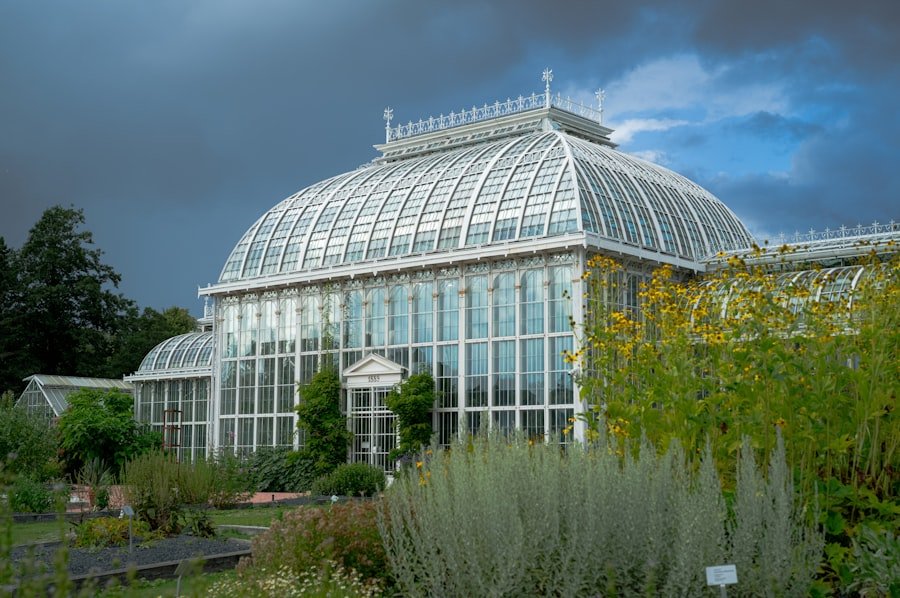
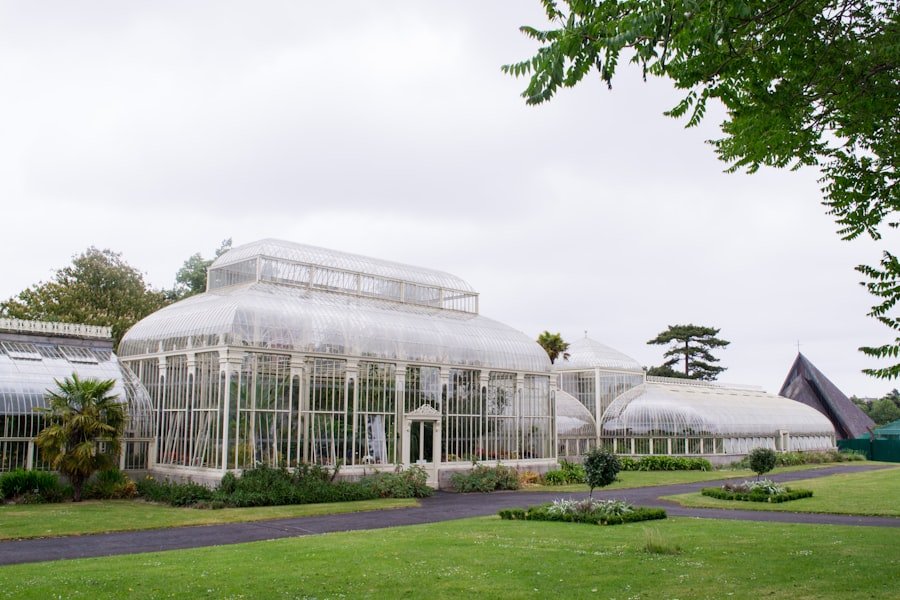
The Palm House is one of Kew’s best-known Victorian glasshouses and contains tropical plants from some of the world’s most threatened environments. Its warm, humid interior creates a striking contrast with London’s outdoor climate.
The Palm House remains open in 2026 ahead of a major renovation currently expected to begin in 2027. Check Kew’s planned-closures page before travelling in case preparation work affects access.
Temperate House
The Temperate House is another essential stop and is the world’s largest surviving Victorian glasshouse. Its collection represents temperate plants from several continents and makes it particularly useful for visitors interested in plant diversity and conservation.
Princess of Wales Conservatory
This conservatory brings several climatic zones together under one roof. In 2026 it is especially important because giant waterlilies are being displayed here while the Waterlily House is under renovation.
Treetop Walkway
The Treetop Walkway rises about 18 metres above the ground and offers a different perspective on Kew’s tree canopy. There are 118 steps to the walkway, although lift access is provided. The walkway can temporarily close because of weather or maintenance.
Waterlily House
The historic Waterlily House normally ranks among Kew’s signature attractions, but it is closed for renovation until spring 2027. Visitors in 2026 should not build their itinerary around it.
Warning: Kew’s attraction closures can change independently of the main garden opening hours. Check the official planned-closures page before travelling, particularly if one glasshouse or historic building is the main reason for your visit.
Kew Palace, the Great Pagoda and Other Historic Sites
Kew Palace and the Great Pagoda add an important historical dimension to a visit. However, Kew’s 2026 schedule states that its Historic Royal Palaces attractions are due to close from September 28, 2026 until spring 2027. If these sites are a priority, verify their individual opening information before booking your trip.
Guided Tours and Activities
Guided tours are one of the easiest ways to understand Kew’s history, science and plant collections without trying to research every attraction yourself. Kew regularly offers introductory walks, specialist tours, accessibility-focused activities and seasonal events.
As of September 2026, Kew lists Introduction to the Gardens tours at 11am and 1:30pm daily. These are included with admission, although availability can change.
The 2026 Henry Moore: Monumental Nature exhibition also has guided walking tours running daily through January 31, 2027. Current tours take about an hour and are included with garden admission, with limited capacity.
Kew also offers selected British Sign Language tours, sensory tours, dementia-friendly health walks and specialist behind-the-scenes experiences. Some require advance registration or a separate ticket, so the official What’s On calendar is the best place to check what will be running on your visit date.
Dining and Refreshments
Walking around Kew can easily take several hours, and there are multiple places to stop for food or drinks. Kew says its cafés and restaurants use seasonal and local produce and provide plant-based options.
Orangery
The historic Orangery serves coffee, cakes and light meals with indoor seating and an outdoor terrace. It is a useful informal lunch or coffee stop rather than a formal restaurant.
Pavilion Bar and Grill
The Pavilion Bar and Grill serves burgers and Mediterranean-inspired dishes, with indoor and outdoor seating. It is one of the better choices when you want a more substantial lunch.
Family Kitchen & Shop
Located near the Children’s Garden, the Family Kitchen offers options such as stone-baked pizza, salads, sandwiches, hot food and ice cream, making it particularly convenient for families.
Botanical Brasserie
The Botanical Brasserie provides a more formal dining experience with modern British food, including breakfast, lunch and afternoon tea. A Kew Gardens admission ticket is required before dining there.
Victoria Plaza Café
Victoria Plaza Café is useful for coffee, cakes, sandwiches and snacks when you want something quick rather than a full sit-down meal.
Opening times for individual cafés can differ from the main Gardens and may change for private events or maintenance.
Picnics are allowed throughout Kew Gardens, so bringing your own food is also an option. If you prefer preparing food before the trip, this site’s Delicious Homemade Cottage Cheese: A Simple and Healthy Recipe is one make-ahead idea; keep dairy and other perishable foods properly chilled until you are ready to eat.
Shopping at Kew Gardens
Kew has several on-site shops with products connected to plants, gardens, art and the natural world. The largest is the Victoria Plaza shop, where visitors can find outdoor products, food, books, homeware and gifts.
The Family Kitchen & Shop specializes in children’s books, toys and planting kits. The Galleries gift shop, inside the Shirley Sherwood Gallery, focuses on prints, books and gifts inspired by Kew’s art collections.
The Kew Online Shop also sells gardening tools, seeds, books, fashion, homeware and other products. Stock and shop opening hours change, so check Kew’s official shopping page if a particular store is important to your visit.
Accessibility and Facilities
Kew Gardens is largely flat, with tarmac paths across much of the site, but individual historic attractions and glasshouses have different access restrictions.
Wheelchairs and Mobility Scooters
A limited number of manual wheelchairs can be borrowed at public entry gates without advance booking. Kew also has mobility scooters that can be borrowed when booked in advance from Brentford, Victoria and Elizabeth Gates.
Mobility scooters are restricted in some attractions. For example, the Palm House allows manual and electric wheelchairs but not mobility scooters, while the Princess of Wales Conservatory is accessible at ground level to wheelchairs and mobility scooters but has an upper floor that is not accessible to them.
Accessible Toilets and Hearing Support
Accessible toilets are available near major attractions, gates and cafés and are marked on Kew’s map. Hearing loops are installed at gate tills, retail tills and catering counters.
Accessibility Maps and Visual Guides
Kew provides a dedicated accessibility map highlighting accessible facilities and areas of sensory interest, along with a visual guide explaining what visitors can expect during their trip. These resources are especially useful if crowds, noise, route surfaces or sensory conditions affect your visit.
Recognized guide, assistance and service animals are welcome. Other animals and pets are not permitted.
For current access details, use Kew’s official accessibility guide.
Tips for Visiting Kew Gardens
Allow Enough Time
A quick visit can cover one or two major glasshouses and nearby highlights, but most first-time visitors will benefit from allowing at least half a day. A full day gives you more time for the Palm House, Temperate House, conservatories, galleries, Treetop Walkway, food stops and the wider landscaped gardens.
Arrive Earlier for a Quieter Start
Arriving near opening time can make major attractions easier to explore before visitor numbers build. It also gives you more flexibility if an attraction closes earlier than the main Gardens.
Wear Comfortable Shoes
The site covers 320 acres, so even a selective itinerary can involve considerable walking. Comfortable footwear is one of the simplest ways to make the day more enjoyable.
Dress for London’s Weather
Conditions can change quickly. Layers, rain protection and sun protection are sensible depending on the forecast. Glasshouses such as the Palm House can also feel much warmer and more humid than outdoor areas.
Check Closures Before Travelling
Maintenance, weather and events can temporarily affect attractions. The planned-closures page should be part of your final pre-trip check.
Do Not Bring Large Luggage Expecting Storage
Kew states that there are no lockers or baggage-storage facilities inside the Gardens. If you are visiting between hotel check-in times or travelling with luggage, arrange storage elsewhere before arriving.
Supervise Children
Children aged 16 and under must be accompanied by an adult, and Kew has deep bodies of water on site. Keep younger visitors supervised throughout the Gardens.
Pro Tip: Choose three or four must-see attractions before arriving rather than trying to walk every path. Kew is large enough that a flexible route usually creates a better visit than a rigid attempt to see everything.
Map of Kew Gardens
A map is particularly useful at Kew because attractions, gates, cafés, galleries and historic buildings are spread across a large site.
Kew currently provides both a general visitor map and an accessibility map. The accessibility version highlights accessible facilities and areas with particular sensory characteristics.
Current visitor guidance does not rely on a standalone general Kew Gardens app. For ordinary trip planning, use Kew’s official maps, opening-times page, What’s On listings and planned-closures page. During specific exhibitions, Kew may also offer separate digital experiences; for example, the 2026 Henry Moore exhibition uses Bloomberg Connects for suggested routes and additional content.
Before entering, identify your arrival gate, two or three priority attractions and a likely lunch stop. That simple plan reduces unnecessary backtracking across the 320-acre site.
Conclusion and Final Thoughts
Kew Gardens combines botanical collections, historic architecture, landscaped gardens, scientific work and family attractions in a way few London destinations can match. The Palm House, Temperate House, Princess of Wales Conservatory and Treetop Walkway provide a strong first-time itinerary, while galleries, seasonal exhibitions and quieter gardens make repeat visits worthwhile.
The most important part of planning is using current information. Ticket prices, seasonal hours and attraction closures can change considerably throughout the year. In particular, visitors in 2026 should remember that the Waterlily House is closed for renovation and that several Historic Royal Palaces attractions are scheduled to close from late September until spring 2027.
Book online when it offers the best value, choose the most convenient entrance for your transport needs, check closures shortly before travelling and leave enough time to explore without rushing. Doing those few things will make a day at Kew much easier to enjoy.
Frequently Asked Questions
What are Kew Gardens?
Kew Gardens, officially the Royal Botanic Gardens, Kew, is a 320-acre botanical garden and UNESCO World Heritage Site in southwest London. It combines historic landscapes, major glasshouses, more than 50,000 living plants and internationally important botanical research and conservation work.
What can I see at Kew Gardens?
Popular attractions include the Palm House, Temperate House, Princess of Wales Conservatory, Treetop Walkway, galleries, landscaped gardens and seasonal exhibitions. The Waterlily House is closed for renovation until spring 2027.
How do I get to Kew Gardens?
Kew Gardens station is about 500 metres from Victoria Gate and is served by the District and Mildmay lines. Kew Bridge station serves Elizabeth Gate, while bus routes 65 and 110 stop close to Kew and routes 237 and 267 serve Kew Bridge station. Visitors can also arrive by bicycle, car or seasonal river service.
What are the opening hours for Kew Gardens?
Opening hours change seasonally. During September 2026, Kew Gardens is generally open daily from 10am to 7pm with last entry at 6pm. Hours become shorter later in autumn and winter, so check Kew’s official opening-times page for your exact date.
How much does it cost to visit Kew Gardens?
For the peak period from September 2 through October 31, 2026, standard adult admission is £25 online or £28 at the gate before any optional donation. Children aged 4–15 cost £2 online or £4 at the gate, while children under 4 enter free. Other concessions and promotions are available.
How long should I spend at Kew Gardens?
Allow at least half a day for several major attractions. A full day is better if you want to explore multiple glasshouses, galleries, landscaped areas and restaurants without rushing.
Are there any tips for visiting Kew Gardens?
Book online when it offers a lower price, wear comfortable walking shoes, check the weather, review attraction closures before travelling and choose a few priority attractions rather than trying to cover the entire 320-acre site in a short visit.
Is there a map of Kew Gardens?
Yes. Kew provides an official general visitor map and a separate accessibility map online. The accessibility map highlights accessible facilities and areas of sensory interest.
Is the Waterlily House open in 2026?
No. The Waterlily House is closed for renovation and is expected to reopen in spring 2027. During 2026, giant waterlilies can instead be seen in the Princess of Wales Conservatory.
Sources
- Royal Botanic Gardens, Kew — Tickets and Prices — current admission prices, concessions and seasonal promotions.
- Royal Botanic Gardens, Kew — Opening and Closing Times — seasonal garden and attraction hours.
- Royal Botanic Gardens, Kew — Getting Here — rail, Tube, bus, bicycle, parking and river-access information.
- Royal Botanic Gardens, Kew — Accessibility — wheelchairs, mobility scooters, accessible toilets and visitor-support information.
- Royal Botanic Gardens, Kew — Planned Closures — current maintenance and attraction closures, including the Waterlily House.
- UNESCO World Heritage Centre — Royal Botanic Gardens, Kew — World Heritage status, history and significance.