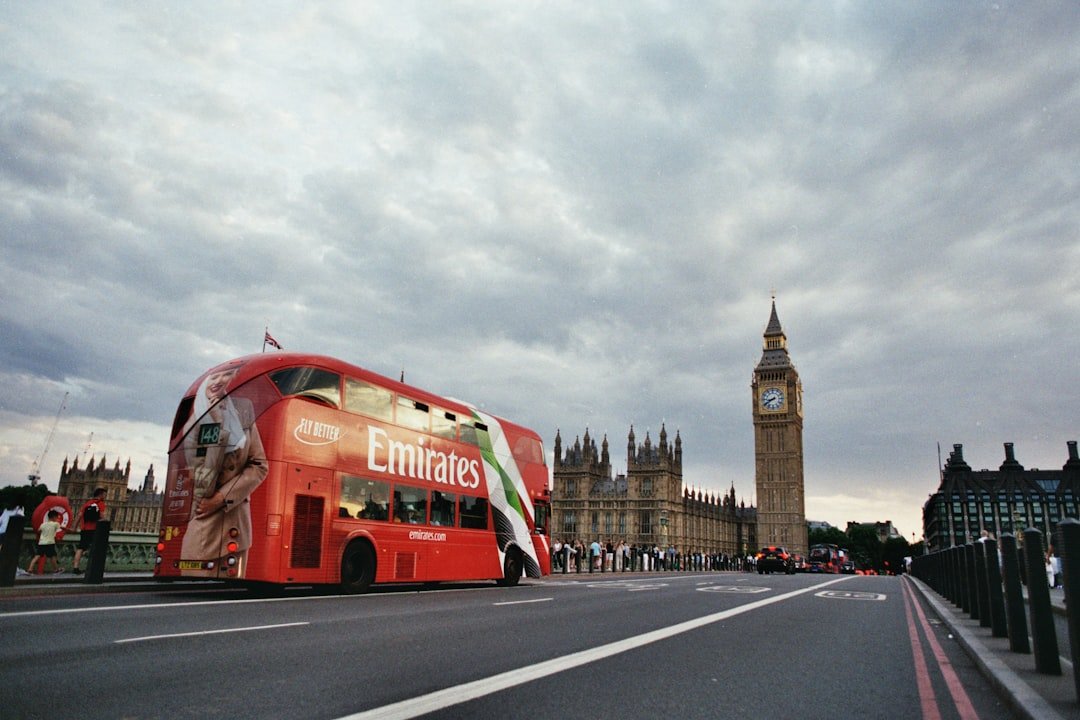
A London trip cost can vary widely, but accommodation usually creates the biggest difference between a budget visit and an expensive one. For a 2026 trip, price your room first, then add local transport, food, attractions, flights, insurance, shopping, and other personal expenses. Official figures make several of those costs much easier to estimate.
Quick Answer
Using April 2026’s £205.95 Greater London hotel ADR as a benchmark, seven nights equals £1,441.65 per room. Add up to £44.70 per adult for Zones 1-2 travel in a Monday-to-Sunday week, then budget separately for meals, flights, paid attractions, insurance, shopping, and airport transfers.
Last checked: October 1, 2026. Dates and figures were verified against official sources.
Key Takeaways
- Accommodation is the largest variable, so use your actual travel dates rather than assuming one London-wide hotel price.
- Zones 1-2 pay-as-you-go travel is capped at £8.90 per day and £44.70 from Monday to Sunday.
- The adult bus and tram fare is £1.75 through October 31, 2026, rising to £1.85 on November 1.
- Major national museums can be free, while one paid landmark can add £30 or more per adult.
- Keep flights, airport transfers, insurance, shopping, and day trips as separate budget lines because they vary sharply by traveler.
London Trip Cost at a Glance
The most useful way to estimate a London trip is to separate published prices from expenses that change daily. Transport and attraction admissions have clear prices, while hotel rooms, meals, and flights depend much more on your dates and choices.
| Cost | 2026 reference | What it means for your budget |
|---|---|---|
| Greater London hotel ADR | £205.95 in April 2026 | A market benchmark, not a guaranteed room price. |
| Zones 1-2 daily transport cap | £8.90 | Useful ceiling for a sightseeing day using eligible pay-as-you-go transport. |
| Zones 1-2 weekly cap | £44.70 | Applies Monday through Sunday when the same eligible payment method is used. |
| Bus or tram journey | £1.75 through Oct. 31; £1.85 from Nov. 1 | One of the least expensive ways to travel around London. |
| Tower of London adult ticket | £38 without donation from Oct. 1, 2026 | Shows how quickly several paid landmarks can raise a sightseeing budget. |
| British Museum permanent collection | Free | Free national museums can offset the cost of paid attractions. |
The hotel figure comes from the VisitEngland April 2026 England Occupancy Survey. Its Greater London average daily rate was £205.95, but the underlying hotel panel covers only part of the estimated market. Treat it as a useful benchmark rather than a quote for your dates.
Transportation Costs in London
Public transport is one of the easier parts of a London trip cost to predict. Contactless payment and Oyster pay-as-you-go pricing both let visitors avoid repeatedly buying expensive paper tickets, while daily and weekly caps limit eligible spending.
Under Transport for London’s 2026 fare schedule, an adult Zone 1 pay-as-you-go Tube journey costs £3.10 at peak times and £3.00 off-peak. A paper single ticket covering Zones 1-6 costs £7 where TfL fares apply.
For travel across Zones 1 and 2, the adult pay-as-you-go cap is £8.90 per day. The Monday-to-Sunday weekly cap is £44.70. That weekly period matters: a seven-day vacation that starts midweek does not create a separate rolling seven-day cap.
Bus and tram costs
London buses can be cheaper than repeatedly taking the Tube, and they also let you see the city while traveling. The TfL bus and tram fare is £1.75 per adult journey through October 31, 2026, with a £5.25 daily cap.
From November 1, 2026, the adult fare rises to £1.85 and the bus-and-tram daily cap becomes £5.55. TfL’s Hopper fare allows additional bus or tram journeys within one hour of first touching in for the price of one journey.
Oyster or contactless?
For most adult visitors, both are practical pay-as-you-go options. Contactless avoids buying and topping up a separate card, while Oyster remains useful for travelers who prefer a dedicated travel card or qualify for an Oyster-based concession.
Whichever method you use, keep your transport spending separate from airport transfers. For example, TfL’s 2026 adult pay-as-you-go fare between Zone 1 and Heathrow on the Elizabeth line is £15.50, which can make arrival and departure days cost more than an ordinary central-London sightseeing day.
National Rail and coach services such as National Express can also be useful for longer journeys. Day trips to places such as Windsor Castle or Oxford should therefore have their own transport and admission allowance rather than being hidden inside your normal London travel budget.
Accommodation Expenses
Accommodation is usually the largest and least predictable part of a London trip cost. Prices change by neighborhood, day of the week, season, events, room type, cancellation terms, and how early you book.
The £205.95 Greater London ADR recorded in April 2026 is more useful than assuming every mid-range hotel costs the same amount. It represents an average room rate across the survey panel, so an individual booking can be far below or above it.
Central areas such as Westminster and Covent Garden often command higher prices because you are close to major sights, theaters, restaurants, and transport. Staying farther out can reduce the room rate, but calculate the extra travel time and transport cost before deciding that the cheaper room is better value.
Hotels, hostels, and vacation rentals
Hostel dorms are usually the lowest-cost choice for solo travelers who are comfortable sharing facilities. Private hostel rooms, guesthouses, budget hotels, apartments, and conventional hotels fill the gap between a dorm bed and luxury accommodation.
Vacation rentals, including Airbnb listings, can be useful for families or longer stays, especially when a kitchen helps reduce restaurant spending. However, do not assume a rental is automatically cheaper than a hotel. Compare the full stay price, location, transport needs, cancellation rules, and any booking or cleaning charges.
Food and Dining Expenses

Food spending can range from inexpensive takeaway meals to costly fine dining, so there is no reliable single daily figure for every visitor. A practical budget should reflect how many meals you plan to buy in restaurants versus supermarkets, cafes, markets, or your accommodation.
London’s street-food markets, including Borough Market and Camden Market, are useful for comparing several vendors in one place. The official Visit London cheap-eats guide currently lists examples ranging from food under £10 to set-menu options around £15 to £22. These are examples, not citywide averages.
How to keep food costs predictable
Set a separate allowance for breakfast, lunch, dinner, snacks, and drinks rather than using one vague daily number. Lunch specials and pre-theatre menus can cost less than ordering a comparable dinner, while supermarkets and accommodations with kitchens can reduce the number of restaurant meals you need to buy.
Traditional pubs can offer convenient meals, but they are not automatically the cheapest option in every neighborhood. Compare the menu before ordering. In sit-down restaurants, also check whether a service charge has already been added before leaving an additional tip.
Entertainment and Attraction Costs
London can be inexpensive for sightseeing if you combine free museums, parks, markets, and landmarks with a small number of paid attractions. The expensive mistake is assuming every major sight costs roughly the same amount.
From October 1, 2026, a standard adult ticket to the Tower of London costs £38 without the optional donation. Several attractions at that price level can quickly become one of the largest daily expenses after accommodation.
Buckingham Palace needs different planning because public access to the State Rooms is seasonal. For the 2026 Buckingham Palace summer opening, standard State Rooms admission was £33 for an adult when booked in advance and £37 on the day, with the main summer opening running from July 9 to September 27.
Use free attractions to balance paid ones
The British Museum’s permanent collection is free, although advance booking is recommended for priority entry during busy periods. Other major national museums and galleries also make it possible to spend a substantial part of a sightseeing day without paying admission.
West End theater prices vary by production, day, and seat. The Official London Theatre Ticket Booth in Leicester Square sells on-the-day and advance tickets, including both discounted and full-price seats. Some individual shows also offer rush tickets or lotteries.
If you are considering a London Pass or another attraction pass, list the attractions you will realistically visit and compare their separate admission prices with the pass cost. A pass only saves money when its included attractions match your actual itinerary.
Shopping Expenses
Shopping is almost entirely optional, so it deserves its own spending limit rather than being mixed into your daily essentials. London offers everything from luxury stores to secondhand markets, which means the same trip can involve almost no shopping or hundreds of pounds in extra spending.
Bond Street, Harrods, and Selfridges cater heavily to luxury shoppers, while areas such as Camden Market, Portobello Road Market, and Brick Lane Market offer a wider mix of vintage items, souvenirs, crafts, and independent sellers.
High-street retailers such as Primark can provide lower-cost clothing than luxury department stores. The simplest way to protect your budget is to decide your shopping allowance before the trip and treat it as separate from accommodation, food, transport, and sightseeing.
Travel Insurance and Other Miscellaneous Costs

Travel insurance should be budgeted separately because there is no reliable universal price for a London visitor. Premiums depend on factors such as your home country, age, trip value, trip length, medical history, activities, and the type of cancellation or medical protection included.
This can matter particularly for overseas visitors who assume all UK healthcare is automatically free. The NHS guidance for visitors from outside the EEA says chargeable visitors may pay 150% of the standard NHS rate for secondary care unless an exemption applies, and advises visitors to have appropriate medical or travel insurance.
Note: Insurance exclusions and medical coverage vary by policy and country of residence. Read the policy wording carefully and ask the insurer about anything you are unsure about, especially pre-existing conditions or expensive planned activities.
Other easily missed expenses include airport transfers, checked luggage, luggage storage, mobile data, roaming charges, guided tours, day trips, and tips. If you will use your phone heavily for maps and transport, compare your existing roaming plan with a local SIM or eSIM before traveling.
Tips for Saving Money on a Trip to London
You do not need to avoid London’s major attractions to control your spending. The biggest savings usually come from reducing accommodation costs, using capped public transport, mixing free and paid sightseeing, and planning meals instead of making every decision after you arrive.
- Use fare caps: Pay as you go with the same payment method so eligible Tube, rail, bus, and tram spending can reach the applicable cap.
- Build days around free attractions: Pair a paid landmark with a free museum, park, market, or walking route instead of buying several admissions every day.
- Compare neighborhoods: A cheaper hotel outside the center can work well when the transport connection is direct and the commute does not consume too much sightseeing time.
- Use lunch deals strategically: If you want one higher-end restaurant experience, lunch or a pre-theatre menu may cost less than the evening menu.
- Price attraction passes against your itinerary: Do not buy a pass based only on its advertised maximum savings.
- Book the expensive fixed items first: Once flights and accommodation are known, the remaining daily budget becomes much easier to control.
- Keep shopping separate: Souvenirs and clothing should not quietly consume money reserved for meals or transport.
How to Build Your London Trip Budget
A good London budget is a calculation, not a generic daily spending number. Price each category using your actual dates and itinerary, then add a contingency amount that fits your circumstances.
- Price your flights. Airfare varies too much by origin and date to include in a universal London total.
- Calculate accommodation. Multiply your real nightly room price by the number of nights, including any charges shown before booking.
- Estimate local transport. Use the appropriate TfL daily or Monday-to-Sunday weekly cap for the zones you expect to use.
- List paid attractions. Add the current admission price of every attraction you genuinely plan to visit.
- Create a meal plan. Decide which meals will be restaurant meals, market food, takeaway, breakfast at the hotel, or self-catered food.
- Add variable extras. Include airport transport, day trips, insurance, mobile service, luggage costs, tips, and shopping.
- Add the categories together. Your total London trip cost is flights plus accommodation, local transport, food, attractions, insurance, shopping, and miscellaneous spending.
For a seven-night stay, the April 2026 Greater London ADR would equal £1,441.65 per room before adding any other category. If two adults shared that room equally, the accommodation benchmark would be about £720.83 each. That is only an illustration based on one month’s market data, not a promise of what your hotel will charge.
If your seven travel days run Monday through Sunday and your eligible journeys stay within Zones 1 and 2, the current weekly cap is £44.70 per adult. If the trip crosses two TfL cap weeks, calculate the days according to the actual calendar instead of assuming every seven-day visit receives the weekly maximum.
If you have kitchen access and want another inexpensive food idea, this homemade cottage cheese recipe is one option for preparing a simple snack yourself.
Frequently Asked Questions
How much does a one-week trip to London cost?
There is no single all-in weekly price. Using April 2026’s Greater London hotel ADR, seven nights at £205.95 equals £1,441.65 per room. A Monday-to-Sunday Zones 1-2 cap adds up to £44.70 per adult; then add food, flights, attractions, insurance, and personal spending.
What are the main expenses to consider when planning a trip to London?
The main expenses are flights, accommodation, local transport, food, paid attractions, and insurance. You should also account for airport transfers, mobile data, day trips, shopping, luggage charges, and other personal spending. Keeping these categories separate makes it easier to see which choices are pushing your total higher.
How much does accommodation cost in London?
Accommodation prices change significantly by date and property. VisitEngland’s April 2026 hotel survey recorded a £205.95 average daily rate for Greater London, but that is a market benchmark rather than a quote. Hostels, outer-London hotels, vacation rentals, central hotels, and luxury properties can differ substantially.
What is the cost of transportation in London?
For adults, Zones 1-2 pay-as-you-go travel is capped at £8.90 per day and £44.70 from Monday through Sunday. A bus or tram journey costs £1.75 through October 31, 2026, then £1.85 from November 1. Airport and longer-distance journeys can add more.
How much should I budget for food and dining in London?
There is no dependable citywide meal budget because restaurant choices vary too much. Current Visit London examples include inexpensive food under £10 and set-menu options around £15 to £22. Build your own daily allowance around the number of restaurant, market, takeaway, and self-catered meals you expect.
What additional expenses should I include in my London budget?
Include airport transfers, insurance, mobile service, luggage fees, day trips, guided tours, tips, shopping, and a contingency amount. These expenses are easy to overlook because they do not occur every day. Travelers taking several day trips or buying souvenirs should give those categories their own separate allowance.
Is Oyster or contactless cheaper for London travel?
For ordinary adult pay-as-you-go travel, contactless and Oyster generally use the same TfL fare structure and caps. Contactless is convenient because there is no separate card to buy or top up. Oyster can still make sense for travelers using Oyster-specific concessions or who prefer a dedicated travel card.
Sources
- Transport for London 2026 fares: Tube, rail, daily and weekly caps, paper fares, and Heathrow Elizabeth line pricing.
- Transport for London bus and tram fares: current and November 2026 bus fares, caps, and Hopper fare information.
- VisitEngland April 2026 England Occupancy Survey: Greater London average daily hotel rate and survey methodology.
- Visit London cheap restaurants guide: current examples of lower-cost meals and set menus.
- Historic Royal Palaces: Tower of London admission prices from October 1, 2026.
- Royal Collection Trust: Buckingham Palace 2026 opening period and State Rooms ticket prices.
- British Museum: free permanent-collection admission and visitor booking guidance.
- Official London Theatre Ticket Booth: Leicester Square same-day and advance theater ticket information.
- NHS overseas visitor guidance: healthcare charging and insurance guidance for relevant overseas visitors.