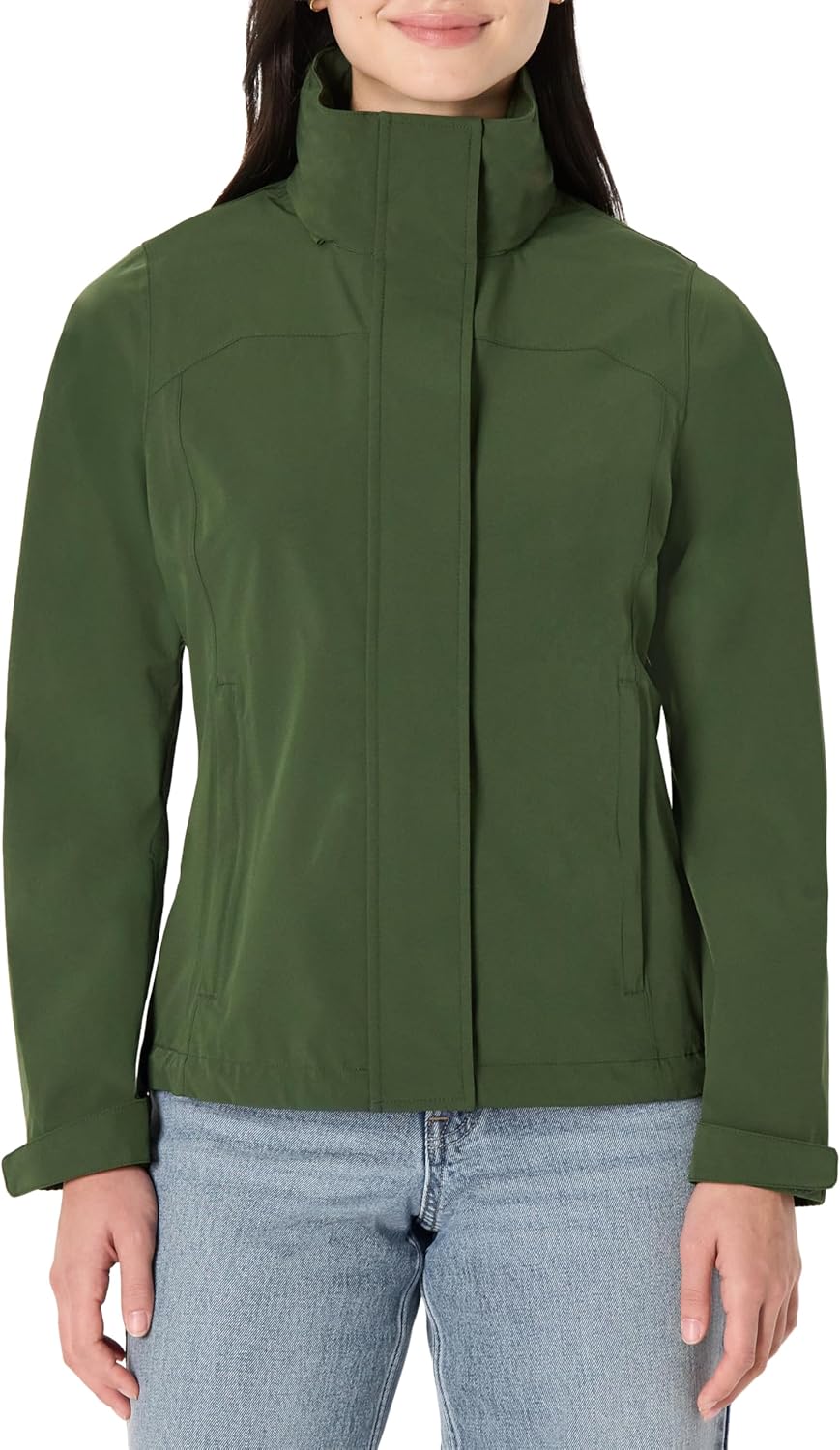
If you’re deciding what to wear in London in October, plan for cool mornings, mild afternoons, rain, and warmer indoor spaces rather than deep winter cold. The most practical approach is a small set of removable layers, rain-ready outerwear, and comfortable walking shoes. That combination works for parks, museums, public transport, restaurants, and evening plans.
Quick Answer
For London in October, wear a breathable base layer, a light sweater, and a water-resistant outer layer you can remove indoors. Add comfortable closed-toe shoes with good grip, plus a compact umbrella or hood. A heavy winter coat is usually unnecessary, but mornings, evenings, rain, and wind can feel chilly.
Last checked: October 1, 2026. Dates and figures were verified against official sources.
Key Takeaways
- Met Office 1991–2020 averages for Greenwich Observatory put October’s average daily maximum at 15.83°C (60.5°F) and minimum at 8.99°C (48.2°F).
- October averages 58.34 mm of rain at Greenwich, with 10.27 days receiving at least 1 mm, so rain protection deserves space in your bag.
- Water-resistant, broken-in walking shoes are more useful than bulky winter footwear for most city sightseeing.
- In 2026, UK clocks go back on October 25, so late-month sightseeing shifts into darker evenings earlier.
What Weather Should You Dress for in London in October?
London in October is cool, changeable, and often damp, but it is not normally midwinter weather. The Met Office’s 1991–2020 Greenwich Observatory climate averages give a clearer packing baseline than relying on a single forecast.
At Greenwich, October’s average daily maximum is 15.83°C (60.5°F), while the average minimum is 8.99°C (48.2°F). Average monthly rainfall is 58.34 mm, with 10.27 days recording at least 1 mm of rain. These are long-term averages rather than a prediction for your individual travel dates.
| October climate measure | Greenwich Observatory average | What it means for clothing |
|---|---|---|
| Daily maximum | 15.83°C / 60.5°F | Light or medium layers usually work better than one heavy coat. |
| Daily minimum | 8.99°C / 48.2°F | Keep a sweater, jacket, or scarf available for mornings and evenings. |
| Monthly rainfall | 58.34 mm | A water-resistant outer layer is worth packing. |
| Days with at least 1 mm of rain | 10.27 days | Carry a hood or compact umbrella when you will be outside for hours. |
Visit London’s official October guide similarly recommends warm, waterproof clothing and comfortable footwear. Check the short-range forecast shortly before leaving each morning because actual October conditions can vary considerably from the monthly averages.
If you are visiting late in the month, daylight also changes noticeably. According to GOV.UK’s clock-change schedule, British Summer Time ends on Sunday, October 25, 2026, when UK clocks go back one hour.
What to Wear in London in October: Layering for Changing Temperatures
Layering is the easiest way to stay comfortable through a London October day. Choose pieces that work on their own so you can remove a jacket or sweater without making the rest of the outfit impractical.
Start With a Breathable Base Layer
A fitted long-sleeve top, T-shirt, blouse, or other breathable base works well under autumn layers. Merino wool and moisture-managing synthetic fabrics can be useful if you tend to get warm while walking, while a simple cotton top can work well for everyday city sightseeing.
Avoid starting with a very thick top if you expect to spend much of the day in museums, cafés, shops, or public transport. Indoor spaces can feel noticeably warmer than the street.
Add a Light or Medium Mid-Layer
A lightweight sweater, cardigan, fleece, or knit gives you insulation without committing you to a bulky winter outfit. Choose pieces that can be folded into your day bag if the afternoon becomes mild.
Neutral shades are easy to combine, but you do not need to limit yourself to black or grey. Burgundy, rust, olive, navy, camel, and other autumn colors work naturally with denim and dark trousers.
Finish With a Rain-Ready Outer Layer
Your final layer should block wind and handle at least light rain. A trench coat, lightweight waterproof jacket, or weather-resistant parka gives you more flexibility than a very heavy winter coat.
Make sure there is enough room underneath for your sweater without restricting your shoulders. If the forecast turns colder near the end of the month, you can simply add a warmer mid-layer rather than rebuilding your whole travel wardrobe.
Footwear for Navigating the City

Comfortable, closed-toe shoes with reliable grip should be your priority in October. London sightseeing often involves long stretches on foot, stairs, public transport, hard pavements, and occasional wet surfaces.
Supportive trainers, leather walking shoes, or ankle boots can all work. Water resistance is especially useful because damp socks can make an otherwise comfortable day unpleasant.
If you prefer boots, choose a pair that bends comfortably at the foot and that you have already worn for several hours at a time. Brands such as Hunter and Dr. Martens sell styles that may suit wet-weather travel, but check the specific model’s fit, sole, and water resistance rather than assuming every boot performs the same way.
For theatre, afternoon tea, or a smarter restaurant, you can pack one dressier pair if your plans require it. A polished flat, loafer, clean leather trainer, or comfortable low boot often takes less luggage space than formal shoes that you will wear only once.
Pro Tip: Do not make a brand-new pair of shoes your only walking option. Break them in before your trip and wear the same socks you expect to use while sightseeing.
Accessories to Handle October Rain
A few small accessories can make a wet London day much easier. Prioritize items that fit in your normal day bag instead of carrying a separate set of rain gear.
A compact umbrella is useful for showers, especially when you will be moving between attractions. A hooded jacket is an even simpler backup in wind or crowded areas where opening an umbrella is awkward.
A water-resistant backpack, crossbody bag, or tote can help protect your phone, travel documents, and electronics. If your usual bag is not rain resistant, keeping small valuables inside a zip pouch gives them another layer of protection.
A lightweight scarf earns its place because it adds warmth without much bulk. It is especially useful in the morning, after sunset, or during an exposed walk beside the river or through a park.
Fashionable Outerwear That Still Works in the Rain
Your coat will be one of the most visible pieces in almost every outdoor outfit, so it makes sense to choose something you enjoy wearing. Practicality still comes first: October outerwear should allow movement, fit over a sweater, and cope with changeable weather.
A classic trench coat works with jeans, tailored trousers, skirts, dresses, and smarter evening clothes. Neutral beige, navy, black, olive, or similar shades are easy to mix across a compact travel wardrobe.
A tailored waterproof jacket or parka is a better option if you expect long outdoor days. A faux-fur-lined hood can add warmth later in the month, while a lighter shell works better for travelers who run warm.
Barbour and The North Face are examples of brands that sell weather-oriented outerwear, but fabric performance and fit matter more than the label. A wool coat can also look polished for evenings, although it is less versatile in sustained rain unless the specific fabric has suitable weather protection.
If autumn walks are a major part of your itinerary, the Royal Parks’ autumn walking guidance recommends layered upper garments and suitable footwear for cool or wet conditions.
Dressing for Indoor Activities

Dress for indoor attractions with removable outer layers rather than relying on one thick garment all day. That makes it easier to move from a cool street into museums, galleries, restaurants, shops, and theatres without overheating.
Museums and Galleries
Breathable fabrics and a light sweater work well for long museum visits. Keep bulky outerwear to a minimum if possible, particularly when you are carrying a day bag as well.
Facilities vary by attraction. For example, the British Museum’s current visitor information lists a cloakroom and charges £3 for a coat and £2 for an umbrella, subject to its capacity and restrictions.
Dressing for Theatres, Restaurants, and Evening Venues
A smart-casual outfit is versatile enough for many indoor plans. Tailored trousers with a blouse, shirt, or lightweight knit can move easily from sightseeing to dinner, while a blazer, dress, or simple jewelry can make the same outfit feel more polished.
You do not generally need formal clothing just to see a West End show. Visit London’s theatre clothing guide says most West End shows do not have a dress code, although individual venues or special events may set their own requirements.
Restaurants can differ more, especially at the higher end. If one particular meal is important to your trip, check that restaurant’s own dress policy before packing a separate pair of shoes or a formal jacket.
Layering for Indoor Temperatures
Keep your indoor layers easy to remove and carry. A cardigan, light knit, or blazer is more adaptable than a single thick sweater, especially when your day includes both outdoor sightseeing and long periods inside.
If your coat is bulky, consider whether the venue has a cloakroom before bringing it. Smaller layers also make public transport and tightly spaced theatre seating more comfortable.
Autumn Colors and Textures That Work Well in London
You can make a practical October wardrobe feel seasonal without chasing short-lived fashion trends. Autumn colors and textured fabrics add variety while still working with the same small group of travel basics.
Burnt orange, deep burgundy, olive green, camel, navy, and charcoal pair easily with denim or neutral trousers. You can introduce them through a sweater, scarf, bag, or coat rather than packing several statement pieces.
Corduroy trousers, skirts, and jackets can add texture without sacrificing warmth. Chunky or oversized knitwear can also feel cozy, although very bulky sweaters take up luggage space and may become uncomfortable indoors.
Suede shoes and bags can look seasonal, but they are less convenient during wet weather unless the specific item has suitable protection. If rain is likely, leather or purpose-made water-resistant footwear is usually easier to manage.
Accessories such as patterned scarves or hats can change the look of repeated outfits. A scarf is particularly practical because it takes little room and can be removed quickly when the temperature rises.
Packing Essentials for a Trip to London in October
A compact capsule wardrobe is usually enough for an October city break. Choose items that can be combined in several ways instead of packing a separate outfit for every day or activity.
A Practical One-Week Clothing Capsule
- Three or four breathable T-shirts, blouses, or long-sleeve tops.
- One or two lightweight or medium-weight sweaters or cardigans.
- Two pairs of trousers or jeans that work with every top.
- One water-resistant trench, jacket, or parka.
- One comfortable pair of water-resistant walking shoes.
- One optional smarter pair of shoes for specific evening plans.
- Enough socks and underwear for your trip or laundry schedule.
- One lightweight scarf.
- A compact umbrella or hooded rain layer.
- A practical day bag that can protect your essentials from light rain.
If you prefer dresses or skirts, substitute them for one pair of trousers and add tights if the forecast calls for cooler conditions. The goal is flexibility, not a fixed uniform.
Useful Non-Clothing Items
Pack your normal travel-sized toiletries, charging cables, and any plug adapter your devices need. A portable power bank can be useful on long sightseeing days when you rely on your phone for maps, tickets, photographs, and reservations.
A reusable water bottle is another practical addition. A small first-aid pouch with basic supplies such as adhesive bandages and the personal over-the-counter items you normally use can also save an unnecessary stop during a busy day.
What You Can Usually Leave at Home
A large insulated winter coat is normally more than you need for October unless the short-range forecast turns unusually cold or you personally feel the cold strongly. Multiple bulky sweaters also make layering harder and take up considerable suitcase space.
Do not rely on sandals or open-toe shoes as your main sightseeing footwear. Shorts and T-shirts can occasionally work during a mild spell, but long trousers and removable layers are a more dependable starting point for the month.
Frequently Asked Questions
What is the weather like in London in October?
London is usually cool and damp in October. At Greenwich Observatory, Met Office 1991–2020 averages are 15.83°C (60.5°F) for the daily maximum and 8.99°C (48.2°F) for the daily minimum, with 58.34 mm of rain over 10.27 days with at least 1 mm.
What clothing should I pack for London in October?
Pack removable layers: long-sleeve tops, one or two light sweaters, a water-resistant jacket or trench, long trousers or jeans, and comfortable closed-toe walking shoes. Add a compact umbrella or a hooded outer layer, and bring a scarf if you feel the cold easily.
Can I wear shorts and T-shirts in London in October?
You can get a mild afternoon, but shorts and a T-shirt should not be your main plan for London in October. Long trousers and layers are more dependable because mornings, evenings, wind, and rain can feel much cooler.
Are there any clothes or shoes I should avoid?
Avoid making sandals, open-toe shoes, delicate suede footwear, or a bulky winter coat your only options. Wet pavements favor closed shoes with grip, while indoor spaces and public transport can make very heavy outerwear uncomfortable.
Do I need a winter coat in London in October?
Most visitors do not need a heavy winter coat for London in October. A water-resistant trench, shell, parka, or medium-weight coat with room for a sweater is more flexible, though late-October evenings can feel chilly.
What shoes are best for London in October?
Comfortable, water-resistant trainers or ankle boots with good grip are the most practical choices for London in October. Wear a pair you have already broken in, especially if you expect full days of walking.
If you’re also browsing Tagline Today, you can read this guide to exploring Asian melon or try this homemade cottage cheese recipe.
Sources
- Met Office — Greenwich Observatory long-term averages: October temperature, rainfall, sunshine and rainfall-day averages for 1991–2020.
- Visit London — London in October: Official visitor guidance on October weather and practical clothing.
- GOV.UK — When do the clocks change?: Confirmed 2026 date for the end of British Summer Time.
- The Royal Parks — London parks for autumn walks: Practical clothing and footwear advice for autumn park visits.
- Visit London — What to wear to the theatre: Current guidance on West End dress codes and practical theatre clothing.
- British Museum — Visit information: Current cloakroom facilities, restrictions and charges.